
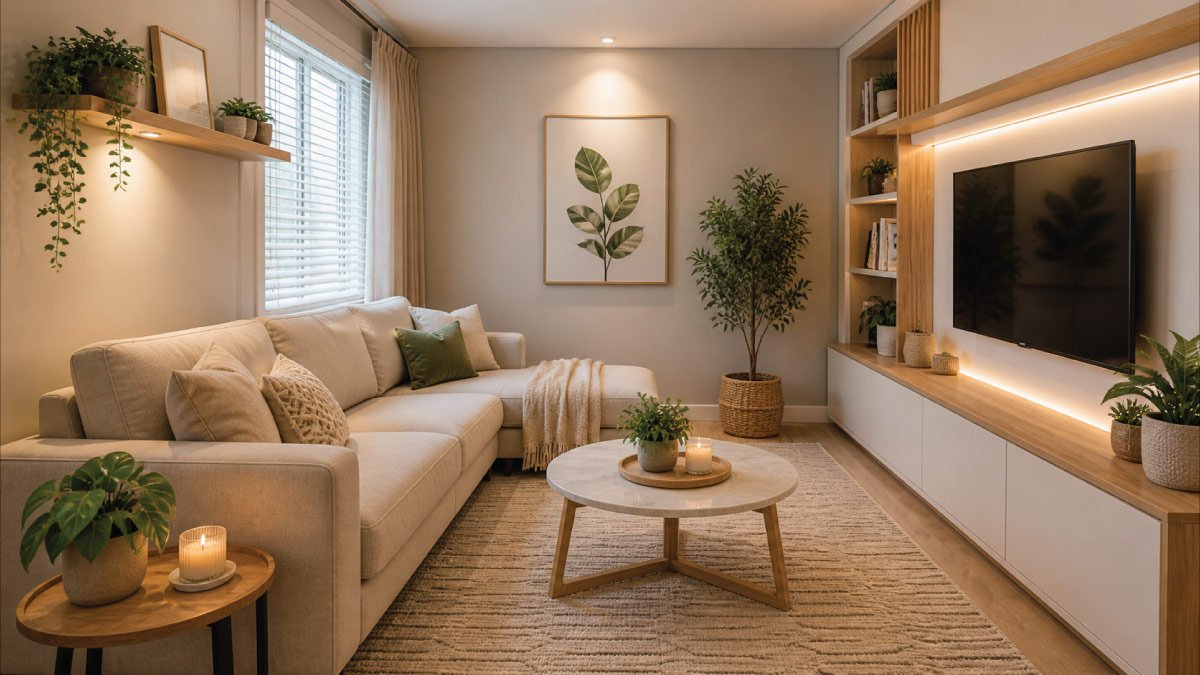
Decorating a small living room can feel like solving a puzzle. You want comfort, style, and functionality but without overcrowding the space. The good news? A smaller room doesn’t mean you have to compromise on beauty or personality. With thoughtful choices and clever design strategies, you can transform even the tiniest living room into a cozy, inviting, and visually stunning space.
This guide will walk you through practical and creative ideas to make the most of your small living room.
1. Start with a Clear Vision
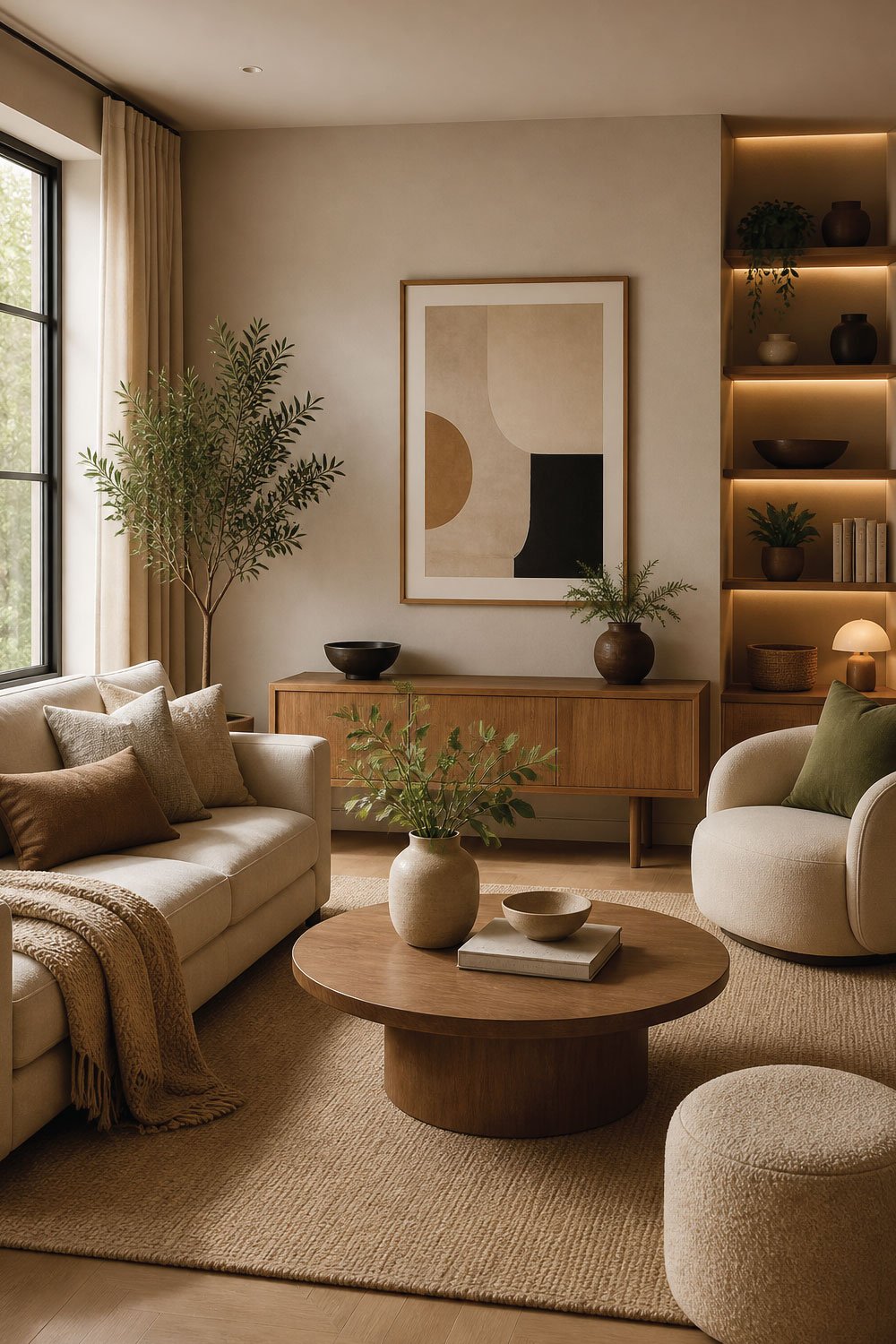
Before you buy furniture or rearrange anything, take time to define the overall purpose and mood of your living room. A clear vision helps you make intentional decisions rather than impulse purchases. When you understand how the space should look and work, every design choice feels more cohesive, practical, and visually balanced instead of crowded or confusing.
- Will this be a relaxing space, a social hub, or both?
- Do you need storage solutions?
- How many people will use it regularly?
Having a clear purpose helps you avoid unnecessary clutter and ensures every item serves a role.
2. Choose the Right Furniture Size
Selecting furniture that fits your space is crucial, especially in small living rooms where every inch matters. Oversized pieces can block movement, reduce comfort, and make the room feel cramped. Choosing appropriately scaled furniture allows for better flow, improved functionality, and a more open, breathable atmosphere that feels welcoming rather than restrictive.
What to do instead:
- Opt for slim-profile sofas or loveseats
- Choose armless chairs to save space
- Look for furniture with exposed legs to create a sense of openness
Multi-functional furniture like storage ottomans or foldable tables is especially valuable in small living rooms.
3. Embrace Light Colors
Light colors can dramatically transform how spacious a living room feels by enhancing natural and artificial light. They visually push walls outward, making the area feel open and calm rather than tight. Choosing a lighter palette creates a clean foundation that helps furniture, décor, and lighting work together to maximize the sense of space.
Best color choices:
- Whites and off whites
- Soft greys
- Pastel tones
- Light beige or cream
That doesn’t mean you have to avoid dark colors completely. You can add depth with darker accents like cushions, rugs, or artwork.
4. Use Mirrors Strategically
Mirrors are an effective design tool for small living rooms because they manipulate light and perception. When placed correctly, they bounce light around the room and visually extend walls. This creates depth and brightness without adding physical clutter, making the space feel more open, polished, and thoughtfully designed.
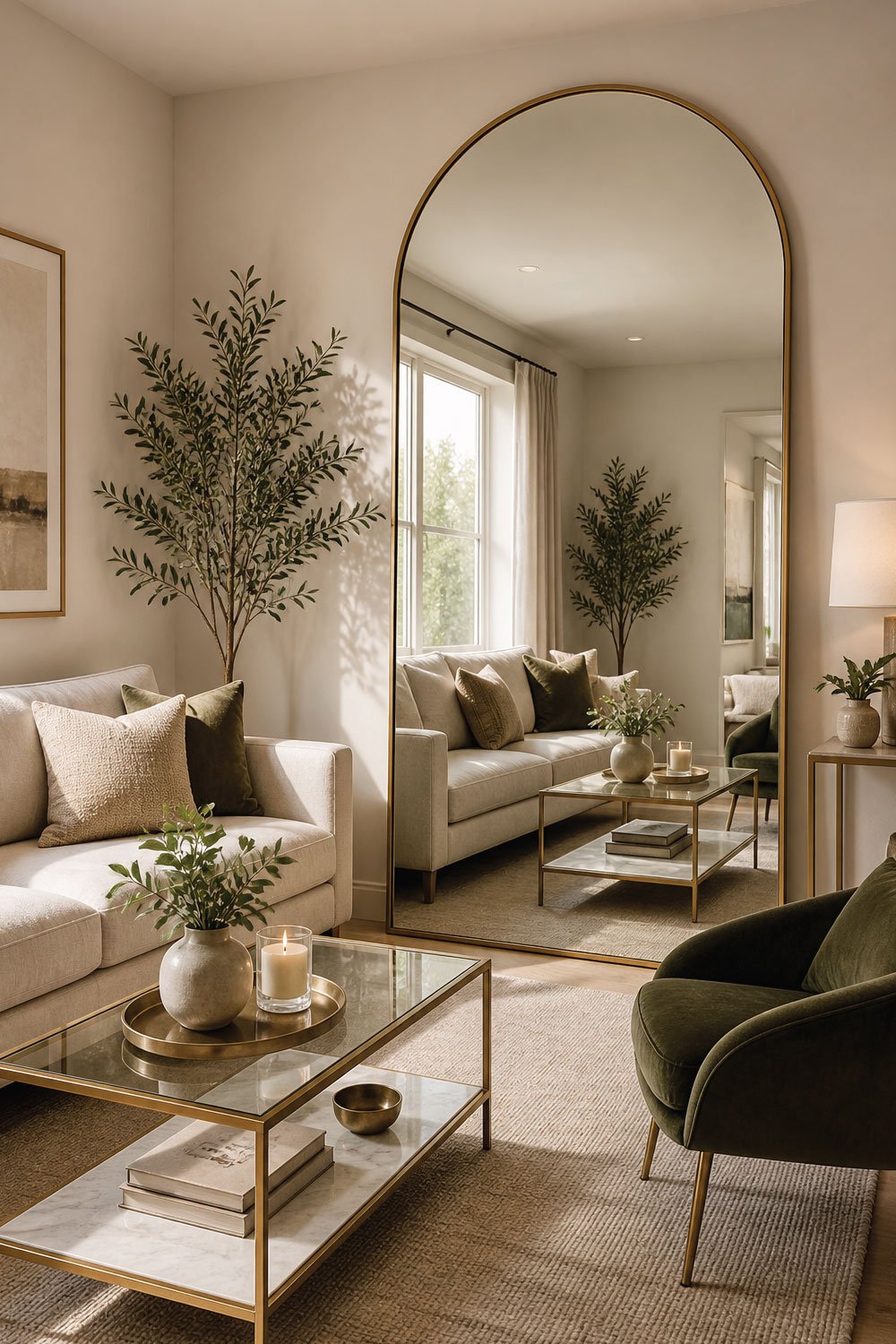
Tips for using mirrors:
- Place a large mirror opposite a window
- Use mirrored furniture sparingly for a modern touch
- Hang a statement mirror to act as décor and function
This simple trick can instantly make your living room feel twice as big.
5. Maximize Vertical Space
When floor space is limited, looking upward can unlock valuable storage and visual balance. Vertical design helps you use areas that often go unnoticed, reducing crowding at ground level. By drawing the eye upward, vertical elements make the room feel taller, more structured, and less confined while keeping essentials organized and within easy reach.
Ways to use vertical space:
- Install wall mounted shelves
- Use tall bookcases instead of wide ones
- Hang curtains closer to the ceiling to elongate the room
Vertical storage not only saves space but also draws the eye upward, making the ceiling feel higher.
6. Keep It Clutter Free
Clutter can instantly shrink the appearance of any living room, especially smaller ones. Too many visible items compete for attention and disrupt visual flow. Maintaining a clutter-free environment allows the room to breathe, improves functionality, and creates a calm, open atmosphere that feels intentional rather than overwhelming or disorganized.
Decluttering tips:
- Keep only essential items on display
- Use hidden storage (under sofas, inside ottomans)
- Regularly rotate décor instead of displaying everything at once
A clean, organized room always feels larger and more comfortable.
7. Choose Smart Lighting
Smart lighting choices can completely change how a small living room is perceived. Proper lighting eliminates dark corners, adds depth, and enhances functionality. Instead of relying on a single light source, layered lighting creates balance and flexibility, allowing the room to feel brighter, warmer, and more spacious throughout the day and evening.
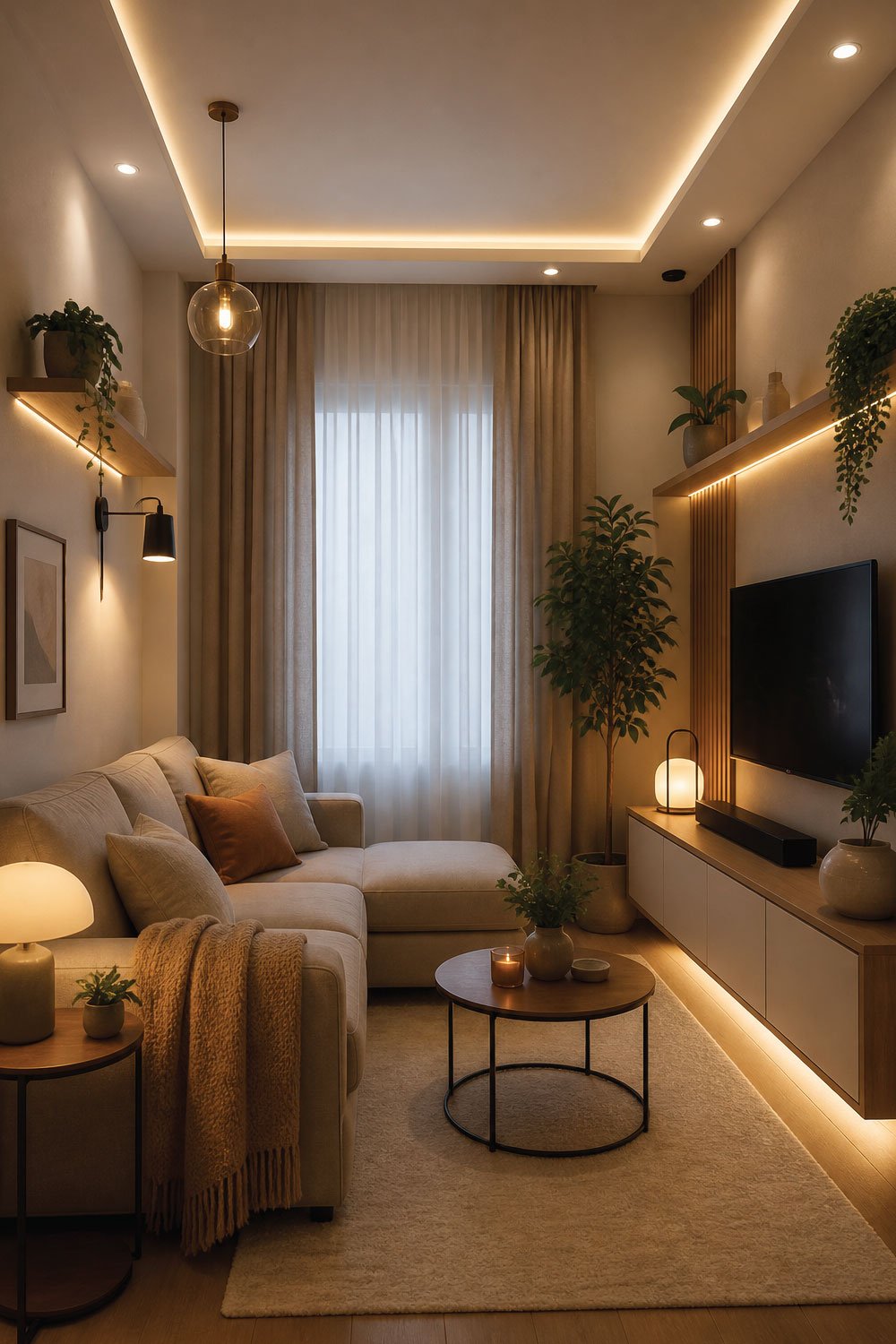
Layer your lighting:
- Ambient lighting (ceiling lights)
- Task lighting (reading lamps)
- Accent lighting (LED strips, wall lights)
Avoid bulky floor lamps if space is tight. Instead, consider wall mounted lights or pendant lamps to free up floor space.
8. Create Zones
Dividing a small living room into clear zones helps the space feel purposeful and organized rather than cramped. Defined areas guide how the room is used and prevent it from feeling like one crowded multipurpose spot. Thoughtful zoning improves flow, functionality, and comfort without requiring physical walls or major renovations.
Examples:
- A seating area with a rug
- A reading corner with a chair and lamp
- A small workspace if needed
Using rugs, lighting, or furniture placement helps visually separate these zones without walls.
You May Also Like:
9. Use Rugs Wisely
A thoughtfully selected rug can visually expand your living room rather than shrink it. Rugs help define areas, anchor furniture, and create continuity across the space. When chosen correctly, they prevent the room from feeling fragmented and instead encourage a smooth visual flow that makes the entire area appear more open and cohesive.
Key tips:
- Choose a rug large enough to fit under your furniture
- Avoid tiny rugs that break up the space
- Use light or neutral tones for a more open feel
A properly sized rug ties the room together and enhances the sense of space.
10. Add Personality with Minimal Décor
Personal style doesn’t come from excess decoration but from thoughtful selection. In a small living room, minimal décor allows standout pieces to shine without overwhelming the space. By focusing on quality over quantity, you create visual interest, maintain balance, and ensure the room feels stylish, intentional, and uniquely reflective of your personality.
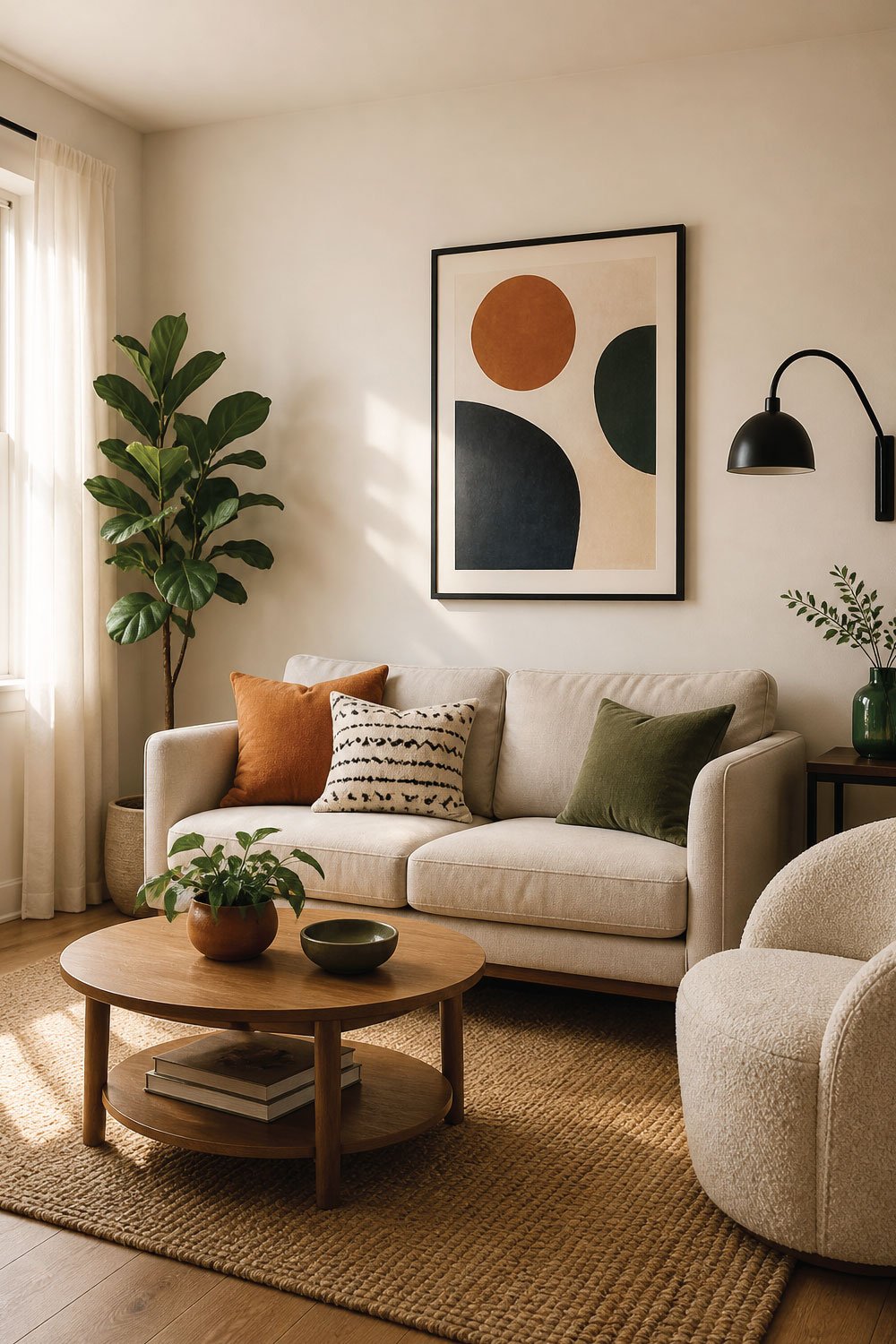
Focus on:
- A few statement pieces (artwork, cushions)
- Plants for freshness and color
- A cohesive color palette
Instead of filling every surface, choose items that stand out and reflect your personality.
You May Also Like:
How to Make a Small Room Functional: Smart Design for Big Living
11. Go for Transparent or Reflective Materials
Transparent and reflective materials are ideal for small living rooms because they reduce visual heaviness. These materials allow light to pass through or bounce around the room, making furniture feel less bulky. As a result, the space appears more open, modern, and uncluttered while still remaining fully functional and practical.
Examples:
- Glass coffee tables
- Acrylic chairs
- Metallic accents
These materials help maintain functionality without adding visual weight.
12. Let Natural Light In
Natural light is one of the most powerful tools for making a small living room feel larger. It enhances colors, softens shadows, and creates a warm, inviting atmosphere. Maximizing daylight reduces the need for heavy lighting and helps the room feel fresh, open, and connected to the outdoors.
How to maximize it:
- Use sheer curtains instead of heavy drapes
- Keep windows unobstructed
- Use light colored window treatments
If privacy is a concern, consider light filtering blinds that still allow sunlight to enter.
13. Keep Furniture Off the Walls (Sometimes)
While pushing furniture against the walls is a common habit in small living rooms, it can actually make the space feel stiff and confined. Allowing some breathing room between walls and furniture creates a more balanced layout. This approach improves movement flow, adds depth, and makes the room feel thoughtfully designed rather than squeezed.
Try this instead:
- Float your sofa slightly away from the wall
- Create a cozy seating arrangement in the center
Even a few inches of space can improve flow and make the layout feel more intentional.
14. Use Built In Storage
Built-in storage is one of the most efficient ways to optimize a small living room because it utilizes space that would otherwise go unused. It helps integrate storage seamlessly into the architecture, reducing visual clutter. This creates a cleaner, more organized environment while maintaining both style and practicality in compact areas.
Benefits:
- Maximizes every inch of space
- Keeps the room tidy
- Blends seamlessly with the design
Think wall units, built in shelves, or custom cabinets.
You May Also Like:
15. Think Minimal but Cozy
Minimalism is highly effective in small living rooms, but it should never feel cold or uninviting. The key is to balance simplicity with warmth by layering textures and soft elements. This approach keeps the space visually open while still making it comfortable, lived-in, and welcoming for everyday use and relaxation.
Balance it with:
- Soft textures (throws, cushions)
- Warm lighting
- Natural materials like wood
The goal is to create a space that feels both open and inviting.
16. Play with Scale and Proportion
Designing a small living room doesn’t mean everything must be small in size. In fact, mixing different scales can create visual interest and make the space feel more thoughtfully designed. When used correctly, larger statement pieces paired with smaller décor elements help balance the room, prevent monotony, and add a sense of depth and personality.
Design tip:
- Include one larger statement piece (like artwork or a mirror)
- Pair it with smaller elements for balance
This contrast can make the room feel more dynamic and less cramped.
17. Keep a Cohesive Theme
A consistent design theme helps unify a small living room and prevents it from feeling visually chaotic. When colors, materials, and styles work together, the space appears more open and intentional. A clear theme also makes decorating easier because every new addition naturally fits into the overall design direction.
Examples of themes:
- Modern minimalist
- Scandinavian
- Boho chic
- Classic neutral
Avoid mixing too many styles, as it can create visual clutter.
You May Also Like:
How to Decorate Your Living Room on a Budget: A Complete Guide
18. Incorporate Hidden Storage
Hidden storage is essential in small living rooms because it allows you to keep everyday items out of sight while maintaining easy access. By reducing visible clutter, the room instantly feels more spacious and organized. These solutions also help maintain a clean aesthetic without sacrificing practicality or comfort in daily use.
Ideas:
- Coffee tables with storage compartments
- Sofas with built in drawers
- Baskets under tables
Hidden storage keeps your essentials accessible while maintaining a clean look.
19. Add Greenery
Adding greenery is one of the simplest ways to make a small living room feel more vibrant and alive. Plants introduce natural color, improve air quality, and soften harsh lines in the space. Even in limited areas, carefully chosen greenery can create a calming atmosphere without overwhelming the room.
Best options:
- Small potted plants
- Hanging plants
- Vertical gardens
They improve air quality and add a refreshing touch without taking up much space.
20. Do not Be Afraid to Experiment
Designing a living room is an evolving process, especially in smaller spaces where every adjustment can make a noticeable difference. Experimenting with layouts, colors, and décor helps you discover what truly works for your space. Flexibility allows you to refine the room over time until it feels both functional and personally comfortable.
Try different layouts, colors, and décor until you find what feels right. Small changes like moving furniture or switching cushions can make a big difference.
Final Thoughts
Decorating a small living room is all about balance between style and function, openness and coziness. By choosing the right furniture, maximizing light, and keeping things organized, you can create a space that feels much larger than it actually is.
A small living room is not a limitation it is an opportunity to get creative and design a space that truly reflects your personality while making every inch count.
With the right approach, your compact living room can become the most charming and comfortable part of your home.
You May Also Like:

I am Engineer Hassan, a professional engineer with over 15 years of experience in measurements, design accuracy, and furniture, appliance, and home product sizing. Through Size Helper, I provide research-based guides and trending 2026 home design ideas for living rooms, bedrooms, sofas, wall décor, fashion, and sports—helping users make confident, informed decisions. Every guide is written with real expertise, verified data, and a commitment to quality, usability, and style.