
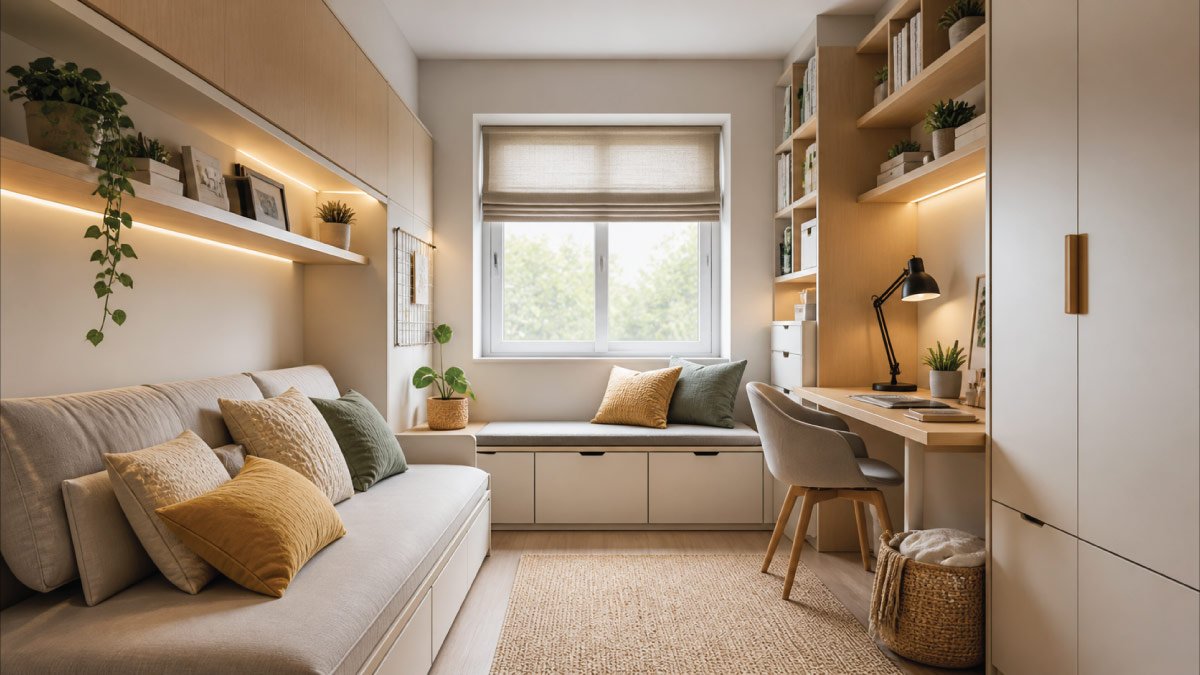
Living in a small room does not mean you have to compromise on comfort, style, or functionality. Whether you are dealing with a compact bedroom, a tiny studio apartment, or a limited workspace, the key lies in making intentional choices. A well designed small room can feel open, organized, and surprisingly spacious if you know how to use every inch wisely.
Let’s walk through practical strategies that turn even the smallest space into a highly functional and enjoyable place to live.
1. Start with a Clear Purpose
Before rearranging furniture or purchasing storage solutions, take time to clearly define the main purpose of the room. Small spaces work best when they have direction. Without a plan, even a tidy room can feel cramped and chaotic. Decide exactly how the space should function before making any changes.
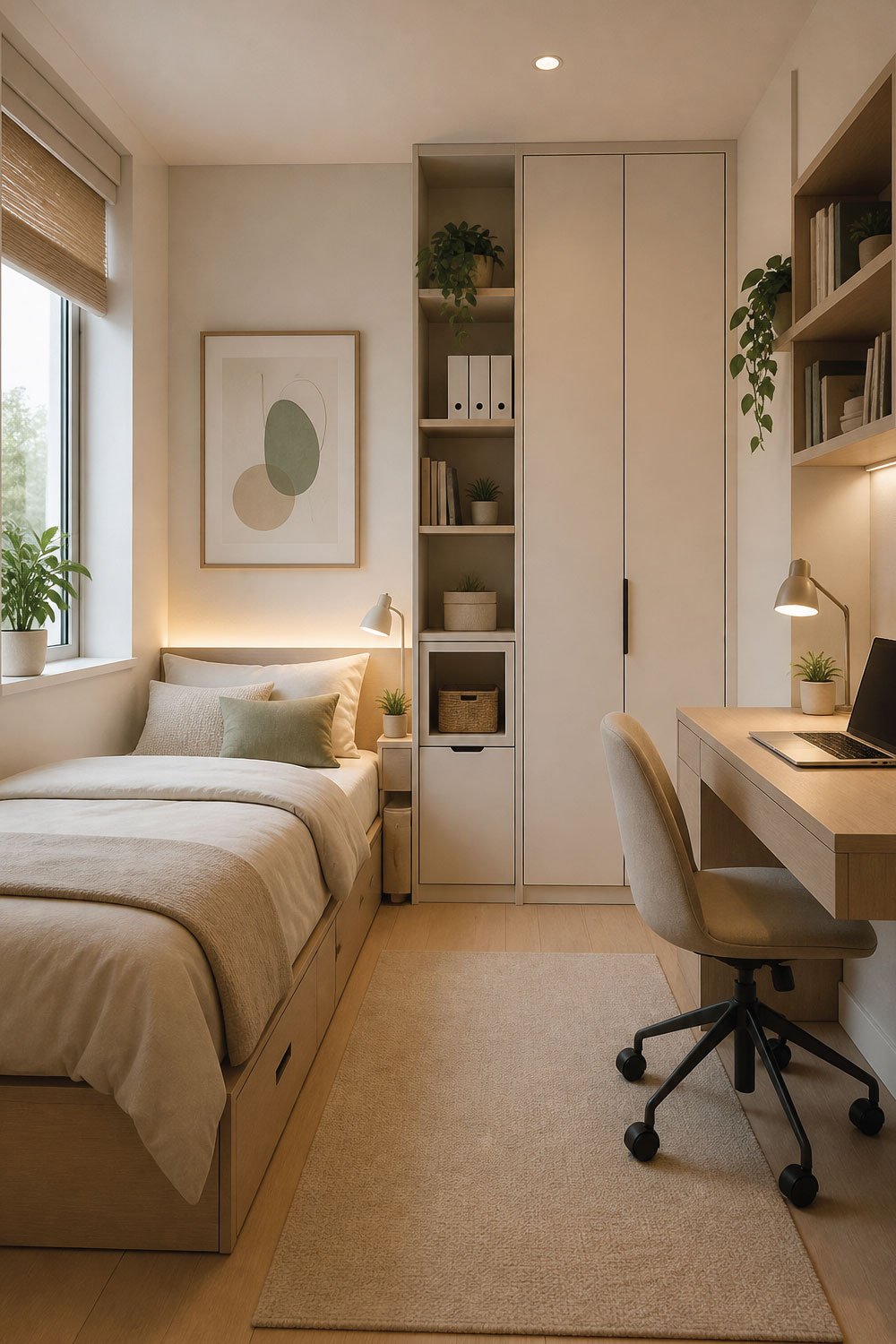
Small spaces struggle most when they try to do everything without a plan. Decide your priorities:
- Sleeping
- Working
- Relaxing
- Storage
Once you are clear, every decision becomes easier. If your room is primarily for sleep, do not overcrowd it with bulky desks. If it is multi-purpose, then focus on flexibility (more on that soon).
2. Choose Multi Functional Furniture
When space is limited, furniture must do more than simply fill a spot. Each piece should provide maximum value while keeping the room open and functional. Multi-functional furniture helps you save space, reduce visual clutter, and maintain comfort without sacrificing essential features.
Look for items that serve more than one purpose:
- A bed with built-in drawers underneath
- A fold-out desk mounted to the wall
- An ottoman that doubles as storage
- A sofa bed for dual sleeping/seating
These pieces reduce clutter and eliminate the need for extra furniture. Instead of filling your room with separate items, you combine functions into fewer, smarter choices.
3. Use Vertical Space Like a Pro
When floor space is limited, the smartest move is to look upward. Vertical space is often underused, yet it offers huge potential for storage and organization. Using your walls effectively helps free up the floor, reduces clutter, and creates a more open, breathable feel in small rooms.
Walls are your best friend in a small room:
- Install floating shelves for books and decor
- Use tall cabinets instead of wide ones
- Hang hooks for bags, hats, or accessories
- Mount your TV or desk to free up space
Many people ignore vertical space and end up overcrowding the floor. By shifting storage upward, you instantly make the room feel larger and less cramped.
4. Keep the Layout Open and Simple
Even with the right furniture, a poor layout can make a small room feel tight and uncomfortable. Simplicity is key. An open layout allows light, movement, and visual balance, helping the room feel calm rather than crowded or overwhelming.
You May Also Like:
Follow these layout principles:
- Avoid blocking pathways
- Leave some empty space (yes, empty space is important)
- Place larger furniture against walls
- Don’t push everything into corners sometimes floating a piece slightly can improve flow
The goal is movement. If you can walk comfortably and your eyes are not overwhelmed, the room will feel bigger.
5. Use Light Colors and Smart Lighting
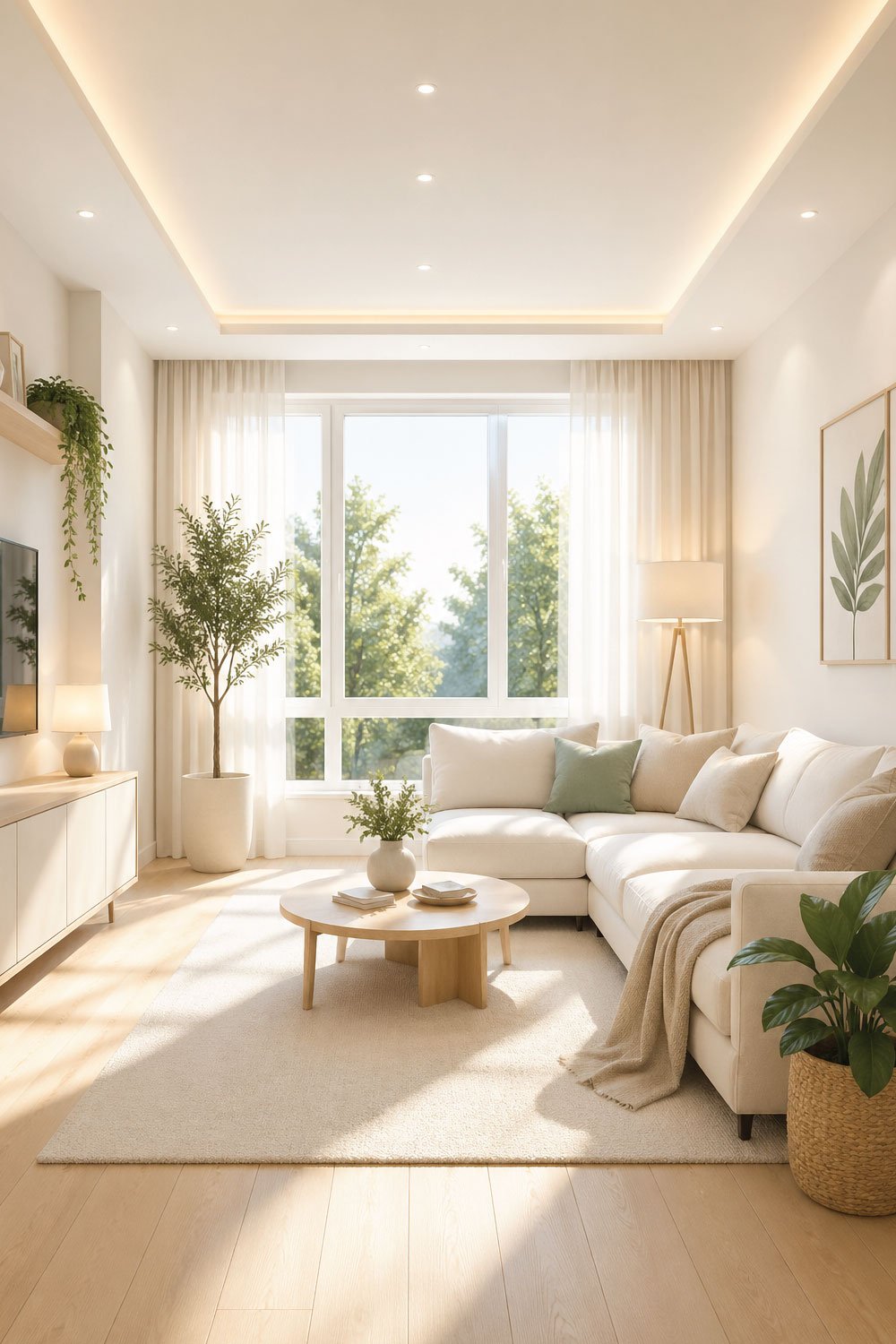
Color and lighting play a major role in how large or small a room feels. The right combination can instantly open up a tight space and make it feel airy and comfortable. Dark tones tend to absorb light and make rooms feel enclosed, while lighter choices create a more open visual effect.
Colors:
- Light shades like white, beige, pastels, or soft gray reflect more light
- Use one consistent color palette to avoid visual clutter
- Add contrast through small accents rather than large dark pieces
Lighting:
- Maximize natural light keep windows unobstructed
- Use layered lighting: ceiling light + lamp + task light
- Avoid harsh, single-point lighting that creates shadows
A bright room always feels larger and more inviting.
6. Mirrors: The Old Trick That Still Works
Mirrors are one of the simplest yet most powerful tools for improving small spaces. They don’t just serve a decorative purpose they actively change how a room is perceived. By reflecting light and surroundings, mirrors help create depth and openness, making tight spaces feel significantly more spacious and balanced.
Placing a mirror strategically can:
- Reflect light and brighten the room
- Create the illusion of depth
- Make the room appear almost twice its size
Try placing a mirror opposite a window or behind a light source for maximum effect.
7. Declutter Ruthlessly
Decluttering is one of the most powerful steps in making a small room feel bigger, yet it’s often the most overlooked. In limited space, every item competes for attention, so anything unnecessary quickly creates visual noise and makes the room feel cramped and chaotic.
Small rooms can’t afford unnecessary items. Every object takes up visual and physical space.
Ask yourself:
- Do I actually use this?
- Does it serve a purpose?
- Can it be stored more efficiently?
Adopt a “less but better” mindset. A few well-chosen items will always look better than too many random ones.
8. Use Smart Storage Solutions
Good storage is not about having more space it is about using available space intelligently and efficiently. In small rooms, smart organization helps reduce clutter, improves accessibility, and keeps the environment visually clean and functional throughout the day.
Show More:
Here are some effective ideas:
- Under bed storage boxes
- Over the door organizers
- Drawer dividers
- Stackable containers
- Hidden storage in furniture
Also, group similar items together. Organized storage reduces stress and makes your room more functional day to day.
9. Define Zones in Multi Purpose Rooms
When a small room needs to serve multiple functions, dividing it into clear zones helps maintain order and balance. Without structure, everything blends together and the space can quickly feel messy or overwhelming. Zoning creates mental separation between activities, making the room easier to use and more comfortable overall.
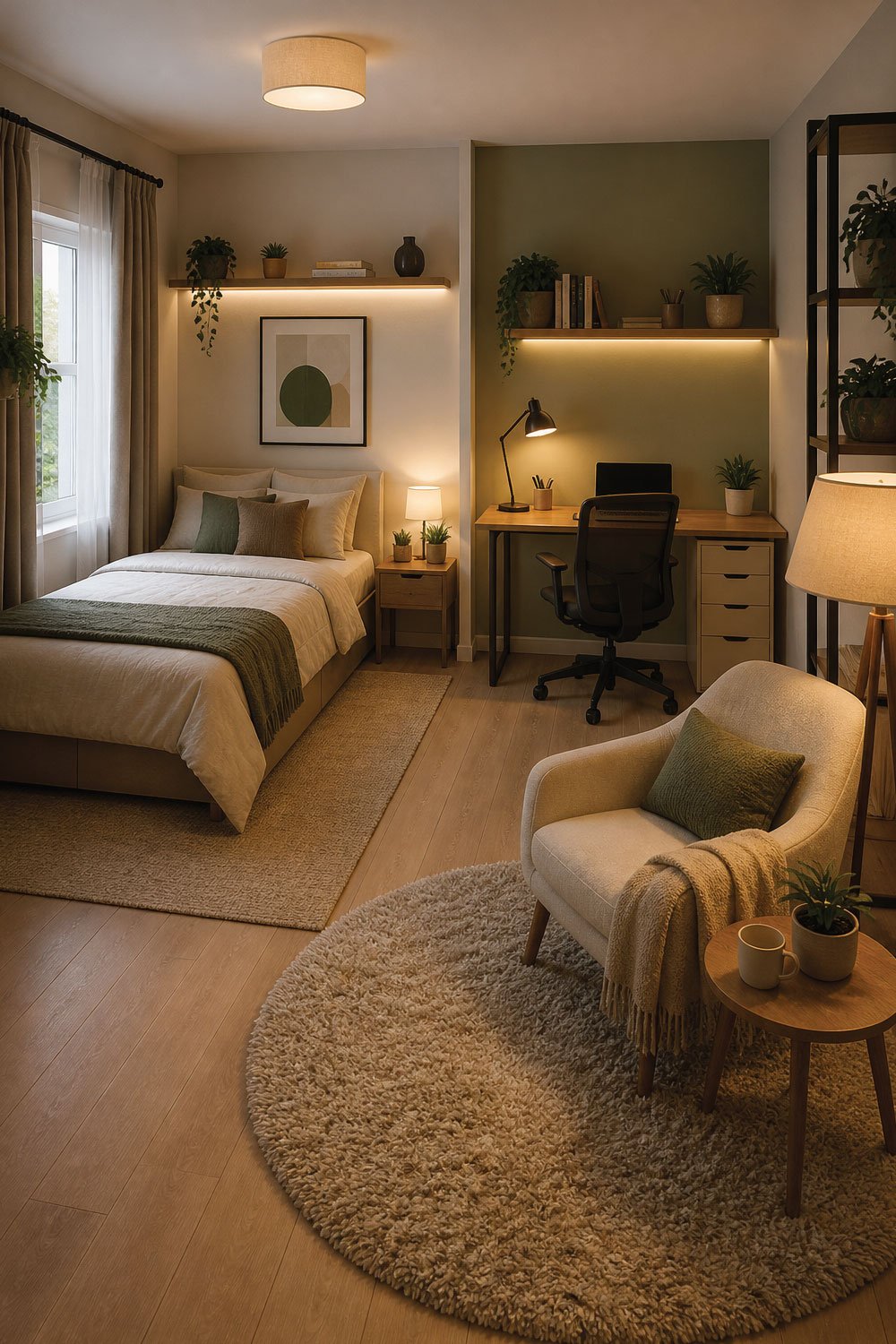
For example:
- A sleeping area (bed + side table)
- A work area (desk + chair)
- A relaxation corner (chair + lamp)
You can define zones using:
- Rugs
- Lighting
- Furniture placement
Even in a small space, this creates structure and prevents the room from feeling chaotic.
10. Keep Decor Minimal but Meaningful
Decor plays an important role in personality and style, but in small rooms it must be used carefully. Over-decorating can easily make the space feel crowded and visually noisy. The goal is to choose items that add value, not just fill empty areas.
Instead of filling every wall and surface:
- Choose a few standout pieces
- Use vertical art rather than wide frames
- Add plants for freshness without clutter
- Stick to a consistent style
Minimal does not mean boring it means intentional.
11. Use Foldable and Movable Items
Flexibility is one of the most important advantages you can create in a small room. Since space is limited, furniture should not be fixed in one rigid position or permanently occupy valuable floor area. Instead, choosing items that can be folded, moved, or tucked away allows you to quickly adjust the room based on your needs at any time.
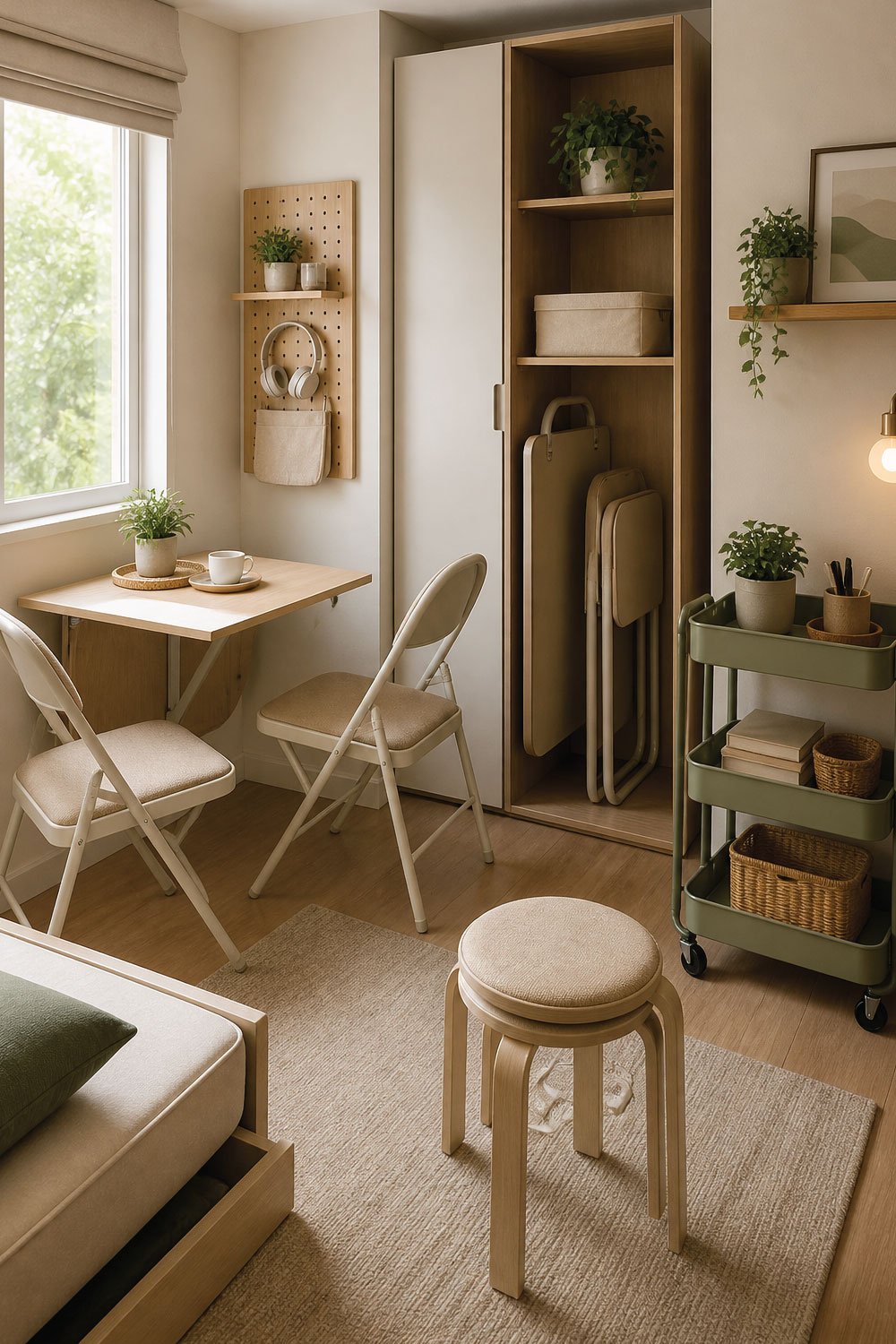
Items that can be moved or folded away help you adapt the space:
- Folding chairs
- Collapsible tables
- Rolling carts
- Stackable stools
This allows you to change the room’s function quickly without permanent clutter.
12. Make Use of Corners
Corners are often ignored in room design, yet they hold great potential for improving storage and functionality. Instead of leaving them empty or unused, you can turn them into practical or cozy areas that add value without taking up central floor space. Smart corner use helps balance the layout and reduce clutter in the middle of the room.
Ideas for corner use:
- Corner shelves
- Small corner desks
- Cozy reading nook
- Floor lamp placement
Utilizing corners helps you free up central space, making the room feel more open.
13. Keep Floors as Clear as Possible
One of the simplest ways to make a small room feel larger is by keeping the floor as visible and open as possible. When the floor is crowded, the space immediately feels tight and heavy, even if everything is organized. A clear floor creates a visual sense of openness and improves movement around the room.
Avoid:
- Too many rugs
- Random items on the floor
- Bulky furniture with solid bases
Instead, choose furniture with legs. Seeing the floor underneath creates a sense of openness.
14. Personalize Without Overcrowding
Even a small room should reflect your personality, but the key is doing it in a controlled and thoughtful way. Overloading the space with decor or personal items can quickly make it feel cluttered and visually busy. Instead, focus on a few meaningful details that bring character without overwhelming the room.
Read Further:
12 Trending Luxury Living Room Interior Design Ideas You’ll Love
Add personality through:
- A few favorite photos
- A unique piece of art
- A signature color accent
- Textiles like cushions or throws
The trick is balance express yourself without filling every inch.
15. Maintain It Regularly
A small room only stays functional and comfortable if it is maintained consistently over time. Even the best design or smartest storage system will lose its effectiveness if clutter gradually builds up again. Regular upkeep ensures the space continues to feel open, organized, and easy to live in.
Make it a habit to:
- Put things back after use
- Clean regularly
- Declutter every few weeks
- Reevaluate what’s working and what’s not
Even the best design won’t help if the room becomes messy again.
Final Thoughts
A small room isn’t a limitation it is an opportunity to design smarter.
By focusing on functionality, simplicity, and intentional choices, you can transform even the tiniest space into something comfortable, stylish, and efficient. The goal is not just to “fit everything in,” but to create a space that works for your life.
In the end, a well-designed small room often feels better than a large, cluttered one. It encourages organization, creativity, and mindful living and those are benefits that go far beyond square footage.
You May Also Like:

I am Engineer Hassan, a professional engineer with over 15 years of experience in measurements, design accuracy, and furniture, appliance, and home product sizing. Through Size Helper, I provide research-based guides and trending 2026 home design ideas for living rooms, bedrooms, sofas, wall décor, fashion, and sports—helping users make confident, informed decisions. Every guide is written with real expertise, verified data, and a commitment to quality, usability, and style.