
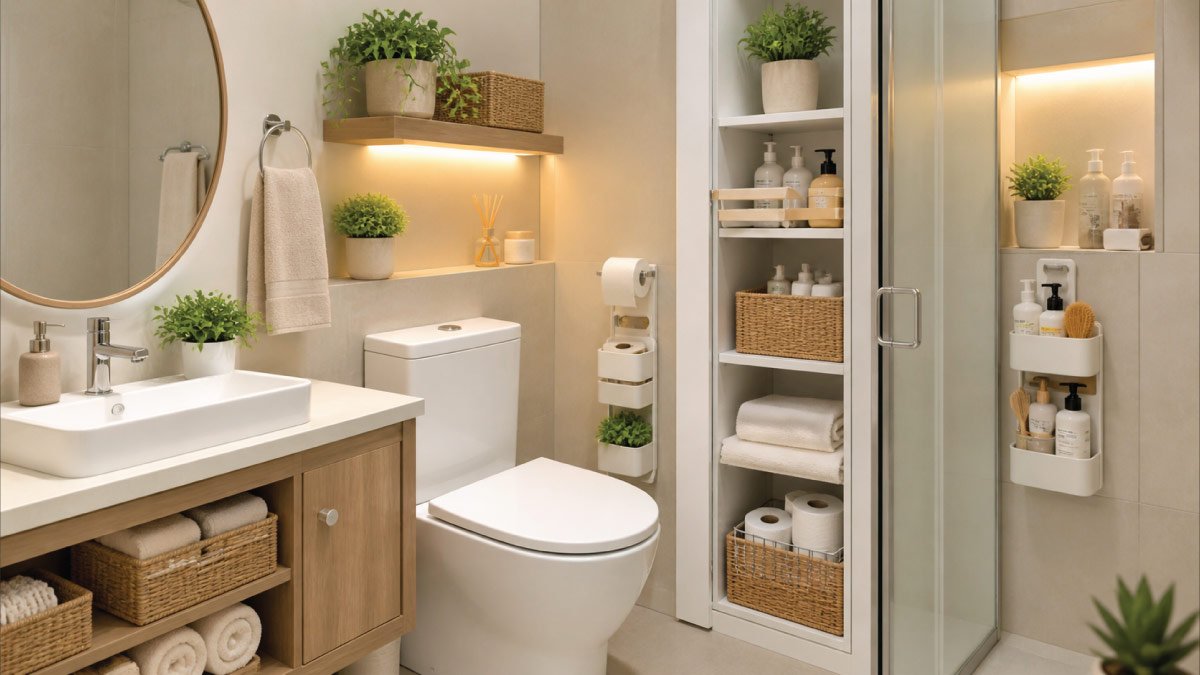
Decorating a small space can feel like solving a puzzle. Limited square footage often means you have to balance style, functionality, and comfort all at once. But here’s the good news: small spaces are not a limitation they are an opportunity. With thoughtful design choices, even the tiniest room can feel open, inviting, and uniquely yours.
This guide will walk you through practical, creative, and stylish ways to decorate small spaces so they look bigger, feel better, and work smarter.
1. Start with a Clear Vision
Before buying furniture or rearranging your room, take a step back and think about how you want the space to feel. Is it cozy and warm? Minimal and modern? Bright and energetic?
Small spaces benefit from a clear design direction because too many conflicting elements can make the room feel cluttered. Choose a theme, color palette, or mood and stick to it. This doesn’t mean everything has to match perfectly but there should be harmony.
2. Choose Light and Neutral Colors
Color selection greatly influences the perception of space in a room. Lighter shades naturally reflect more light, which makes compact areas feel larger, airier, and more open. Choosing soft, neutral tones creates a calm environment while still allowing flexibility in décor. These colors also provide a perfect backdrop for accent pieces and textures.
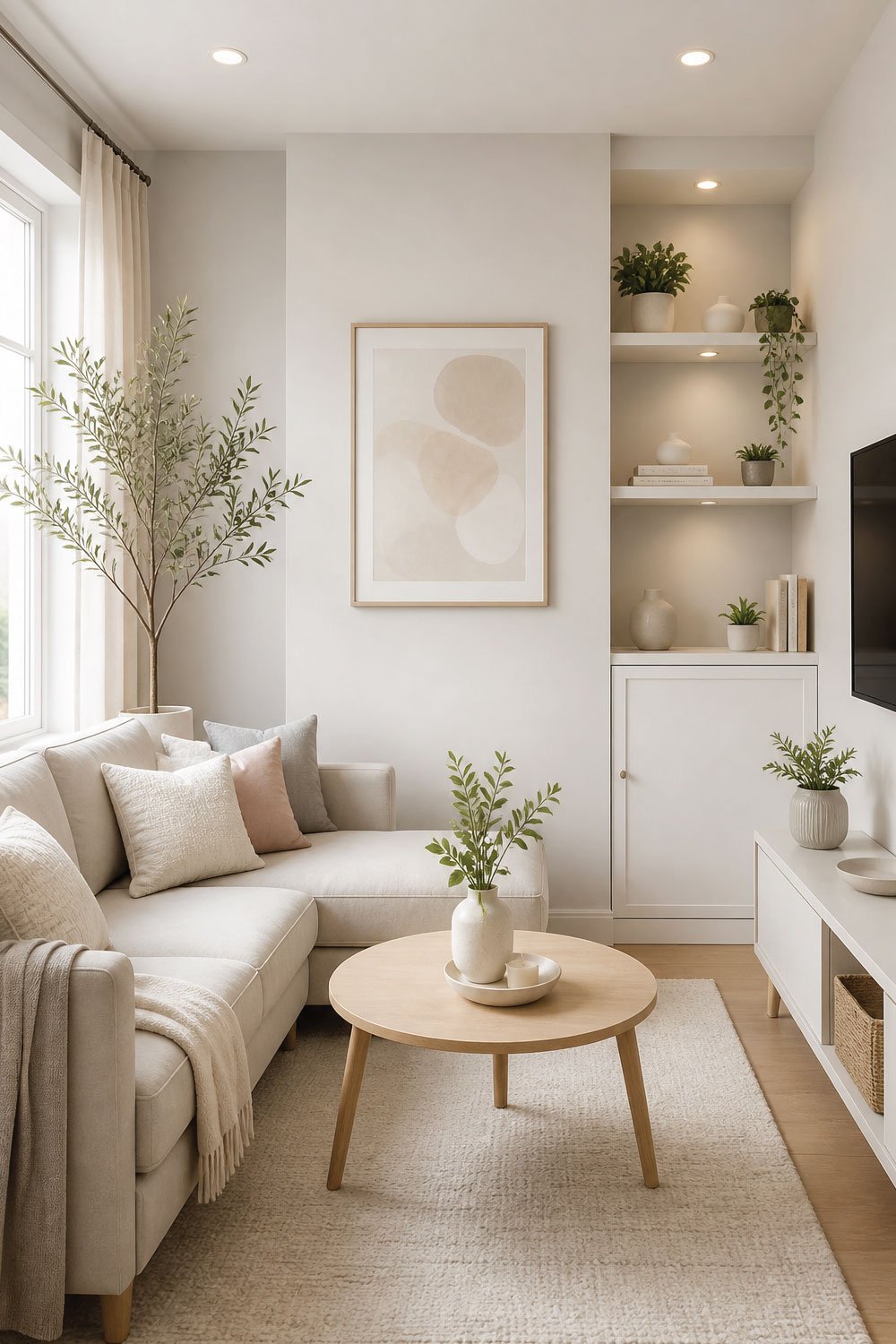
Best color choices for small spaces:
- Whites and off whites
- Soft grays
- Pastels
- Light beige or cream
If you love darker tones, do not avoid them completely. Use them as accents like cushions, rugs, or a feature wall rather than covering the entire room.
3. Use Multi Functional Furniture
In small homes or apartments, every piece of furniture must serve a purpose beyond just appearance. Multi-functional furniture helps maximize usability without taking up extra space. These smart solutions combine storage, seating, and flexibility, making rooms more efficient and organized. They are especially useful in compact areas where saving space is a priority.
Examples include:
- Sofa beds for guests
- Storage ottomans
- Foldable dining tables
- Beds with built-in drawers
- Wall-mounted desks
These pieces save space while increasing functionality, helping you avoid overcrowding.
4. Maximize Vertical Space
When floor space is limited, the best way to expand storage and functionality is by using vertical areas. Walls are often underutilized but can significantly improve organization and design. By building upward instead of outward, you free up valuable floor space while also creating visual height, which makes the room feel more open and spacious.
Ideas to use vertical space:
- Install floating shelves
- Hang wall organizers
- Use tall bookcases
- Add hooks for bags, coats, or accessories
By drawing the eye upward, vertical storage also makes ceilings feel higher, creating the illusion of a bigger room.
5. Keep It Clutter Free
Clutter can quickly make even a well-designed room feel cramped and overwhelming. Keeping your space organized is essential for maintaining a sense of openness and comfort. By reducing unnecessary items and using smart storage solutions, you can create a more peaceful environment. Regular tidying habits also help maintain a clean, spacious, and visually balanced room.
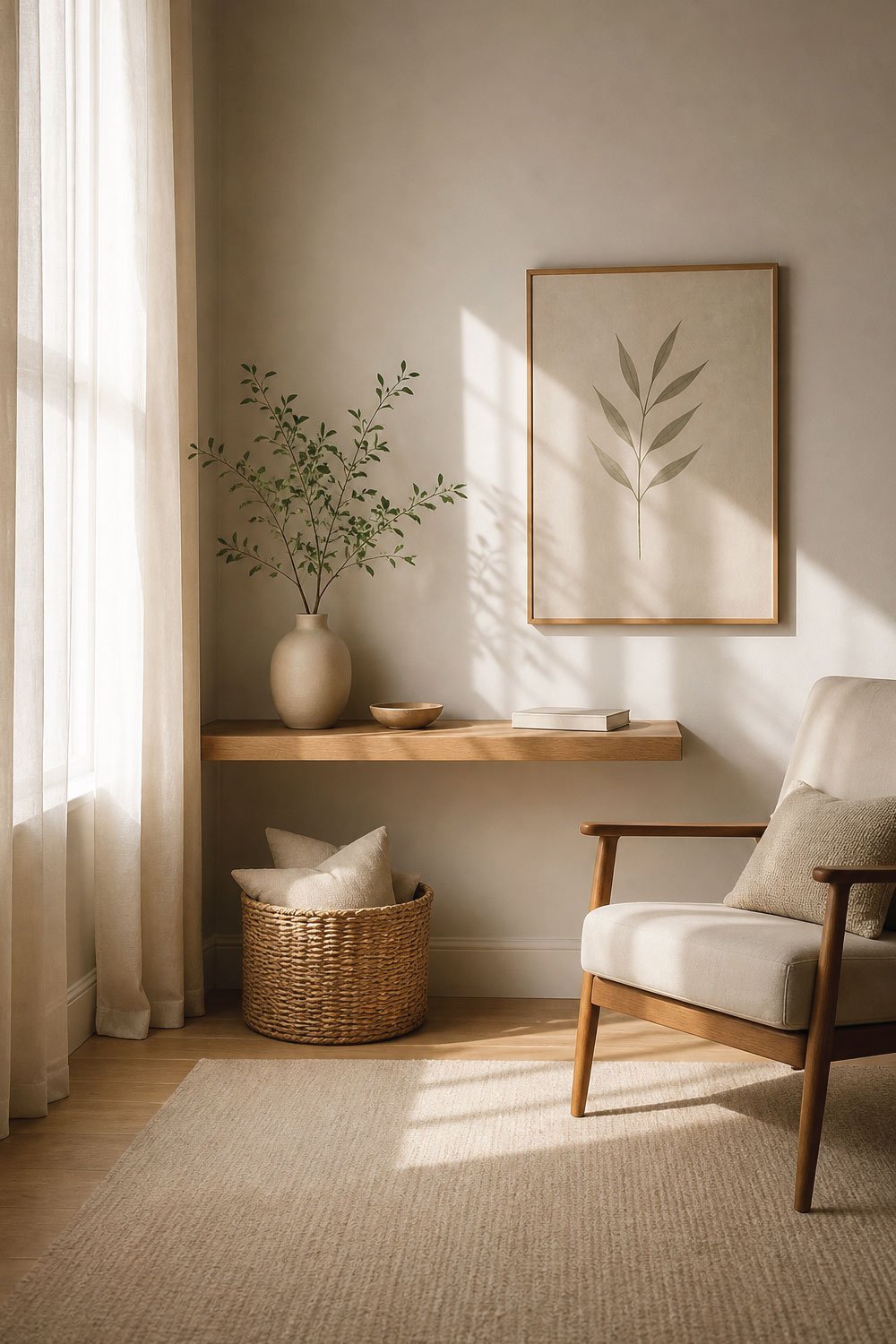
Decluttering tips:
- Keep only what you truly use or love
- Use hidden storage (boxes, baskets, drawers)
- Adopt a “one in, one out” rule
- Regularly organize your space
A clean, uncluttered environment instantly feels more spacious and relaxing.
6. Use Mirrors Strategically
Mirrors are a classic interior design tool that instantly enhances the feeling of space in any room. They reflect both natural and artificial light, making areas appear brighter and more open. When placed thoughtfully, mirrors can also create depth and visually expand tight spaces, giving the illusion of a larger and more breathable environment.
How to use mirrors effectively:
- Place a large mirror opposite a window
- Use mirrored furniture
- Create a gallery wall with smaller mirrors
A well-placed mirror can double the visual size of your space.
You May Also Like:
16 Small Bedroom Ideas for Adults with Fairy Light Magic and Pink Decor
7. Let in Natural Light
Natural light plays a powerful role in transforming small rooms into bright, welcoming spaces. It enhances openness, improves mood, and reduces the feeling of confinement. A well-lit room always feels more spacious and comfortable, even if the actual size doesn’t change. Maximizing daylight should be a key priority in small-space design.
Tips to enhance natural light:
- Use sheer or light curtains
- Avoid blocking windows with bulky furniture
- Keep window areas clean and simple
If natural light is limited, use layered lighting combining ceiling lights, floor lamps, and table lamps to brighten the room.
8. Choose the Right Furniture Size
Selecting the correct furniture size is essential in small spaces because oversized pieces can make the room feel crowded and unbalanced. On the other hand, appropriately scaled furniture keeps the layout open and functional. The goal is to maintain comfort without sacrificing movement space or visual harmony within the room.
What to look for:
- Slim profile sofas and chairs
- Armless or low back seating
- Glass or acrylic tables (they feel visually lighter)
Furniture with exposed legs also creates a sense of openness by allowing you to see more of the floor.
You May Also Like:
9. Create Zones Within the Space
Even compact rooms benefit from having clearly defined zones for different activities such as sleeping, working, or relaxing. Zoning helps organize the space visually and functionally, making it feel more structured and less chaotic. It also allows you to maximize every corner efficiently without mixing purposes in a confusing way.
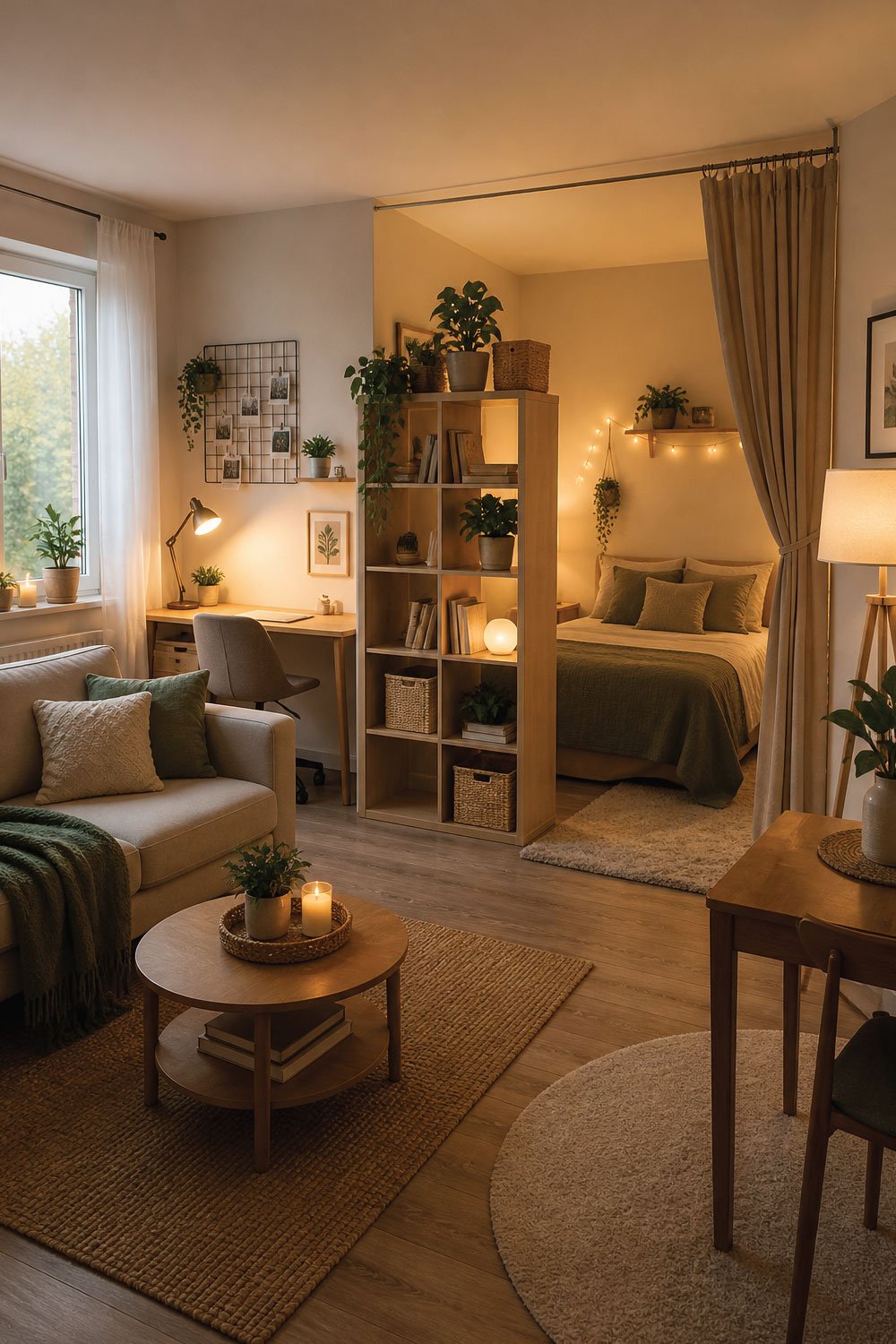
Ways to create zones:
- Use rugs to separate areas
- Arrange furniture strategically
- Add small dividers or curtains
- Use lighting to highlight different sections
Zoning helps your space feel organized and purposeful rather than cramped.
10. Use Smart Storage Solutions
In small spaces, effective storage is essential for keeping everything organized without making the room feel crowded. Smart storage solutions help you utilize every available corner while maintaining a clean and stylish look. The goal is to hide clutter while still keeping everyday items easy to reach and well arranged.
Creative storage ideas:
- Under bed storage boxes
- Storage benches
- Hanging organizers
- Built in cabinets
- Over the door racks
Look for hidden or dual purpose storage options that keep things out of sight but easily accessible.
11. Add Personality with Decor
Even small spaces should reflect your personality and style, rather than feeling plain or lifeless. Thoughtful décor choices can bring warmth, character, and emotional comfort to a room. The key is to balance decoration with space, ensuring your personality shines through without making the area feel crowded or overwhelming.
Decor ideas:
- Artwork or framed photos
- Indoor plants
- Decorative cushions and throws
- Statement rugs
The key is moderation choose a few meaningful pieces rather than overcrowding the space.
12. Use Rugs to Define and Expand
Rugs are more than just decorative pieces they play an important role in defining areas and visually expanding a room. The right rug can make a space feel larger, more structured, and well connected. Choosing the correct size and placement is crucial for achieving balance and enhancing the overall design of a small room.
Tips for rugs:
- Choose a rug large enough to fit under furniture
- Use light or neutral patterns for a spacious feel
- Layer rugs for added texture
A well-sized rug ties the room together and makes it feel more cohesive.
You May Also Like:
13. Incorporate Minimalism
Minimalism is one of the most effective design approaches for small spaces because it focuses on simplicity and purpose. By reducing unnecessary items and emphasizing clean design, a room feels more open, calm, and organized. Every piece should serve a function or add meaningful value to the overall space.
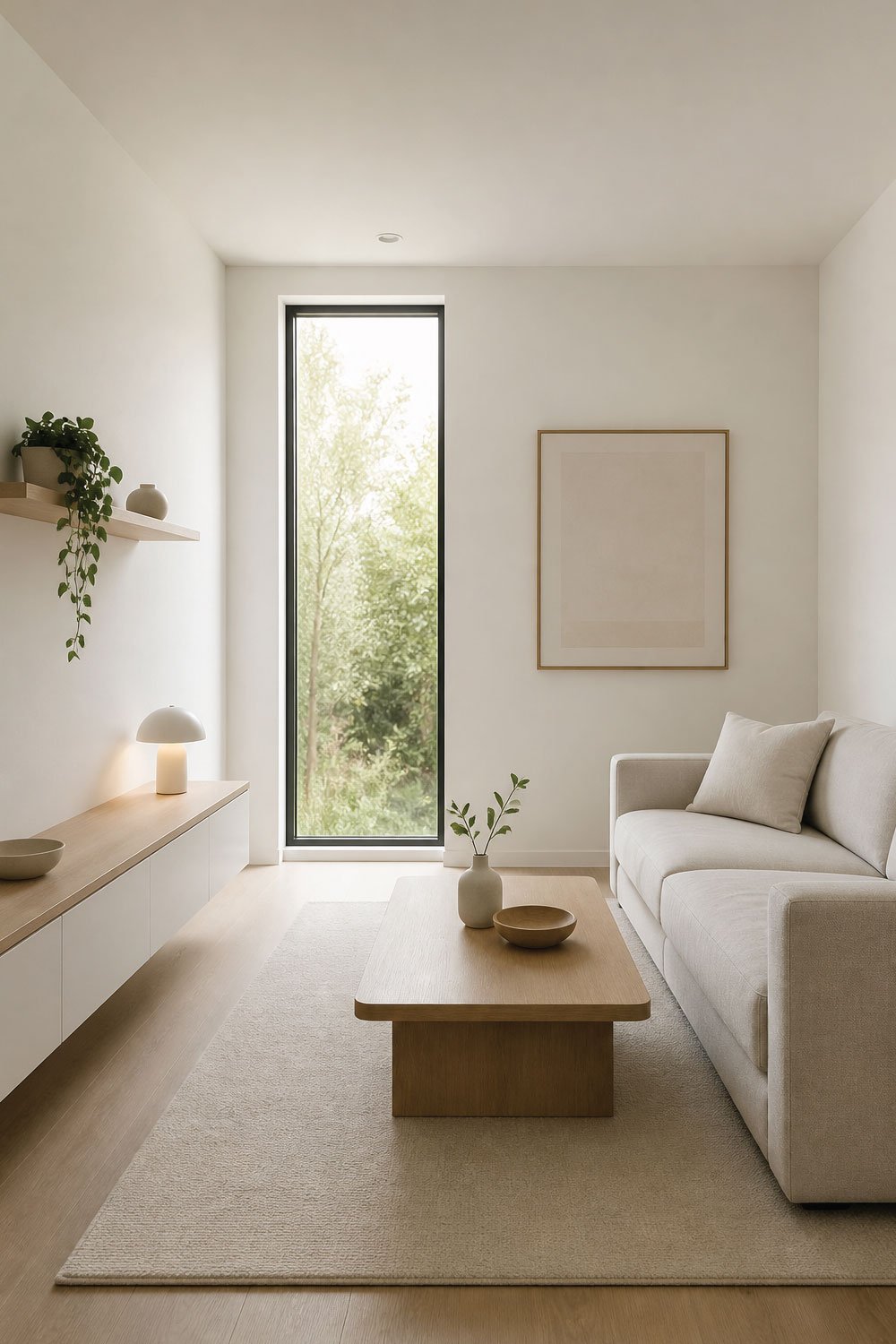
Principles to follow:
- Keep surfaces clear
- Choose quality over quantity
- Stick to a limited color palette
- Avoid unnecessary decorations
This doesn’t mean your space has to feel empty it just means everything has a purpose.
14. Use Transparent and Reflective Materials
Transparent and reflective materials are excellent for small spaces because they reduce visual weight and help light move freely around the room. Instead of blocking sightlines, these materials create an open flow, making the space feel less crowded. They also add a modern, stylish touch while maintaining a sense of airiness and simplicity in the overall design.
Examples:
- Glass coffee tables
- Acrylic chairs
- Metallic decor accents
These materials help maintain an open, airy feel without sacrificing style.
15. Think About Scale and Proportion
In small spaces, maintaining the right balance between furniture and décor is essential for visual comfort. Poor scale choices can make a room feel either cramped or messy. A well-balanced layout ensures that each piece fits naturally within the space, creating harmony, better movement, and a more visually pleasing environment overall.
Tips:
- Combine medium and small pieces thoughtfully
- Leave some empty space (negative space)
- Avoid pushing all furniture against the walls
Proper proportion creates visual harmony and comfort.
16. Add Plants for Freshness
Plants are a simple yet powerful way to bring freshness, color, and life into small interiors. They soften hard edges, improve air quality, and create a calming natural atmosphere. Even a few well-placed plants can completely transform the mood of a room, making it feel more welcoming and balanced.
Best plant options:
- Hanging plants
- Small potted plants
- Vertical gardens
They add color texture, and a natural feel without taking up too much room.
17. Use Foldable and Movable Pieces
Flexibility is a key advantage in small-space living, and foldable or movable furniture helps achieve that easily. These pieces allow you to quickly adjust your layout depending on your needs, whether for work, dining, or relaxation. They maximize usability while ensuring the room never feels permanently crowded or restricted.
Examples:
- Folding chairs
- Nesting tables
- Rolling carts
This allows you to adapt your space for different needs throughout the day.
18. Personalize Without Overcrowding
Adding personality to your space is important because it makes it feel like home, but in small rooms, too many items can easily create visual clutter. The key is to be selective and intentional with what you display. A well balanced approach allows your personality to shine through while still keeping the space open, clean, and visually comfortable.
Balance it by:
- Rotating decor seasonally
- Displaying only your favorite items
- Using cohesive color themes
This keeps your space stylish and meaningful.
Conclusion
Decorating a small space is all about smart choices and creative thinking. By using light colors, multi-functional furniture, clever storage, and thoughtful design, you can turn even the smallest area into a beautiful and functional home.
Remember:
it is not about how much space you have it is about how you use it. With the right approach, small spaces can feel just as comfortable, stylish, and inviting as larger ones sometimes even more so.
Take your time, experiment with ideas, and most importantly, create a space that feels like you.
You May Also Like:
12 Trending Luxury Living Room Interior Design Ideas You’ll Love

I am Engineer Hassan, a professional engineer with over 15 years of experience in measurements, design accuracy, and furniture, appliance, and home product sizing. Through Size Helper, I provide research-based guides and trending 2026 home design ideas for living rooms, bedrooms, sofas, wall décor, fashion, and sports—helping users make confident, informed decisions. Every guide is written with real expertise, verified data, and a commitment to quality, usability, and style.