
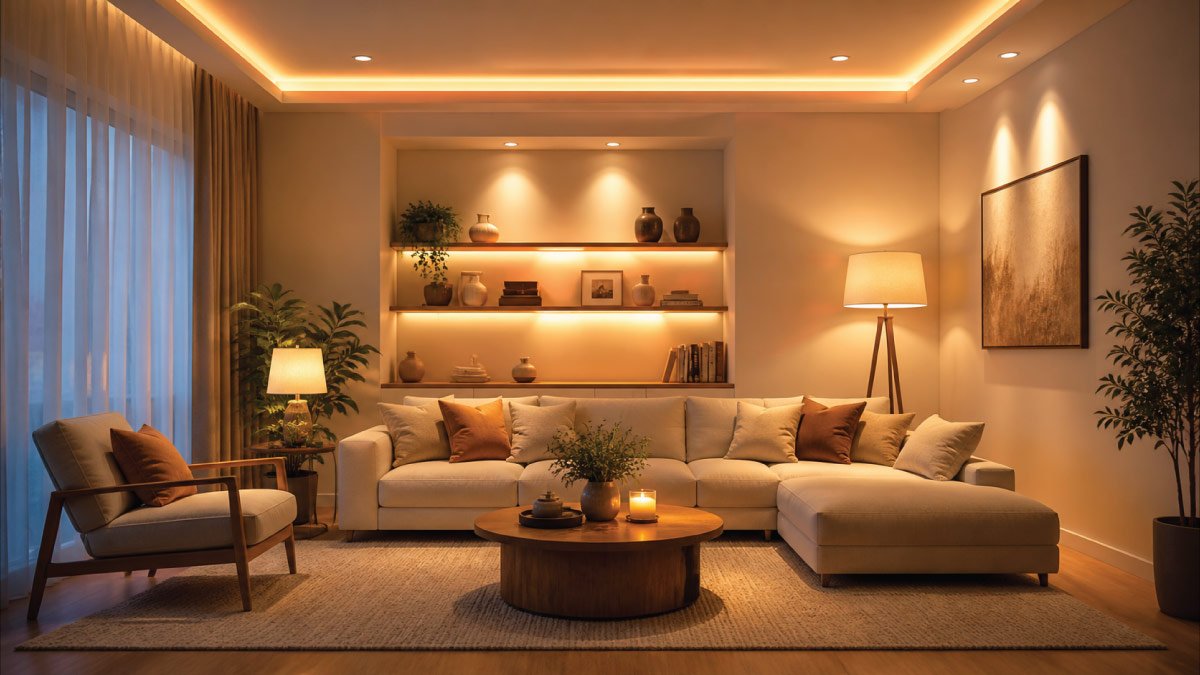
Your living room is one of the most important spaces in your home. It is where you relax after a long day, welcome guests, spend time with family, watch movies, read, or simply enjoy a quiet cup of coffee. Because it plays so many roles, styling a living room can feel overwhelming. You may wonder where to begin, what furniture to choose, how to pick colors, or how to make the room feel both beautiful and comfortable.
The good news is that you do not need to be an interior designer to create a stylish living room. With a clear step-by-step approach, you can transform your space into a room that feels inviting, balanced, and personal. Whether you are starting from scratch or refreshing your current setup, this guide will walk you through the process.
Step 1: Understand How You Use the Room
Before you start buying furniture or choosing paint colors, it is important to carefully consider how you actually use your living room on a daily basis. A visually appealing space is not enough; it should also support your routines, comfort needs, and activities so that it feels practical, functional, and enjoyable for everyone in the household.
Ask yourself:
Do you use the space mainly for watching TV? Do you entertain guests often? Do you need a kid-friendly layout? Do you want a quiet reading corner? Do you work from the living room sometimes?
- Identify main activities (TV watching, reading, working, or relaxing)
- Consider family needs such as kids or pets
- Think about guest hosting frequency
- Plan lighting and seating based on usage
Your answers will help guide every styling decision. For example, if your living room is used for family movie nights, comfortable seating and good lighting are essential. If you host guests regularly, you may want extra chairs, side tables, and an open layout for conversation.
Step 2: Choose a Style Direction
Next, decide the overall style direction and mood you want your living room to reflect. You do not need to strictly follow a single design theme, but having a clear visual direction will help all your choices feel more cohesive, balanced, and intentional, making the space look professionally designed and comfortably aligned with your personal taste and lifestyle preferences.
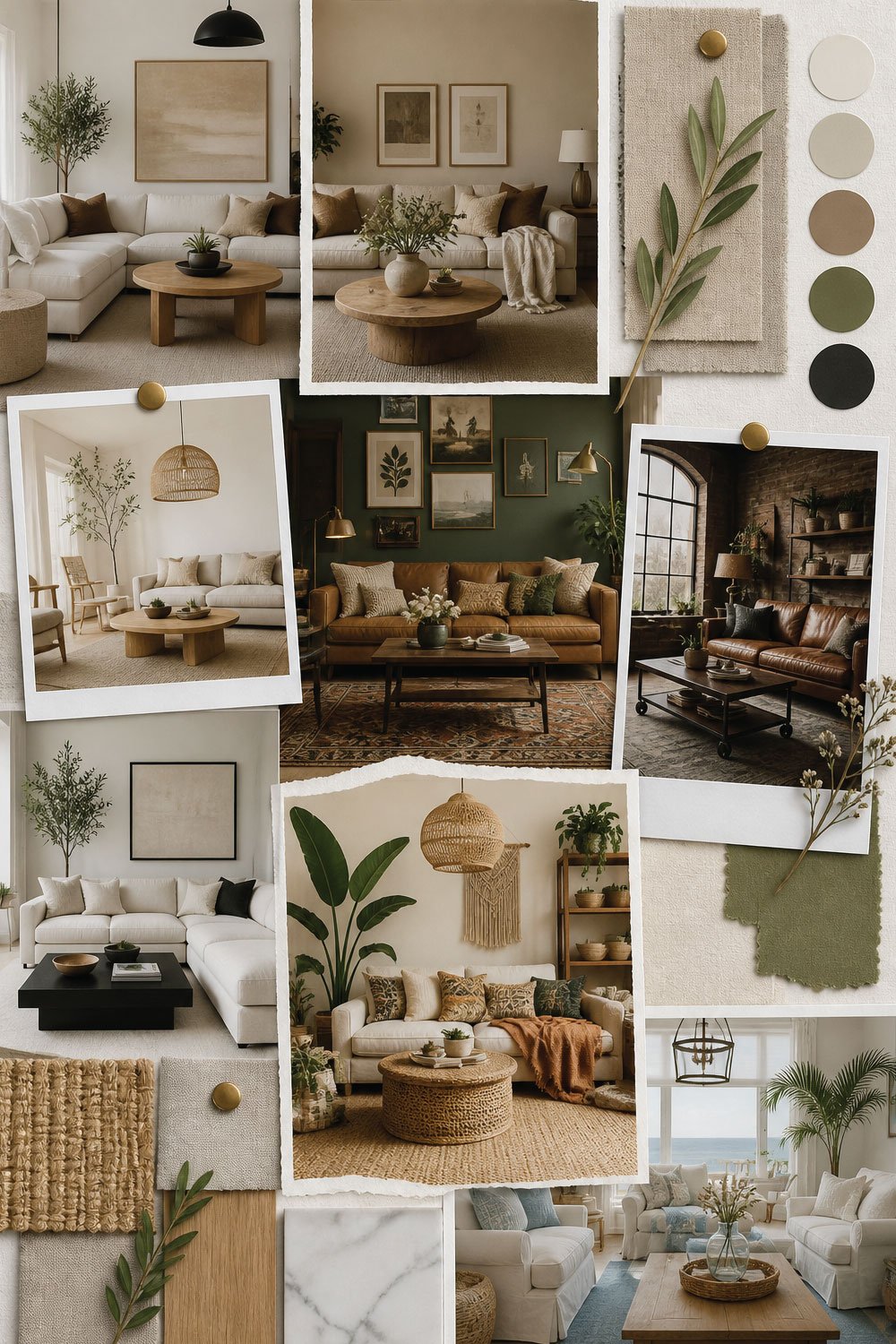
Popular living room styles include modern, cozy, minimalist, farmhouse, Scandinavian, traditional, bohemian, coastal, and industrial. You can also mix styles, such as modern farmhouse or warm minimalist.
- Explore styles like modern, minimalist, farmhouse, or bohemian
- Save inspiration images to identify patterns you like
- Focus on repeated elements such as colors, textures, and shapes
- Combine styles carefully for a balanced look
A simple way to find your style is to save inspiration images. Look at the colors, furniture shapes, textures, and decor pieces you are drawn to. After a while, you will notice patterns. Maybe you love neutral sofas, wood accents, soft rugs, and plants. Or maybe you prefer bold colors, statement art, and dramatic lighting.
Step 3: Pick a Color Palette
A well planned color palette is essential for creating harmony and visual balance in your living room. It helps tie all elements together, from walls and furniture to decor and accessories. By carefully selecting a few main colors and supporting tones, you can design a space that feels unified, intentional, and aesthetically pleasing without appearing cluttered or overwhelming.
A safe formula is to use one dominant color, one secondary color, and one accent color. For example, your dominant color could be warm white, your secondary color could be beige or gray, and your accent color could be olive green, navy blue, terracotta, or black.
- Use 1 dominant, 1 secondary, and 1 accent color
- Prefer neutrals for a calm and flexible base
- Add color through cushions, rugs, and artwork
- Keep tones consistent for a unified look
Neutral colors are popular because they create a calm base and are easy to update with accessories. However, you do not have to avoid color. If you love rich tones, use them thoughtfully through cushions, curtains, artwork, rugs, or an accent chair.
Step 4: Start with the Main Furniture
The main furniture, especially the sofa, sets the foundation for your entire living room design. It is usually the largest investment and the most visually dominant piece, so it should be chosen carefully based on comfort, size, and how you plan to use the space daily. A well-chosen sofa can instantly improve both functionality and style.
For small living rooms, a compact sofa or loveseat may work best. For larger spaces, a sectional can create a cozy and practical seating area. If you entertain often, consider adding armchairs or accent chairs.
- Choose sofa size based on room dimensions
- Compact sofa or loveseat suits small rooms
- Sectionals work well for larger spaces
- Add armchairs for extra seating if needed
- Always measure space before purchasing furniture
Pay attention to scale. Oversized furniture can make a small room feel crowded, while tiny furniture can look lost in a large room. Measure your space before buying anything. Leave enough room to walk comfortably around the furniture.
Step 5: Create a Functional Layout
A thoughtful layout is essential for making your living room practical, comfortable, and easy to navigate. It determines how people move through the space and how naturally they interact with each other. A well planned arrangement also improves visual balance and ensures that the room feels inviting rather than cluttered or awkwardly organized.
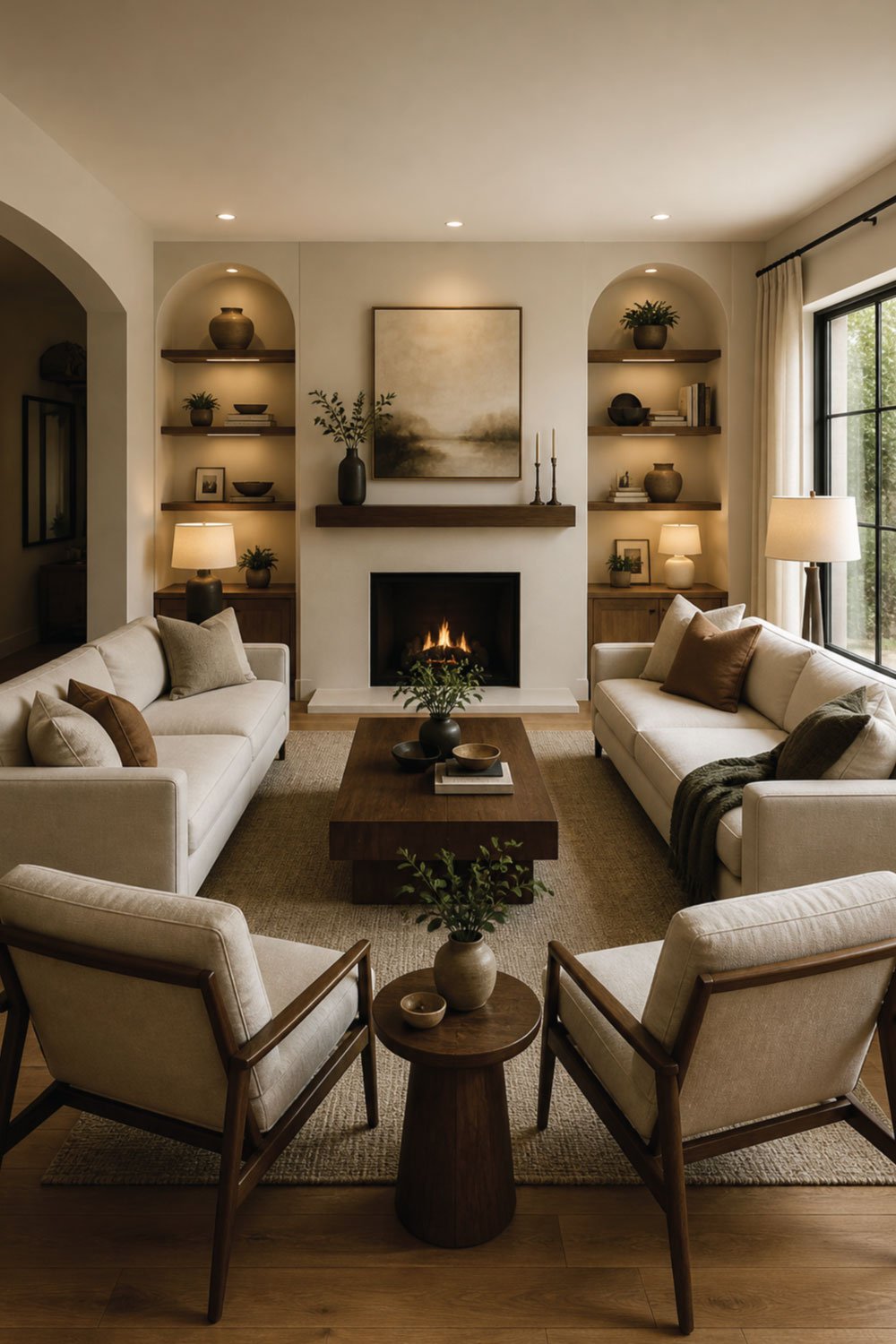
Arrange your seating around that focal point. If the room is for conversation, place sofas and chairs facing each other. If the room is mainly for TV viewing, make sure the seating has a clear view of the screen.
- Identify a focal point (TV, fireplace, or window)
- Arrange seating around the focal area
- Encourage conversation with facing furniture
- Avoid pushing all furniture against walls
- Keep walking space clear and comfortable
Avoid pushing every piece of furniture against the walls unless the room is very small. Pulling furniture slightly inward can make the space feel more intimate and designed.
You May Also Like:
12 Trending Luxury Living Room Interior Design Ideas You’ll Love
Step 6: Add a Rug to Anchor the Space
A rug plays an important role in grounding your living room design and bringing all furniture elements together. It adds warmth, texture, and color while also defining specific zones within the room. In both small and large spaces, a well-chosen rug helps create structure and makes the seating area feel complete and visually connected.
Choose a rug that is large enough. Ideally, the front legs of your sofa and chairs should sit on the rug. A rug that is too small can make the room feel disconnected.
- Choose a rug large enough for seating area
- Front furniture legs should sit on the rug
- Use neutral rugs for a calm, simple look
- Choose patterned rugs for added personality
- Match rug colors with your overall palette
For a calm look, choose a neutral rug with subtle texture. For more personality, choose a patterned rug that includes colors from your palette.
Step 7: Layer Your Lighting
Lighting plays a major role in setting the mood, comfort, and overall style of your living room. Relying on just one ceiling light often creates a flat or harsh atmosphere. Instead, layering different types of lighting helps you build depth, flexibility, and warmth so the room feels inviting both day and night.
Start with ambient lighting, such as ceiling lights or recessed lights. Then add task lighting, such as a floor lamp beside a reading chair. Finally, use accent lighting, such as table lamps, wall sconces, or LED strips, to create atmosphere.
Warm lighting usually feels more relaxing than cool lighting. Lamps also make a room feel softer and more inviting in the evening.
- Use ambient lighting like ceiling or recessed lights
- Add task lighting for reading or focused activities
- Include accent lighting for mood and decoration
- Use floor lamps and table lamps for softness
- Prefer warm light for a cozy, relaxing atmosphere
Step 8: Choose the Right Coffee Table and Side Tables
Coffee tables and side tables are essential pieces that combine function with style in your living room. They not only support daily activities like placing drinks, books, or decor items but also help complete the seating arrangement visually. Choosing the right shapes and sizes ensures balance, comfort, and smooth movement within the space.
Key points:
- Match coffee table size with sofa proportions
- Use rectangular tables for standard layouts
- Choose round tables for small or safe spaces
- Add side tables for convenience near seating
- Use tables for decor like lamps or plants
Step 9: Add Texture for Warmth
Texture is what transforms a plain living room into a warm, inviting, and visually interesting space. Without it, even a well arranged room can feel flat and unfinished. By mixing different materials and surfaces, you create depth and comfort, making the room feel more layered, cozy, and professionally designed while still reflecting your personal style.
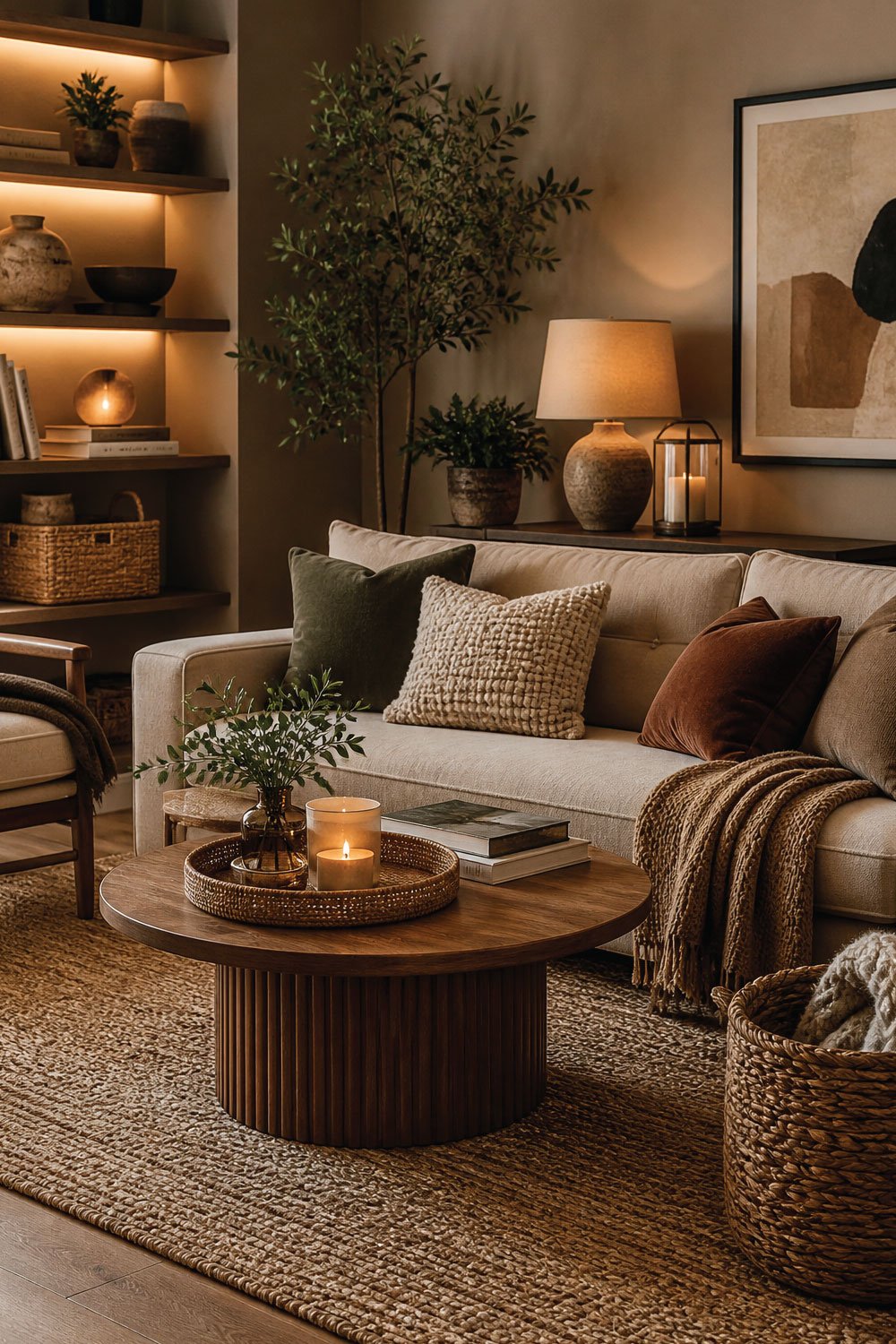
Key points:
- Mix materials like wood, metal, glass, and fabric
- Use soft items like cushions and throws
- Add woven baskets and textured rugs
- Include natural elements like rattan or stone
- Layer fabrics such as linen, wool, and velvet
You May Also Like:
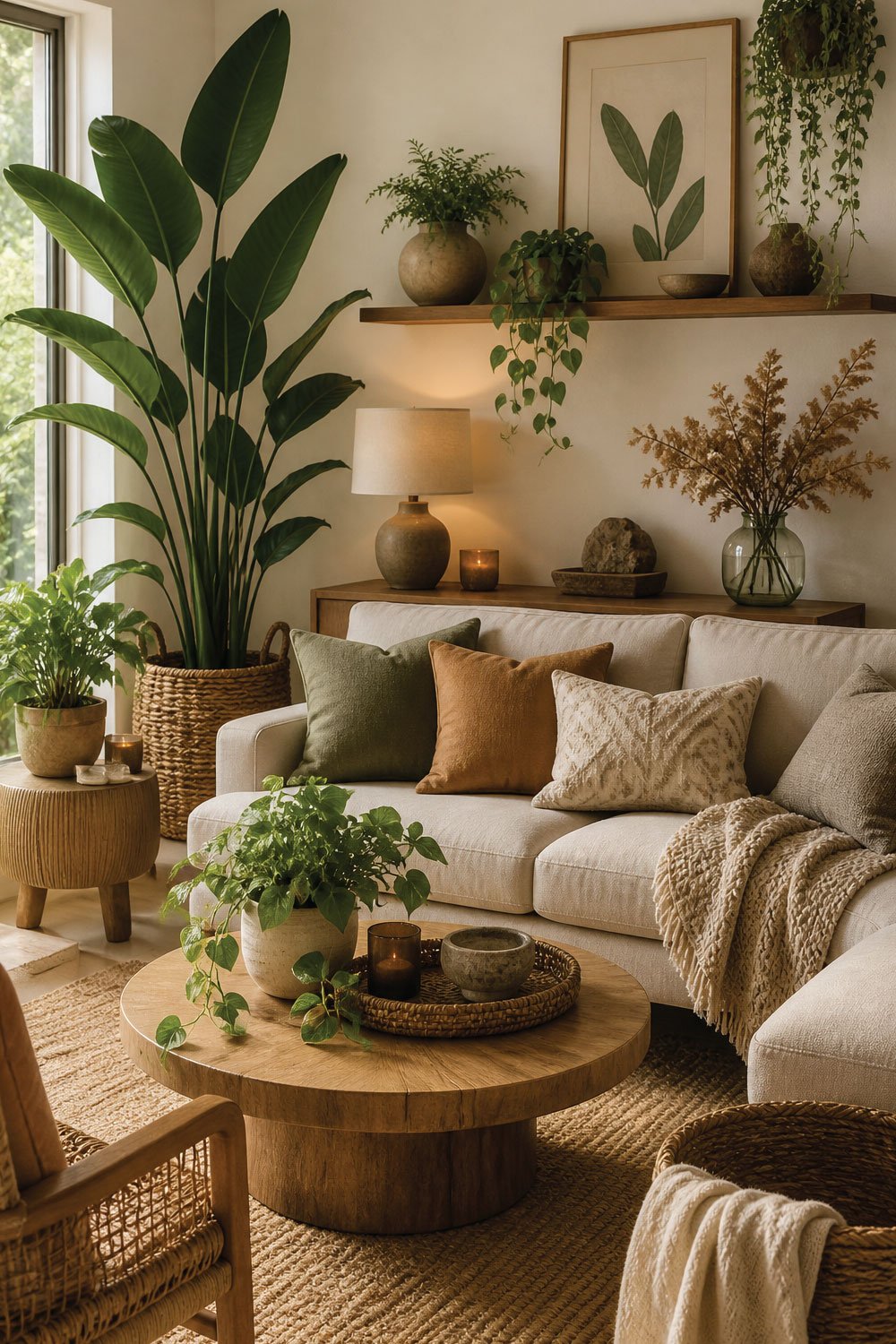
Step 13: Style Shelves and Surfaces
Styling shelves and surfaces is about creating a balanced, intentional look rather than filling every space with random objects. Well styled surfaces like bookshelves, coffee tables, and consoles can enhance your living room’s personality while still keeping it organized, visually appealing, and functional for everyday use without appearing messy or overcrowded.
See More:
Key points:
- Mix books, candles, vases, and decorative objects
- Vary heights, shapes, and textures for balance
- Group items in odd numbers (3 or 5)
- Use trays to organize small accessories
- Avoid overfilling surfaces to maintain clarity
Step 14: Add Personal Touches
Personal touches are what transform a living room from a generic design into a meaningful and lived in space. While style and layout are important, it is your personal items that give the room identity, warmth, and emotional connection, making it feel truly unique and reflective of your lifestyle, memories, and personality.
Key points:
- Display travel souvenirs and keepsakes
- Use family photos and meaningful artwork
- Include favorite books and collections
- Add handmade or sentimental items
- Keep a balance avoid overcrowding displays
Step 15: Edit and Refine
Editing is the final and often most important step in styling a living room. After placing all furniture and decor, reviewing the space helps you see what works and what feels unnecessary. This step ensures your room feels balanced, comfortable, and visually cohesive, rather than overly decorated or cluttered with too many competing elements.
Key points:
- Step back and evaluate overall balance
- Remove items that feel unnecessary or crowded
- Check color harmony and visual flow
- Ensure comfort and functionality remain strong
- Use photos to spot design improvements easily
Final Thoughts
Styling a living room step by step makes the process much easier. Start with function, choose a style direction, build a color palette, arrange your furniture, and then layer in rugs, lighting, textures, decor, plants, and personal touches.
The best living rooms are not only beautiful. They are comfortable, practical, and full of personality. With thoughtful planning and a little creativity, you can create a living room that feels welcoming, stylish, and truly your own.
You May Also Like:

I am Engineer Hassan, a professional engineer with over 15 years of experience in measurements, design accuracy, and furniture, appliance, and home product sizing. Through Size Helper, I provide research-based guides and trending 2026 home design ideas for living rooms, bedrooms, sofas, wall décor, fashion, and sports—helping users make confident, informed decisions. Every guide is written with real expertise, verified data, and a commitment to quality, usability, and style.