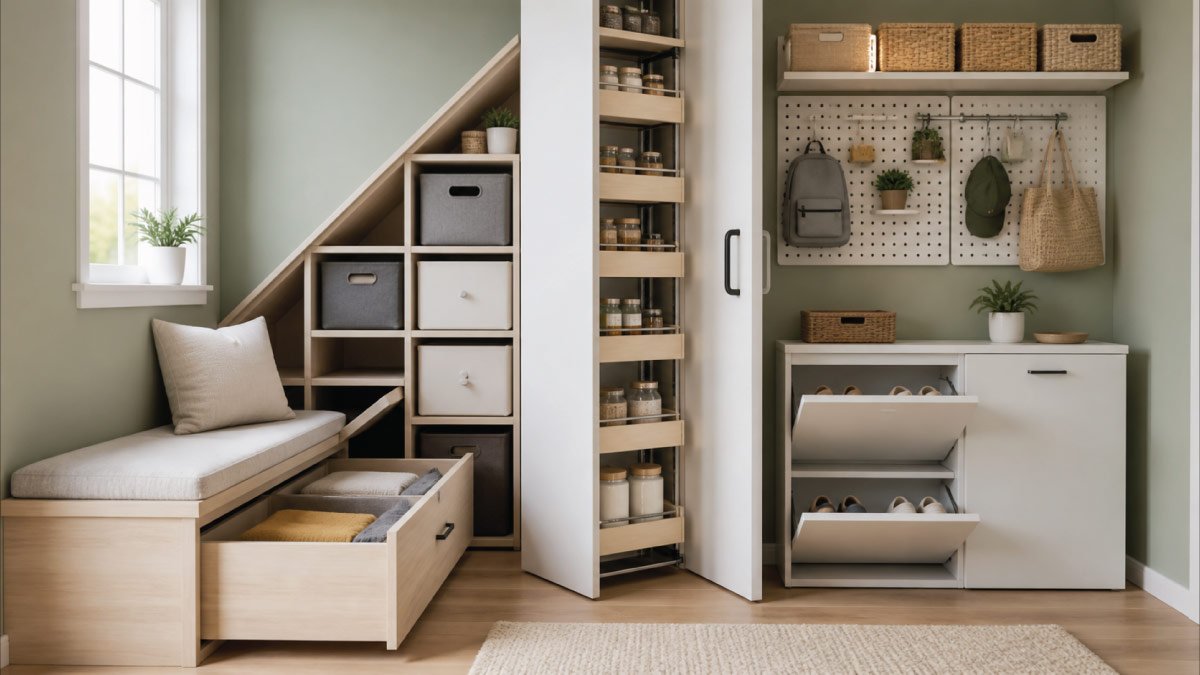
Living in a small space does not mean you have to live with clutter. Whether you are in a compact apartment, a studio, or just dealing with limited room in your home, smart storage solutions can completely transform how your space looks and functions. The key is not necessarily having more space it is using the space you already have more efficiently.
In this guide, we will explore practical, creative, and budget-friendly ways to add storage in small spaces without sacrificing comfort or style.
Small spaces often feel cluttered not because they hold too much, but because they lack thoughtful organization and flow. Limited square footage magnifies poor layout choices, inefficient storage, and visual noise, making even a few misplaced items feel overwhelming and hard to manage.
Common issues include:
Lack of designated storage areas
Poor use of vertical space
Bulky furniture that takes up too much room
Items without a proper “home”
Once you recognize these challenges, you can start making intentional changes that maximize every inch.
When floor space is limited, your walls become your most valuable and often overlooked asset. Vertical storage draws the eye upward, reduces visual clutter, and frees up walking areas. Using wall space effectively allows you to store essentials without making the room feel cramped or overcrowded.
Ideas to try:
Install floating shelves for books, décor, or kitchen items
Use wall mounted racks in the kitchen for utensils and spices
Add hooks for bags, coats, or accessories
Mount cabinets above desks or beds
Vertical storage keeps your floor clear while still giving you plenty of room to store essentials.
Pro tip:
Extend shelves all the way up to the ceiling to make use of often-wasted upper wall space.
2. Invest in Multi Functional Furniture
In small spaces, every piece of furniture should earn its place. Multi-functional furniture combines comfort, storage, and practicality in a single item, reducing clutter and eliminating the need for extra pieces. This smart approach helps maintain a clean, open feel without sacrificing functionality.
Examples:
Beds with built-in drawers or storage underneath
Ottomans that open for hidden storage
Sofa beds for guests
Coffee tables with compartments
Foldable desks or wall mounted tables
These pieces reduce the need for extra furniture, helping you save both space and money.
3. Use Under Bed Storage
The space under your bed often goes unnoticed, yet it offers valuable storage potential. Using this area wisely helps keep rarely used or seasonal items out of sight while freeing up closets and cabinets, making your room feel more organized and less crowded.
How to use it:
Storage bins or boxes for seasonal clothes
Vacuum-sealed bags to compress bulky items
Rolling drawers for easy access
Shoe organizers
If your bed sits too low, consider bed risers to create more space underneath.
4. Maximize Closet Efficiency
Closets can feel cramped and chaotic when space isn’t used strategically. A poorly organized closet wastes valuable storage potential and makes everyday items harder to find. By adjusting how you hang, stack, and separate items, you can dramatically increase capacity without expanding the closet itself.
Tips:
Add a second hanging rod for shorter clothes
Use slim hangers to save space
Install shelf dividers
Hang organizers for shoes or accessories
Use labeled bins for smaller items
Closet organization is less about size and more about structure.
Doors provide hidden storage opportunities that are often ignored. Because they don’t take up extra floor or wall space, door-based storage solutions are perfect for small homes. Using doors creatively can add storage exactly where you need it most.
Smart door storage ideas:
Over-the-door organizers for shoes or toiletries
Hooks for towels, robes, or bags
Hanging baskets for cleaning supplies or pantry items
This is especially useful in bathrooms, kitchens, and bedrooms.
6. Declutter First, Then Organize
Before adding bins, shelves, or organizers, it’s essential to reduce what you own. Organizing clutter only hides the problem temporarily. Decluttering helps you understand what truly deserves space, making any storage system more effective and easier to maintain.
Decluttering tips:
Follow the “one year rule” if you haven’t used it in a year, consider letting it go
Sort items into keep, donate, and discard piles
Be realistic about what you actually need
Less clutter means less need for storage and a much calmer living space.
7. Use Hidden Storage Solutions
Hidden storage is ideal for maintaining a clean, uncluttered look in small spaces. By concealing items inside furniture, you reduce visual noise while still keeping essentials close at hand. These solutions are especially useful for storing items you don’t need every day.
Ideas include:
Storage benches
Beds with lift-up frames
Hollow stools
Secret compartments in furniture
These solutions are perfect for storing items you don’t use daily but still want to keep.
Small kitchens can quickly feel crowded when storage isn’t efficient. Smart organization helps you make better use of cabinets, walls, and corners, creating more room to work comfortably. Thoughtful kitchen storage also improves accessibility and keeps frequently used items within reach.
Practical solutions:
Use stackable containers in cabinets
Install pull-out shelves
Hang pots and pans on wall racks
Use magnetic strips for knives
Add corner shelves
Also, consider using the inside of cabinet doors for extra storage.
9. Bathroom Storage Hacks
Bathrooms may be small, but they need to hold a surprising number of essentials. Without smart organization, they can feel cluttered very quickly. Using vertical space, hidden areas, and compact organizers helps keep everything accessible while maintaining a clean, calm appearance.
Try this:
Install shelves above the toilet
Use tiered trays for toiletries
Add wall-mounted cabinets
Use baskets under the sink
Hang organizers on the back of the door
Keeping everything categorized helps maintain order in tight spaces.
Creating zones brings structure to small living areas by giving every activity a defined place. Even subtle divisions help your mind separate functions, making the space feel more organized, purposeful, and less overwhelming despite its limited size.
Examples:
A work zone with a compact desk and shelves
A relaxation zone with minimal furniture
A storage zone with cabinets or bins
This makes your space feel more structured and less chaotic.
11. Use Transparent and Labeled Storage
When storage is easy to see and clearly labeled, staying organized becomes effortless. Transparent containers reduce guesswork, while labels ensure everything has a defined place. This system minimizes clutter and helps maintain order over time.
Benefits:
Clear bins let you see contents instantly
Labels make it easy to find items
Reduces the chance of overbuying duplicates
This is especially useful for kitchens, closets, and storage areas.
12. Go Minimal with Décor
In small spaces, décor can quickly shift from stylish to overwhelming. Too many decorative items create visual clutter, making rooms feel smaller than they are. A minimalist approach helps maintain balance, allowing the space to feel open, calm, and thoughtfully designed.
Keep it simple:
Choose a few meaningful pieces instead of many small ones
Use functional décor (like decorative storage boxes)
Corners are often overlooked, yet they offer valuable opportunities for storage and functionality. Using corner-friendly furniture or organizers helps you make the most of awkward or unused areas, adding storage without interrupting the natural flow of the room.
Ideas:
Corner shelves
Corner desks
Rotating organizers
Tall corner cabinets
These solutions make use of awkward spaces that would otherwise be wasted.
14. Rotate Seasonal Items
Keeping all belongings accessible year-round can overcrowd limited storage. Rotating seasonal items allows you to prioritize what you currently use while storing away what’s not needed. This approach keeps daily spaces organized and easier to maintain.
Strategy:
Store winter clothes during summer and vice versa
Keep holiday decorations packed away until needed
Use labeled boxes for easy rotation
This frees up everyday storage space for current items.
15. Customize Your Storage
No two homes are exactly alike, which is why customized storage solutions can be especially effective in small spaces. By designing storage around your habits, layout, and available space, you can eliminate wasted areas and improve everyday functionality.
Options:
DIY shelving units
Custom built cabinets
Adjustable modular systems
Tailoring storage to your specific needs ensures maximum efficiency.
Final Thoughts
Adding storage in small spaces isn’t about cramming more things into your home it is about being smarter with what you have. By thinking vertically, choosing multi-functional furniture, and staying organized, you can create a space that feels open, functional, and comfortable.
The biggest transformation often comes from small changes. Start with one area like your closet or kitchen and gradually apply these ideas throughout your home. Over time, you’ll notice not just more space, but a more peaceful and enjoyable living environment.
I am Engineer Hassan, a professional engineer with over 15 years of experience in measurements, design accuracy, and furniture, appliance, and home product sizing. Through Size Helper, I provide research-based guides and trending 2026 home design ideas for living rooms, bedrooms, sofas, wall décor, fashion, and sports—helping users make confident, informed decisions. Every guide is written with real expertise, verified data, and a commitment to quality, usability, and style.