
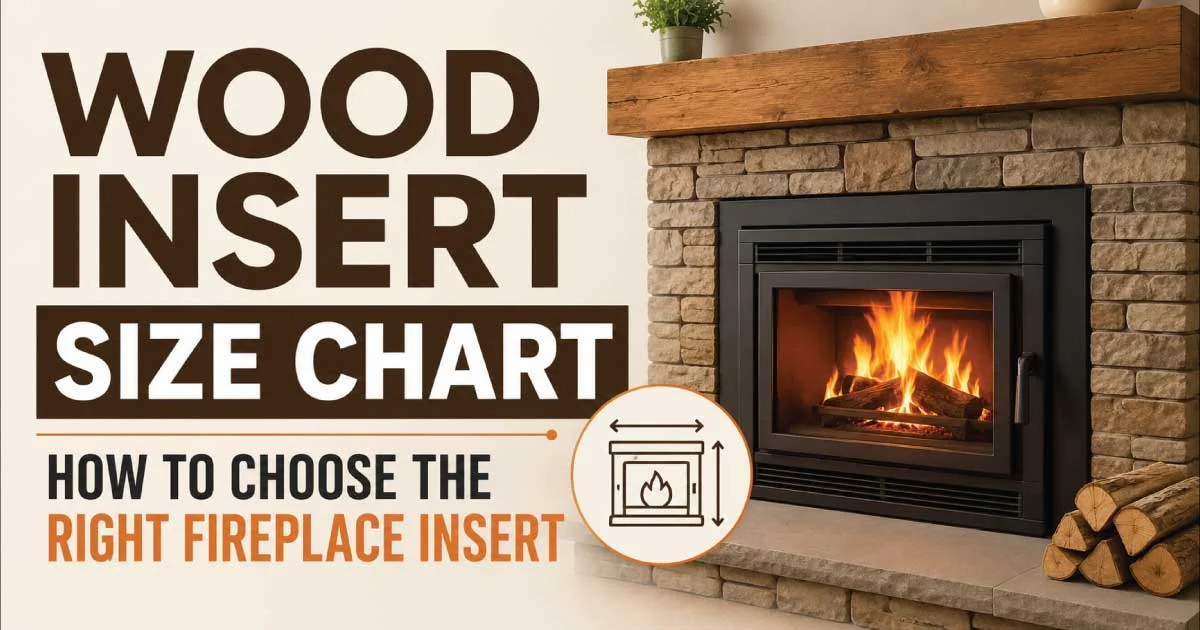
A wood insert size chart is an essential reference tool for homeowners planning to upgrade an existing masonry fireplace with a wood-burning insert. It helps determine the correct insert dimensions for safe installation, maximum heating efficiency, and a professional-looking finish. Choosing the right size prevents costly installation mistakes while improving overall home comfort during colder seasons.
What Is a Wood Insert Size Chart?
A wood insert size chart is a measurement guide that compares fireplace opening dimensions with compatible wood insert sizes. Manufacturers use these charts to help buyers identify inserts that fit correctly inside existing fireplaces while leaving enough clearance for proper ventilation, insulation, and installation requirements.
Why the Correct Wood Insert Size Matters
Installing the correct-sized wood insert directly impacts heating performance, fuel efficiency, and safety. An oversized or undersized insert may create operational issues, increase wood consumption, or fail to heat your living space effectively.
Benefits include:
- Improved heating efficiency
- Better fuel economy
- Easier installation
- Reduced smoke leakage
- Longer appliance lifespan
- Enhanced indoor comfort
- Improved fireplace appearance
Key Measurements Required Before Buying
Before using any wood insert size chart, homeowners should accurately measure their fireplace opening. Taking precise measurements ensures the insert fits properly without requiring expensive structural modifications during installation.
The most important measurements include:
- Front width
- Rear width
- Fireplace height
- Fireplace depth
- Chimney flue size
- Hearth extension
- Mantel clearance
Standard Fireplace Opening Dimensions
Although fireplaces vary between homes, many follow common construction dimensions. Knowing these averages makes it easier to compare your fireplace against manufacturer size charts before narrowing down your options.
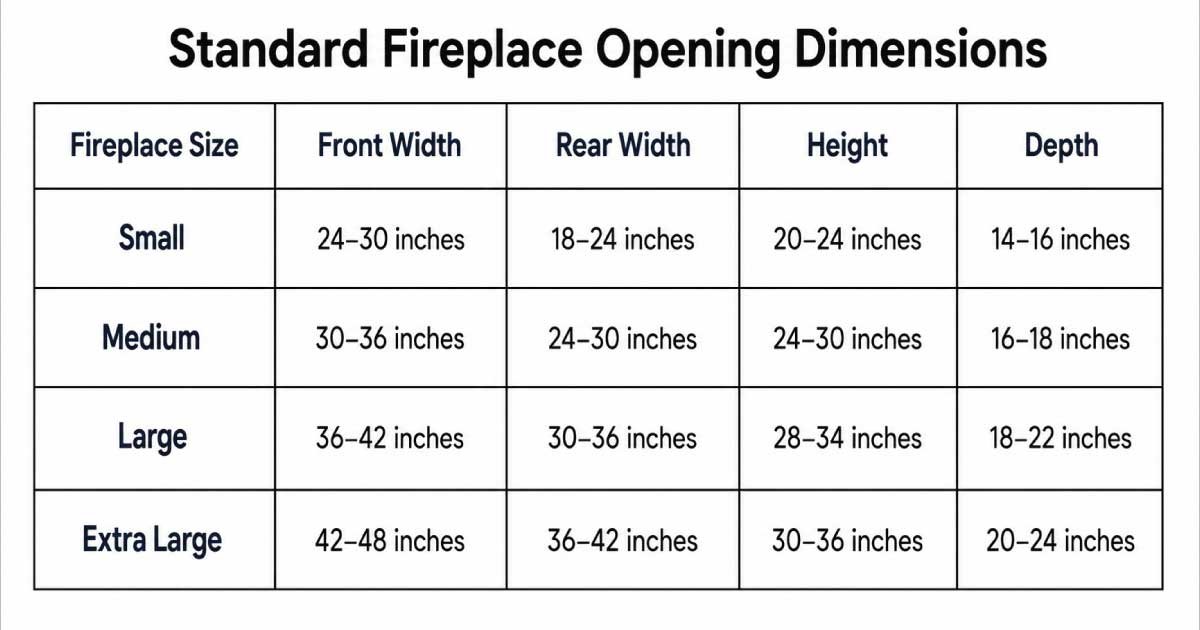
| Fireplace Size | Front Width | Rear Width | Height | Depth |
|---|---|---|---|---|
| Small | 24–30 inches | 18–24 inches | 20–24 inches | 14–16 inches |
| Medium | 30–36 inches | 24–30 inches | 24–30 inches | 16–18 inches |
| Large | 36–42 inches | 30–36 inches | 28–34 inches | 18–22 inches |
| Extra Large | 42–48 inches | 36–42 inches | 30–36 inches | 20–24 inches |
Wood Insert Size Chart PDF
Choosing the correct fireplace opening dimensions helps ensure safe installation, efficient heating, and an attractive appearance. Standard sizes vary based on the overall fireplace design and intended use. The chart below provides common opening dimensions for small, medium, large, and extra-large fireplaces to simplify planning and construction.
📏 Expert Size Chart Resources 👉 How to Choose the Right Area Rug for a Bedroom
Typical Wood Insert Size Categories
Manufacturers generally classify wood inserts into three primary categories based on heating capacity and firebox size. Selecting the proper category depends on both fireplace dimensions and the area you intend to heat.
Small Wood Inserts
Small inserts are designed for compact fireplaces and smaller living spaces. They typically feature fireboxes between 1.2 and 1.8 cubic feet and efficiently heat apartments, cabins, and smaller homes while consuming less firewood.
Typical specifications:
- Firebox: 1.2–1.8 cu. ft.
- Heating area: 600–1,200 sq. ft.
- Burn time: 4–6 hours
Medium Wood Inserts
Medium-sized wood inserts represent the most popular choice for average households. They provide an excellent balance between heating power, efficiency, and manageable wood consumption for everyday winter use.
Typical specifications:
- Firebox: 1.8–2.5 cu. ft.
- Heating area: 1,200–2,000 sq. ft.
- Burn time: 6–8 hours
Large Wood Inserts
Large wood inserts deliver high heat output for spacious homes and open floor plans. Their larger fireboxes accommodate bigger logs and produce longer burn times, reducing the need for frequent refueling throughout the day.
Typical specifications:
- Firebox: 2.5–3.5 cu. ft.
- Heating area: 2,000–3,000+ sq. ft.
- Burn time: 8–12 hours
General Wood Insert Size Chart
The following chart provides a general comparison of fireplace openings with recommended insert categories. Always verify exact specifications with the manufacturer’s installation manual before making a purchase.
| Fireplace Opening Width | Fireplace Height | Fireplace Depth | Recommended Insert |
|---|---|---|---|
| 24–30 in. | 20–24 in. | 14–16 in. | Small |
| 30–36 in. | 24–28 in. | 16–18 in. | Medium |
| 36–42 in. | 28–32 in. | 18–20 in. | Large |
| 42–48 in. | 30–36 in. | 20–24 in. | Extra Large |
Understanding Firebox Capacity
Firebox capacity measures the internal volume available for burning wood. While external dimensions determine whether an insert fits your fireplace, firebox size influences burn time, heating output, and the maximum log length the insert can accommodate.
Larger fireboxes generally offer:
- Longer overnight burns
- Greater heat production
- Less frequent reloading
- Higher heating efficiency
- Increased wood capacity
Matching Insert Size to Home Square Footage
Choosing a wood insert should involve more than fireplace dimensions alone. Heating requirements depend on your home’s insulation, climate, ceiling height, and total heated area. A properly matched insert provides comfortable warmth without overheating your living space.
| Home Size | Recommended Insert |
|---|---|
| Up to 1,000 sq. ft. | Small |
| 1,000–1,800 sq. ft. | Medium |
| 1,800–2,500 sq. ft. | Large |
| Over 2,500 sq. ft. | Extra Large |
How Fireplace Shape Affects Insert Selection
Many masonry fireplaces narrow toward the back, making rear width significantly smaller than the front opening. Since wood inserts must slide into the firebox, rear dimensions are often more critical than front measurements when determining compatibility.
Always compare:
- Front opening width
- Rear width
- Overall depth
- Height at the lintel
- Chimney alignment
Clearance Requirements Around Wood Inserts
Every wood insert requires minimum clearances from combustible materials such as wooden mantels, trim, flooring, and nearby walls. These safety clearances prevent excessive heat buildup and reduce the risk of accidental fires while ensuring compliance with local building codes.
Common clearance areas include:
- Side walls
- Mantels
- Flooring
- Hearth extension
- Ceiling height
- Decorative trim
Common Mistakes When Using a Wood Insert Size Chart
Many installation problems occur because homeowners overlook critical measurements or rely only on the fireplace’s front opening. Understanding the most common sizing mistakes can save time, money, and installation frustration.
Avoid these errors:
- Measuring only the front width
- Ignoring rear fireplace dimensions
- Forgetting hearth measurements
- Overlooking chimney liner requirements
- Choosing based solely on heating capacity
- Ignoring manufacturer clearance recommendations
Manufacturer Size Charts May Vary
Although general wood insert size charts provide an excellent starting point, every manufacturer designs inserts with unique dimensions and installation requirements. Two inserts with similar heating capacities may have different heights, widths, depths, or clearance requirements, making it essential to review the official specifications before purchasing.
Always compare:
- Overall insert dimensions
- Minimum fireplace opening
- Firebox capacity
- Required clearances
- Flue collar diameter
- Recommended chimney liner size
How Chimney Liner Size Affects Insert Selection
A properly sized chimney liner plays a vital role in the performance of a wood insert. The liner carries smoke and combustion gases safely outside while maintaining proper draft. Even if an insert fits perfectly, an incorrectly sized liner can reduce efficiency and create operational issues.
Common chimney liner sizes include:
| Insert Size | Typical Liner Diameter |
|---|---|
| Small | 6 inches |
| Medium | 6 inches |
| Large | 6–8 inches |
| Extra Large | 8 inches |
Always follow the insert manufacturer’s recommendations for chimney liner diameter.
🔍 Popular Size Chart Guides 👉 Blanket Size Guide for Small and Large Rooms
EPA-Certified Wood Inserts and Their Benefits
Modern EPA-certified wood inserts are designed to burn cleaner and more efficiently than older fireplace systems. They produce more heat using less firewood while significantly reducing harmful emissions released into the atmosphere.
Advantages include:
- Lower smoke emissions
- Higher combustion efficiency
- Reduced creosote buildup
- Longer burn times
- Lower heating costs
- Environmentally friendly operation
Choosing an EPA-certified insert also helps ensure compliance with current environmental standards.
Selecting the Right Insert Based on Heating Needs
The ideal wood insert should match both your fireplace dimensions and your home’s heating requirements. Installing an oversized model in a small home may generate excessive heat, while an undersized insert may struggle to maintain comfortable indoor temperatures during winter.
Consider these factors:
- Home insulation quality
- Local climate
- Number of rooms
- Ceiling height
- Open floor plan
- Primary or supplemental heating use
Balancing these factors leads to improved comfort and energy efficiency.
Installation Considerations Before Purchasing
Before buying a wood insert, inspect the existing fireplace and chimney to ensure they are structurally sound. Professional inspections can identify cracks, damaged flues, or other issues that should be repaired before installation begins.
A complete installation typically includes:
- Chimney inspection
- Chimney cleaning
- Stainless steel liner
- Insulation wrap
- Block-off plate
- Electrical connection for blower (if applicable)
Proper preparation helps maximize safety and long-term performance.
Importance of Proper Ventilation
Efficient ventilation allows a wood insert to burn cleanly while maintaining consistent airflow. Poor ventilation may result in smoke entering the room, weak draft, excessive creosote buildup, and lower heating performance.
Good ventilation provides:
- Cleaner combustion
- Better draft
- Improved heat output
- Less indoor smoke
- Enhanced safety
- Longer equipment life
Following ventilation guidelines is essential for reliable operation.
Wood Insert Sizing Example
Understanding how a size chart works becomes easier through a practical example. Suppose your masonry fireplace measures 34 inches wide at the front, 27 inches wide at the rear, 25 inches high, and 17 inches deep.
Based on these measurements:
| Measurement | Size |
|---|---|
| Front Width | 34 inches |
| Rear Width | 27 inches |
| Height | 25 inches |
| Depth | 17 inches |
| Recommended Insert | Medium |
This example demonstrates how both front and rear dimensions influence insert compatibility.
Signs Your Current Insert Is the Wrong Size
A poorly sized wood insert often shows noticeable performance problems. Recognizing these warning signs early can help prevent excessive fuel consumption, uneven heating, and unnecessary maintenance expenses.
Common indicators include:
- Poor heat output
- Frequent smoke spillage
- Difficulty maintaining fire
- Excessive wood consumption
- Overheated living space
- Constant refueling
- Draft problems
If these issues persist, consult a qualified fireplace professional.
Maintenance Tips for Long-Term Performance
Routine maintenance keeps your wood insert operating safely and efficiently throughout its lifespan. Regular cleaning also reduces the risk of chimney fires caused by creosote accumulation.
Recommended maintenance tasks:
- Clean ash regularly
- Inspect door gaskets
- Clean glass properly
- Check air controls
- Inspect chimney annually
- Remove creosote deposits
- Replace worn firebricks when needed
Consistent maintenance protects both performance and safety.
Choosing the Best Firewood for Wood Inserts
The quality of firewood directly affects heating efficiency and emissions. Dry, seasoned hardwood burns hotter and cleaner than freshly cut or moisture-rich wood, reducing smoke production and creosote buildup.
Best hardwood choices include:
- Oak
- Maple
- Ash
- Hickory
- Beech
- Birch
Avoid burning:
- Wet wood
- Painted lumber
- Pressure-treated wood
- Plywood
- Household trash
Using proper firewood improves both efficiency and appliance longevity.
Safety Tips for Wood Insert Owners
Safe operation should always remain the top priority. Following manufacturer guidelines and practicing responsible fireplace habits minimizes fire hazards while ensuring efficient heating throughout the season.
Essential safety practices include:
- Install smoke detectors
- Install carbon monoxide detectors
- Burn only seasoned wood
- Never use gasoline or flammable liquids
- Keep combustible items away
- Supervise active fires
- Schedule annual inspections
These simple precautions provide peace of mind for every homeowner.
Questions to Ask Before Buying a Wood Insert
Before making a final purchase, compare several models and verify that each one meets your heating needs and fireplace dimensions. Asking the right questions helps prevent compatibility issues and unexpected installation costs.
Consider asking:
- Will it fit my fireplace opening?
- What chimney liner size is required?
- Is professional installation recommended?
- What heating area is it rated for?
- Is it EPA-certified?
- What warranty is included?
- Are replacement parts readily available?
A well-informed purchase often results in better long-term satisfaction.
Final Thoughts
A wood insert size chart is one of the most valuable resources for selecting the right fireplace insert. It helps homeowners determine the correct insert size by providing clear guidance based on fireplace dimensions and firebox capacity. Using a size chart reduces guesswork and makes the selection process much easier.
The first step is to accurately measure your fireplace and understand its firebox capacity. These measurements ensure the insert fits properly and operates safely. It is also important to consider your home’s heating requirements, as the right-sized insert will provide efficient and consistent warmth.
Following the manufacturer’s sizing recommendations is equally important. Choosing an insert that matches the specified dimensions and installation requirements improves performance, enhances safety, and helps maximize heating efficiency. A properly sized insert also reduces unnecessary fuel consumption and operating costs.
Taking the time to select the correct wood insert size offers long-term benefits. It ensures safer installation, reliable performance, greater comfort, and improved energy efficiency. With the right insert, you can enjoy dependable wood-burning heat and lasting value for many years.
