
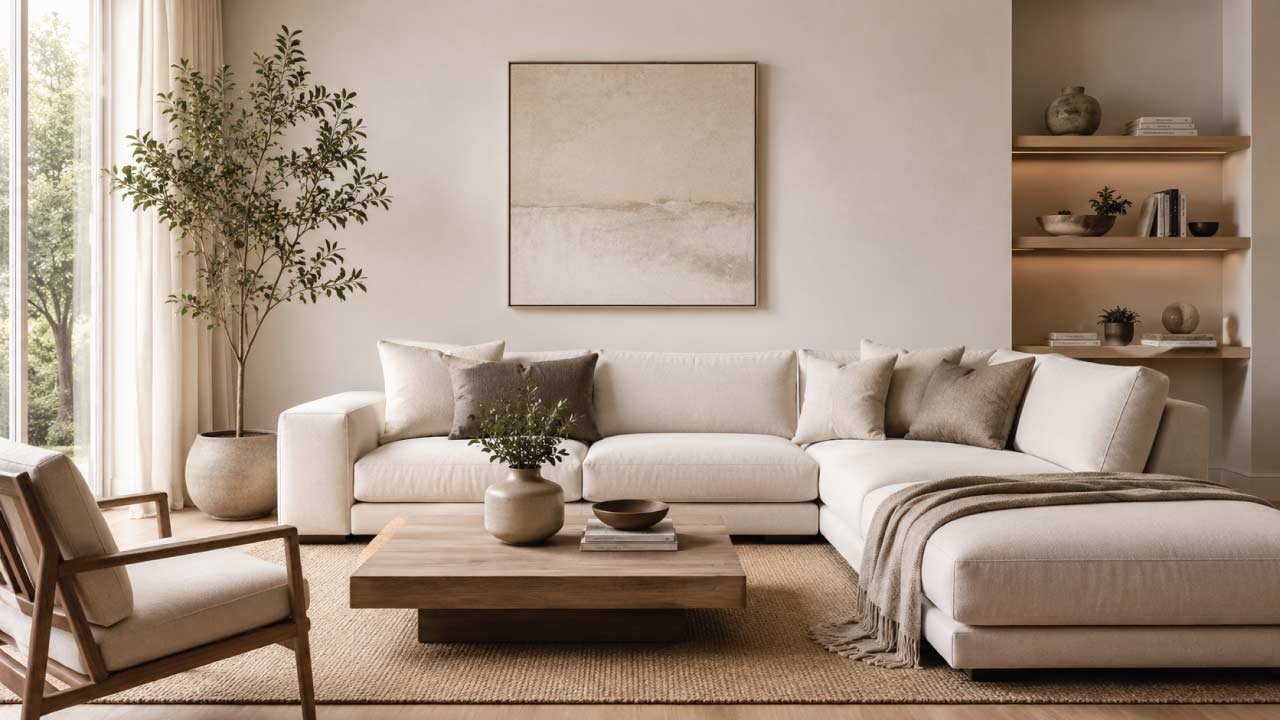
Minimalist living rooms are all about clarity, calmness, and intentional design. Rather than filling a space with objects, minimalism focuses on choosing fewer pieces that are more meaningful, functional, and visually balanced. The result is a living room that feels open, breathable, and effortlessly stylish.
Whether you’re starting from scratch or refining an already decorated space, these 12 minimalist living room decor ideas will help you create a clean, modern, and timeless interior.
Table of Contents
Toggle1. Stick to a Neutral Color Palette
A minimalist living room often starts with a calm and balanced neutral color palette that sets the tone for the entire space. Soft shades like white, beige, ivory, light gray, and muted taupe create a peaceful environment that feels spacious, airy, and visually uncluttered while supporting a timeless interior style that does not easily go out of trend.
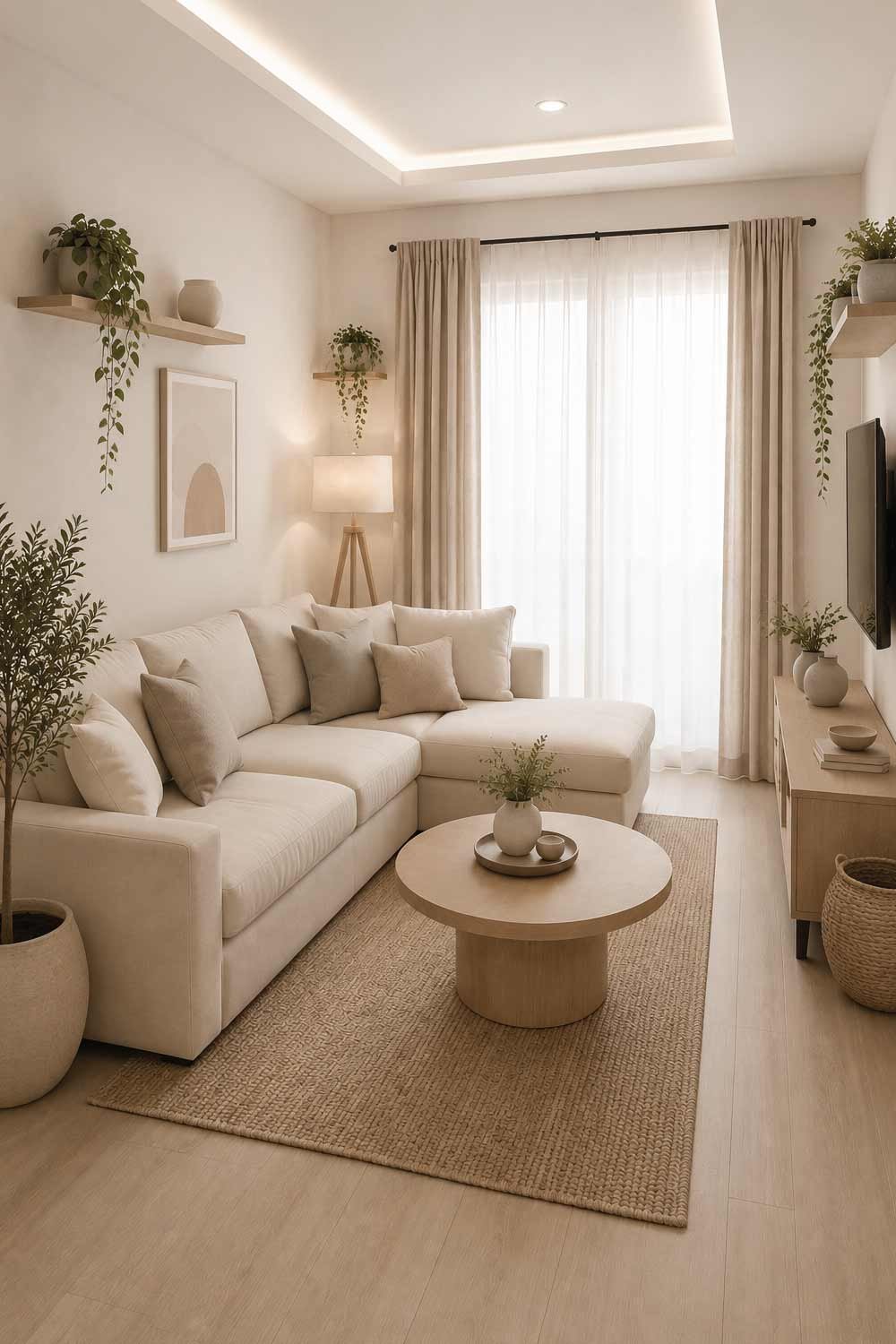
- Use soft neutral shades on walls to create a calm and visually open atmosphere.
- Select furniture in muted tones to maintain consistency and avoid visual chaos.
- Add slight tonal variations for depth without breaking overall color harmony.
- Let natural light enhance neutral colors and brighten the entire room naturally.
- Avoid overly bright or saturated colors that disrupt minimalist visual balance.
- Combine similar tones across décor elements for a cohesive and unified appearance.
Neutral colors reflect natural light beautifully and make the space feel larger. You can still add subtle contrast using slightly darker tones, but the overall palette should remain soft and cohesive. This simplicity allows furniture and textures to stand out without overwhelming the eye.
Personal Experience
In my experience, switching to a neutral palette made my living room feel instantly larger and more peaceful. It reduced visual clutter and helped me focus more on space and light rather than unnecessary color distractions.
2. Choose Simple, Functional Furniture
Minimalist interiors depend heavily on furniture that is both functional and visually simple. Every piece should serve a clear purpose while maintaining clean lines and avoiding unnecessary decoration. This approach helps create a balanced, practical living space that feels organized, modern, and easy to maintain.
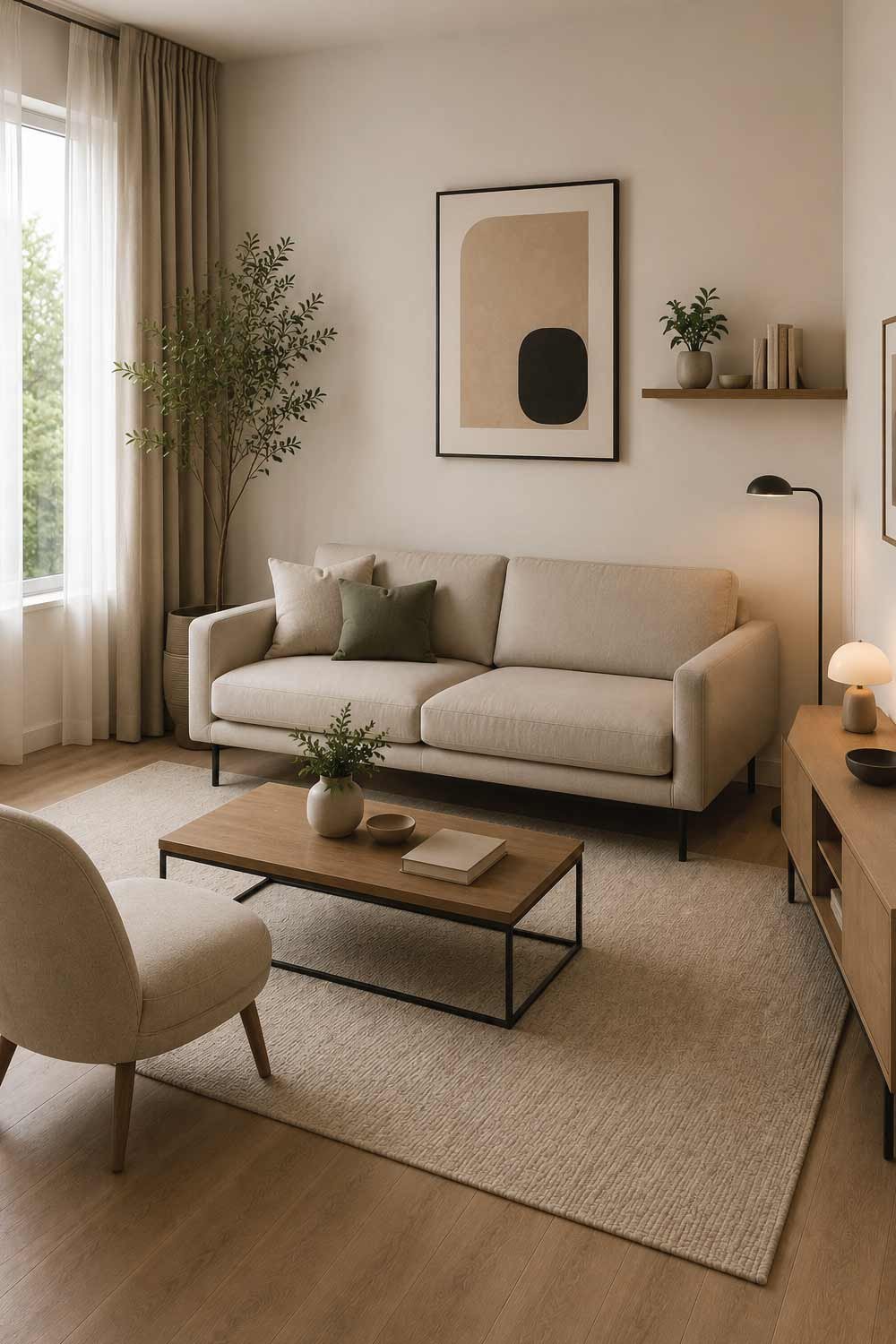
- Choose sofas with straight lines to maintain a clean and structured appearance.
- Select low-profile coffee tables to avoid blocking visual openness in the room.
- Prefer storage furniture with hidden compartments for better organization and simplicity.
- Avoid bulky or heavily carved designs that add unnecessary visual weight.
- Use furniture with slim legs to create a lighter and more open look.
- Focus on multipurpose items that maximize function in limited living spaces.
Look for sofas with straight edges, low profile coffee tables, and streamlined storage units. Avoid ornate carvings or overly bulky designs. Pieces with slim legs or floating designs help maintain visual openness and make the room feel less crowded.
Personal Experience
In my experience, switching to simpler furniture completely changed how my room felt. It became more open and easier to maintain, and I noticed that the space looked more modern even without adding extra décor items.
3. Keep the Layout Open and Airy
An open and airy layout is a key principle of minimalist living room design, where space itself becomes an important visual element. Instead of filling every corner, the focus is on creating flow, comfort, and balance through thoughtful furniture placement that allows movement and breathing room throughout the space.
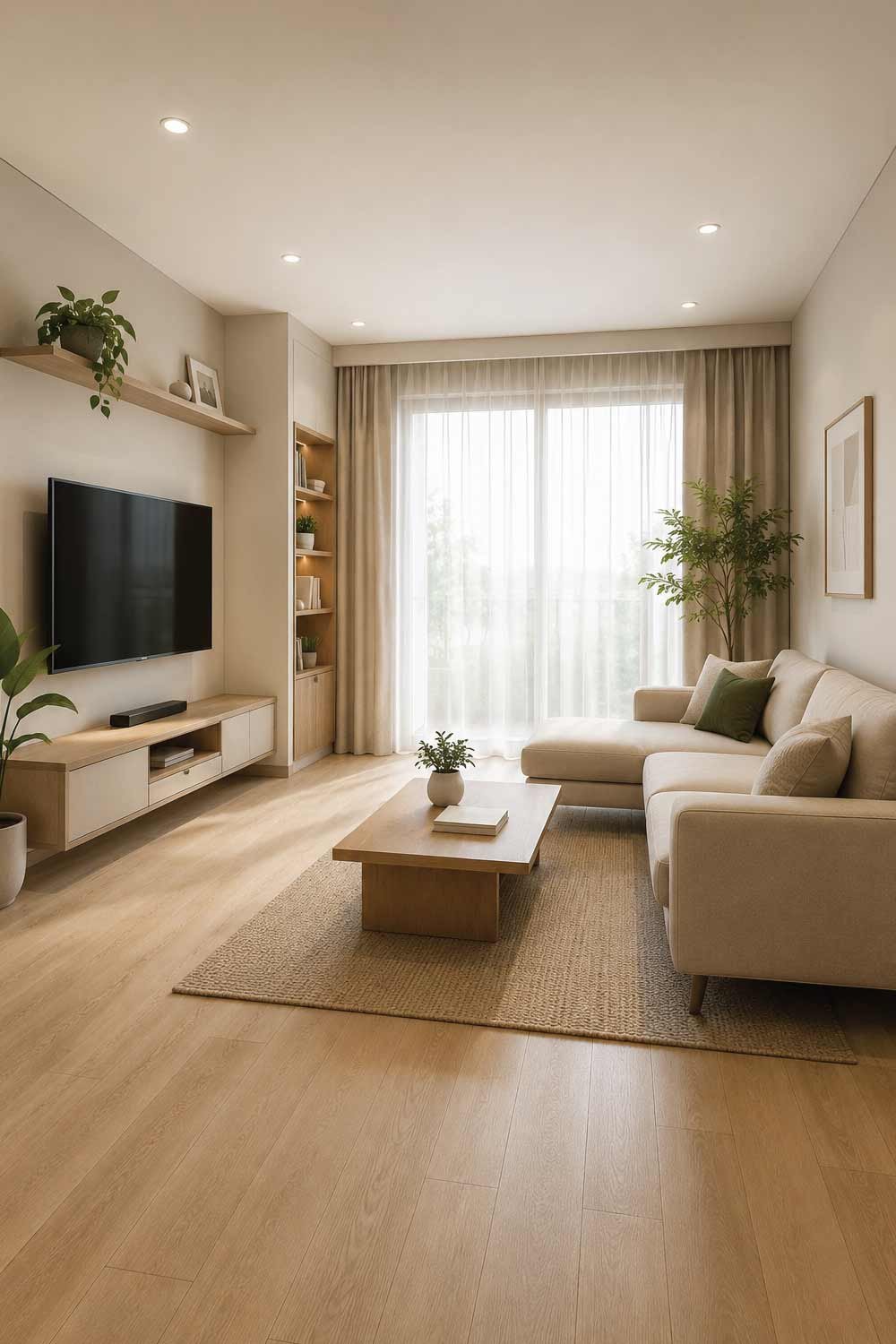
- Maintain clear walking paths to improve movement flow and daily comfort.
- Avoid overcrowding corners to keep the room visually open and spacious.
- Place furniture to encourage natural conversation and functional interaction zones.
- Use negative space intentionally as an active and calming design feature.
- Keep enough distance between furniture pieces for better visual balance.
- Arrange items to support both functionality and relaxed spatial harmony.
A well-planned layout improves flow and prevents the space from feeling cramped. Position furniture to encourage movement and conversation while maintaining clear pathways. Negative space is not empty it’s an active design element that enhances balance and calm.
Personal Experience
In my experience, leaving more open space between furniture made my living room feel less stressful and more comfortable. The room felt lighter, easier to move in, and much more visually balanced without any extra décor.
4. Focus on Quality Over Quantity
Minimalist interiors are built on the idea of “less but better.” Instead of buying multiple decorative items, invest in fewer high-quality pieces that last longer and look refined.Minimalist design follows the principle of “less but better,” where the focus is on owning fewer items but ensuring each one is high quality and visually meaningful.
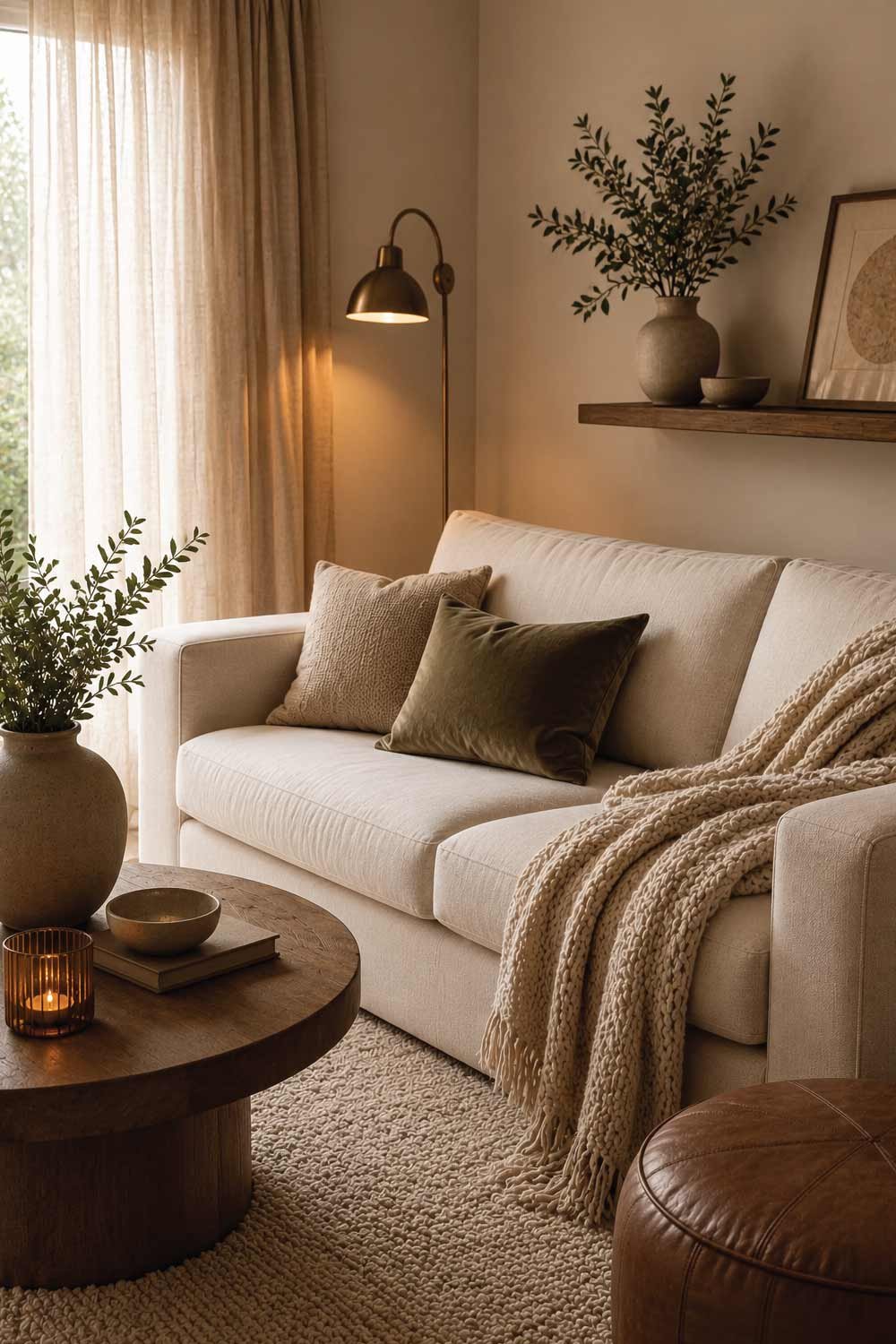
This approach reduces clutter while enhancing elegance, allowing each carefully chosen piece to stand out and define the overall aesthetic of the living space.
- Invest in durable furniture that offers long-term value and strong build quality.
- Choose statement pieces that define the room without needing many extras.
- Prefer natural and premium materials for a refined and lasting appearance.
- Avoid unnecessary decorative items that add clutter without real functional value.
- Focus on timeless designs that remain stylish across changing trends.
- Select fewer items that offer both visual appeal and practical everyday use.
Personal Experience
In my experience, replacing multiple cheap items with a few quality pieces improved my living room significantly. It looked more refined, felt less cluttered, and became easier to maintain over time.
5. Incorporate Natural Materials
Natural materials play an important role in minimalist interiors by adding warmth, texture, and a sense of organic balance. These elements help prevent the space from feeling too cold or sterile while maintaining a clean and simple aesthetic that feels grounded, calming, and visually connected to nature.
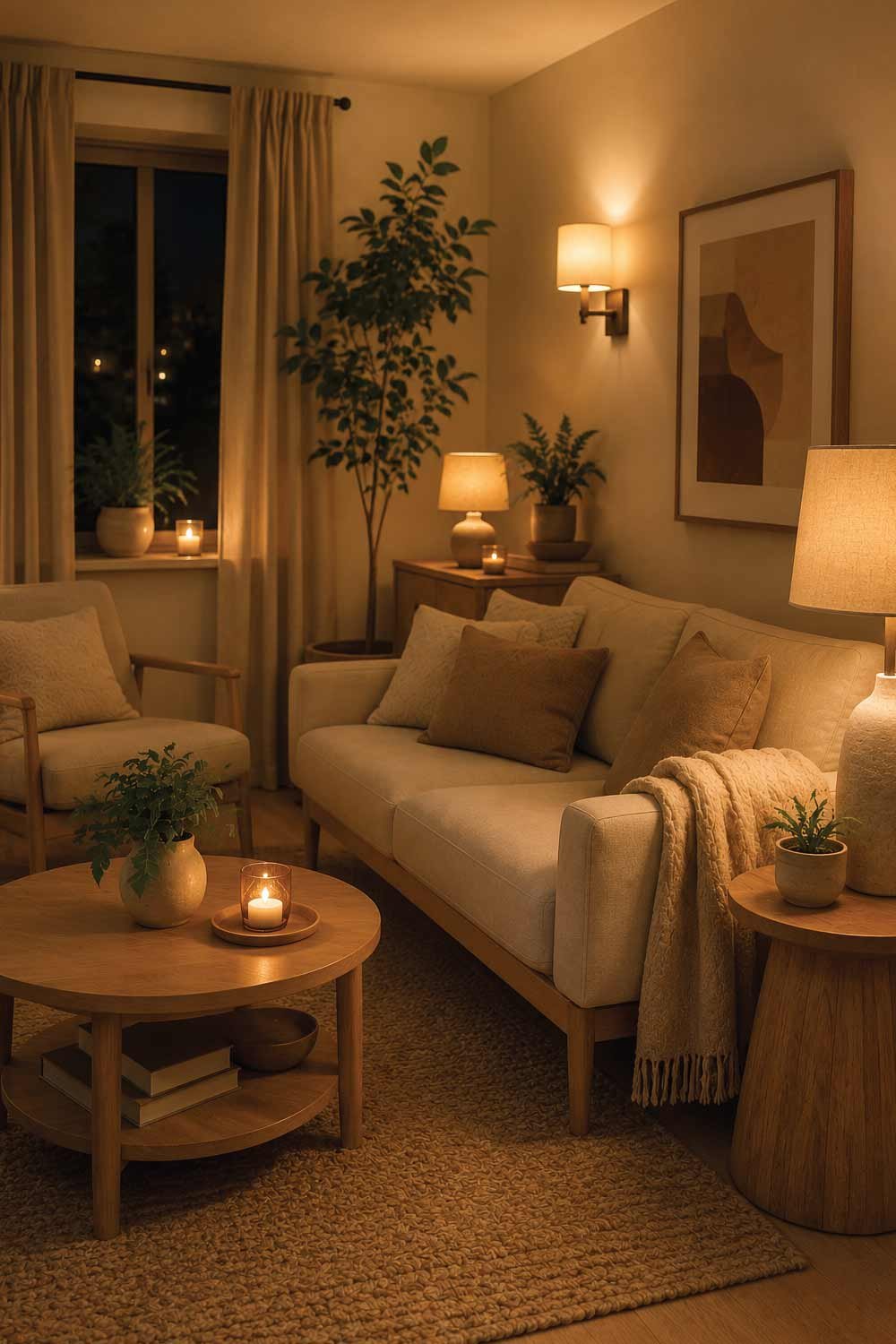
Consider incorporating:
- Light oak or walnut wood
- Linen upholstery
- Wool rugs
- Stone or marble accents
- Cotton throws
These materials add subtle depth while staying true to a clean and organic aesthetic.
Personal Experience
In my experience, adding natural materials like wood and linen made my living room feel warmer and more inviting. It balanced the simplicity of minimalism and created a more comfortable and natural atmosphere.
Also Read:
6. Limit Decorative Accessories
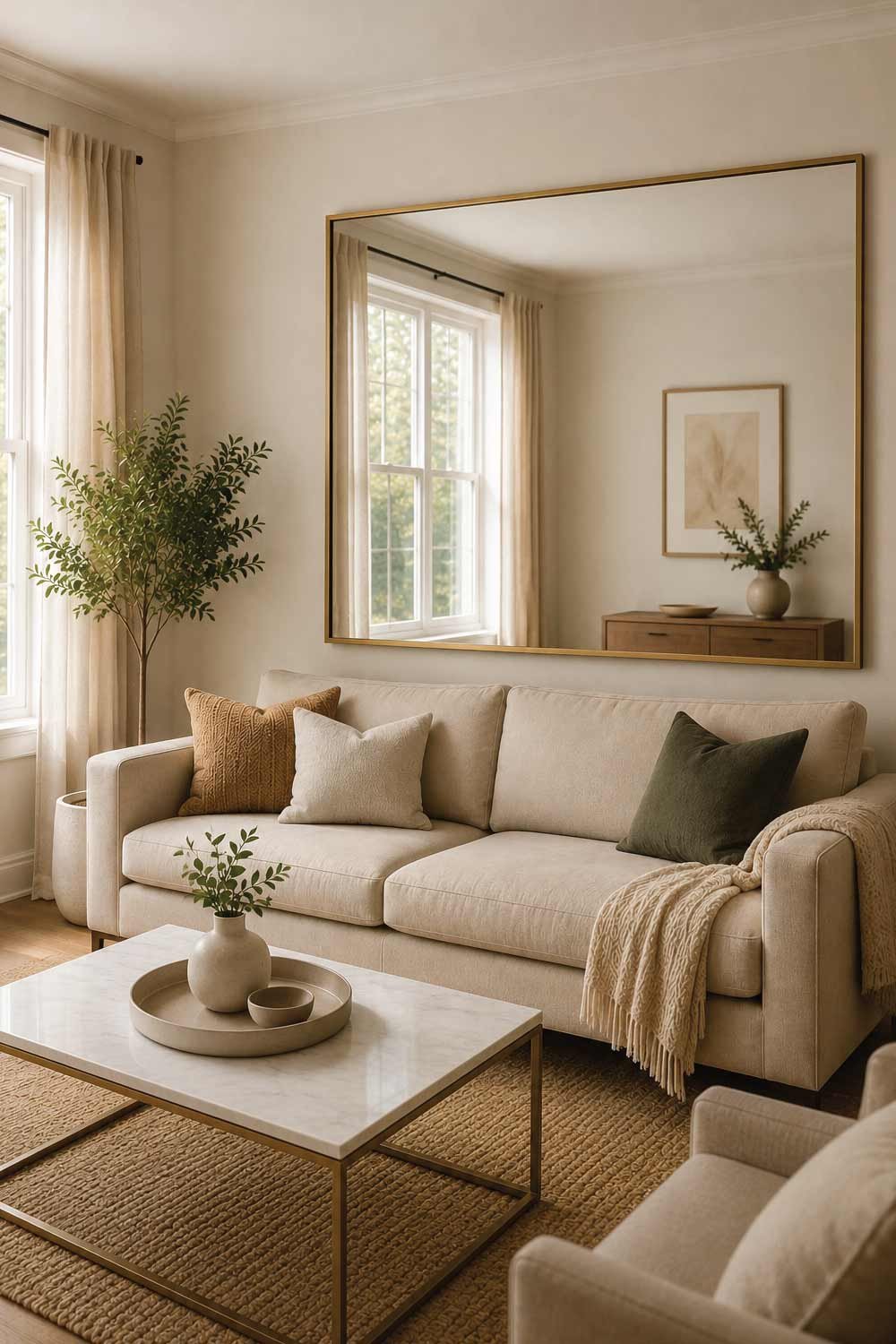
Minimalist design emphasizes intentionality, meaning every decorative item should have a purpose or meaningful presence. Instead of filling surfaces with multiple objects, the focus is on carefully selected pieces that enhance the space while maintaining visual calmness and avoiding unnecessary clutter.
- Choose a few statement décor pieces instead of multiple small unrelated items.
- Keep shelves partially empty to allow visual breathing space and balance.
- Use sculptural objects that act as both art and functional decoration.
- Avoid overcrowding tables with excessive or unnecessary decorative elements.
- Select meaningful artwork that adds personality without overwhelming the room.
- Arrange items with spacing to highlight each piece individually and clearly.
Instead, choose a few meaningful pieces such as a sculptural vase, a ceramic bowl, or a single framed artwork. Leaving empty space around objects allows them to stand out and keeps the room visually calm.
Personal Experience
In my experience, reducing decorative items made my living room feel more peaceful and organized. Each object stood out more clearly, and the overall space felt cleaner, calmer, and more thoughtfully designed.
7. Use Built-In Storage to Reduce Clutter
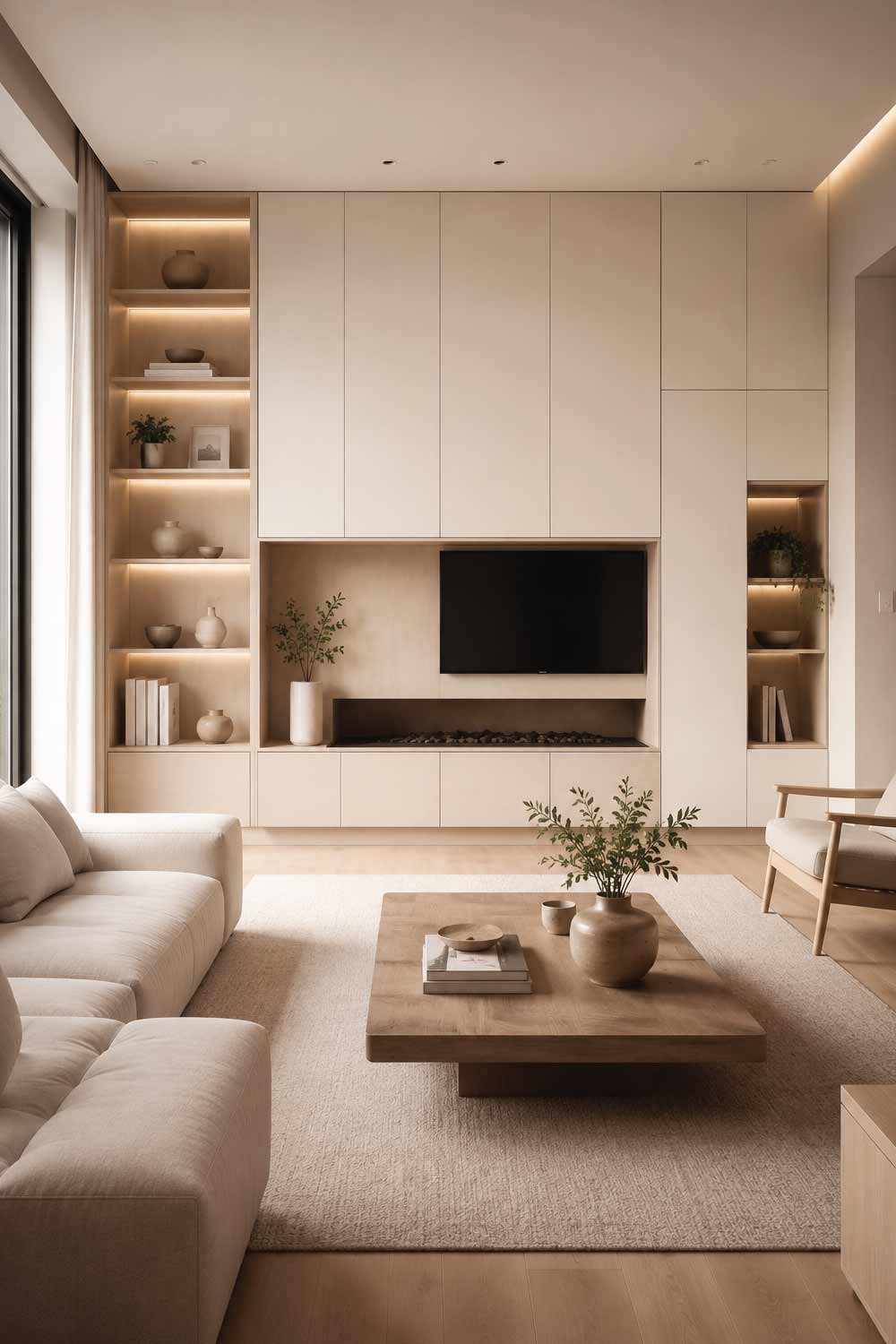
Clutter can quickly disrupt the calm and structured feel of a minimalist living room, which is why built-in storage plays a crucial role in maintaining order. When storage is integrated into the walls or furniture design, everyday items stay hidden while surfaces remain clean and visually uninterrupted, creating a more seamless and peaceful environment overall.
- Install floating shelves to store essentials while keeping floor space visually open.
- Use concealed cabinets to hide everyday items and reduce visible clutter effectively.
- Choose wall-integrated storage units to maintain a smooth and unified interior design.
- Keep frequently used items organized within easy reach but out of sight.
- Design storage to blend with wall colors for a seamless architectural appearance.
- Prioritize vertical storage solutions to maximize space in smaller living rooms.
Floating shelves, concealed cabinets, and wall-integrated units are excellent choices. When storage blends into the architecture, the room feels more seamless and organized. This approach also reduces visual distractions.
Personal Experience
In my experience, adding built-in style storage solutions helped me significantly reduce clutter in my living room. The space instantly felt more organized, open, and calm because everyday items were no longer visually distracting.
8. Add Soft Textures for Warmth
Minimalist design is not meant to feel cold or empty; instead, it relies on soft textures to introduce warmth and comfort. By layering subtle materials, you can maintain simplicity while making the living room feel inviting, cozy, and visually balanced without adding unnecessary decoration or complexity.
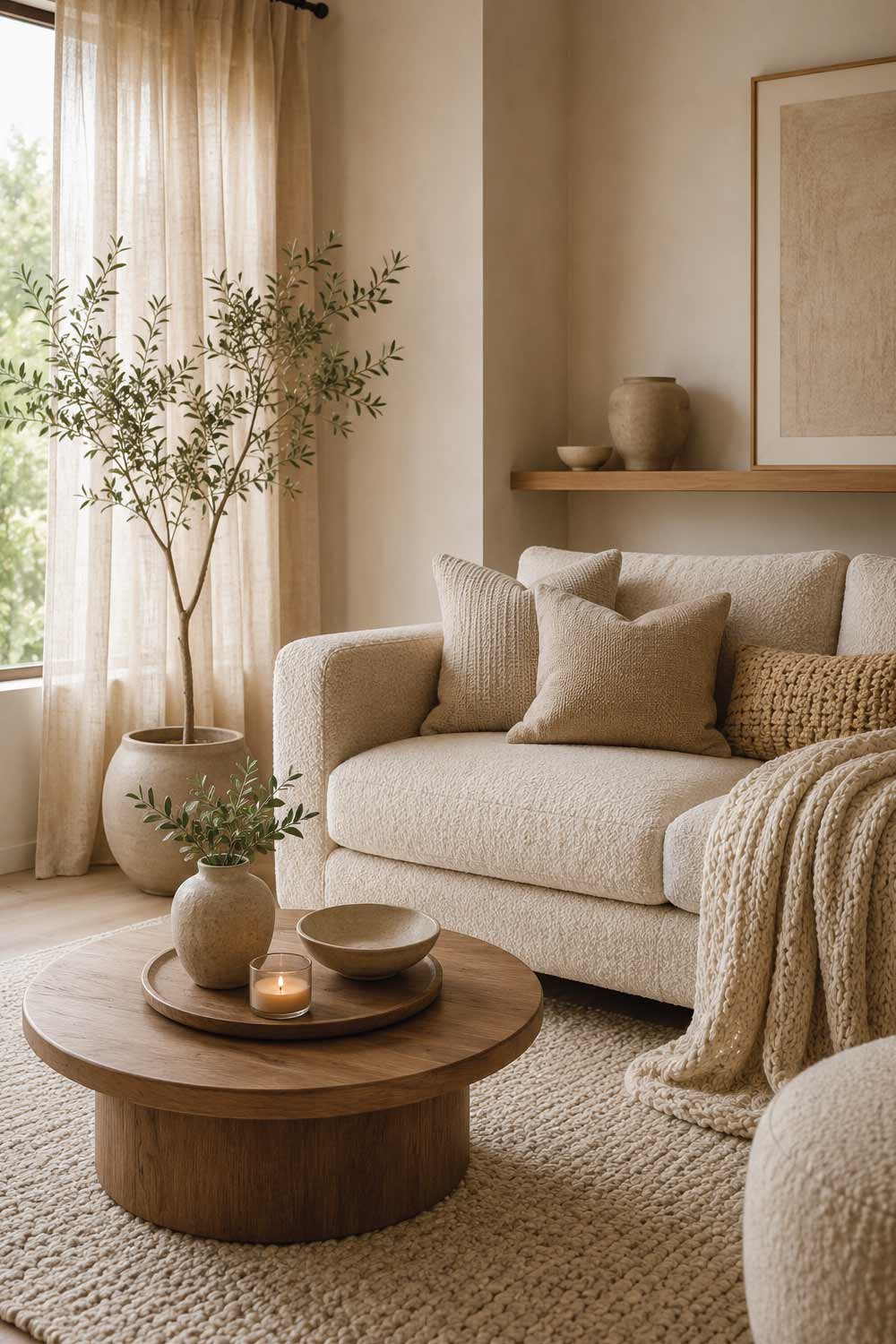
- Use linen curtains to soften natural light while maintaining a clean aesthetic.
- Add wool or cotton rugs to introduce warmth and gentle texture underfoot.
- Choose fabric or bouclé sofas for a soft and comfortable seating experience.
- Layer knitted throws to create subtle depth without overwhelming visual simplicity.
- Combine different neutral textures to maintain harmony and avoid harsh contrasts.
- Keep patterns minimal to preserve the calm and balanced minimalist style.
Introduce softness through:
- Linen curtains
- Wool or cotton rugs
- Bouclé or fabric sofas
- Knitted throws
The key is to keep textures subtle and layered rather than bold or patterned.
Personal Experience
In my experience, adding soft textures completely changed how my minimalist space felt. It became more comfortable and welcoming, and the subtle layering of fabrics made the room feel warmer without breaking its clean design.
Also Read:
9. Embrace Natural Light
Natural light is a fundamental element in minimalist interior design, as it enhances openness, brightness, and simplicity within a space. A well-lit room feels larger and more welcoming, reducing the need for heavy décor while naturally highlighting the clean lines and neutral tones that define minimalism.
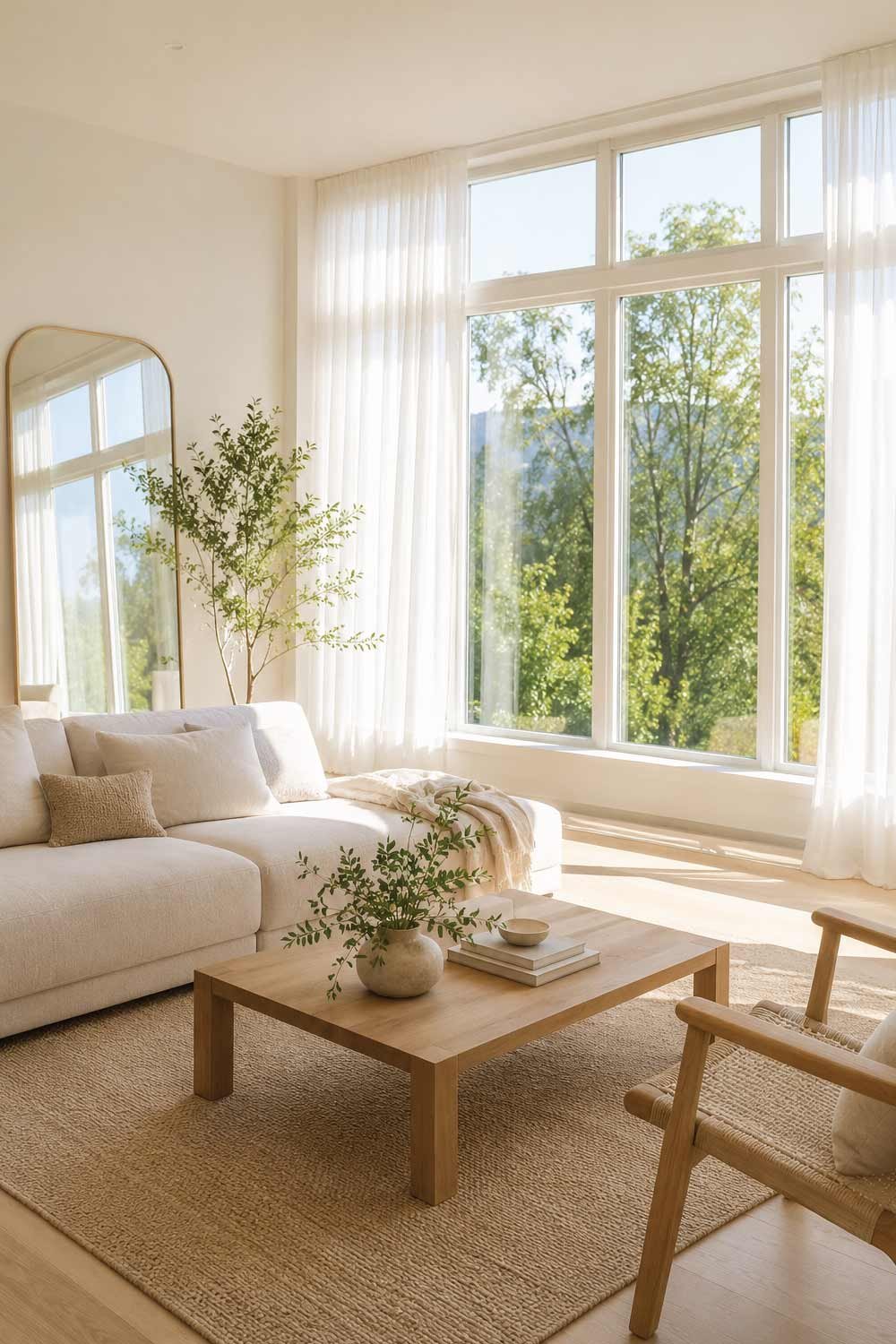
- Maximize window exposure to allow as much daylight into the room as possible.
- Use sheer curtains to filter light while maintaining brightness and softness indoors.
- Avoid heavy drapes that block sunlight and reduce spatial openness significantly.
- Position furniture near light sources to enhance natural illumination throughout the space.
- Keep windows clean and unobstructed to improve overall light flow and clarity.
- Use reflective surfaces to amplify natural light and brighten darker corners.
Avoid heavy drapes or dark coverings that block sunlight. A bright, airy room naturally enhances the minimalist aesthetic and reduces the need for excessive décor.
Personal Experience
In my experience, relying more on natural light made my living room feel brighter and more spacious. It reduced my need for artificial lighting during the day and enhanced the simplicity and calmness of the space.
10. Choose Statement Pieces Carefully
Minimalist interiors often rely on a few carefully chosen statement pieces that act as focal points within the room. These items should stand out without overwhelming the space, helping create visual interest while maintaining balance and supporting the overall simplicity of the design.
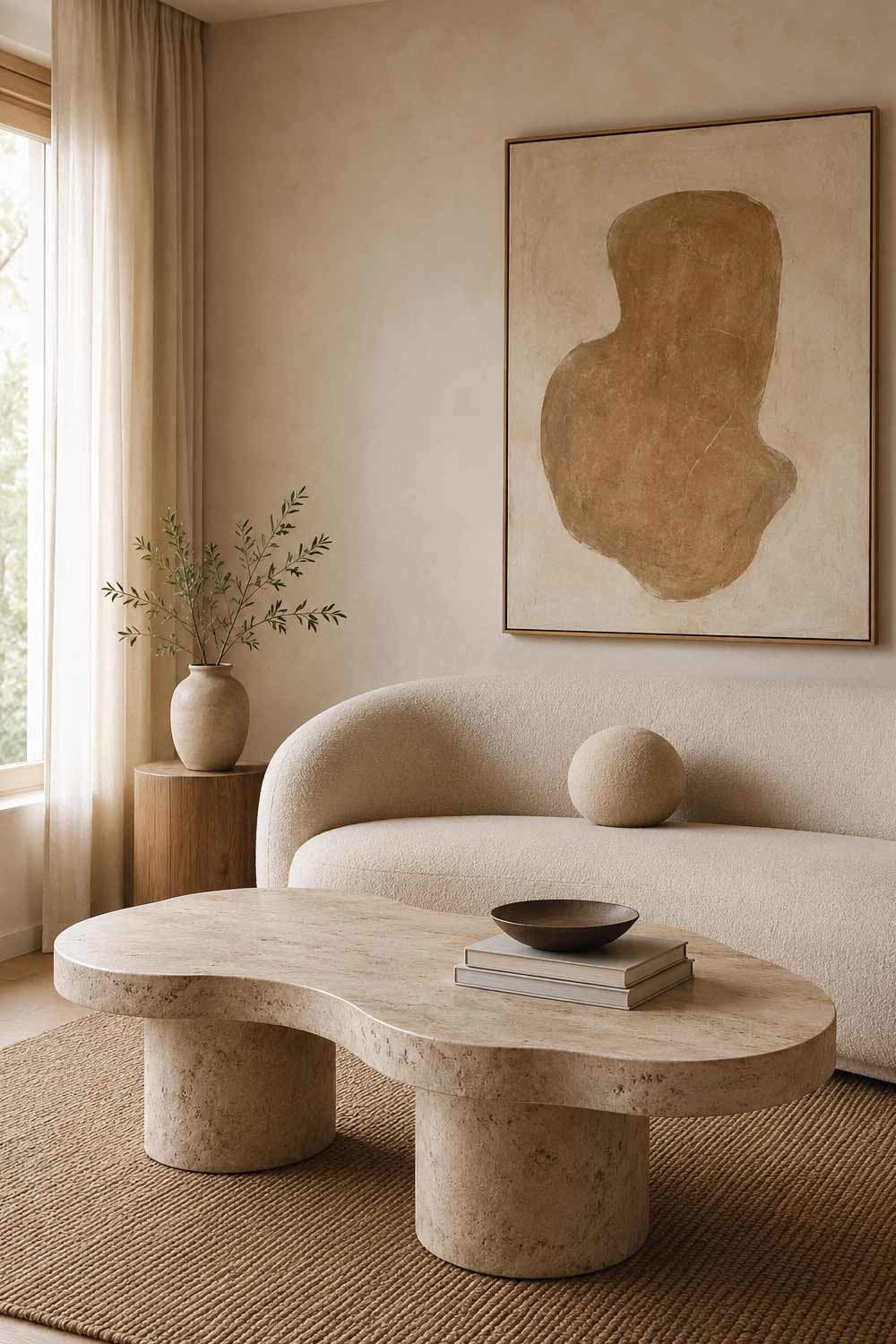
- Select one focal item that naturally draws attention in the living room space.
- Choose sculptural furniture or décor that adds artistic value without cluttering.
- Use large artwork as a central visual anchor for the entire room design.
- Ensure all other elements support rather than compete with the focal piece.
- Keep colors around statement items neutral to maintain balance and focus.
- Avoid multiple competing focal points that disrupt visual harmony and simplicity.
The key is restraint—once you have a focal point, everything else should support it rather than compete with it. This creates visual harmony and prevents the room from feeling cluttered.
Personal Experience
In my experience, choosing a single statement piece helped organize the entire look of my living room. It created a clear focal point, making the space feel more intentional, stylish, and visually balanced.
Also Read:
12 Trending Modern Living Room Lamp Ideas You’ll Love in 2026
11. Keep Wall Design Simple
In minimalist living rooms, wall design should remain clean, subtle, and free from unnecessary complexity. Simple walls help maintain visual calmness and allow furniture and lighting to stand out. A restrained approach ensures the space feels open, modern, and balanced without overwhelming decorative elements.
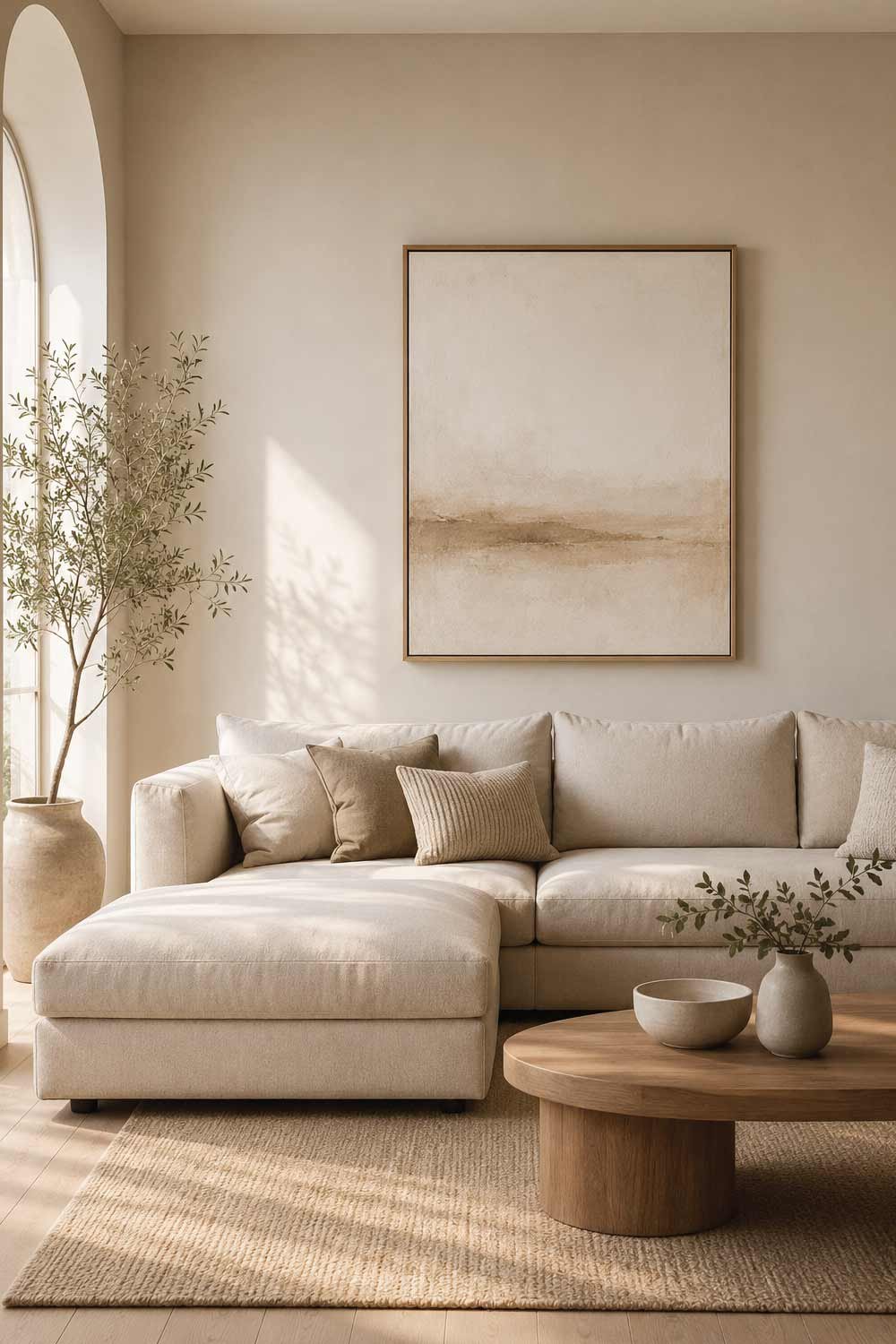
- Use smooth paint finishes to maintain a clean and uniform wall appearance.
- Avoid busy wallpaper patterns that disrupt minimalist visual harmony and simplicity.
- Add a single large artwork for focus instead of multiple small pieces.
- Use mirrors strategically to enhance brightness and create spatial depth.
- Keep wall colors neutral to maintain a calm and cohesive environment.
- Maintain empty wall areas to preserve visual breathing space and balance.
A single large artwork or a carefully placed mirror can enhance the space without overwhelming it. Mirrors also help reflect light and make the room feel more spacious.
Personal Experience
In my experience, simplifying my wall design made my living room feel more peaceful and organized. With fewer decorations, the space looked cleaner and allowed other design elements to stand out more effectively.
12. Maintain a Clutter Free Lifestyle
Minimalist design extends beyond décor and becomes a daily lifestyle focused on simplicity and organization. Maintaining a clutter-free living room requires consistent habits that prioritize order, intentional ownership, and regular removal of unnecessary items to preserve a calm and visually balanced environment.
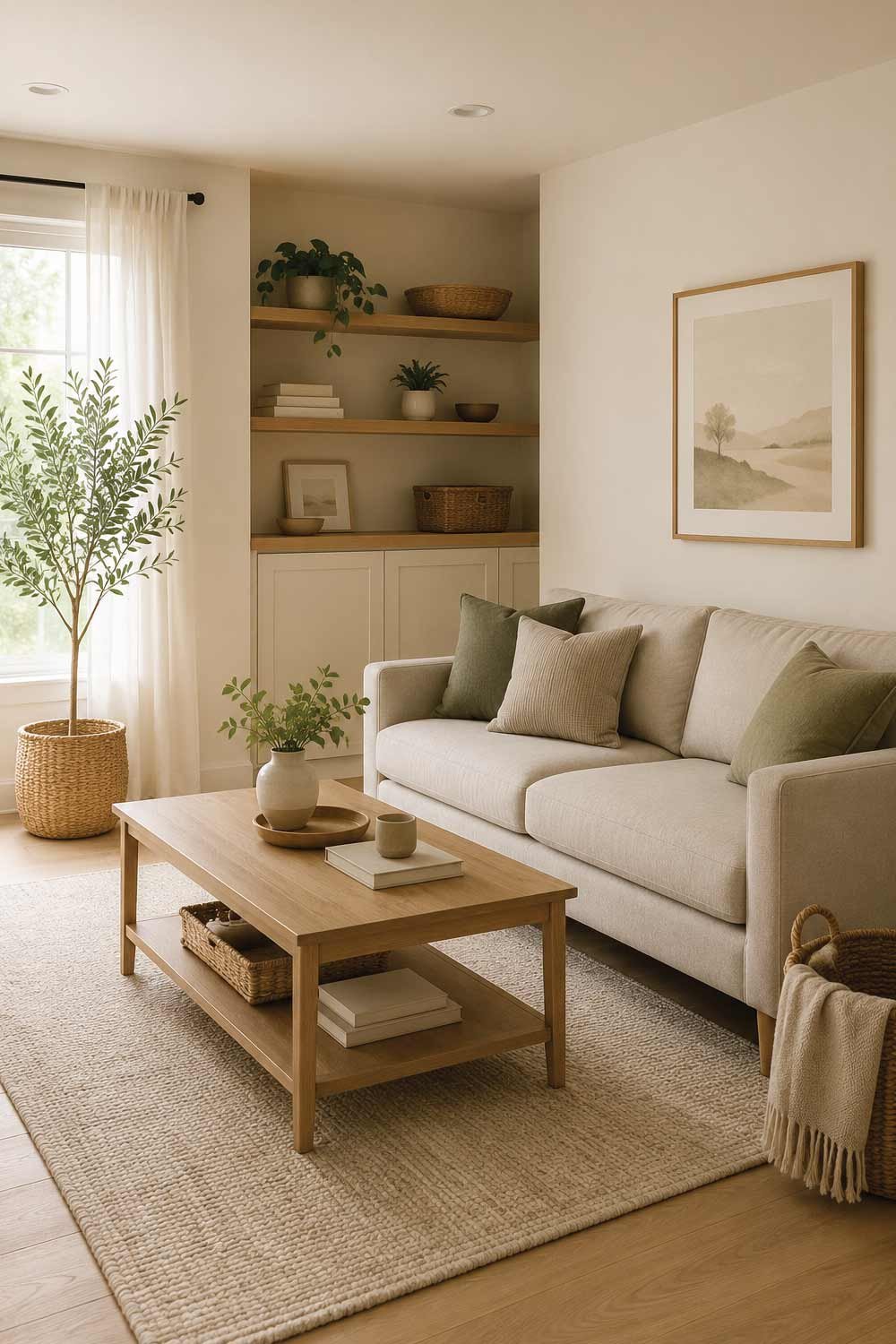
- Regularly remove unused items to prevent unnecessary accumulation of household clutter.
- Keep surfaces clear to maintain a clean, open, and visually calm atmosphere.
- Use storage baskets to organize small items and reduce visible mess effectively.
- Develop daily tidying habits to maintain long-term order and visual simplicity.
- Store seasonal or rarely used items out of sight in hidden compartments.
- Avoid over-decorating to ensure space remains functional and visually balanced.
Make it a habit to regularly remove unnecessary items and keep surfaces clear. Storage baskets, hidden compartments, and disciplined organization habits all contribute to a calm and orderly environment.
Personal Experience
In my experience, adopting a clutter-free lifestyle made my living room easier to maintain and more peaceful. Regularly clearing unnecessary items helped me stay organized and preserved the minimalist feel consistently over time.
Also Read:
Final Thoughts
A minimalist living room is about more than just simple décor it’s about creating a space that feels peaceful, functional, and intentional. By focusing on quality, natural materials, open space, and thoughtful design choices, you can build a room that feels both modern and timeless.
Minimalism doesn’t mean emptiness; it means clarity. And when done well, it transforms your living room into a place where every detail has purpose and every corner feels calm.
