
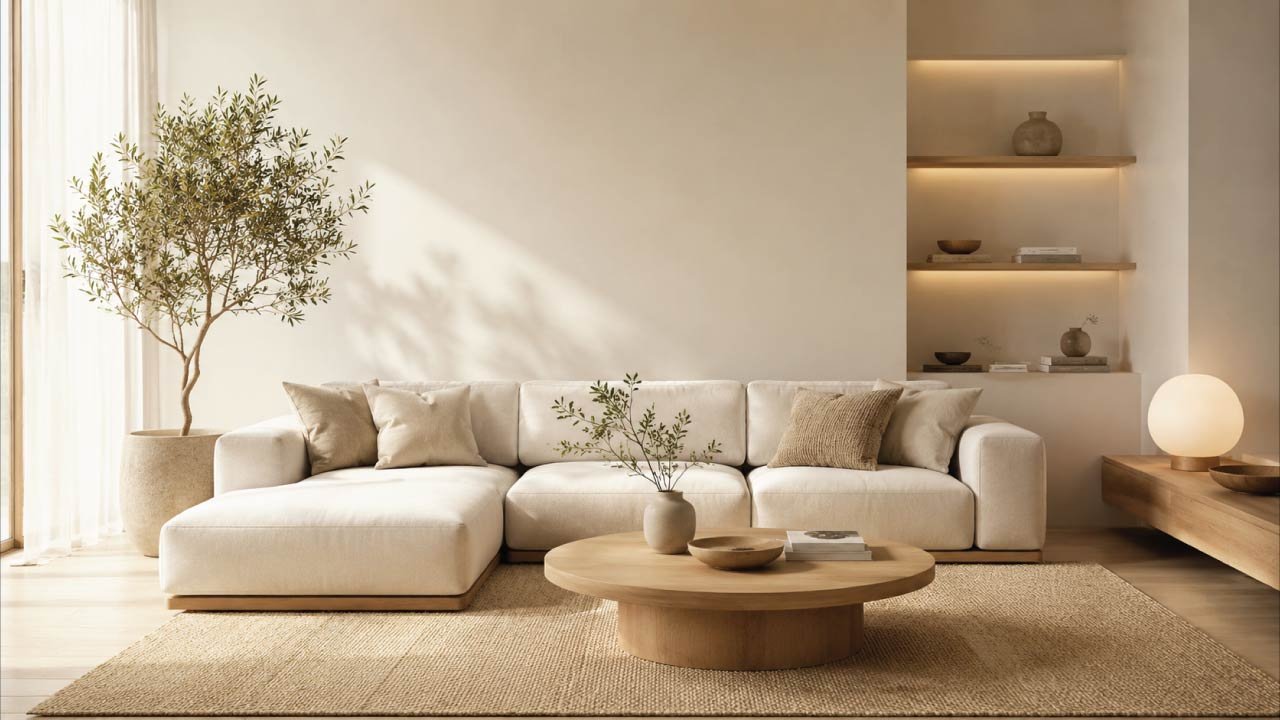
Minimal aesthetic living rooms are all about clarity, calmness, and intentional design. Instead of filling a space with too many decorative elements, minimal interiors focus on what truly matters: clean lines, functional furniture, soft color palettes, and thoughtful details. The result is a living room that feels open, balanced, and effortlessly stylish.
A minimal aesthetic doesn’t mean empty or cold. When done right, it creates a sense of comfort through simplicity where every object has purpose, and every corner feels breathable. If you’re aiming for a modern, clutter-free, and visually soothing space, these 12 minimal aesthetic living room ideas will help you design a home you’ll genuinely enjoy spending time in.
1. Stick to a Neutral Color Palette
A neutral color palette forms the backbone of a minimal aesthetic living room. Shades like white, beige, ivory, soft gray, and muted taupe create a calm, balanced environment that feels visually consistent. These tones reduce visual noise and help establish a peaceful, uncluttered atmosphere.
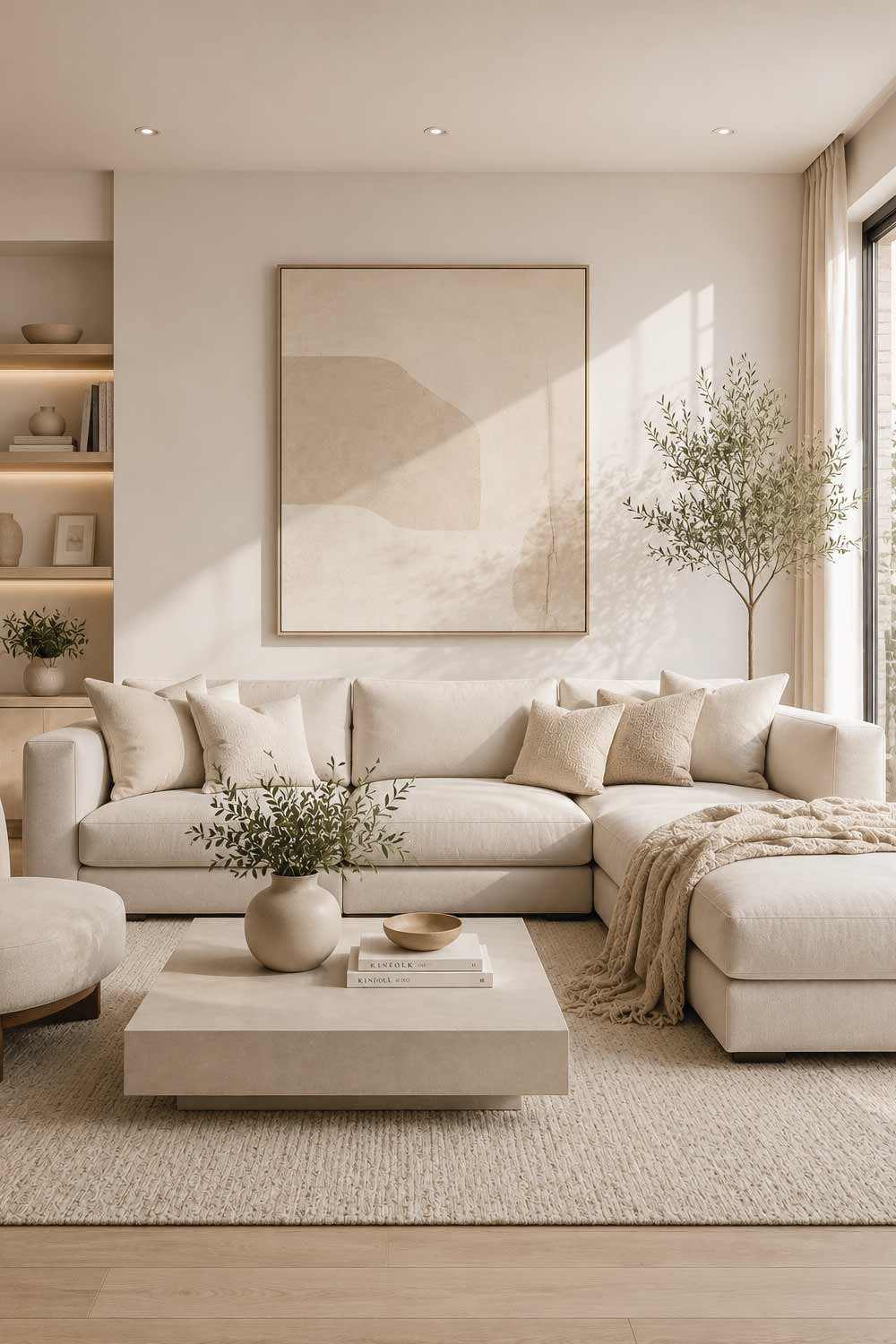
Neutral colors also enhance natural light, making the room appear brighter and more spacious. By layering slightly different neutral shades, you can maintain depth without breaking simplicity. The focus remains on harmony, where nothing feels overly bold or distracting within the space.
- Creates calm and unified visual foundation for interiors
- Enhances natural light and brightens small living spaces
- Makes rooms appear larger and more open visually
- Allows subtle layering without losing minimalist simplicity
- Avoids overwhelming contrasts or loud color distractions
- Builds a timeless and elegant aesthetic overall look
Personal Experience
I switched my living room to a soft beige and white palette, and it immediately felt more spacious. The light reflected better during the day, and the room looked cleaner without any major changes. It also became easier to style everything else around this neutral base.
2. Choose Clean Lined Furniture
Clean-lined furniture is essential in achieving a minimal aesthetic because it defines structure without adding visual clutter. Straight edges, smooth surfaces, and simple silhouettes help maintain order in the room. This allows the space to feel organized and visually balanced.
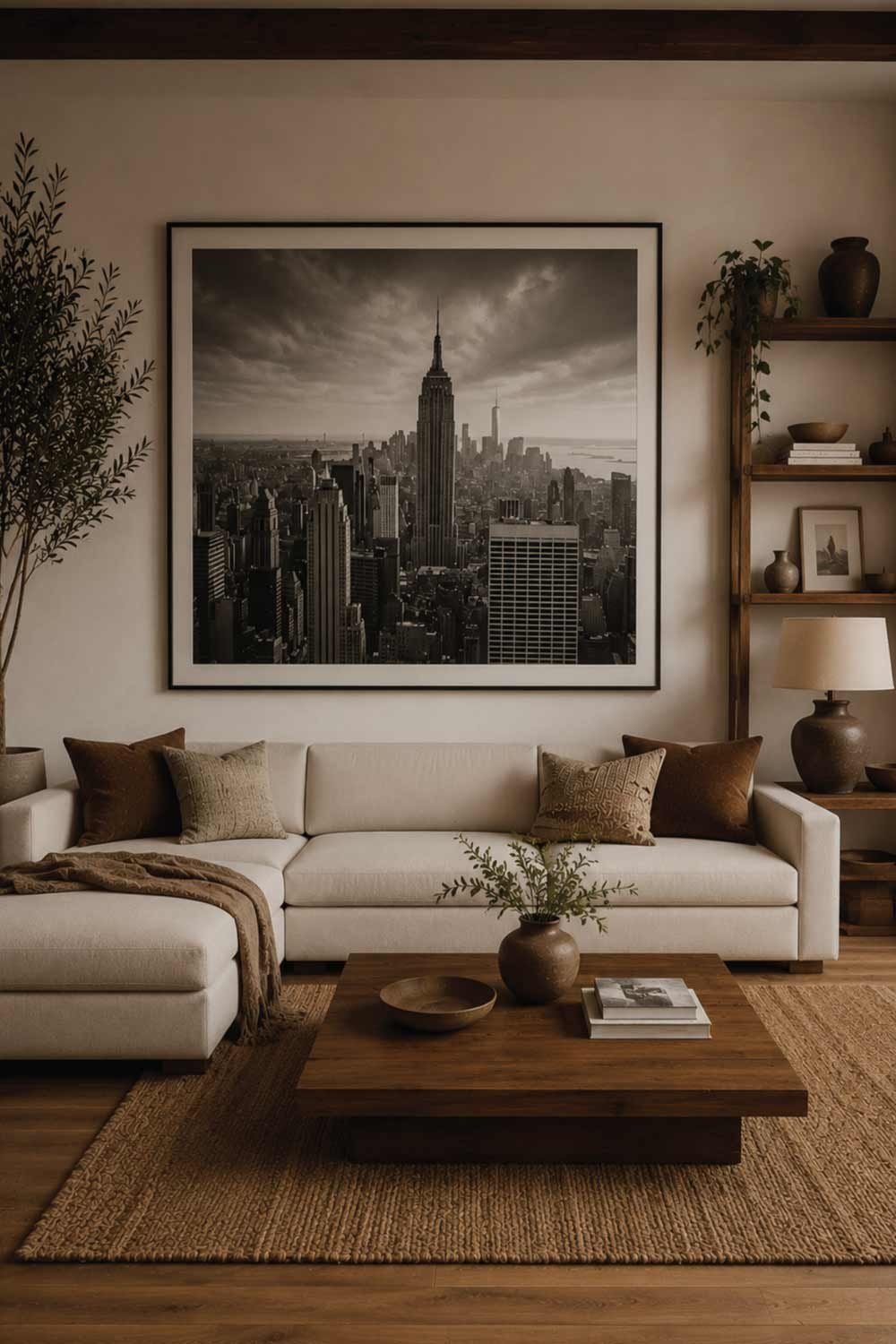
Furniture pieces like low-profile sofas, rectangular coffee tables, and sleek shelving units work especially well. These designs blend into the background instead of dominating the room. The overall effect is a calm, cohesive space where each piece serves a clear purpose.
- Maintains visual order through simple structured furniture shapes
- Avoids ornate or bulky designs that overwhelm space
- Low-profile sofas enhance openness and modern minimal style
- Streamlined tables and shelves support clean room layout
- Helps furniture blend naturally into overall interior design
- Creates balanced and uncluttered living room environment easily
Personal Experience
I replaced a bulky sofa with a low, clean-lined design, and the room instantly felt more open. The furniture no longer dominated the space, which made everything look more balanced. It also improved how light moved through the room.
3. Keep Decor Intentional and Limited
Minimal design relies heavily on intentional choices rather than quantity. Instead of filling every surface with decorative items, selecting a few meaningful pieces helps maintain clarity. Each object should have purpose and contribute to the overall aesthetic.
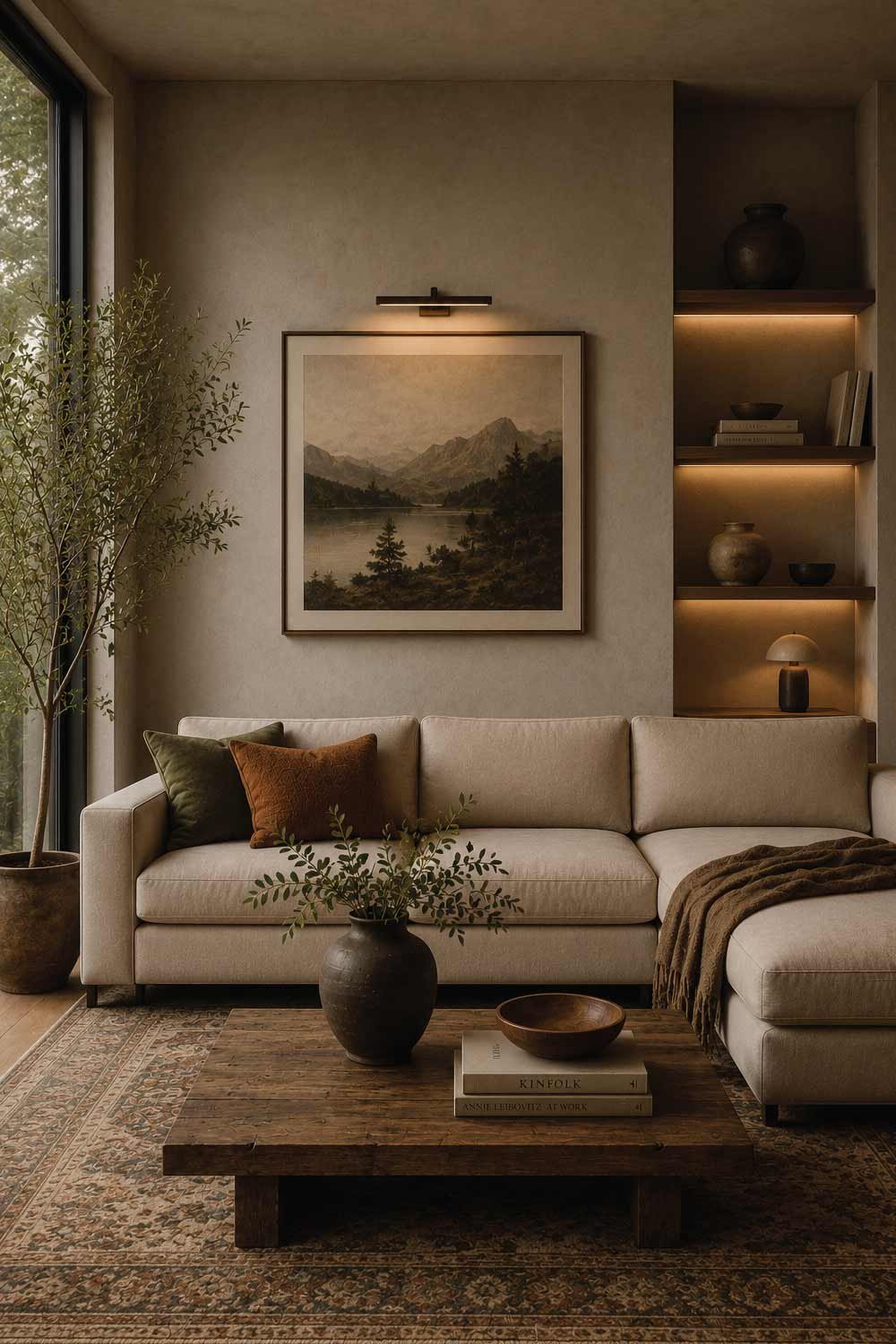
Items like a single vase, a sculptural accent, or a small book stack can be enough. This approach avoids visual clutter and keeps attention focused. Empty space is equally important, as it allows the design to breathe and feel more refined.
- Focuses on quality over quantity in decorative styling choices
- Prevents clutter by limiting items on surfaces and shelves
- Each piece should serve purpose or aesthetic contribution
- Maintains visual clarity and calm interior atmosphere effectively
- Empty space enhances overall design balance and simplicity
- Creates curated and thoughtful living room appearance overall
Personal Experience
I reduced my decor to just a few selected items on my shelf, and it made a big difference. The space felt more intentional and less chaotic. I realized that removing excess items actually made the remaining pieces stand out more beautifully.
4. Maximize Natural Light
Natural light is a key element in minimal living rooms because it highlights simplicity and enhances openness. A bright space naturally feels cleaner, more spacious, and more connected to the outdoors. It also reduces the need for artificial lighting during the day.
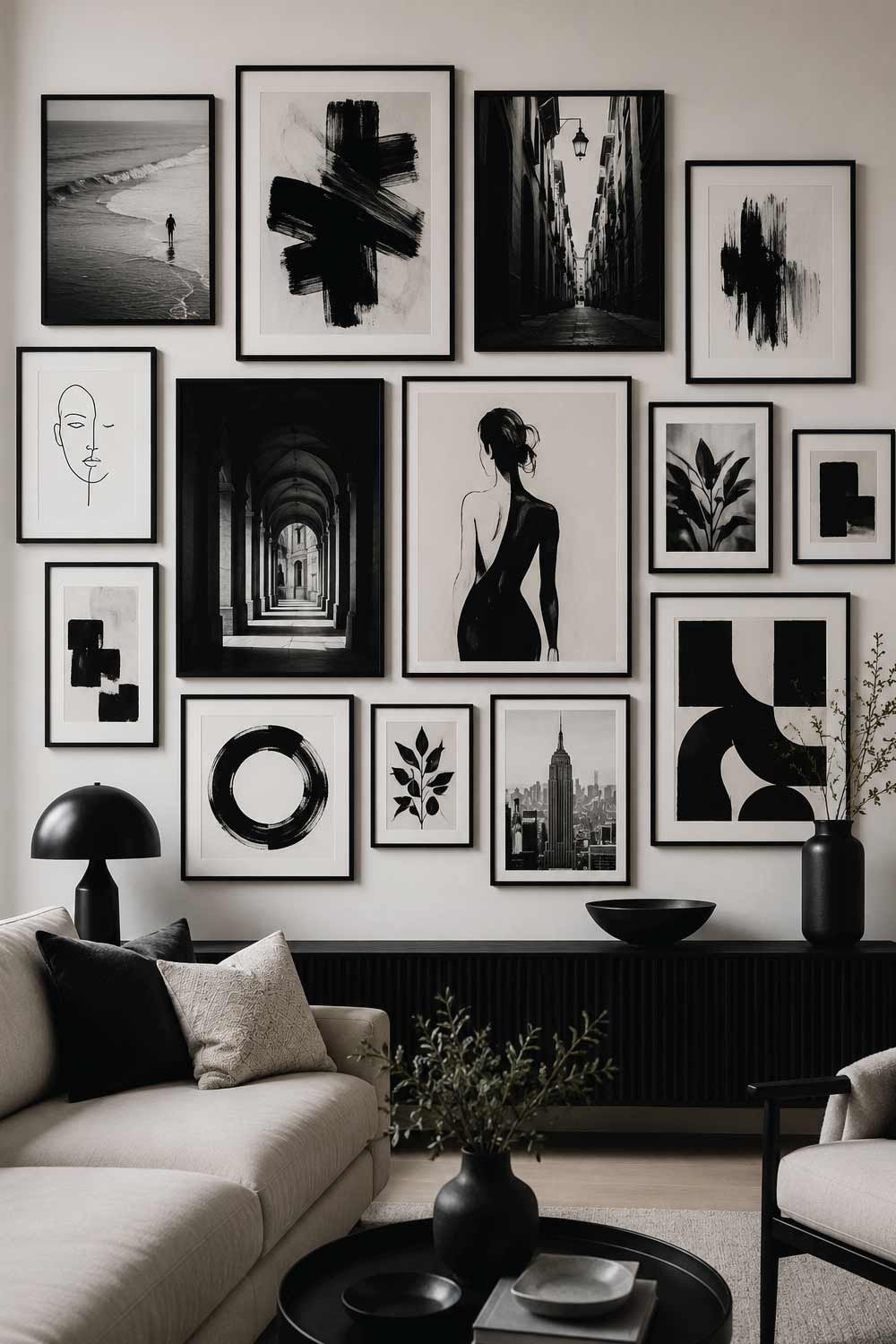
Using sheer curtains or leaving windows unobstructed allows sunlight to flow freely into the room. Mirrors can further amplify brightness by reflecting light into darker corners. This combination creates a fresh, airy, and balanced environment.
- Enhances openness and simplicity in minimalist interiors
- Makes rooms appear larger and brighter naturally
- Reduces dependence on artificial lighting during daytime
- Sheer curtains allow soft and filtered sunlight entry
- Mirrors reflect light and expand visual depth effectively
- Creates airy and fresh atmosphere throughout living space
Personal Experience
I switched from heavy curtains to sheer ones, and the transformation was immediate. The room became noticeably brighter throughout the day. I also placed a mirror opposite the window, which made the space feel even more open and lively.
5. Incorporate Soft Textures for Warmth
Minimal interiors can sometimes feel too plain, but soft textures help balance simplicity with warmth. Materials like linen, wool, cotton, and boucle add depth without introducing visual clutter. This keeps the space inviting while maintaining a clean aesthetic.
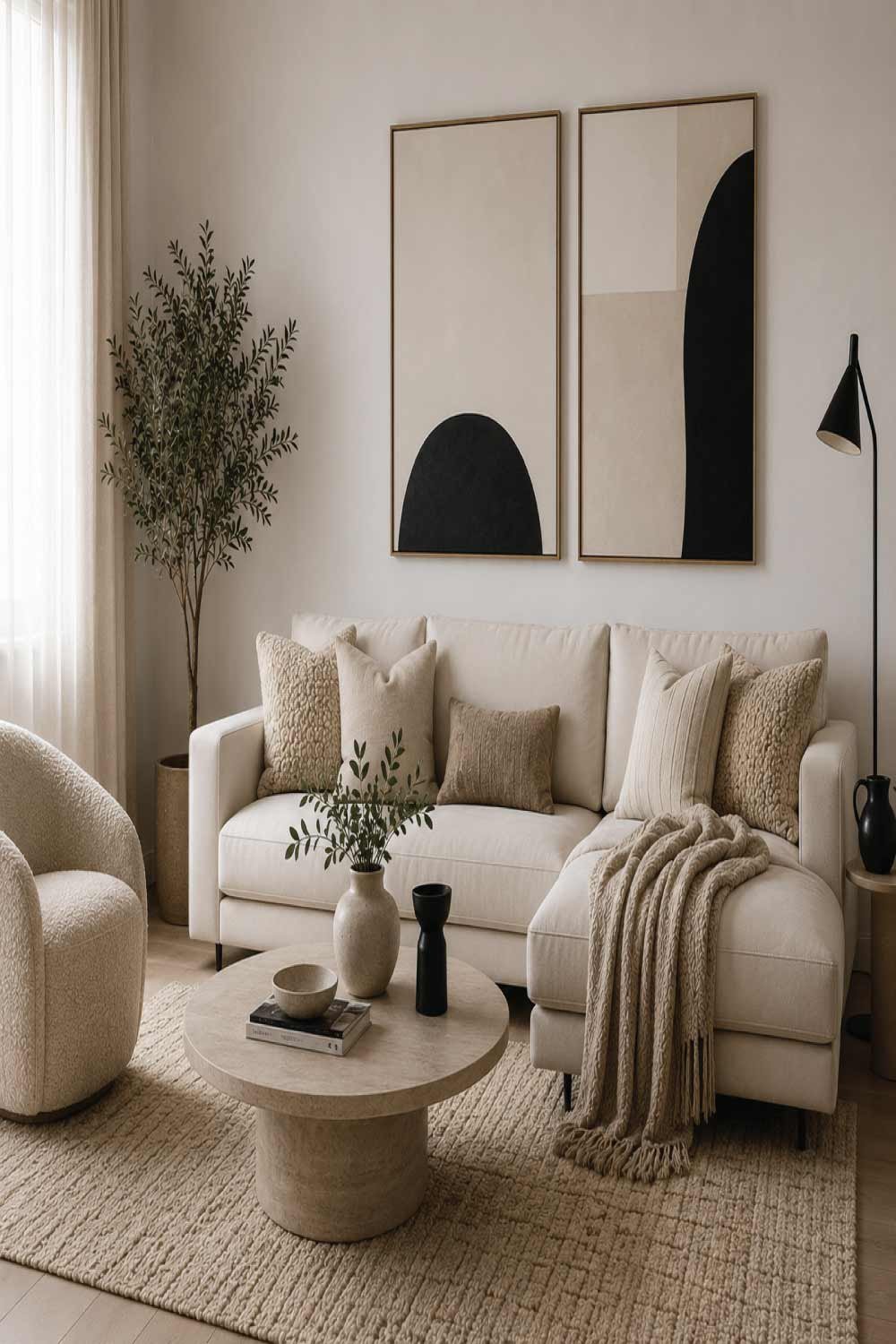
Using textured cushions, rugs, or throws introduces subtle variation that feels natural and comfortable. The goal is to maintain cohesion while avoiding flatness. Carefully chosen textures make the room feel cozy without breaking the minimal design principles.
- Adds warmth without compromising minimalist simplicity
- Soft materials enhance comfort and tactile experience
- Prevents space from feeling cold or overly plain
- Textured rugs and cushions create subtle visual depth
- Maintains cohesion through neutral and soft materials
- Improves overall coziness in living room atmosphere
Personal Experience
I added a linen throw and a textured rug to my sofa area, and it softened the entire room. It didn’t feel cluttered, but it became much more comfortable. The textures made the space feel warm while still staying clean and minimal.
Also Read:
14 Minimalist Living Room Furniture Ideas for a Clean Modern Space
6. Use Built In Storage to Reduce Clutter
Built-in storage is essential for maintaining a truly minimal living room. By integrating storage into walls or furniture, you can hide everyday items and keep surfaces clear. This creates a more organized and peaceful environment.
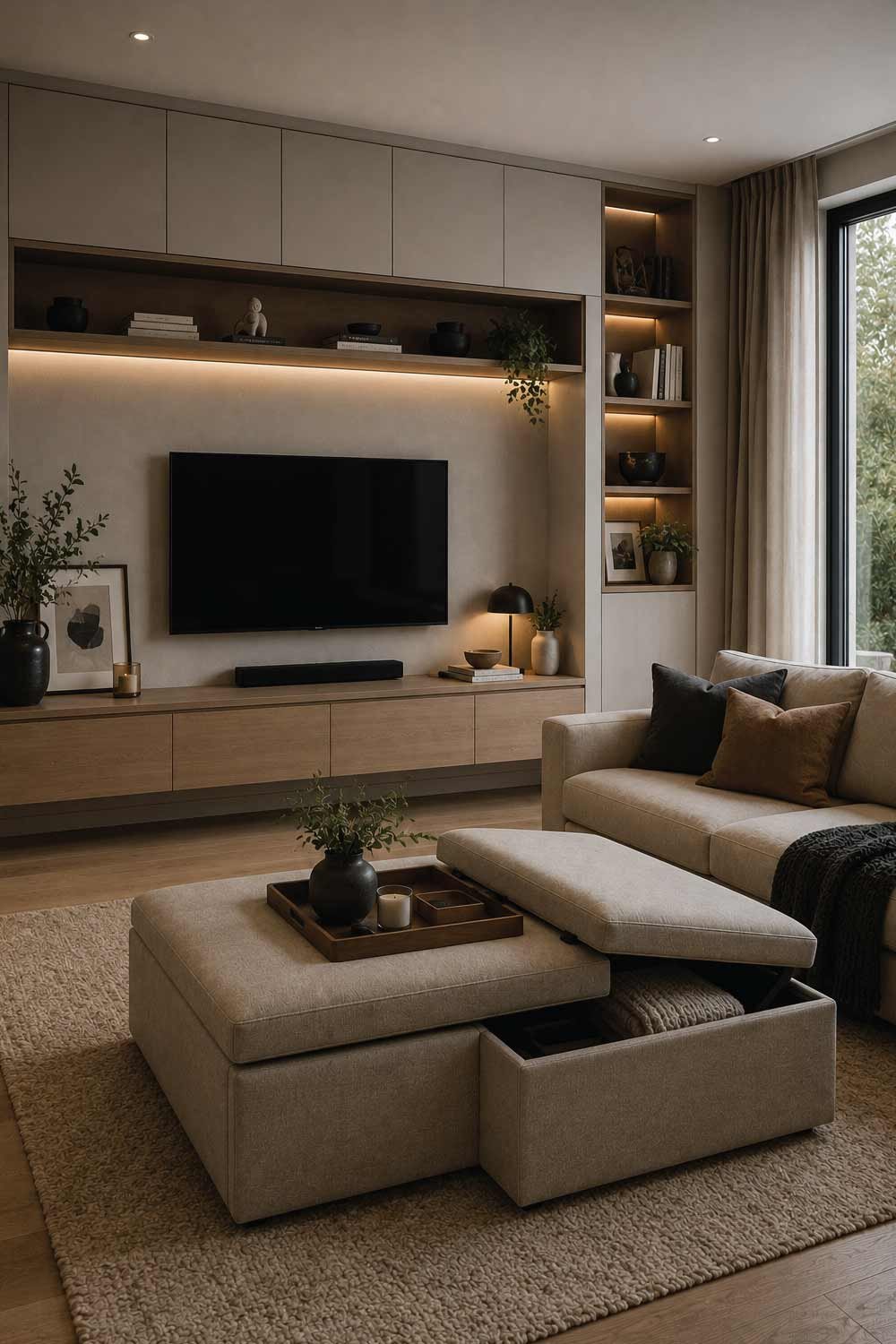
Options like floating shelves, hidden cabinets, and storage ottomans help reduce visible clutter. When belongings are stored out of sight, the room instantly feels more structured and spacious. This supports the core principle of minimal design: simplicity through organization.
- Keeps surfaces clean by hiding unnecessary items away
- Built-in solutions maximize space efficiency in small rooms
- Floating shelves provide storage without floor clutter impact
- Storage ottomans combine seating and hidden storage functionality
- Enhances calm and structured interior environment overall
- Supports clean and minimalist design principles effectively
Personal Experience
I started using a storage ottoman and wall cabinets, and my living room instantly looked more organized. Items that used to sit on tables were now hidden away. The space felt calmer and more open without any visible mess.
7. Focus on Open Space and Breathing Room
Open space is a core principle of minimal living room design, where negative space is treated as an essential element rather than emptiness. Allowing areas around furniture to remain open helps the room feel balanced, calm, and visually breathable. This prevents the interior from feeling crowded or overwhelming.
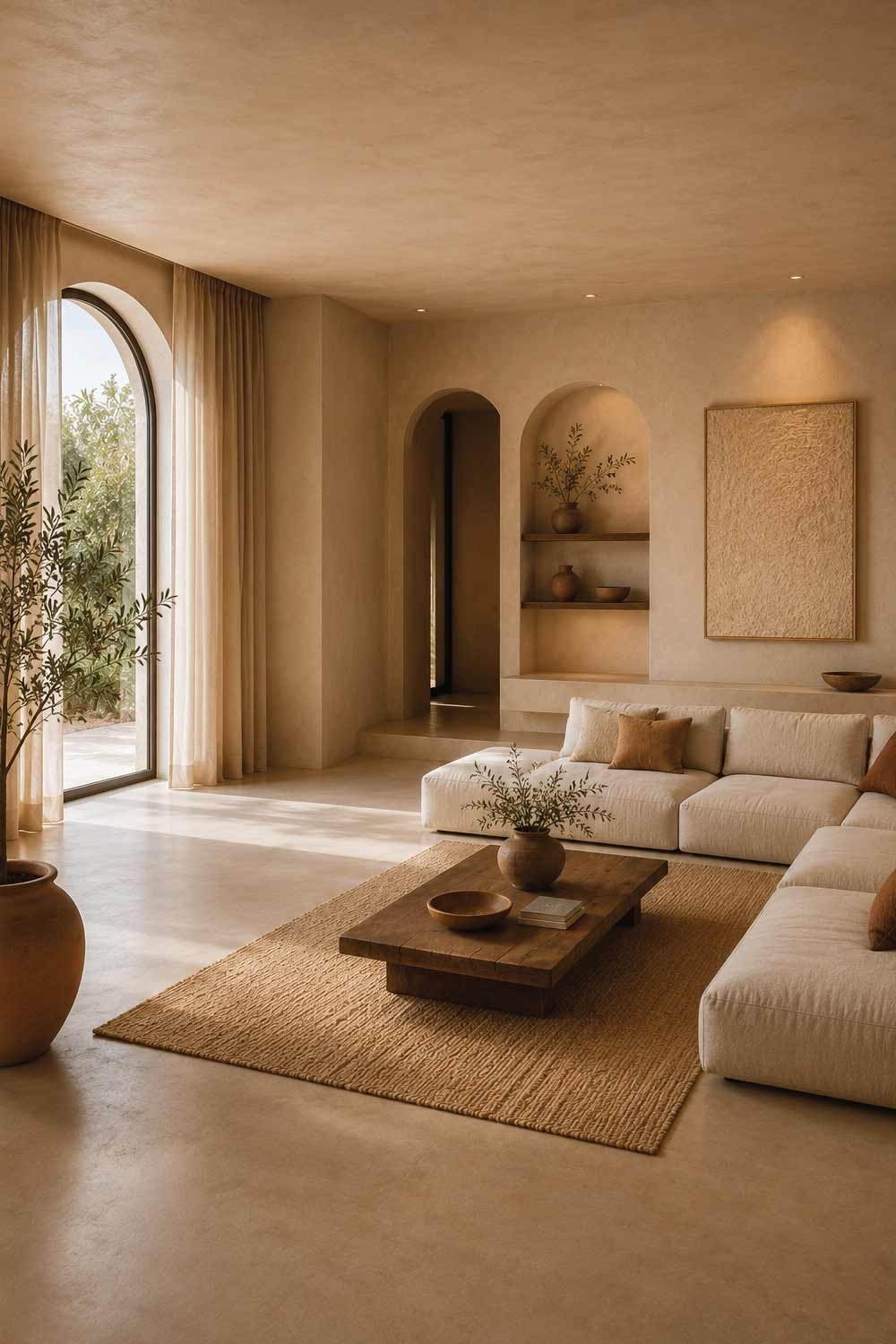
A well-planned layout avoids clustering too many items in one zone. Instead, furniture is spaced thoughtfully so the eye can move freely across the room. This creates a sense of order and enhances the feeling of spaciousness even in compact living areas.
- Negative space improves balance and visual clarity
- Prevents overcrowding in small living room layouts
- Allows furniture to breathe within the space naturally
- Enhances calm and organized interior atmosphere overall
- Improves flow and movement across the room easily
- Creates a more spacious and open visual experience
Personal Experience
When I removed a few unnecessary side tables from my living room, the difference was surprising. The space immediately felt more open and less restricted. Even though I didn’t change major furniture, the room became easier to move through and visually calmer.
8. Add One Statement Piece
A single statement piece can elevate a minimal living room without disrupting its simplicity. This focal element draws attention and gives the space personality while everything else remains subtle. It helps create structure within an otherwise clean and restrained design.
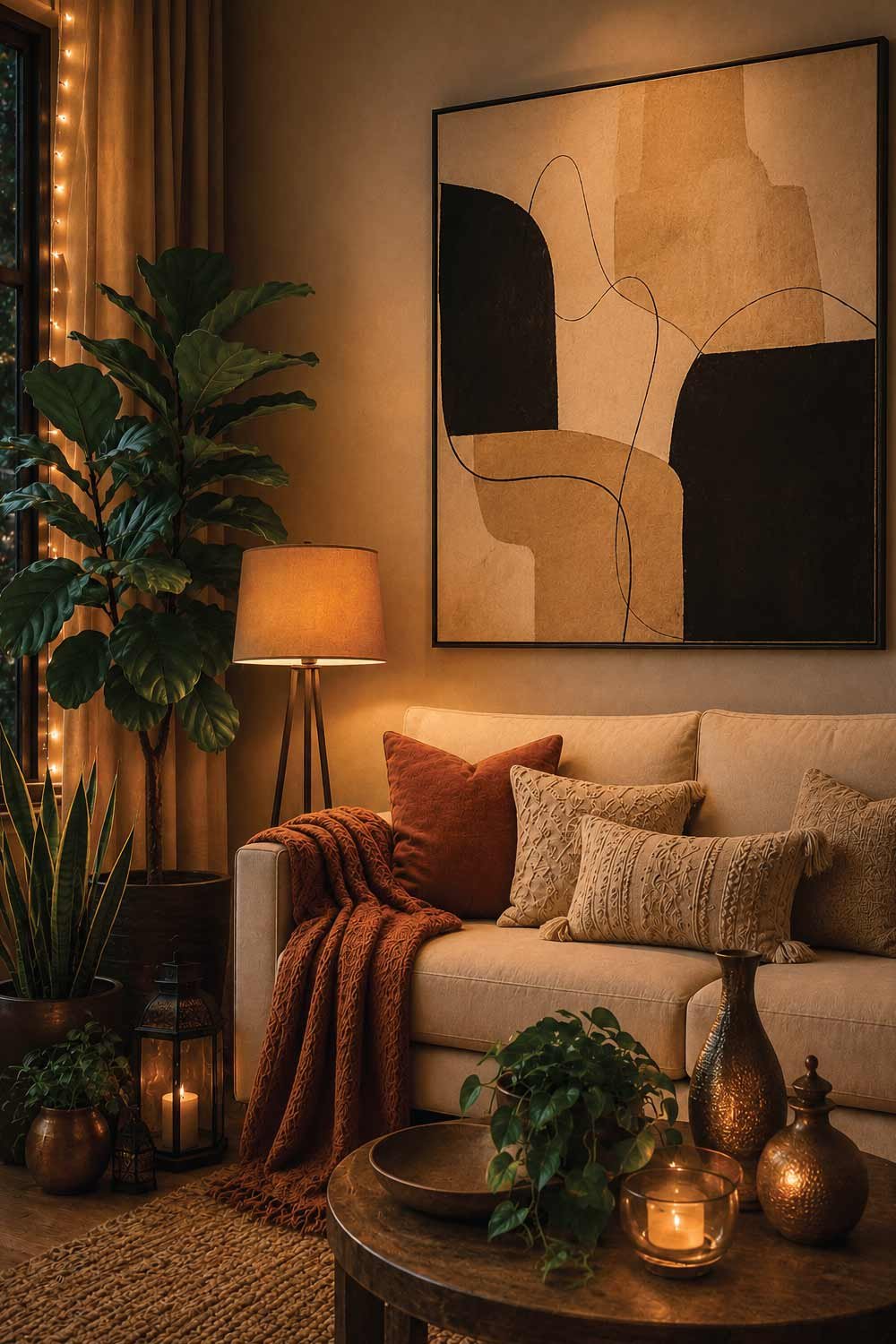
This standout item could be bold artwork, a sculptural chair, or a unique coffee table. The key is restraint—only one strong visual element should dominate. This ensures contrast is created without overwhelming the peaceful and minimal aesthetic.
- Creates a focal point within a simple interior design
- Adds personality without disrupting minimalist balance overall
- Works best as one strong visual centerpiece only
- Keeps surrounding décor subtle and understated in style
- Enhances depth and interest in clean room layouts
- Prevents space from feeling flat or visually boring
Personal Experience
I added a large abstract painting above my sofa, and it became the main focus of the room. Everything else stayed simple, which made the artwork stand out even more. It gave the space character without making it feel busy.
Also Read:
9. Use Low Profile Lighting
Low-profile lighting supports the clean and unobtrusive nature of minimal living rooms. Instead of heavy or decorative fixtures, simple designs like slim floor lamps, recessed lighting, or subtle pendant lights work best. These options blend into the space without demanding attention.
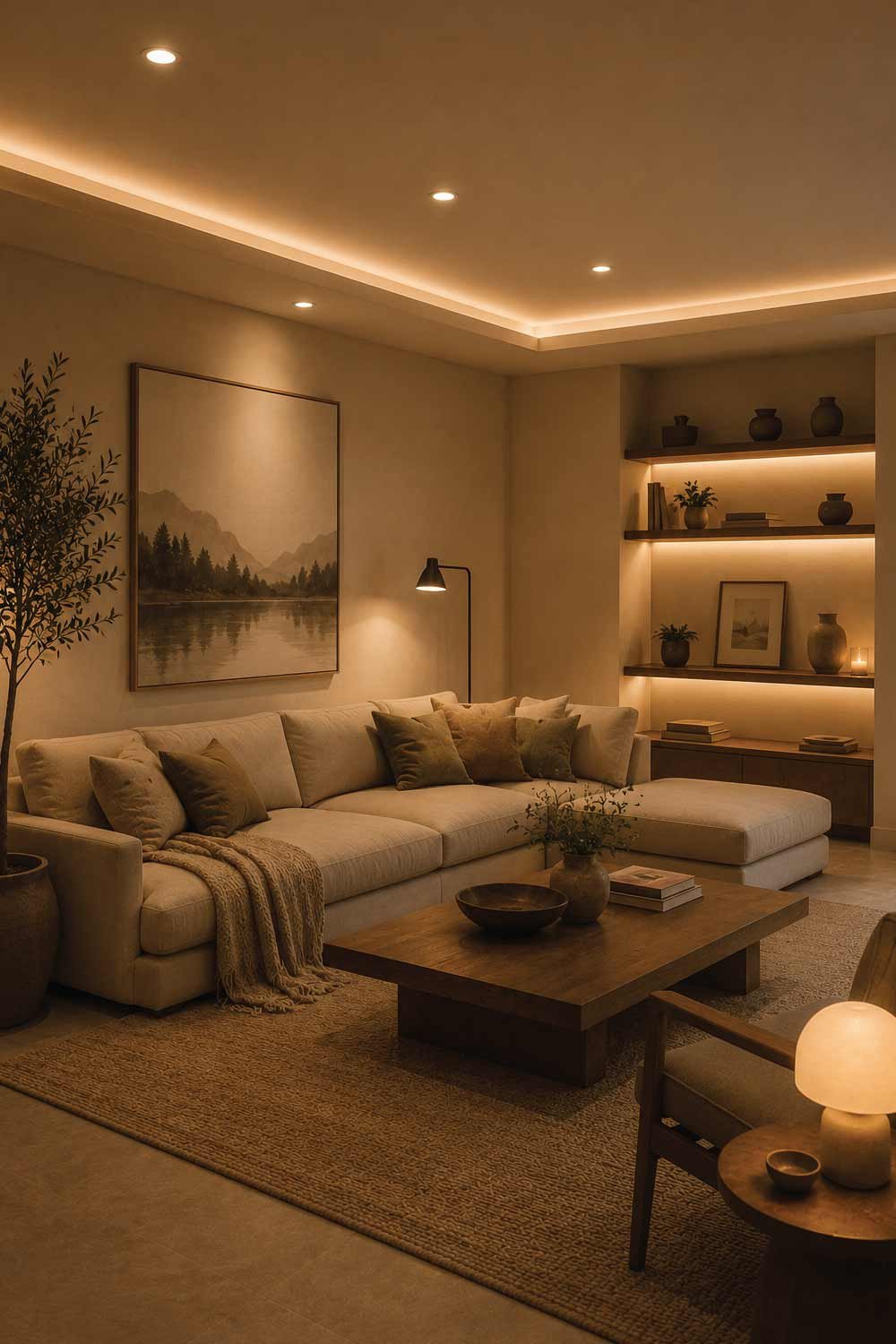
Warm white lighting is ideal because it maintains comfort while preserving simplicity. Overly decorative chandeliers or complex fixtures can disrupt the calm aesthetic. The goal is to provide soft, even illumination that enhances the room without overpowering it.
- Keeps lighting subtle and visually unobtrusive in rooms
- Slim fixtures maintain clean and modern interior aesthetic
- Recessed lighting saves space and reduces visual clutter
- Warm white light enhances cozy and calm atmosphere
- Avoids overly decorative or heavy lighting designs overall
- Supports simple and balanced room illumination effectively
Personal Experience
I replaced a bulky ceiling light with simple recessed lighting and a slim floor lamp. The room instantly felt more modern and less cluttered. The soft lighting also made the space feel more relaxing in the evenings.
10. Incorporate Natural Materials
Natural materials bring warmth and authenticity into minimal living rooms without adding unnecessary complexity. Elements like wood, stone, rattan, and linen introduce subtle texture while keeping the design grounded and simple. These materials help balance the clean aesthetic with a natural feel.
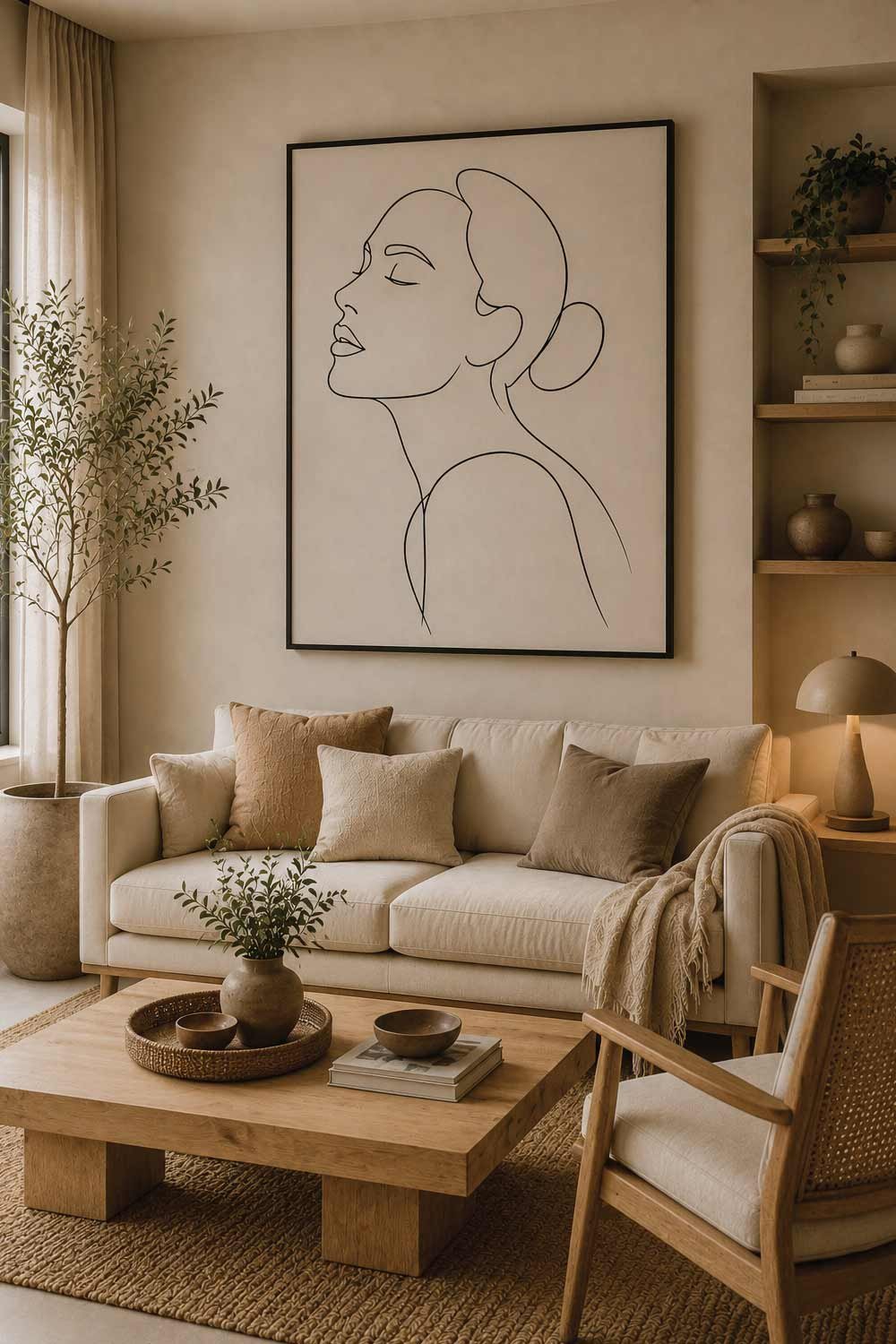
Light wood tones, stone surfaces, and woven accents create visual interest without overwhelming the space. They also connect the interior to nature, making the environment feel more calming and organic. This combination enhances both comfort and simplicity.
- Adds warmth through natural textures and materials
- Wood and stone create subtle visual depth easily
- Maintains simplicity while avoiding artificial-looking interiors
- Enhances connection between indoor and natural environments
- Woven accents add softness without visual clutter
- Supports calm and grounded interior design aesthetic
Personal Experience
I introduced a light oak coffee table into my living room, and it changed the overall feel immediately. The natural wood tone softened the space and made it feel warmer. It blended perfectly with the neutral palette while adding quiet character.
Also Read:
11. Keep Walls Simple and Uncluttered
Walls play a major role in defining the overall mood of a minimal living room. Keeping them simple helps maintain a clean and open atmosphere. Over-decorating walls can quickly make a space feel busy and smaller than it actually is.
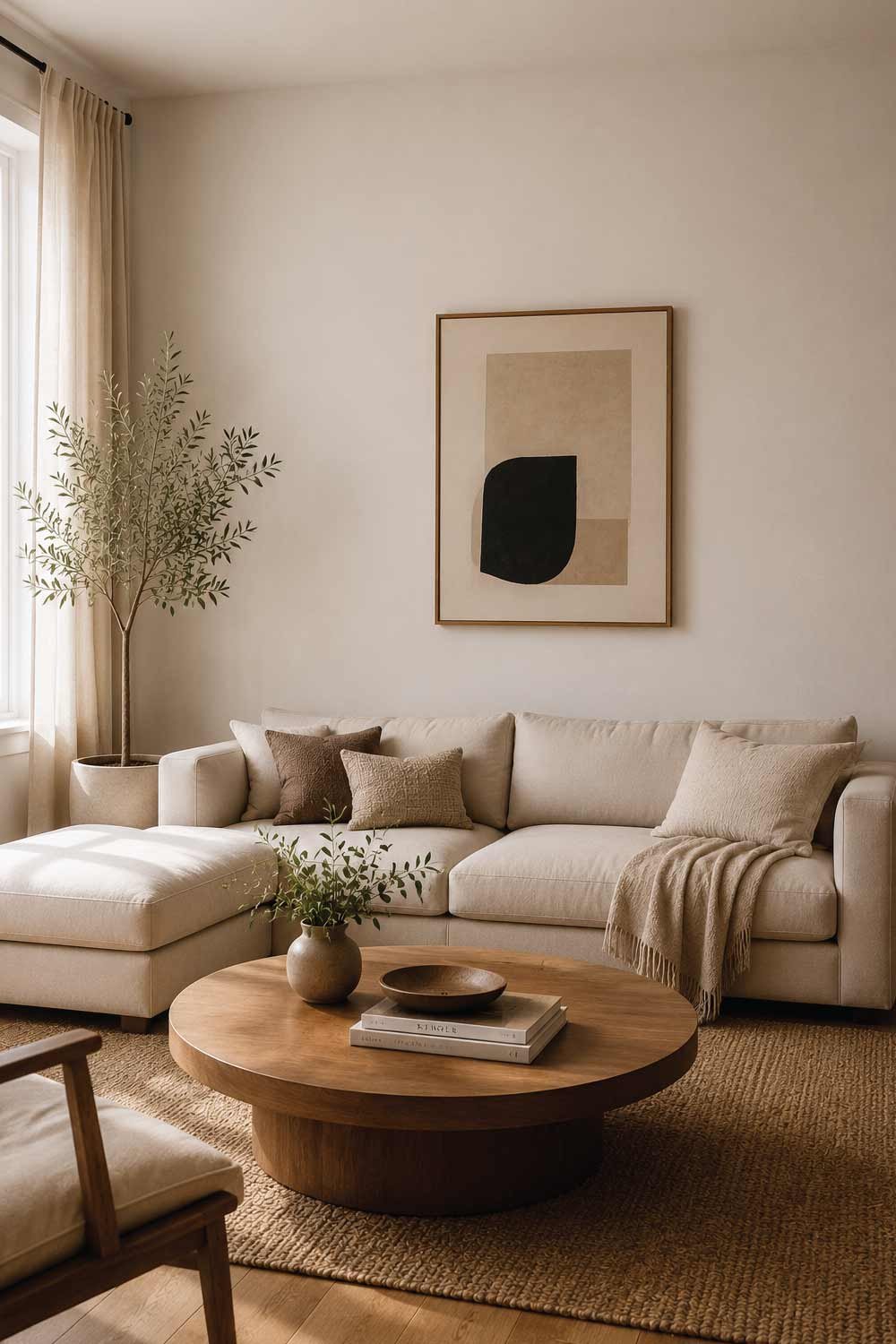
Instead of multiple decorations, choosing one or two simple art pieces works best. Alternatively, leaving walls bare can emphasize architectural beauty and openness. This restraint enhances calmness and allows other design elements to stand out naturally.
- Prevents visual clutter and maintains clean interior look
- One or two artworks create focused visual impact
- Bare walls enhance architectural simplicity and openness
- Avoids overwhelming small living room spaces visually
- Supports calm and balanced interior atmosphere overall
- Keeps attention on furniture and layout design
Personal Experience
I removed several small frames and replaced them with one simple artwork. The wall immediately looked cleaner and more intentional. The room felt less crowded, and the remaining decor became more noticeable and meaningful.
12. Embrace Functional Design Over Excess
Functional design ensures that every item in a minimal living room serves a clear purpose. Instead of adding unnecessary décor or furniture, the focus is on usefulness combined with simple beauty. This approach naturally reduces clutter and improves efficiency.
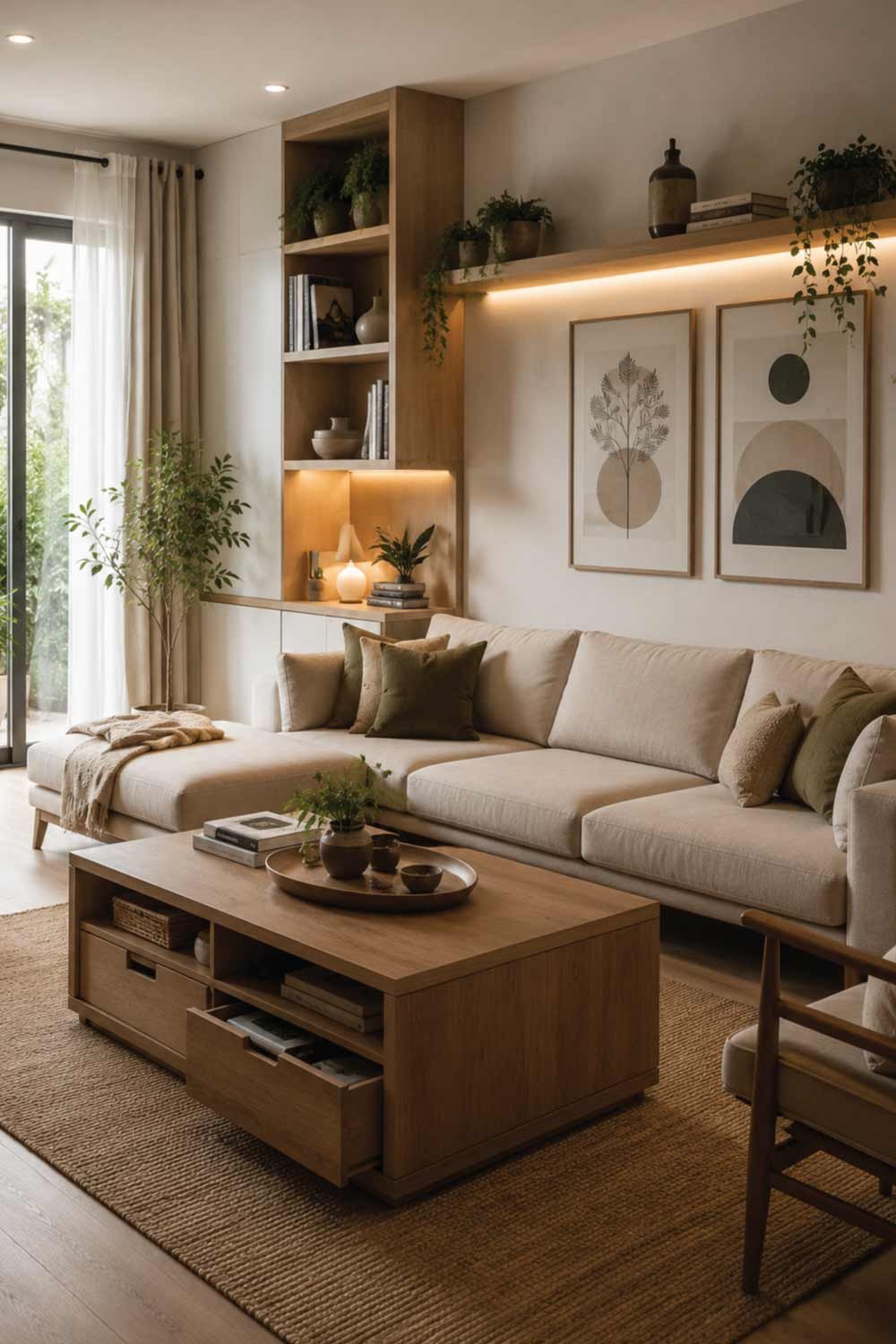
Pieces like storage coffee tables, comfortable yet simple sofas, and modular seating help maintain both style and practicality. When functionality guides choices, the space becomes more organized and easier to live in while still looking aesthetically refined.
- Every item must serve clear function and purpose
- Reduces unnecessary furniture and decorative clutter overall
- Combines beauty and practicality in single design choices
- Storage furniture helps maintain clean and organized space
- Modular pieces adapt easily to changing needs and layout
- Creates efficient and simplified living room environment
Personal Experience
I started prioritizing functional furniture over decorative pieces, and my living room became much easier to manage. A storage coffee table replaced two separate units, reducing clutter significantly. The space felt more practical without losing its aesthetic appeal.
Also Read:
15 Contemporary Living Room Furniture Ideas for a Modern Home
Final Thoughts
A minimal aesthetic living room is not about restriction it’s about refinement. It encourages you to remove the unnecessary and focus on what truly adds value to your space.
By combining neutral tones, clean furniture, natural light, and thoughtful decor, you can create a living room that feels peaceful, modern, and timeless. The beauty of minimal design lies in its quiet confidence it doesn’t try too hard, yet it always feels complete.
