
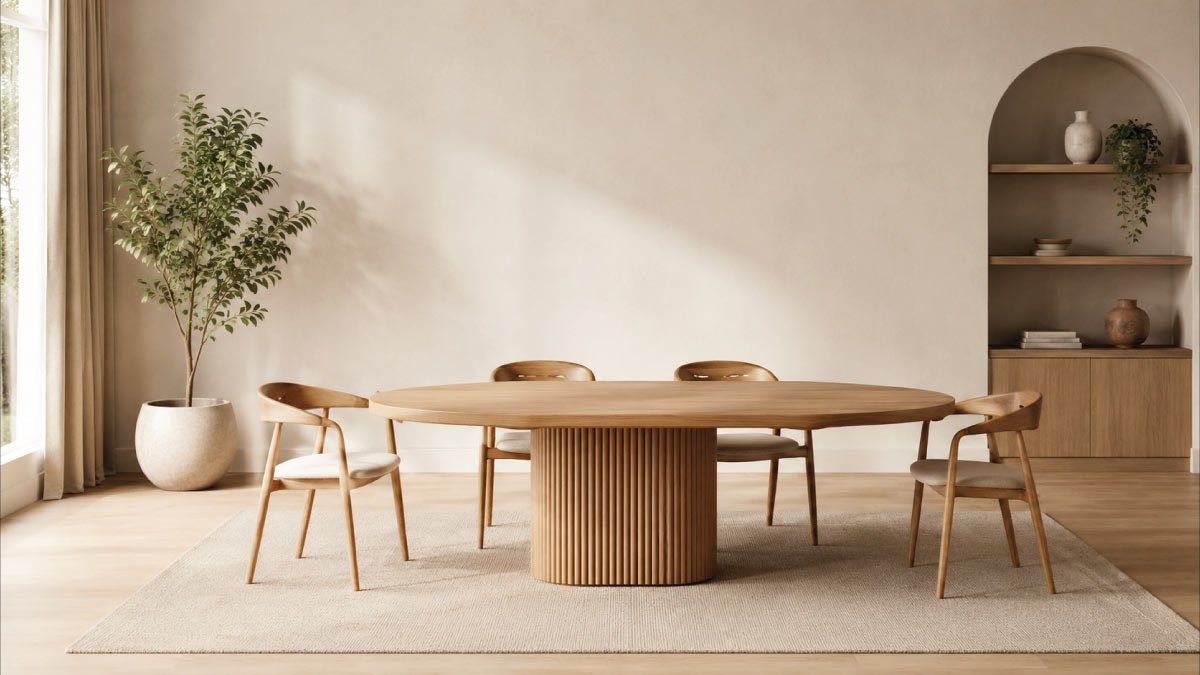
Choosing the right dining table size is one of those decisions that seems simple until you realize how much it affects comfort, movement, and the overall look of your dining space. A table that’s too large can make a room feel cramped and difficult to navigate. A table that’s too small can feel awkward, underwhelming, and impractical for everyday use or guests.
The good news is that finding the right size isn’t complicated once you know what to measure and what to look for. This guide walks you through everything step by step so you can confidently choose a dining table that fits your space and lifestyle.
Why Dining Table Size Matters
A dining table is not just furniture it acts as a functional centerpiece of the home where everyday life comes together. It’s where meals happen, conversations flow naturally, and gatherings take place, making it an essential part of comfort, connection, and shared experiences within any dining space.
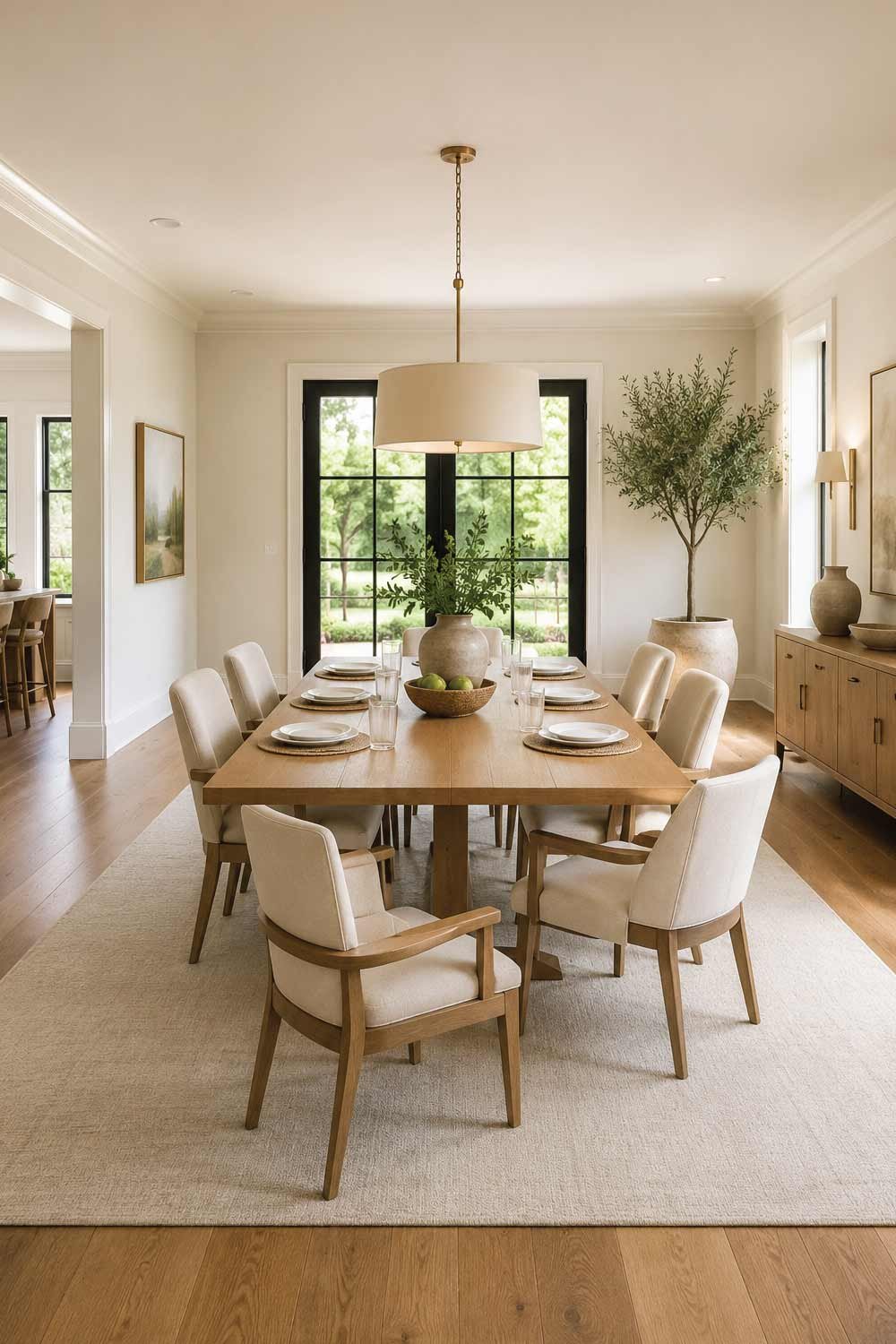
If the size is wrong, you may face problems like:
- People bumping into walls or furniture
- Chairs not pulling out properly
- Limited walking space around the table
- A cramped or unbalanced room layout
- Difficulty seating guests comfortably
A properly sized table improves both comfort and flow, making your dining area feel natural and inviting.
Step 1: Measure Your Dining Space
Before looking at table styles or shapes, it is important to first evaluate the dining room itself so you understand its true limitations and possibilities. This step ensures you make practical decisions based on available space rather than choosing a table that might overwhelm or underutilize the room.
Measure the Room Dimensions
- Room length
- Room width
- Doorways and entry paths
- Any fixed obstacles (columns, cabinets, windows)
Write these down you’ll need them to calculate usable table space.
Step 2: Leave Enough Space Around the Table
One of the most important rules in furniture planning is ensuring proper clearance space around your dining table. Adequate room is needed not only for chairs to move smoothly but also for people to walk comfortably without feeling restricted, creating a safer and more functional dining environment overall.
Ideal Clearance Guidelines
- 36 inches (3 feet) minimum from table edge to wall or furniture
- 42–48 inches is ideal for high-traffic dining areas
This space allows:
- Chairs to slide out easily
- People to walk behind seated guests
- A more open, breathable layout
If your room is small, try not to go below 30 inches but be aware it may feel tight.
Step 3: Determine How Many People You Need to Seat
Before choosing a dining table, it’s important to think about how many people will use it on a regular basis. Your household size, lifestyle, and how often you entertain guests all play a role in selecting the right table dimensions. Planning this in advance helps you avoid overcrowding or wasting space with an unnecessarily large table.
Standard Space Per Person
- About 24 inches of table width per person
This helps ensure everyone has enough elbow room.
Seating Guide
- 2 people: small round or square table
- 4 people: compact rectangle or round table
- 6 people: medium rectangle or oval table
- 8+ people: large rectangular or extendable table
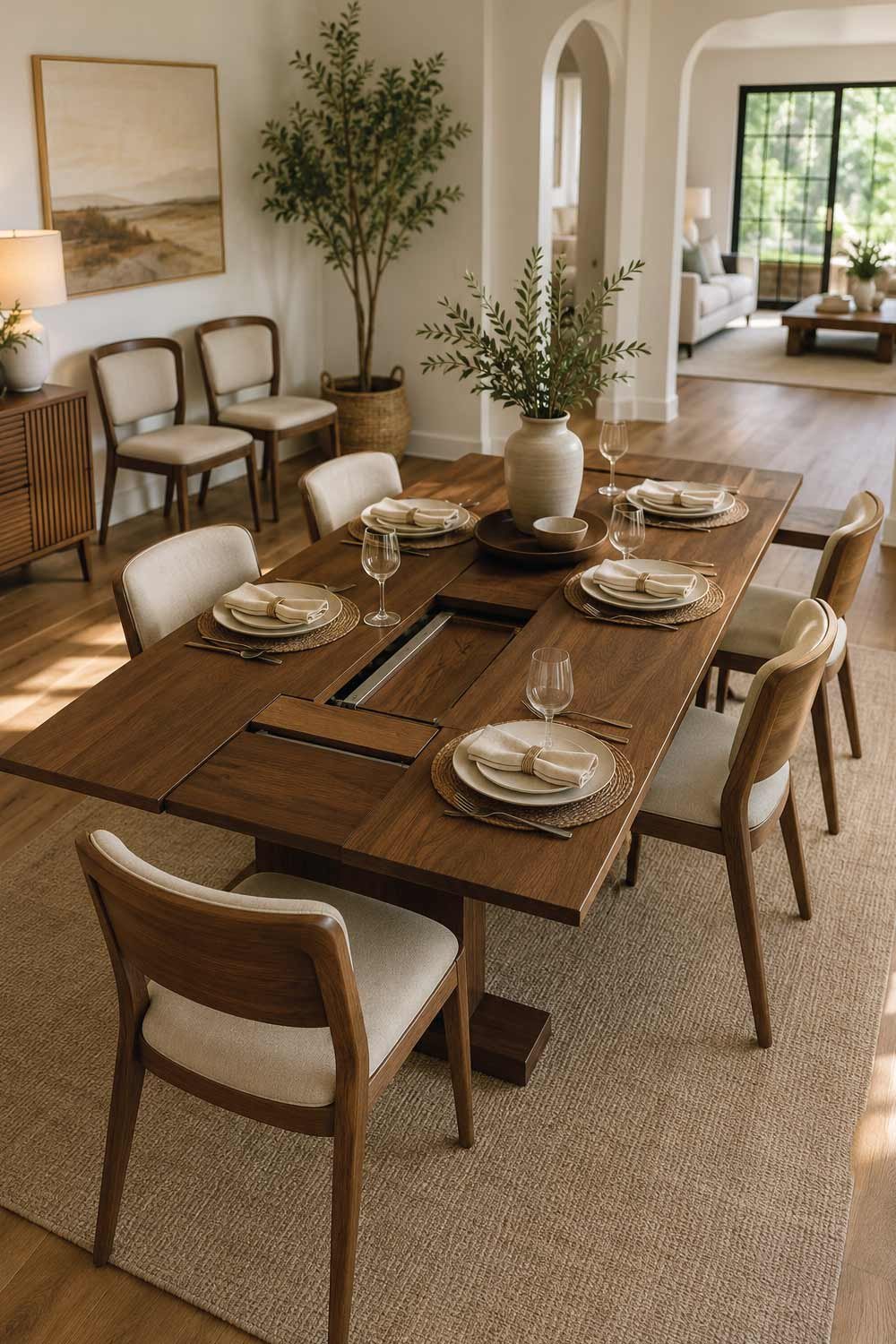
If you frequently host guests, consider an extendable table for flexibility.
Step 4: Choose the Right Table Shape
Choosing the right dining table shape is important because it influences both comfort and how efficiently your space is used. Different shapes work better for different room layouts, seating needs, and movement flow, so selecting carefully ensures your dining area remains practical, stylish, and easy to navigate.
Rectangular Tables
Best for long, narrow rooms, these tables align well with most traditional dining layouts. They maximize usable seating space along their length and are highly practical for both everyday meals and larger family gatherings. Their structured shape makes them one of the most versatile and widely used options in homes.
- Best for long, narrow rooms
- Most common and space-efficient
- Easier to seat larger groups
Round Tables
Ideal for compact or small dining areas, round tables create a softer visual footprint and improve movement around the space. They naturally bring people closer together, making conversations easier and more inclusive. With no sharp corners, they are especially useful in tight rooms or homes with limited walking space.
- Great for small spaces
- Encourage conversation
- No sharp corners (better flow in tight rooms)
Square Tables
Best suited for square-shaped rooms, these tables create a balanced and symmetrical layout. They work efficiently for small households or intimate dining setups, typically accommodating two to four people comfortably. However, if made too large, they can dominate the room and reduce openness, making the space feel restricted.
- Ideal for square rooms
- Works well for 2–4 people
- Can feel bulky in small areas if oversized
Oval Tables
Oval tables blend the structure of rectangular designs with the softness of round edges, offering a more fluid visual and physical experience. They improve movement around the dining area while still providing ample seating space. These tables are especially suitable for medium-sized rooms needing both elegance and practicality.
- Combine benefits of round and rectangular
- Softer edges improve movement flow
- Good for medium-sized rooms
Step 5: Match Table Size to Room Size
Selecting the right table size based on your room dimensions ensures a balanced layout where the dining area feels neither overcrowded nor empty. By matching furniture scale with available space, you improve movement flow, visual harmony, and overall comfort, making everyday dining and hosting much more practical and enjoyable.
Small Dining Room (6×8 ft to 8×10 ft)
- Table size: 36–48 inches (round or square)
- Seats: 2–4 people
Medium Dining Room (10×12 ft to 12×14 ft)
- Table size: 60–72 inches (rectangular or oval)
- Seats: 4–6 people
Large Dining Room (14×16 ft or larger)
- Table size: 72–96+ inches
- Seats: 6–10+ people
Always prioritize walking space over maximum seating capacity.
Step 6: Consider Chair Size and Style
When planning a dining setup, it’s easy to focus only on the table, but chairs are just as important because they significantly affect how much usable space you actually have. Their size, shape, and how they move in and out from the table all influence comfort, circulation, and overall room balance.
Things to Check
- Chair width (typically 18–24 inches)
- Armchair clearance (needs more space than armless chairs)
- How far chairs slide out from the table
Pro Tip
If using bulky or upholstered chairs, increase clearance space by at least 6 inches.
Step 7: Account for Traffic Flow
A well-planned dining area is not only about fitting a table and chairs it’s also about how easily people can move around the space. Good traffic flow ensures the room feels open, practical, and safe, especially in homes where the dining area connects to other frequently used spaces like the kitchen or living room.
Think about how people move around your dining area.
Ask yourself:
- Do people walk through the dining area to reach another room?
- Is the table near a kitchen entrance?
- Will chairs block walkways when pulled out?
A dining table should never interrupt natural movement paths.
Step 8: Consider Extendable Tables for Flexibility
Extendable tables are an excellent choice for households that want everyday practicality without sacrificing the ability to host larger gatherings. They offer flexibility by adapting to different needs, making them especially useful in modern homes where space efficiency and versatility are equally important.
If you want a balance between everyday comfort and entertaining guests, extendable tables are a smart solution.
Benefits
- Compact for daily use
- Expandable for guests
- Saves space in smaller homes
This is especially useful in apartments or multi-purpose dining rooms.
Step 9: Think About Visual Balance
Even when a dining table technically fits within a room, it still needs to look visually balanced to create a comfortable and aesthetically pleasing space. The goal is to ensure the table complements the room’s proportions, furniture style, and overall design so the dining area feels intentional rather than crowded or empty.
Design Tips
- Large rooms need larger or heavier-looking tables
- Small rooms benefit from lighter designs with slim legs
- Glass tops create a sense of openness
- Thick wooden tables feel more grounded and traditional
A well-sized table should feel proportional not oversized or lost in the room.
Step 10: Don’t Forget Rug and Lighting Placement
A dining table works best when it is properly supported by surrounding design elements like rugs and lighting. These features help define the dining zone, improve comfort, and enhance visual harmony, ensuring the entire space feels cohesive and well-designed rather than disconnected or incomplete.
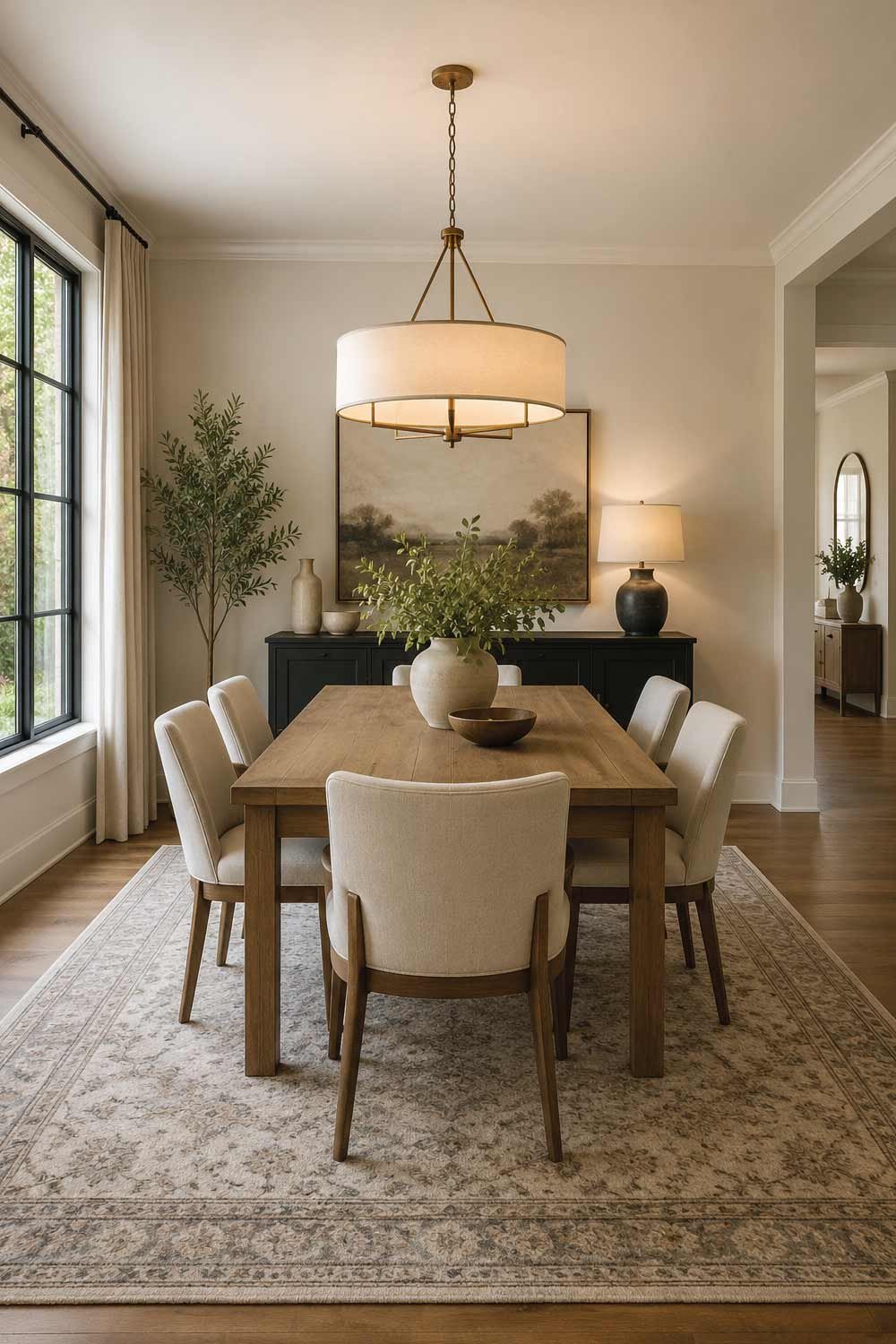
Rug Size Rule
- Rug should extend at least 24 inches beyond all sides of the table
(so chairs remain on the rug when pulled out)
Lighting Rule
- Pendant lights should be centered above the table
- Light fixture width should be about 1/2 to 2/3 the table width
These details help tie the whole dining space together.
Step 11: Test the Layout Before Buying
Before making a final purchase, it’s smart to physically test how the dining table will fit in your space. Even accurate measurements on paper can feel different in real life, so creating a simple mock-up helps you understand movement, comfort, and overall practicality in a much more realistic way.
How to Do It
- Use painter’s tape to outline the table size on the floor
- Place chairs around it
- Walk around the space
This helps you “feel” whether the table fits before you buy it.
Common Mistakes to Avoid
- Choosing a table based only on seating capacity
- Ignoring clearance space around the table
- Forgetting chair size when measuring
- Picking a table that’s too large for daily use
- Not considering room traffic flow
Avoiding these mistakes ensures long-term comfort and usability.
Final Thoughts
Choosing the right dining table size is about more than measurements it’s about balance, comfort, and how you live in your space every day. When you take the time to measure your room, understand clearance needs, and consider seating requirements, you’ll end up with a dining area that feels open, functional, and welcoming.
A well-sized dining table doesn’t just fit your room it enhances it.
