
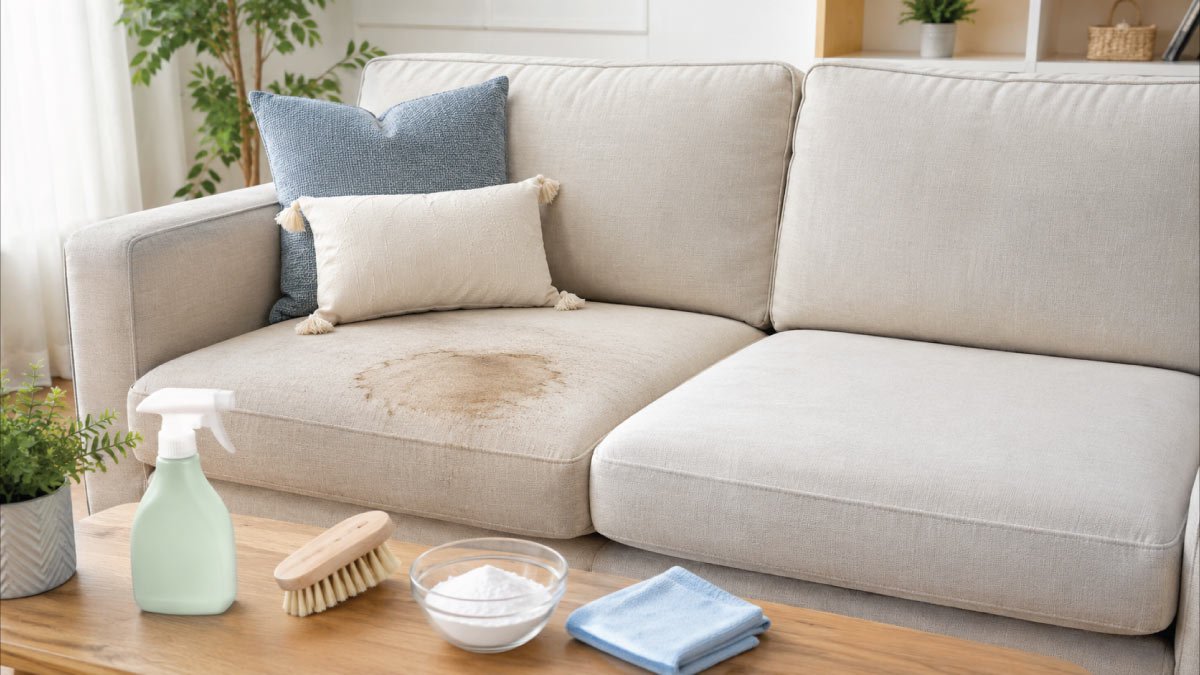
A fabric sofa is often the heart of the living room a place where family gathers, guests relax, and everyday life happens. Unfortunately, it’s also a magnet for spills, stains, pet hair, and odors. From coffee accidents and food spills to muddy paw prints and makeup marks, fabric sofas endure a lot of wear and tear.
The good news is that you don’t need professional cleaning services or harsh chemicals to restore your sofa. With the right techniques and common household ingredients, you can safely and effectively clean fabric sofa stains at home.
This comprehensive guide will walk you through preparation steps, stain-specific solutions, fabric-safe methods, and maintenance tips to keep your sofa looking fresh, clean, and inviting.
Understand Your Sofa Fabric First
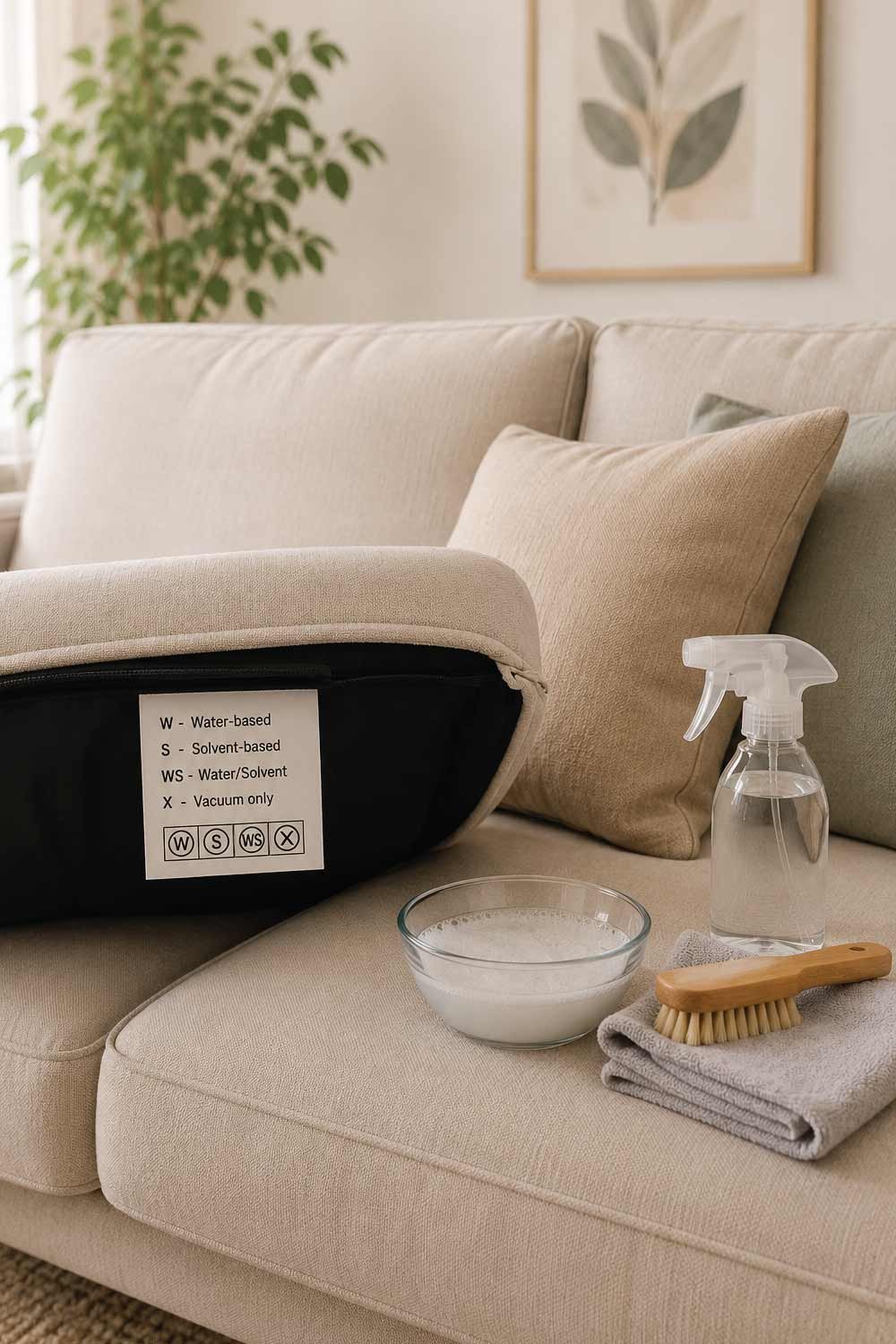
Before cleaning any stain on your sofa, it is important to identify the fabric type so you don’t damage the material or fade colors. Most sofas have a care label located under cushions or on the frame that provides cleaning instructions and codes to guide safe maintenance.
Common Cleaning Codes
- W – Water-based cleaners are safe
- S – Solvent-based cleaners only (no water)
- WS – Both water- and solvent-based cleaners are safe
- X – Vacuum only; no liquids
If your sofa is marked X, avoid wet cleaning and consider professional care. For W or WS, home cleaning methods work very well when done correctly.
Essential Supplies for Cleaning Fabric Sofa Stains
Cleaning fabric sofas effectively doesn’t require costly products because most stains can be treated using simple household items. With the right tools and ingredients, you can remove dirt, spills, and odors safely while protecting the fabric, making routine sofa maintenance easy and affordable for most homes.
Basic Cleaning Tools
- Microfiber cloths
- Soft-bristle brush or old toothbrush
- Spray bottle
- Vacuum cleaner
- Clean towels
Common Household Ingredients
- White vinegar
- Baking soda
- Dish soap (mild, plant-based)
- Hydrogen peroxide (for light fabrics)
- Rubbing alcohol
- Warm water
Show More:
10 Trending Living Room Paint Color Ideas You will Love in 2026
Step 1: Act Fast (The Golden Rule)
When a spill happens on your sofa, quick action is the most important factor in preventing a permanent stain. Fresh stains stay on the surface and have not yet bonded deeply with fabric fibers, making them much easier to lift without leaving marks or discoloration.
What to Do Immediately
- Blot the stain gently with a clean cloth
- Never rub this pushes the stain deeper
- Absorb as much liquid as possible
- Start cleaning as soon as possible
Step 2: General Fabric Sofa Cleaning Method
This basic cleaning approach is ideal for removing light stains, everyday dirt, and refreshing the overall appearance of your fabric sofa. It uses a gentle soap solution that is safe for most washable upholstery materials and helps restore cleanliness without damaging fibers.
Mild Soap Solution
- 1 cup warm water
- ½ teaspoon dish soap
Steps:
- Mix soap and water in a bowl.
- Dip a microfiber cloth and wring it out well.
- Blot the stained area gently.
- Use a clean damp cloth to remove soap residue.
- Air-dry completely.
This is safe for most water-cleanable fabrics.
How to Remove Specific Sofa Stains at Home
Different stains behave differently depending on their source, so using the right method is key to avoiding fabric damage or permanent marks. Below are the most common sofa stains along with safe, effective home remedies that help lift them while protecting the upholstery.
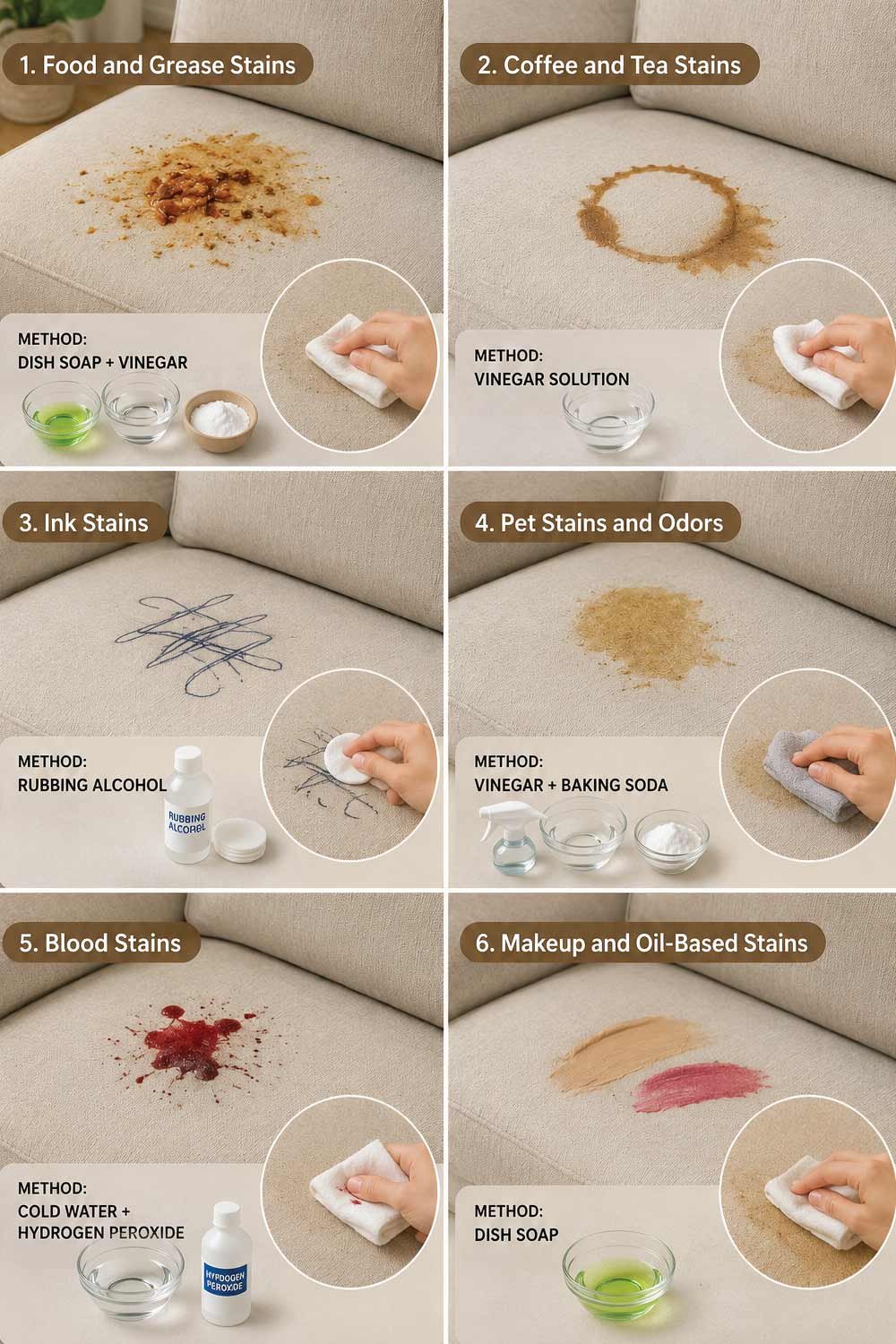
1. Food and Grease Stains
Greasy food stains are common on sofas, especially in living rooms where eating is frequent. These stains cling to fabric fibers but can be removed effectively if treated early with absorbent and mild cleaning agents that break down oil without harming the material.
Method: Dish Soap + Vinegar
- Mix 1 cup warm water, ½ teaspoon dish soap, and 1 tablespoon vinegar.
- Blot the stain gently.
- Rinse with a damp cloth.
- Dry thoroughly.
For stubborn grease, sprinkle baking soda first, let it absorb oil for 15 minutes, then vacuum before cleaning.
2. Coffee and Tea Stains
Coffee and tea contain natural tannins that can quickly seep into fabric and leave brownish marks if not treated immediately. These stains require a gentle acidic solution that helps lift discoloration without spreading it further into the upholstery.
Method: Vinegar Solution
- Mix equal parts white vinegar and water.
- Blot the stain gently.
- Rinse with a clean damp cloth.
- Repeat if necessary.
Avoid hot water it can set the stain.
3. Ink Stains
Ink stains are among the most difficult to remove because they absorb quickly and spread into fibers. Fast action is essential, and a controlled blotting technique with a solvent helps lift ink without enlarging the stain or damaging the fabric color.
Method: Rubbing Alcohol
- Dampen a cotton ball with rubbing alcohol.
- Dab gently from the outside of the stain inward.
- Replace cotton balls frequently.
- Blot dry with a clean cloth.
Test first, especially on colored fabrics.
4. Pet Stains and Odors
Pet accidents not only leave visible stains but also create strong odors that can linger in fabric. A combination of acidic and absorbent cleaning agents helps neutralize smells while breaking down organic residue deep within the upholstery fibers.
Method: Vinegar + Baking Soda
- Blot moisture thoroughly.
- Spray vinegar and water (1:1 ratio).
- Blot again.
- Sprinkle baking soda over the area.
- Let it sit overnight.
- Vacuum the next day.
This neutralizes odors naturally.
5. Blood Stains
Blood stains must always be treated with cold water because heat causes the proteins to bind with fabric fibers, making the stain permanent. Gentle blotting and oxidizing agents can help lift the stain effectively, especially on light-colored fabrics.
Method: Cold Water + Hydrogen Peroxide (light fabrics only)
- Dab cold water onto the stain.
- For light fabric, apply hydrogen peroxide sparingly.
- Blot gently until the stain lifts.
- Rinse and dry.
Never use warm or hot water.
6. Makeup and Oil-Based Stains
Makeup products like foundation, lipstick, and skincare lotions contain oils and pigments that can quickly bind to sofa fibers, making stains appear darker over time. These stains need a gentle degreasing method that lifts residue without spreading it or damaging the fabric texture.
Method: Dish Soap
- Apply a tiny amount of dish soap directly to the stain.
- Blot with a damp cloth.
- Rinse and dry.
Avoid scrubbing to prevent fabric damage.
Show More:
10 Trending Living Room Lighting Ideas You will Love in 2026
Dry Cleaning Solvent Alternative (For “S” Fabrics)
If your sofa is labeled with an S cleaning code, it means water can damage the fabric, so solvent-based cleaning is the safer choice. In this case, rubbing alcohol works as an effective at-home alternative that breaks down oils and makeup without soaking the material.
DIY Option: Rubbing Alcohol
- Lightly mist the area with rubbing alcohol.
- Gently brush with a soft brush.
- Blot dry with a clean towel.
- Allow to air-dry fully.
Alcohol evaporates quickly and won’t soak fabric.
How to Remove Odors from Fabric Sofa Naturally
Even after stains are removed, sofas can still hold onto unpleasant smells from food, pets, or moisture. Natural deodorizing methods are effective because they absorb odor particles instead of just masking them with fragrance.
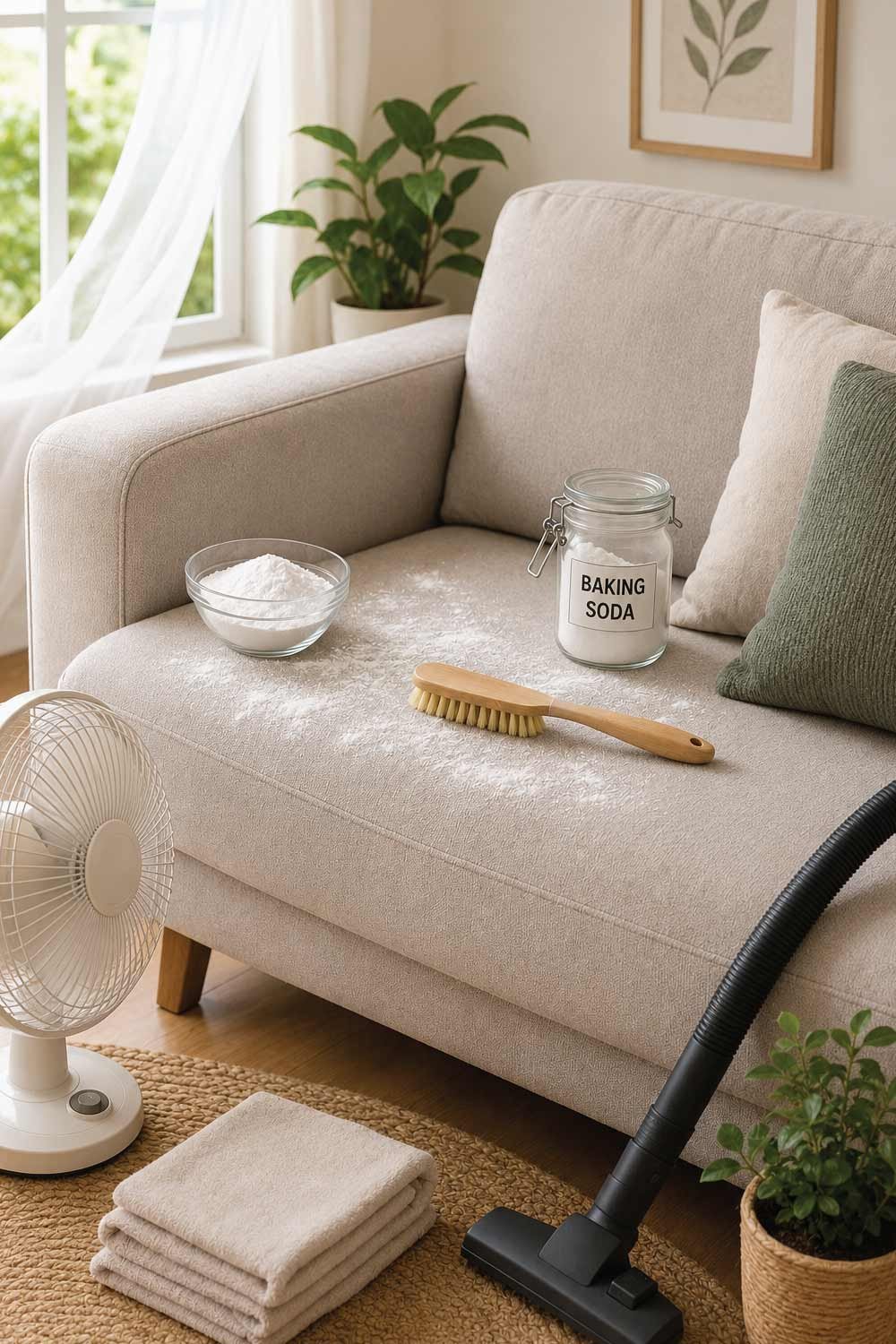
Baking Soda Deodorizing Method
- Sprinkle baking soda generously over the sofa.
- Let it sit for 6–12 hours.
- Vacuum thoroughly.
This removes food smells, pet odors, and musty scents.
Drying the Sofa Properly
After cleaning, proper drying is essential because trapped moisture can lead to bad odors, fabric damage, or even mold growth inside the cushions. Taking the right drying steps ensures your sofa stays fresh, clean, and maintains its original texture and color for a longer time.
Best Drying Practices
- Open windows for ventilation
- Use a fan to speed up drying
- Avoid hair dryers (heat can damage fabric)
- Never sit on the sofa until fully dry
Common Mistakes to Avoid
When cleaning a fabric sofa, many people unintentionally make stains worse or damage the material by using the wrong techniques. Avoiding these common errors helps protect the fabric, maintain color quality, and ensures stains are removed safely without leaving permanent marks or weakening fibers.
- Rubbing stains aggressively
- Over-wetting fabric
- Skipping spot tests
- Mixing cleaning chemicals
- Using bleach on colored fabric
Gentle methods always work better than force.
Show More:
How Often Should You Clean Your Fabric Sofa?
Regular maintenance is the key to keeping your sofa fresh, hygienic, and long-lasting. Different cleaning routines serve different purposes from removing dust buildup to preventing deep set stains and odors so following a consistent schedule helps maintain both appearance and comfort.
- Vacuum: Weekly
- Spot clean stains: Immediately
- Deep clean: Every 6–12 months
- Deodorize: Every 2–3 months
Routine care prevents stubborn stains and extends sofa life.
Preventing Future Sofa Stains
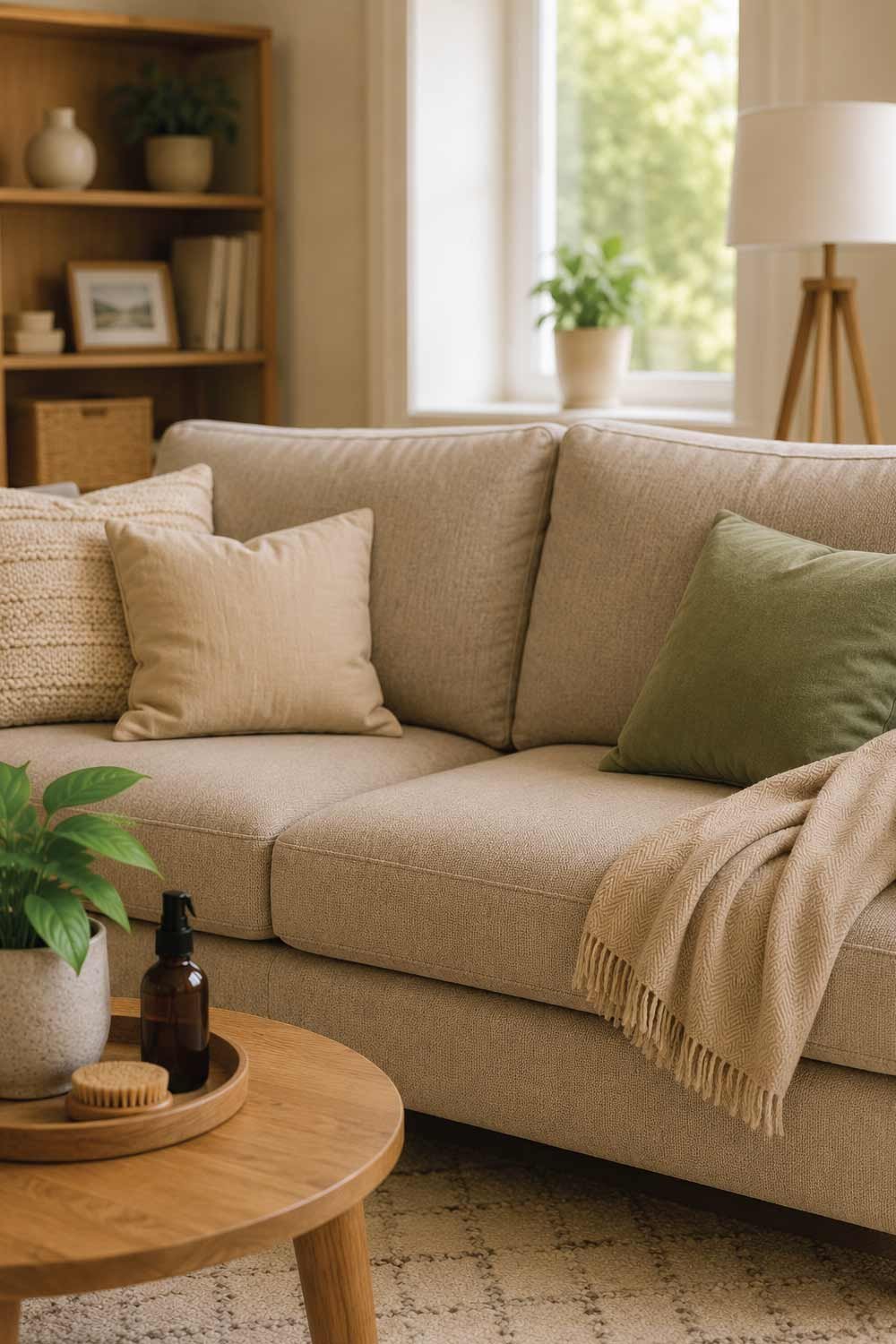
Preventing stains is much easier and more effective than repeatedly cleaning them, and it helps maintain your sofa’s original color, texture, and freshness for years. With a few simple habits and protective measures, you can significantly reduce the chances of spills, dirt buildup, and permanent staining.
- Use washable sofa covers
- Vacuum crumbs regularly
- Keep food and drinks off the sofa
- Groom pets frequently
- Apply fabric protectant spray
Prevention saves time and effort in the long run.
Final Thoughts
Knowing how to clean fabric sofa stains at home empowers you to keep your living space clean, comfortable, and welcoming without expensive products or professional services. With quick action, the right techniques, and simple household ingredients, most stains can be removed safely and effectively.
Consistency is key regular maintenance and prompt stain treatment will keep your fabric sofa looking fresh for years. Whether it’s a spilled drink, pet mishap, or everyday dirt, you now have the tools and confidence to handle it.

I am Engineer Hassan, a professional engineer with over 15 years of experience in measurements, design accuracy, and furniture, appliance, and home product sizing. Through Size Helper, I provide research-based guides and trending 2026 home design ideas for living rooms, bedrooms, sofas, wall décor, fashion, and sports—helping users make confident, informed decisions. Every guide is written with real expertise, verified data, and a commitment to quality, usability, and style.