
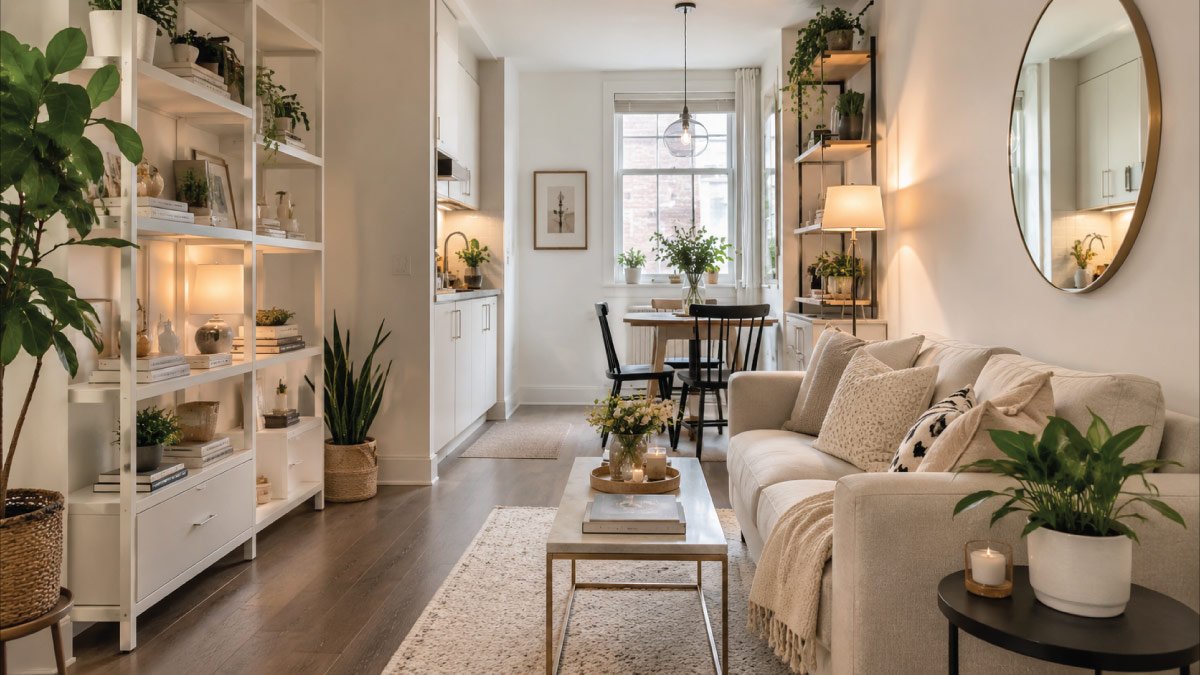
Living in a small home can feel challenging at times, especially when it comes to decorating and creating a stylish atmosphere. Limited space often comes with limited storage, tighter layouts, and fewer opportunities to display furniture or décor items.
But having a compact home does not mean you have to compromise on style. With the right strategies, you can transform even the smallest apartment or house into a chic, functional, and aesthetically pleasing space.
Here’s a complete guide on how to make your small home look stylish without feeling cramped.
1. Maximize Natural Light
Harnessing natural light is one of the most effective ways to make any small space feel open, airy, and inviting. Sunlight not only enhances the mood but also visually expands a room, making it appear larger than it is. By thoughtfully managing window treatments, reflective surfaces, and uncluttered areas, you can significantly boost brightness and warmth.
Use Light Curtains or Blinds: Heavy drapes can make a room feel smaller. Opt for sheer curtains or light-colored blinds that allow sunlight to filter through while still maintaining privacy.
Mirrors Reflect Light: Strategically placing mirrors opposite windows or in narrow hallways reflects sunlight and visually expands the space.
Keep Windows Clear: Avoid cluttering windowsills with heavy décor. The more unobstructed light, the more spacious your home will feel.
Tip: A large statement mirror in the living room or bedroom can double as both décor and a tool to brighten the room.
2. Choose a Light Color Palette
The colors you choose for walls, furniture, and décor play a huge role in creating a sense of spaciousness. Light shades open up a room, making it appear brighter and more serene, while dark hues can visually shrink the area. A balanced approach with neutral tones and subtle accents can instantly elevate both style and perceived space.
Neutrals Are Your Friend: Shades like white, beige, light grey, or soft pastels instantly make spaces feel larger and more serene.
Monochromatic Schemes: Using variations of the same color throughout your home creates visual continuity, reducing visual clutter and making the home feel more cohesive.
Accent Colors: Use pops of bold colors in small décor items like throw pillows, vases, or artwork to add personality without overwhelming the space.
Tip: Paint ceilings white or lighter than the walls to give an illusion of height.
3. Smart Furniture Choices
Selecting the right furniture is crucial in small homes, as bulky pieces can quickly overwhelm a room. Functional, well-proportioned, and thoughtfully designed furniture maximizes usability without sacrificing space. From multi purpose items to scaled-down designs, the right choices can improve flow, maintain openness, and elevate your home’s style while keeping every corner accessible and uncluttered.
Opt for Multi-functional Furniture: Think sofa beds, ottomans with storage, foldable dining tables, or desks that double as shelves.
Scale Matters: Choose furniture that fits the size of the room. Avoid oversized sofas or large coffee tables that dominate the space.
Leggy Furniture: Furniture with exposed legs gives a sense of airiness and makes the floor visible, which can make the room feel larger.
Tip: Transparent furniture, like glass or acrylic tables, can visually “disappear” in a room, reducing cluttered appearance.
4. Embrace Vertical Space
When floor space is limited, looking upwards opens up both style and storage possibilities. Vertical design elements make rooms appear taller, while providing practical ways to organize essentials without crowding surfaces. From shelving to wall décor, embracing height not only maximizes functionality but also adds visual interest, creating a sense of openness and sophistication in even the smallest spaces.
Tall Shelving Units: Floor to ceiling shelves store books, decorative items, or baskets while drawing the eye upward.
Floating Shelves: Great for displaying plants, photos, or small décor items without taking up valuable floor space.
Vertical Wall Décor: Hang artwork or mirrors higher on the wall to create the illusion of taller ceilings.
Tip: Ladder shelves or tiered wall storage can be both stylish and functional in living rooms or kitchens.
5. Use Mirrors and Reflective Surfaces
Mirrors and reflective elements are timeless tools for visually expanding small spaces. By bouncing light around, they create depth and enhance brightness, making rooms feel larger and more open. When paired with carefully chosen reflective furniture and décor, mirrors not only improve spatial perception but also add elegance, style, and a modern, polished touch to any home.
Statement Mirrors: A large round or geometric mirror in the living room or entryway can become a stylish focal point.
Reflective Materials: Glass, mirrored furniture, or metallic finishes on tables, lamps, or décor items enhance light reflection and add sophistication.
Mirror Placement: Position mirrors to reflect outdoor views or well-lit areas to amplify the effect.
Tip: Mirrored closet doors or wardrobe panels are a double win they hide storage while opening up the space visually.
6. Minimalist Approach
Adopting a minimalist mindset is ideal for small homes, where less truly becomes more. By focusing on essentials, decluttering, and keeping décor streamlined, you create a visually calm and organized environment. Minimalism not only enhances the perception of space but also elevates the home’s aesthetic, offering both functionality and style without overwhelming the eye with unnecessary details.
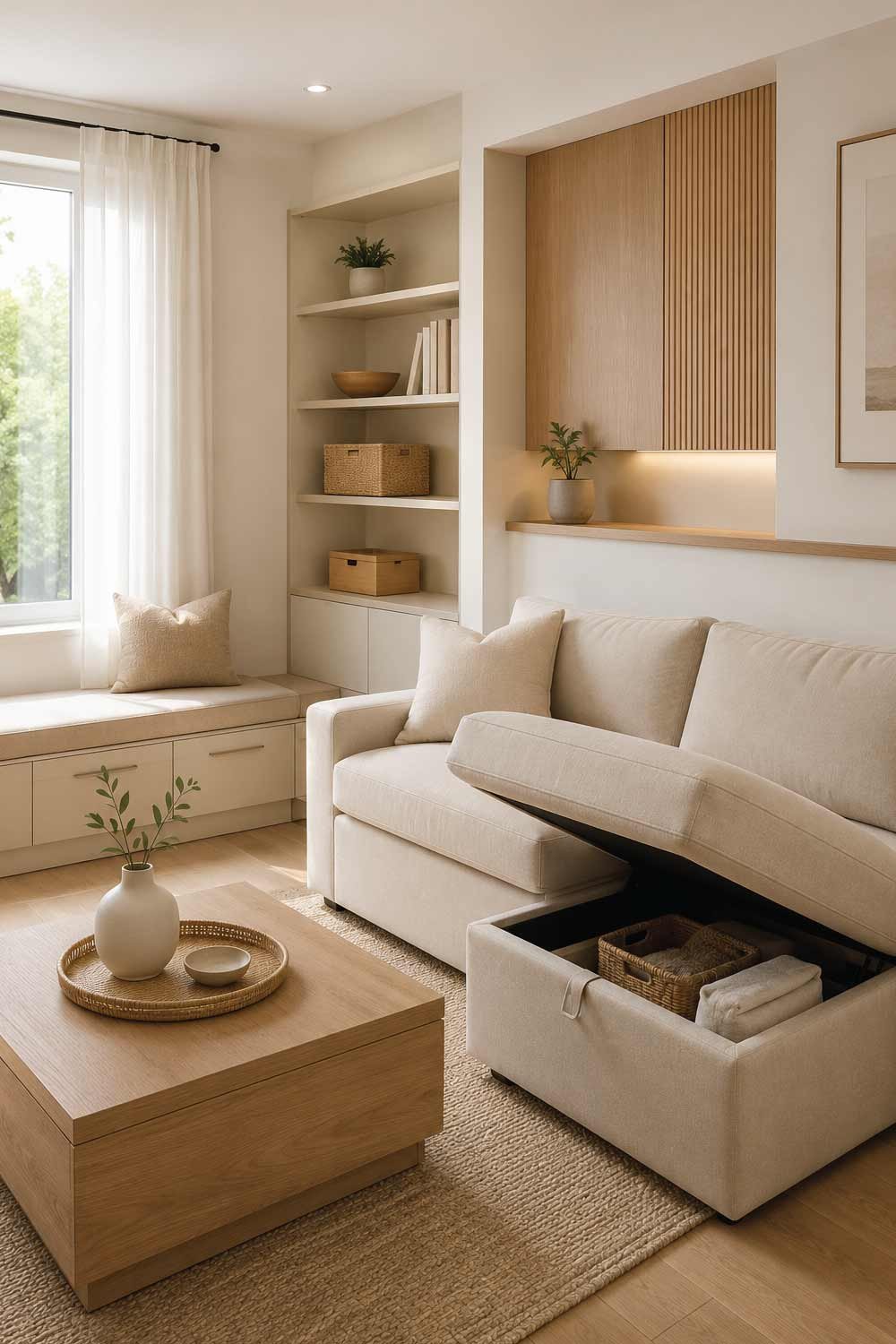
Declutter Regularly: Keep only items that serve a purpose or add aesthetic value. Clutter can make even a large room feel small.
Streamlined Décor: Use a few well-chosen décor pieces rather than filling every surface with small trinkets.
Hidden Storage: Furniture with concealed storage helps keep clutter out of sight while maintaining a clean look.
Tip: Choose functional décor that doubles as storage, like decorative baskets, trays, or stylish boxes.
Don’t Miss Our Most Trending Ideas:
7. Layered Lighting
Lighting is a powerful design tool that can transform the feel of a home. Layered lighting adds depth, highlights key areas, and creates a cozy, inviting ambiance. By combining multiple light sources and incorporating statement fixtures, you can make small spaces feel brighter, larger, and more dynamic, while also adding personality and sophistication to each room.
Use Multiple Light Sources: Combine overhead lighting, table lamps, floor lamps, and wall sconces to create depth and warmth.
Dimmer Switches: Adjustable lighting allows you to set the mood and make rooms feel more spacious.
Statement Fixtures: A chic chandelier or pendant light can serve as a focal point, adding character without taking up floor space.
Tip: Warm white lights tend to make spaces feel inviting and sophisticated.
8. Incorporate Stylish Rugs
Rugs are more than decorative accents they define spaces, add comfort, and bring texture to a small home. Thoughtful rug selection can visually organize open areas, unify furniture arrangements, and create a warm, cohesive aesthetic. By layering, sizing appropriately, and choosing subtle patterns or textures, rugs become both functional and stylish tools that enhance the feeling of space.
Layer Rugs: Place rugs in each area to visually separate zones, especially in studio apartments or open-plan living spaces.
Size Matters: Use appropriately sized rugs. Too small and they fragment the space; too large and they overwhelm it.
Pattern and Texture: Neutral rugs with subtle patterns can add elegance, while textured rugs add depth without overpowering the room.
Tip: Use a single large rug in the living room to unify seating areas and create a sense of openness.
9. Add Greenery
Incorporating plants into your home instantly brings life, color, and a sense of freshness to small spaces. Greenery not only improves air quality but also adds texture and visual interest. By thoughtfully selecting plant sizes and placements, you can create natural focal points, use vertical space efficiently, and introduce a calming, vibrant atmosphere without crowding the room.
Small Potted Plants: Place succulents or small indoor plants on shelves, tables, or window sills.
Hanging Plants: Use macramé hangers or wall-mounted planters to utilize vertical space.
Statement Plants: A tall plant in a corner can create a natural focal point without occupying much floor space.
Tip: Select low maintenance plants like snake plants, pothos, or ZZ plants if you have a busy lifestyle.
Don’t Miss Our Most Trending Ideas:
10. Stylish Storage Solutions
Clever storage is essential in a small home to keep it organized and visually appealing. By combining hidden compartments, decorative containers, and well planned open storage, you can maintain a tidy environment without compromising style. Thoughtful storage solutions make everyday items accessible while minimizing clutter, ensuring your home feels spacious, functional, and aesthetically pleasing.
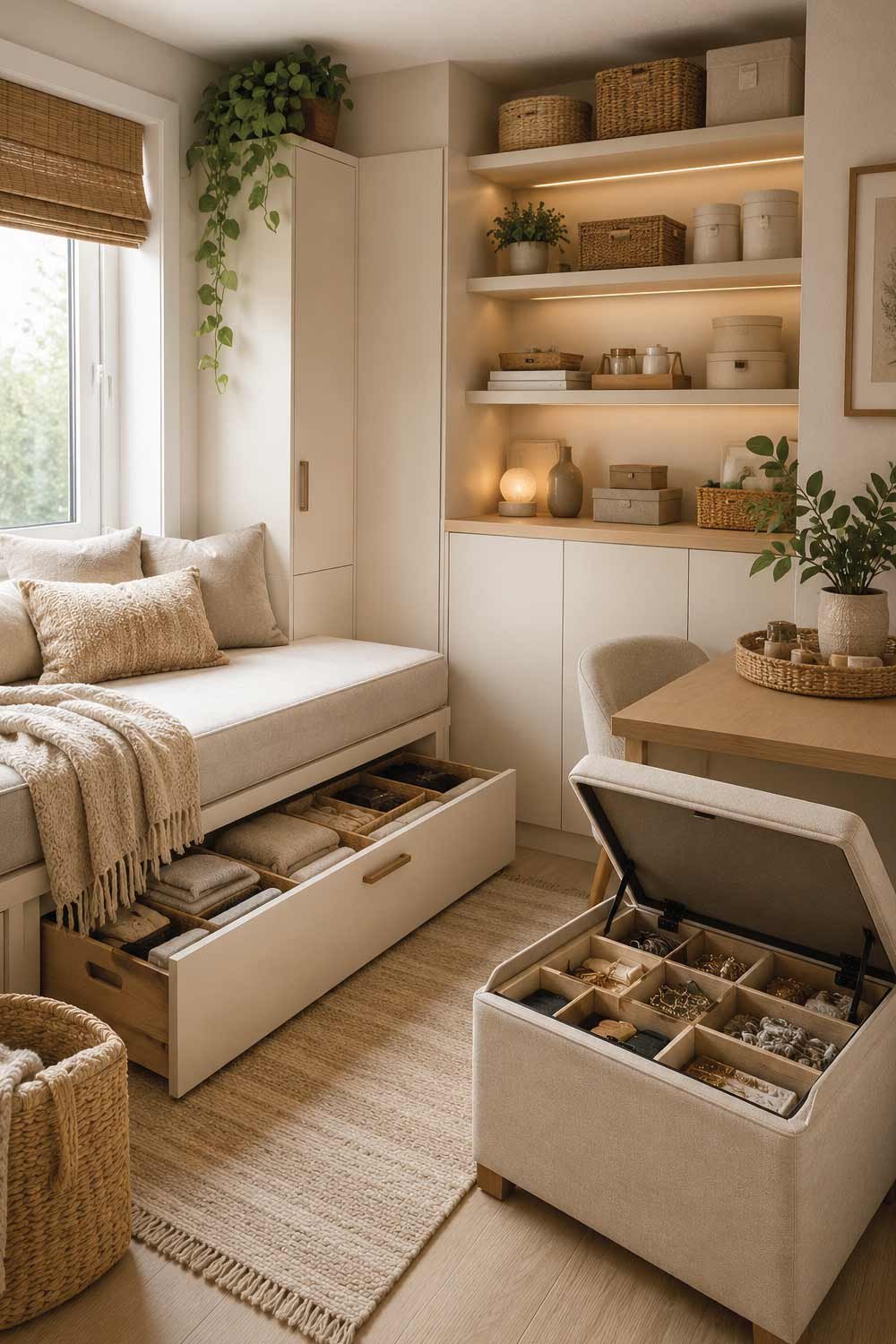
Hidden Storage: Beds with drawers underneath, storage ottomans, and multi-purpose furniture keep items out of sight.
Decorative Baskets and Boxes: These not only store items but also add texture and style to shelves or corners.
Open Storage With Organization: Use labeled baskets or trays on shelves to keep things tidy while still accessible.
Tip: Keep everyday essentials organized and out of sight to make your small home look more spacious and orderly.
Don’t Miss Our Most Trending Ideas:
11. Create Focal Points
Focal points give your home visual interest and help organize the eye’s attention, making small spaces feel purposeful and stylish. By choosing one or two standout elements, you can anchor a room without clutter. Whether through art, accent furniture, or a feature wall, a well-chosen focal point adds character and elegance, elevating the design of your small home.
Artwork and Wall Décor: A single large painting or a gallery wall can create a visual anchor.
Accent Furniture: A stylish armchair, a chic console table, or a sculptural light fixture can become the centerpiece.
Feature Wall: Consider textured wallpaper, a bold color, or paneling to make a statement without overcrowding the room.
Tip: Avoid multiple competing focal points; one or two are enough to create a sense of balance.
12. Keep Layout Open
How you arrange furniture has a huge impact on the perception of space. Open layouts allow for free movement and make even compact homes feel airy and inviting. Using floating furniture, defined zones, and clear pathways, you can maximize both comfort and functionality. Smart placement ensures the home feels spacious, organized, and balanced without feeling cluttered.
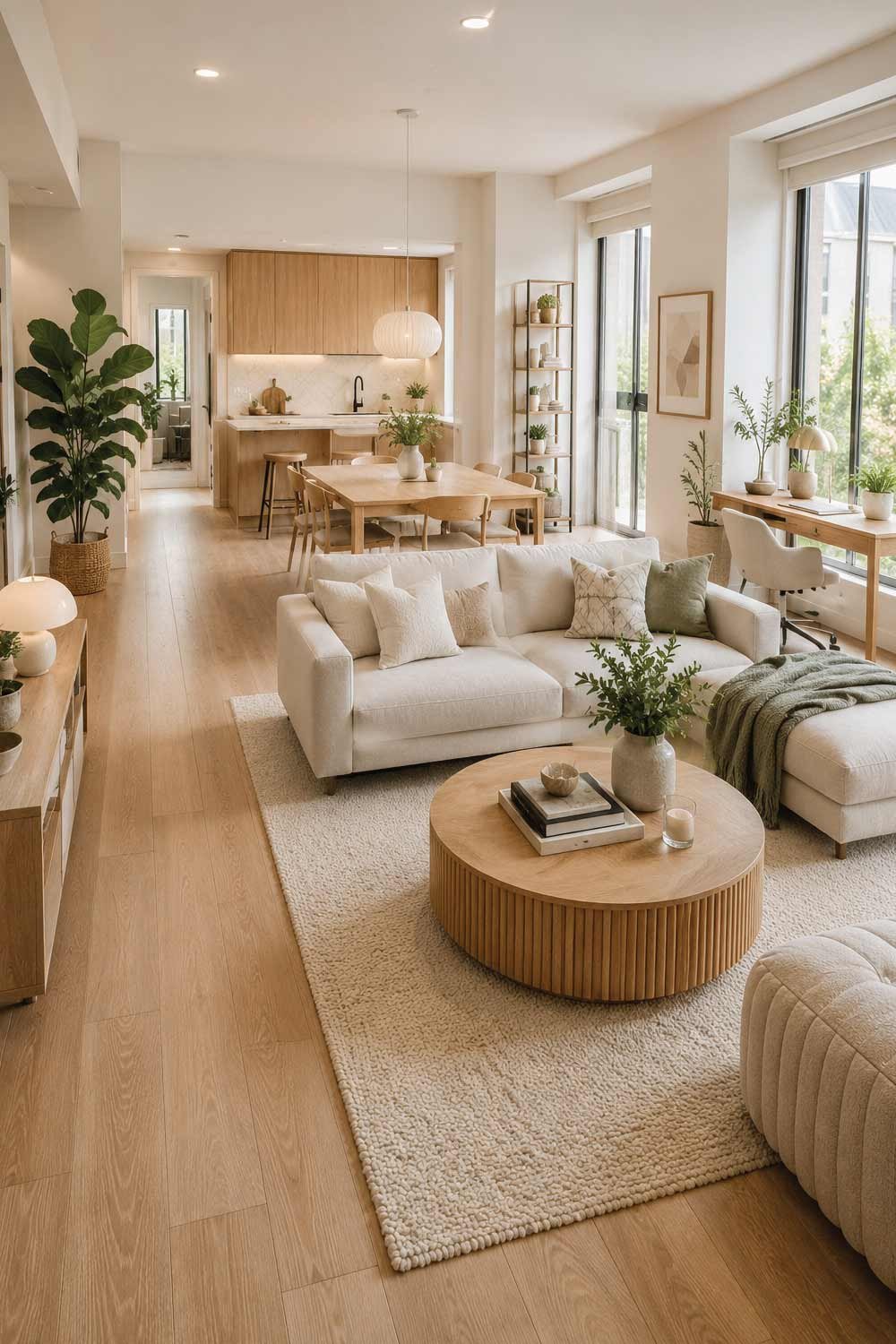
Floating Furniture: Don’t push all furniture against walls. Floating pieces can create a sense of depth and movement.
Zone Your Space: Use rugs, furniture, or screens to define areas without adding walls or bulky partitions.
Clear Pathways: Ensure there’s a clear flow of movement throughout the home to avoid a cramped feeling.
Tip: In small apartments, consider modular furniture that can be rearranged easily.
Don’t Miss Our Most Trending Ideas:
13.Personal Touches
Adding personality to a small home ensures it feels welcoming and uniquely yours. Carefully curated accessories, textiles, and art can enhance style without cluttering. By showcasing meaningful items and rotating décor seasonally, you can maintain freshness and visual interest. Personal touches bring warmth, charm, and individuality, turning a small living space into a comfortable and expressive home.
Curated Collections: Display a few favorite items rather than overcrowding shelves.
Textiles: Stylish cushions, throws, and curtains bring color, pattern, and comfort.
Artwork and Photos: Personal art, framed photos, or travel souvenirs give character without cluttering.
Tip: Rotate accessories seasonally to refresh the space without major renovations.
Conclusion
Making a small home look stylish is all about smart choices and clever design strategies. By maximizing light, choosing a cohesive color palette, using multi functional furniture, and incorporating minimalist principles, you can create a space that is both functional and visually appealing. Don’t forget the power of mirrors, layered lighting, greenery, and well-chosen décor to elevate your home’s style. Even with limited square footage, your home can feel open, organized, and chic.
Remember, style is not about the size of your home it is about how thoughtfully you design and decorate it. A small home can be the epitome of elegance when every element is intentional, functional, and beautiful. So, embrace these tips, get creative, and turn your small space into a stylish sanctuary you’ll love to come home to.
Don’t Miss Our Most Trending Ideas:
How to Maximize Small Spaces: Smart Tips for Comfortable Living

I am Engineer Hassan, a professional engineer with over 15 years of experience in measurements, design accuracy, and furniture, appliance, and home product sizing. Through Size Helper, I provide research-based guides and trending 2026 home design ideas for living rooms, bedrooms, sofas, wall décor, fashion, and sports—helping users make confident, informed decisions. Every guide is written with real expertise, verified data, and a commitment to quality, usability, and style.