
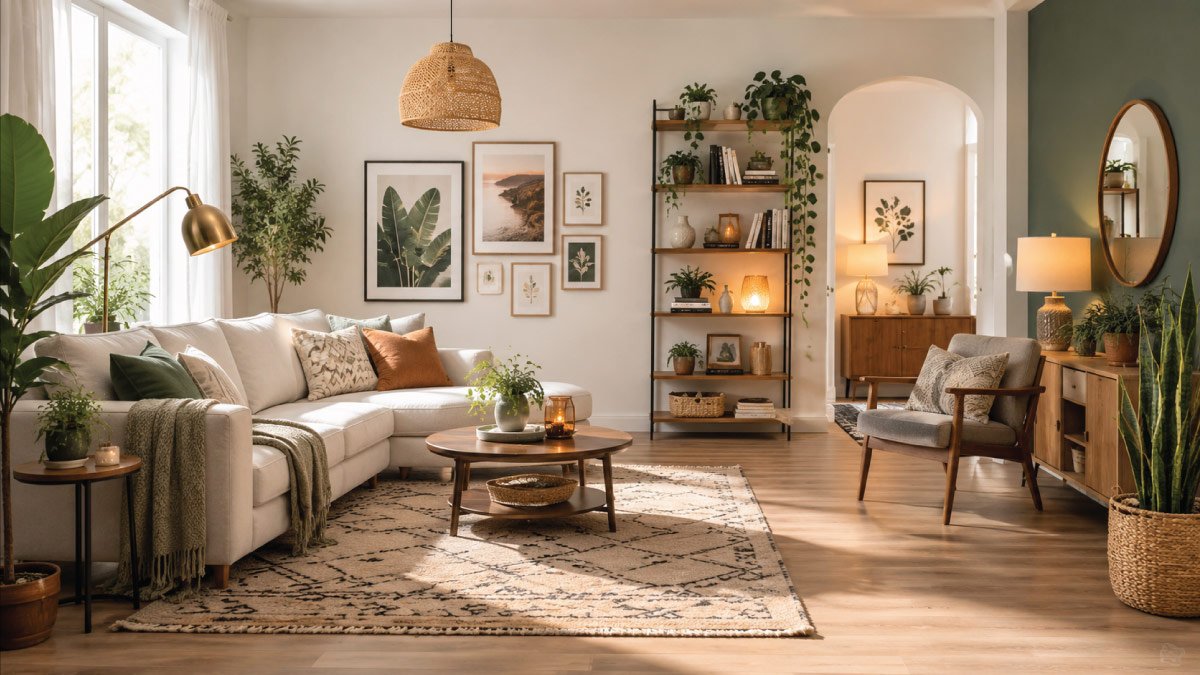
An empty room can feel uninspiring and cold. Whether you are dealing with a new space or simply trying to make use of an underutilized room, transforming an empty space into a welcoming and functional area can be an exciting project. The key is to introduce both style and purpose to make the room feel lived-in, cozy, and cohesive.
Here are some practical and creative tips to help you fix an empty room and turn it into a space you’ll love.
Table of Contents
Toggle1. Define the Room’s Purpose
The first step to fixing an empty room is to decide how you want to use the space. A clear purpose will guide your choices in terms of furniture, decor, and layout.
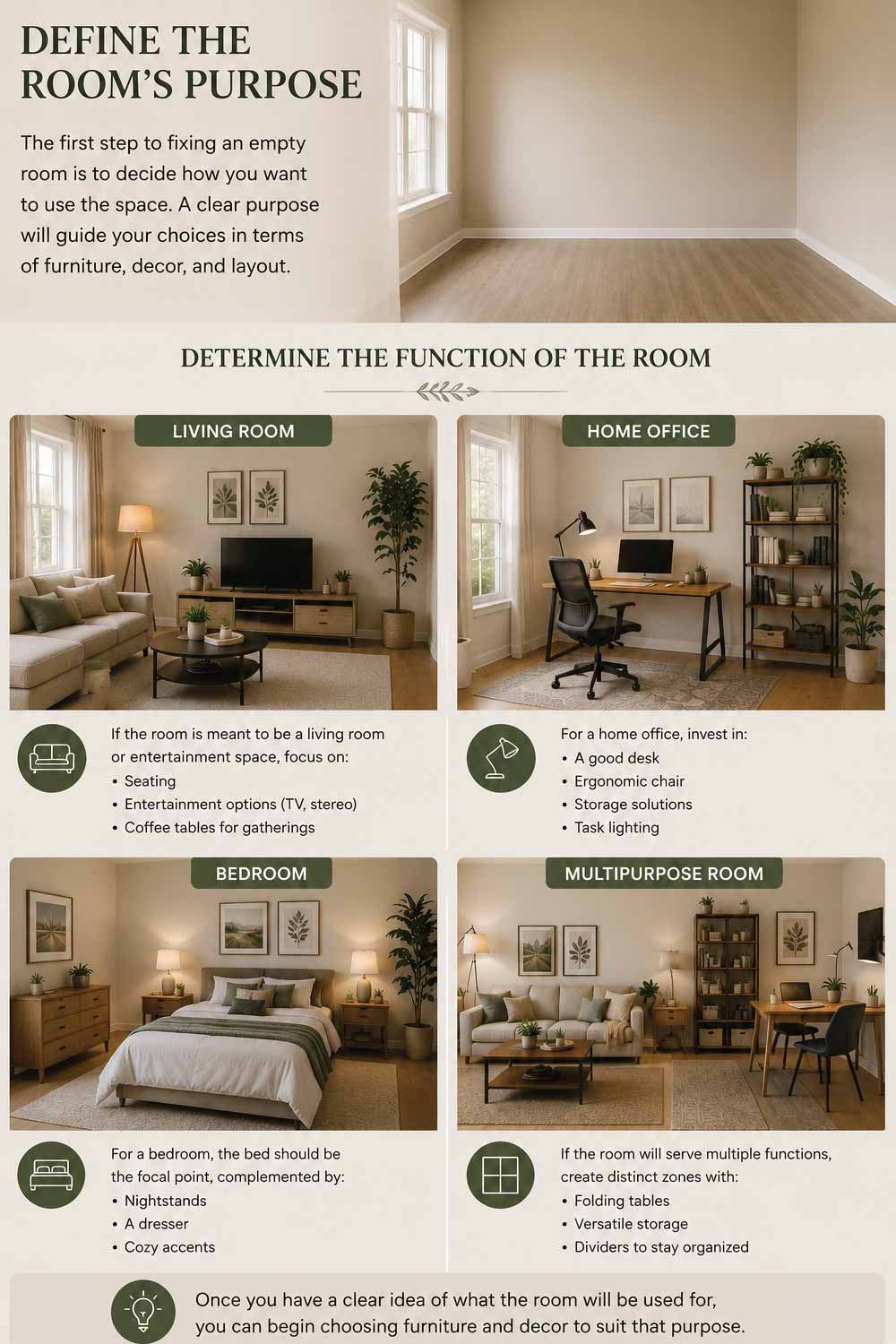
Determine the Function of the Room
Living Room:
If the room is meant to be a living room or entertainment space, focus on seating, entertainment options like a TV or stereo, and coffee tables for gatherings.
Home Office:
For a home office, invest in a good desk, ergonomic chair, storage solutions, and task lighting.
Bedroom:
For a bedroom, the bed should be the focal point, complemented by nightstands, a dresser, and cozy accents.
Multipurpose Room:
If the room will serve multiple functions, create distinct zones with furniture like folding tables, versatile storage, or even dividers to keep things organized.
Once you have a clear idea of what the room will be used for, you can begin choosing furniture and decor to suit that purpose.
2. Start with Furniture that Fulfills the Function
Once you’ve defined the room’s purpose, the next step is to add the essential furniture pieces. This will lay the foundation for the room’s design and make it feel more functional and comfortable.
Basic Furniture for Any Room
Seating:
For a living room or lounge space, invest in comfortable seating such as a sofa, armchairs, or a sectional. Arrange them around a central point (like a coffee table or TV) to create a cozy and functional seating area.
Storage:
Storage is key in keeping a room organized. For a bedroom or office, include a dresser, bookshelves, or cabinets. For living rooms, storage ottomans or TV consoles work well.
Functional Pieces:
Depending on the room’s purpose, incorporate functional pieces like a desk, side tables, or lighting. Make sure these items meet your specific needs while also contributing to the room’s overall style.
When furnishing the room, be sure to pick pieces that are appropriately sized for the space to avoid overcrowding. This will ensure the room feels balanced and spacious.
3. Introduce Color with Paint and Textiles
Color can dramatically change the look and feel of a room. The right color scheme will make the room feel more inviting, energized, or serene, depending on the atmosphere you want to create.
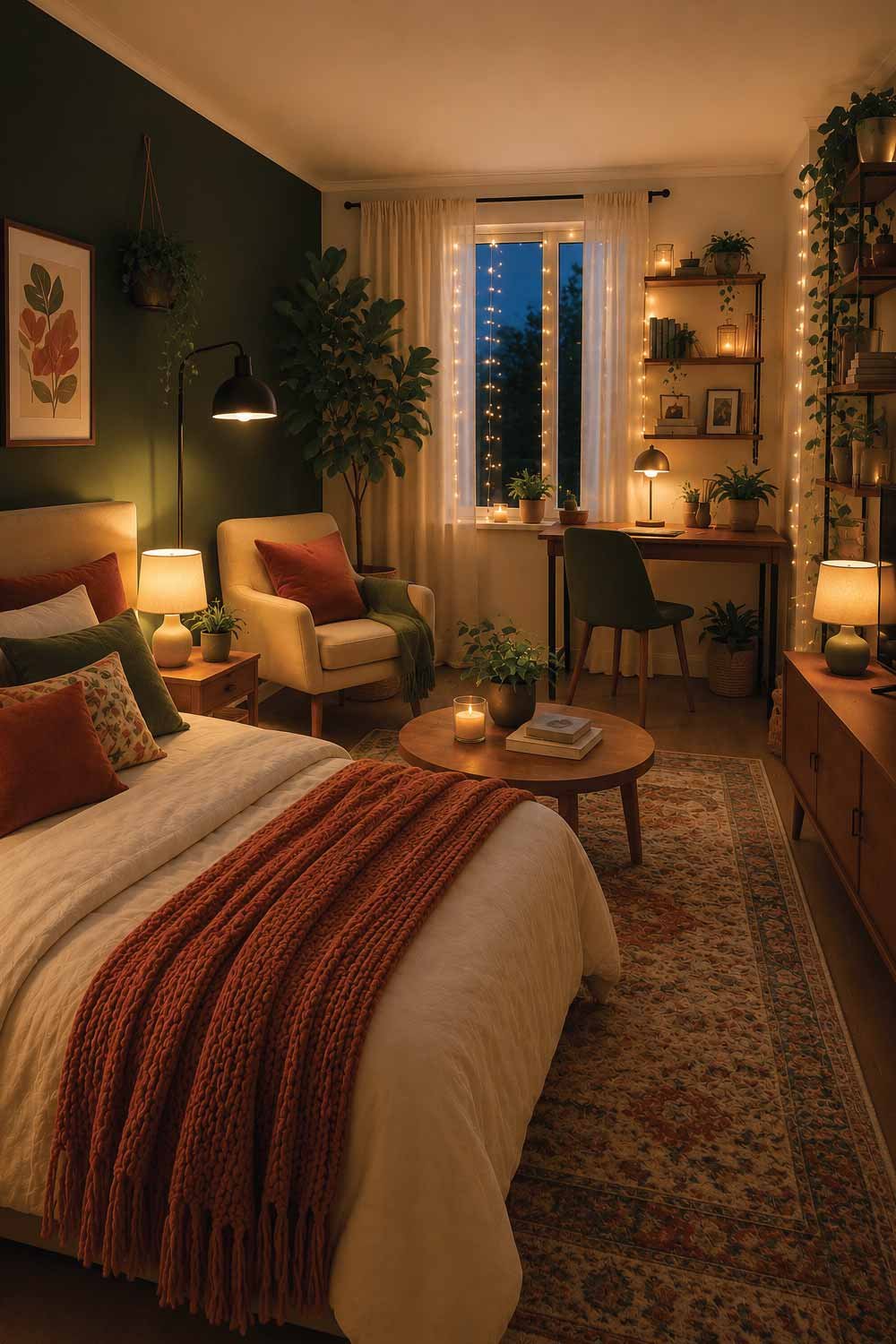
Paint the Walls
Light or Neutral Colors:
For a bright, airy look, use light colors like whites, soft grays, or pastels. These colors can make a room feel larger and more open.
Bold Accent Wall:
If you prefer more vibrant colors, consider painting one accent wall in a bold hue like deep blue, forest green, or rich mustard yellow to add depth and drama.
Wall Decals or Wallpaper:
If you’re renting or want to avoid permanent changes, removable wallpaper or decals are great options for adding pattern and color without damaging the walls.
Add Color with Fabrics and Accessories
Throw Pillows and Blankets:
Introduce throw pillows, blankets, and cushions in a variety of colors and textures to add warmth and personality to your space.
Rugs and Curtains:
Rugs are excellent for defining spaces and adding color and texture to the floor. Pair rugs with curtains in complementary colors or patterns to tie the room together.
Using color creatively through paint and textiles will make your empty room feel more vibrant and personalized.
Also Read:
12 Affordable Living Room Furniture Ideas for a Stylish Budget-Friendly Home
4. Add Lighting to Set the Mood
Lighting is one of the most important elements in making a room feel cozy and welcoming. Layering different types of lighting can add warmth and dimension to the space.
Layer Your Lighting
Ambient Lighting:
Start with overhead lights or a soft table lamp to provide overall illumination. If the room has a ceiling light, consider swapping it for a pendant or chandelier to add style.
Task Lighting:
Use desk lamps, reading lamps, or floor lamps for focused light, especially if the room serves a functional purpose (like a home office or reading nook).
Accent Lighting:
Add accent lighting, such as wall sconces or string lights, to highlight specific areas or create a cozy atmosphere. Candle holders or LED lights can add a relaxing, inviting glow.
By combining different types of lighting, you’ll ensure the room is both functional and cozy, helping to set the right mood for any activity.
5. Incorporate Personal Touches and Artwork
Personalizing the space will help make it feel like your own. Adding artwork, personal photos, and unique décor can bring character to the room and help it feel more inviting.
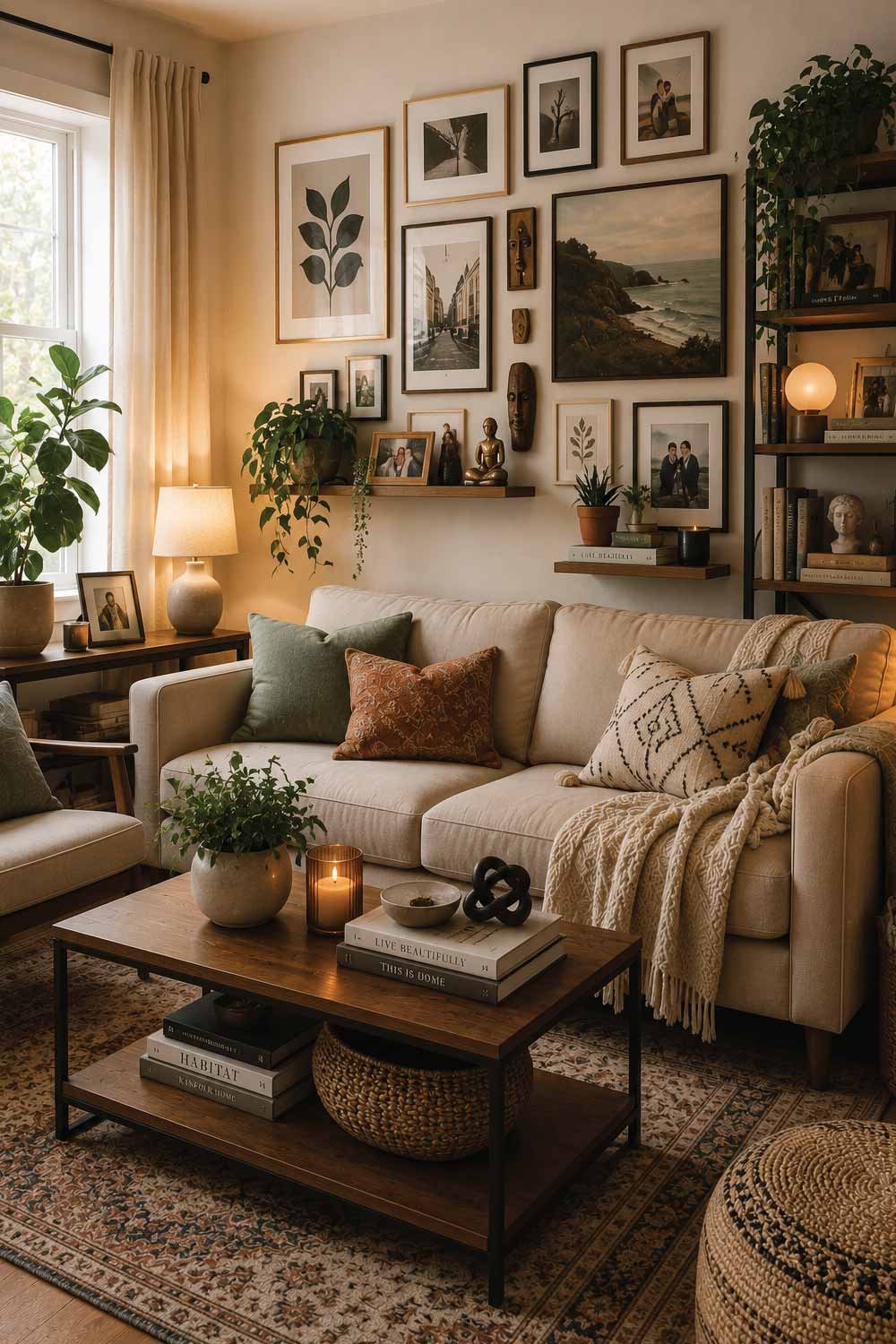
Display Personal Artwork and Photos
Gallery Wall:
Create a gallery wall of framed art, family photos, or prints that reflect your personality. Mixing various frame styles can add an eclectic touch, while matching frames keep the look cohesive.
Large Artwork:
A large painting or canvas print can make a bold statement and serve as a focal point for the room.
Use Decorative Accessories
Books, Plants, and Sculptures:
Decorative objects like books, plants, and sculptures can add texture and interest to your room. Plants, in particular, bring life and freshness to the space.
Trinkets and Souvenirs:
Personal items, such as souvenirs from travels, cherished gifts, or collections, will make the room feel more lived-in and special.
Adding these personal touches not only makes the room feel cozy but also gives it a unique personality.
6. Bring in Greenery
Plants are one of the easiest ways to add life to an empty room. They help purify the air, add color, and contribute to a natural, relaxing environment.
Choose Easy to Care Plants
Low-Maintenance Plants:
If you’re new to plants, opt for easy-to-care options like snake plants, pothos, or succulents. These require minimal upkeep and can thrive in various lighting conditions.
Statement Plants:
For larger rooms, consider adding a large statement plant, such as a fiddle leaf fig, rubber plant, or monstera, to bring height and drama to the space.
Adding greenery will not only make the room feel brighter but will also create a relaxing, inviting atmosphere.
Also Read:
16 Popular Paint Colors for Living Room Loved by Interior Designers
7. Do not Forget the Details
Small details can make a big difference in turning an empty room into a warm, inviting space. Pay attention to finishing touches like accessories, textiles, and decorative objects to bring everything together.
Add Functional and Stylish Décor
Candles:
Candles provide both ambiance and a comforting scent. They can also be used as decor pieces, adding warmth and relaxation to the space.
Mirrors:
Mirrors can reflect light and make the room feel larger. Hang a large mirror or several small mirrors to enhance the room’s sense of space and light.
These small decorative touches can elevate the overall look of the room and make it feel finished and cozy.
8. Create a Functional Layout
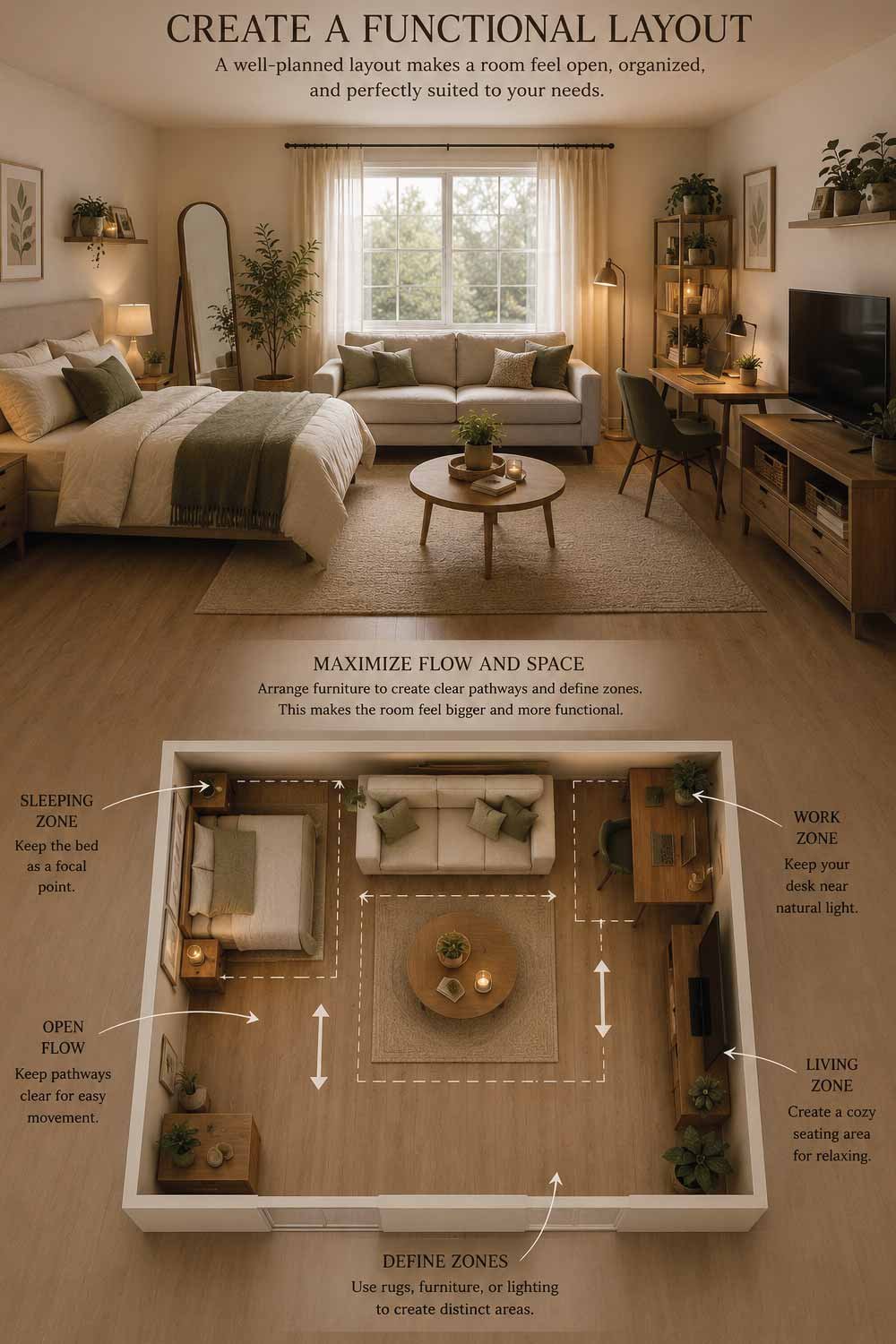
How you arrange the furniture and use the space can significantly impact how the room feels. A thoughtful layout ensures that the room is both practical and visually appealing.
Maximize Flow and Space
Furniture Placement:
Start by placing the largest furniture pieces (like the sofa or bed) in a way that creates clear pathways and makes the room feel open. Avoid overcrowding with too much furniture, and ensure there’s enough space to move around.
Define Zones:
In larger rooms, break the space into distinct areas (e.g., a reading nook, dining area, or work space) to make the room feel more purposeful.
A well-thought-out layout helps make an empty room functional and inviting by optimizing the flow and maximizing the use of space.
9. Use Colorful Accent Pieces
Accent pieces such as throw pillows, rugs, and decorative items are an easy and affordable way to add personality and vibrancy to an empty room. These small elements can instantly make the room feel more alive and cohesive.
Add Color Through Textiles
Throw Pillows and Blankets:
Incorporate different textures and colors to create contrast and warmth. Bold, vibrant colors or soft, neutral tones can both work depending on the vibe you want to create.
Area Rugs:
Choose a rug that complements your furniture and adds warmth or pattern to the floor. A rug can help define spaces and add a visual anchor to the room.
Accent pieces are a great way to express your personal style and add visual interest to the space.
10. Incorporate Lighting for Ambiance
Lighting not only serves a functional purpose but also plays a crucial role in setting the mood of a room. Using layered lighting creates a cozy and inviting atmosphere, which is essential in a room that feels empty or lacks personality.
Layer Lighting for Depth
Ambient Lighting:
Use ceiling lights, pendant lights, or wall-mounted fixtures to provide overall illumination.
Task Lighting:
Add table lamps, floor lamps, or sconces for focused lighting in specific areas, like next to the sofa or a reading chair.
Accent Lighting:
Incorporate string lights, candles, or LED strips to add a soft glow and highlight certain areas of the room, such as artwork or plants.
Layering different types of lighting helps make the room feel more dynamic and less sterile.
11. Add Personal Touches and Artwork
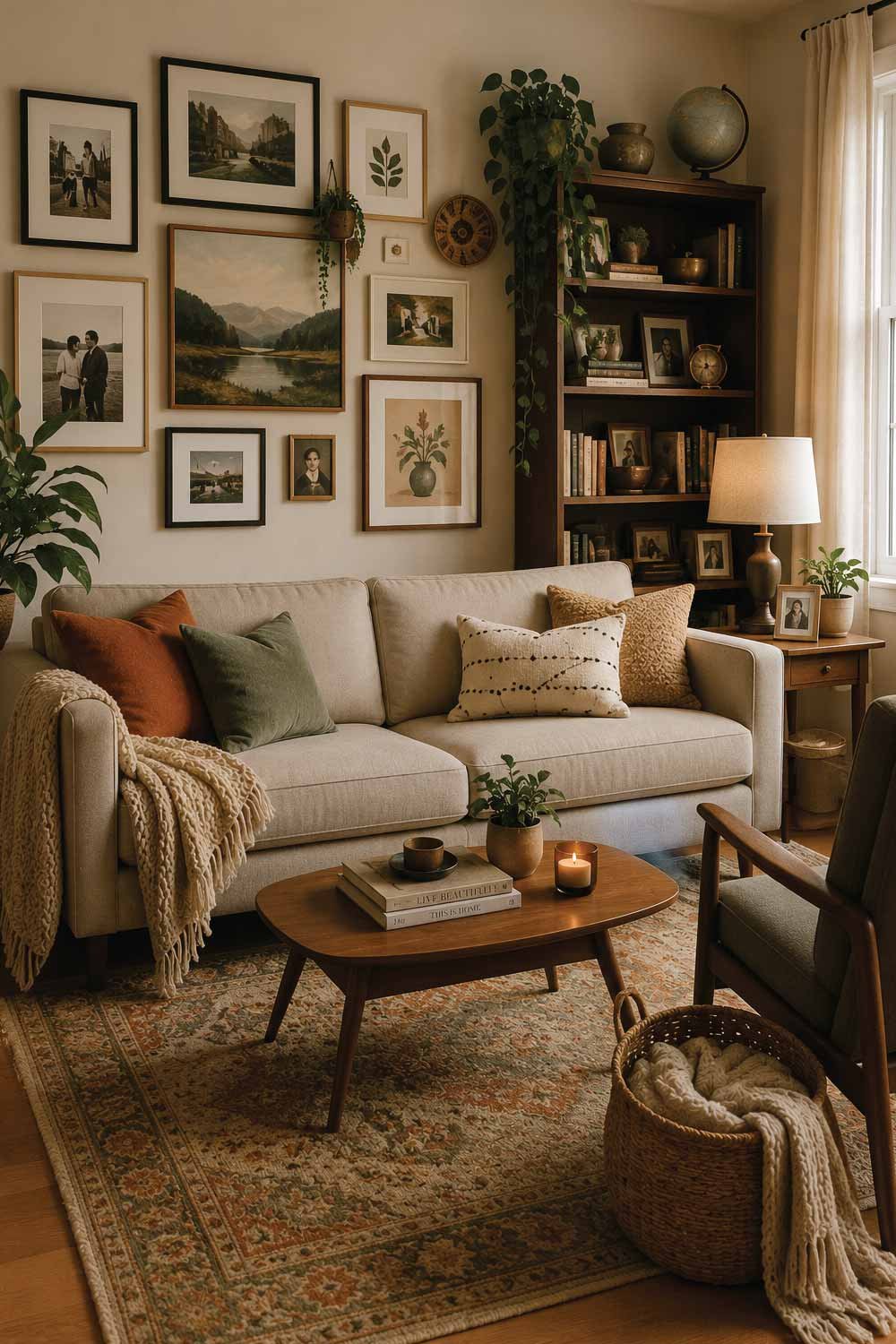
Decorating with personal items, such as family photos, artwork, or souvenirs, can give the room a unique and lived-in feel. Personal touches make the space reflect your style and help it feel more welcoming.
Display Art and Photos
Gallery Wall:
Create a gallery wall with framed photos, art prints, or posters that tell your story. Mix and match frame sizes and styles for an eclectic look or keep it uniform for a more minimalist aesthetic.
Personal Mementos:
Display items that hold sentimental value, such as travel souvenirs, heirlooms, or items that make you happy.
Personalizing the room with art and meaningful objects gives it warmth and character, making it feel like home.
12. Optimize Storage Solutions
An empty room can often feel cluttered if you don’t have enough storage. To prevent items from piling up, incorporate clever storage solutions that blend seamlessly with your décor.
Utilize Multifunctional Furniture
Storage Ottomans:
Use ottomans or coffee tables with hidden storage to keep everyday items organized and out of sight.
Floating Shelves:
Install floating shelves to display books, plants, or decorative pieces while keeping the floor space clear.
Closet Organizers:
If the room has a closet, use bins, baskets, and drawer dividers to keep things tidy and organized.
By adding storage solutions, you can keep the room clutter-free and enhance its functionality.
Conclusion
Transforming an empty room into a functional, stylish, and welcoming space doesn’t require a major overhaul. By defining the room’s purpose, adding essential furniture, and incorporating color, lighting, personal touches, and plants, you can create a space that reflects your personality and meets your needs. With a bit of creativity and thoughtful design, you’ll have a room that feels cozy, inviting, and ready for use in no time!
