
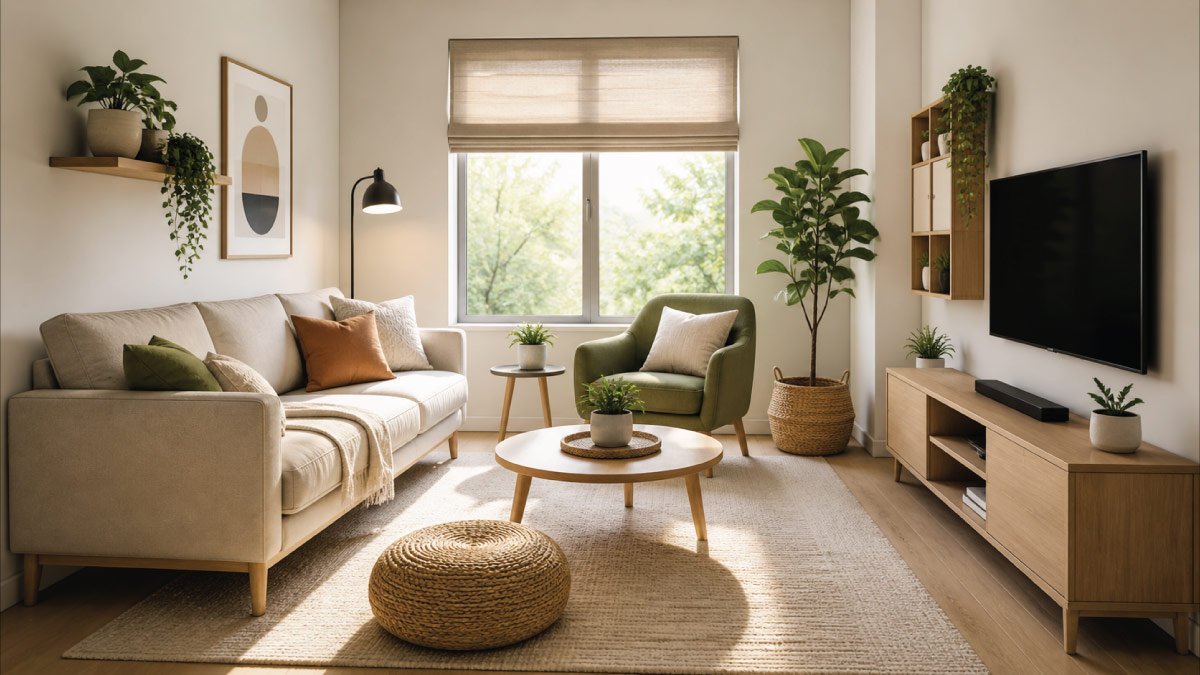
Arranging furniture in a small living room can feel like solving a puzzle with too many pieces and not enough space. But the truth is, a compact room isn’t a limitation it is an opportunity to design with intention. With the right layout, furniture choices, and a bit of creativity, even the smallest living room can feel open, functional, and inviting.
Understanding Your Space First
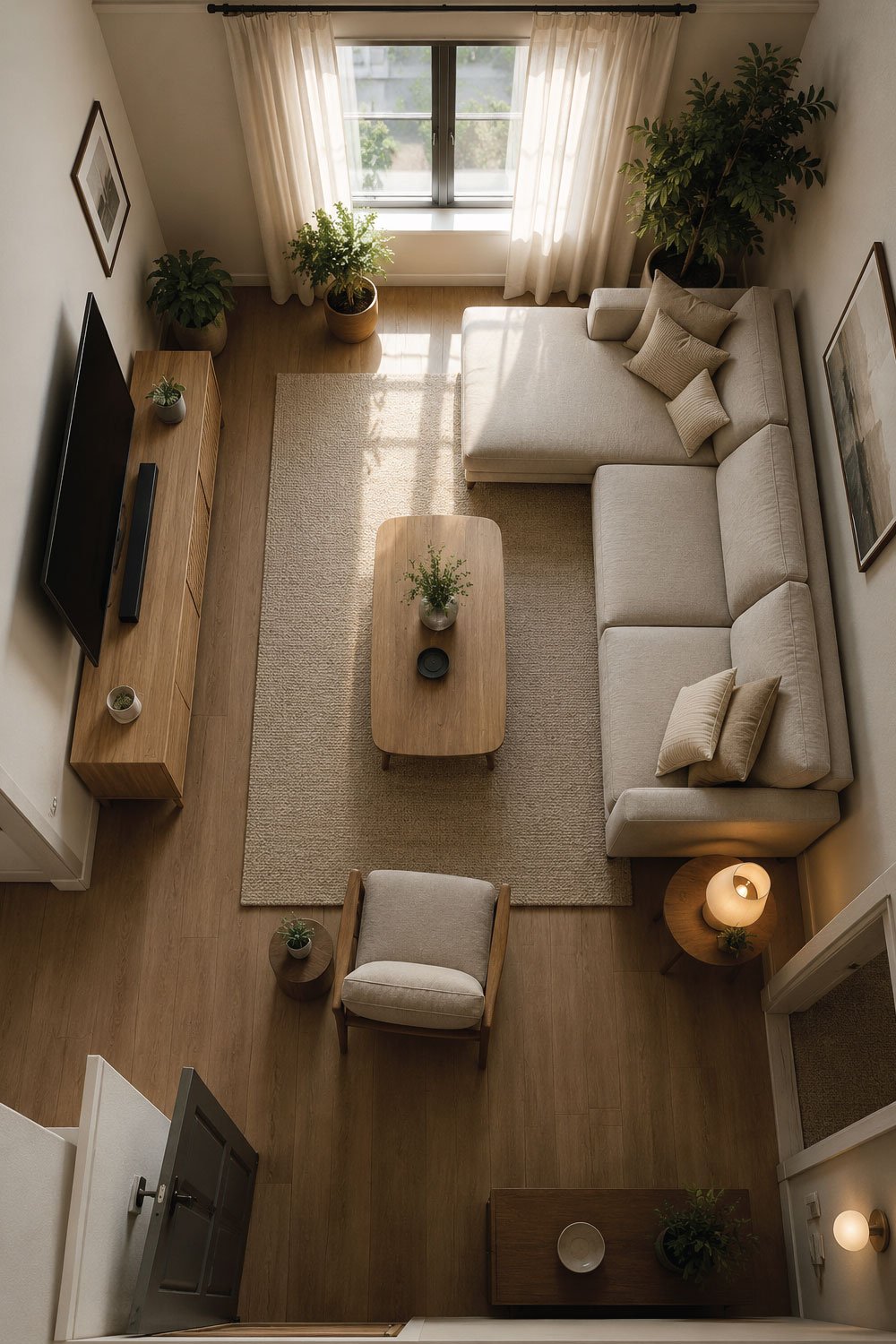
Before you start moving furniture around, take a step back and assess your living room. Every inch matters in a small space, so understanding the room’s dimensions, natural light sources, doorways, and focal points is essential.
Ask yourself:
- Where does the natural flow of movement happen?
- What’s the focal point (TV, window, fireplace)?
- How many people regularly use this space?
Sketching a simple layout even roughly can help you visualize where things should go before doing any heavy lifting.
Prioritize Function Over Quantity
One of the biggest mistakes in small living rooms is trying to fit too much furniture. Instead of squeezing in everything you want, focus on what you need. Do you entertain guests often? Is this space mainly for relaxing or watching TV? Do you need storage? Choose fewer, more purposeful pieces rather than overcrowding the room. A well-edited space always feels larger.
Think about your lifestyle:
- Do you entertain guests often?
- Is this space mainly for relaxing or watching TV?
- Do you need storage?
Choose fewer, more purposeful pieces rather than overcrowding the room. A well edited space always feels larger.
Choose the Right Furniture Size
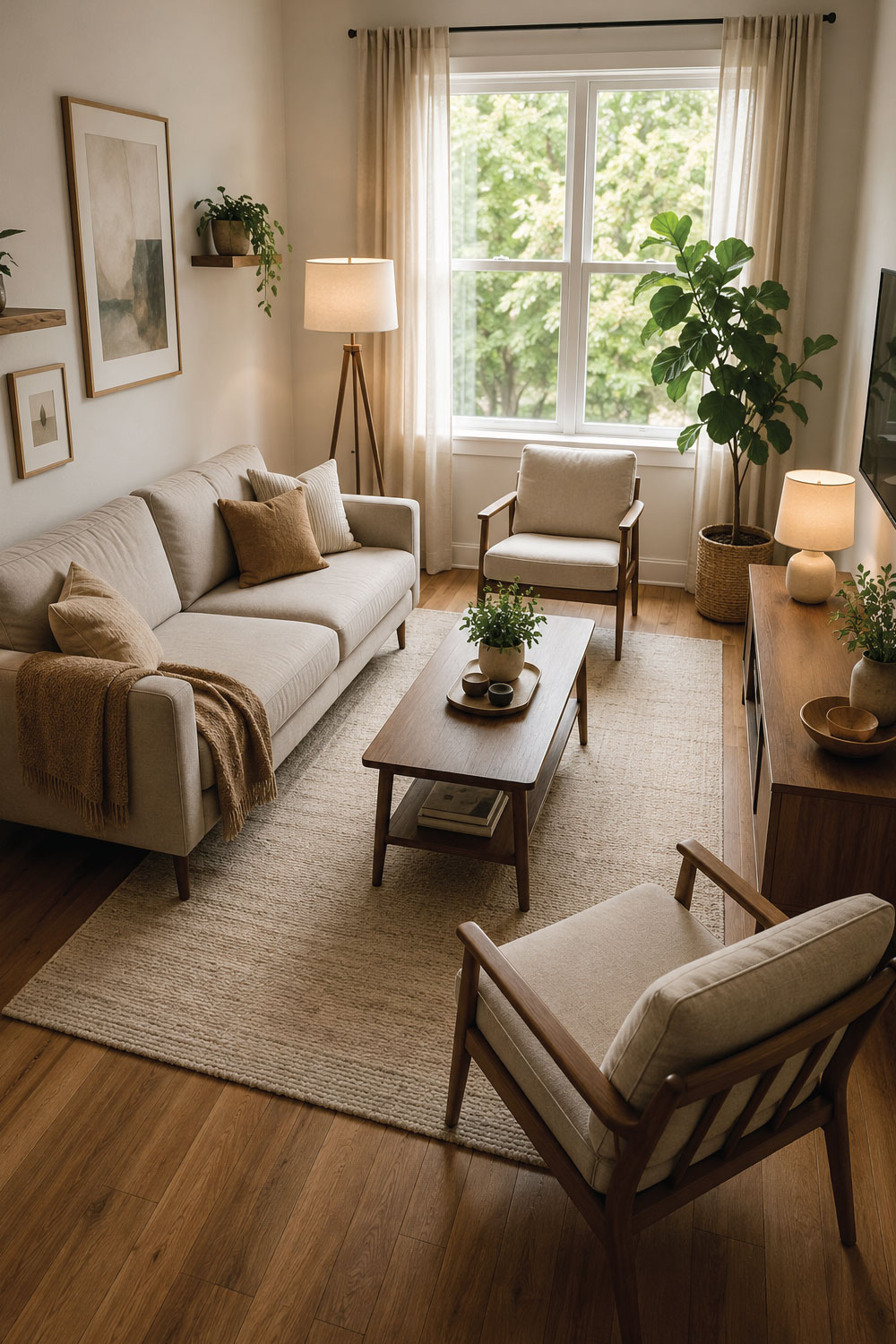
Scale is everything in a small room. Oversized furniture can overwhelm the space, while tiny pieces can make it feel disjointed. Go for: A compact sofa instead of a bulky sectional Slim-profile chairs Narrow coffee tables Furniture with exposed legs (this creates visual openness) Avoid pushing all furniture against the walls this can actually make the room feel smaller and less cozy.
Go for:
- A compact sofa instead of a bulky sectional
- Slim profile chairs
- Narrow coffee tables
- Furniture with exposed legs (this creates visual openness)
Avoid pushing all furniture against the walls—this can actually make the room feel smaller and less cozy.
Create a Clear Focal Point
Every living room needs a visual anchor. In small spaces, this becomes even more important because it organizes the layout. Common focal points include: A TV unit A large window A statement wall A piece of artwork Arrange your seating around this focal point to create a sense of structure. This keeps the room from feeling chaotic.
Common focal points include:
- A TV unit
- A large window
- A statement wall
- A piece of artwork
Arrange your seating around this focal point to create a sense of structure. This keeps the room from feeling chaotic.
Use Multi Functional Furniture
In small living rooms, every piece should earn its place. Multi-functional furniture is your best friend. Consider: Ottomans with hidden storage Sofa beds for guests Nesting tables that tuck away when not in use Foldable or extendable furniture These pieces allow you to maximize utility without sacrificing space. Ideal for compact modern homes.
Consider:
- Ottomans with hidden storage
- Sofa beds for guests
- Nesting tables that tuck away when not in use
- Foldable or extendable furniture
These pieces allow you to maximize utility without sacrificing space.
Think Vertically
When floor space is limited, look upward instead of outward. Vertical areas are often ignored but offer valuable storage and design opportunities. Use them for tall bookshelves, wall mounted storage units, floating shelves, and hanging decor pieces.
This approach not only frees up floor space but also draws the eye upward, creating the illusion of a taller, more open, and visually balanced living room overall.
Read More:
Use it for:
- Tall bookshelves
- Wall mounted storage
- Floating shelves
- Hanging decor
This not only frees up floor space but also draws the eye upward, making the room feel taller.
Keep Walkways Clear
A cramped living room often feels even smaller due to blocked movement paths. Ensuring clear circulation is essential for comfort and openness. Leave at least 2 3 feet of walking space wherever possible. Avoid placing furniture in front of doorways or windows, and arrange items in a way that naturally guides movement. A well-planned layout improves flow and instantly makes the room feel more spacious and organized.
Tips:
- Leave at least 2 3 feet of walking space where possible
- Avoid blocking doorways and windows
- Position furniture to guide natural movement
A room that flows well instantly feels more spacious.
Use Light and Color Strategically
Color has a powerful impact on how spacious a room appears. Light, neutral shades like white, beige, or soft gray help reflect light and open up the space visually.
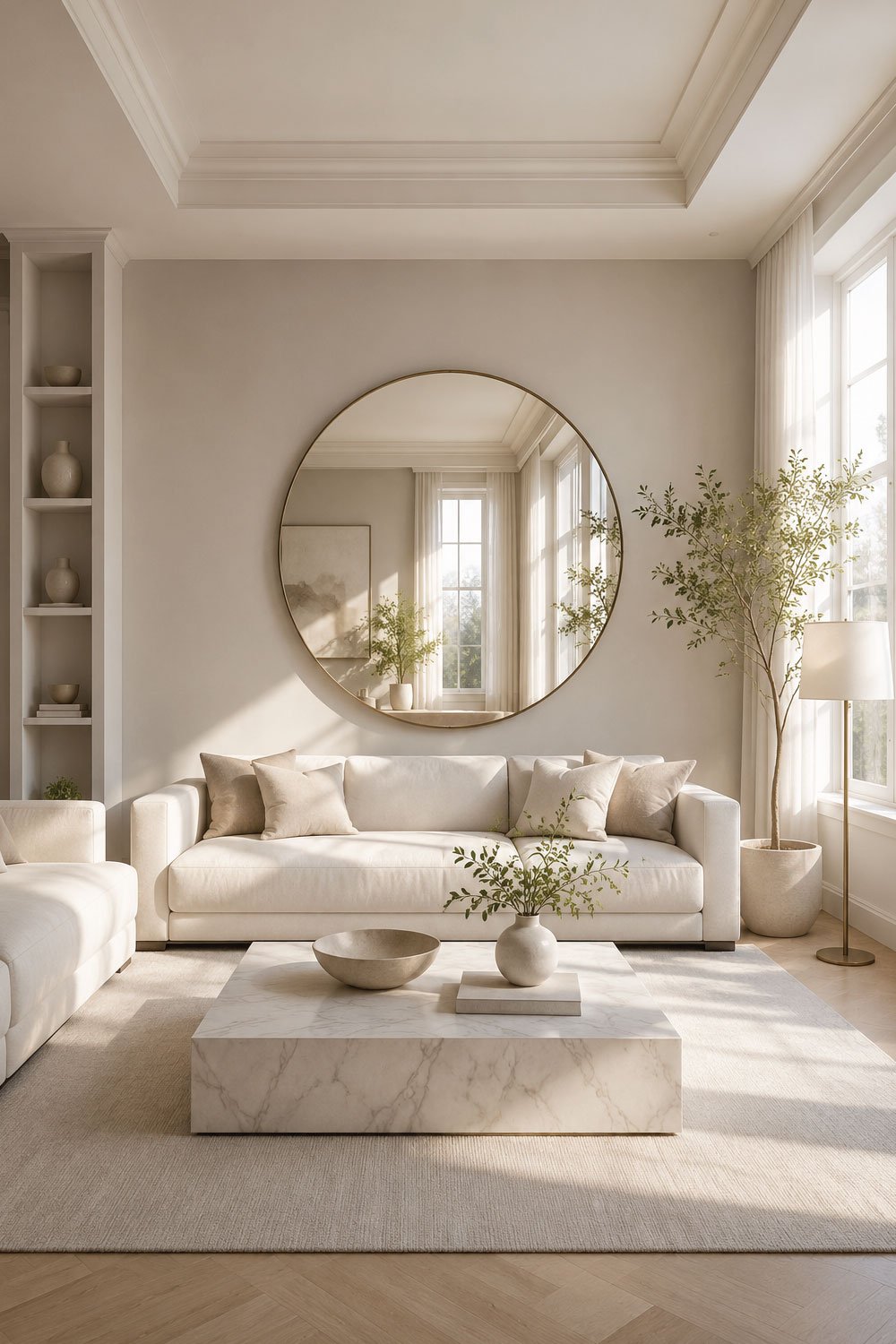
Monochromatic schemes also create a clean, unified look, while subtle contrasts add interest without overwhelming the room. Mirrors further enhance space by reflecting light, especially when placed opposite windows, making the room feel brighter and larger.
Best choices:
- Light, neutral tones like white, beige, or soft gray
- Monochromatic color schemes
- Subtle contrasts instead of bold clashes
That said, do not be afraid of darker accents they can add depth when used thoughtfully.
Mirrors are also incredibly effective. Placing a mirror opposite a window reflects light and creates the illusion of more space.
Define Zones Without Walls
Even a small living room can serve multiple purposes when areas are clearly defined. Instead of using physical partitions, rely on visual tools like rugs, lighting, and furniture placement.
A rug can anchor a seating area, while different lighting styles can separate reading or relaxation zones. Thoughtful arrangement helps organize the space, making it functional, stylish, and easy to navigate without feeling crowded or confined.
Use:
- Rugs to define seating areas
- Lighting to separate zones
- Furniture placement as natural dividers
For example, a small rug under the sofa and coffee table can anchor your seating area without taking up extra room.
Opt for Smart Layout Ideas
Choosing the right layout can completely transform a small living room by improving flow, comfort, and visual balance. Instead of randomly placing furniture, think strategically about space usage and movement. Smart layouts help avoid clutter while making the room feel more open and inviting. The goal is to create functionality without sacrificing style, ensuring every corner is used efficiently and thoughtfully arranged for daily living.
- Think strategically about space usage and movement
- Avoid clutter while improving openness
- Ensure every corner is used efficiently
1. The Floating Layout
Instead of pushing all furniture tightly against the walls, slightly pull pieces inward to create a “floating” arrangement. This helps define a cozy seating zone in the center of the room, making it feel more intentional and balanced. It also improves conversation flow and prevents the space from feeling flat or boxed in, which often happens with wall-hugging furniture placement.
- Bring furniture slightly inward instead of against walls
- Creates a cozy central seating zone
- Improves balance and conversation flow
2. The Corner Arrangement
A corner layout is ideal for maximizing open floor space in compact living rooms. Position the sofa neatly in one corner and use surrounding walls for shelves, artwork, or storage solutions. This setup keeps the center of the room open, making it easier to move around. It also helps create a comfortable, tucked-in seating area that feels both practical and space-efficient.
- Place sofa in a corner for maximum space use
- Use walls for storage or decor
- Keeps central floor area open and accessible
3. The Symmetrical Setup
Symmetry brings structure and visual calm to a small living room. Placing matching chairs, lamps, or decor pieces on opposite sides creates balance and order. This arrangement works especially well around a central focal point like a coffee table or TV.
Read More:
Even in limited spaces, symmetry helps reduce visual clutter and makes the room feel more organized, harmonious, and thoughtfully designed.
- Use matching chairs or decor elements
- Arrange around a central focal point
- Creates order, balance, and visual harmony
4. The L Shaped Layout
An L shaped layout is one of the most efficient ways to use a small living room. Whether using an L shaped sofa or arranging seating in that form, it maximizes seating capacity while keeping pathways clear. This design naturally defines the seating zone without blocking movement. It works particularly well in corners and open-plan spaces where flexibility and space-saving are both priorities.
- Use an L shaped sofa or seating arrangement
- Maximizes seating without blocking movement
- Ideal for corners and open-plan spaces
Use Transparent or Reflective Materials
In small living rooms, visual weight matters just as much as physical space. Furniture made from glass, acrylic, or metal helps reduce visual bulk because it allows light to pass through or reflect around the room.
This creates an airy, open atmosphere even when the space is fully furnished. These materials also add a modern touch without overwhelming the overall design or making the room feel crowded.
Examples:
- Glass coffee tables
- Acrylic chairs
- Metallic accents
These materials help maintain an airy feel while still being functional.
Keep It Clutter Free
Even the best-designed small living room can feel tight and uncomfortable if it is cluttered. Maintaining order is essential for preserving openness and calmness in the space. Regularly declutter items you do not use, and rely on hidden storage solutions to keep everyday essentials out of sight.
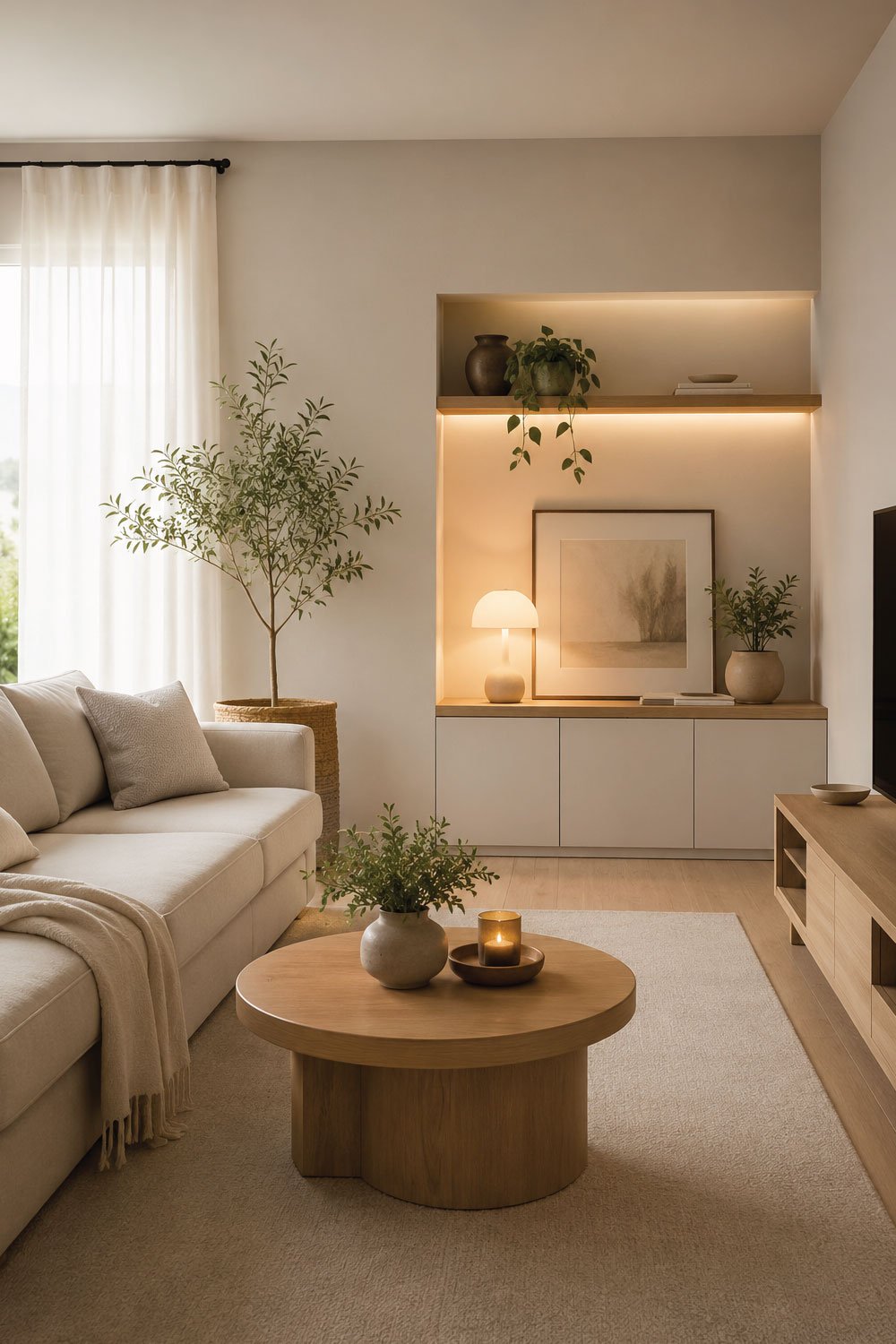
Keeping surfaces like tables and shelves minimal helps maintain a clean, breathable environment that naturally feels larger and more relaxing.
Adopt these habits:
- Regularly declutter
- Use hidden storage solutions
- Keep surfaces minimal
A clean space always feels larger and more relaxing.
Do not Forget Lighting
Lighting plays a major role in shaping how spacious a small living room feels. A layered lighting approach works best because it distributes brightness evenly and reduces harsh shadows.
Combine ambient lighting for overall illumination, task lighting for reading or focused activities, and accent lighting for mood and style. Avoid relying on a single overhead light, as it can make the space feel flat and enclosed.
Layer your lighting:
- Ambient lighting (ceiling lights)
- Task lighting (reading lamps)
- Accent lighting (wall sconces or LED strips)
Avoid relying on a single light source it creates harsh shadows and makes the room feel smaller.
Add Personality Without Overcrowding
A small living room can still reflect your style without feeling busy or overwhelming. The key is to add personality through a few carefully selected decorative elements rather than filling every surface.
Focus on meaningful pieces that enhance the space visually while maintaining openness. Thoughtful styling helps the room feel warm, lived in, and expressive without sacrificing comfort or creating visual clutter.
Read More:
Ideas:
- A statement artwork piece
- Textured cushions or throws
- A few indoor plants
- Personal photos in a gallery wall
The key is balance decorate thoughtfully, not excessively.
Rearrange and Experiment 5
Small living rooms rarely get perfect on the first try, so experimentation is part of the process. Do not be afraid to shift furniture, test different orientations, or remove items that disrupt flow. Sometimes even a slight angle change can improve movement and openness significantly. By continuously adjusting and refining the layout, you can discover a setup that feels more comfortable, functional, and visually balanced over time.
Don’t hesitate to:
- Move furniture around
- Try different angles
- Remove pieces that don’t work
You might be surprised how a small adjustment can make a big difference.
Final Thoughts
Arranging furniture in a small living room is all about intentional choices. Instead of fighting the space, work with it. Focus on functionality, maintain good flow, and choose pieces that enhance rather than overwhelm.
A small living room, when arranged well, can feel cozy, stylish, and surprisingly spacious. With the right approach, you don’t need more space you just need smarter design.
