
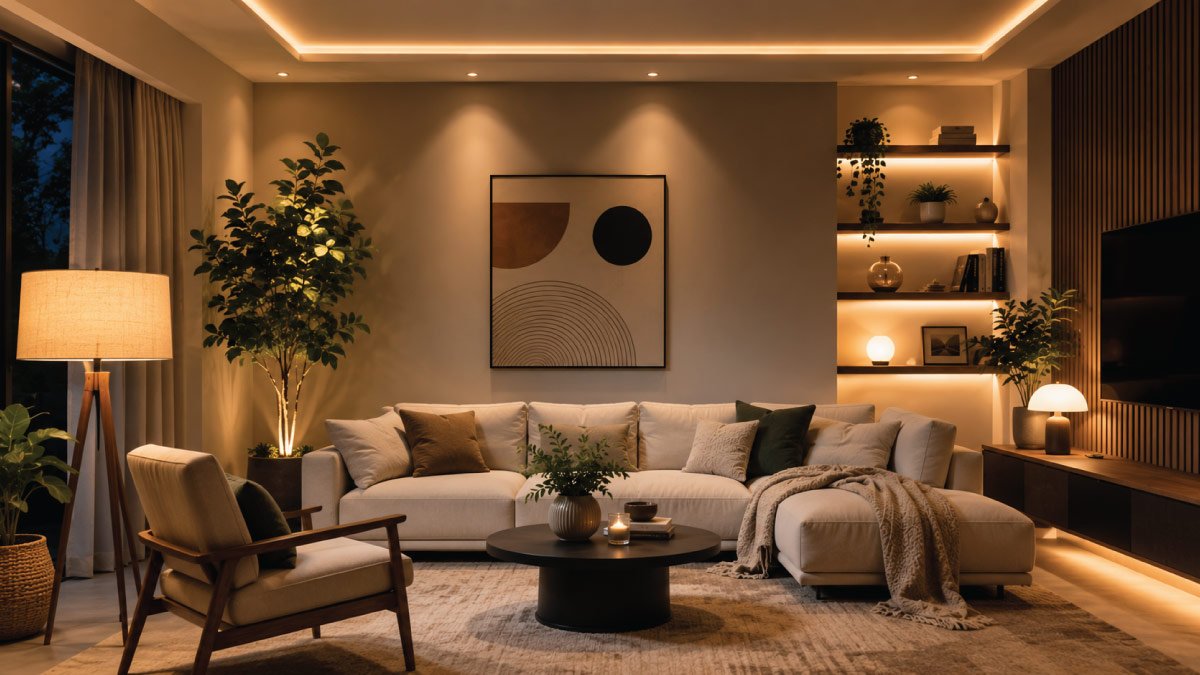
Good lighting can transform the entire ambiance of a room. It can make a small space feel larger, brighten a gloomy corner, or create a cozy atmosphere for relaxation. However, bad lighting can do the opposite making spaces feel cramped, uninviting, or even overwhelming. If you’ve been dealing with poor lighting at home, don’t worry. With a few changes and some thoughtful adjustments, you can fix bad lighting and create a bright, welcoming environment.
In this blog post, we’ll guide you through different strategies to fix bad lighting at home. From selecting the right light fixtures to experimenting with lighting layers, we’ll cover it all. Let’s dive in!
1. Assess Your Current Lighting
Before making any changes, it’s important to evaluate your current lighting setup. The first step is to identify the problem. Is the room too dark, or do you have harsh, glaring lights that make it uncomfortable? Here are some common lighting issues you may face:
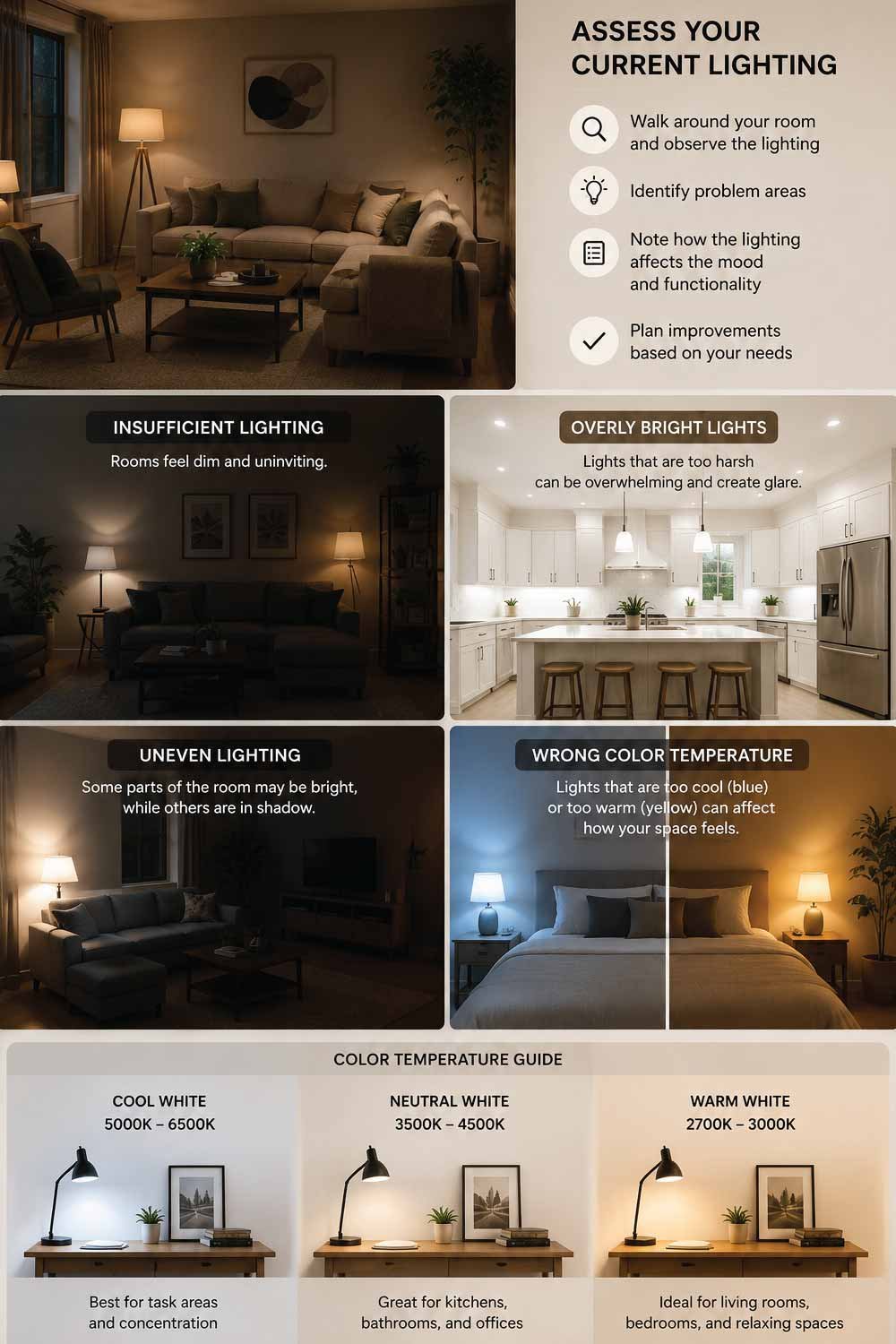
Insufficient lighting: Rooms feel dim and uninviting.
Overly bright lights: Lights that are too harsh can be overwhelming and create glare.
Uneven lighting: Some parts of the room may be bright, while others are in shadow.
Wrong color temperature: Lights that are too cool (blue) or too warm (yellow) can affect how your space feels.
Take a moment to walk around each room, paying attention to the mood, brightness, and comfort level. Once you know the problem areas, you can begin fixing the lighting.
2. Understand the Different Types of Lighting
Lighting plays a crucial role in setting the mood and functionality of a room. There are three primary types of lighting to consider when fixing bad lighting:
1. Ambient Lighting
This is the main source of light in a room and provides general illumination. It could be overhead lights, chandeliers, or ceiling-mounted fixtures. Ambient lighting ensures that the room is well-lit, without straining the eyes.
2. Task Lighting
Task lighting is focused on areas where specific activities take place, such as reading, cooking, or working. Desk lamps, pendant lights, and under-cabinet lights are common examples of task lighting. This type of lighting ensures that you have sufficient light for tasks that require focus.
3. Accent Lighting
Accent lighting adds drama or highlights features in your home. It’s perfect for showcasing artwork, plants, or architectural details. Wall sconces, track lighting, and spotlights are commonly used as accent lighting.
Understanding the three types of lighting will help you create a balanced and well-lit space.
Also Read:
How to Decorate a Tiny Apartment: Maximizing Style in Small Spaces
3. Maximize Natural Light
Natural light is the best way to brighten up your home and give it an airy, open feel. If you’re working with a room that feels dark and dreary, try these tips to maximize natural light:
Use light-colored curtains: Dark curtains can block out sunlight, making rooms feel closed off. Opt for sheer or light-colored curtains that allow natural light to filter through.
Strategic furniture placement: Avoid placing large pieces of furniture, such as bookshelves or cabinets, in front of windows. Allow the sunlight to flow freely into the room.
Mirrors: Mirrors can reflect light and make spaces feel brighter. Placing mirrors across from windows can double the amount of natural light in the room.
Keep windows clean: Dirty windows can reduce the amount of light coming into the room. Make sure to clean your windows regularly to let in as much light as possible.
Incorporating more natural light into your space is one of the most effective ways to improve the overall lighting.
4. Switch to Energy Efficient Bulbs
If you’re still using traditional incandescent bulbs, it’s time to make the switch to more energy-efficient options. LED bulbs and compact fluorescent lamps (CFLs) consume less energy and last longer. They are available in a variety of color temperatures, so you can choose one that best suits your space.
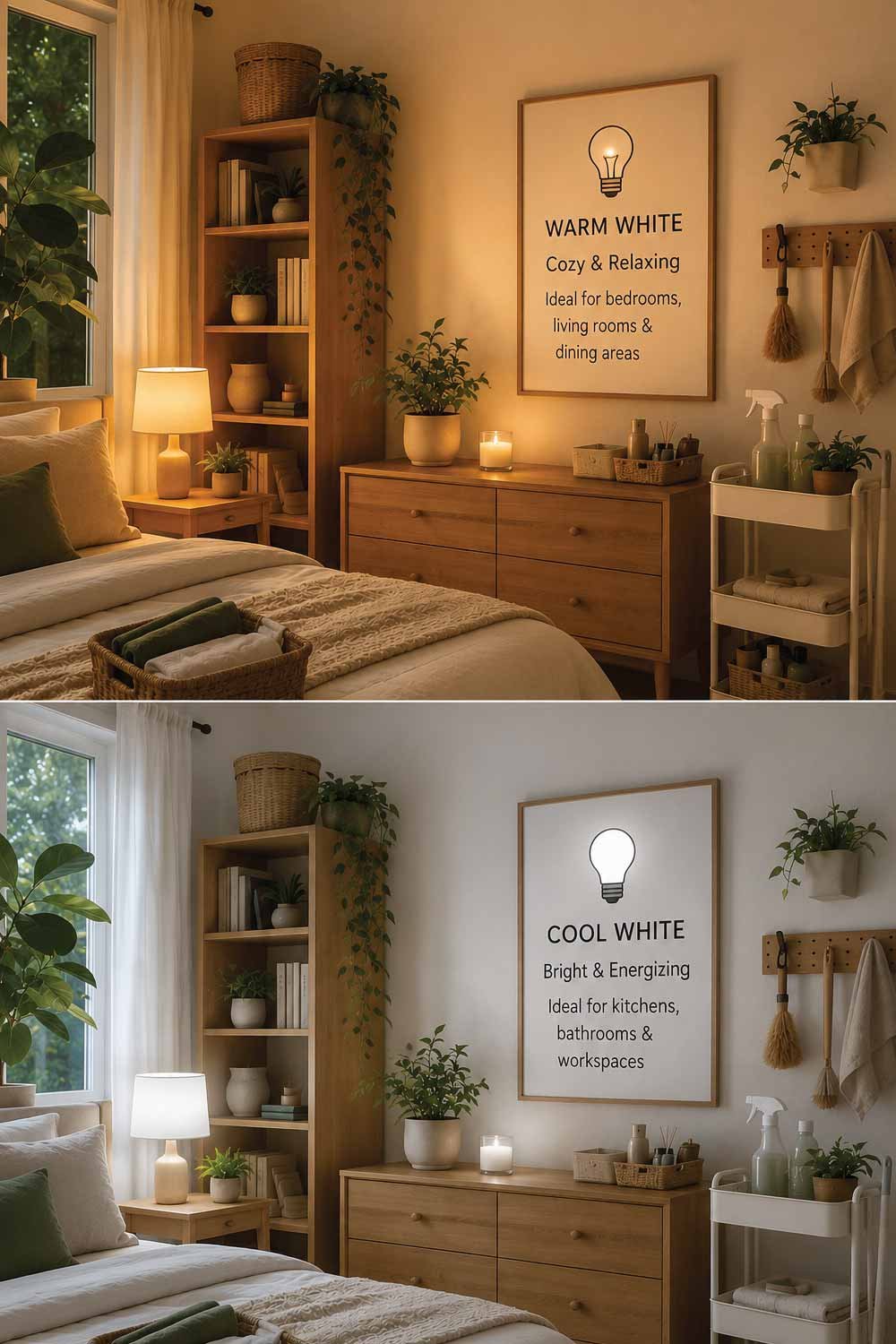
Cool White or Daylight Bulbs: If you’re looking to create a bright, energetic space, opt for cool white or daylight bulbs. These bulbs produce a bluish-white light that mimics natural daylight, making them perfect for kitchens, bathrooms, and workspaces.
Warm White Bulbs: For a cozy, relaxing atmosphere, warm white bulbs are ideal. These emit a soft, yellowish glow that’s perfect for living rooms, bedrooms, and dining areas.
Dimmable LEDs: For flexibility, consider dimmable LED bulbs. They allow you to adjust the brightness to match the mood, making them suitable for both task and ambient lighting.
Switching to energy-efficient bulbs not only saves you money on electricity bills but also helps you create a better-lit home.
5. Use Dimmer Switches
Dimmer switches are a simple yet effective way to control the brightness in a room. Instead of having a fixed light level, you can adjust the brightness to suit the time of day or the mood you want to create.
Create ambiance: In the evenings, you can dim the lights for a cozy, intimate atmosphere.
Task lighting: During the day, when you need more light for reading or cooking, you can increase the brightness to a level that’s comfortable.
Energy-saving: Dimmer switches can also help you save energy by allowing you to lower the light levels when full brightness isn’t necessary.
Installing dimmer switches in key areas like the living room, dining room, or bedroom can make a huge difference in your home’s lighting.
Also Read:
6. Layer Your Lighting
One of the most effective ways to fix bad lighting at home is to layer different types of lighting. By combining ambient, task, and accent lighting, you can create a balanced and inviting space.
Here’s how you can layer your lighting:
Ambient lighting: Start with the general light in the room, such as ceiling lights or recessed lighting.
Task lighting: Add focused lighting for specific activities. For example, use a desk lamp for reading or under-cabinet lights for kitchen tasks.
Accent lighting: Use decorative lights, such as floor lamps or track lighting, to highlight artwork, architectural features, or plants.
This layered approach ensures that your room is both functional and aesthetically pleasing, no matter the time of day or the activity you’re engaged in.
7. Consider the Color Temperature
The color temperature of your lights can significantly affect the mood of a room. Light temperature is measured in Kelvins (K), and different temperatures create different effects:
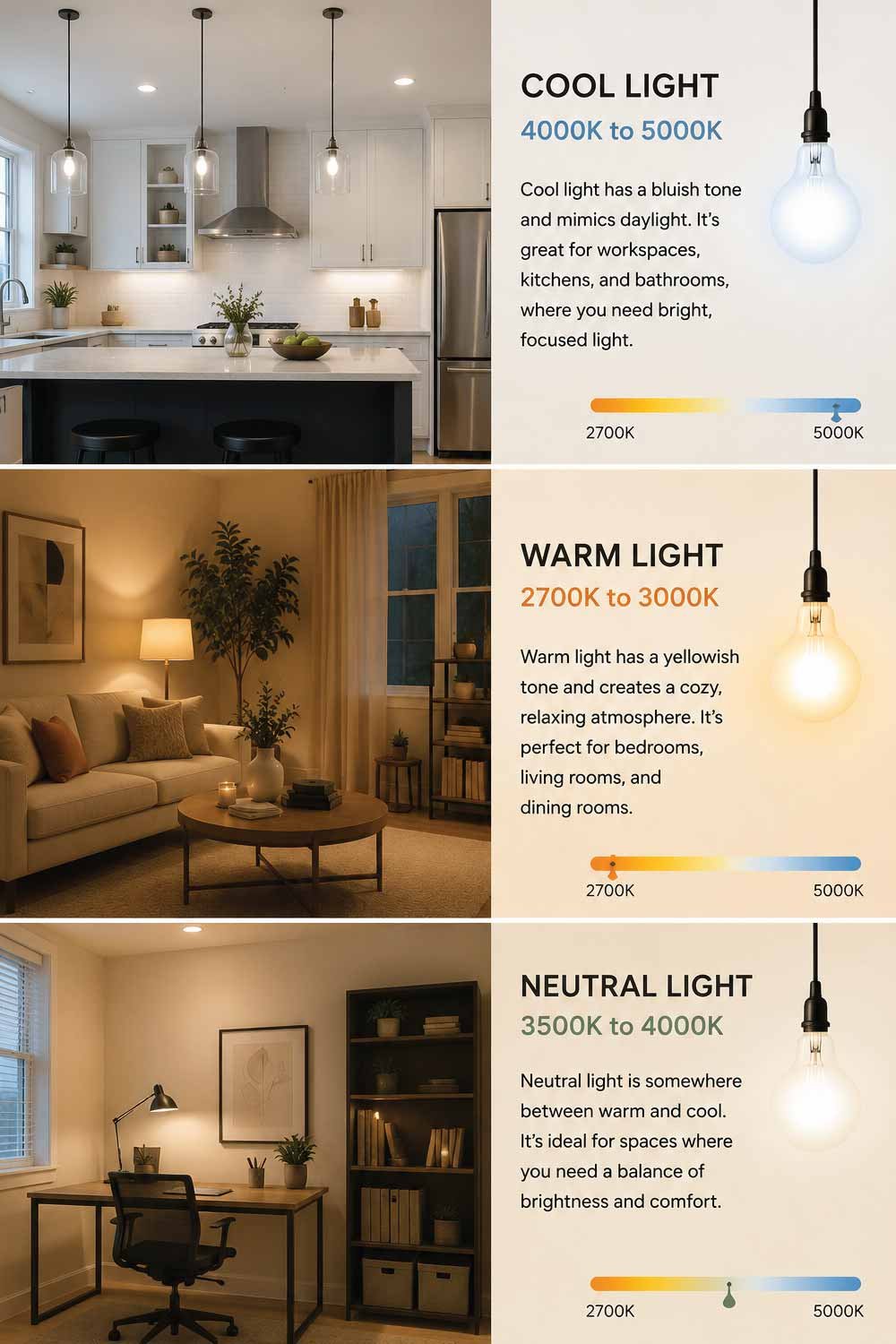
Cool Light (4000K to 5000K): Cool light has a bluish tone and mimics daylight. It’s great for workspaces, kitchens, and bathrooms, where you need bright, focused light.
Warm Light (2700K to 3000K): Warm light has a yellowish tone and creates a cozy, relaxing atmosphere. It’s perfect for bedrooms, living rooms, and dining rooms.
Neutral Light (3500K to 4000K): Neutral light is somewhere between warm and cool. It’s ideal for spaces where you need a balance of brightness and comfort.
Choose the right color temperature based on the function of the room and the mood you want to create.
8. Invest in Adjustable Lighting Fixtures
Having flexible lighting fixtures can make it easier to adjust your lighting as needed. Consider investing in adjustable fixtures such as:
Track lighting: Track lighting allows you to direct light where it’s needed most. It’s perfect for accent lighting, highlighting artwork, or illuminating dark corners.
Pendant lights: Pendant lights can be adjusted in height to provide either task or ambient lighting, depending on their placement.
Adjustable desk lamps: Desk lamps with adjustable arms can help you direct light exactly where you need it, making them perfect for workspaces.
Adjustable lighting fixtures are particularly useful for creating versatile lighting schemes in multipurpose rooms or areas where the lighting needs may change throughout the day.
Also Read:
9. Fix Lighting Issues in Specific Rooms
Certain rooms in your home may have unique lighting needs. Here are some tips for fixing bad lighting in specific spaces:
Living Room: Use a combination of floor lamps, table lamps, and ceiling lights to create a warm, inviting atmosphere. Consider adding wall sconces or accent lighting to highlight artwork or architectural features.
Kitchen: Ensure your kitchen is well-lit with bright task lighting. Install under-cabinet lights to illuminate work surfaces and pendant lights over the island for additional task lighting.
Bedroom: Use soft, warm lighting to create a relaxing ambiance. Bedside lamps and dimmable ceiling lights work well. Consider adding accent lighting around the bed for a cozy feel.
Bathroom: Bright task lighting is essential in the bathroom, especially around mirrors. Use LED vanity lights or sconces beside the mirror to eliminate shadows.
Tailoring your lighting to each room’s function will help you achieve the best possible lighting for every space.
10. Embrace Smart Lighting
If you’re looking for more convenience and customization, consider smart lighting solutions. Smart bulbs can be controlled via your smartphone or voice assistants like Amazon Alexa or Google Assistant. They allow you to adjust brightness, change color temperature, and even set schedules for when the lights turn on or off.
Voice control: With smart bulbs, you can simply ask your voice assistant to adjust the lights, making it easy to change the mood of the room.
Scheduling: Set your lights to turn on or off at specific times, so you never have to worry about manually switching them.
Color-changing lights: Some smart bulbs allow you to change the color of the lights, adding versatility to your lighting design.
Smart lighting offers a modern solution for homes that need flexible, easy to control lighting.
Conclusion
Bad lighting can make your home feel uncomfortable and uninviting, but with a few thoughtful changes, you can transform your space into a well lit, welcoming environment. Start by assessing your current lighting, understanding the different types of lighting, and maximizing natural light. Invest in energy-efficient bulbs, dimmer switches, and adjustable fixtures for ultimate control.
Layer your lighting with ambient, task, and accent lights to create the perfect atmosphere in every room. Don’t forget to consider color temperature and adjust your lighting based on the function of each room. And if you’re looking for added convenience, smart lighting can provide you with the flexibility and control you need.
