
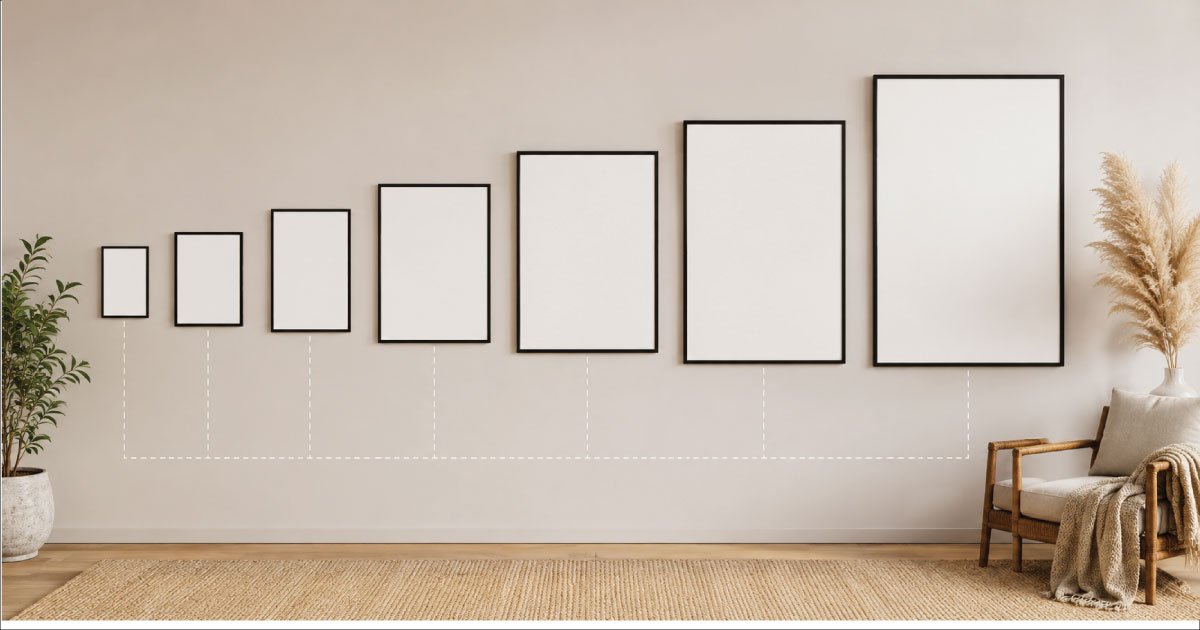
Choosing the right picture frame size is more important than it first appears. A frame doesn’t just hold an image—it affects how the photo, artwork, or poster is perceived, how it fits your wall space, and how professionally it looks once displayed. Many people struggle with mismatched frames, awkward cropping, or buying frames that are slightly too small or too large for their prints.
This guide provides a complete picture frame size chart, explains standard dimensions used worldwide, and helps you confidently choose the right frame for photos, artwork, certificates, posters, and gallery walls.
Table of Contents
ToggleWhy Picture Frame Sizes Matter
A properly sized picture frame plays a crucial role in how artwork or photographs are presented and preserved. Correct sizing ensures visual balance, prevents cropping or damage, and enhances the overall aesthetic of a wall or space. Choosing the right frame size also helps maintain proportion between the image, mat board, and surrounding environment for a professional finish.
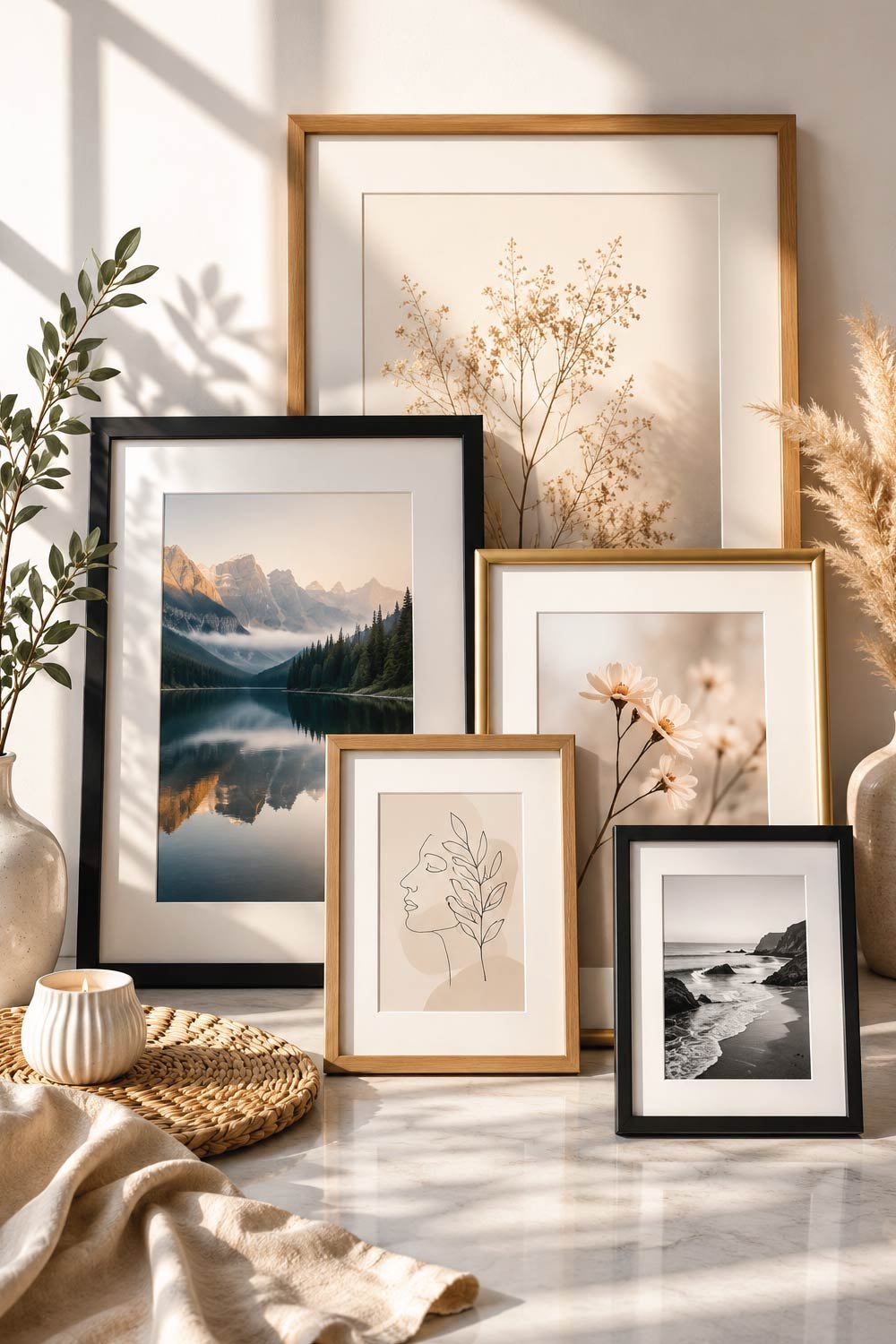
A properly sized frame enhances visual balance. If the frame is too tight, it can crop important parts of the image or damage the edges. If it is too large, the artwork may look lost inside it. The correct frame size ensures:
• Proper fit without cutting the image
• Balanced margins and spacing
• Professional presentation
• Better wall aesthetics
• Protection of the artwork or photo
Frame sizing also matters when adding a mat board (mount), which changes the required internal dimensions.
Understanding Picture Frame Size Basics
Understanding picture frame sizing fundamentals is essential before selecting or purchasing a frame. Frame sizes are standardized based on the artwork or photo dimensions, but internal structure, borders, and matting can slightly affect the final required measurements. Knowing these basics helps avoid mismatches and ensures proper display alignment.
Picture frame sizes are typically measured in inches or centimeters, and they refer to the size of the photo or artwork inside the frame, not the outer dimensions of the frame itself.
For example:
A “5×7 frame” is designed to hold a 5 by 7 inch photo
The actual frame will be slightly larger to accommodate borders and structure
Common measurement units:
• Inches (US, UK, Canada commonly use this)
• Centimeters (Europe, Asia often use metric system)
Conversion:
1 inch = 2.54 cm
Standard Picture Frame Size Chart
A standard picture frame size chart helps users quickly identify common frame dimensions used for photos, artwork, and decorative prints. These standardized sizes simplify selection, ensure compatibility with printed images, and reduce the need for custom framing in most everyday applications.
Small Frame Sizes (Tabletop & Personal Photos)
| Photo Size (inches) | Photo Size (cm) | Common Use |
|---|---|---|
| 3 x 3 | 7.6 x 7.6 | Square Instagram prints |
| 4 x 4 | 10 x 10 | Mini square photos |
| 4 x 6 | 10 x 15 | Standard photo prints |
| 5 x 5 | 12.7 x 12.7 | Square portraits |
| 5 x 7 | 12.7 x 17.8 | Portrait photos |
| 6 x 8 | 15 x 20 | Slightly larger portraits |
These small sizes are commonly used for bedside tables, office desks, and small wall collages.
Medium Frame Sizes (Home & Office Display)
Medium frame sizes are the most commonly used for everyday interior decoration, balancing visibility and space efficiency. They are ideal for displaying portraits, documents, and art prints in homes and professional environments, offering a clean and structured visual presentation without overwhelming wall space.
| Photo Size (inches) | Photo Size (cm) | Common Use |
|---|---|---|
| 8 x 10 | 20 x 25 | Portraits, certificates |
| 8.5 x 11 | 21.6 x 27.9 | Documents, papers |
| 9 x 12 | 23 x 30 | Art prints |
| 11 x 14 | 28 x 35 | Wall portraits |
| 12 x 16 | 30 x 40 | Decorative prints |
These sizes are the most popular for living rooms, hallways, and office walls.
Large Frame Sizes (Wall Art & Posters)
Large frame sizes are designed for bold visual impact and are typically used for artwork, photography, and posters that serve as focal points in a room. These frames enhance wall aesthetics and are commonly used in modern interiors, galleries, and commercial spaces.
| Photo Size (inches) | Photo Size (cm) | Common Use |
|---|---|---|
| 16 x 20 | 40.6 x 50.8 | Art prints, photography |
| 18 x 24 | 45.7 x 61 | Posters |
| 20 x 24 | 50.8 x 61 | Wall décor |
| 20 x 30 | 50.8 x 76.2 | Posters & artwork |
| 24 x 36 | 61 x 91.4 | Large posters |
| 27 x 40 | 68.6 x 101.6 | Movie posters |
These frames are ideal for statement pieces in living rooms, offices, and galleries.
Standard Poster Frame Sizes
Poster frames follow internationally recognized paper size standards, especially in professional printing and design industries. These sizes ensure compatibility with global printing formats and make it easier to frame posters without custom resizing.
Common poster sizes include:
• A4: 8.3 × 11.7 inches (21 × 29.7 cm)
• A3: 11.7 × 16.5 inches (29.7 × 42 cm)
• A2: 16.5 × 23.4 inches (42 × 59.4 cm)
• A1: 23.4 × 33.1 inches (59.4 × 84.1 cm)
• A0: 33.1 × 46.8 inches (84.1 × 118.9 cm)
These are commonly used in Europe, Asia, and professional print shops worldwide.
Also Read: Nightstand Size Chart: Standard Sizes & Measurements
How to Choose the Right Picture Frame Size
Selecting the correct frame size depends on more than just matching dimensions. The right choice affects visual balance, wall harmony, and how effectively the artwork is displayed. Proper planning ensures the frame enhances the image rather than overpowering or diminishing it.
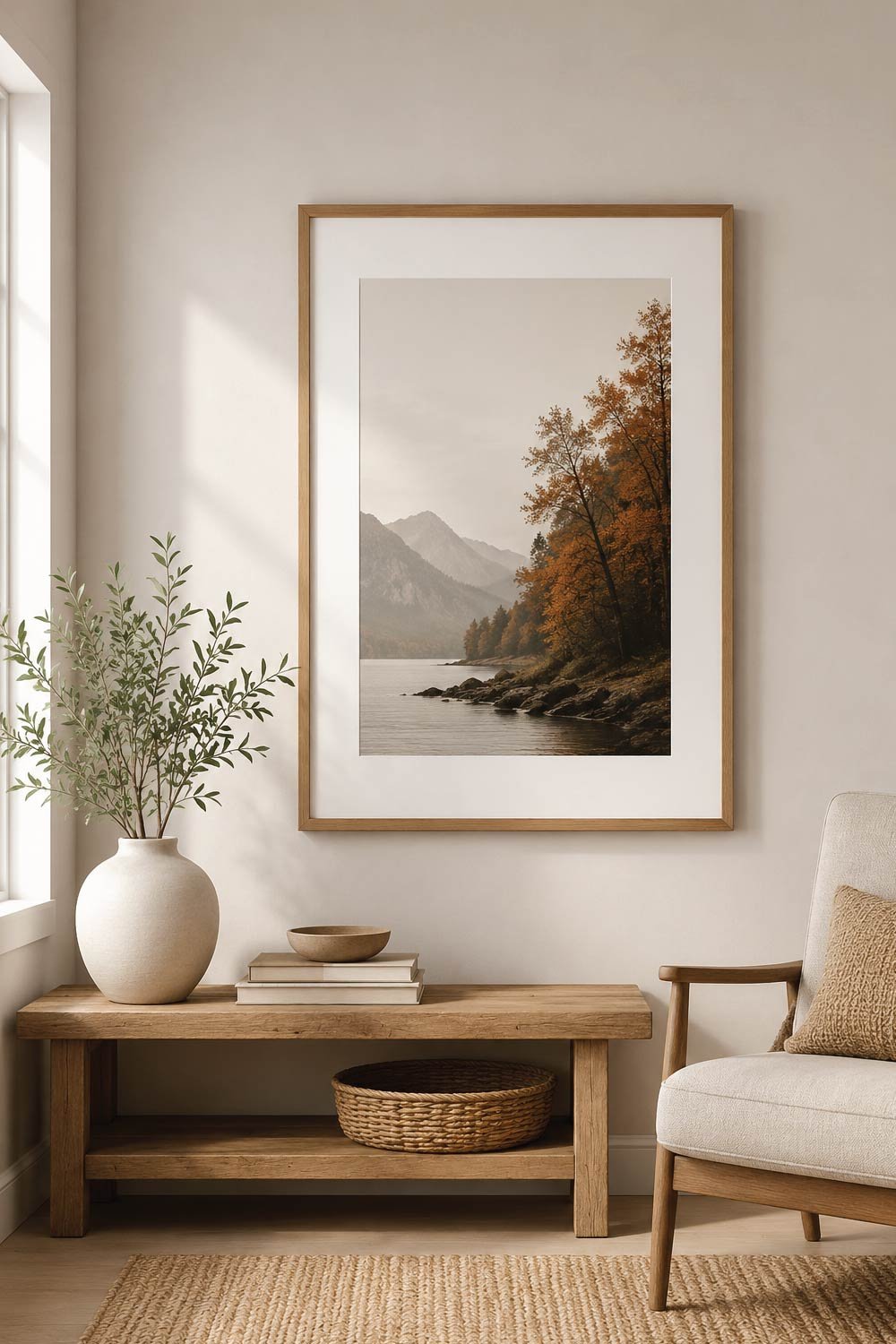
1. Measure the Artwork Precisely
Accurate measurement is the foundation of correct frame selection. Even small discrepancies can lead to poor fit, cropping issues, or uneven spacing inside the frame.
Always measure:
• Width
• Height
• Thickness (if mounted or textured)
Even a 0.25-inch difference can affect fit.
2. Decide on Border Style
Border style determines how the artwork sits inside the frame and how much visual breathing space it has. This choice directly affects the final frame size and overall presentation style.
You can choose between:
- Exact fit frame (tight, edge-to-edge)
- Mat board frame (extra border around image)
Matting increases the outer frame size. For example:
8×10 photo with mat may require a 11×14 frame
3. Consider Viewing Distance
Viewing distance plays a major role in determining appropriate frame size. Larger frames are easier to appreciate from a distance, while smaller frames are meant for close-up viewing and personal spaces.
- Small frames → close viewing (desk, shelf)
- Medium frames → normal wall viewing
- Large frames → room focal points
The larger the viewing distance, the larger the frame should be.
4. Match Frame with Wall Space
Wall proportion is an important interior design principle when selecting frame sizes. Proper scaling ensures that artwork looks intentional and well-integrated within the space.
A common interior design guideline:
Artwork should take up 60–75% of available wall space
For example:
- A large empty wall needs 24×36 or larger frames
- Narrow hallway works better with 8×10 or 11×14 frames
Understanding Matting and Its Effect on Frame Size
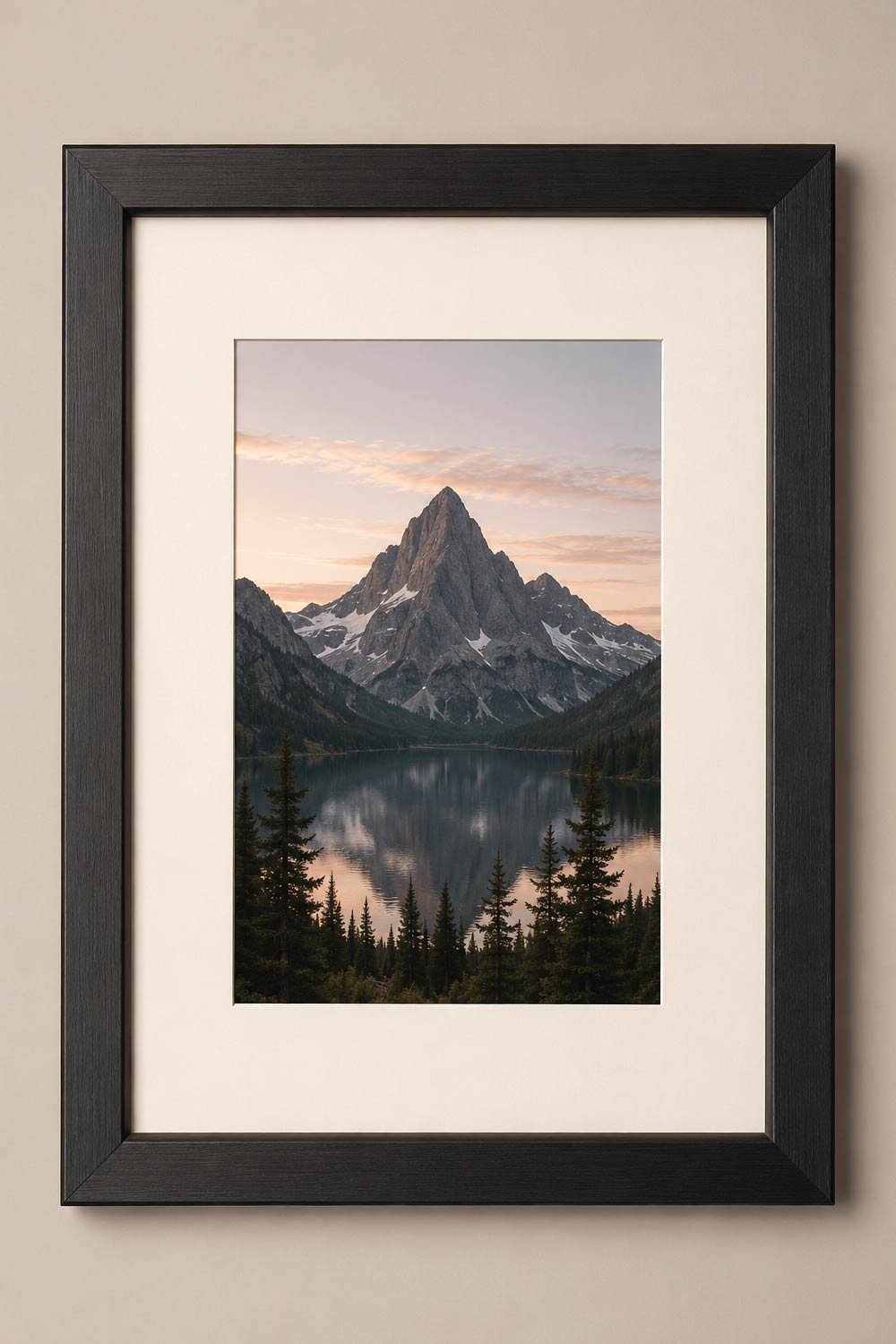
Matting is the border placed between the photo or artwork and the frame. It plays both a decorative and protective role by improving visual presentation and preventing direct contact between the image and glass. This separation helps preserve the artwork while also enhancing its overall display quality.
Benefits of Matting
Matting is widely used in professional framing because it improves both appearance and durability. It also helps guide the viewer’s focus toward the subject by reducing visual distractions around the edges.
• Adds professional gallery look
• Prevents moisture damage
• Highlights the subject
• Creates visual breathing space
Example
Understanding how matting affects frame size is essential for correct planning. Even a small border can significantly increase the required outer frame dimensions.
- Photo size: 8×10
- Mat border: 2 inches
- Required frame: 12×16
Matting significantly changes frame selection, so always plan for it in advance.
Also Read: Crib Size Chart: Standard Crib Mattress Dimensions
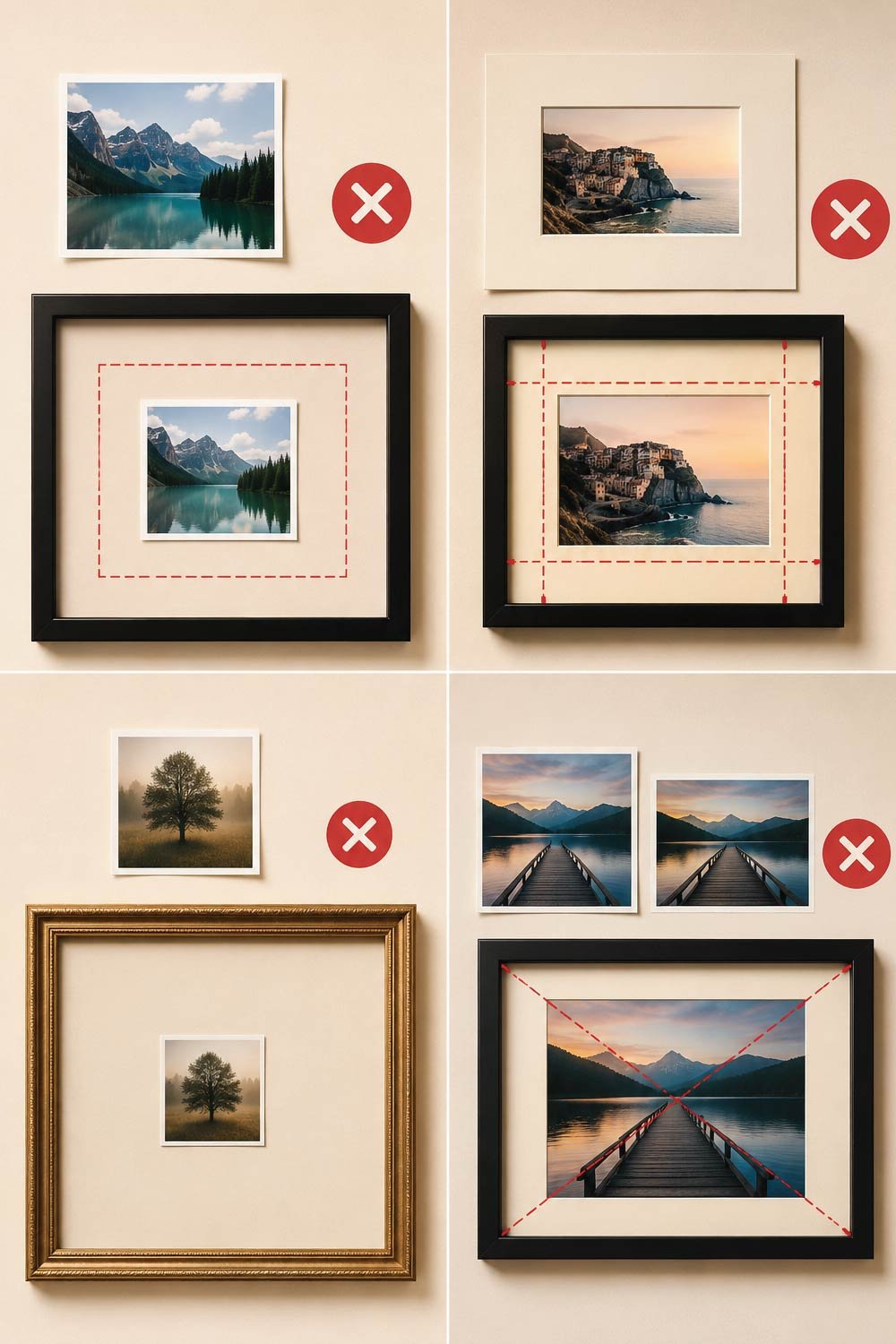
Common Frame Size Mistakes to Avoid
Many people make simple but costly mistakes when buying frames. These errors often result in poor fit, wasted money, or unbalanced visual presentation that reduces the impact of the artwork.
1. Confusing Photo Size with Frame Size
One of the most common mistakes is assuming that the frame size must match the photo size exactly. In reality, the frame opening matches the photo, while the outer frame is always larger.A 4×6 photo does NOT require a 4×6 outer frame—only the inner opening matches that size.
2. Ignoring Mat Thickness
Failing to account for matting can lead to incorrect frame selection. Since mats add extra space around the image, they increase the overall frame dimensions.Not accounting for matting leads to wrong frame purchases.
3. Choosing Oversized Frames for Small Images
Using a very large frame for a small photo without proper scaling or matting can make the image look visually disconnected and unbalanced on the wall.This makes images look lost and unbalanced.
4. Not Checking Aspect Ratio
Ignoring aspect ratio can distort or crop important parts of an image. Maintaining correct proportions ensures the artwork remains visually accurate and professionally presented.Stretching or cropping images to fit frames ruins composition.
Gallery Wall Frame Size Combinations
A gallery wall combines multiple frame sizes to create a visually dynamic and personalized display. Mixing different dimensions adds depth, movement, and character to a wall, making it more engaging than using a single uniform frame size. Proper planning ensures balance while maintaining visual harmony.
Recommended combinations:
- Small cluster: 4×6 + 5×7 + 8×10
- Medium mix: 8×10 + 11×14 + 12×16
- Large statement wall: 16×20 + 18×24 + 24×36
Tips:
Keep spacing equal between frames (2–3 inches)
Use consistent frame color for unity
Mix horizontal and vertical orientations
Also Read: Wall Shelf Size Chart: Complete Size Guide For Walls
Frame Size Selection for Different Uses
Frame size selection depends on purpose, environment, and visual impact. Different settings require different scales to ensure readability, aesthetics, and proper emphasis of the displayed content.
Home décor
Home décor frames are generally medium-sized and used to enhance interior warmth and personality. They work best in living spaces where visual balance and comfort are important.
8×10, 11×14, 12×16
Office use
Office frames are often used for documents, certificates, and professional displays. They are typically clean and structured in appearance to maintain a formal environment.
8.5×11 (documents), 11×14 (certificates)
Photography prints
Photography frames focus on visual storytelling and image clarity. Sizes are chosen to highlight detail and maintain artistic presentation.
8×10, 16×20, 20×30
Posters & artwork
Poster frames are larger and designed for bold visual impact. They are commonly used for decorative or promotional visuals that need strong visibility.
18×24, 24×36, A1 size
Gifts & keepsakes
Smaller frames are ideal for personal memories and gifting purposes. They are easy to display on desks, shelves, or bedside tables.
4×6, 5×7
Quick Reference Summary Chart
A summary chart helps quickly identify commonly used frame sizes for different purposes, making selection easier and more efficient.
• Small photos: 4×6, 5×7
• Medium portraits: 8×10, 11×14
• Large prints: 16×20, 20×30
• Posters: 18×24, 24×36
• Documents: 8.5×11
Final Thoughts
Choosing the right picture frame size is a balance of precision, style, and space planning. A well-selected frame enhances the emotional and visual impact of an image, while a poorly chosen one can diminish even the best photograph or artwork.
When in doubt, always:
- Measure carefully
- Consider matting
- Think about wall space
- Match frame size to viewing distance
With the right understanding of frame dimensions and this chart as a reference, you can confidently select frames that elevate your photos, artwork, and interior spaces.
