
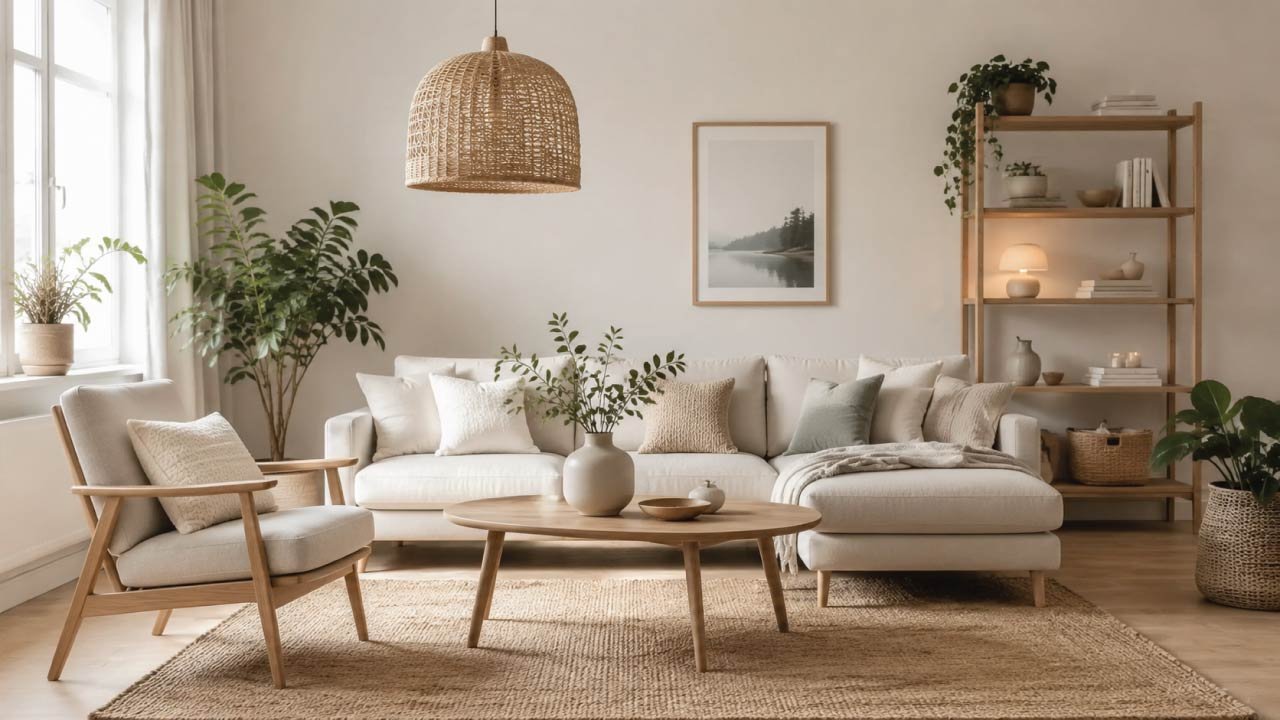
Scandinavian interior design has remained one of the most influential styles in modern homes for good reason. Originating in the Nordic region especially countries like Sweden, Norway, and Denmark this design philosophy focuses on simplicity, functionality, and comfort. It blends clean aesthetics with warmth, creating living rooms that feel calm, bright, and deeply livable.
At its core, Scandinavian living room decor is not about decoration for decoration’s sake. Instead, it emphasizes purposeful design: every object has meaning, every texture adds comfort, and every color contributes to harmony. The result is a space that feels uncluttered yet inviting minimalist without being cold.Below are 12 Scandinavian living room decor ideas to help you bring that timeless Nordic balance into your home.
7. Add Greenery for a Natural Touch
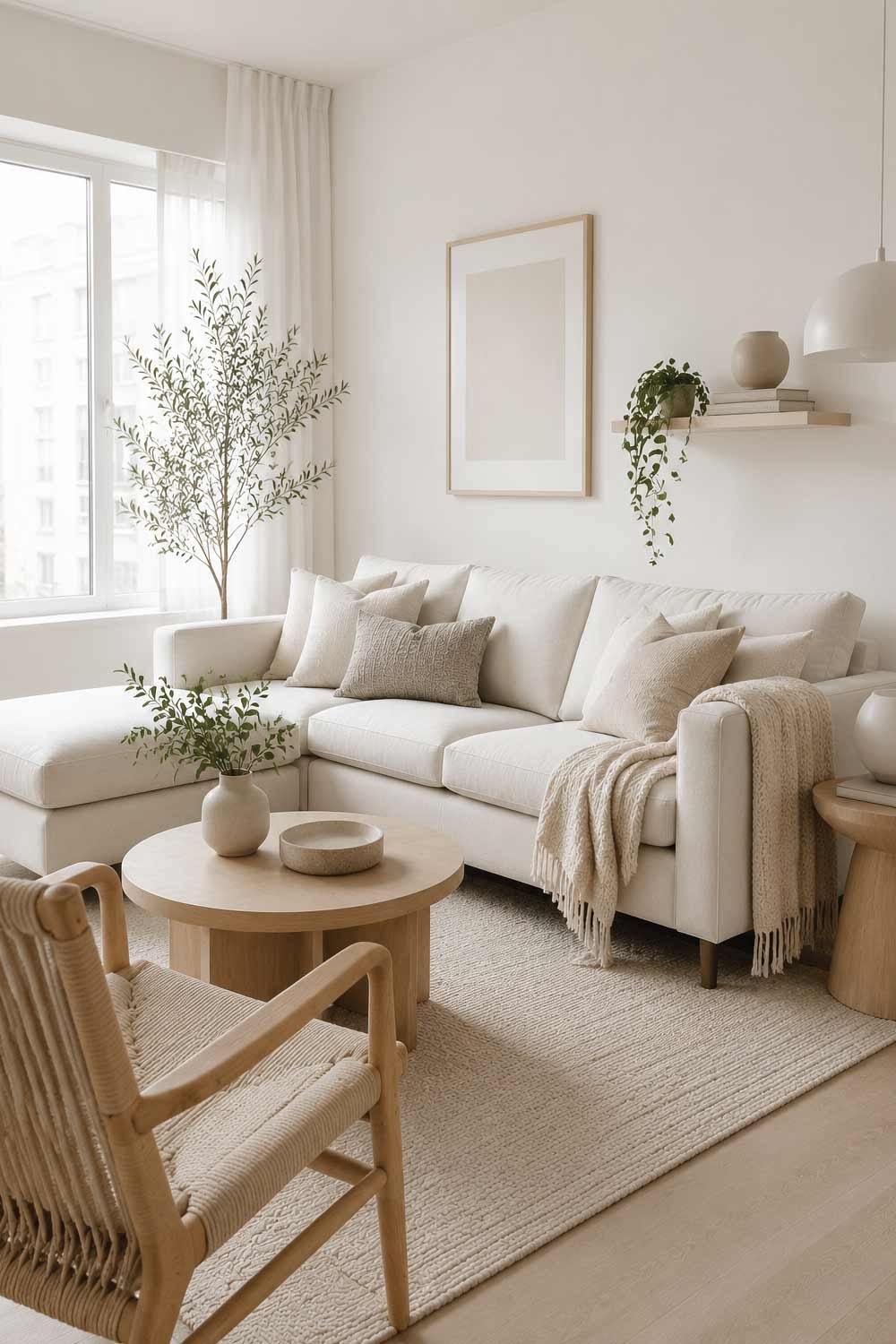
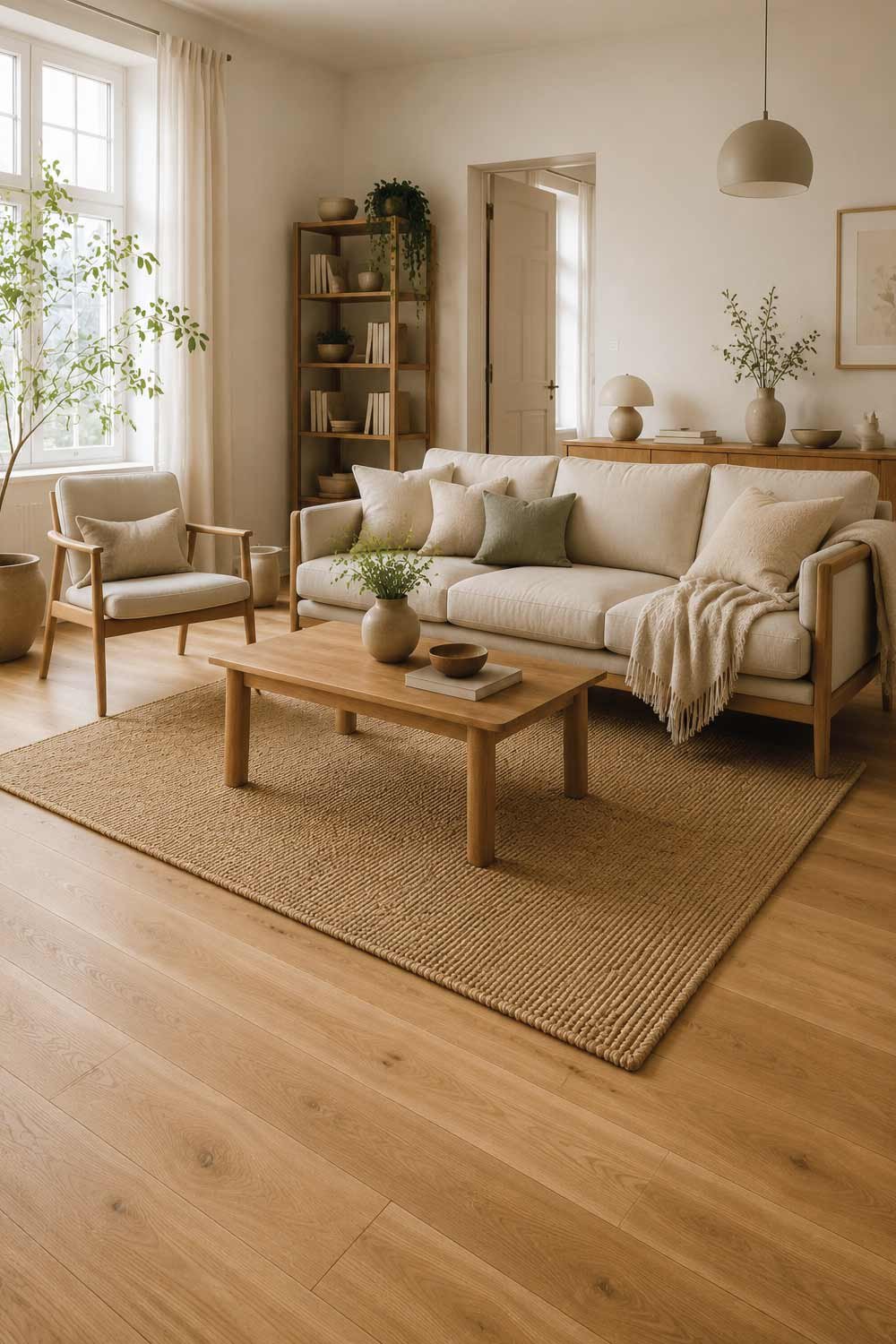
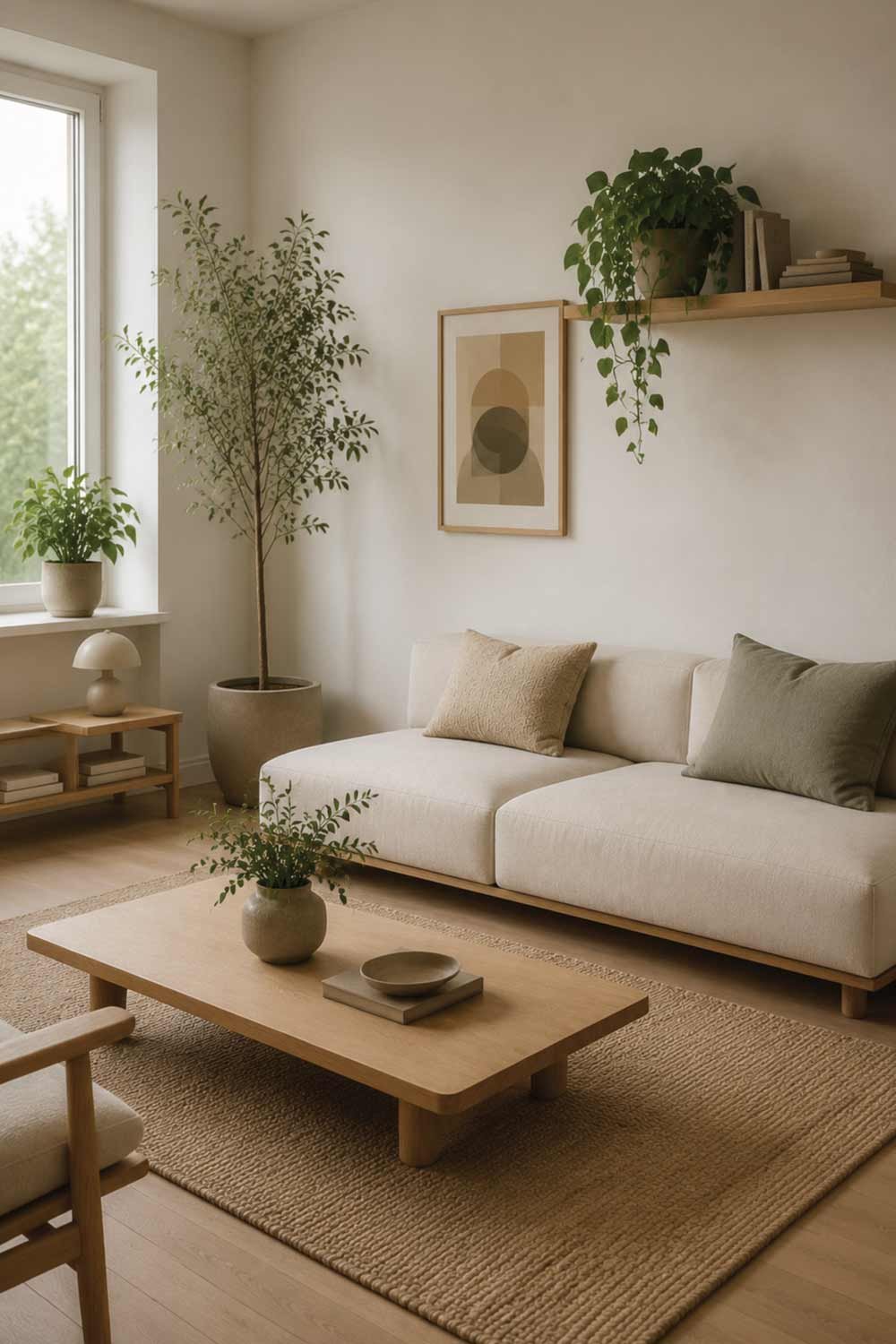
Plants are an important element in Scandinavian interiors because they introduce life, color, and natural energy into otherwise neutral and minimal spaces. The presence of greenery helps soften clean lines and adds a refreshing organic contrast that makes the room feel more vibrant and balanced overall.
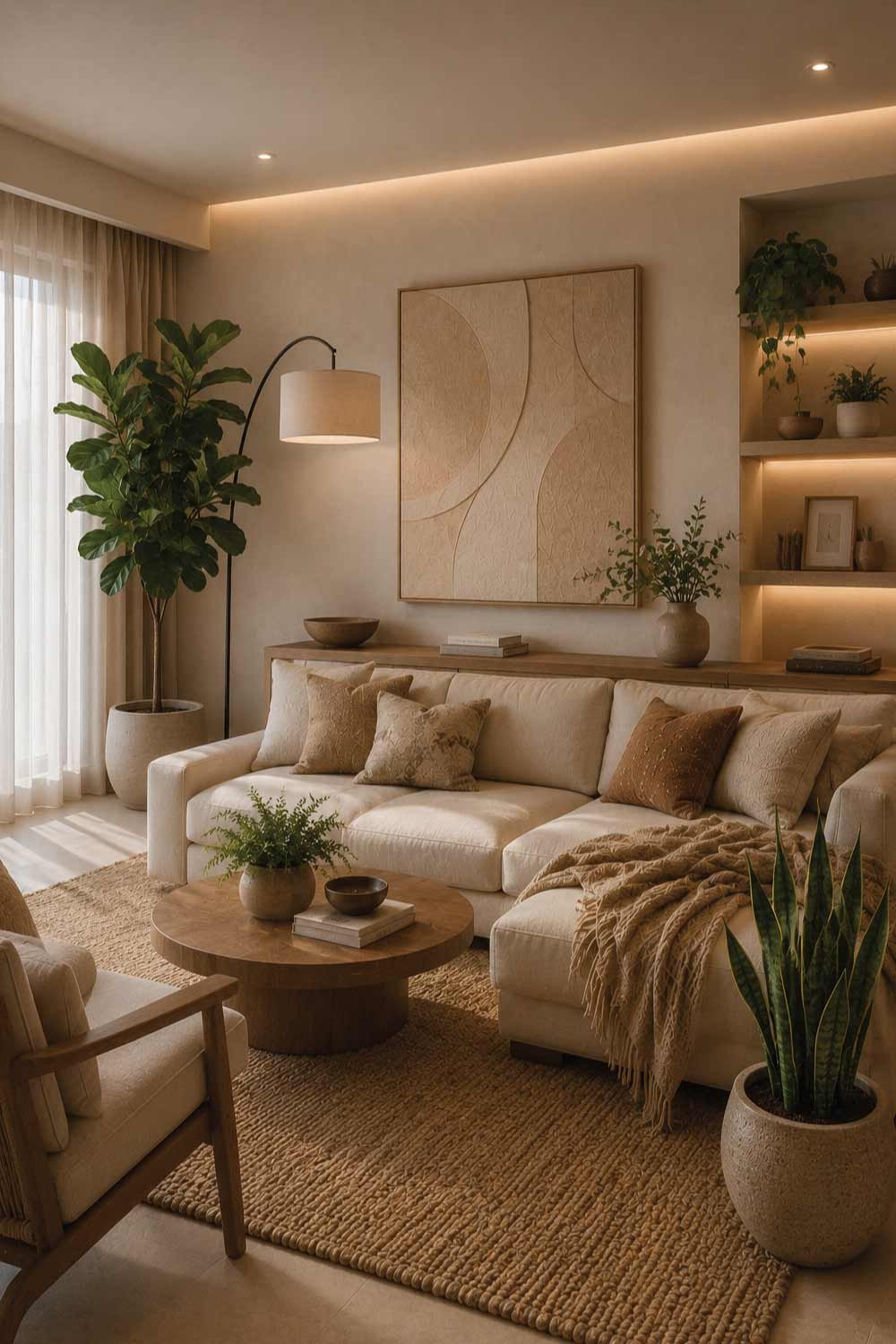
Even a small number of carefully selected plants can significantly improve the atmosphere of a room. They not only enhance visual appeal but also create a calming connection to nature, reinforcing the Scandinavian principle of blending indoor environments with the natural world outside.
- Place fiddle leaf figs in bright corner areas effectively
- Use snake plants for low maintenance indoor greenery choice
- Add small herbs in kitchens for fresh natural fragrance
- Position plants near windows for optimal healthy sunlight exposure
- Limit plant quantity to maintain clean minimalist aesthetic balance
Personal Experience
In one project, I placed just two medium-sized plants in a neutral living room. The space instantly felt more alive and welcoming. The greenery added subtle freshness without overwhelming the minimalist design, creating a perfect natural balance.
8. Embrace Minimal Wall Decor
Scandinavian wall decor focuses on simplicity and intention rather than excess decoration. Walls are treated as breathing space within the room, with only a few carefully chosen pieces that enhance the atmosphere without creating visual clutter or distraction from the overall interior design concept.
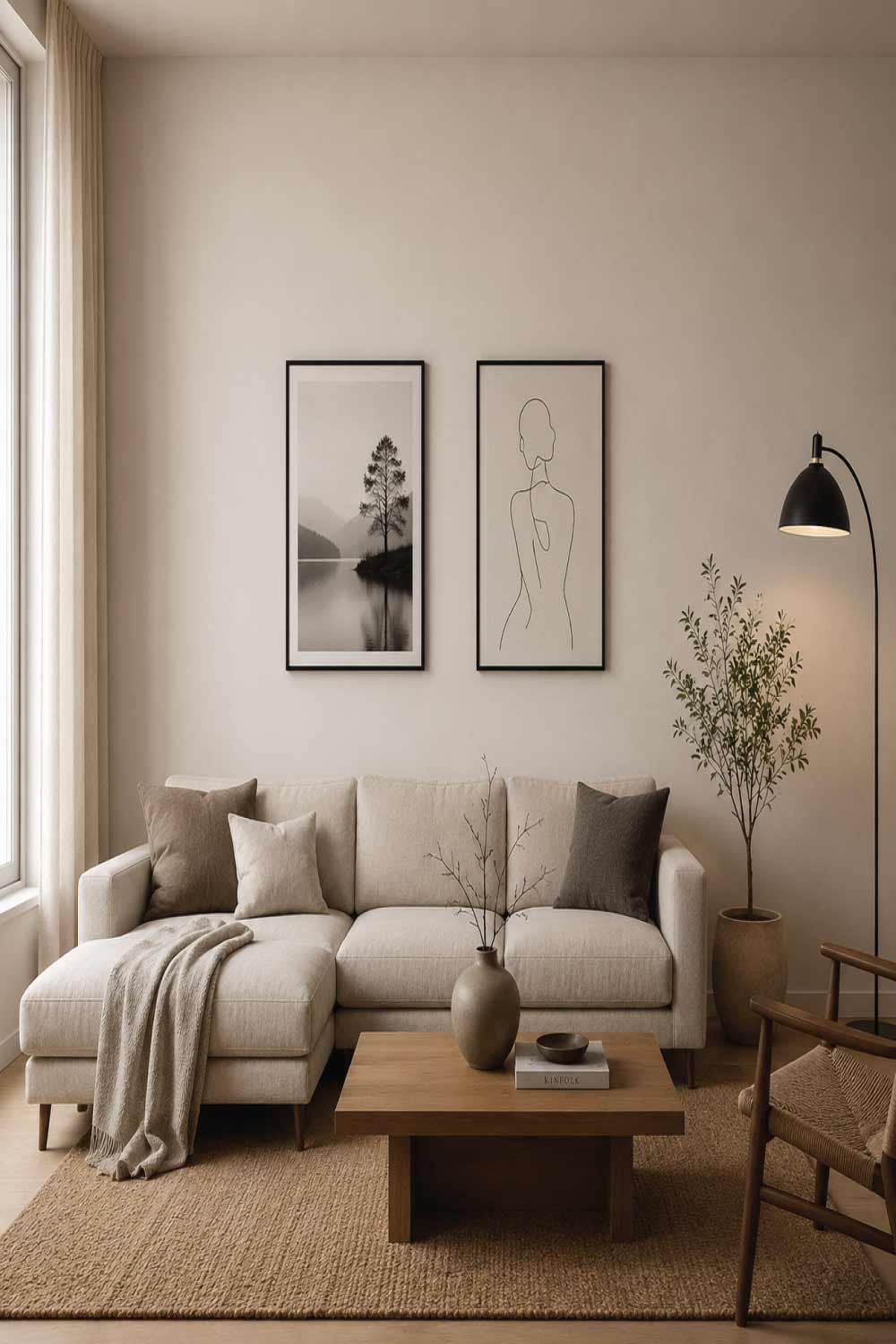
Artwork is typically minimal, often featuring muted tones, simple compositions, or monochromatic photography. The emphasis is on balance and negative space, allowing each piece to stand out while still maintaining harmony with the surrounding neutral environment and clean architectural lines.
- Select black and white photography for timeless elegant appeal
- Use simple line art for subtle artistic expression impact
- Choose muted abstract pieces that blend with interiors smoothly
- Keep frames thin and minimal for clean wall presentation
- Leave ample empty space around artwork for visual balance
Personal Experience
While decorating a living room, I used only two framed prints on a large wall. The simplicity made both pieces more noticeable and impactful. The open space around them created a calm, gallery-like feeling that elevated the entire room.
9. Choose Simple, Honest Materials
Scandinavian design prioritizes authenticity by using materials in their natural and unprocessed forms. Instead of artificial finishes, designers prefer textures that reveal true character, age gracefully, and maintain a sense of honesty that reflects long-lasting quality and sustainable interior design principles.
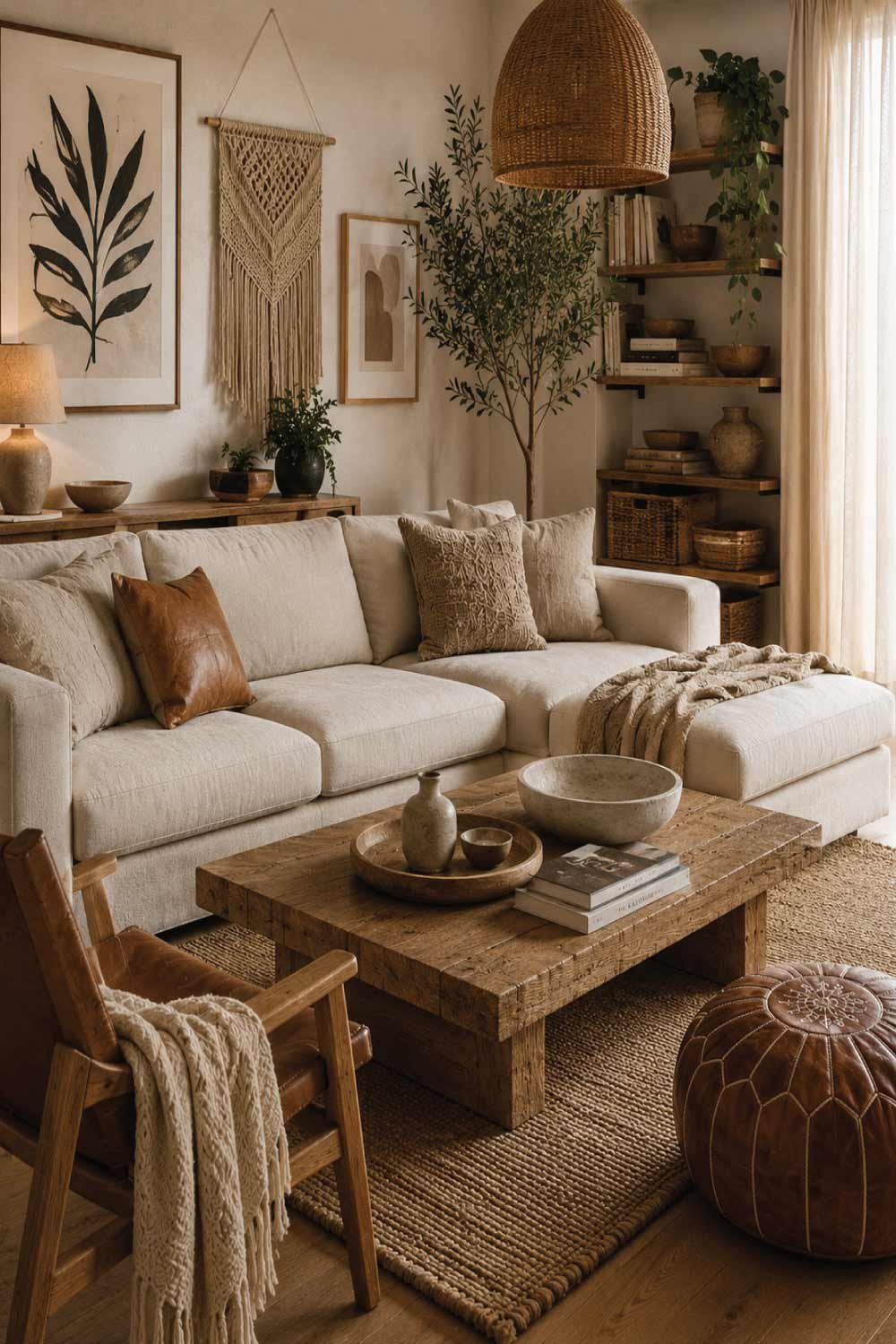
Materials like wood, leather, wool, linen, and stone are commonly used because they bring warmth and durability. These elements create depth and tactile interest while maintaining a simple aesthetic that feels grounded, timeless, and closely connected to natural living environments.
- Use raw wood finishes for authentic natural interior appeal
- Choose wool textiles for durability and warm comfort feel
- Incorporate leather accents for timeless and elegant texture balance
- Add stone elements for grounding natural structural design effect
- Avoid synthetic materials for maintaining organic design integrity focus
Personal Experience
In a previous renovation, I replaced synthetic finishes with raw wood and linen materials. The difference was remarkable, as the space immediately felt more natural and grounded. The textures aged beautifully and added long-term character to the design.
Also Read:
Full Size Mattress Dimensions : Complete Guide for Comfortable Sleep
10. Keep Storage Hidden and Organized
Scandinavian interiors strongly emphasize cleanliness and order, making hidden and efficient storage solutions essential. Clutter-free spaces help maintain a calm atmosphere where every object has a purpose, contributing to a visually balanced and mentally relaxing environment throughout the home design.
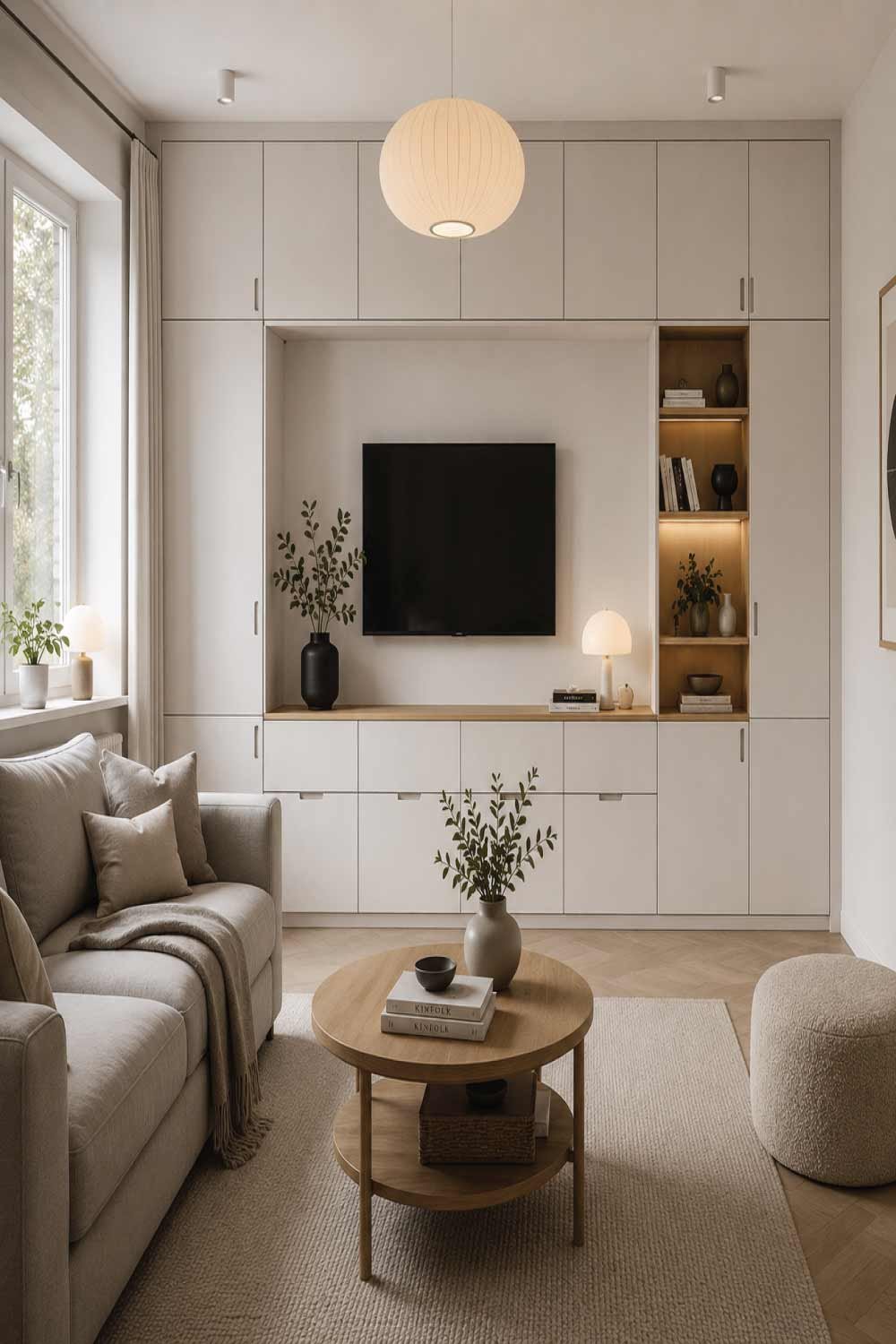
Smart storage solutions ensure that everyday items remain accessible but out of sight. This approach keeps surfaces clean and open, allowing the design elements to breathe while preserving the minimalist aesthetic that defines Scandinavian living spaces and functional interior organization principles.
- Use closed cabinets to conceal everyday household items neatly
- Select multifunctional furniture with integrated hidden storage compartments designs
- Keep countertops clear for maintaining visual simplicity and order
- Organize belongings in labeled storage boxes for easy access
- Avoid open shelving overload to reduce visual clutter distractions
Personal Experience
In my own space, I switched from open shelves to closed storage units. The transformation made the room feel significantly cleaner and more peaceful. It became easier to maintain order daily, reducing visual stress and improving overall comfort.
11. Introduce Subtle Black Accents for Contrast
Although Scandinavian interiors are primarily light and neutral, subtle black accents are used to add definition, contrast, and visual structure. These dark elements prevent the space from feeling overly washed out while enhancing depth and highlighting key design features effectively throughout the room.
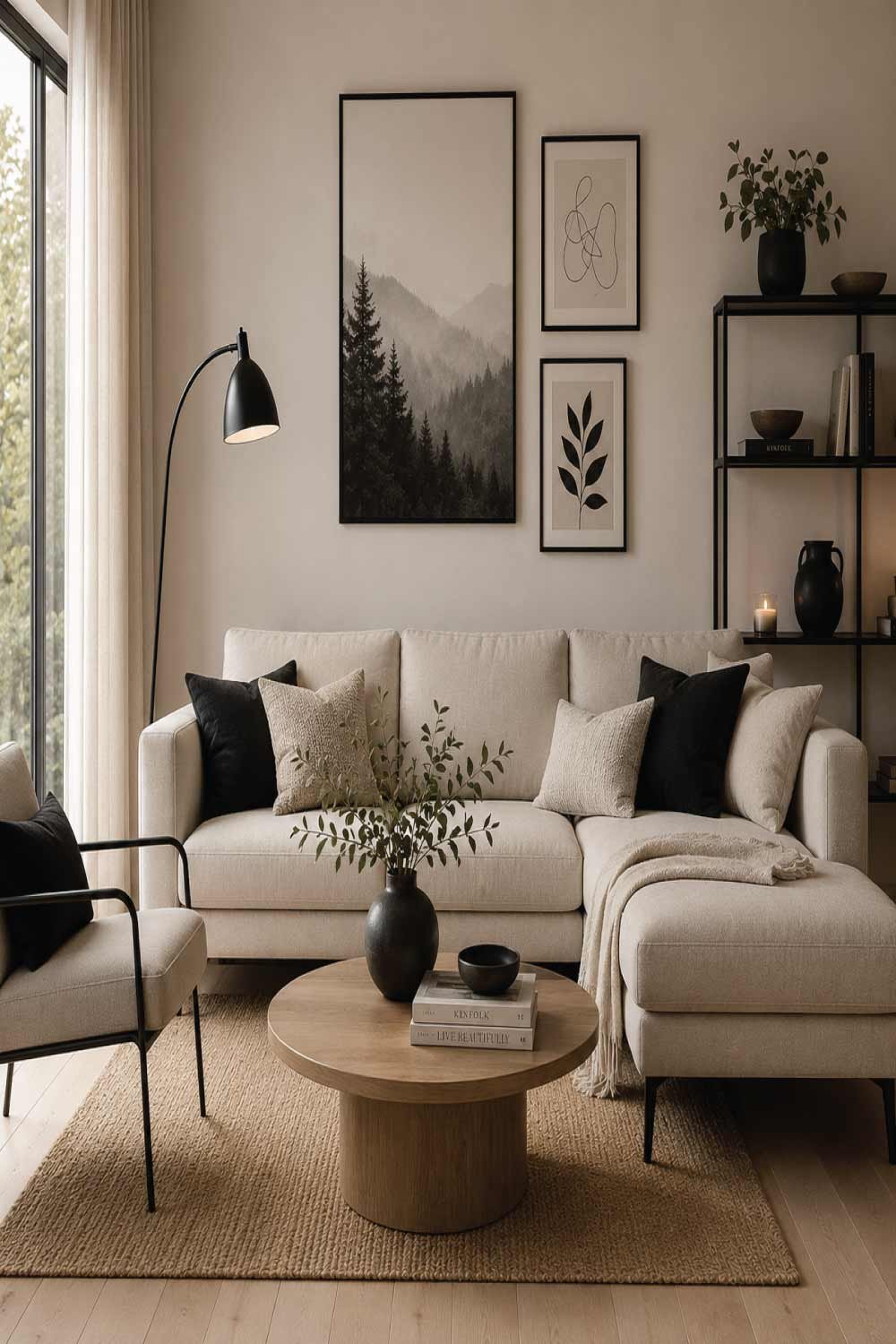
Black accents are typically used sparingly in functional or decorative details. When balanced correctly, they create a refined visual rhythm that anchors the space while still preserving the calm, minimal, and airy atmosphere that defines Scandinavian interior aesthetics and design harmony principles.
- Use black lamp frames for subtle structural contrast effect
- Add dark picture frames to define artwork clearly visually
- Choose black furniture legs for grounding visual balance impact
- Incorporate small black decor pieces for minimal accent touch
- Balance dark tones carefully within light neutral surroundings always
Personal Experience
In one interior setup, I added black metal lamp frames and photo borders. The contrast immediately made the space feel more structured and refined. Even small accents created a strong visual impact without disturbing the overall simplicity.
Also Read:
How to Clean a Mattress at Home: A Complete Step-by-Step Guide
12. Focus on Comfort Through Simplicity
The core of Scandinavian design is achieving comfort through simplicity, where every element serves a purpose while contributing to a calm and functional living environment. The goal is not decoration overload but creating a balanced space that feels natural, relaxing, and easy to live in.
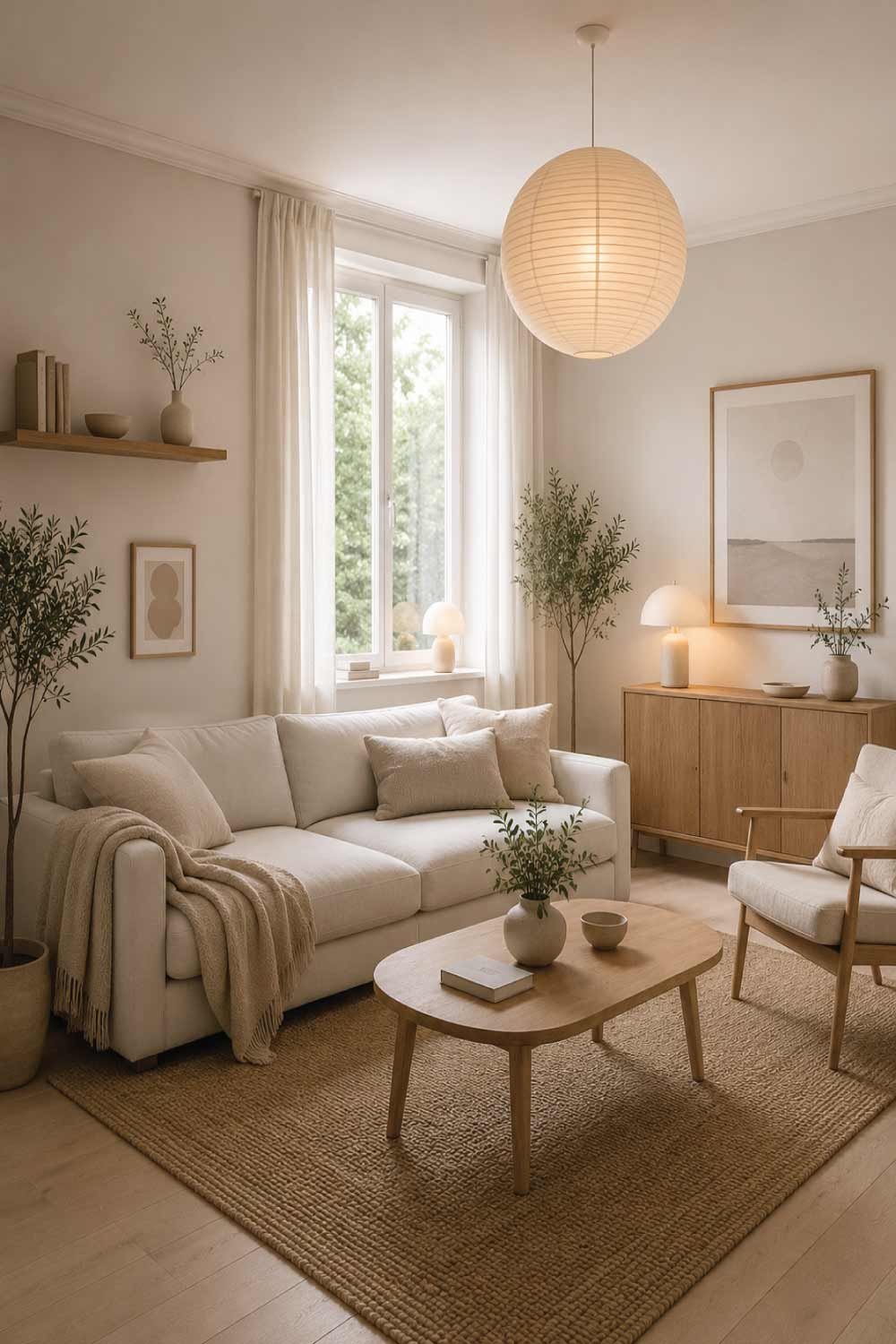
Comfort is achieved through thoughtful choices in furniture, lighting, and layout. When unnecessary clutter is removed, the remaining elements stand out more clearly, allowing the space to feel open, breathable, and emotionally soothing in everyday use and long-term living experiences.
- Prioritize comfortable seating for daily relaxation and support
- Maintain soft lighting for calming and peaceful evening atmosphere
- Keep layouts open to encourage smooth movement throughout space
- Use minimal decor to reduce visual stress and distraction
- Balance all elements for harmony and functional simplicity focus
Personal Experience
In a recent redesign, I removed unnecessary decorative items and focused only on essential furniture. The room instantly felt lighter and more comfortable. The simplicity improved relaxation and made daily living feel more peaceful and organized overall.
How to Bring Scandinavian Style Into Any Living Room
Scandinavian style can be introduced into almost any living room without needing a full renovation or major expense. The key is to focus on simplicity, light, and functionality while gradually replacing heavy or cluttered elements with cleaner, more natural alternatives. Small, intentional changes often create the biggest visual transformation.
Begin with a neutral base
Paint walls in soft white or light gray tones.
Reduce visual clutter
Remove unnecessary furniture and decor items.
Add natural materials
Introduce wood, wool, and linen wherever possible.
Layer thoughtfully
Add warmth through textiles and lighting rather than heavy decoration.
Final Thoughts
Scandinavian living room decor succeeds because it prioritizes how a space feels rather than how it looks on the surface. Rooted in the design traditions of Sweden, Denmark, and Norway, this style blends practicality with beauty in a way that feels timeless and deeply human.
By focusing on simplicity, natural materials, and intentional design choices, you can create a living room that is not only visually appealing but also genuinely comfortable to live in. Scandinavian design is not about having less for the sake of it it’s about making space for what truly matters.
Also Read:

I am Engineer Hassan, a professional engineer with over 15 years of experience in measurements, design accuracy, and furniture, appliance, and home product sizing. Through Size Helper, I provide research-based guides and trending 2026 home design ideas for living rooms, bedrooms, sofas, wall décor, fashion, and sports—helping users make confident, informed decisions. Every guide is written with real expertise, verified data, and a commitment to quality, usability, and style.