
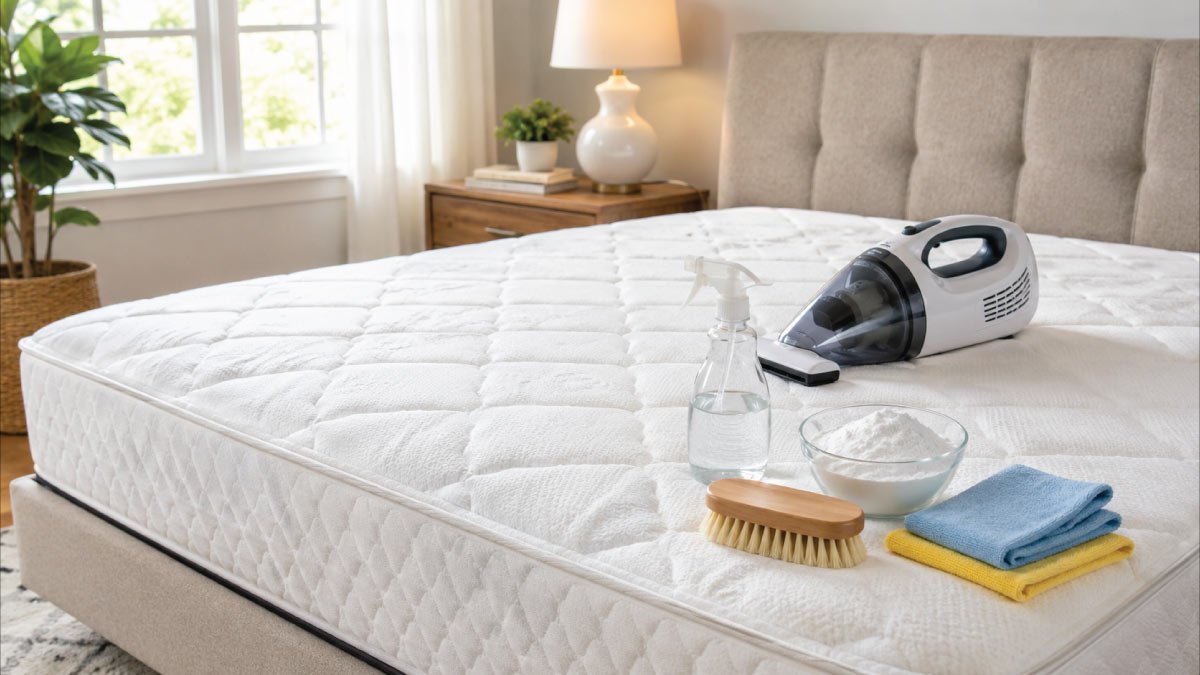
A mattress is one of the most used items in your home, yet it’s often one of the most neglected when it comes to cleaning. We spend roughly one-third of our lives sleeping, and over time, mattresses collect dust, dead skin cells, sweat, stains, allergens, and even bacteria. Learning how to clean a mattress at home is essential not only for hygiene but also for better sleep quality and overall health.
The good news is that you don’t need expensive equipment or professional services to keep your mattress fresh. With simple household items and a bit of time, you can clean, deodorize, and extend the life of your mattress right at home.
This comprehensive guide will walk you through everything you need to know from routine maintenance to deep cleaning tough stains.
Why Cleaning Your Mattress Is Important
Before learning the cleaning steps, it is important to understand why mattress hygiene matters in the first place. Your mattress directly affects your sleep quality, health, and overall comfort. Over time, it collects dust, sweat, and allergens, which can negatively impact both your rest and well-being.
1. Improves Sleep Quality
A clean mattress creates a fresher, more comfortable sleeping surface that supports deep and uninterrupted rest. When dust, odors, and allergens build up, they can disturb sleep and cause irritation. Regular cleaning helps maintain a pleasant sleeping environment, allowing your body to relax fully and improving overall sleep quality.
- A clean mattress smells fresh, feels better, and reduces irritation from dust and allergens, helping you sleep more comfortably.
2. Reduces Allergens and Bacteria
Over time, mattresses can become a breeding ground for dust mites, bacteria, and mold spores, especially in humid conditions. These contaminants can trigger allergies, asthma, and other respiratory problems. Regular cleaning helps control their growth, ensuring a healthier sleep environment and reducing the risk of health issues caused by hidden allergens.
- Dust mites, mold spores, and bacteria thrive in unclean mattresses. Regular cleaning minimizes allergy symptoms and respiratory issues.
3. Extends Mattress Lifespan
Dirt, moisture, and stains can gradually damage mattress materials, causing them to wear out faster than expected. When not cleaned properly, fibers break down and odors become permanent. Regular maintenance helps preserve the structure and quality of the mattress, allowing it to stay supportive and comfortable for a longer time.
- Removing dirt, moisture, and stains prevents material breakdown, helping your mattress last longer.
4. Promotes Better Hygiene
Everyday use causes sweat, body oils, and occasional spills to seep into the mattress, creating an unclean sleeping environment. Without proper cleaning, these substances can lead to unpleasant odors and bacterial growth. Maintaining hygiene through regular cleaning ensures a healthier and more comfortable bed for restful sleep.
- Sweat, body oils, and accidental spills can create an unhealthy sleeping environment if left untreated.
Discover More:
Queen Bed Size: Complete Guide (Dimensions, Inches, Feet & CM)
How Often Should You Clean Your Mattress?
- Vacuuming: Once a month
- Deodorizing: Every 2–3 months
- Deep cleaning: Every 6 months
- Spot cleaning stains: As soon as they happen
Using a mattress protector can significantly reduce how often deep cleaning is needed.
What You will Need to Clean a Mattress at Home
Cleaning a mattress at home becomes much easier when you gather the right supplies in advance. Most of these household items are simple, affordable, and already available in your kitchen or cleaning cabinet. Having everything ready helps you clean efficiently, tackle stains effectively, and maintain proper hygiene throughout the process.
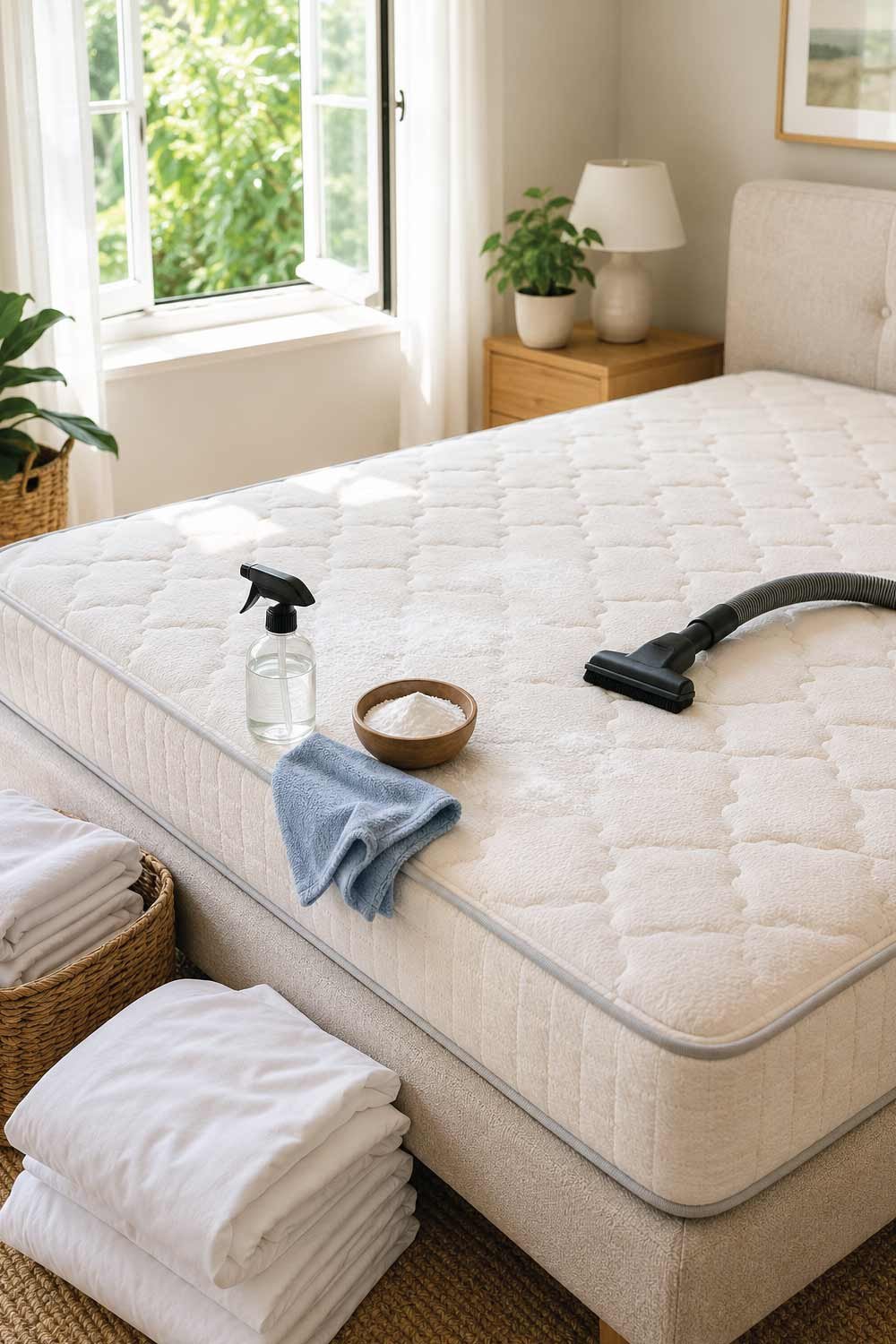
- Vacuum cleaner with upholstery attachment
- Baking soda
- Mild liquid detergent or dish soap
- White vinegar
- Hydrogen peroxide (for tough stains)
- Clean spray bottle
- Microfiber cloths or clean towels
- Cold water
- Essential oils (optional)
Step-by-Step Guide: How to Clean a Mattress at Home
Cleaning a mattress properly requires a structured approach so that dirt, stains, and odors are removed without damaging the fabric or internal layers. Following each step carefully ensures better hygiene, longer mattress life, and a fresher sleeping surface. Take your time with each stage for the best and most effective results.
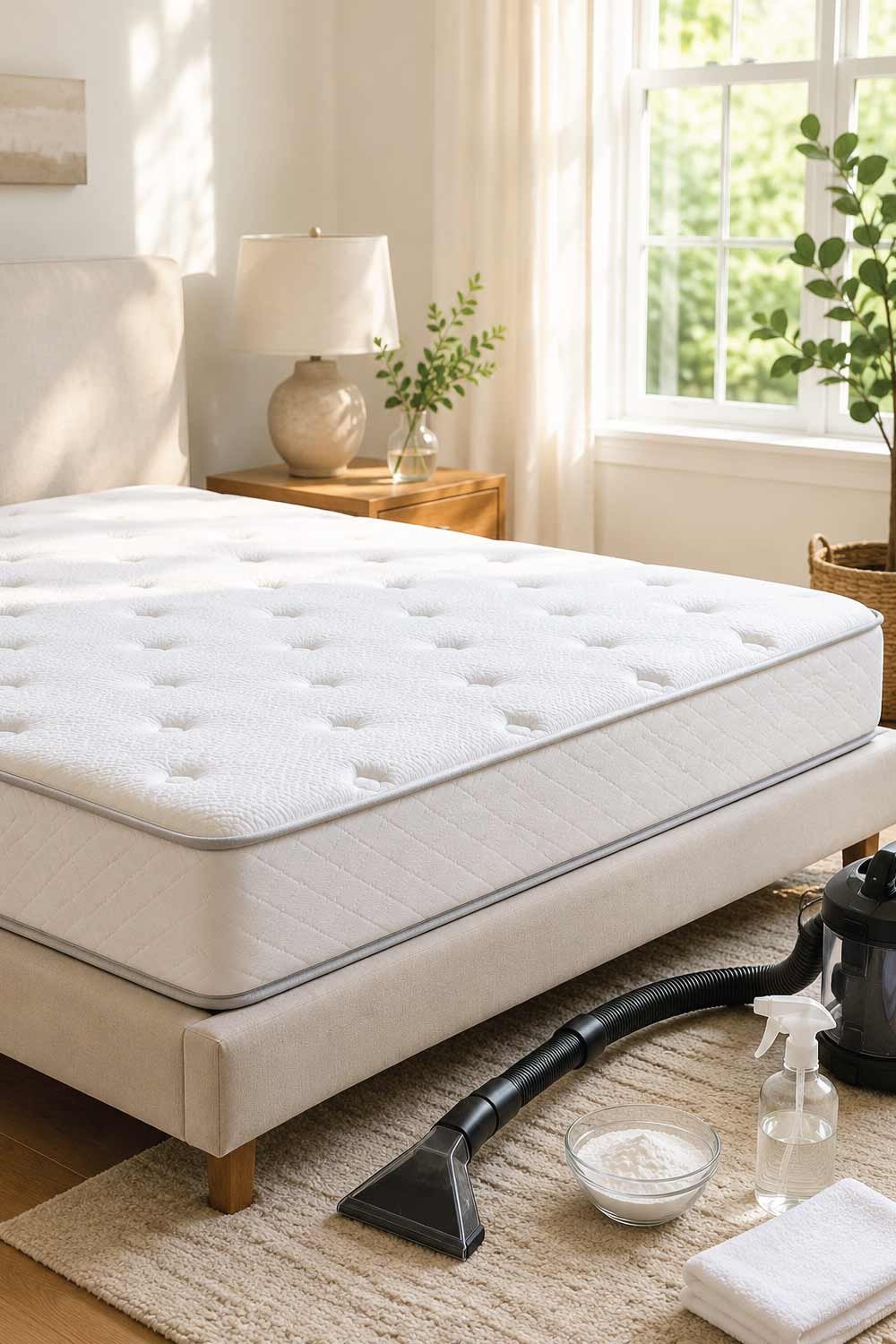
Step 1: Strip the Bed Completely
Remove all bedding, including sheets, pillowcases, mattress protectors, and covers to fully expose the mattress surface. This allows you to clean every area properly. Wash all removable fabrics in hot water if the material permits, as this helps eliminate bacteria, allergens, and dust mites effectively.
Let the mattress breathe while you clean it.
Step 2: Vacuum the Mattress Thoroughly
Vacuuming is the foundation of mattress cleaning because it removes loose dirt and allergens. Use an upholstery attachment to cover the entire surface evenly. Focus on seams, edges, and tufted areas where dust and debris tend to accumulate more heavily over time.
- Seams and edges
- Crevices where dust collects
- Tufted areas
Vacuuming removes dust, hair, skin flakes, and debris, forming the foundation of mattress cleaning.
Step 3: Spot Clean Stains
Spot cleaning targets specific stains and prevents them from becoming permanent. Always blot stains gently instead of rubbing, as rubbing can spread the stain deeper into the fabric and make removal more difficult.
For Sweat and Light Stains
- Mix a few drops of mild detergent with cold water.
- Dampen a cloth and gently blot the stain.
- Use a dry towel to absorb excess moisture.
For Urine Stains
- Mix equal parts white vinegar and water in a spray bottle.
- Lightly spray the stain and let it sit for 10 minutes.
- Blot with a clean towel.
- Sprinkle baking soda over the area and let it dry before vacuuming.
For Blood Stains
- Use cold water only hot water sets blood stains.
- Dab hydrogen peroxide directly on the stain.
- Blot until the stain lifts, then dry thoroughly.
For Grease or Oil Stains
Sprinkle baking soda over the area and let it sit for several hours to absorb the oil, then vacuum.
Step 4: Deodorize with Baking Soda
Baking soda is a powerful natural cleaner that helps remove unpleasant odors and absorbs moisture trapped inside the mattress. It works by neutralizing acidic smells and lifting trapped particles from the fabric, leaving your mattress feeling fresher and cleaner without using harsh chemicals or artificial fragrances.
- Sprinkle a generous layer of baking soda over the entire mattress.
- For a fresh scent, mix baking soda with a few drops of essential oil (lavender or eucalyptus works well).
- Let it sit for at least 4 hours, or ideally overnight.
The longer baking soda stays, the more odors it absorbs.
Step 5: Vacuum Again
After the baking soda has absorbed odors and moisture, it must be completely removed from the mattress surface. Vacuuming at this stage also lifts away loosened dirt and residue, ensuring a clean and refreshed sleeping surface. Slow, careful movements help achieve a more thorough and even clean.
Once the baking soda has done its job, vacuum the mattress thoroughly. Move slowly to ensure all residue is removed. Your mattress should already smell noticeably fresher.
Step 6: Air Dry the Mattress
Proper drying is essential because any remaining moisture can lead to mold, mildew, or unpleasant odors inside the mattress. Air drying helps restore freshness while maintaining hygiene and extending mattress life. Good airflow and sunlight also naturally reduce bacteria and improve overall cleanliness.
- Open windows to improve airflow
- Use a fan to speed up drying
- If possible, let sunlight hit the mattress it naturally kills bacteria and odors
Never cover a damp mattress, as this can lead to mold growth.
Discover More:
How to Clean Different Types of Mattresses
Different mattress types are built with different materials, so the cleaning method must be adjusted accordingly. Using the wrong amount of water or pressure can damage the structure, reduce comfort, or shorten the mattress lifespan. Understanding each type helps you clean safely while maintaining durability and hygiene.
Memory Foam Mattress
Memory foam mattresses are highly sensitive to moisture because they absorb liquid easily and take longer to dry. Excess water can break down the foam structure and cause odor or mold issues, so cleaning should always be gentle and controlled.
- Avoid soaking with water
- Use minimal liquid when spot cleaning
- Focus on baking soda and vacuuming
Spring or Hybrid Mattress
Spring and hybrid mattresses contain metal coils along with foam or fabric layers, making them more durable than memory foam. However, moisture can still damage internal components if not dried properly, especially metal springs that may rust over time.
- Can tolerate slightly more moisture
- Ensure thorough drying to prevent rusting of coils
Pillow-Top Mattress
Pillow-top mattresses have an extra cushioned layer on the top, making them soft and comfortable but also more delicate to clean. The padding can easily get damaged if handled too roughly or scrubbed aggressively during stain removal.
- Be gentle to avoid damaging the padding
- Spot clean carefully and avoid scrubbing
Removing Persistent Mattress Odors
If odors persist even after regular cleaning, you may need stronger natural methods to fully refresh the mattress. These techniques help eliminate deep-set smells instead of just covering them up, ensuring a cleaner and healthier sleeping environment. Consistency and proper ventilation are key for best results.
- Baking soda + sunlight: Extremely effective
- Vinegar spray (light mist): Neutralizes strong smells
- Activated charcoal: Place nearby to absorb odors over time
Avoid heavily scented sprays that only mask smells rather than removing them.
Discover More:
Preventing Future Mattress Stains and Dirt
Preventing dirt, stains, and odors is much easier than removing them later. A few simple habits and protective measures can significantly extend your mattress life while keeping it fresh, hygienic, and comfortable for daily use. Regular care also reduces the need for deep cleaning.
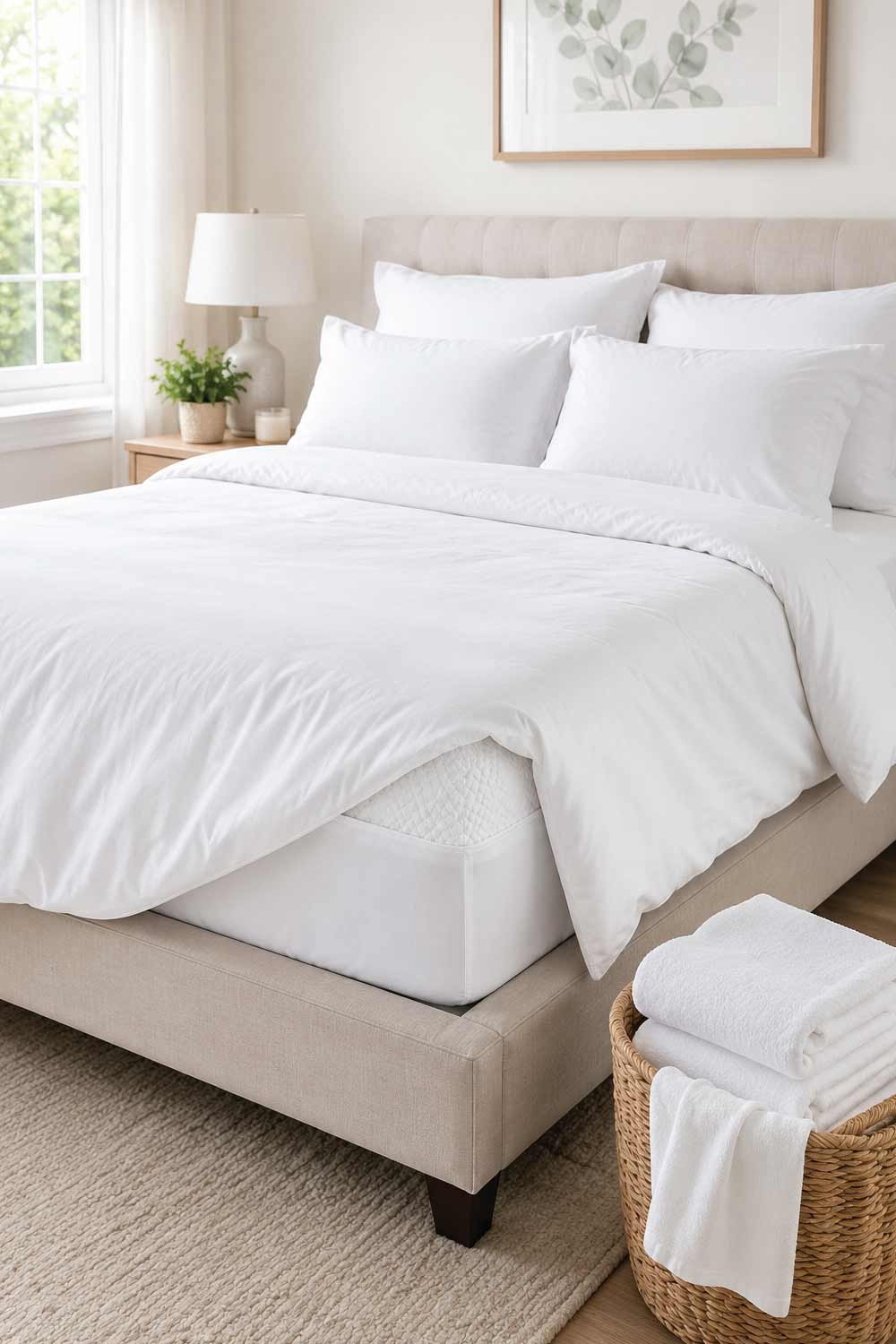
Use a Mattress Protector
A mattress protector acts as the first line of defense against spills, sweat, dust mites, and allergens. It creates a barrier that keeps the mattress clean and dry, making maintenance much easier. Choosing a waterproof yet breathable protector ensures comfort while offering strong protection.
Wash Bedding Weekly
Frequent washing of sheets and pillowcases helps prevent the buildup of sweat, dirt, and bacteria that can transfer to the mattress. Clean bedding not only improves hygiene but also keeps your sleeping environment fresher and more comfortable over time.
Rotate Your Mattress
Rotating your mattress every 3–6 months helps distribute body weight evenly across the surface. This prevents sagging, maintains proper support, and extends the mattress lifespan by reducing wear in one specific area.
Avoid Eating in Bed
Eating in bed increases the risk of spills, crumbs, and stains that can attract pests and create long-term odors. Keeping food away from the sleeping area helps maintain cleanliness and reduces the chances of accidental damage to your mattress.
Common Mattress Cleaning Mistakes to Avoid
Cleaning a mattress may seem simple, but small mistakes can cause long-term damage or make the problem worse. Understanding what not to do is just as important as knowing the correct cleaning methods. Avoiding these errors helps preserve mattress quality, hygiene, and comfort for a longer period.
- Using too much water: Leads to mold and mildew
- Using harsh chemicals: Can damage fabric and foam
- Not drying completely: Causes odors and bacteria growth
- Scrubbing stains aggressively: Pushes stains deeper
Gentle, consistent care is more effective than aggressive cleaning.
Discover More:
When to Consider Professional Mattress Cleaning
While home cleaning methods are effective for regular maintenance, some situations require expert attention. Professional cleaning services use specialized equipment and deep-cleaning techniques that can restore hygiene and remove contaminants more thoroughly than household methods.
- There are severe stains or mold issues
- Allergy symptoms persist despite cleaning
- The mattress has a strong, lingering odor
Professional services use specialized equipment for deep sanitation.
Final Thoughts
Knowing how to clean a mattress at home is an essential life skill that improves hygiene, comfort, and sleep quality. With regular vacuuming, prompt stain treatment, and natural deodorizing methods like baking soda, you can keep your mattress fresh and healthy without spending a fortune.
A clean mattress doesn’t just look better it supports better sleep, better health, and a better home environment. Make mattress cleaning part of your regular household routine, and you’ll notice the difference night after night.

I am Engineer Hassan, a professional engineer with over 15 years of experience in measurements, design accuracy, and furniture, appliance, and home product sizing. Through Size Helper, I provide research-based guides and trending 2026 home design ideas for living rooms, bedrooms, sofas, wall décor, fashion, and sports—helping users make confident, informed decisions. Every guide is written with real expertise, verified data, and a commitment to quality, usability, and style.