
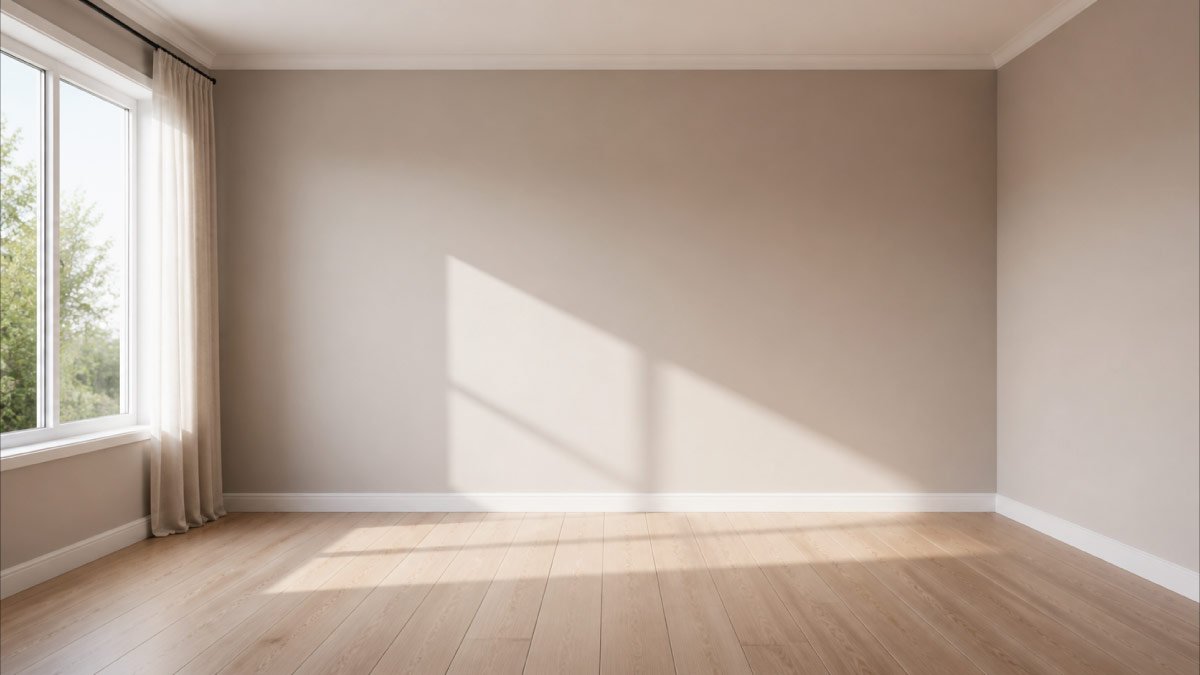
An empty bedroom is like a blank canvas. It may feel overwhelming at first, but it also gives you full freedom to create a space that reflects your personality, supports your lifestyle, and makes you feel comfortable and relaxed. Whether you are moving into a new home, redesigning your current space, or starting from scratch, decorating an empty bedroom can be simple if you approach it step by step.
This guide will walk you through everything from planning the layout to choosing colors, furniture, lighting, and finishing touches so you can transform an empty room into a cozy, stylish bedroom.
1. Start With a Clear Plan
Before buying anything or moving furniture around, take time to plan carefully. A well-thought-out plan helps you avoid costly mistakes, saves time during setup, and ensures your bedroom feels comfortable and functional. Planning ahead also makes it easier to choose the right furniture, colors, and layout that match your space and personal needs.
Measure Your Room
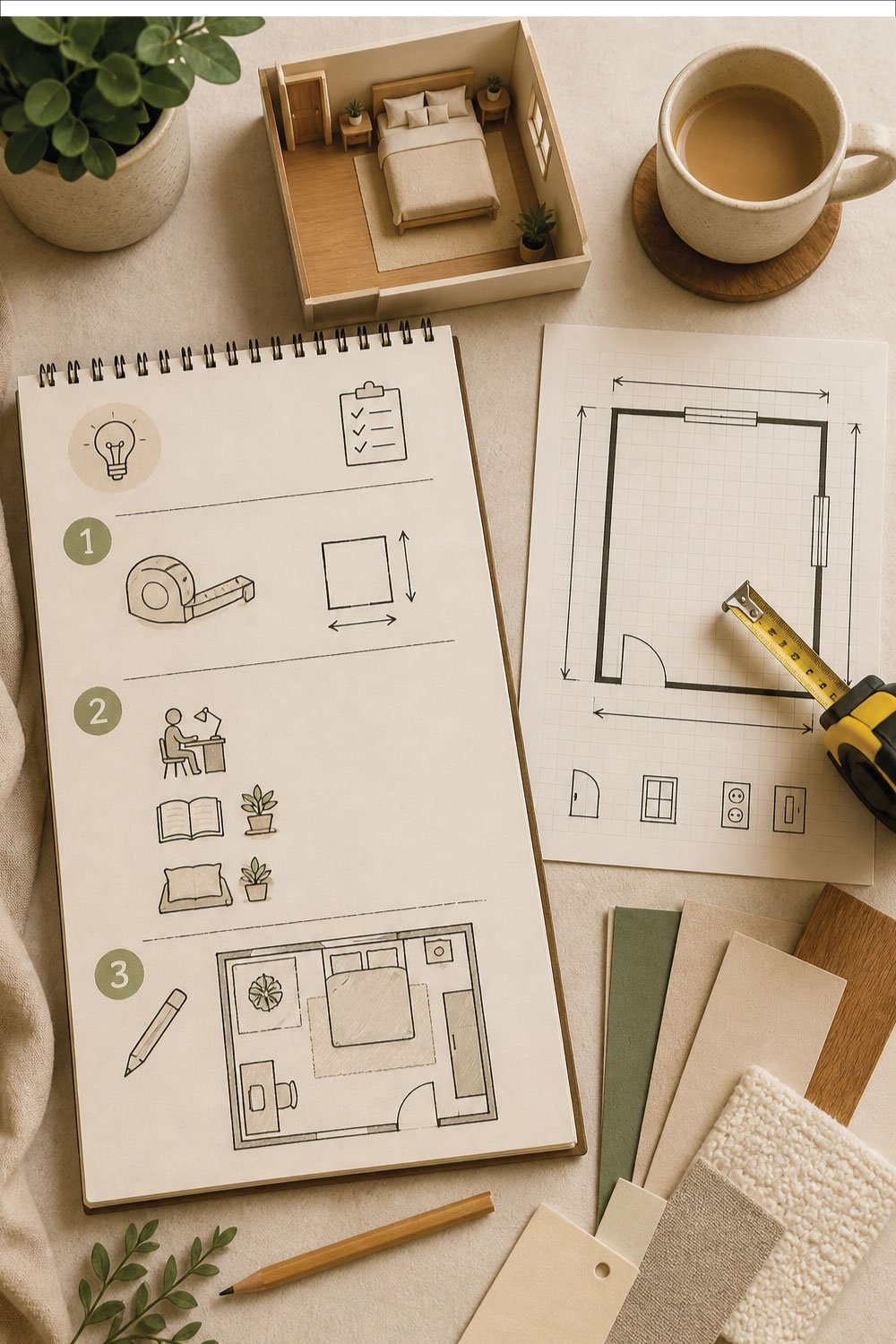
Start by carefully measuring your room to understand its exact dimensions before selecting furniture or planning layout. Accurate measurements help you avoid buying items that are too large or too small. This step also ensures better use of available space, making your bedroom more organized, balanced, and comfortable for everyday living.
Start by measuring:
- Length and width of the room
- Height of the walls
- Window and door positions
- Electrical outlets and switches
These details will help you decide where furniture should go and what size items you can fit.
Decide the Purpose
Even though it is primarily a bedroom, it is important to clearly define how you intend to use the space. Your purpose will influence furniture choices, layout, and overall design. Whether you need it only for rest or also for studying or hobbies, identifying its role helps create a more practical and comfortable environment.
- Just for sleeping and relaxing?
- A study or work area too?
- Space for reading or hobbies?
Knowing this helps you choose the right furniture and layout.
Sketch a Layout
Sketching a layout before arranging furniture helps you visualize the space and avoid mistakes. It allows you to experiment with different placements for your bed, desk, and wardrobe without physically moving heavy items. This step improves room flow, ensures better spacing, and helps you create a balanced and functional bedroom design.
2. Choose a Style Theme
Your bedroom should feel cohesive, comfortable, and visually balanced so that every element works together harmoniously. Choosing a design style early in the planning process makes decisions much easier and prevents confusion later. It also helps you select matching furniture, colors, and décor items that reflect your personality and create a unified look.
Here are some popular styles:
Minimalist
- Clean lines
- Neutral colors
- Simple furniture
- No clutter
Modern
- Sleek furniture
- Bold accents
- Functional design
Cozy Warm Style
- Soft lighting
- Warm colors like beige, brown, or cream
- Comfortable textiles
Bohemian
- Colorful patterns
- Layered rugs and cushions
- Artistic, relaxed vibe
Scandinavian
- Light colors
- Natural wood
- Simple but elegant design
You do not have to strictly follow one style, but having a direction keeps your design consistent.
3. Pick a Color Scheme
Color plays a major role in shaping the atmosphere of your bedroom and directly influences how relaxed, energetic, or cozy the space feels. A carefully chosen palette can make a small room feel more open or a large room feel more intimate. It also ties all furniture and décor together for a more unified and visually pleasing design.
Light Colors
- White, cream, pastel shades
- Make room feel bigger and brighter
- Good for small bedrooms
Dark Colors
- Navy, charcoal, deep green
- Create a cozy, luxurious feel
- Best for larger rooms or accent walls
Balanced Approach
Many designers recommend:
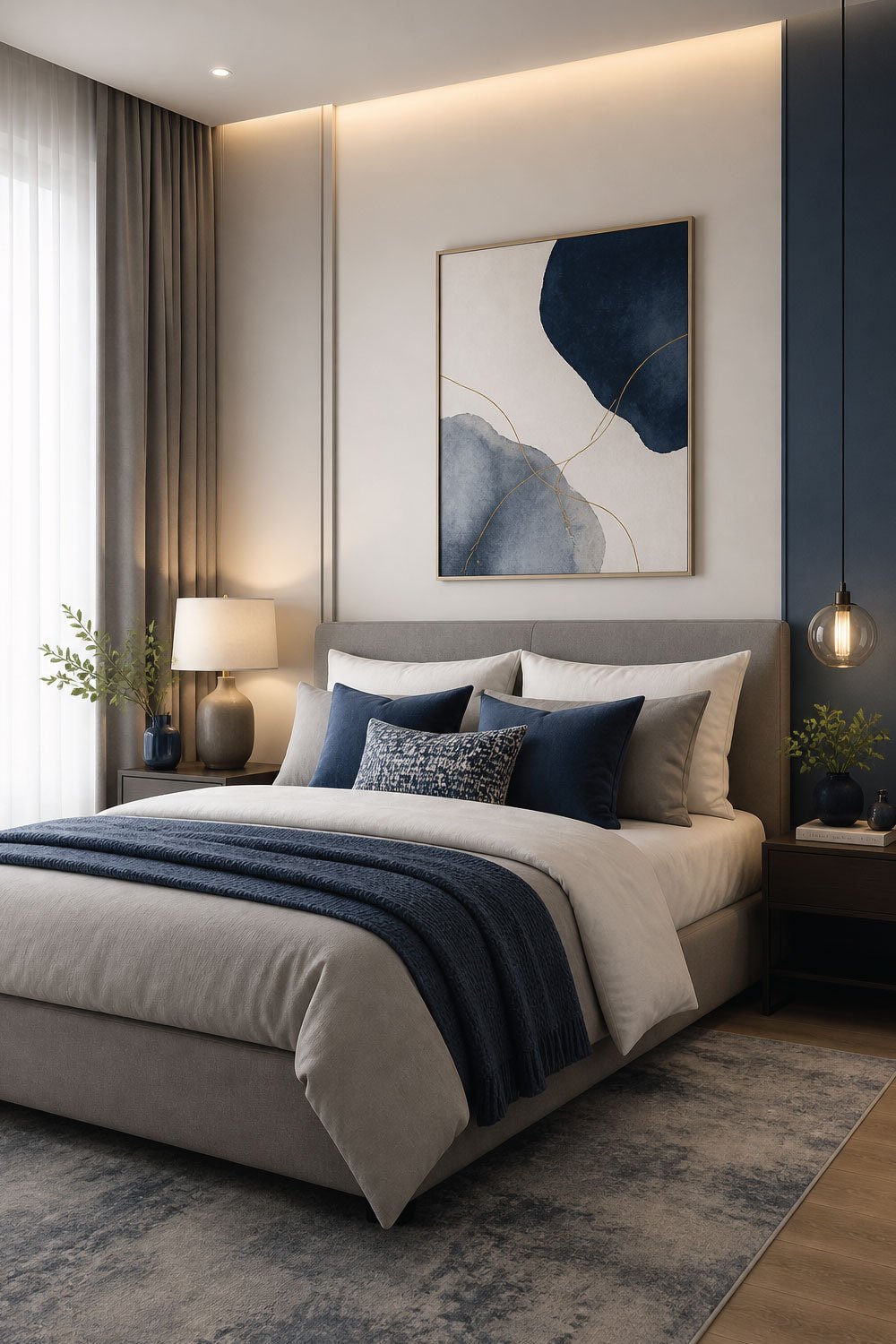
- 60% main color (walls, large furniture)
- 30% secondary color (curtains, bedding)
- 10% accent color (decor items, pillows)
For example:
- White walls
- Grey bed and curtains
- Blue cushions and artwork
4. Choose the Bed First
The bed is the most important piece of furniture in any bedroom because it defines both comfort and layout. Its size, placement, and style affect how the rest of the room is arranged. Choosing the right bed first ensures better space planning, improves movement flow, and helps you build the rest of the room around a central focal point.
Bed Size Options:
- Single bed (small rooms)
- Double bed (medium rooms)
- Queen/King bed (large rooms)
Placement Tips:
- Place bed against the main wall
- Avoid blocking windows or doors
- Leave space on both sides if possible
Bed Frame Style:
- Wooden frames for warm, natural look
- Metal frames for modern style
- Upholstered beds for luxury and comfort
Invest in a comfortable mattress it affects your sleep and health more than anything else in the room.
5. Add Essential Furniture
After selecting the bed, the next step is to carefully choose additional furniture that supports comfort, storage, and daily use. Every item should serve a clear purpose so the room does not feel crowded or cluttered. The right combination of functional pieces helps maintain organization while still keeping the bedroom visually balanced and easy to move around in.
Wardrobe or Closet
- Built-in wardrobes save space
- Sliding doors work well in small rooms
- Keep storage organized with shelves and drawers
Bedside Tables
- Useful for lamps, books, and phones
- One or two depending on bed size
- Keep them simple to avoid clutter
Desk or Study Table (Optional)
If you study or work in your room:
- Place near natural light if possible
- Choose a compact design for small rooms
Chairs or Seating
- A small chair or reading corner adds comfort
- Bean bags or lounge chairs work well in cozy setups
Also Read:
6. Focus on Lighting
Lighting is one of the most important design elements because it directly affects mood, comfort, and how spacious your bedroom feels. A well-planned lighting setup can make the room feel warm and relaxing at night while still bright and functional during the day. Combining natural and artificial light creates the most balanced and comfortable environment.
Natural Light
- Keep windows uncovered during the day
- Use light curtains to allow sunlight
Artificial Lighting
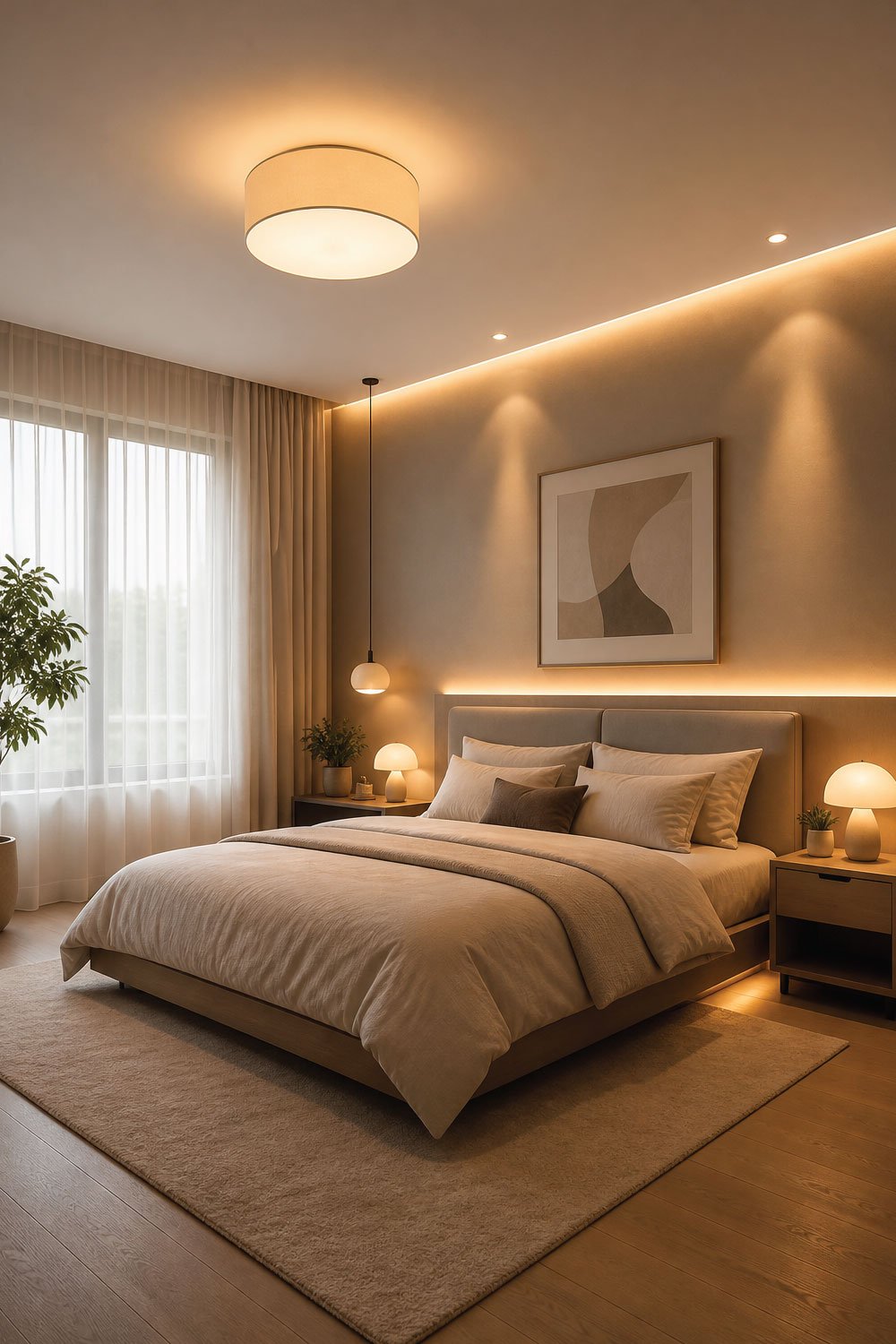
Use a mix of lighting types:
- Ceiling light: Main brightness
- Bedside lamps: Soft, warm reading light
- Accent lights: LED strips or decorative lamps
Warm white light is usually best for bedrooms because it feels relaxing.
Also Read:
7. Use Curtains and Rugs for Warmth
Soft furnishings play an important role in making a bedroom feel inviting, cozy, and fully finished. They add texture, color balance, and comfort that hard furniture alone cannot provide. Choosing the right curtains and rugs can also improve privacy, reduce noise, and help visually tie the entire room design together for a more harmonious atmosphere.
Curtains
- Light fabrics for airy feel
- Thick curtains for privacy and darkness
- Match with your wall colors or bedding
Rugs
- Add comfort underfoot
- Define areas in the room
- Choose size based on bed placement
A large rug under the bed can make the whole room feel more connected.
8. Add Storage Solutions
Keeping your bedroom organized is essential for creating a calm and stress-free environment. Smart storage solutions help reduce clutter, maximize available space, and make everyday items easier to access. A well organized room not only looks cleaner but also feels more spacious and relaxing, improving both comfort and functionality.
Smart Storage Ideas:
- Under-bed storage boxes
- Floating shelves on walls
- Storage ottomans
- Drawer organizers
Keep surfaces like desks and bedside tables as clean as possible.
Also Read:
9. Decorate Walls Thoughtfully
Bare or empty walls can make a bedroom feel unfinished and lacking personality, even if the furniture is well arranged. Thoughtful wall decoration helps bring warmth, character, and visual interest to the space. The key is balance—adding enough décor to make the room engaging without making it feel busy or overwhelming.
Wall Decoration Ideas:
- Framed artwork or posters
- Mirrors (make room look bigger)
- Wall shelves with small decor items
- Wall clocks or minimal designs
Avoid overcrowding the walls choose a few meaningful pieces instead of many random items.
10. Add Personal Touches
This is the final step that transforms a simple bedroom into a space that truly reflects your personality and lifestyle. Personal touches create emotional comfort and make the room feel more inviting and meaningful. These items should tell your story, remind you of good memories, and make the space feel uniquely yours.
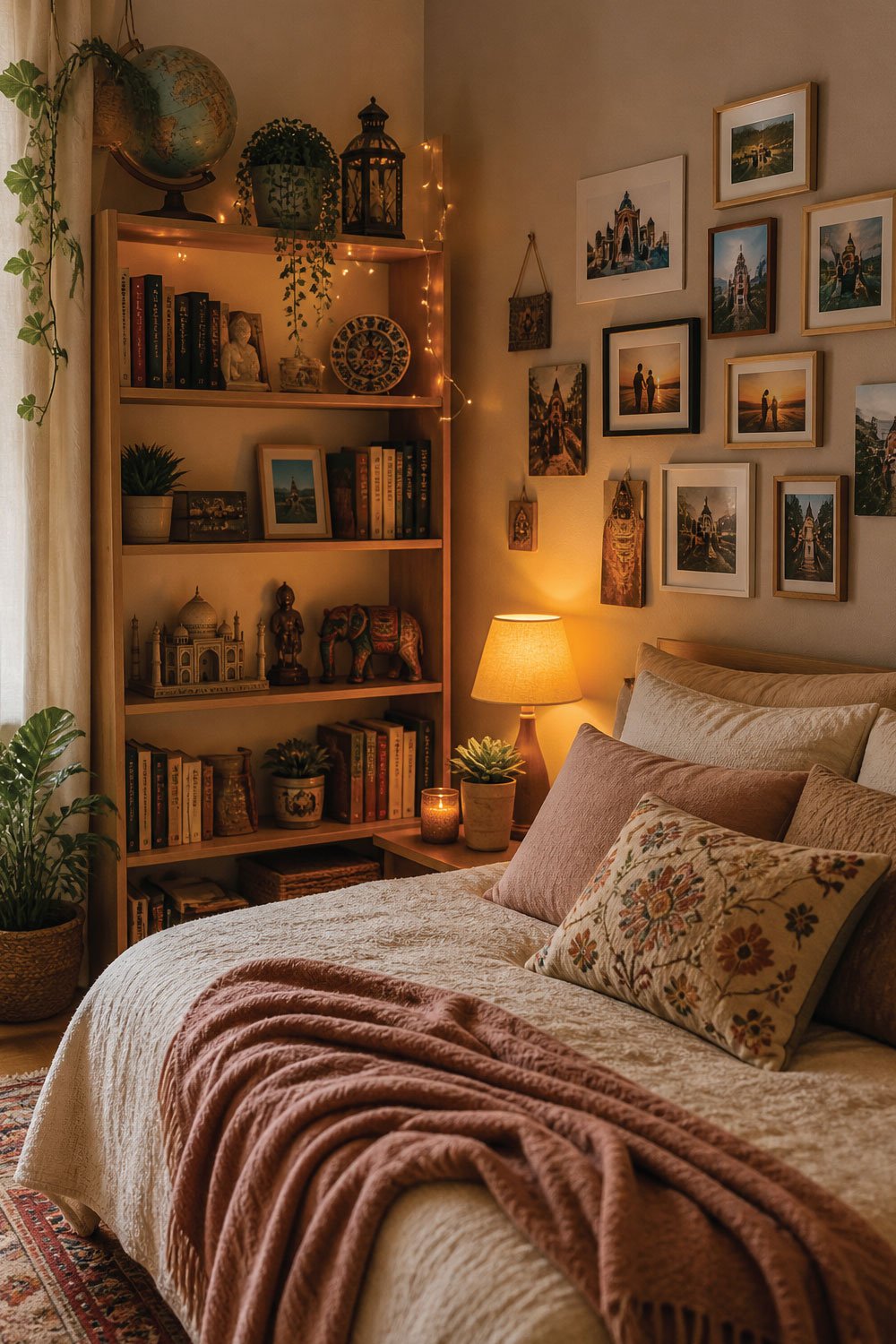
Personal Decor Ideas:
- Photos of family and friends
- Travel souvenirs
- Favorite books
- Handmade crafts
These elements make your bedroom feel lived-in and emotionally comforting.
11. Include Plants for Freshness
Indoor plants are a simple yet powerful way to enhance your bedroom environment by bringing in natural freshness and improving air quality. They add color, texture, and a calming natural element that makes the space feel more peaceful and alive. Even a few small plants can significantly change the mood of your room and create a more relaxing atmosphere.
Good options:
- Snake plant
- Peace lily
- Aloe vera
- Small succulents
If you don’t want maintenance, artificial plants are also an option.
Also Read:
12. Keep Balance and Avoid Overcrowding
One of the most important principles in bedroom design is maintaining balance so the space does not feel too full or chaotic. Overcrowding with furniture, décor, or accessories can make even a large room feel small and uncomfortable. A well-designed bedroom should always prioritize openness, calmness, and ease of movement.
A good bedroom should feel:
- Spacious
- Calm
- Organized
If something doesn’t serve a purpose or bring joy, it might not need to be there.
13. Final Touches That Make a Big Difference
The final stage of designing a bedroom is all about refining details that enhance comfort, style, and atmosphere. These small additions may seem minor on their own, but together they significantly elevate the overall look and feel of the room. They help create a cohesive, polished space that feels warm, inviting, and thoughtfully designed.
- Matching bedsheets and pillows
- Scented candles or diffusers
- Soft throw blankets
- Stylish lamps
- Coordinated color accents
These finishing touches bring everything together.
Conclusion
Decorating an empty bedroom is not about filling it quickly it is about building a space that feels right for you. Start with planning, choose a style, pick the right furniture, and slowly layer in colors, lighting, and personal items.
A well decorated bedroom is not just visually appealing it improves your mood, sleep quality, and daily comfort. Take your time, experiment with ideas, and enjoy the process of turning an empty room into your own personal retreat.
