
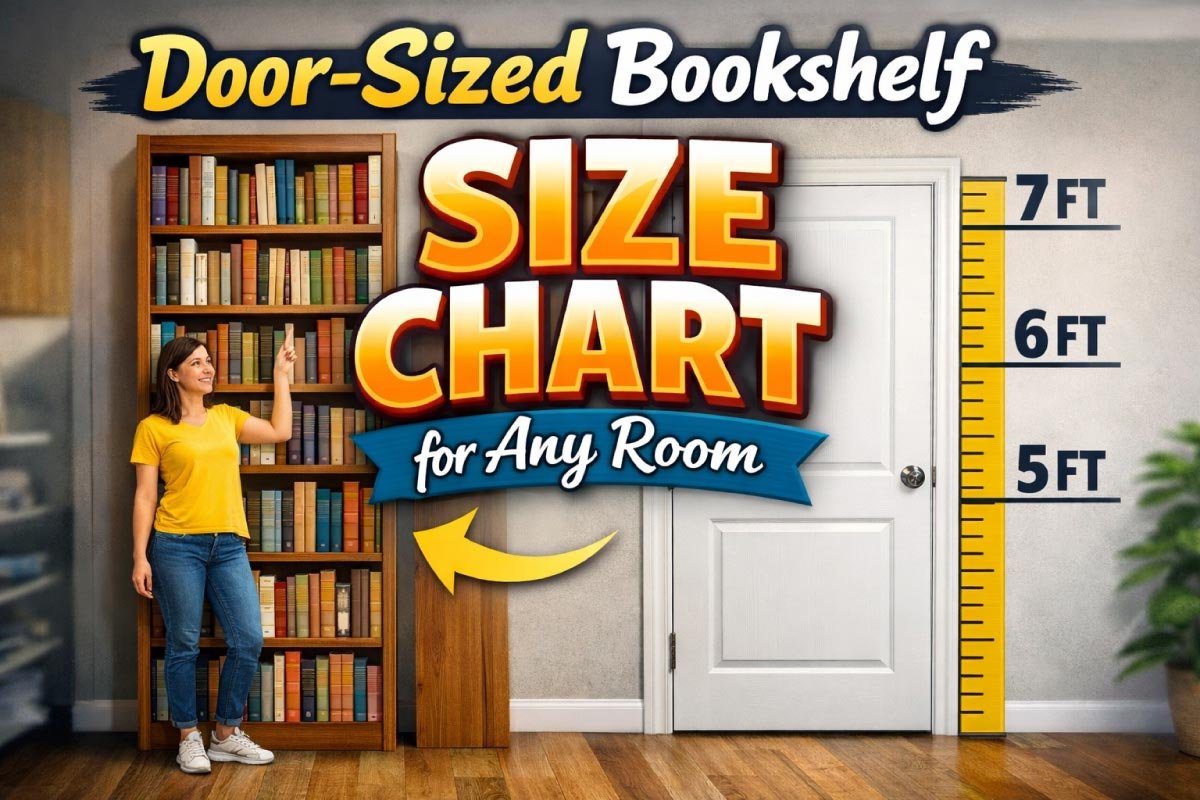
Bookshelves are more than just storage solutions—they are statement pieces that reflect your style and organization preferences. One innovative option gaining popularity is the door-sized bookshelf, designed to fit seamlessly into standard door frames while maximizing vertical space.
These bookshelves are ideal for small nooks, hallways, or behind doors, and can also serve as room dividers or decorative walls in larger spaces. Choosing the right size ensures stability, functionality, and aesthetic appeal, whether you are in a compact apartment or a spacious living area.
This guide breaks down everything you need to know about door-sized bookshelf dimensions, placement, and design, with clear charts to simplify the decision-making process.
Understanding Door-Sized Bookshelves
Door-sized bookshelves are tall, narrow units designed to fit spaces comparable to a standard door.
They optimize vertical storage without crowding a room, making them ideal for small or oddly shaped areas.
Consider height, width, and clearance carefully to ensure functionality and seamless integration.
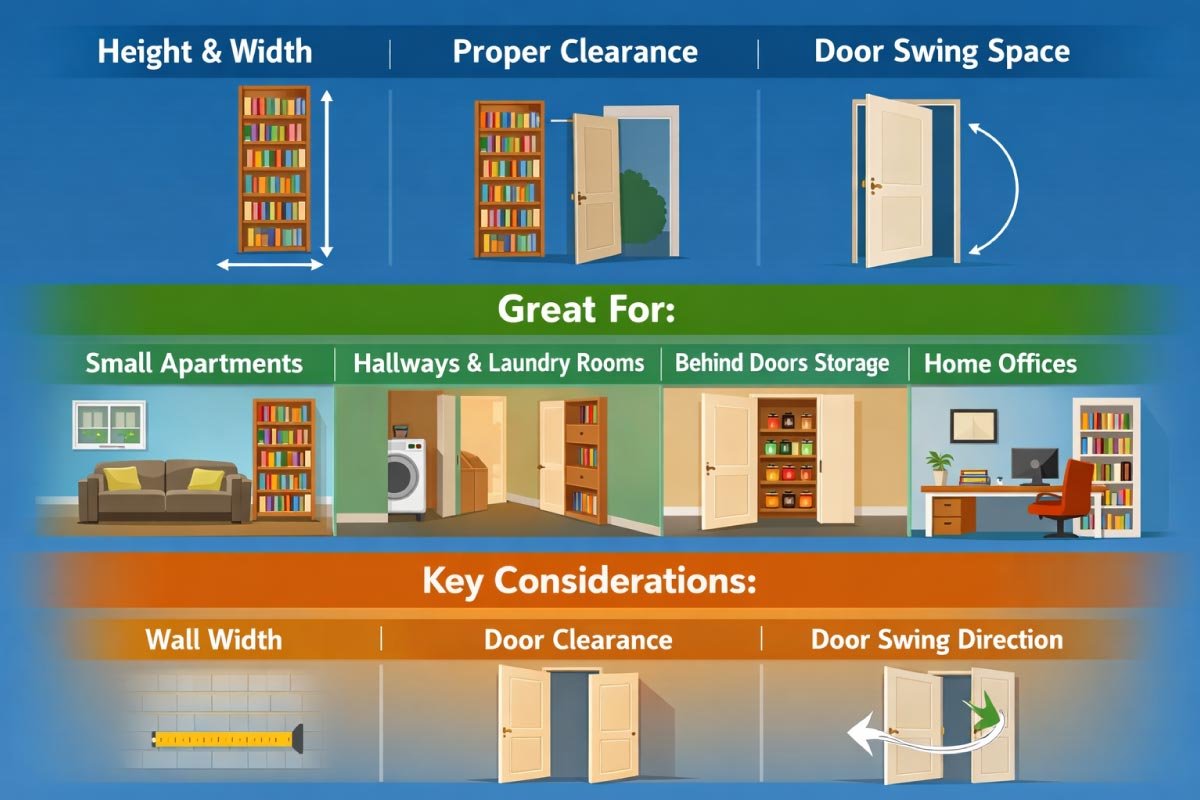
These shelves are particularly useful for:
- Apartments or rooms with limited floor space
- Hallways or laundry rooms where a traditional bookshelf might overwhelm
- Creative storage behind doors (pantry doors, bedroom doors)
- Home offices needing vertical organization
When planning your bookshelf, it is essential to account for clearance, wall width, and door swing if the shelf is mounted behind a door.
Standard Door Dimensions vs Bookshelf Fit
When planning a bookshelf, understanding how it fits within standard door openings is crucial.
This table compares common door dimensions with suggested bookshelf heights and widths, helping you choose a unit that fits seamlessly.
Proper sizing ensures easy placement, avoids clearance issues, and maintains both functionality and aesthetic appeal.
| Door Type | Standard Height (in) | Standard Width (in) | Suggested Bookshelf Height (in) | Suggested Bookshelf Width (in) | Notes |
|---|---|---|---|---|---|
| Interior Door | 78–80 | 28–32 | 78 | 26–30 | Fits snugly; allows slight clearance for hinges |
| Closet Door | 78–80 | 24–30 | 78 | 22–28 | Narrow widths ideal for small storage |
| Exterior Door | 80–82 | 32–36 | 80 | 30–34 | Requires sturdier construction due to weight |
| French Door Pair | 78–80 | 48–60 | 78 | 46–58 | Great for double-door units or decorative shelving |
| Sliding Door | 78–80 | 36–72 | 78 | 34–70 | Maximize width; ensure sliding mechanism clearance |
Choosing the Right Height
Bookshelf height influences storage efficiency and room aesthetics.
For door-sized shelves, aligning the unit with standard door heights (78–80 inches) ensures visual harmony while maximizing vertical space.
Adjustable shelves enhance versatility, accommodating taller items and improving organization in compact or multi-purpose rooms.:.
Tips for choosing height
- Match door height: Keeps the space proportional and visually neat.
- Consider ceiling height: Ensure there is clearance above the shelf for easy installation.
- Adjustable shelves: Enable storing books of different heights without wasting space.
- Accessibility: For very tall shelves, consider a small step stool or ladder.
Recommended Bookshelf Heights by Room Type
Choosing the right bookshelf height can transform a room, balancing storage, aesthetics, and accessibility.
Different spaces require distinct heights to optimize both function and style.
Whether you’re furnishing a small bedroom, a living room, or an office, selecting the ideal bookshelf height ensures your collection is organized, visually appealing, and comfortably within reach.
1. Small Bedroom Bookshelves
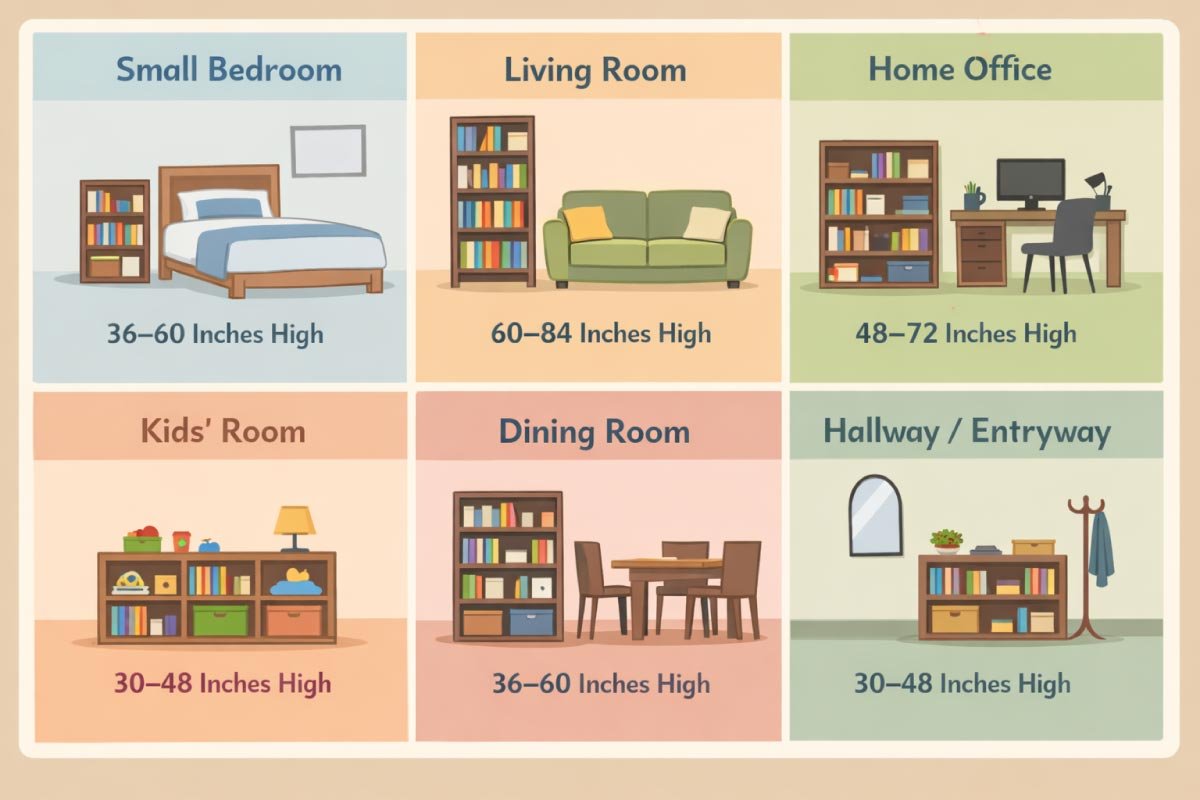
In small bedrooms, compact vertical bookshelves between 36–60 inches are ideal.
They maximize storage without overwhelming the room, fitting snugly into corners or against walls.
Adjustable shelves add flexibility for books of varying sizes, while maintaining an open, uncluttered feel. Lightweight designs allow easy relocation when rearranging furniture.
2. Living Room Bookshelves
Living rooms can accommodate taller bookshelves ranging from 60–84 inches.
These create a strong visual statement while providing ample storage for books and decor. Freestanding or built-in units work well.
Balancing height with surrounding furniture ensures harmony, while integrated lighting can highlight display items and maintain an elegant, inviting ambiance.
3. Home Office Bookshelves
Home offices benefit from medium-height shelves between 48–72 inches.
This height keeps frequently used reference books and documents within easy reach. Adjustable shelving supports binders, files, and decorative items.
Freestanding or wall-mounted designs optimize vertical space, supporting organization and productivity without compromising the office’s professional appearance.
4. Kids’ Room Bookshelves
Bookshelves for children’s rooms should be lower, around 30–48 inches, to ensure accessibility and safety.
Open shelves encourage independent use, while rounded corners or lightweight materials prevent accidents.
Brightly colored shelves or playful designs make reading inviting, creating a functional yet fun storage solution that grows with the child’s collection.
5. Dining Room Bookshelves
In dining areas, 36–60 inch bookshelves work well for cookbooks, decorative items, or glassware.
Medium-height units maintain sightlines while enhancing style. Consider wall-mounted or narrow freestanding shelves to avoid crowding.
Strategic placement near dining furniture creates easy access to culinary inspiration while maintaining a clean, open feel.
6. Hallway or Entryway Bookshelves
Hallways or entryways suit shorter bookshelves of 30–48 inches to avoid obstructing traffic flow.
Slim, vertical designs save space while holding books, decor, or storage baskets. Open shelving or modular units provide versatility.
Height should complement wall art or mirrors, creating a cohesive, welcoming transition space without overcrowding.
Recommended Bookshelf Heights by Room Type
Selecting the perfect bookshelf height ensures both practicality and style in any space.
This table highlights ideal bookshelf heights for different room types, taking ceiling height into account.
Choosing the right size prevents overcrowding, optimizes storage, and enhances the room’s aesthetics, whether for a cozy bedroom or a grand library.
| Room Type | Ceiling Height (ft) | Ideal Bookshelf Height (in) | Notes |
|---|---|---|---|
| Small Bedroom | 8 | 78–80 | Fits standard doors; won’t overwhelm small space |
| Home Office | 8–9 | 78–82 | Maximizes vertical storage for files and books |
| Living Room | 9–10 | 80–84 | Can serve as a statement piece or display wall |
| Hallway | 7.5–8 | 76–78 | Slim design prevents crowding in narrow passage |
| Library / Study | 9–12 | 80–90 | Allows tall books; can add decorative crown molding |
Width Considerations for Door-Sized Bookshelves
Bookshelf width affects both practicality and room flow. For door-sized units, shelving can be slightly narrower,
than a standard door (28–36 inches) for clearance or wider for design impact.
Proper width ensures easy access, smooth door operation, and optimal storage without overwhelming compact spaces.
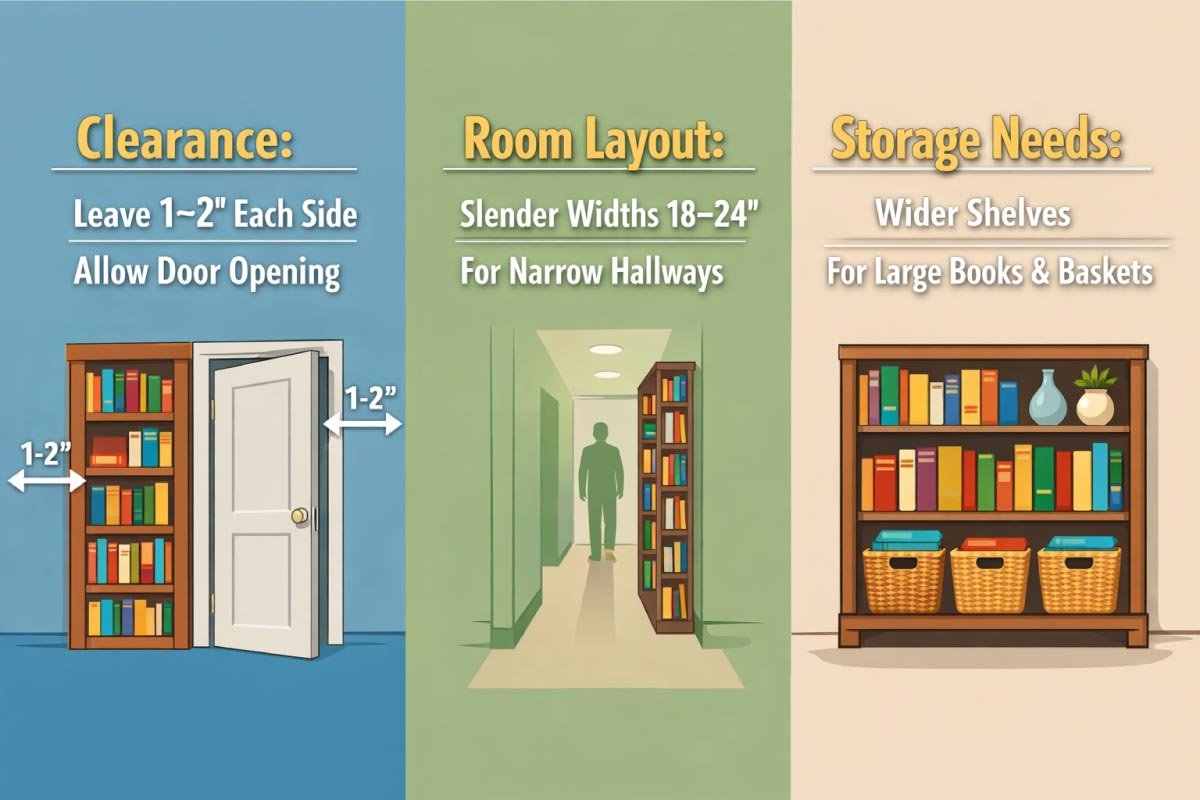
Factors to consider:
- Clearance: Leave 1–2 inches on each side to allow door opening and prevent rubbing.
- Room layout: In narrow hallways, slimmer widths (18–24 inches) reduce obstruction.
- Storage needs: Wider shelves can accommodate larger books, storage baskets, or decor items.
Discover More:
Recommended Widths by Bookshelf Type
Bookshelf width plays a key role in both functionality and room aesthetics.
This table outlines recommended widths for various bookshelf types, along with ideal placement tips.
Selecting the right width ensures your bookshelf fits the space perfectly, avoids obstruction, and enhances the overall balance and flow of your room.
| Bookshelf Type | Width (in) | Ideal Placement | Notes |
|---|---|---|---|
| Slim Single-Shelf | 18–22 | Hallways, behind doors | Minimizes obstruction |
| Standard Door-Sized | 26–30 | Bedroom or Office Door | Matches door width |
| Double-Door Shelf | 48–60 | French or Closet Doors | Adds visual symmetry |
| Wide Statement Shelf | 36–40 | Living Room / Study | Can function as focal point |
| Corner Unit | 24–28 | Small rooms | Fits snugly in corners |
Discover More:
Depth & Load Capacity
Shelf depth affects storage versatility and room navigation. Door-sized bookshelves typically range from 10–14 inches deep, balancing compactness with functionality.
Choosing the right depth ensures you can store books, decor, or larger items safely while maintaining smooth movement and preventing overcrowding in narrow spaces.
Key considerations:
- 10–12 inches: Perfect for standard books and slim decor.
- 12–14 inches: Can hold larger books, photo albums, or storage baskets.
- Load-bearing: Ensure wall-mounted shelves are anchored properly; freestanding shelves may need a wider base for stability.
Recommended Shelf Depths
Choosing the right shelf depth is essential for both functionality and aesthetics.
Proper depth ensures your books, decor, and storage items fit comfortably without overcrowding or wasted space.
The table below outlines recommended shelf depths for different types, helping you select the perfect size for your room and collection.
| Shelf Type | Depth (in) | Suggested Use |
|---|---|---|
| Narrow | 10–11 | Paperback books, thin decor |
| Standard | 12 | Hardback books, small storage boxes |
| Deep / Storage | 14 | Large books, baskets, photo albums |
| Multi-Purpose | 12–14 | Office files, decorative display |
| Corner Shelf | 10–12 | Fits snugly into corners without protruding |
Discover More:
Placement & Room Integration
Proper placement ensures a bookshelf enhances both storage and room aesthetics.
Door-sized shelves can fit behind doors, along walls, or in corners, optimizing unused spaces.
Thoughtful positioning also allows them to serve as subtle dividers or focal points, blending functionality with style in compact or open-plan layouts.
- Behind doors: Ideal for hidden storage or compact spaces.
- Against walls: Creates a vertical focal point in bedrooms or living rooms.
- Corner spaces: Maximizes unused space in small rooms.
- Double-sided shelves: Can function as room dividers in open-plan areas.
Tips for integrating the shelf:
- Match shelf finish with existing door color for seamless integration.
- Consider lighting: Add LED strips or accent lighting for visibility and style.
- Keep heavy books on lower shelves to prevent tipping.
- Combine with decorative items for aesthetic appeal.
Placement Guide for Door-Sized Bookshelves
| Placement Type | Ideal Width (in) | Ideal Height (in) | Notes |
|---|---|---|---|
| Behind Bedroom Door | 18–26 | 78–80 | Keep door swing clearance |
| Hallway / Corridor | 18–22 | 76–78 | Slim design for easy passage |
| Living Room Wall | 30–36 | 80–84 | Acts as focal point; add decor |
| Home Office / Study | 26–30 | 78–82 | Maximizes storage for files & books |
| Corner Unit | 24–28 | 78 | Fits snugly into small spaces |
Discover More:
Design Tips for Door-Sized Bookshelves
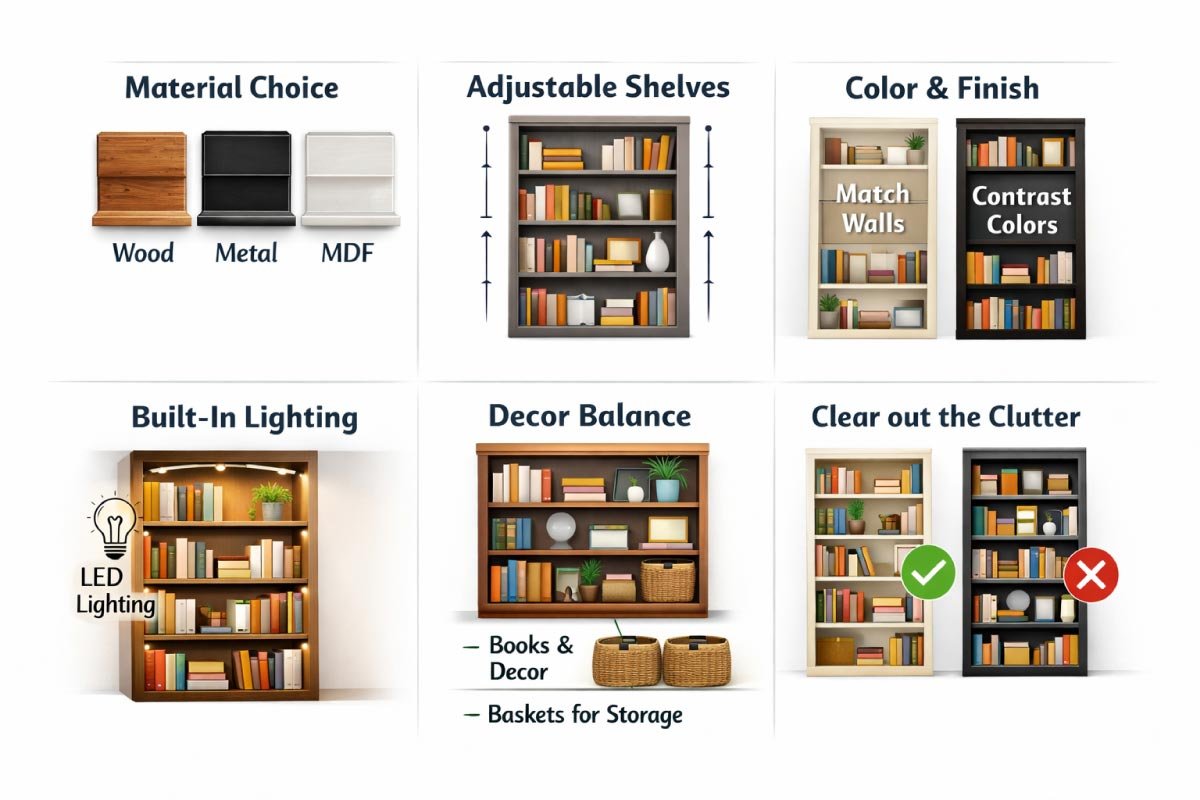
A door-sized bookshelf combines practicality with style when designed thoughtfully. Material, color, and shelving choices influence both aesthetics and functionality.
Strategic design ensures your shelf complements the room, maximizes storage, and highlights key items, transforming a simple storage solution into an attractive, integrated feature of your space.
-
Material choice: Use wood for a classic look, metal for an industrial vibe, or MDF for budget-friendly options.
- Adjustable shelves: Accommodates books of various sizes and decorative items.
- Color & finish: Match walls or doors to create a cohesive look; contrasting colors make it a statement piece.
- Built-in lighting: LED strips illuminate shelves and highlight items.
- Decor balance: Mix books with decor to avoid visual clutter; use baskets for small items.
Conclusion
Door-sized bookshelves are versatile, space-saving, and stylish. Matching height and width to door dimensions ensures both functionality and visual balance, while thoughtful placement maximizes room flow.
With clear guidance on height, width, depth, and load capacity, plus integrated design tips, you can select the perfect bookshelf for any room.
Whether placed behind a door, in a hallway, or as a statement wall, these shelves combine practicality with style, transforming your space while keeping it organized and elegant.
By following the size charts and design recommendations above, you can confidently choose a door-sized bookshelf that fits perfectly in your room, accommodates your storage needs, and enhances your interior design.
Discover More:

I am Engineer Hassan, a professional engineer with over 15 years of experience in measurements, design accuracy, and furniture, appliance, and home product sizing. Through Size Helper, I provide research-based guides and trending 2026 home design ideas for living rooms, bedrooms, sofas, wall décor, fashion, and sports—helping users make confident, informed decisions. Every guide is written with real expertise, verified data, and a commitment to quality, usability, and style.