
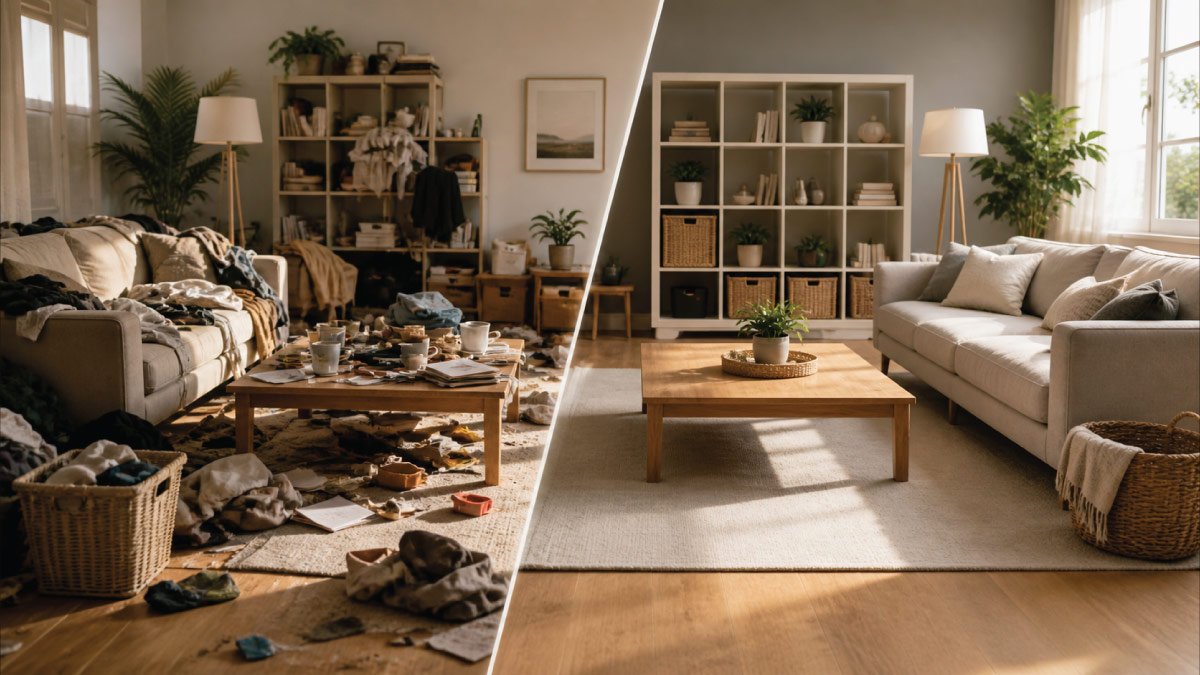
A cluttered living room can quietly drain your energy. It’s the space where you relax, entertain guests, and spend time with family so when it feels chaotic, it affects your mood more than you might realize. The good news? You don’t need a complete makeover or expensive furniture to fix it. With a clear plan and a few smart habits, you can transform your living room into a calm, functional, and inviting space.
Let’s walk through a practical, step-by-step approach to decluttering and organizing your living room without overwhelm.
1. Start with a Clear Vision
Before you start moving or removing anything in your living room, it’s essential to establish a clear vision of how you want the space to look and function. This mental blueprint helps you stay focused, avoid unnecessary purchases, and make intentional decisions that align with your desired atmosphere and lifestyle needs throughout the process.
This vision will guide your decisions. Without it, you’ll end up rearranging clutter instead of removing it.
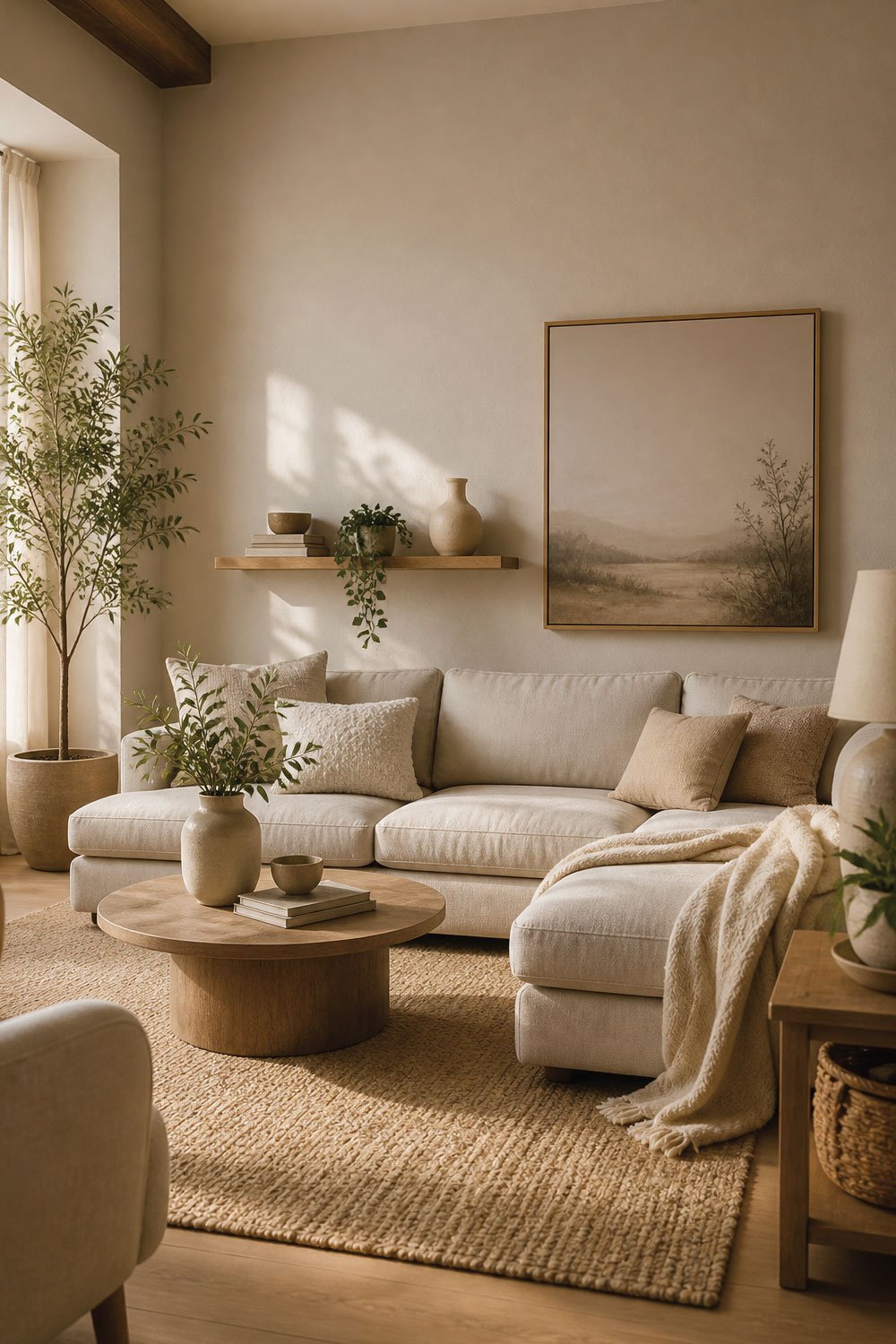
Ask yourself:
- What is the main purpose of this room?
- How do I want to feel when I walk in?
- What items actually support that feeling?
Write down a few keywords like “calm,” “open,” or “functional.” Keep them in mind as you go.
2. Declutter in Zones, Not All at Once
Trying to clean and organize an entire living room in one go can quickly feel overwhelming and exhausting, often leading to unfinished work or poor decisions. Breaking the space into smaller zones makes the process more structured, efficient, and motivating, allowing you to see progress step by step without losing focus or energy.
- Coffee table
- Sofa area
- TV unit
- Shelves/bookcases
- Corners
Focus on one zone at a time. This keeps the process manageable and gives you quick wins.
For each zone, follow the same rule:
Remove everything first. Then decide what goes back.
3. Use the Four Category Method
As you go through each area of your living room, using a structured sorting system helps you make faster and more objective decisions. The four category method keep, donate, trash, and relocate ensures every item has a clear outcome, reducing hesitation and preventing clutter from creeping back into your newly organized space again.
- Keep
- Donate
- Trash
- Relocate (items that belong in another room)
Be honest with yourself. If you have not used something in months and it does not add value or joy, it is probably just taking up space.
Common clutter culprits in living rooms:
- Old magazines
- Random cables and remotes
- Decorative items that no longer match your style
- Unused throws and cushions
- Kids’ toys that migrated from other rooms
4. Clear Flat Surfaces First
Flat surfaces in a living room often become the main areas where clutter builds up, making the space feel messy even when the rest is organized. By intentionally clearing and limiting what goes back onto these surfaces, you create visual breathing room, improve flow, and instantly make the entire room feel more open and calm.Start by clearing them completely.
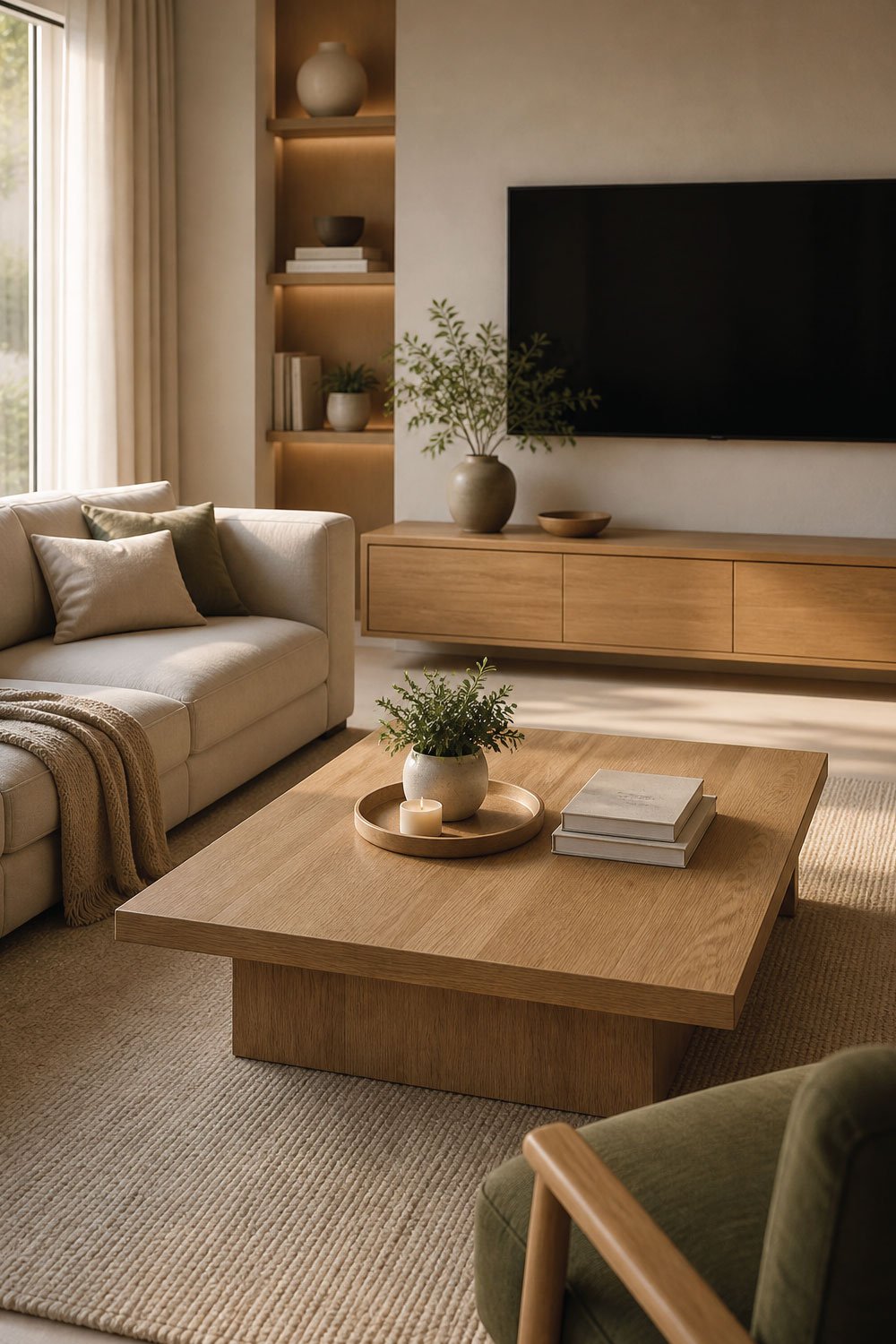
Then only return a few intentional items:
- A small tray
- One decorative piece (like a plant or candle)
- A book or two
A good rule:
Leave at least 50% of the surface empty. This instantly makes the room feel cleaner and more spacious.
5. Create Storage That Actually Works
Good storage is not just about hiding things it is about making your daily life easier and keeping clutter from building up again. Many living rooms feel messy because storage is random or inconvenient. Instead, design simple, purposeful storage zones that match how you actually use your space every day and reduce the effort needed to stay organized consistently.
Instead of stuffing things into random drawers, create purposeful storage zones:
- Baskets for blankets or toys
- Storage ottomans for hidden clutter
- Cable organizers for electronics
- Drawer dividers for small items
Make sure storage is:
- Easy to access
- Easy to maintain
- Logical (items stored near where they’re used)
If it’s difficult to put things away, clutter will come back quickly.
Also Read:
6. Rethink Your Furniture Layout
Clutter is not always caused by having too many items sometimes the real issue is how the furniture is arranged. A poor layout can make even a clean room feel cramped, blocked, and chaotic. By improving flow and spacing, you can instantly make the living room feel larger, more open, and easier to move through without adding or removing much at all.
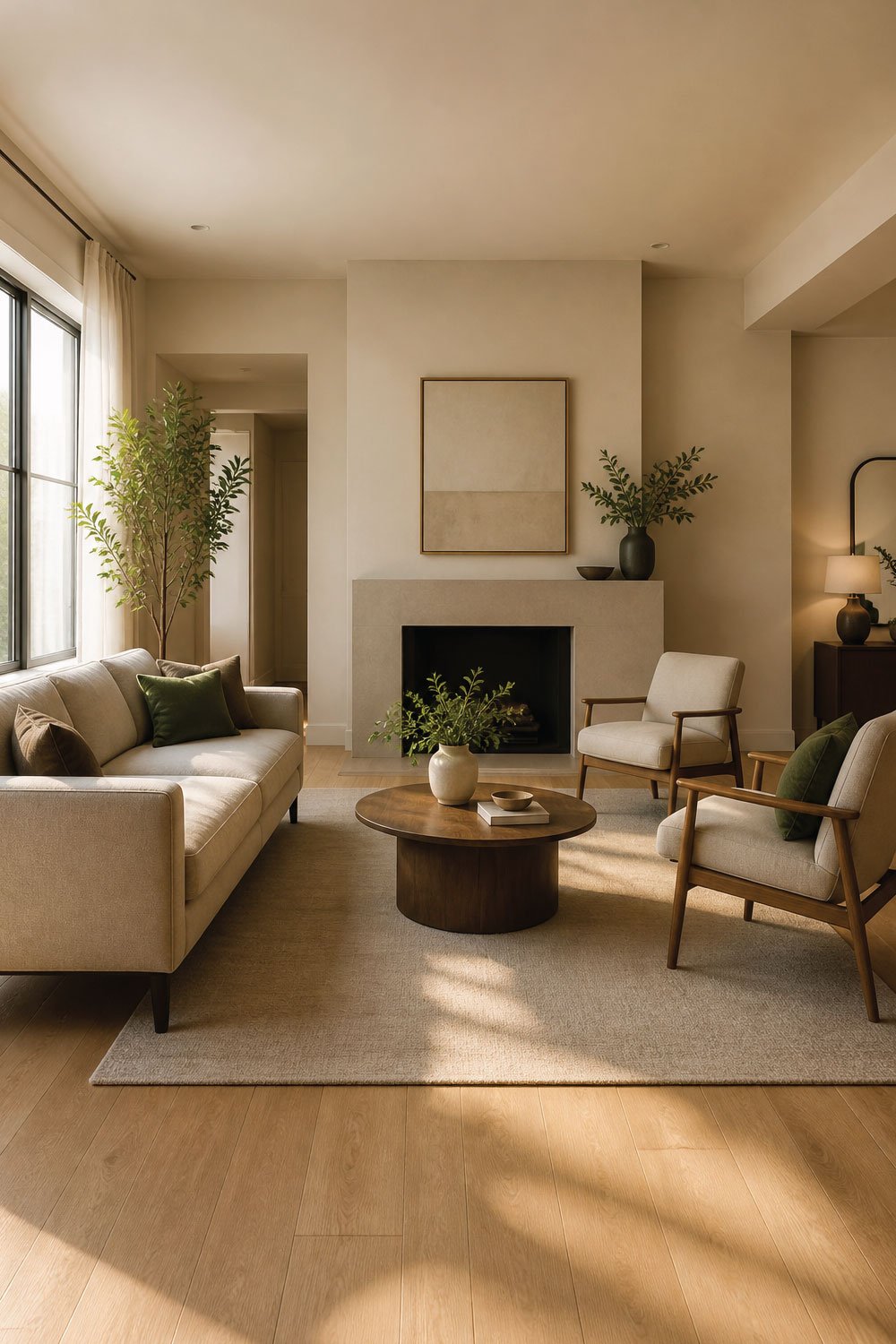
Ask yourself:
- Is there enough walking space?
- Do large pieces overwhelm the room?
- Is furniture blocking natural flow?
Try this:
- Pull furniture slightly away from walls for a more open feel
- Remove unnecessary pieces (extra chairs, side tables, etc.)
- Keep only what you actually use
Less furniture often makes a bigger impact than more storage.
Also Read:
7. Minimize Decorations (Yes, Really)
Decor adds personality to a living room, but when there is too much of it, the space can quickly feel visually noisy and overwhelming. The goal is not to remove personality but to be intentional about what stays on display. By carefully selecting fewer pieces, you allow each item to stand out and contribute meaningfully to the overall atmosphere.
Instead of displaying everything at once:
- Choose a few meaningful pieces
- Group items in odd numbers (3 or 5 works well)
- Stick to a consistent color palette
Rotate seasonal or extra decor instead of keeping it all out year round.
Remember:
Empty space is not wasted space it is what makes your room feel breathable.
8. Tackle Cables and Hidden Clutter
Cables, chargers, and small electronic accessories are some of the most overlooked sources of visual mess in a living room. Even when everything else looks organized, tangled wires can instantly make the space feel chaotic and unclean. Managing these hidden clutter zones creates a smoother, more polished look while also making your setup more practical and easier to maintain.
Fix it by:
- Using cable clips or sleeves
- Labeling chargers
- Storing unused electronics out of sight
- Mounting power strips behind furniture
This small step can dramatically improve how tidy your room looks.
Also Read:
13 Neutral Paint Colors for Living Room for a Calm and Cozy Space
9. Make It Easy to Maintain
A decluttered living room is only successful if it stays that way over time. Instead of relying on occasional deep cleaning, the key is to build simple, low effort habits into your daily routine. When organization becomes automatic and easy, clutter has fewer chances to return and build up again unnoticed.
Create simple habits:
- Spend 5 10 minutes each evening resetting the room
- Return items to their designated spots
- Avoid bringing unnecessary items into the space
10. Add Life, Not Clutter
Once your living room is clean and organized, the final step is to make it feel warm, welcoming, and full of life without reintroducing clutter. The goal is to enhance comfort and atmosphere using intentional, minimal elements that elevate the space rather than overwhelm it or fill every empty corner unnecessarily.
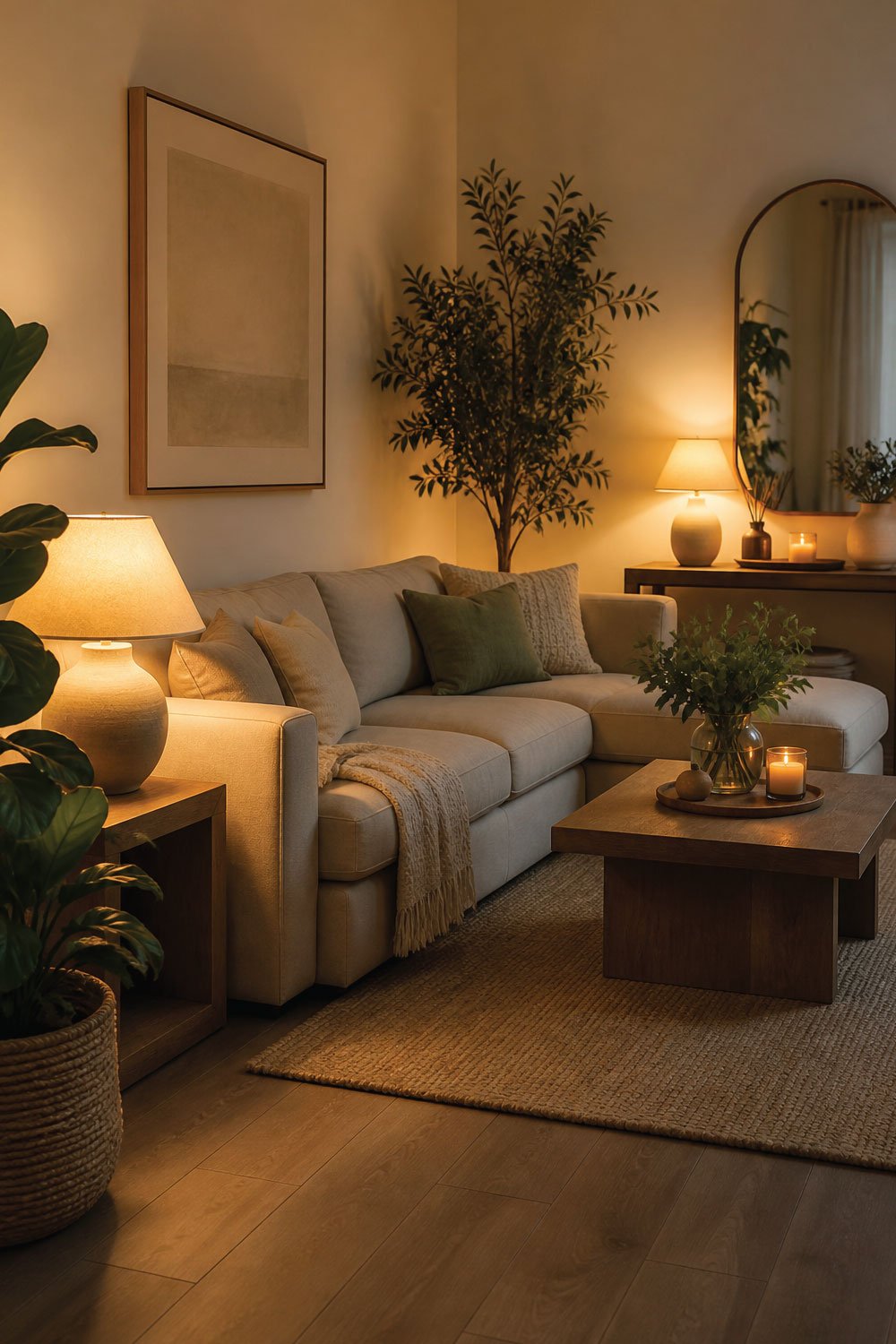
- Indoor plants
- Soft lighting (lamps instead of harsh overhead lights)
- Neutral or coordinated textiles
- A signature scent (like candles or diffusers)
These touches make your living room feel inviting without overwhelming it.
11. Involve the Whole Household
Decluttering a living room is rarely a solo responsibility, especially in shared homes. If other people regularly use the space, the system will only work when everyone follows the same basic rules. Without shared accountability, clutter tends to return quickly, no matter how organized the setup is.
Set simple expectations:
- Everyone puts their items back
- Shared spaces stay clear
- Weekly quick tidy up sessions
You don’t need perfection just consistency.
Also Read:
12. Do a Weekly Reset
Even a well-organized living room needs regular upkeep to stay fresh and clutter free. A weekly reset acts as a simple maintenance routine that prevents small messes from slowly building into overwhelming clutter again. It does not take long, but it makes a big difference in keeping the space consistently clean and comfortable.
Once a week:
- Clear surfaces
- Fluff cushions
- Remove items that do not belong
- Do a quick vacuum or dust
This prevents clutter from building up again.
Final Thoughts
Fixing a cluttered living room is not about achieving a picture perfect space it is about creating a room that supports your life, not distracts from it.
Start small.
Focus on one area. Make intentional choices. Within a few hours, you will notice a difference. Within a few days, it will feel natural. And within a few weeks, maintaining a clutter free living room will become second nature.
A calm space leads to a calmer mind and that worth every bit of effort.
Also Read:

I am Engineer Hassan, a professional engineer with over 15 years of experience in measurements, design accuracy, and furniture, appliance, and home product sizing. Through Size Helper, I provide research-based guides and trending 2026 home design ideas for living rooms, bedrooms, sofas, wall décor, fashion, and sports—helping users make confident, informed decisions. Every guide is written with real expertise, verified data, and a commitment to quality, usability, and style.