
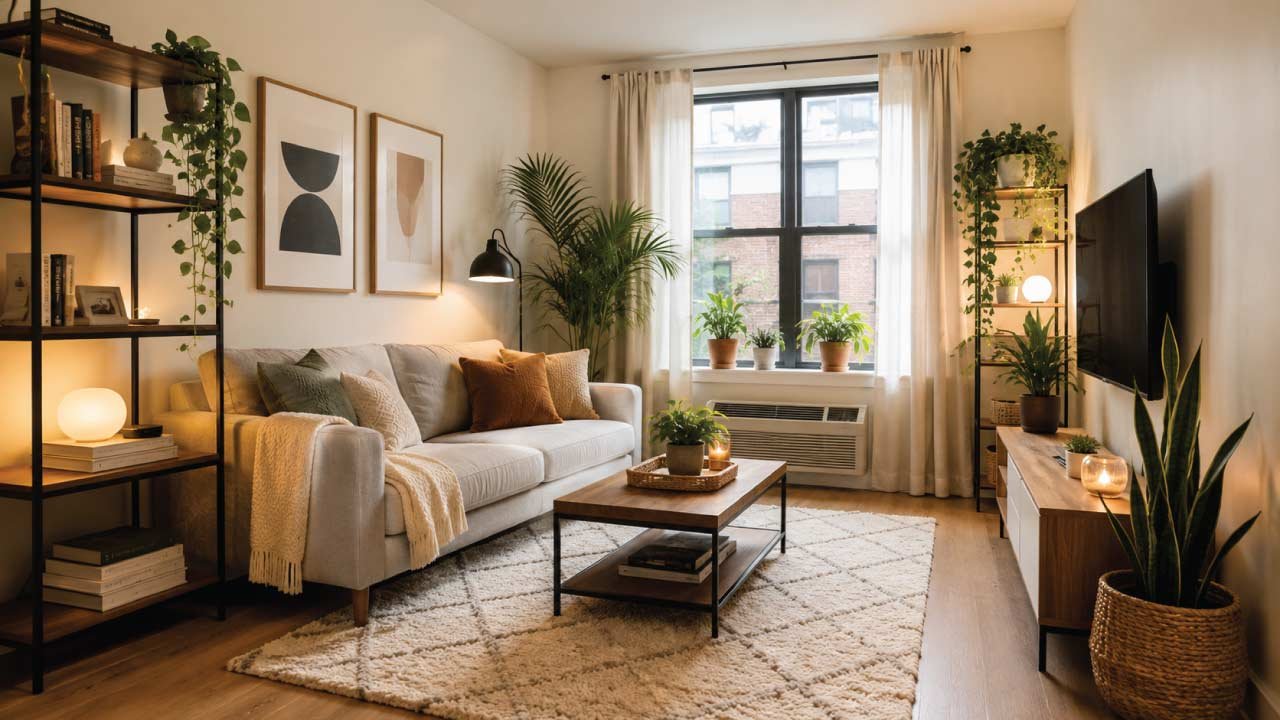
Decorating a small apartment living room can feel like solving a puzzle where every piece has to be both functional and beautiful. Limited space doesn’t mean limited style in fact, small living rooms often look more curated and luxurious when designed thoughtfully. The key is to maximize space, control visual clutter, and use design tricks that make the room feel larger, brighter, and more inviting.
Whether you’re renting a studio or living in a compact city apartment, these 12 small living room decor ideas will help you turn even the tightest space into a stylish and comfortable retreat.
1. Choose Multi-Functional Furniture
In small living rooms, furniture must do more than one job to justify its place. Instead of filling the space with bulky, single-use pieces, multi-functional furniture helps maintain comfort, organization, and visual balance while allowing you to adapt the room easily for daily living and occasional guests.
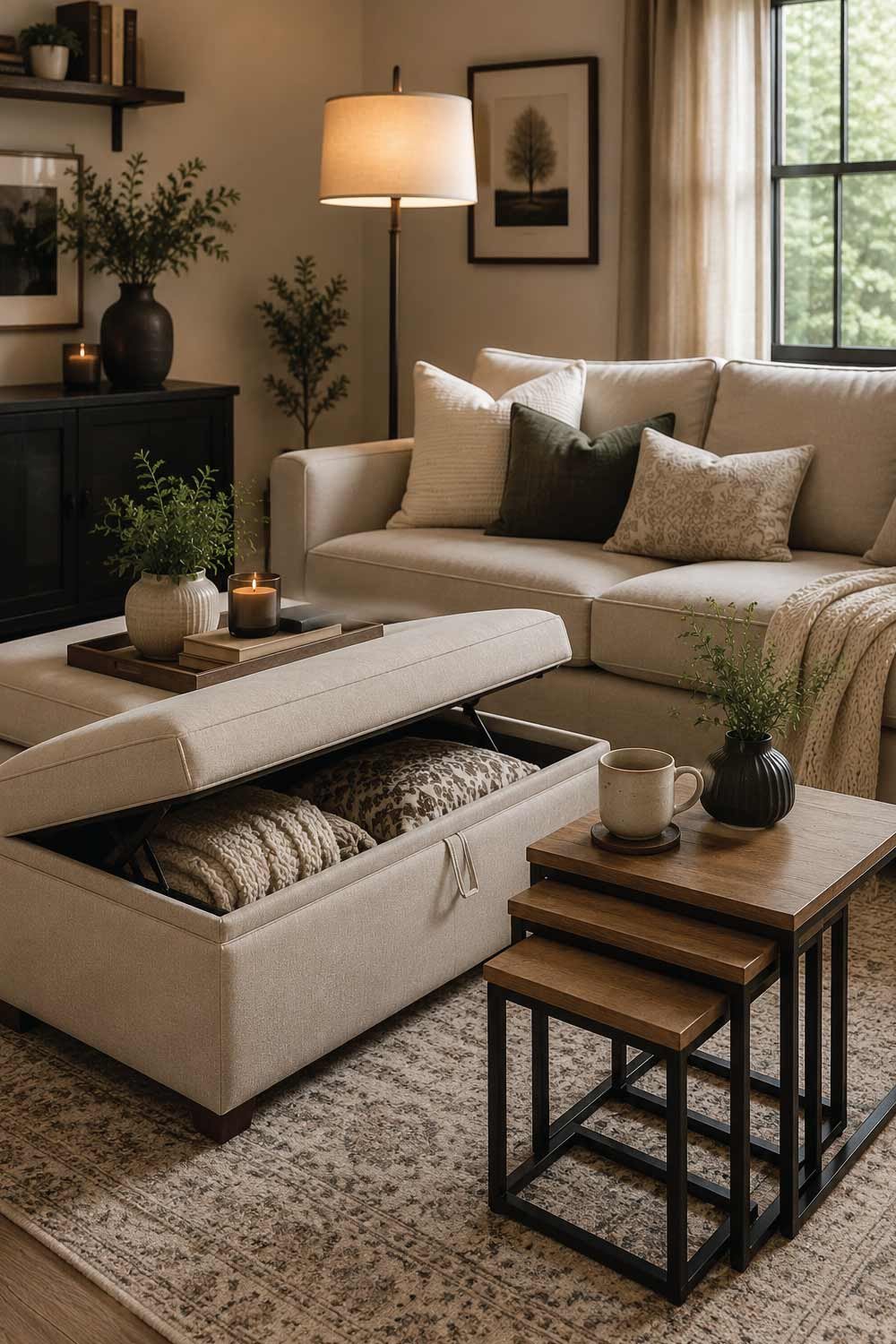
- Multi-functional furniture saves space by combining storage, seating, and utility in one piece.
- Storage ottomans provide hidden compartments while doubling as seating or footrests.
- Sofa beds allow small living rooms to host overnight guests comfortably.
- Nesting tables expand surface space only when required for entertaining.
- Convertible furniture reduces clutter and minimizes the need for extra pieces.
- Flexible designs support changing needs without redesigning the entire room.
A storage ottoman, for example, can act as seating, a footrest, and a hidden storage unit. Similarly, nesting tables can be expanded when guests arrive and tucked away when not in use. This flexibility keeps your space uncluttered and practical without sacrificing comfort.
Personal Experience
When I switched to a storage ottoman and nesting tables, my living room felt instantly larger. I noticed less clutter and more flexibility during gatherings. The ability to rearrange furniture easily made everyday living more comfortable and stress-free.
2. Use Light Colors to Open Up the Space
Light colors significantly influence how spacious a room feels, especially in compact living areas. Soft, neutral shades reflect natural and artificial light, reducing visual heaviness. A well-chosen light palette creates an airy foundation that enhances openness without limiting style or personal expression.
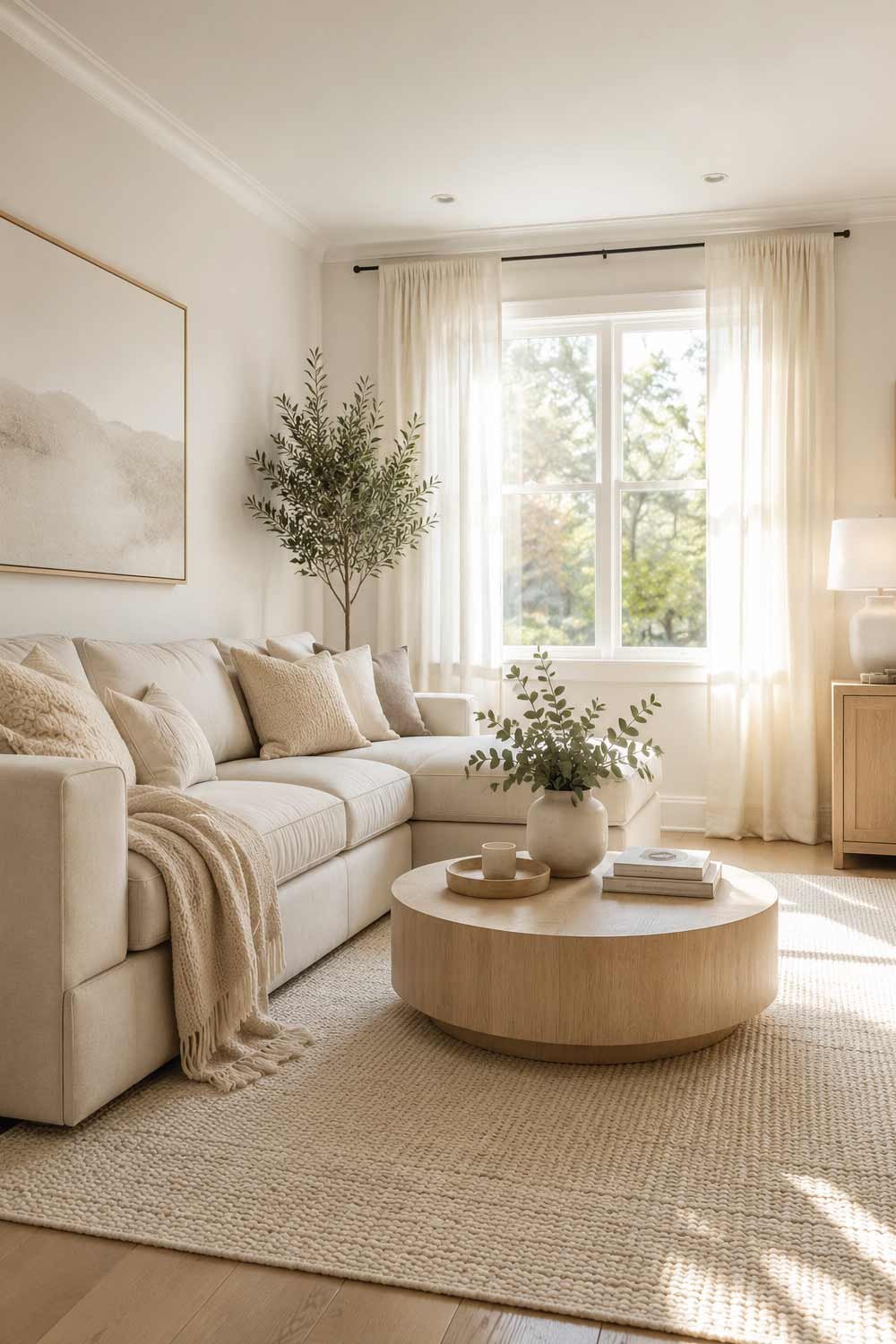
- Light shades reflect more light, making small rooms appear visually larger.
- Neutral colors create a calm, open atmosphere without overwhelming the space.
- Soft tones help walls visually recede, increasing perceived depth.
- Light palettes work well with natural and artificial lighting sources.
- Accent decor stands out better against a subtle background.
- Consistent color schemes reduce visual clutter and distraction.
This doesn’t mean your living room must be boring. You can still add personality through textures, artwork, and small accent pieces. The goal is to create a calm base palette that visually expands the room.
Personal Experience
After repainting my living room in soft beige, the space felt brighter and calmer. Even with minimal lighting, the room appeared more open. Decorating became easier because neutral walls matched effortlessly with cushions, art, and textured accessories.
3. Add Mirrors to Create Illusion of Space
Mirrors are powerful design tools for small living rooms because they manipulate light and perception. By reflecting surroundings, mirrors add depth and brightness. Strategic placement can visually double the space, making cramped rooms feel open without requiring structural changes.
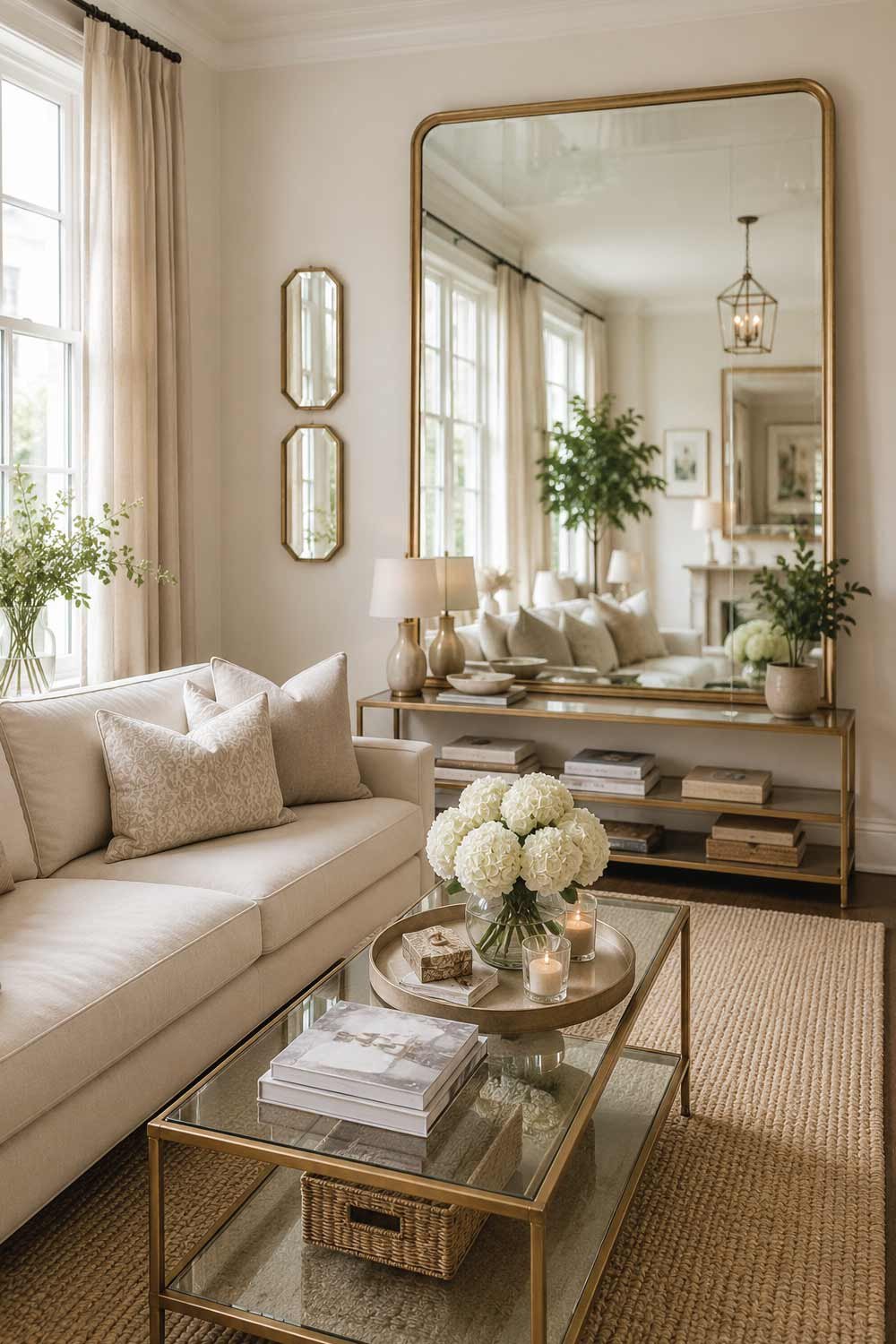
- Mirrors reflect light, instantly brightening dark or narrow living rooms.
- Large mirrors create the illusion of extended floor space.
- Placement opposite windows maximizes natural light reflection.
- Mirrored decor adds depth without adding physical bulk.
- Smaller mirror groupings enhance visual interest on empty walls.
- Reflective surfaces balance heavy furniture visually.
A large mirror placed opposite a window works especially well. You can also use mirrored furniture or a gallery wall of smaller mirrors to add depth and visual interest without overcrowding the room.
Personal Experience
Adding a large mirror opposite my window completely transformed the room. Daylight spread evenly, and the space felt wider. Guests often assume the room is bigger than it actually is, proving how effective mirrors can be.
4. Opt for Slim and Raised Furniture
Heavy, bulky furniture can overpower small living rooms and make them feel crowded. Slim, raised furniture with visible legs creates a sense of openness by allowing light and sightlines to flow freely. This design approach enhances spaciousness without sacrificing comfort or functionality.
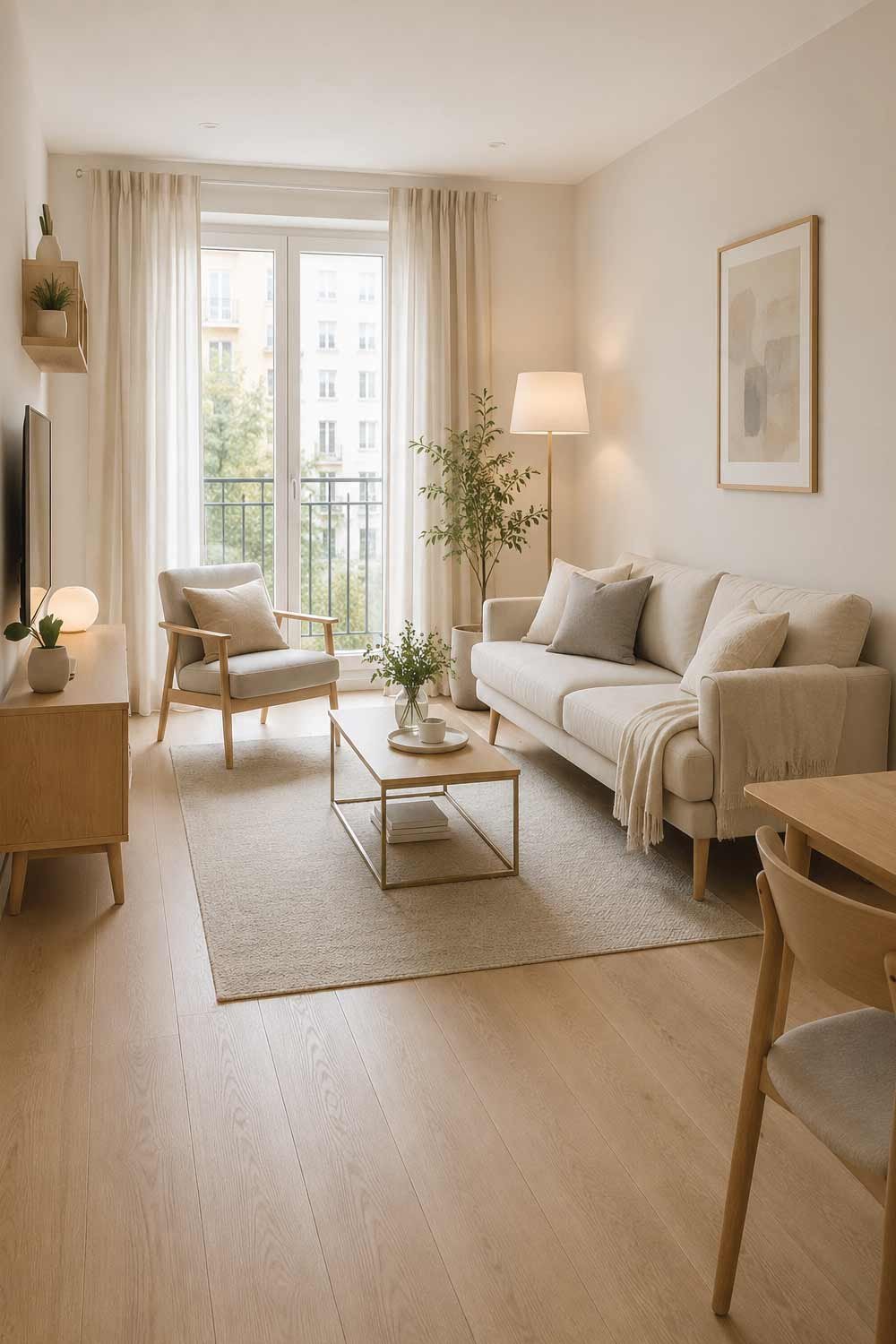
- Slim furniture profiles reduce visual weight in compact rooms.
- Raised legs expose floor area, creating an airy appearance.
- Light designs prevent furniture from dominating the room visually.
- Open bases allow easier cleaning and better light flow.
- Minimalist styles suit small apartments particularly well.
- Scandinavian-inspired designs balance comfort and simplicity effectively.
When more floor is visible, the room automatically feels more open and less cramped. Scandinavian-style furniture light, simple, and functional is especially effective for this purpose and is widely available through brands like IKEA.
Personal Experience
Switching to a raised sofa completely changed how open my living room felt. Seeing more floor space instantly reduced the cramped look. The lighter furniture also made cleaning and rearranging much easier than before.
5. Maximize Vertical Space
When horizontal space is limited, vertical space becomes essential. Using walls effectively not only increases storage but also draws the eye upward, making ceilings appear higher. Vertical design solutions help maintain floor openness while keeping essentials organized and accessible.
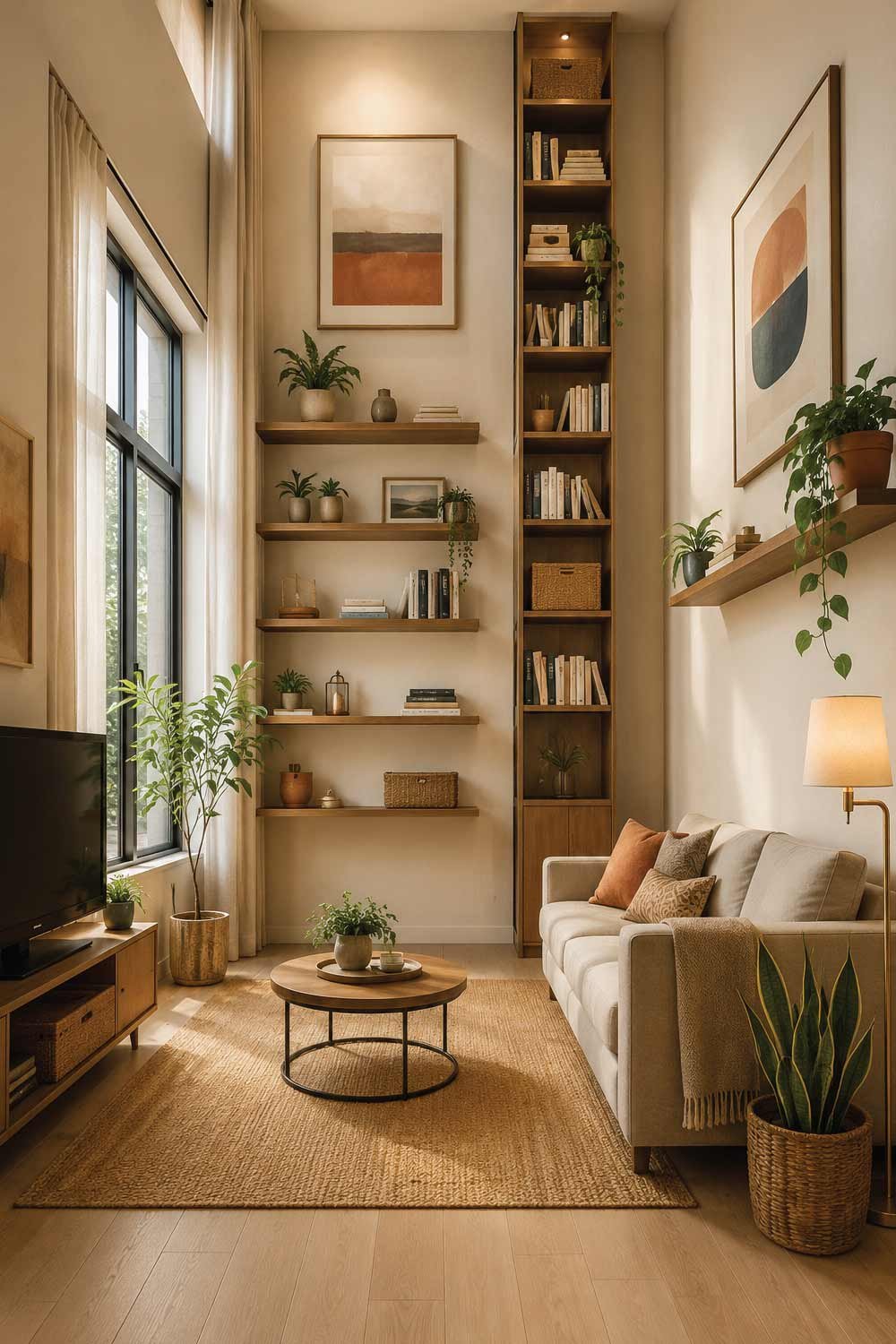
- Vertical storage reduces the need for floor-based furniture.
- Floating shelves provide storage without visual heaviness.
- Tall bookcases emphasize room height and add storage capacity.
- Wall-mounted cabinets keep items organized and accessible.
- Higher artwork placement creates an illusion of taller ceilings.
- Vertical elements guide visual focus upward naturally.
Install floating shelves, tall bookcases, or wall-mounted cabinets to store items without taking up floor space. Hanging artwork higher on the walls also helps create the illusion of height.
Personal Experience
Installing floating shelves helped me clear floor clutter instantly. Storage moved upward, making the room feel taller and more balanced. The walls finally felt useful instead of empty, improving both function and appearance.
Also Read:
6. Use Area Rugs to Define Zones
In small or open-plan apartments, defining zones visually is essential. Area rugs help separate living, dining, or workspaces without blocking light or movement. They add structure, warmth, and cohesion while maintaining an open, uninterrupted layout.
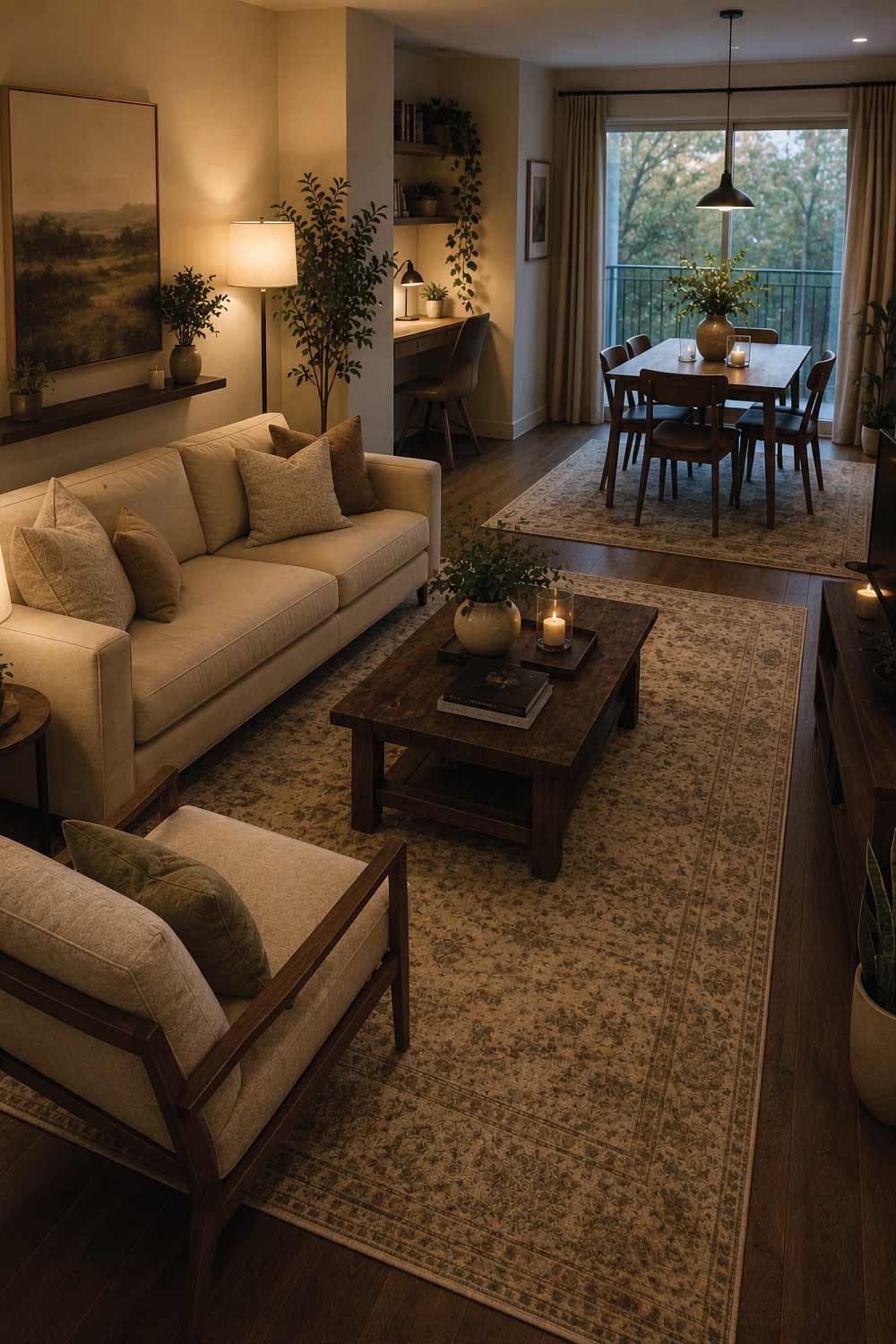
- Rugs visually separate functional areas without physical dividers.
- Defined zones improve organization in studio apartments.
- Large rugs anchor seating arrangements effectively.
- Proper rug placement enhances balance and symmetry.
- Textures add warmth and comfort to compact spaces.
- Coordinated rugs unify furniture within defined zones.
Choose a rug large enough to anchor your seating area—ideally, the front legs of sofas and chairs should sit on it. This creates a cohesive and grounded look, even in a compact room.
Personal Experience
Adding an area rug helped define my seating space clearly. The living room felt organized without walls or partitions. It also added warmth and made the space feel intentional rather than crowded or randomly arranged.
7. Keep Furniture Proportional to the Room
Choosing furniture that matches the size of your living room is essential for maintaining comfort and visual balance. Oversized pieces dominate limited space and restrict movement. Proportional furniture allows better flow, improves functionality, and ensures the room feels open rather than crowded or visually overwhelming.
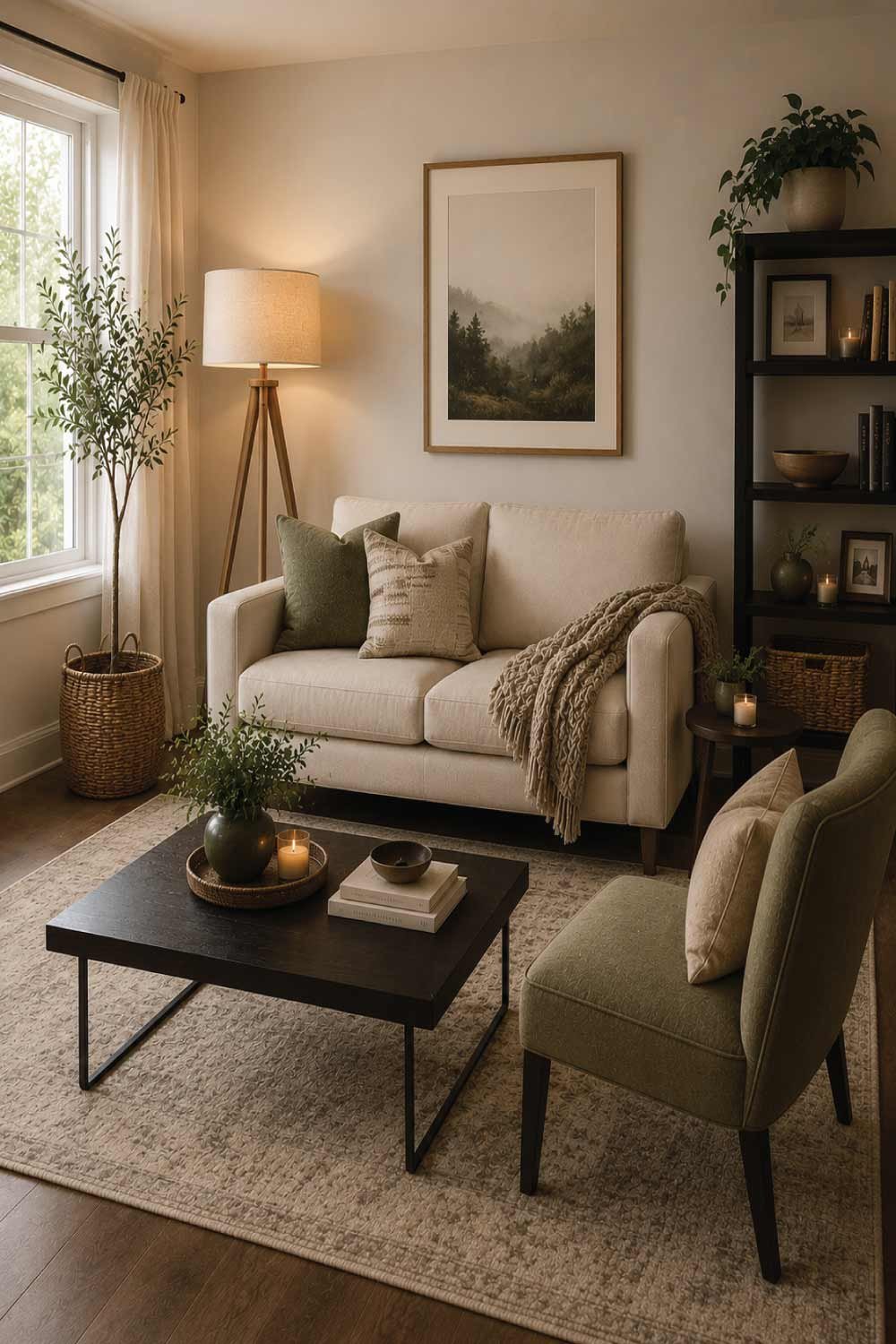
- Oversized furniture can quickly make small living rooms feel tight and uncomfortable.
- Apartment-sized sofas fit better without overpowering surrounding space.
- Compact loveseats provide seating while maintaining openness and balance.
- Slim coffee tables improve movement and visual flow.
- Armless chairs reduce visual bulk and enhance flexibility.
- Proper scale furniture creates harmony between walls, seating, and open areas.
Instead, choose furniture scaled appropriately for the room. A compact loveseat or apartment-sized sofa works better than a full sectional. Sleek coffee tables and armless chairs help maintain openness and flow.
Personal Experience
After replacing a bulky sectional with a compact loveseat, my living room felt instantly lighter. Movement improved, and the room looked more balanced. Even with fewer seats, the space became more inviting and comfortable for everyday use.
Also Read:
8. Use Floating Shelves Instead of Floor Units
Floating shelves are ideal for small living rooms because they maximize storage without sacrificing floor space. By keeping items off the ground, they help maintain openness. When styled thoughtfully, floating shelves enhance organization while adding character without visual heaviness.
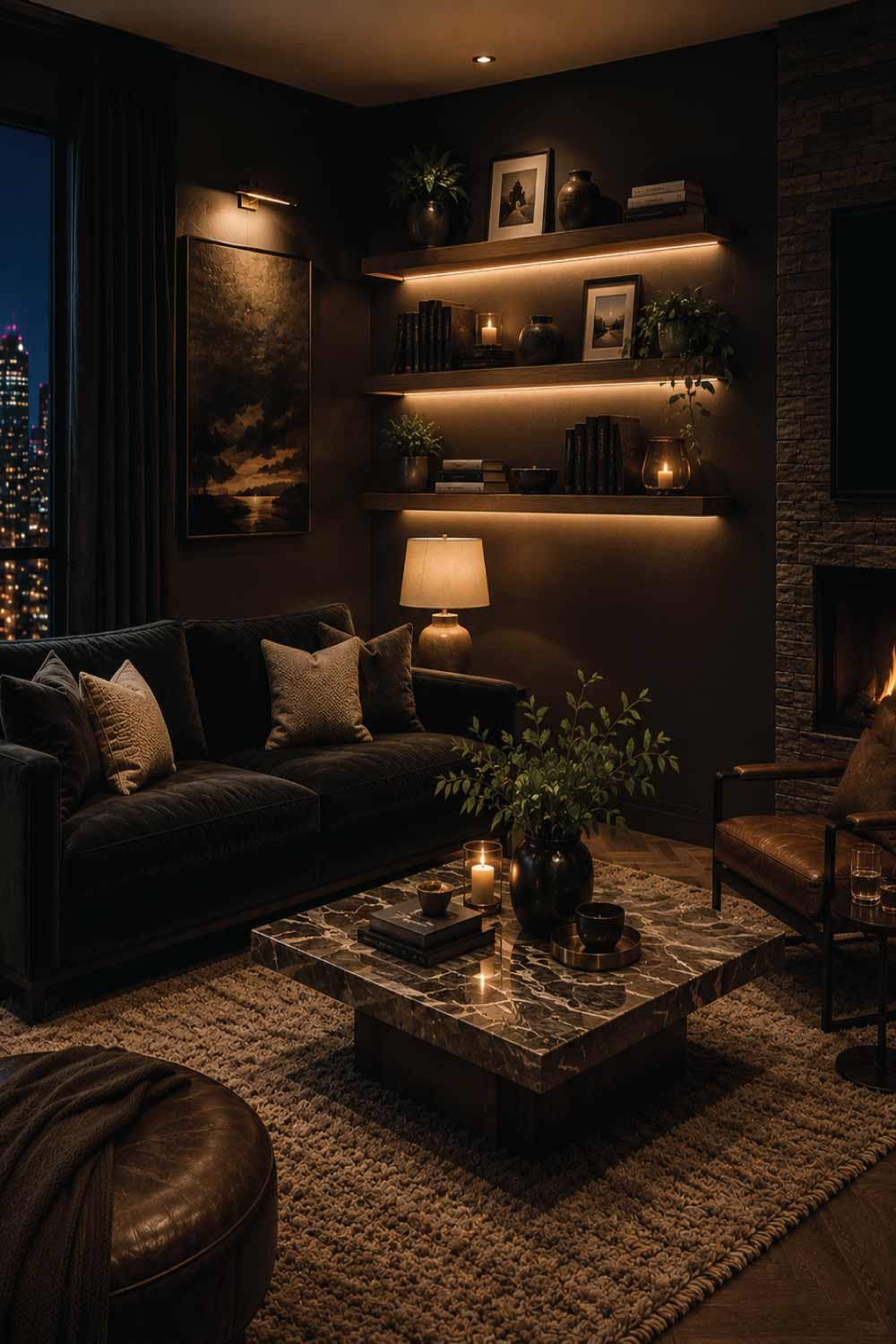
- Floating shelves free up floor space for easier movement.
- Wall-mounted storage keeps rooms visually light and uncluttered.
- Shelves provide display space for books, plants, and decor.
- Minimal styling prevents shelves from looking crowded.
- Open shelving encourages intentional organization habits.
- Floating designs create a modern, airy aesthetic.
You can use them for books, plants, candles, or decorative objects. When styled minimally, floating shelves add personality without creating clutter. They also keep the room visually light and organized.
Personal Experience
Installing floating shelves helped me remove a bulky cabinet completely. The room felt more open, and storage remained accessible. Styling only a few items kept everything neat, making the living room feel organized and visually calm.
9. Incorporate Hidden Storage Solutions
Hidden storage is essential for maintaining a clean, spacious look in small living rooms. Concealing everyday items reduces visual clutter and enhances calmness. Smart storage solutions allow you to enjoy functionality without sacrificing style or overwhelming the limited space.
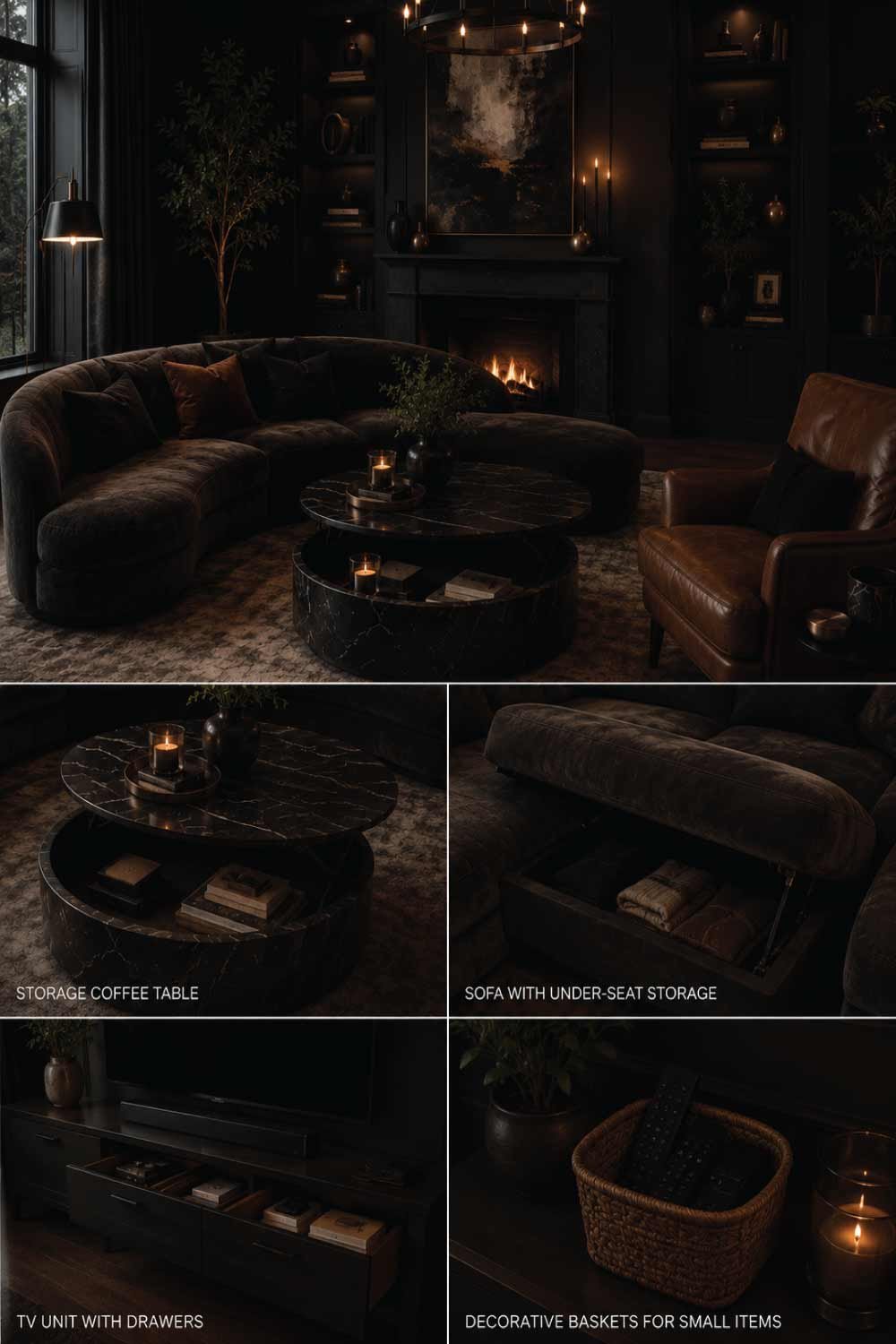
- Hidden storage reduces visible clutter instantly.
- Furniture with built-in compartments maximizes usability.
- Storage coffee tables keep surfaces clean and functional.
- Sofas with under-seat storage hide infrequently used items.
- TV units with drawers organize electronics discreetly.
- Decorative baskets manage small items neatly.
Look for furniture with built-in storage such as TV units with drawers, coffee tables with compartments, or sofas with under-seat storage. Even decorative baskets can help organize remote controls, magazines, and other everyday items.
Personal Experience
Adding hidden storage completely changed how tidy my living room felt. Remotes, magazines, and cables finally had a place. With fewer items visible, the space looked intentional, calm, and far more spacious than before.
Also Read:
12 Best Small Space Living Room Lamp Ideas That Make a Big Impact
10. Use Lighting to Enhance Space
Lighting can dramatically influence how large or small a living room feels. Relying on one light source often creates shadows and flatness. Layered lighting adds depth, warmth, and dimension, making compact spaces feel welcoming rather than enclosed.
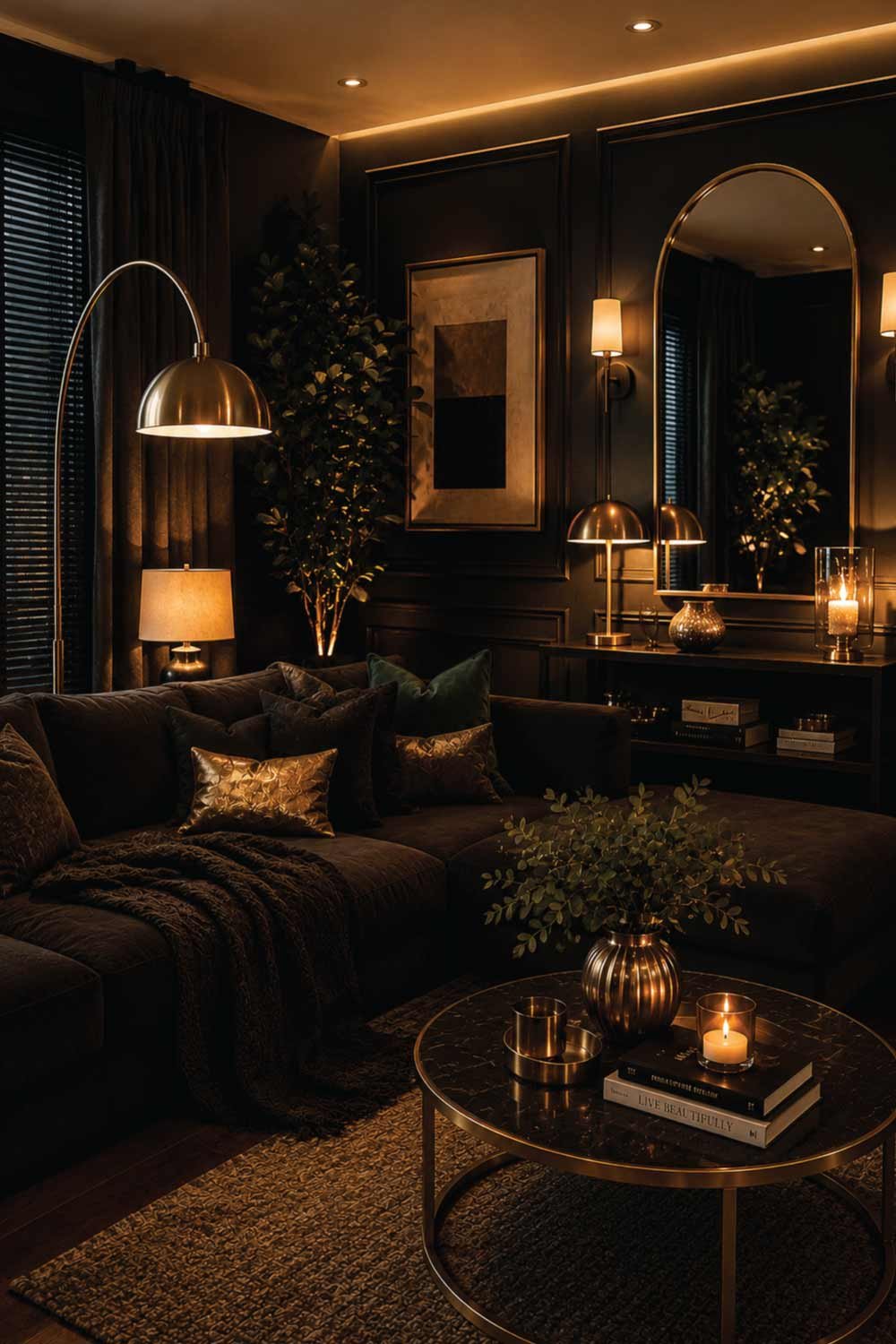
- Layered lighting creates depth and visual interest.
- Multiple light sources prevent harsh shadows.
- Floor lamps add height and softness.
- Table lamps provide cozy, focused lighting.
- Wall sconces save floor and surface space.
- Warm lighting enhances comfort in small rooms.
Combine floor lamps, wall sconces, and table lamps to distribute light evenly. Warm lighting makes the space feel cozy rather than confined, while multiple sources prevent harsh shadows that can shrink the room visually.
Personal Experience
After adding multiple lamps, my living room felt warmer and more inviting. The space no longer looked flat at night. Soft lighting in different corners made the room appear larger and more comfortable for relaxing.
11. Keep Decor Minimal but Meaningful
Minimal decor helps small living rooms breathe visually. Overdecorating fills valuable space and creates chaos. Choosing fewer, meaningful pieces allows personality to shine while maintaining balance, clarity, and a sense of openness throughout the room.
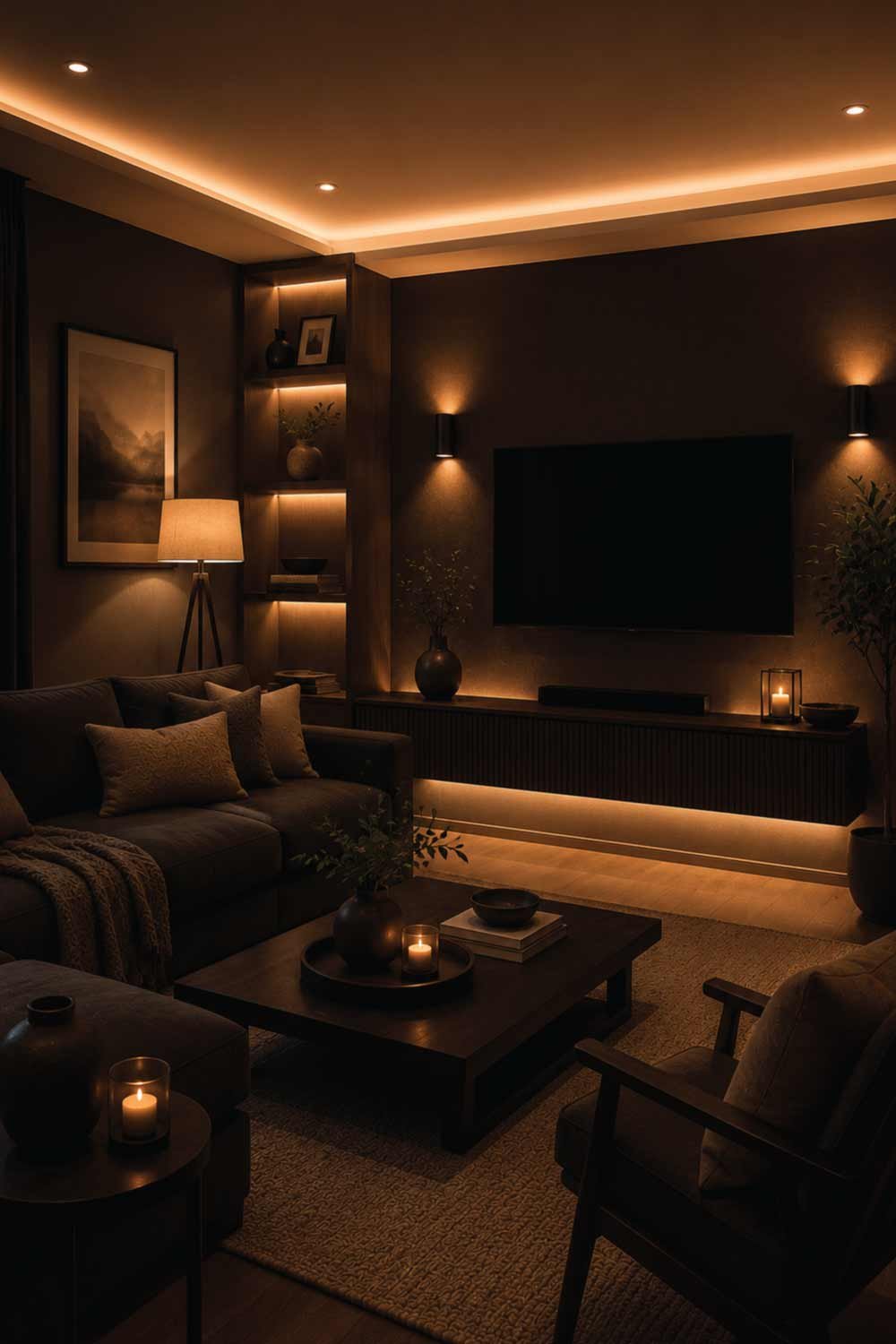
- Too much decor quickly overwhelms small spaces.
- Fewer pieces create stronger visual impact.
- Meaningful items reflect personal style better.
- Empty space balances decorated areas.
- Statement pieces reduce need for excess decor.
- Minimal styling improves visual calmness.
Instead of filling every surface, choose a few meaningful decor pieces that reflect your personality such as framed artwork, a statement vase, or a sculptural object. Negative space (empty areas) is just as important as decorated space because it gives the room room to breathe.
Personal Experience
Reducing decor helped my living room feel calmer and more spacious. Each item now feels intentional. Empty surfaces made the space more relaxing, and the few pieces I kept stood out beautifully.
Also Read:
Top 12 Trending Earth Tone Living Room Decor Ideas for a Warm, Modern Home
12. Add Plants for Freshness and Depth
Plants instantly elevate small living rooms by adding color, texture, and natural warmth. They soften sharp lines and enhance depth without consuming much space. Whether small or tall, plants bring freshness and make compact interiors feel lively and welcoming.
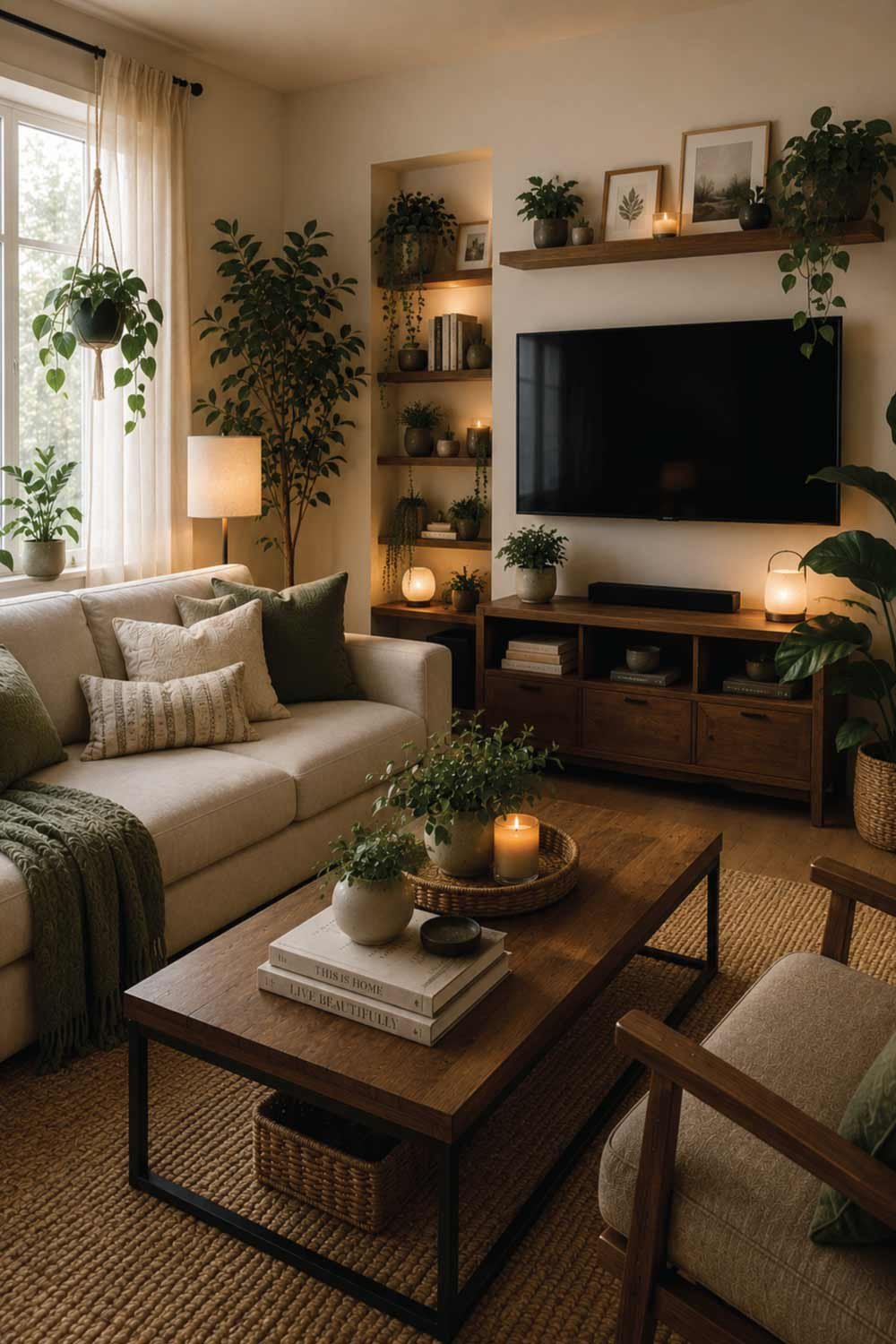
- Plants introduce natural color and texture.
- Greenery softens hard furniture lines.
- Small plants fit easily on shelves or tables.
- Hanging planters save floor space.
- Tall plants enhance vertical depth.
- Plants make modern spaces feel more inviting.
Small potted plants, hanging planters, or tall corner plants can all enhance the room’s atmosphere. Plants also soften hard edges and make modern apartments feel more welcoming and organic.
Personal Experience
Adding plants brought new life into my living room. Even a few small pots made the space feel fresher. The room became warmer and more welcoming, with a subtle connection to nature.
Also Read:
Top 12 Contemporary Living Room Art Ideas to Redefine Modern Spaces
Final Thoughts:
Decorating a small living room is not about limiting your creativity it’s about refining it. Every choice, from furniture to lighting, should work together to create a sense of openness, balance, and harmony.
By focusing on multifunctional furniture, smart storage, light colors, and thoughtful decor, even the smallest apartment living room can feel stylish and spacious. The goal is to design a space that not only looks good but also supports your lifestyle comfortably.
With the right approach, small doesn’t mean restrictive it means intentional, efficient, and beautifully curated.
