
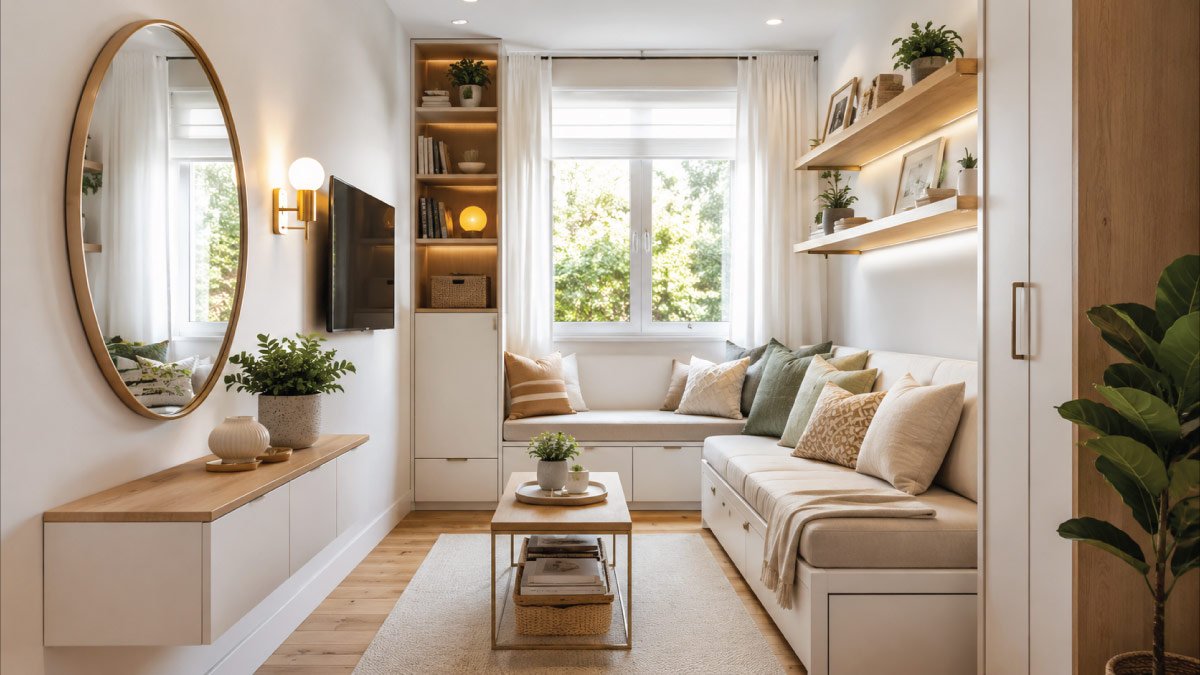
Living in a small or cramped room can feel frustrating, especially when clutter seems to accumulate quickly and there’s little room to breathe. Whether it’s a tiny bedroom, a compact living room, or a small studio apartment, a cramped space can affect your mood, productivity, and overall well being.
But the good news is, a cramped room does not have to stay that way. With the right strategies, you can maximize your space, improve functionality, and make your room feel open, airy, and inviting.
In this guide, we will explore practical tips, design hacks, and storage solutions that can transform even the smallest room into a comfortable and stylish environment.
Declutter First: The Foundation of Space1
Before trying any other tricks to make a room feel bigger, start by decluttering. A cramped room never feels open if it’s filled with unnecessary items. Take time to assess each belonging critically, organize what you need, and remove what you don’t. This process creates both physical and mental breathing room, setting a strong foundation for a spacious, functional environment.
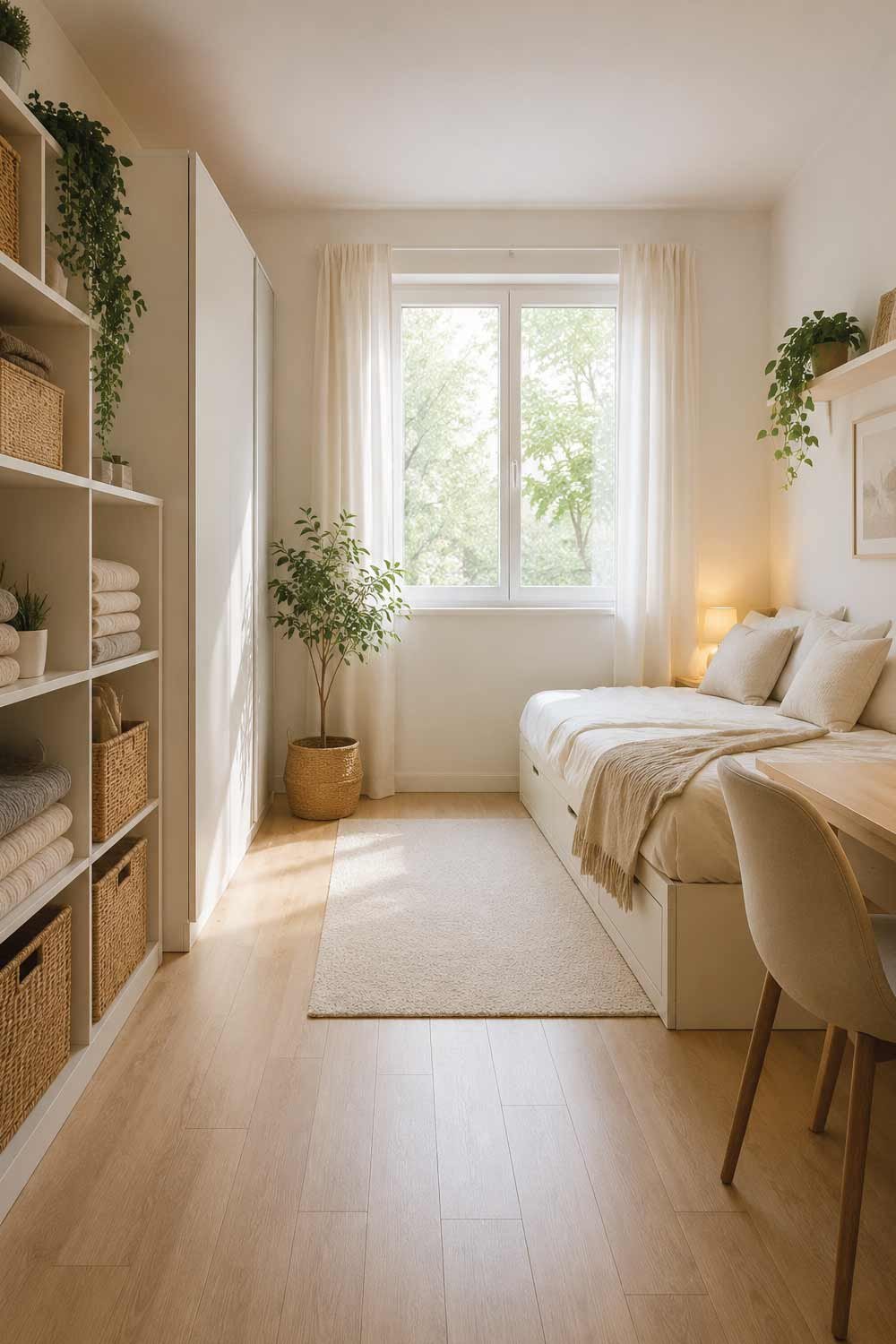
Sorting your belongings: Go through your things and decide what to keep, donate, or throw away. Be honest about what you truly need.
Organizing essentials: Keep frequently used items within easy reach and store seasonal or rarely used items elsewhere.
Reducing duplicates: Multiple versions of the same item like clothes, kitchen tools, or gadgets can create unnecessary crowding.
Decluttering not only creates physical space but also clears your mind, making the room feel lighter and more functional.
Choose Space Saving Furniture
In a small room, furniture selection is crucial. Choosing pieces that serve multiple purposes or occupy less floor space can instantly improve both usability and visual openness. By focusing on items that combine practicality and style, you can maintain an organized environment without sacrificing comfort or design. Thoughtful furniture choices transform cramped spaces into efficient, inviting areas.
Multi-functional furniture: Use beds with storage drawers underneath, ottomans that double as storage, or desks with built in shelving.
Foldable or extendable furniture: Folding tables, chairs, or wall-mounted desks can be tucked away when not in use, freeing up space.
Slimline furniture: Avoid bulky, oversized pieces. Narrow bookshelves, low-profile sofas, and compact tables help maintain a sense of openness.
By selecting furniture that combines style with practicality, you can reduce clutter while keeping the room functional.
Rearrange for Flow and Functionality
Even in small spaces, how you place furniture dramatically affects the room’s openness and usability. Smart arrangements can create visual balance, improve circulation, and make the area feel less congested. Small adjustments, like floating furniture or establishing a focal point, enhance both the function and aesthetic of the room, giving it a surprisingly spacious feel without adding new items.
Keep pathways clear: Avoid blocking natural walking paths. This not only improves movement but also makes the room appear larger.
Float furniture: Instead of pushing all furniture against walls, try floating key pieces. This creates a sense of dimension and flow.
Anchor with a focal point: Position the main piece, like your bed or sofa, as the focal point and arrange other furniture around it. This creates visual balance.
Sometimes, even slight adjustments in furniture placement can make a room feel significantly more open.
Use Vertical Space Wisely
Maximizing vertical space is a powerful way to make a small room feel larger. By thinking upward instead of just on the floor, you can store essentials, display décor, and organize items efficiently. Tall storage solutions and wall-mounted accessories help keep surfaces clear, contributing to a cleaner, more open atmosphere. Vertical organization can dramatically expand your room’s usable space.
Wall-mounted shelves: Install shelves above your desk, bed, or sofa to store books, décor, or essentials.
Hooks and racks: Wall hooks can hold bags, coats, or hats, reducing clutter on floors and surfaces.
Tall furniture: Instead of wide cabinets, choose tall wardrobes or bookshelves that utilize height without occupying much floor area.
Using vertical space efficiently frees up the floor, making your room feel larger and more organized.
Opt for Light Colors and Reflective Surfaces
Colors and reflective elements can significantly influence the perception of space. Lighter tones and surfaces that bounce light create a sense of openness, while dark or matte finishes can make a room feel smaller. Strategic use of mirrors, glossy finishes, and light-colored décor enhances natural and artificial lighting, producing a visually airy, expansive, and welcoming environment in even the tiniest spaces.
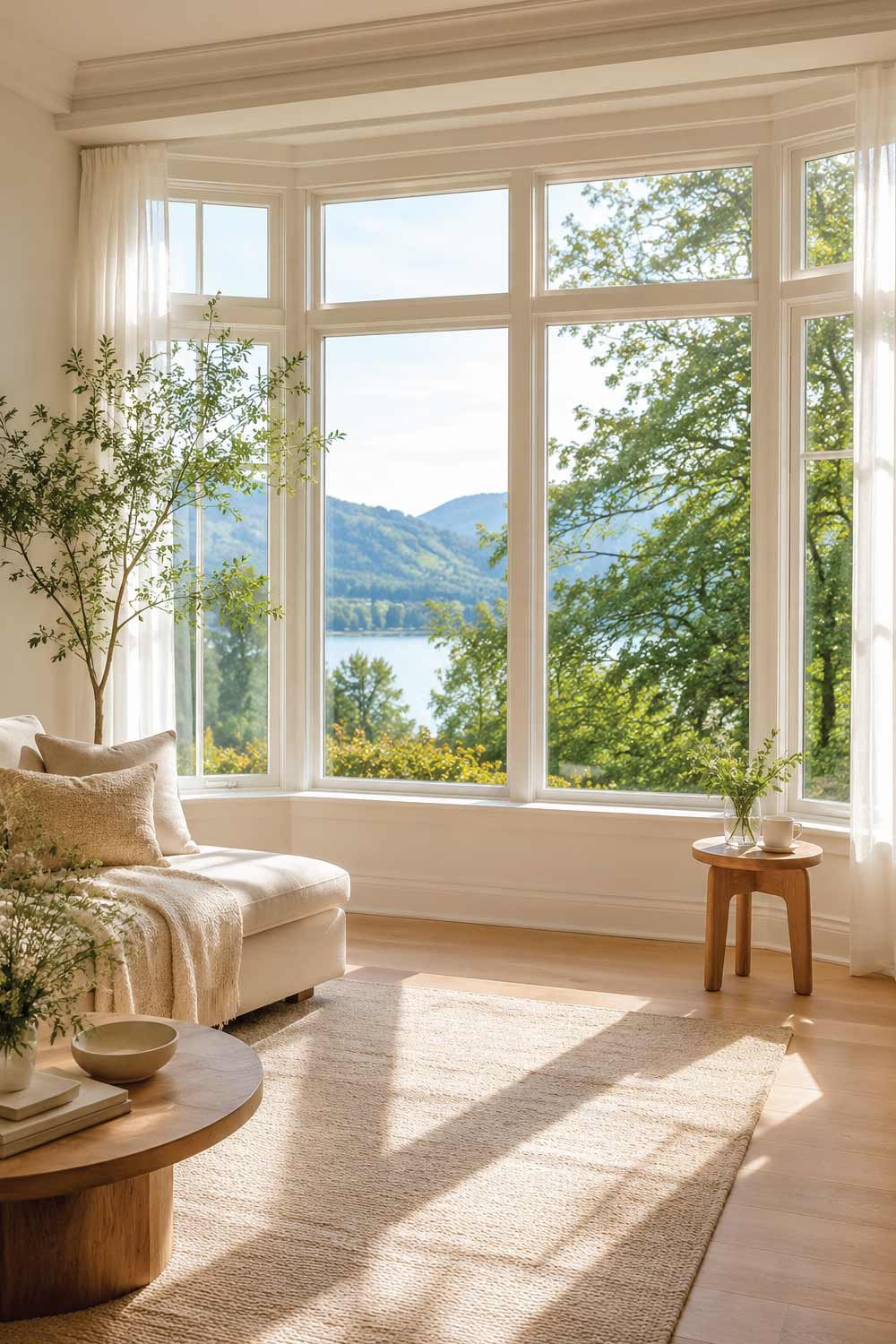
Light colors: Whites, creams, pastels, or soft greys reflect light, making the room feel airy. Dark colors can make walls feel closer and the space more confined.
Mirrors: Place mirrors strategically to reflect natural light and create a sense of depth. Full-length mirrors on walls or mirrored furniture can dramatically open up a small room.
Glossy or metallic finishes: Furniture with glossy or reflective surfaces bounces light around the room, contributing to an airy vibe.
A small investment in paint, wall décor, or furniture with reflective finishes can significantly impact the perception of space.
Keep Windows Clear for Natural Light 2
Natural light has a remarkable effect on small rooms, instantly making them feel open and airy. By allowing sunlight to pour in unobstructed, a cramped space can appear more inviting and larger than it really is. Thoughtful use of window treatments, furniture placement, and light-colored frames enhances brightness, creating a vibrant, cheerful atmosphere that feels expansive and comfortable.
Avoid heavy drapes: Opt for sheer curtains or blinds that let light through while maintaining privacy.
Place furniture thoughtfully: Don’t block windows with tall furniture. Keep the area clear so sunlight can flow in.
Use light window frames: Light-colored frames and sills enhance brightness and give a more spacious feeling.
Even small rooms can feel open and vibrant when bathed in natural light.
Create Zones with Smart Layouts
Even the tiniest room can be functional if different areas are clearly defined. By creating separate zones for sleeping, working, or storage, you can maintain order while maximizing usability. Smart layouts allow you to multitask within the same space without clutter or chaos, giving the room a structured flow and making it feel larger and more purposeful than its physical dimensions suggest.
Sleeping zone: Keep the bed area cozy and clutter-free. Consider using a room divider or curtain if it’s a studio setup.
Work zone: A compact desk or wall mounted workstation can define your work area.
Storage zone: Allocate one wall or section for organized storage using cabinets or shelves.
By giving each area a clear purpose, the room feels structured and less chaotic.
Minimize Visual Clutter
Visual clutter can make even a spacious room feel cramped and overwhelming. Excess patterns, decorations, and small objects draw the eye in multiple directions, creating a sense of chaos. By simplifying your décor, sticking to a cohesive color scheme, and keeping surfaces clear, you can create an elegant, calm, and visually open environment that emphasizes the room’s functionality and aesthetic appeal.
Limit décor: Choose a few key pieces rather than filling every surface.
Use cohesive colors: Stick to a color palette to reduce visual noise.
Clear surfaces: Keep desks, tables, and dressers tidy. Only display what you love or use regularly.
A minimalist approach can make even a small space feel elegant and relaxing.
Also Read:
How to Decorate a Tiny Apartment: Maximizing Style in Small Spaces
Smart Storage Solutions
Efficient storage is the backbone of a well organized small room. Clever solutions that use both floor and vertical space help prevent clutter from taking over. By incorporating hidden compartments, under bed boxes, or over-door organizers, you can keep essentials accessible without crowding the room. Smart storage strategies maintain a tidy, spacious appearance while supporting your daily routines seamlessly.
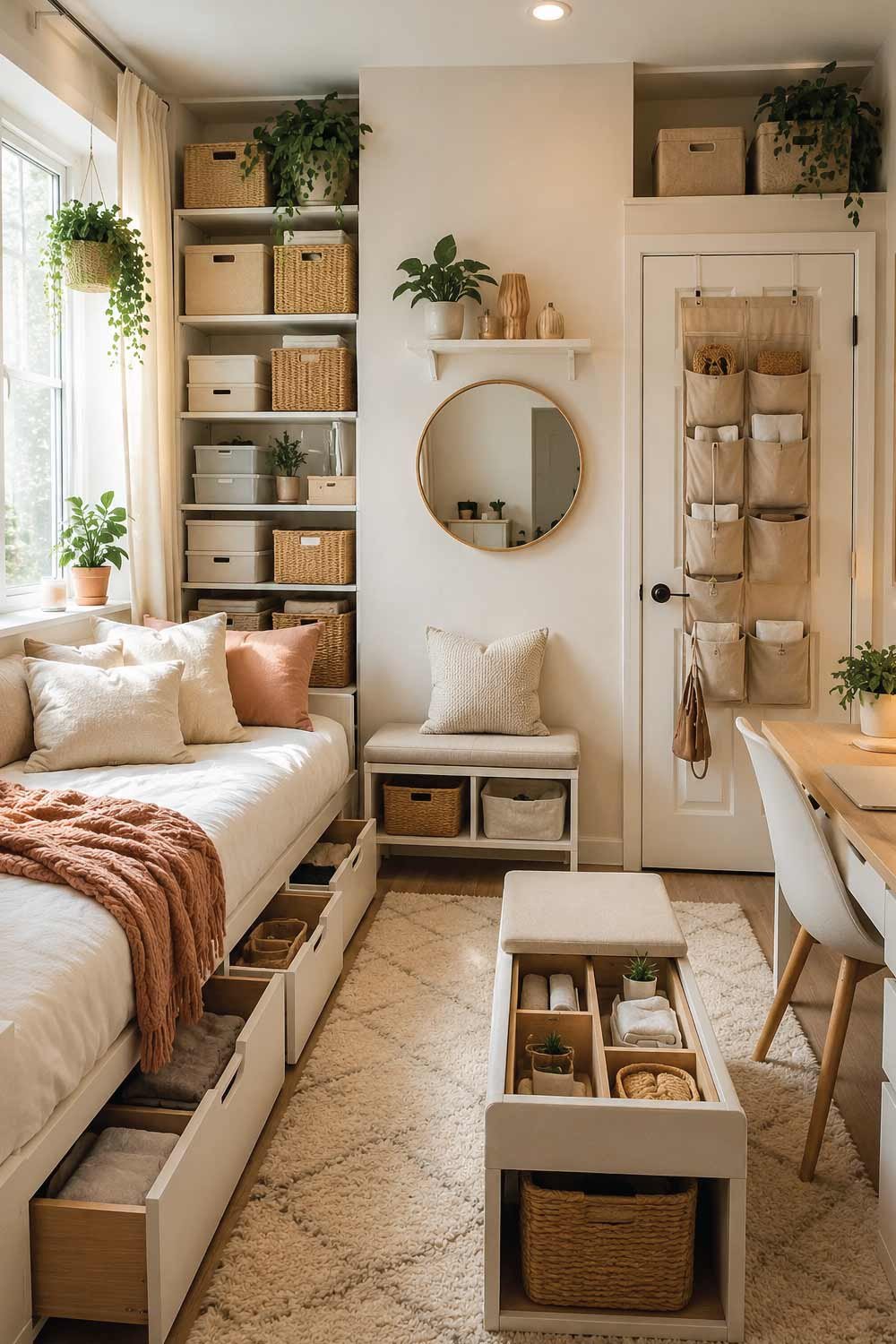
Under-bed storage: Boxes or drawers under the bed are perfect for clothes, shoes, or linens.
Over-door organizers: Hang organizers behind doors for shoes, accessories, or cleaning supplies.
Furniture with hidden storage: Coffee tables, benches, or beds with compartments reduce the need for extra cabinets.
Stackable bins and baskets: Keep items organized while maximizing vertical space.
The key is to store up and out, not just along the floor, to maintain a clean and spacious look.
Also Read:
How to Organize a Small Room: Practical Tips and Smart Solutions
Use Mirrors and Visual Tricks
Mirrors and optical illusions are powerful tools in creating the perception of space. By reflecting light and drawing the eye across a room, mirrors make cramped areas feel larger and more open. Combining mirrored furniture with strategic patterns and clever placement enhances depth, giving a room a sense of airy elegance without any structural changes, proving that smart design can outperform sheer square footage.
Wall mirrors: Place large mirrors opposite windows to double the natural light effect.
Mirrored furniture: Coffee tables, cabinets, or wardrobe doors with mirrored surfaces create depth.
Pattern tricks: Horizontal stripes on walls or floors can make the room appear wider.
These visual tricks create an optical illusion of space without any physical expansion.
Keep Flooring Simple
Flooring plays a subtle but powerful role in how spacious a room feels. Busy patterns or dark carpets can visually shrink a space, making it feel congested. Choosing light colored, cohesive flooring and minimizing rugs allows the eye to move freely across the room. This creates a seamless visual flow that enhances openness, calmness, and a sense of airy comfort.
Use light-colored flooring: White, beige, or light wood tones reflect light and open up the room.
Limit rugs: A single, small rug or a rug matching the floor color keeps the space cohesive.
Avoid cluttered mats: Too many small rugs can break the visual flow.
Simple flooring ensures the eye moves freely across the room, enhancing the sense of space.
Optimize Lighting
Lighting dramatically influences the perceived size and mood of any room. Properly layered illumination can add depth and warmth, making even a cramped room feel open and welcoming. By combining ceiling, task, and wall-mounted lights while avoiding harsh glare, you can highlight key areas, enhance décor, and create a cozy yet spacious atmosphere that elevates the overall comfort of your home.
Layered lighting: Use a combination of ceiling lights, task lamps, and wall-mounted lights to create depth.
Wall-mounted lights: Instead of floor lamps that take up space, use sconces or LED strips.
Avoid harsh lighting: Soft, warm light creates a cozy atmosphere without feeling crowded.
A well-lit room always feels larger and more inviting.
Keep Technology and Cables Organized
Cord clutter can make even the most carefully arranged room feel chaotic. Keeping electronics and cables organized improves both aesthetics and functionality. By using cable management tools, wall mounting devices, and wireless options wherever possible, you can free up floor space, reduce distractions, and maintain a clean, streamlined environment that enhances the room’s openness and contributes to a sense of calm order.
Using cable organizers: Clip, box, or hide cables behind furniture.
Wall-mounting electronics: TVs or speakers mounted on walls free up floor space.
Wireless options: Opt for wireless chargers, keyboards, and devices where possible.
A clean and organized tech setup contributes significantly to the sense of openness.
Also Read:
Add Plants Strategically
Adding greenery to a small room can boost life and style without taking up precious space. Choosing the right types and placements of plants introduces height, texture, and color, while maintaining a sense of openness. Strategic use of hanging, tabletop, or tall narrow plants improves air quality, softens visual lines, and creates a lively, refreshing ambiance that makes a small space feel inviting and vibrant.
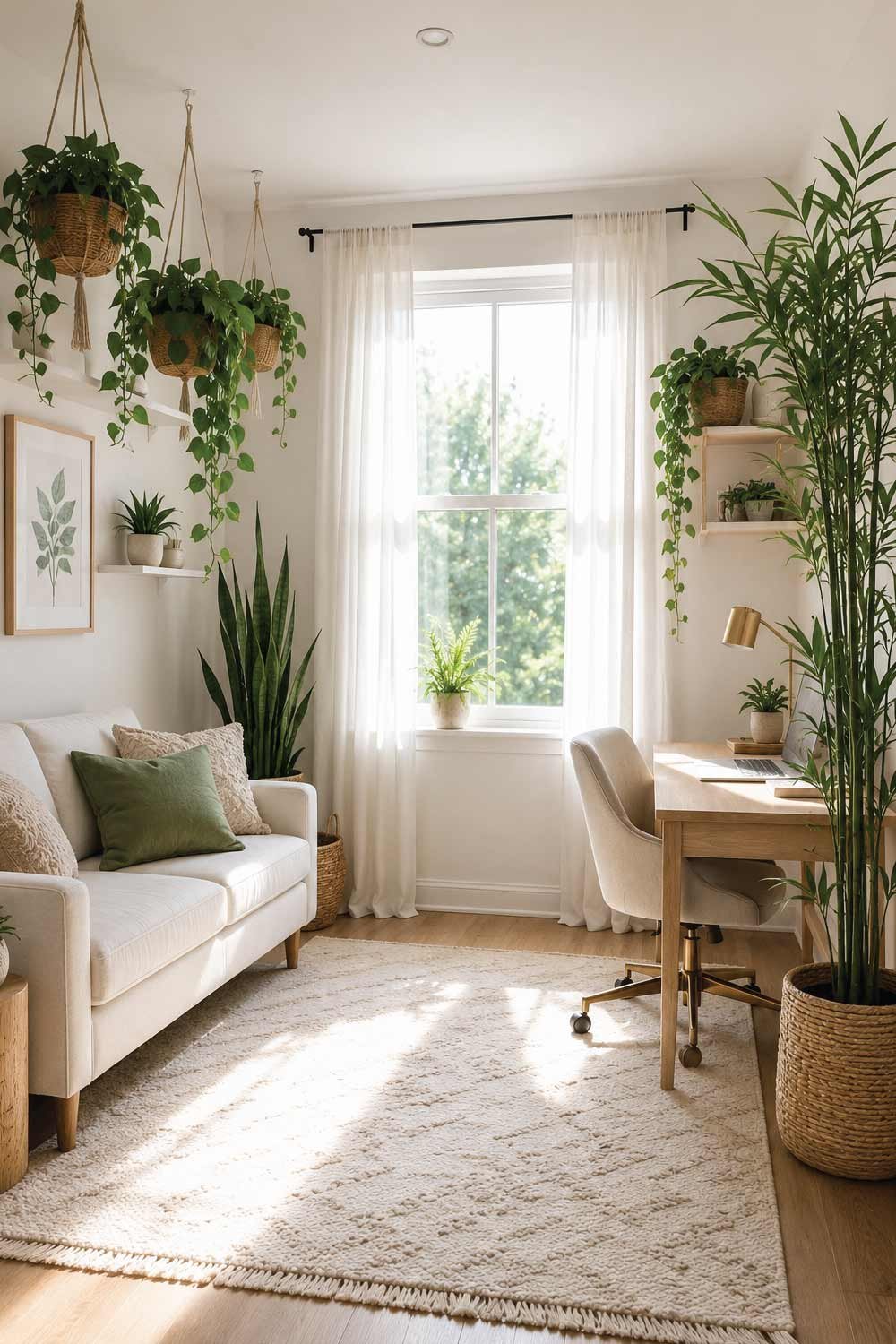
Hanging plants: Use ceiling hooks or wall mounted planters to save floor space.
Small tabletop plants: Place mini plants on shelves or desks to add greenery without cluttering.
Tall, narrow plants: Plants like snake plants or bamboo in corners add height and freshness.
Greenery can enhance air quality, aesthetics, and the perception of a lively, open room.
Also Read:
12 Glamorous Luxury Living Room Furniture Ideas You will Love
Rotate or Reassess Regularly
Even the most organized small room can lose its sense of space over time if clutter accumulates. Regularly reassessing belongings, décor, and furniture ensures the room remains functional and visually appealing. Seasonal decluttering, rotating decorative elements, and updating bulky or unused furniture keeps the space fresh, efficient, and comfortable, helping a small room consistently feel larger and more enjoyable to live in.
Seasonal decluttering: Review items every few months to prevent accumulation.
Rotate décor: Changing decorative items occasionally keeps the room feeling fresh.
Evaluate furniture: Replace bulky or unused pieces with more functional alternatives as needed.
Maintaining a cramped room requires ongoing attention, but the payoff is a space that consistently feels larger and more comfortable.
Conclusion
Fixing a cramped room is about smart planning, strategic storage, and mindful design. Start with decluttering, maximize vertical space, choose multi-functional furniture, and enhance natural light to create an airy, welcoming environment. Use mirrors, light colors, and cohesive décor to open up the visual space. Thoughtful organization and regular reassessment ensure your room stays functional, stylish, and relaxing.
Remember, even the smallest room can feel spacious and elegant with the right approach. By combining practical solutions with creative design hacks, you can turn any cramped space into a comfortable haven that reflects your personality while making every square foot count.

I am Engineer Hassan, a professional engineer with over 15 years of experience in measurements, design accuracy, and furniture, appliance, and home product sizing. Through Size Helper, I provide research-based guides and trending 2026 home design ideas for living rooms, bedrooms, sofas, wall décor, fashion, and sports—helping users make confident, informed decisions. Every guide is written with real expertise, verified data, and a commitment to quality, usability, and style.