
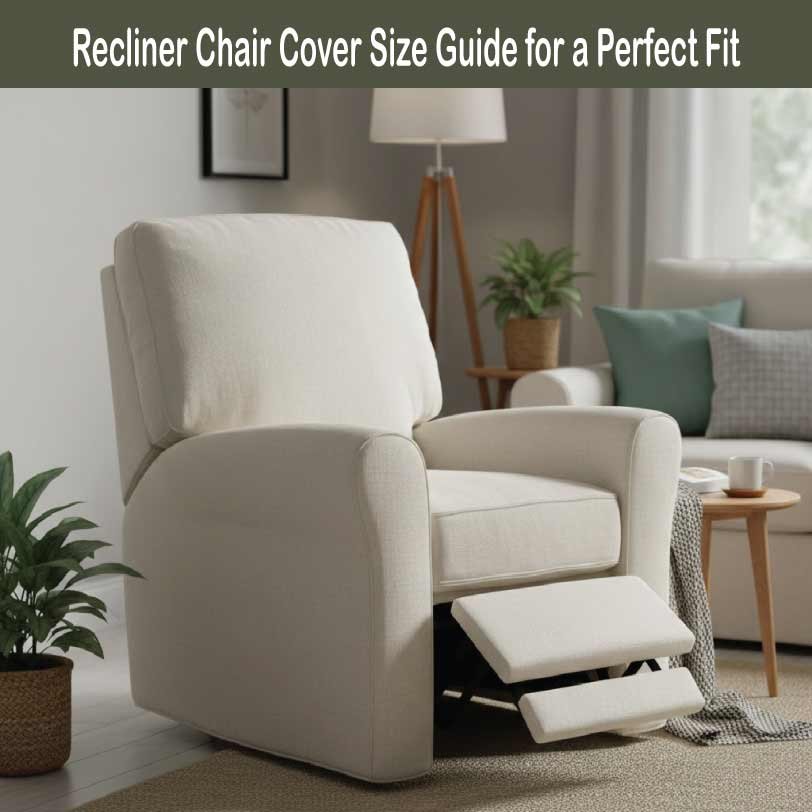
A recliner chair is more than just a piece of furniture—it is a sanctuary of comfort in your living space. Protecting your recliner with a cover not only extends its life but also maintains the aesthetic appeal of your room. However, the key to achieving both protection and style is ensuring a perfect fit. This guide will take you through everything you need to know about recliner chair covers, including sizes, materials, measurement tips, and fitting strategies.
Why Choosing the Right Recliner Chair Cover Matters
Many homeowners overlook the importance of a correctly sized recliner cover. A cover that is too small will strain the fabric and may tear quickly, while an oversized cover can look baggy, unkempt, and even slip off. Furthermore, an ill-fitting cover can interfere with the chair’s reclining mechanism, which defeats the purpose of comfort and convenience.
Properly fitting covers:
Preserve the chair’s structure and cushion integrity.
Enhance the room’s aesthetic by offering a smooth, tailored look.
Provide ease of maintenance since covers can be removed and washed.
Prevent damage from pets, spills, and daily wear and tear.
Standard Recliner Chair Sizes
Recliner chairs vary in size and shape, making accurate measurements essential when selecting a chair cover. Understanding standard recliner dimensions helps ensure a proper fit, better coverage, and a neat appearance. This guide outlines common recliner sizes to help you choose a cover that fits securely, protects your chair effectively, and enhances comfort and durability.
| Recliner Type | Average Width (inches) | Average Height (inches) | Average Depth (inches) |
|---|---|---|---|
| Small Recliner | 28–32 | 38–42 | 32–36 |
| Standard Recliner | 32–36 | 40–44 | 34–38 |
| Large Recliner | 36–42 | 42–46 | 36–40 |
| Oversized/Big Man | 42–48 | 44–48 | 38–42 |
| Loveseat Recliner | 52–60 | 40–44 | 36–40 |
Tip: Always measure the widest point of the chair, including armrests, when selecting a cover.
Also Read:
Measuring Your Recliner for a Perfect Fit
Taking accurate measurements ensures your chair cover fits properly and stays in place during use. Incorrect sizing can cause slipping, poor coverage, or discomfort. By carefully following these steps, you can measure your chair correctly, helping you choose a cover that looks neat, provides full protection, and performs well over time
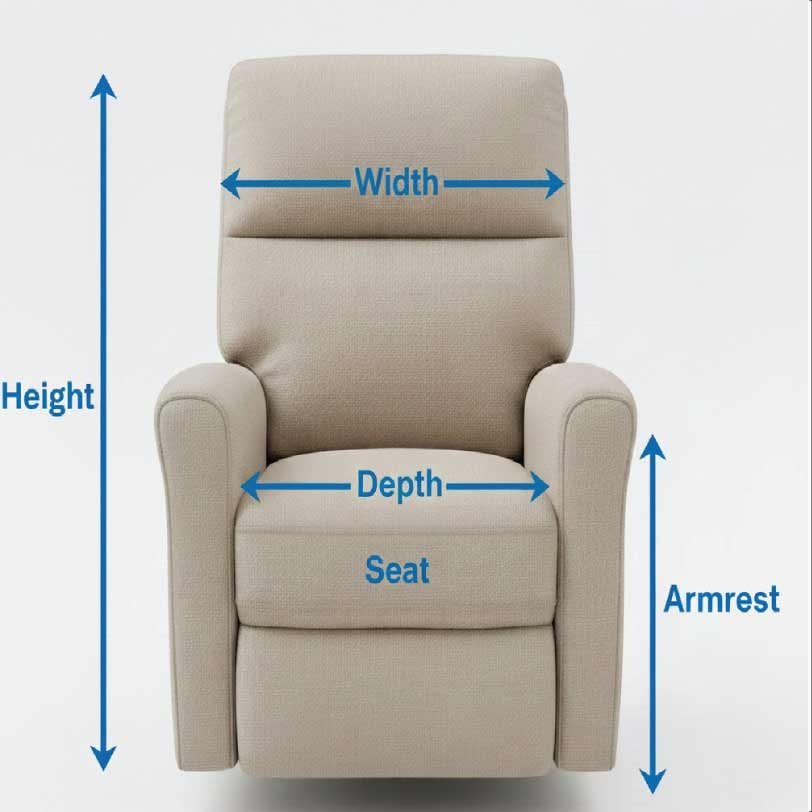
Width Measurement: Measure from the outer edge of one armrest to the other. This determines how wide your cover should be.
Height Measurement: Measure from the base of the chair to the highest point of the backrest.
Depth Measurement: Measure from the front edge of the seat to the back, ensuring the cover will accommodate the reclining feature.
Seat Cushion Width: Some covers are elastic and designed to stretch over seat cushions; ensure that the cushion width is within the cover’s stretchable range.
Armrest Consideration: If your recliner has large or uniquely shaped armrests, measure them separately. Some covers include separate sleeves or adjustable flaps.
Recliner Chair Cover Types
Choosing the right chair cover involves more than just correct sizing. Material quality, durability, comfort, and ease of cleaning all play important roles. Different cover types offer varying levels of protection, style, and maintenance, making it easier to match your lifestyle and furniture needs.
| Cover Type | Material | Key Features | Ideal For |
|---|---|---|---|
| Stretch Slipcover | Polyester, Spandex Blend | Elastic, hugs the chair, easy to wash | Most standard recliners |
| Non-Stretch Slipcover | Cotton, Linen, Microfiber | Structured fit, elegant appearance | Formal living rooms |
| Quilted/ Padded Cover | Polyester blend | Extra protection, comfortable | Households with kids or pets |
| Waterproof Cover | Polyester, Vinyl | Spill-proof, stain-resistant | Homes prone to accidents |
| Custom-Made Cover | Fabric of choice | Tailored fit, full protection | High-end or uniquely shaped recliners |
Tip: Stretch slipcovers are the most versatile and forgiving for size variations.
Size Chart for Recliner Chair Covers
To make choosing the right cover easier, a detailed size chart is provided based on standard chair dimensions. This chart helps you compare measurements accurately, ensuring a proper fit that offers full coverage, improved appearance, and long-lasting protection for your recliner chair.
| Chair Size | Cover Size (inches) | Fit Notes |
|---|---|---|
| Small Recliner | 28–32 Width, 38–42 Height, 32–36 Depth | Ideal for compact living rooms and smaller apartments |
| Standard Recliner | 32–36 Width, 40–44 Height, 34–38 Depth | Covers stretch well on standard household recliners |
| Large Recliner | 36–42 Width, 42–46 Height, 36–40 Depth | Perfect for family rooms or home theaters |
| Oversized Recliner | 42–48 Width, 44–48 Height, 38–42 Depth | Provides extra room for Big & Tall models |
| Loveseat Recliner | 52–60 Width, 40–44 Height, 36–40 Depth | Accommodates dual-seating recliners without sagging |
Material Considerations
The material of a recliner cover impacts its durability, comfort, and fit. Choosing the right fabric ensures long-lasting protection, easy maintenance, and a snug, attractive fit for your chair.
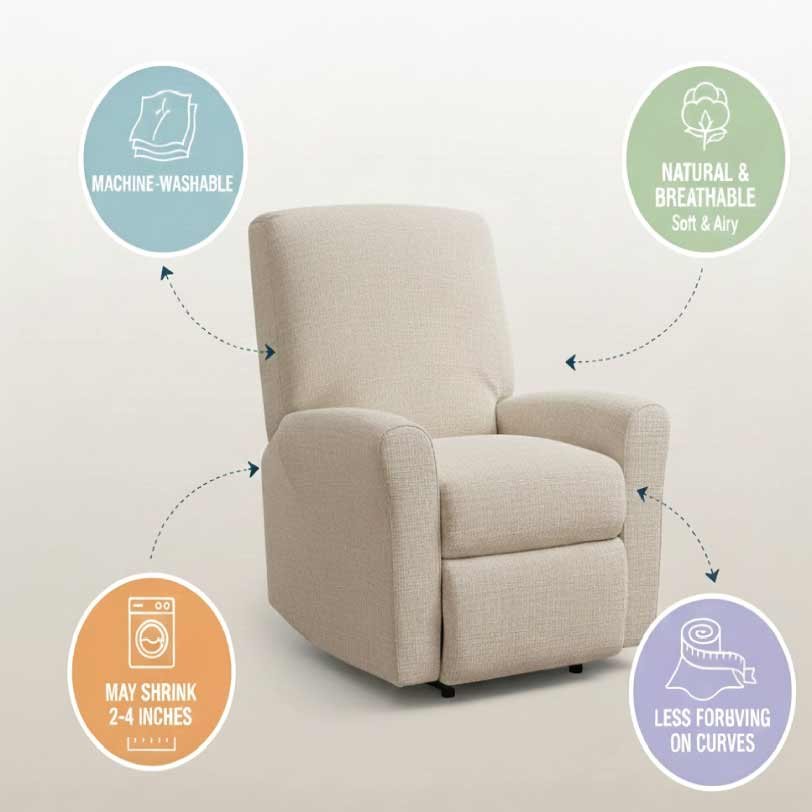
Stretch Fabric
Highly elastic for snug fit.
Works well for chairs with curves or irregular shapes.
Easy to remove and machine-washable.
Cotton & Linen
Natural, breathable fabrics.
Can shrink slightly after washing, so size up by 2–4 inches.
Less forgiving on irregular shapes.
Quilted Polyester
Provides padding for protection against pet claws or spills.
Slightly bulkier, may require careful measurement.
Offers a soft and luxurious feel.
Waterproof Vinyl
Protects against stains and liquids.
Less flexible—requires precise measurement to avoid sagging.
Also Read:
How to Ensure a Wrinkle-Free Fit
A well-fitted recliner cover should look custom-made, enhancing both the chair’s appearance and protection. Wrinkles or loose fabric can make the cover look sloppy and reduce its effectiveness. Using proper techniques such as elastic anchoring, foam inserts, fabric guidelines, and ironing ensures a smooth, polished, and tailored finish.
1- Elastic Anchoring
Many recliner covers come with built-in elastic straps or bands that tuck securely under the chair. These anchors hold the cover in place, preventing slipping or bunching. Proper use of elastic anchoring ensures the fabric remains snug around the back, seat, and armrests, maintaining a clean, wrinkle-free appearance during everyday use.
2- Use Foam Inserts
Foam inserts help fill gaps around armrests, backrests, and other loose areas, giving the cover a tailored, custom appearance. By strategically placing foam, you prevent sagging or wrinkles, improve overall fit, and enhance comfort. Inserts keep the cover in place, ensuring it looks smooth, polished, and professionally fitted at all times.
3- Follow Fabric Stretch Guidelines
Recliner covers often have recommended stretch ranges. Overstretching the fabric can distort its shape, cause wrinkles, and reduce durability. Following the manufacturer’s stretch guidelines ensures a snug, wrinkle-free fit while maintaining the cover’s elasticity and integrity. Proper stretching allows the fabric to contour naturally to the chair’s curves and angles.
4- Iron or Steam Fabric
Non-stretch or packaged recliner covers may develop wrinkles during shipping or storage. Using a low-heat iron or a gentle fabric steamer can smooth out creases without damaging the material. Careful ironing or steaming enhances the cover’s appearance, giving it a polished, custom-made look while ensuring a neat, professional finish on your chair.
Troubleshooting Common Fit Issues
Even with precise measurements, recliner covers can sometimes fit imperfectly. Wrinkles, loose areas, or slipping may occur due to chair shape, fabric stretch, or improper installation, requiring adjustments to achieve a smooth, snug appearance.
| Problem | Possible Cause | Solution |
|---|---|---|
| Cover slips off | Chair too narrow or smooth | Use anti-slip pads or adjust elastic straps |
| Wrinkles or bunching | Cover too large or loose | Use foam inserts or adjust tucks under arms |
| Armrests uncovered | Armrest size not measured | Consider separate armrest covers |
| Cover interferes with recline | Cover too tight or thick fabric | Select a stretchable fabric or size up |
Also Read:
Maintaining Your Recliner Cover
Proper maintenance of your recliner cover keeps it looking fresh and lasting longer. By following care instructions, cleaning regularly, and using gentle methods, you protect the fabric’s color, elasticity, and overall appearance while ensuring continued comfort and functionality.
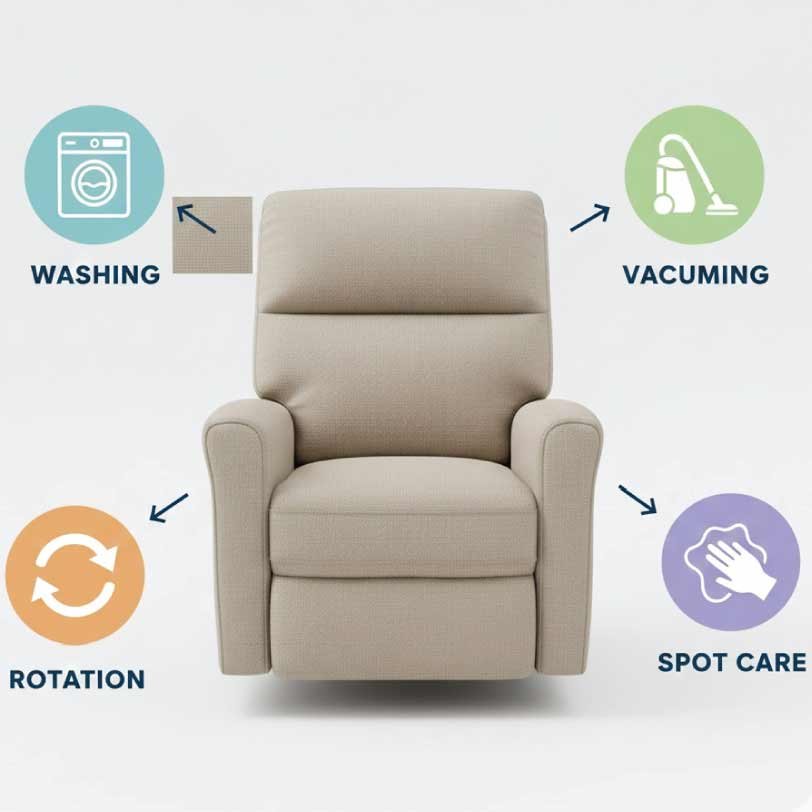
1- Machine Washable:
Most recliner covers are machine washable, making maintenance simple and convenient. Always check the fabric care label before washing to prevent shrinkage, fading, or damage. Use the recommended water temperature and gentle cycle for long-lasting performance.
2- Avoid Harsh Chemicals:
Choose mild, fabric-safe detergents and avoid bleach or strong chemical cleaners. Harsh products can weaken fibers, reduce elasticity, and cause color fading over time. Gentle cleaning helps maintain the cover’s softness, fit, and overall durability.
3- Regular Vacuuming:
Vacuum your recliner cover frequently to remove dust, dirt, food crumbs, and pet hair. Regular vacuuming prevents debris from settling deep into the fabric, keeps the recliner hygienic, and reduces the need for frequent washing.
4- Rotate Cover:
If your recliner cover is reversible or removable, rotate or switch sides periodically. This helps distribute daily wear evenly, prevents fading in high-use areas, and extends the life of the fabric while keeping the recliner looking fresh.
Custom vs. Ready-Made Covers
While ready-made covers are convenient and affordable, custom covers are ideal for:
Unusually shaped recliners.
Premium furniture requiring tailored appearance.
Achieving a perfect fit with additional protection like waterproof layers or extra padding.
Custom covers may be slightly more expensive but provide long-term satisfaction and superior protection.
Recommended Brands and Fit Options
Selecting the right recliner cover is easier when you focus on reputable brands offering durable materials, clear sizing information, and positive customer feedback. Quality brands provide a variety of fits, fabrics, and styles, ensuring protection, comfort, and a tailored appearance for your furniture.
1- SureFit:
SureFit is known for its highly stretchable slipcovers that conform to most recliner shapes. Their covers provide a snug fit, wrinkle-free appearance, and durable protection, making them a popular choice for homeowners seeking versatility and affordability.
2- Easy-Going :
Easy-Going offers affordable quilted and waterproof recliner covers, combining practical protection with comfort. Their designs are budget-friendly while providing coverage against spills, stains, and daily wear, making them suitable for homes with pets, children, or high-traffic usage.
3- StretchPlein :
StretchPlein specializes in premium elastic-fit covers designed to accommodate irregularly shaped recliners. Their high-quality fabrics and tailored elasticity ensure a smooth, wrinkle-free fit, offering both elegance and reliable protection for unique or non-standard furniture pieces.
4- CustomLocal Tailors :
CustomLocal Tailors provides bespoke covers for high-end or designer recliners. With custom measurements and luxurious fabrics, these tailored solutions ensure perfect fit, maximum protection, and a sophisticated appearance, ideal for premium or uniquely styled furniture.
Also Read:
Conclusion
Finding the perfect recliner chair cover involves more than guessing your chair’s size. By accurately measuring your recliner, selecting the right material, and choosing the appropriate type of cover, you ensure your chair stays protected and your room maintains a polished look.
Investing in a high-quality, well-fitted cover enhances your chair’s durability, comfort, and aesthetic appeal. Use the measurement charts and tips above to select a cover that fits like a glove and enjoy worry-free comfort for years to come.

I am Engineer Hassan, a professional engineer with over 15 years of experience in measurements, design accuracy, and furniture, appliance, and home product sizing. Through Size Helper, I provide research-based guides and trending 2026 home design ideas for living rooms, bedrooms, sofas, wall décor, fashion, and sports—helping users make confident, informed decisions. Every guide is written with real expertise, verified data, and a commitment to quality, usability, and style.