
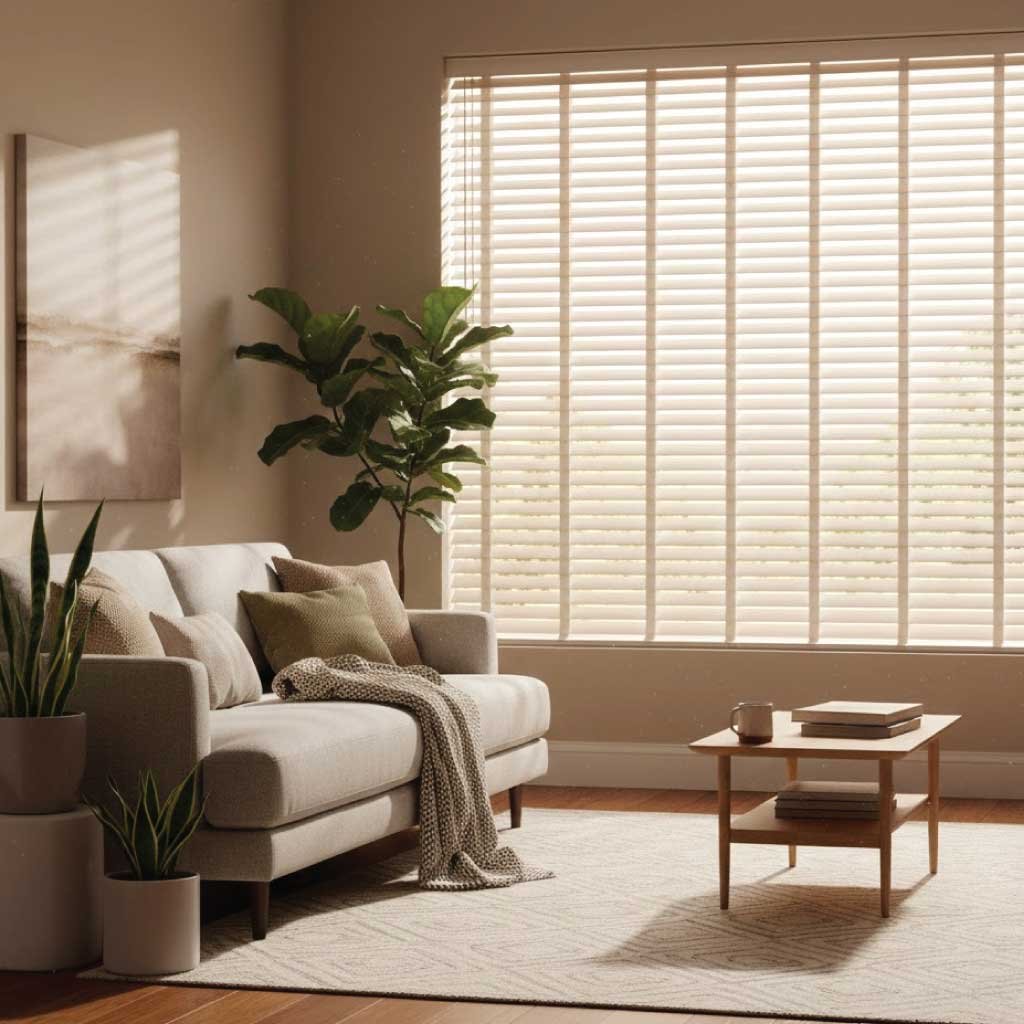
Choosing the right blinds for your windows is more than just aesthetics—it’s about functionality, privacy, and energy efficiency. A poorly fitted blind can ruin the overall look of your space, reduce natural light control, and even compromise insulation. This guide will provide an in-depth look at blinds sizes, measurement techniques, standard dimensions, and tips to ensure a perfect fit for any window.
Understanding Blinds and Their Importance
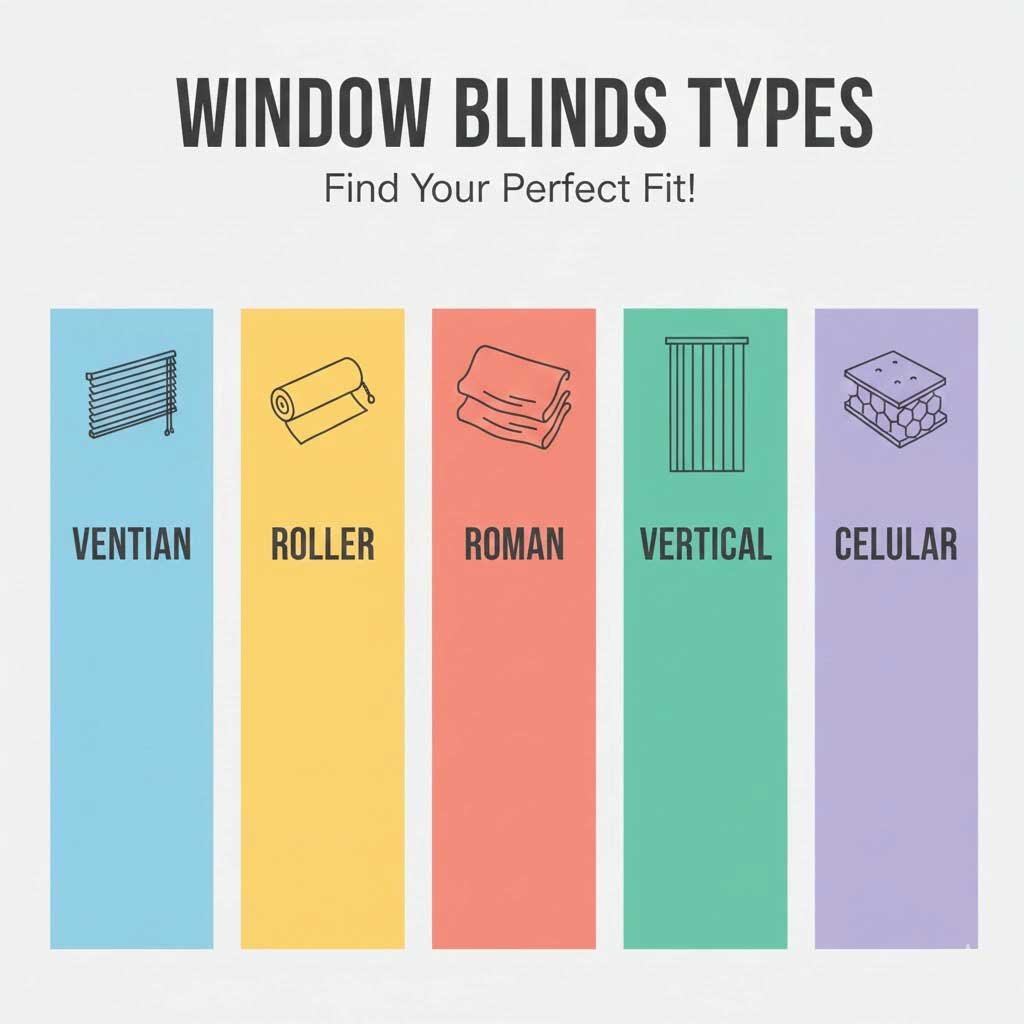
Blinds are a type of window covering made of slats, vanes, or fabric strips that can be adjusted to control light, privacy, and airflow. They are widely popular due to their versatility and compatibility with different interior styles. Choosing the correct blinds size is crucial for both functional and aesthetic reasons:
-
Ensures complete coverage of the window frame.
-
Provides optimal light control.
-
Improves energy efficiency by reducing heat transfer.
-
Enhances privacy and security.
-
Complements the interior design seamlessly.
Blinds come in various types, including Venetian blinds, roller blinds, Roman blinds, vertical blinds, and cellular blinds. Each type has unique sizing considerations, which we will explore.
Standard Window Sizes and Their Corresponding Blind Sizes
To choose blinds that fit perfectly, it’s essential to understand standard window dimensions. Here’s a summary of common window types and their measurements:
| Window Type | Width Range (inches) | Height Range (inches) | Notes |
|---|---|---|---|
| Single-Hung Window | 24 – 36 | 36 – 72 | Common in residential buildings |
| Double-Hung Window | 28 – 48 | 36 – 72 | Popular in traditional homes |
| Sliding Window | 36 – 84 | 24 – 60 | Horizontal sliding operation |
| Casement Window | 18 – 36 | 24 – 72 | Opens outward using crank |
| Bay Window | 60 – 120 | 36 – 72 | Requires custom blinds for each section |
| Picture Window | 36 – 96 | 36 – 72 | Fixed glass, no opening |
| Awning Window | 24 – 48 | 18 – 36 | Hinged at the top, opens outward |
| Garden Window | 36 – 72 | 36 – 60 | Projects outward from the wall |
Tip: For windows outside these ranges, custom blinds are recommended to ensure a perfect fit.
Measuring Windows for Blinds
Correct measurement is the foundation of a perfect fit. There are two primary installation methods: inside mount and outside mount.
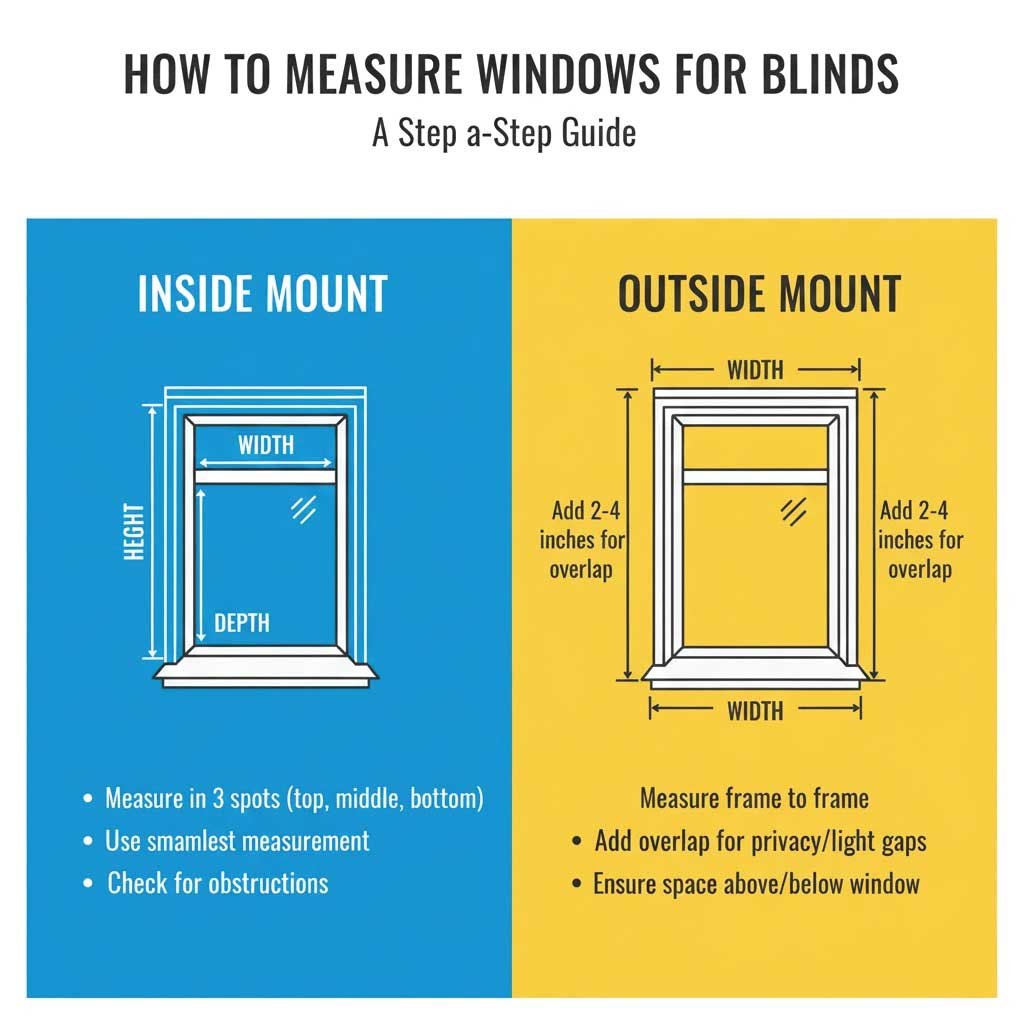
a. Inside Mount
Inside-mounted blinds fit within the window frame for a sleek, integrated look. Follow these steps:
Measure Width: Take three measurements—top, middle, and bottom of the frame. Use the narrowest measurement for width.
Measure Height: Take three vertical measurements—left, center, right—and use the longest measurement for height.
Check Depth: Ensure the window frame is deep enough to accommodate the blind’s mounting hardware.
b. Outside Mount
Outside-mounted blinds are installed on the wall or molding outside the window frame, providing a fuller look and better light control.
Measure Width: Measure the desired coverage area, usually adding 2-4 inches on each side.
Measure Height: Measure from the top of the mounting area to the bottom of the window sill or floor.
Consider Overlap: Extra width ensures no light gaps at the edges.
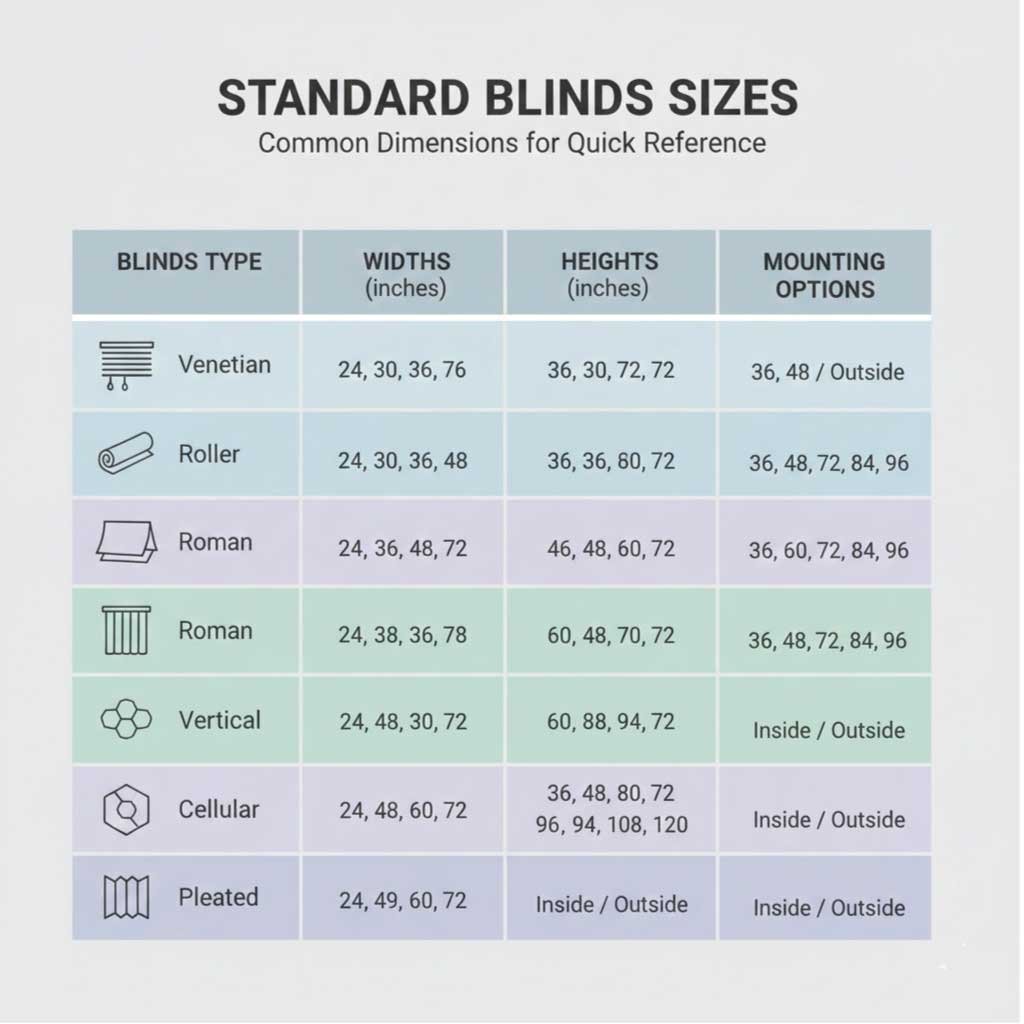
Standard Blinds Sizes Chart
Here’s a detailed chart for typical blinds sizes available for various window types. These dimensions reflect the most commonly manufactured sizes for residential windows.
| Blinds Type | Standard Widths (inches) | Standard Heights (inches) | Notes |
|---|---|---|---|
| Venetian Blinds | 24, 36, 48, 60, 72 | 36, 48, 60, 72 | Aluminum or wooden slats, inside/outside mount |
| Roller Blinds | 24, 36, 48, 60, 72, 84 | 36, 48, 60, 72, 84 | Easy to roll up, suitable for all rooms |
| Roman Blinds | 24, 30, 36, 42, 48, 60 | 36, 48, 60, 72 | Fabric folds elegantly when raised |
| Vertical Blinds | 36, 48, 60, 72, 84 | 48, 60, 72, 84 | Ideal for sliding glass doors or large windows |
| Cellular Blinds | 24, 30, 36, 48, 60, 72 | 36, 48, 60, 72, 84 | Energy-efficient, honeycomb design |
| Pleated Blinds | 24, 36, 48, 60 | 36, 48, 60, 72 | Lightweight and simple |
Pro Tip: Always measure the window first and choose the blind size closest to your measurement. If the window is irregular, consider custom blinds.
Also Read: How to Choose Mattress Sizes — CM, Inches & Chart Included
Custom Blinds for Unique Windows
Not all windows conform to standard dimensions. Bay windows, trapezoid windows, and skylights often require custom blinds. Custom blinds ensure:
-
Precise fit for unique shapes.
-
Full control over light and privacy.
-
Seamless integration with the interior décor.
Most manufacturers offer custom width, height, and slat options, and you can choose materials and finishes that match your style.
Material and Style Considerations
The material and style of the blind affect both the appearance and the functionality:
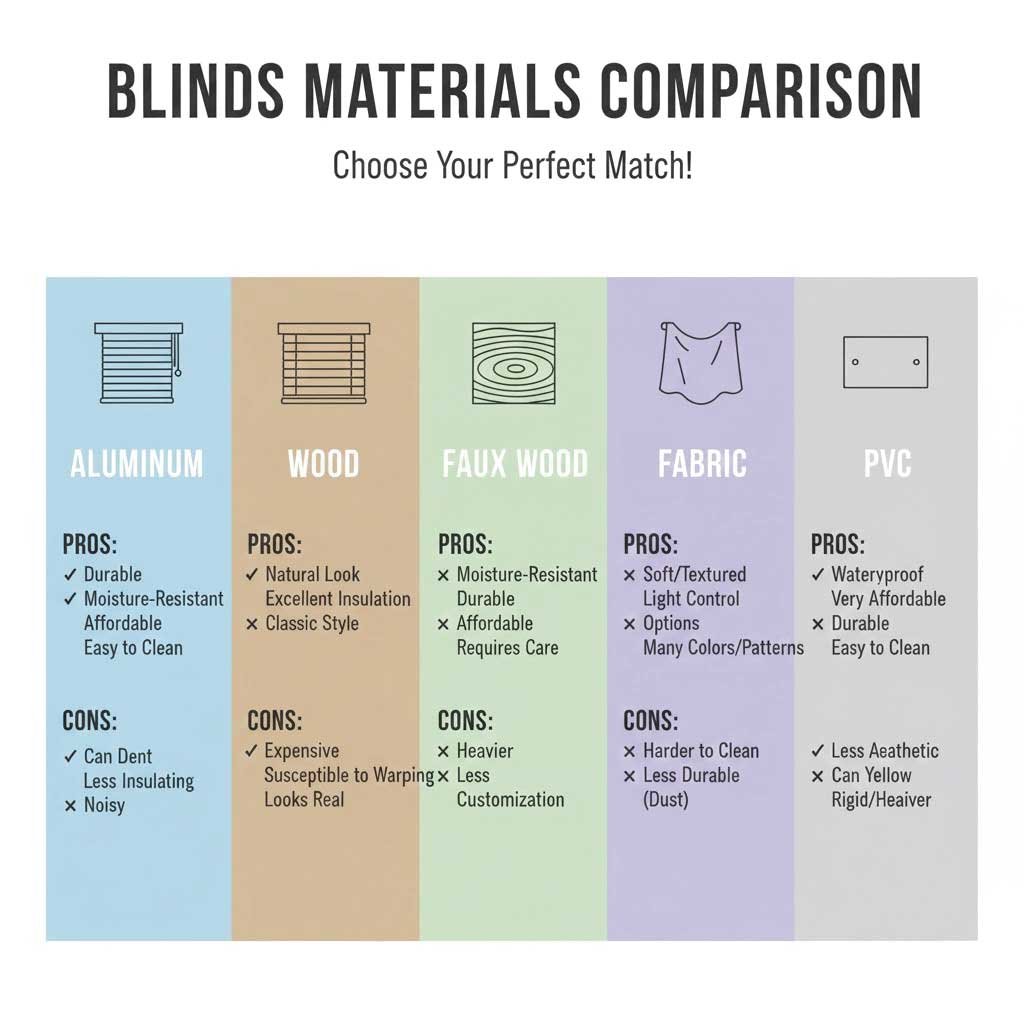
| Material | Advantages | Disadvantages |
|---|---|---|
| Aluminum | Lightweight, durable, easy to clean | Can dent easily, less insulation |
| Wood | Elegant, natural, warm feel | Expensive, prone to warping in moisture |
| Faux Wood | Moisture-resistant, affordable | Less authentic look than real wood |
| Fabric | Soft, decorative, sound-absorbing | Can stain, requires more maintenance |
| PVC/Plastic | Waterproof, easy to clean | Less premium appearance |
The style can also influence sizing. For instance, Roman and cellular blinds require extra length for folds or pleats, while Venetian blinds allow a precise fit.
Also Read: How to Choose Pillow Sizes — Guide & Chart Included
Energy Efficiency and Light Control
Blinds aren’t just decorative—they can improve your home’s energy efficiency:
Cellular (honeycomb) blinds trap air, acting as insulation against heat and cold.
Blackout blinds reduce heat gain in summer and heat loss in winter.
Light-filtering blinds allow daylight without glare while maintaining privacy.
Tip: For maximum efficiency, install inside mount cellular blinds that fit snugly within the frame.
Tips for a Perfect Blinds Installation
Always measure twice: Window frames can be irregular. Double-check all measurements.
Consider the window treatment function: Decide between light control, privacy, and aesthetics.
Choose correct mounting hardware: Inside mount requires a deep enough recess, while outside mount may need longer screws.
Account for obstructions: Handles, cranks, or moldings may require adjustments in size.
Professional installation: For large or irregular windows, professional installation ensures precision.
Blinds Maintenance and Longevity
Proper maintenance extends the life of blinds:
Dust regularly using a microfiber cloth or vacuum brush attachment.
Spot clean fabric or vinyl blinds with mild detergent.
Avoid excess moisture for wood blinds to prevent warping.
Check mechanisms like cords, chains, and tilters for smooth operation.
Tip: Cellular and fabric blinds often require professional cleaning to avoid damage.
Quick Reference: Blinds Sizes by Window Type
| Window Type | Suggested Blind Type | Standard Width (inches) | Standard Height (inches) | Mount Type |
|---|---|---|---|---|
| Single-Hung Window | Venetian/Cellular | 24 – 36 | 36 – 72 | Inside/Outside |
| Double-Hung Window | Roller/Roman | 28 – 48 | 36 – 72 | Inside/Outside |
| Sliding Window | Vertical | 36 – 84 | 24 – 60 | Outside |
| Casement Window | Venetian/Faux Wood | 18 – 36 | 24 – 72 | Inside |
| Bay Window | Roman/Cellular | Custom | Custom | Inside/Outside |
| Picture Window | Roller/Cellular | 36 – 96 | 36 – 72 | Outside |
| Awning Window | Venetian | 24 – 48 | 18 – 36 | Inside/Outside |
| Garden Window | Cellular/Faux Wood | 36 – 72 | 36 – 60 | Inside |
Conclusion
Selecting the correct blinds size is critical to achieve a perfect window fit, enhance aesthetics, improve energy efficiency, and maintain privacy. By understanding standard window sizes, measurement techniques, types of blinds, and installation options, homeowners can confidently choose blinds that fit seamlessly. For irregular or large windows, investing in custom blinds ensures precise coverage and longevity.
The right blinds are not only functional—they elevate the style and comfort of your home. With careful measurement, consideration of materials, and proper installation, your blinds can provide years of beauty, light control, and energy efficiency.
Also Read: How to Choose Bed Comforter Sizes — Guide & Chart
