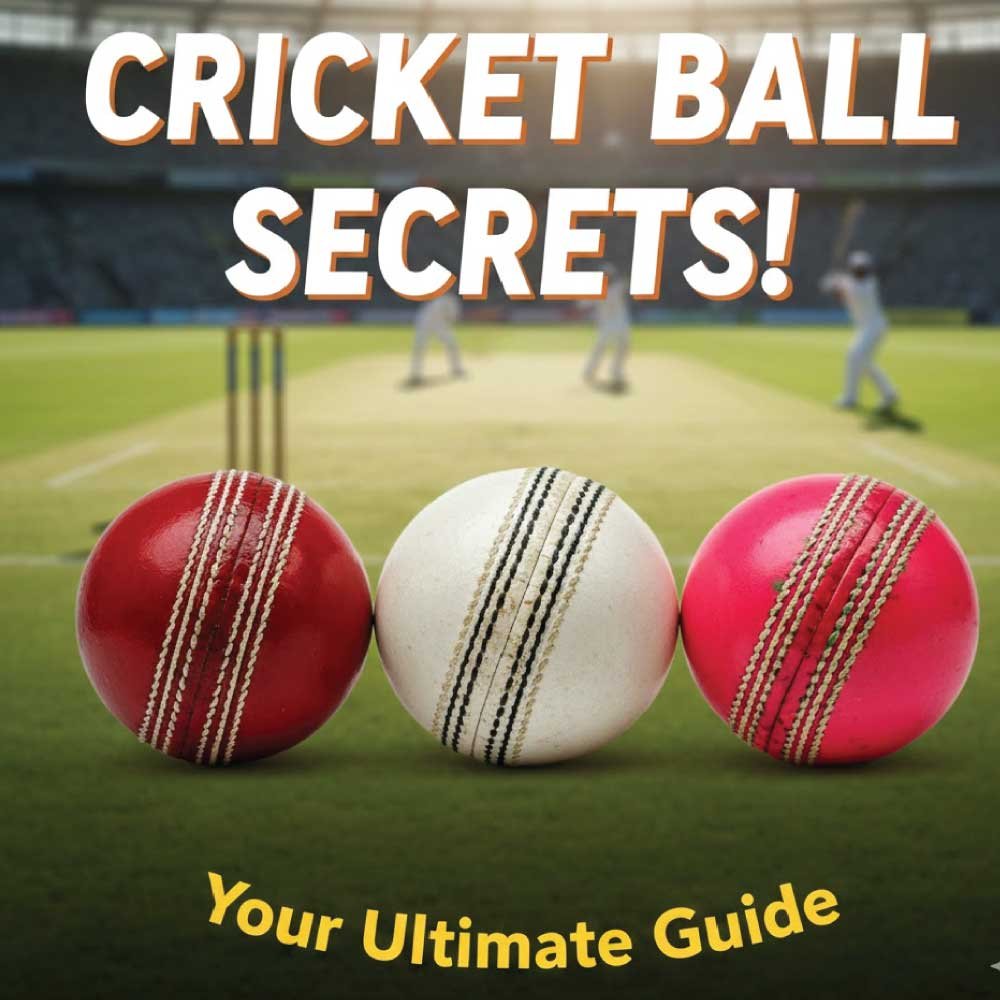
Cricket balls are one of the most important pieces of equipment in the game, affecting performance, spin, and durability. Whether you are a beginner or a professional player, understanding cricket ball sizes, weights, materials, and types is essential. This guide covers everything you need to know—from the history of cricket balls and how they are made to the differences between red, white, and pink balls. We’ll also explain official ICC regulations and help you choose the right ball for practice or match play. By the end, you will have a clear understanding of cricket balls and what to consider when selecting the perfect one for your level.
History of Cricket Balls
Cricket balls have evolved significantly since the sport’s inception in the 16th century. Early balls were handmade from leather and stuffed with wool or cork, varying widely in weight and size. By the 18th century, standardized balls emerged in England, with the seam becoming more pronounced to improve swing and bounce.
The 19th century saw mass production of cricket balls, making them more consistent and durable for longer matches. Innovations like white balls for limited-overs cricket and pink balls for day-night Tests were introduced in the late 20th century to adapt to modern playing conditions. Understanding this history provides context for why ball specifications and manufacturing methods are strictly regulated today.
| Era | Key Development |
|---|---|
| 16th Century | Handmade balls with wool/cork core |
| 18th Century | Standardized sizes and seams |
| 19th Century | Mass production, improved durability |
| 20th Century | Introduction of white and pink balls |
Cricket Ball Sizes and Weights
Cricket balls are strictly regulated in size and weight to ensure consistency and fairness. According to ICC standards:
-
Men’s balls weigh 155.9–163 g (5.5–5.75 oz) with a circumference of 224–229 mm (8.81–9 inches).
-
Women’s balls weigh slightly less, 140–151 g (4.94–5.33 oz) with a circumference of 210–216 mm (8.3–8.5 inches).
-
Youth balls can be even smaller, designed for safe handling and appropriate bounce for younger players.
These specifications affect how the ball swings, bounces, and spins. Understanding ball sizes and weights helps players select equipment suited to their format, skill level, and playing style.
| Player Type | Weight (g) | Circumference (mm) |
|---|---|---|
| Men | 155.9–163 | 224–229 |
| Women | 140–151 | 210–216 |
| Youth | 113–140 | 203–216 |
What Is a Cricket Ball Made Of?
A cricket ball consists of three primary components:
-
Core: Made of cork, often mixed with rubber to provide resilience and consistent bounce.
-
Winding: Layers of string or yarn tightly wound around the core, giving the ball its weight and hardness.
-
Cover: A high-quality leather shell, polished and stitched to create the seam.
The seam is crucial for bowlers, as it influences swing, seam movement, and spin. The type of leather, the quality of stitching, and the polishing process determine ball durability and behavior during a match. These carefully selected materials ensure the ball performs predictably in diverse conditions.
| Component | Material | Function |
|---|---|---|
| Core | Cork & Rubber | Bounce, hardness, resilience |
| Winding | Yarn/String | Weight, shape, structural support |
| Cover | Leather | Protection, seam, swing potential |
How Is a Cricket Ball Made?
Manufacturing a cricket ball is a meticulous process that combines craftsmanship and precision. The process begins with a cork core, which is shaped and sometimes mixed with rubber. The core is then tightly wound with layers of yarn, providing weight and hardness.
Next, a leather cover is cut into four pieces, stitched together with a prominent seam. The seam plays a pivotal role in ball behavior, including swing and spin. Finally, the ball is polished with wax or conditioner to enhance durability and smoothness. Modern machines and hand-finishing ensure that each ball meets ICC standards for weight, circumference, and performance, providing consistency across all levels of play.
| Step | Description |
|---|---|
| Core Formation | Cork and rubber shaping |
| Yarn Winding | Multiple tight layers around core |
| Leather Cover Stitch | Four-piece cover sewn with prominent seam |
| Polishing & Finishing | Wax application and quality inspection |
Cricket Ball Colors: Red, White, and Pink
Cricket ball colors are chosen based on match format and visibility conditions:
Red Balls: Traditionally used in Test matches, red balls are highly durable and easier to see in natural daylight. They maintain their hardness and seam integrity over long sessions.
White Balls: Preferred in ODIs and T20s, white balls are more visible under floodlights, but they tend to wear faster than red balls. Frequent polishing is necessary.
Pink Balls: Designed for day-night Test matches, pink balls combine the durability of red balls with better visibility under artificial lights.
The color affects not just visibility but also swing and wear patterns, making the right choice essential for fair and strategic gameplay.
| Color | Primary Use | Visibility | Durability | Swing Potential |
|---|---|---|---|---|
| Red | Test Matches | Day | High | High |
| White | ODI/T20 | Night | Medium | Moderate |
| Pink | Day-Night Test | Day/Night | High | High |
Different Types of Cricket Balls
Cricket balls vary significantly depending on the format, playing level, and conditions. The main types include red, white, and pink cricket balls. Red balls are traditionally used in Test cricket for their durability and visibility under natural light. White balls are preferred for limited-overs matches like ODIs and T20s due to their visibility under floodlights. Pink balls, introduced for day-night Test matches, combine the durability of red balls with better night visibility.
Additionally, balls differ in hardness, seam prominence, and brand manufacturing techniques, affecting swing, spin, and bounce. Professional players often select balls that suit their playing style and pitch conditions. A table comparing these can help:
| Ball Type | Primary Use | Visibility | Durability | Swing Potential |
|---|---|---|---|---|
| Red | Test | Day | High | High |
| White | ODI/T20 | Night | Medium | Moderate |
| Pink | Day-Night Test | Day/Night | High | High |
Also Read: Volleyball Size Comparison: Find the Right Ball for You
Comparison with Baseball
While cricket and baseball are both bat-and-ball sports, the balls themselves are structurally and functionally different. A cricket ball is hard, with a prominent seam and cork core, typically weighing 155.9–163 g. Its leather shell allows bowlers to swing, seam, and spin the ball, making it versatile in different pitch conditions. Conversely, a baseball weighs 142–149 g, has a less pronounced seam, and is designed primarily for pitching variations like curveballs and fastballs.
Cricket balls also vary in color and are replaced more frequently during a match, whereas baseballs remain in play until damaged. The comparison table below summarizes key differences:
| Feature | Cricket Ball | Baseball |
|---|---|---|
| Weight | 155.9–163 g | 142–149 g |
| Core | Cork | Cork & rubber |
| Seam | Pronounced | Less prominent |
| Color | Red, White, Pink | White |
| Primary Use | Bowling variations | Pitching variations |
Official Regulations and Standards (ICC)
The International Cricket Council (ICC) governs the official regulations and standards for cricket balls, ensuring consistency across international matches. According to ICC guidelines, a cricket ball must have a cork core, wound with string, and covered in high-quality leather. It should weigh 155.9–163 g (5.5–5.75 oz) and measure 224–229 mm (8.81–9 inches) in circumference.
Seam stitching, color, and polish are also regulated to maintain fair play. The ICC additionally specifies ball maintenance rules during matches, including restrictions on tampering and approved methods of polishing. These standards ensure players’ safety, maintain match fairness, and allow predictable ball behavior across varying conditions.
| Parameter | ICC Standard |
|---|---|
| Weight | 155.9–163 g |
| Circumference | 224–229 mm |
| Leather | High-quality, durable |
| Core | Cork with string winding |
| Colors Allowed | Red, White, Pink |
Choosing the Right Cricket Ball
Selecting the right cricket ball depends on match format, pitch type, and player preference. For professional Test cricket, red balls are ideal due to their longevity and swing potential over extended periods. For ODIs and T20s, white balls are preferred for visibility under artificial lights and in fast-paced gameplay. Pink balls are best suited for day-night Test matches.
Bowlers should also consider seam prominence for swing and spin effectiveness, while batsmen might prefer balls with less pronounced seam for consistent bounce. Additionally, the playing surface—hard, dry, or grassy—affects ball choice. Always ensure the ball meets ICC regulations to avoid penalties or match disputes.
| Match Format | Recommended Ball Type |
|---|---|
| Test | Red |
| Day-Night Test | Pink |
| ODI/T20 | White |
Final Thoughts:
Choosing the right cricket ball can make a huge difference in your game, whether for practice, casual play, or competitive matches. Understanding the history, materials, sizes, weights, and types of cricket balls gives players the knowledge to make informed decisions. While red balls are standard for longer formats, white and pink balls serve specific purposes in limited-overs games. Always check ICC regulations and select a ball that matches your skill level and playing conditions. With this guide, you can confidently choose the cricket ball that enhances your performance, ensures durability, and provides the best playing experience for every cricket match or training session.
Also Read: Basketball Size Chart: Find Perfect Ball for Every Age
