
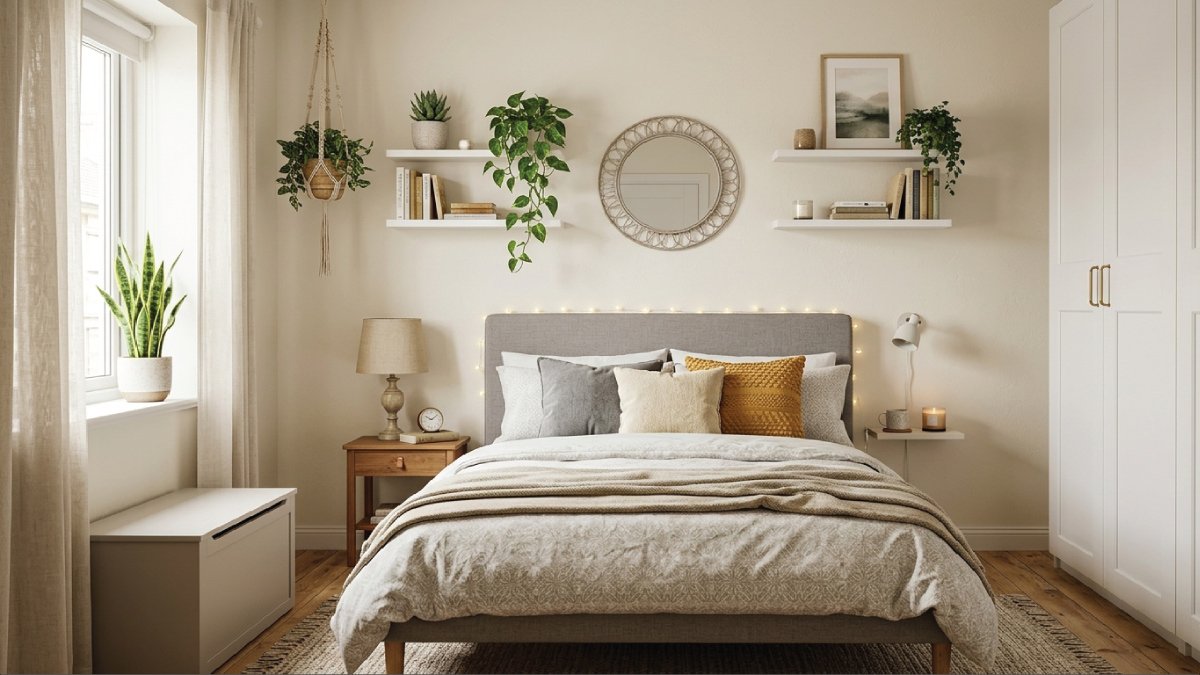
When I first moved into my current apartment, the bedroom was barely bigger than the bed itself. I remember standing in the doorway thinking, How am I supposed to make this feel cozy, functional, and stylish at the same time? Like many people living in cities or compact homes, I had to get creative.
Over time through trial, error, and a lot of Pinterest scrolling I learned that small bedrooms don’t have to feel cramped or boring. In fact, with the right approach, they can be some of the most beautiful spaces in your home. In this guide, I am sharing 22 beautiful bedroom ideas for small spaces that combine style, comfort, and practicality.
Whether you are looking for small bedroom ideas, tiny bedroom ideas, or a fresh modern small bedroom look, these tips will help you make the most of every square inch.
Table of Contents
Toggle1. Start With a Smart Layout
One of the most effective ways to improve a small bedroom is by planning a smart layout before placing any furniture. A thoughtful arrangement can instantly change how spacious the room feels and improve movement flow, lighting access, and overall comfort without requiring expensive changes or renovations.
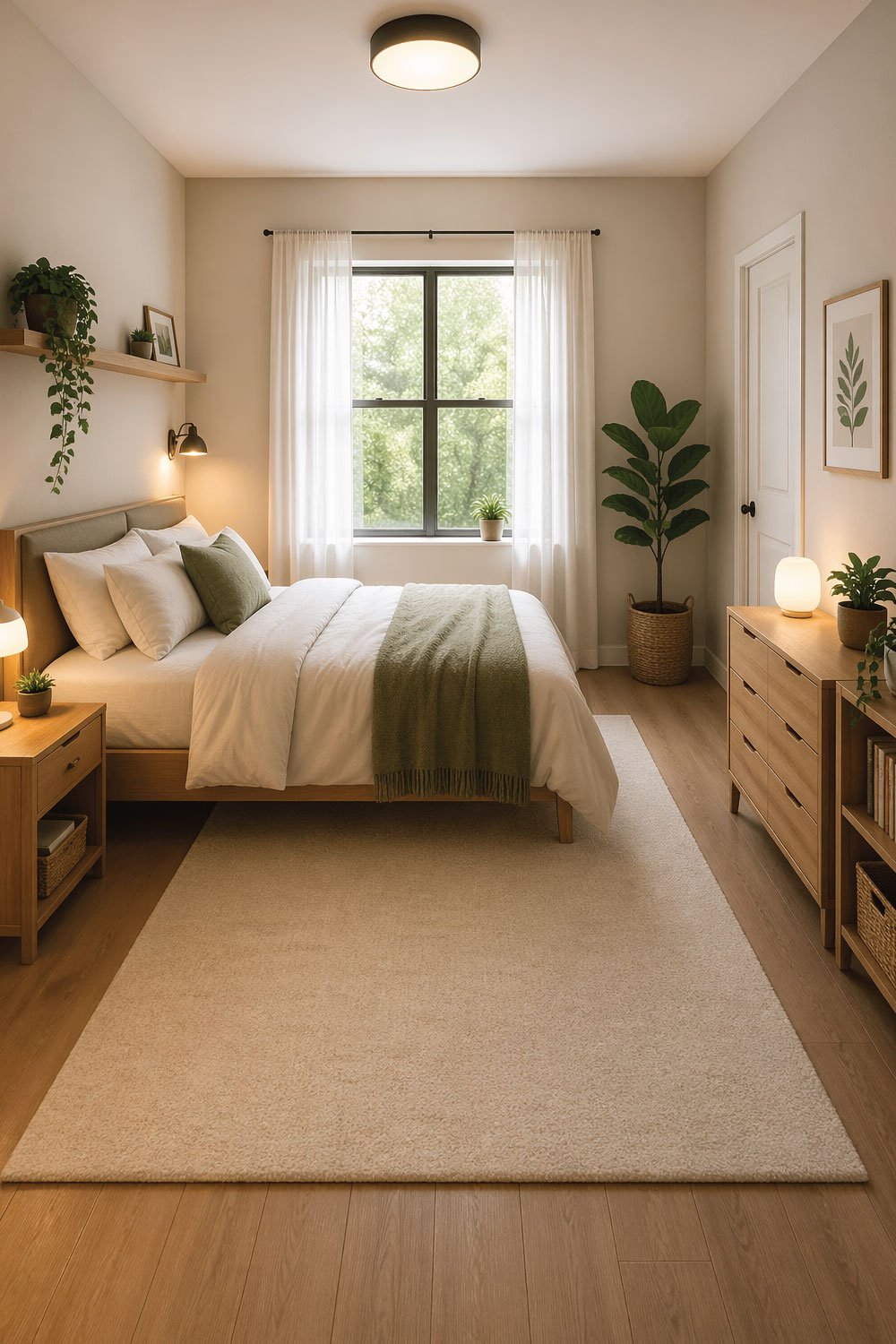
In my own experience, simply repositioning the bed and removing unnecessary pieces created a noticeable difference in openness. Keeping pathways clear and aligning furniture with walls helped maximize usable space, while also improving natural light distribution and making daily movement around the room much easier and more comfortable overall.
- Keep the center of the room open for better flow
- Place the bed against the longest wall
- Avoid blocking windows and doors
- Use corners for storage or small furniture
2. Choose Light, Neutral Colors
Light colors are essential for making small bedrooms feel larger and more inviting because they reflect both natural and artificial light. Shades like white, cream, soft gray, and beige create an airy atmosphere that visually expands the room while also providing a calm and relaxing environment for everyday living.
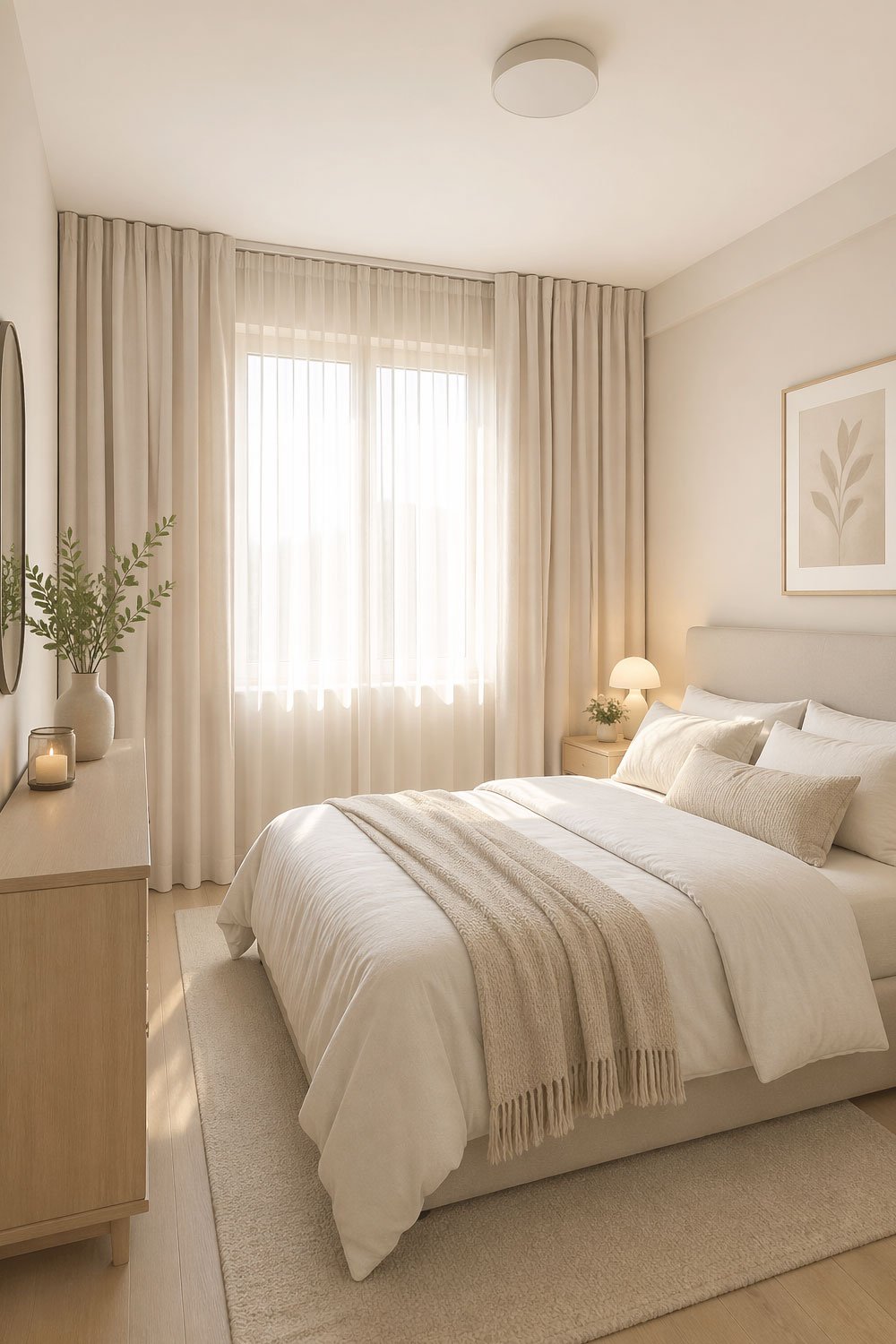
I personally noticed a huge improvement after repainting my room in a soft neutral shade, as it instantly brightened the space. Even without changing furniture, the room felt cleaner, more open, and more peaceful, proving that color choice alone can dramatically transform small bedroom design and overall mood.
- Use pastel tones for a soft, cozy effect
- Match walls and curtains for visual unity
- Avoid dark, heavy color schemes in tight spaces
- Add light-colored bedding to enhance brightness
3. Use Vertical Space Wisely
When working with a small bedroom, using vertical space effectively becomes a game changer for storage and organization. Tall wardrobes, mounted shelves, and wall hooks help free up valuable floor area while still providing plenty of room for clothes, books, and decorative items without making the space feel crowded.
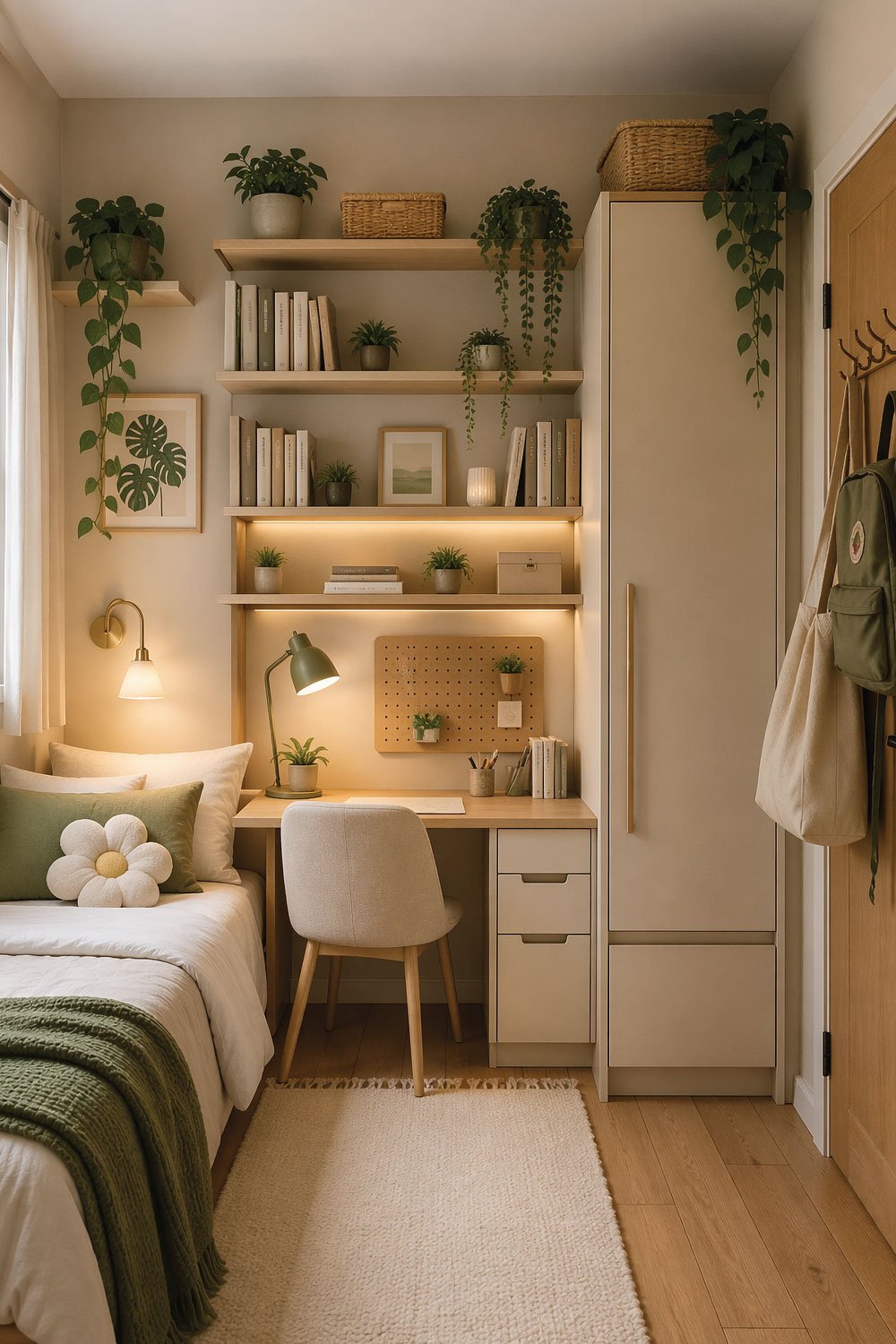
In my room, adding shelves above the desk completely changed how organized everything felt. Instead of cluttering surfaces, I moved items upward, which not only improved storage capacity but also made the room look taller and more structured, creating a cleaner and more efficient living environment overall.
- Install floating shelves above furniture
- Use tall storage units instead of wide ones
- Hang hooks behind doors for extra storage
- Add wall-mounted lighting to save floor space
4. Invest in Multi Functional Furniture
Multi-functional furniture is one of the smartest solutions for compact bedrooms because it combines style with practicality. Pieces like beds with storage drawers, foldable desks, and ottomans with hidden compartments help reduce clutter while maximizing usability, making even the smallest rooms feel more efficient and organized overall.
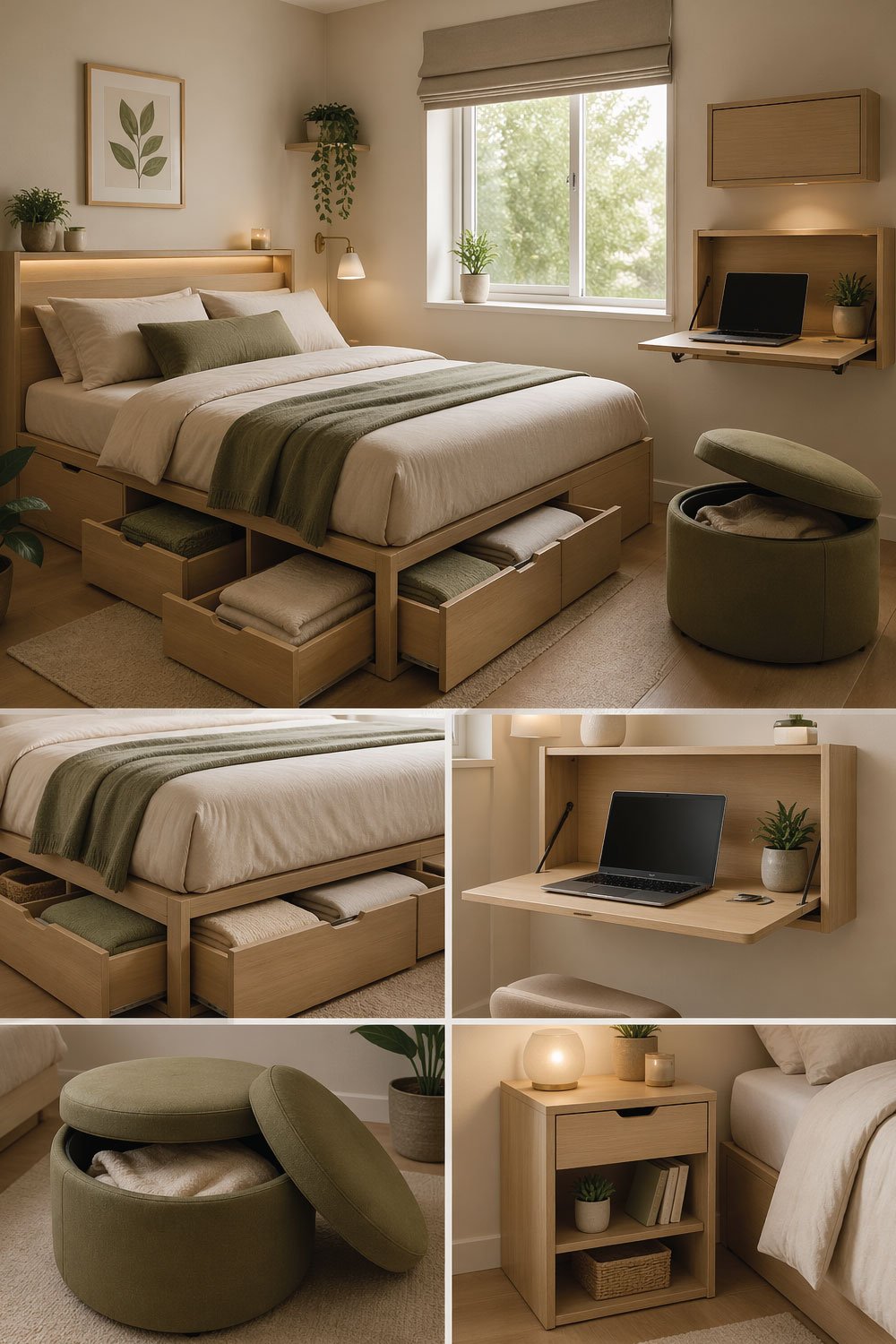
I replaced my traditional bulky furniture with smarter storage based pieces, and the difference was immediate. My bed now includes drawers underneath, eliminating the need for a separate dresser, while a small storage ottoman doubles as seating, helping me keep the room tidy without sacrificing comfort or style.
- Choose beds with built-in storage drawers
- Use foldable or wall mounted desks
- Pick ottomans with hidden storage space
- Select nightstands with shelves or compartments
5. Go Minimal With Decor
Keeping decor minimal is important in small bedrooms because excessive items can quickly make the space feel cramped and visually overwhelming. By choosing only a few meaningful pieces, you allow the room to breathe, creating a calmer environment that feels more balanced, organized, and visually appealing overall.
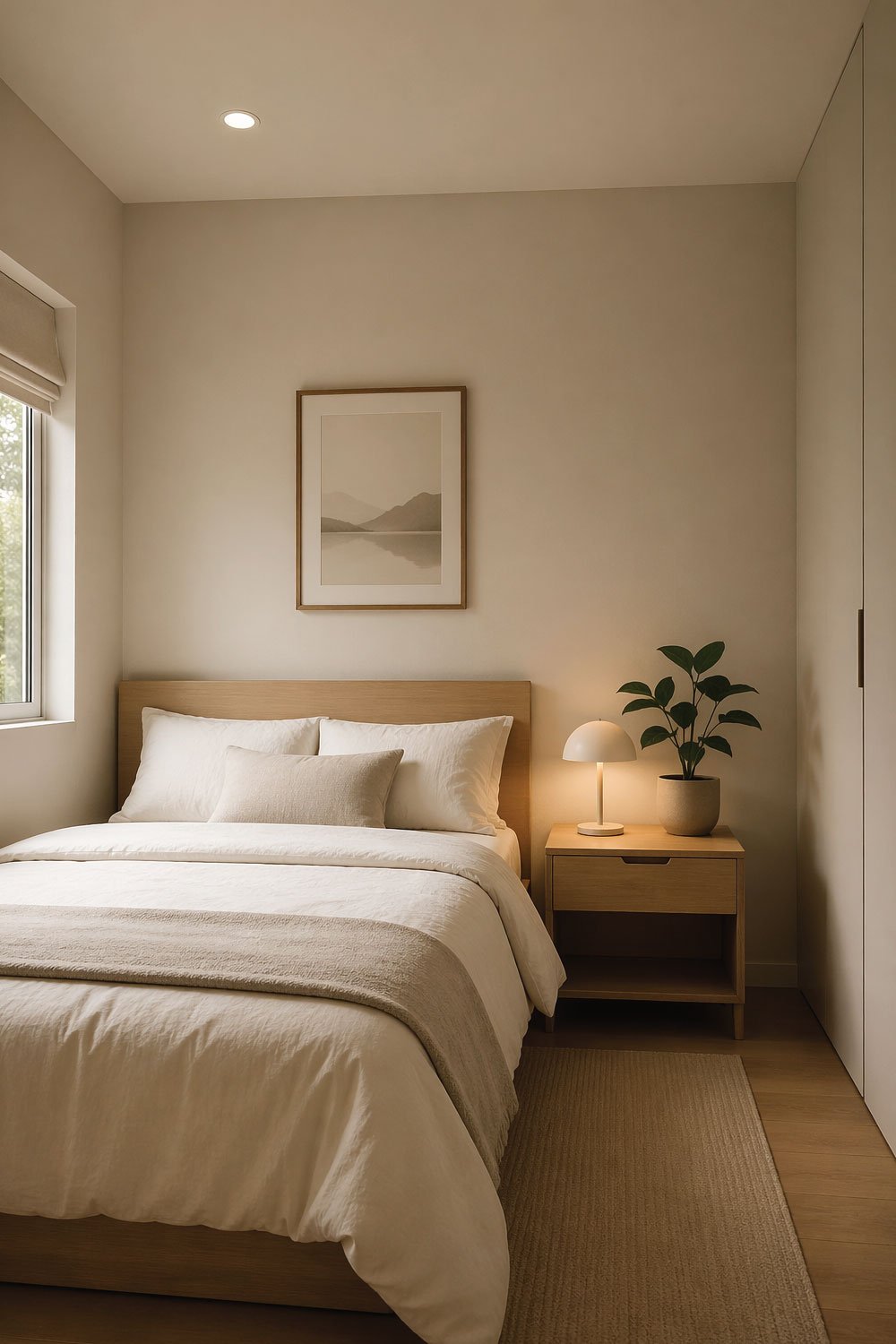
In my experience, limiting decor to just a few carefully chosen items made a huge difference in how the room felt. Instead of distractions, I now enjoy a peaceful environment with one plant, a framed picture, and a small lamp that adds warmth without cluttering the space unnecessarily.
- Stick to a few statement decor pieces
- Avoid overcrowding shelves and tables
- Use plants for a fresh, natural touch
- Keep surfaces as clear as possible
6. Try a Platform Bed
Platform beds are an excellent choice for small bedrooms because their low profile design creates a sense of openness. Since they sit closer to the ground, they reduce visual bulk and help make the ceiling appear higher, giving the room a more spacious and modern feel overall.
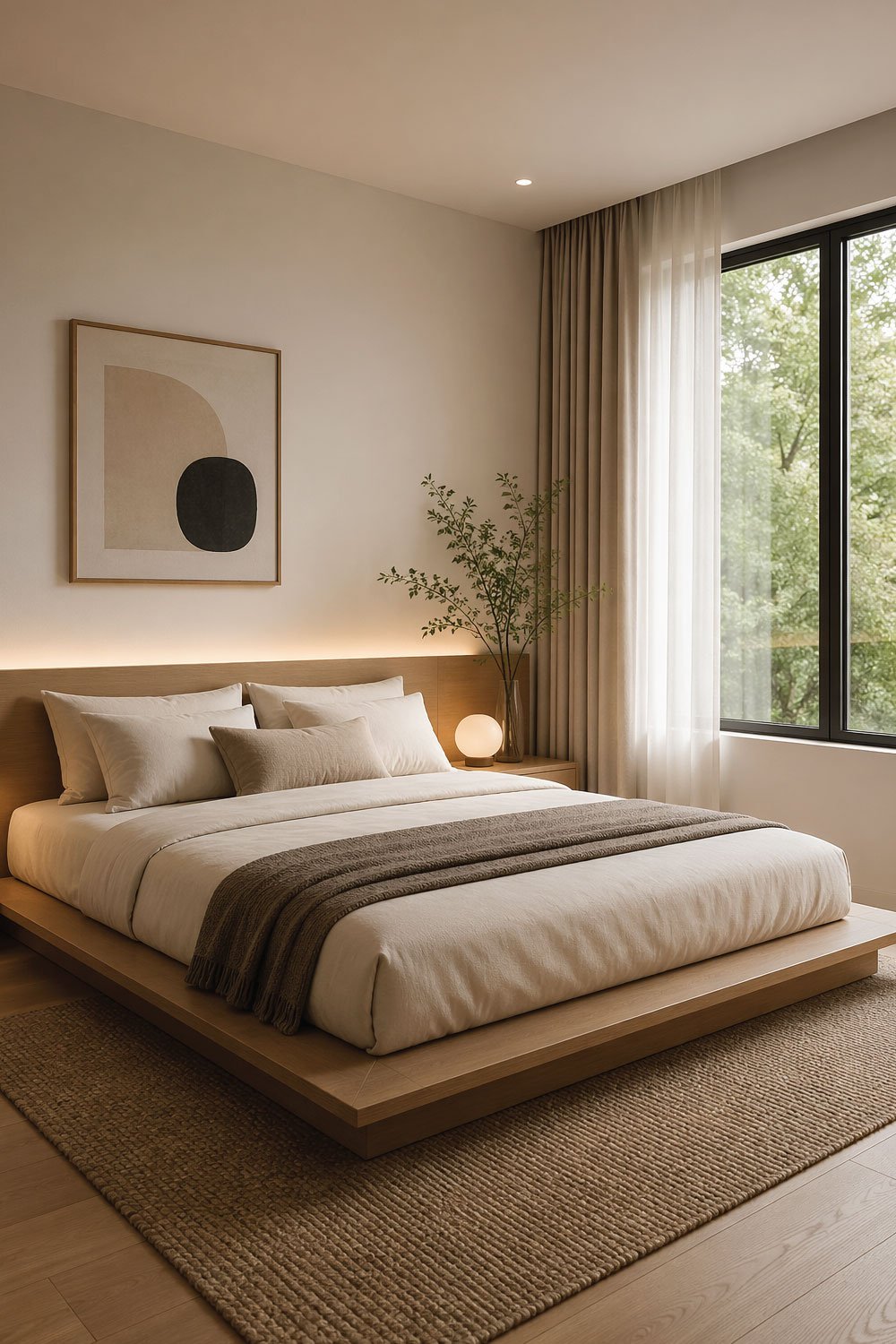
In addition to improving visual space, platform beds often come with simple, clean lines that reduce cluttered appearances. This minimalist structure works well in compact rooms where every design choice matters, helping maintain a calm and balanced environment while still offering comfort and strong support for daily use.
- Creates an illusion of taller ceilings
- Works well with minimalist interiors
- Often includes built-in storage options
- Reduces visual heaviness in small rooms
7. Add Mirrors for Depth
Mirrors are one of the most powerful design tools for enhancing small bedroom inspiration because they reflect both light and space. When placed correctly, they create an illusion of depth, making even the smallest room appear brighter, wider, and more open without any structural changes needed.
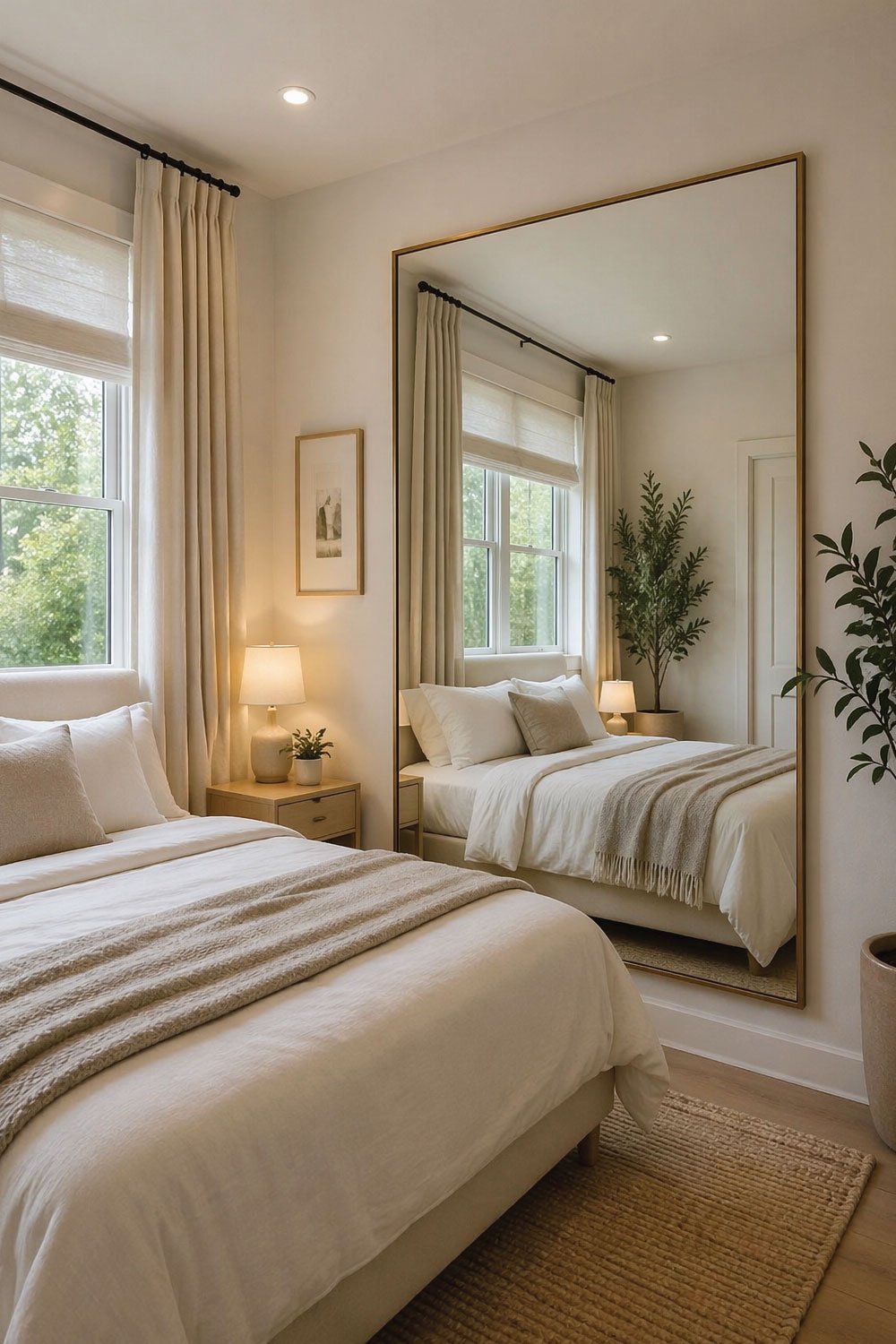
In my own setup, placing a large mirror opposite the window completely changed the atmosphere of the room. It doubled the natural light effect and made the space feel significantly larger, proving how a simple addition can transform both mood and perception in compact bedroom layouts.
- Place mirrors opposite windows for maximum light reflection
- Use full length mirrors to enhance vertical space
- Choose framed mirrors for decorative appeal
- Avoid overcrowding walls with too many mirrors
8. Embrace Built-In Storage
Built-in storage is a highly efficient solution for small bedrooms because it maximizes every inch of available space. Custom wardrobes, shelves, or bed surrounds help eliminate wasted corners while maintaining a smooth, integrated look that keeps the room organized and visually uncluttered.
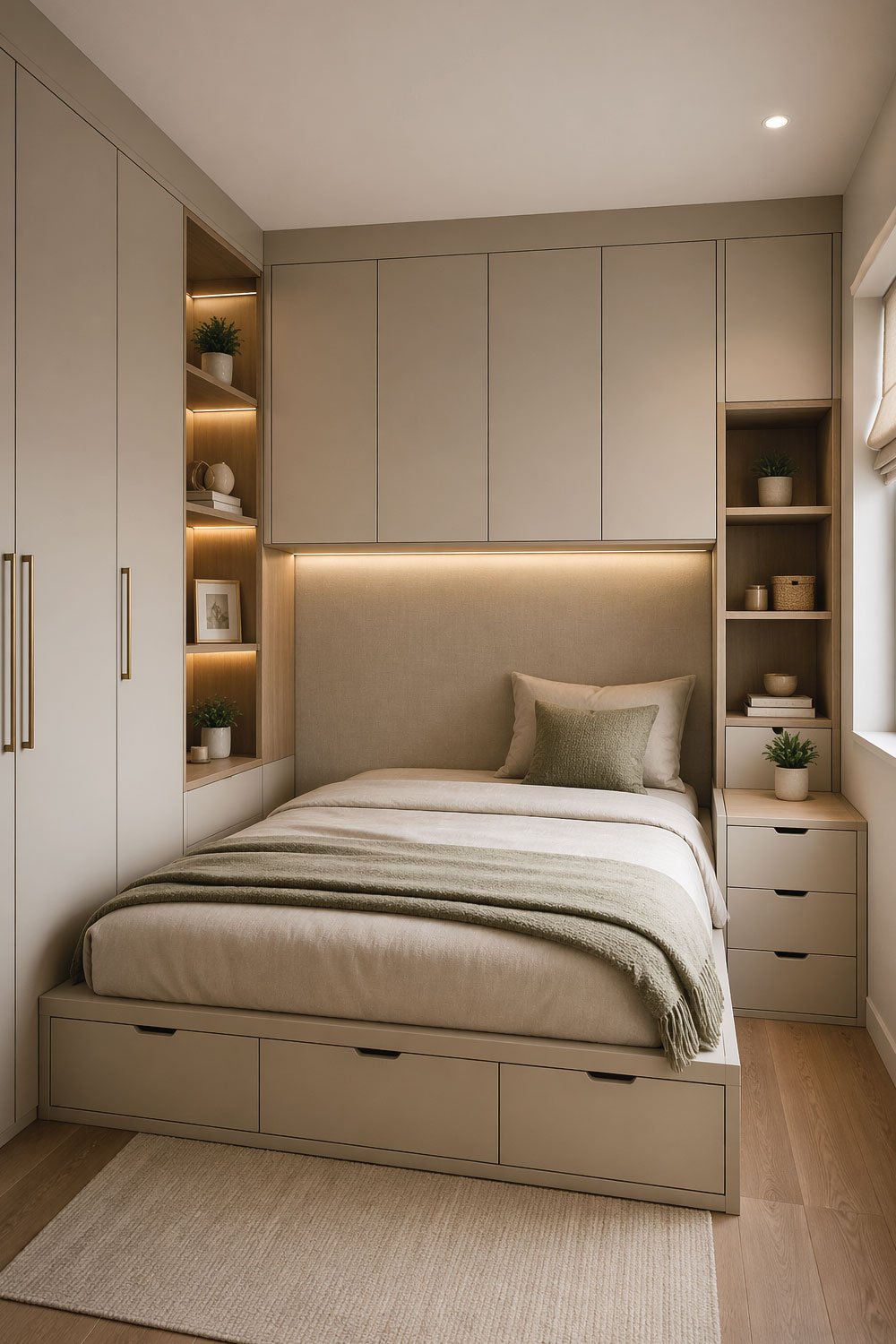
These designs are especially useful in awkward layouts where standard furniture doesn’t fit well. By integrating storage into the structure of the room, you create a cleaner and more seamless environment that feels intentional, spacious, and tailored specifically to your storage and lifestyle needs.
- Utilizes unused corners effectively
- Reduces need for extra furniture
- Creates a clean, custom-built appearance
- Improves overall room organization
9. Keep Bedding Simple and Cohesive
Simple bedding choices play a major role in maintaining a calm and spacious feel in small bedrooms. Busy patterns and excessive colors can overwhelm the space, while coordinated tones create a clean and unified look that enhances the overall bedroom styling small room approach.
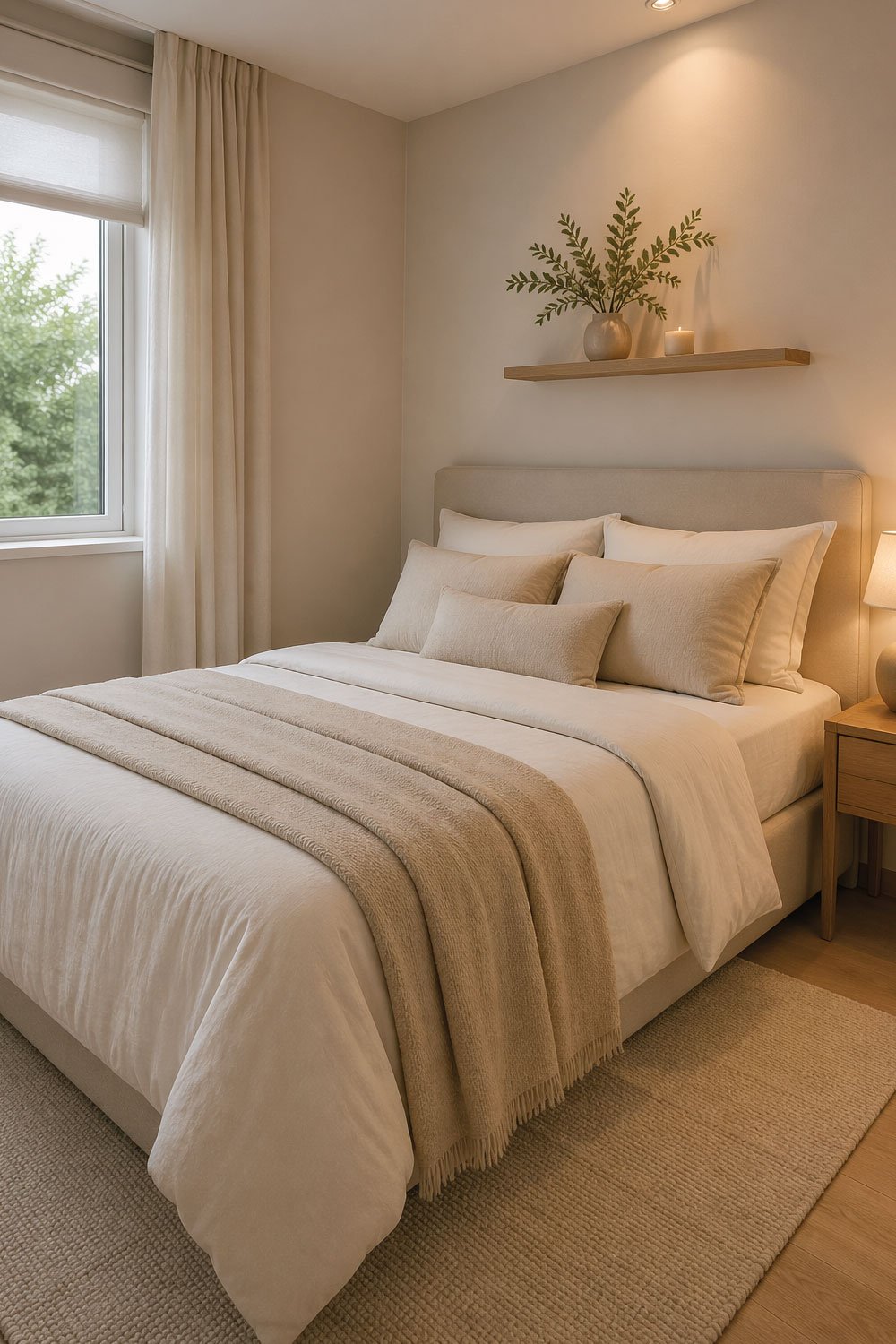
I found that switching to neutral bedding instantly made my room feel more peaceful and organized. By using just one or two colors with soft textures, the bed became a subtle focal point rather than visual clutter, improving both relaxation and the overall aesthetic of the room.
- Stick to 1 2 complementary colors
- Choose soft, breathable fabrics
- Avoid overly bold or busy patterns
- Add texture instead of heavy prints
10. Choose Slim Furniture Profiles
Slim-profile furniture is essential for maintaining balance in a compact bedroom because bulky pieces can quickly overwhelm limited floor space. Narrow desks, lightweight chairs, and streamlined nightstands allow better movement and help the room feel more open and organized without sacrificing functionality.
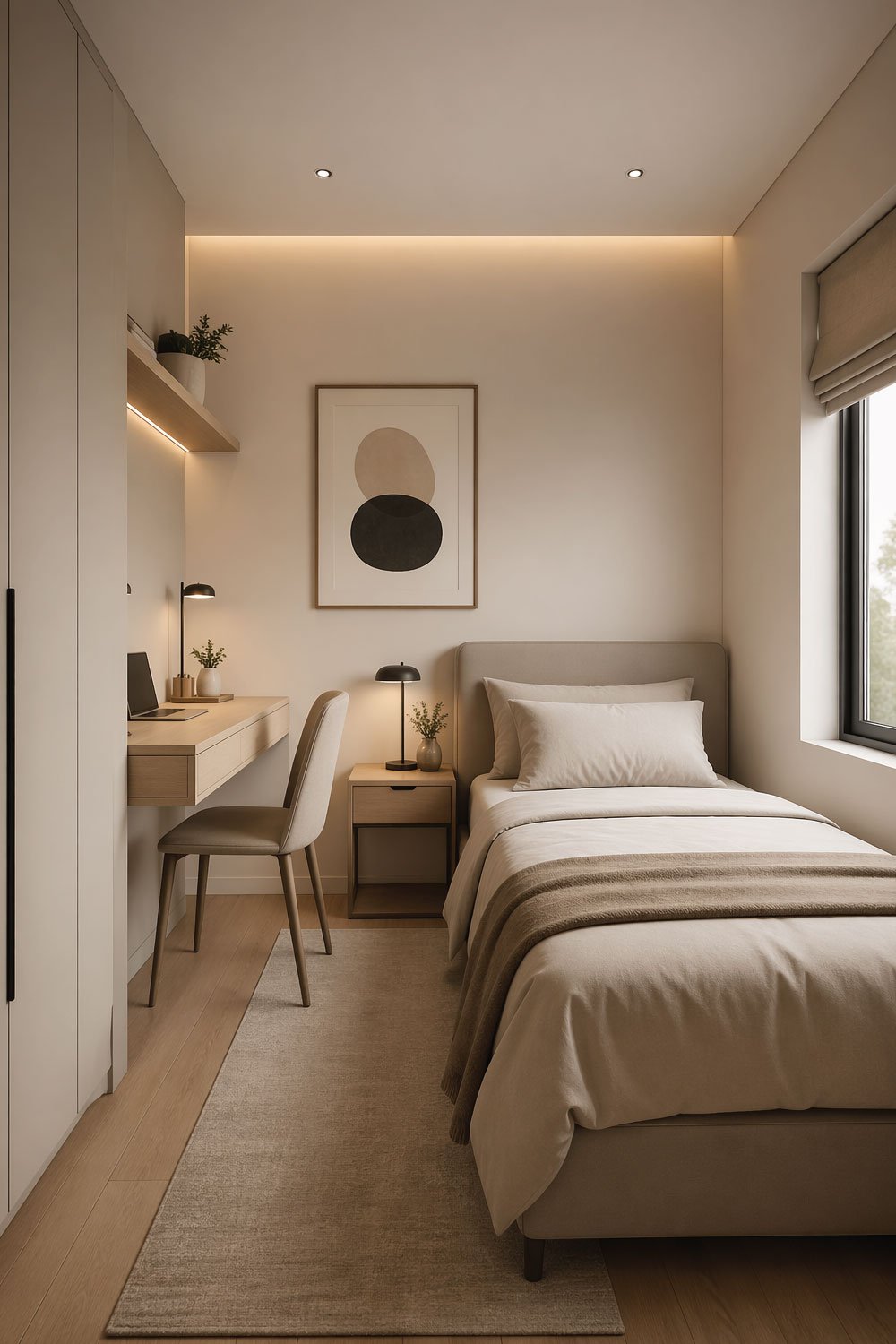
When I replaced heavier furniture with slimmer designs, the difference in flow was immediate. The room felt less crowded, pathways became clearer, and every piece looked more intentional, proving that choosing the right proportions is just as important as choosing the right style in small spaces.
- Improves movement and accessibility in tight spaces
- Prevents visual overcrowding
- Makes rooms appear more proportional
- Works well with minimalist design themes
11. Use Wall Mounted Lighting
Wall-mounted lighting is a practical solution for small bedrooms because it frees up valuable surface space on nightstands and desks. Instead of bulky table lamps, wall sconces or pendant lights provide focused illumination while keeping the room visually clean and more open overall.
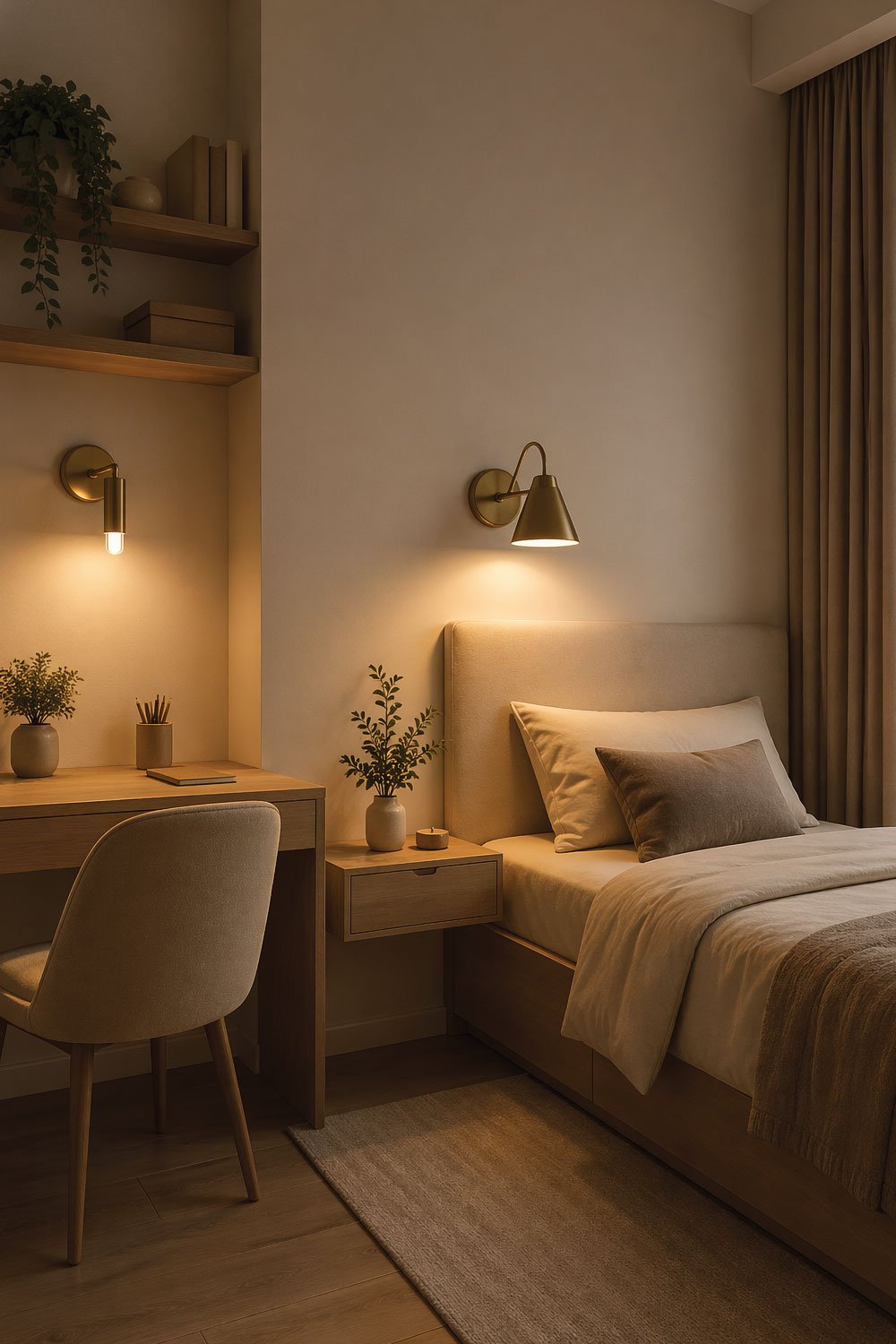
In my experience, switching to wall sconces made a noticeable difference in how organized the room felt. The nightstand became completely usable for books and essentials instead of being crowded by a lamp, and the overall lighting still remained warm, functional, and aesthetically pleasing for daily use.
- Frees up nightstand and desk space
- Creates a cleaner, modern look
- Improves lighting flexibility in tight rooms
- Works well for reading corners and bedsides
12. Create a Focal Point
Every small bedroom benefits from having a clear focal point because it guides the eye and prevents the space from feeling visually chaotic. A statement headboard, accent wall, or bold artwork can add character while still keeping the overall design simple and balanced.
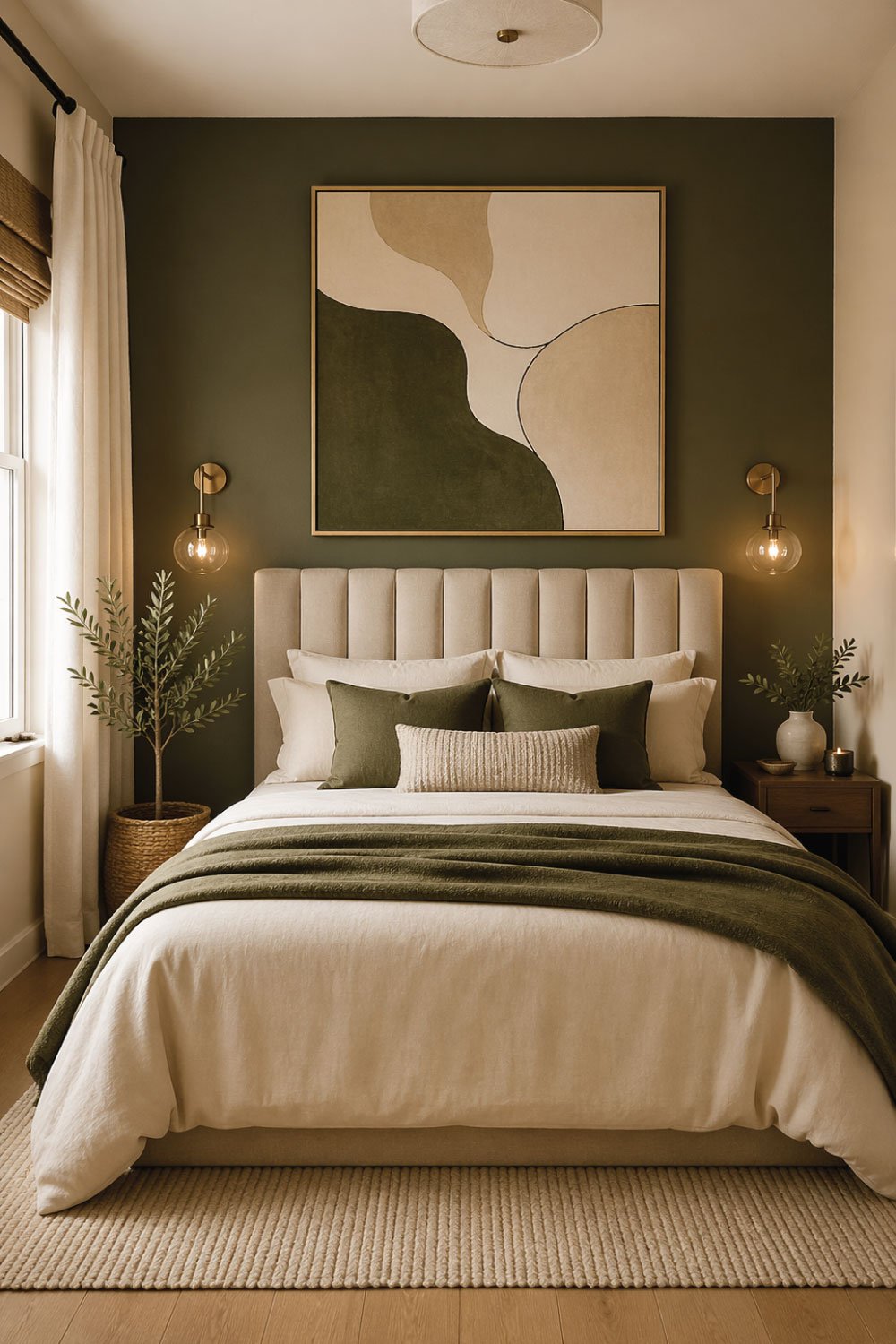
I noticed that adding a single bold art piece above my bed instantly elevated the rooms personality. Instead of multiple distracting elements, one focal feature created structure and style, making the space feel thoughtfully designed without overwhelming the limited area.
- Use a statement headboard for visual impact
- Try one accent wall instead of multiple colors
- Choose large artwork instead of many small pieces
- Keep surrounding decor minimal for balance
13. Try Sliding or Pocket Doors
Sliding or pocket doors are excellent for small bedroom layout ideas because they eliminate the need for swing space. Unlike traditional doors, they move along a track or into the wall, saving valuable floor area and improving overall room functionality in tight layouts.
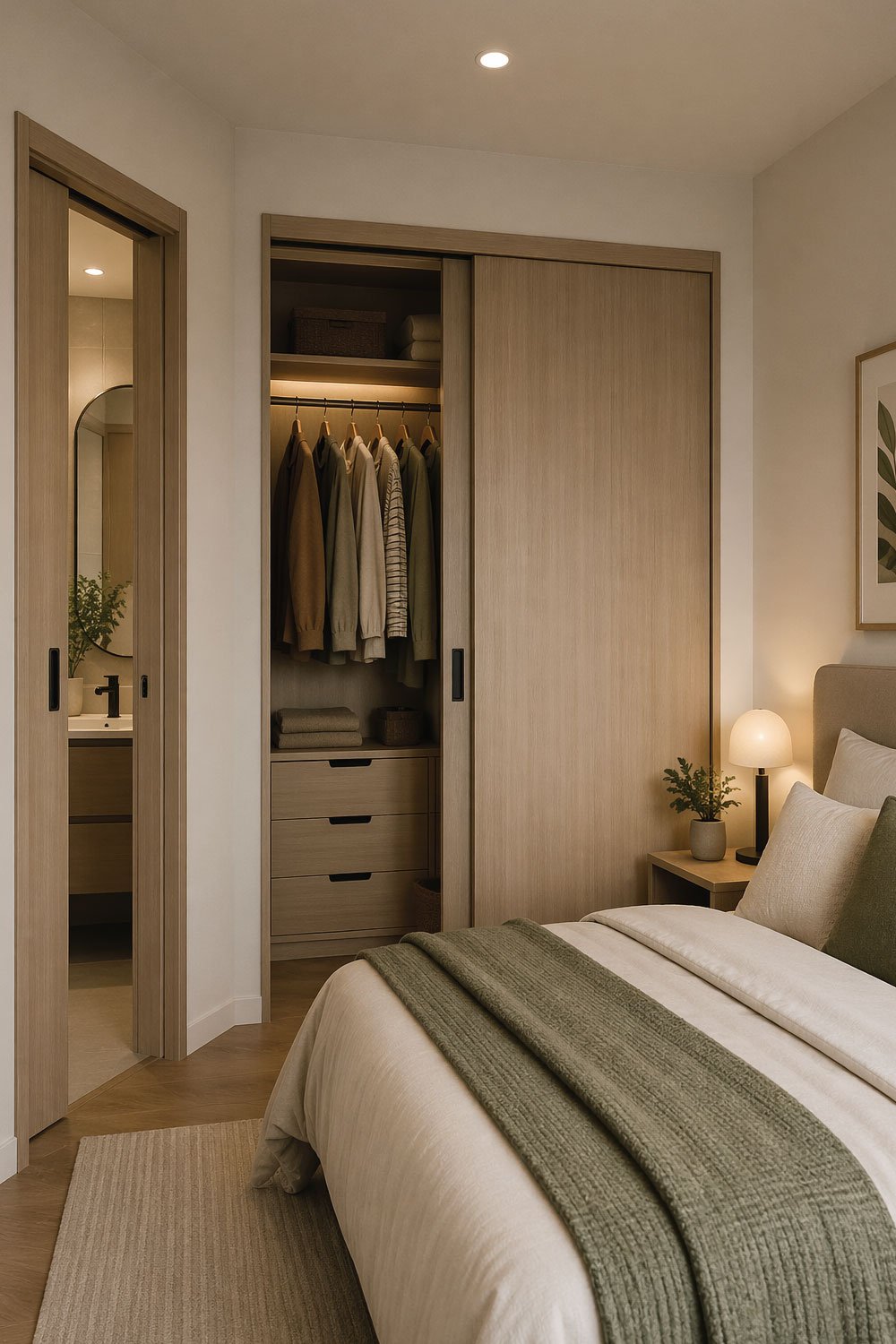
These door styles are especially useful for closets or compact entryways where every inch matters. By removing door clearance requirements, you gain more flexibility in furniture placement and create a smoother, more efficient flow throughout the room without unnecessary spatial restrictions.
- Saves floor space compared to hinged doors
- Improves furniture placement options
- Ideal for closets and bathrooms in small rooms
- Creates a sleek, modern interior look
14. Keep the Floor Visible
Keeping the floor visible is a simple yet powerful trick to make a small bedroom feel larger. When more floor space is exposed, the room appears less crowded and more open, improving visual flow and giving a lighter, airier atmosphere overall.
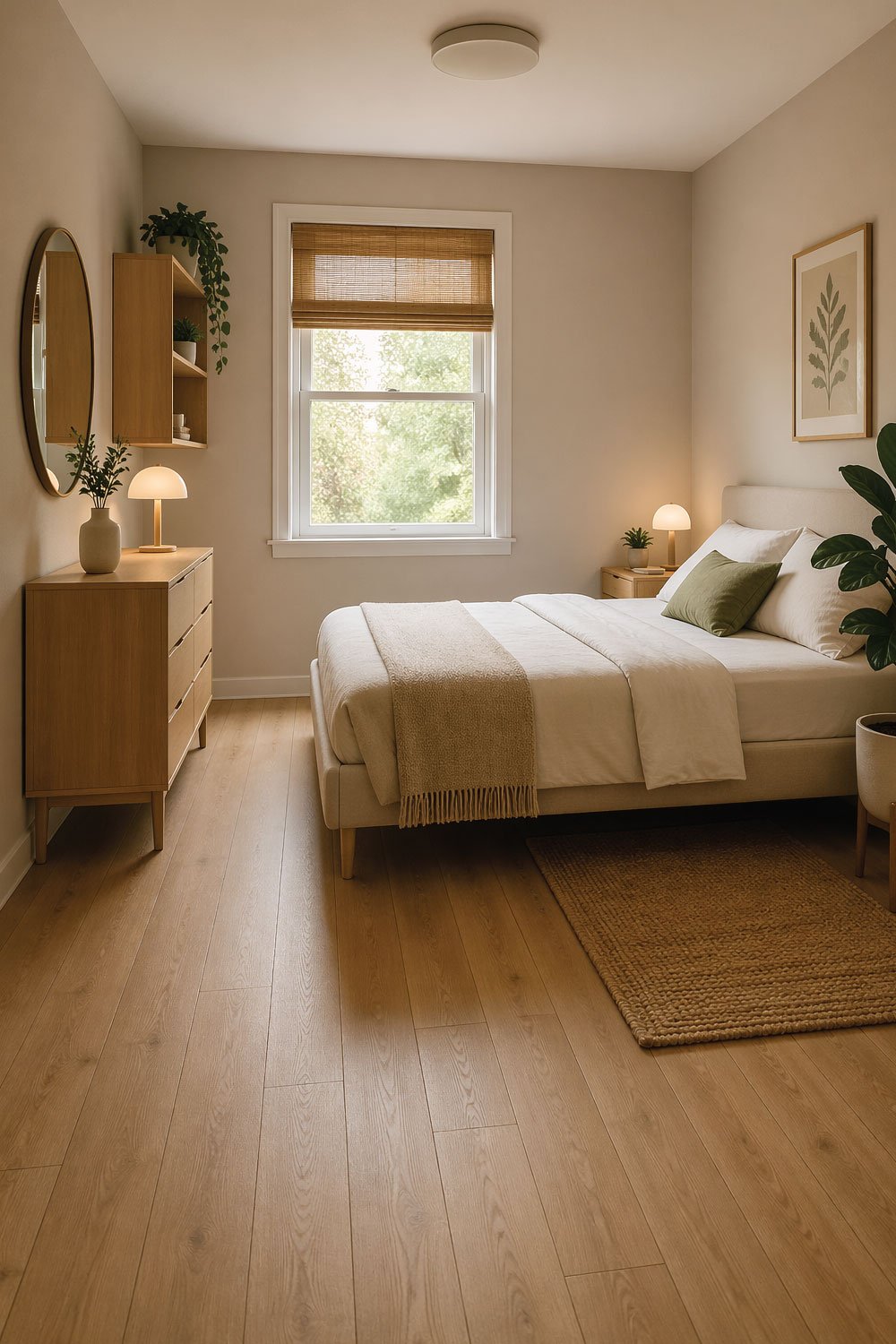
Using furniture with raised legs or wall-mounted storage helps achieve this effect easily. I noticed that even small changes, like swapping a solid base cabinet for a legged one, made the room feel less heavy and significantly more spacious without reducing functionality or comfort.
- Choose furniture with visible legs
- Avoid oversized floor-covering pieces
- Use wall-mounted storage where possible
- Keep pathways clear and open
15. Add Texture Instead of Bulk
Adding texture is a smart way to bring warmth and comfort into small bedrooms without overcrowding the space. Instead of adding more furniture or decorative items, layered fabrics like rugs, throws, and cushions create depth while maintaining a clean and uncluttered environment.
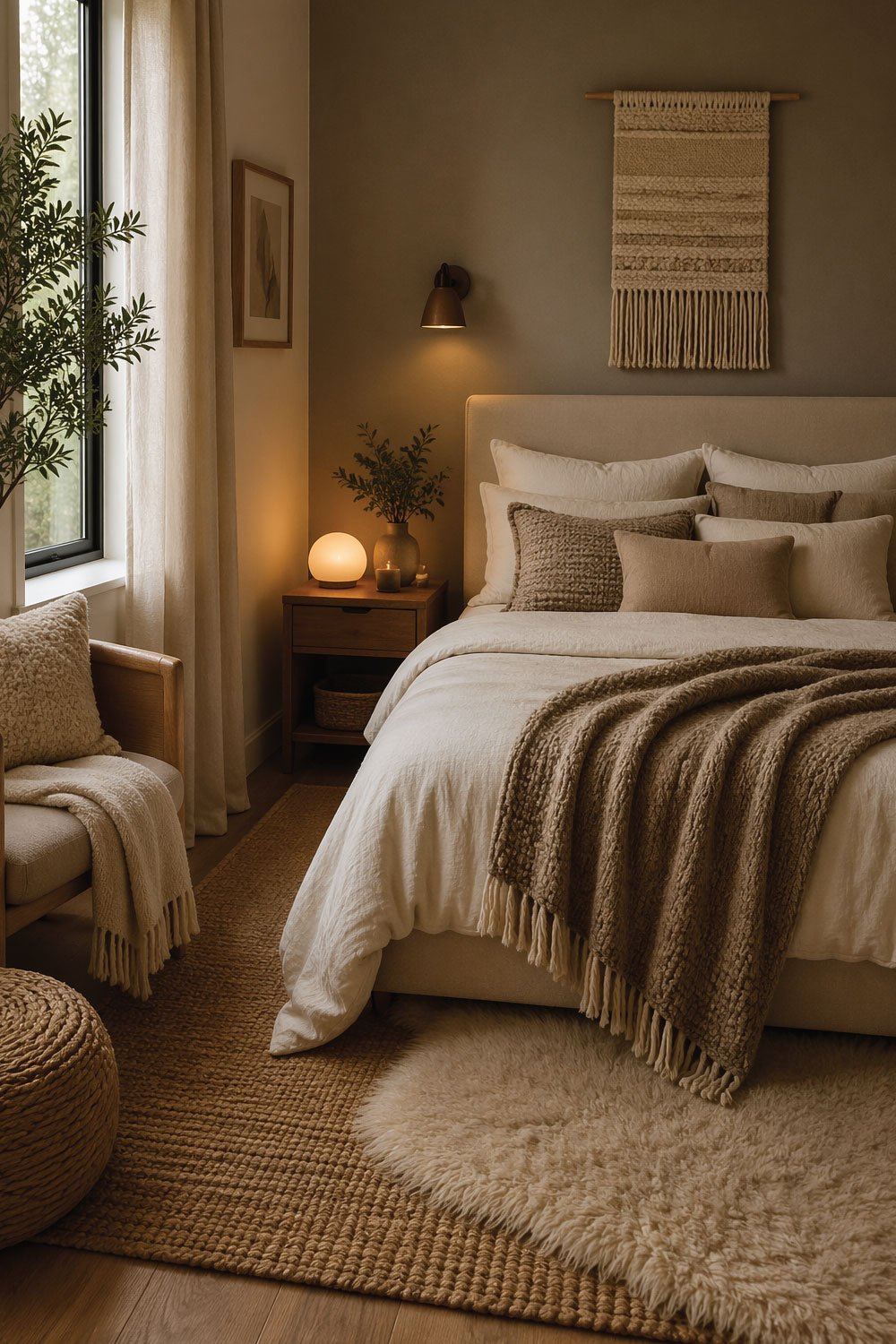
In my own room, using textured bedding and a soft rug made the space feel cozy without feeling cramped. The combination of materials added visual interest and comfort, proving that thoughtful texture choices can enhance bedroom ideas for small spaces more effectively than adding extra objects.
- Use layered rugs for warmth and depth
- Add cushions for softness without clutter
- Choose textured fabrics like linen or wool
- Maintain a balanced, minimal arrangement
16. Use Under-Bed Storage Creatively
Under-bed storage is one of the most practical solutions for small bedrooms because it uses space that is often wasted. Boxes, rolling bins, or built in drawers can neatly store clothes, shoes, or seasonal items while keeping the rest of the room clean and organized.
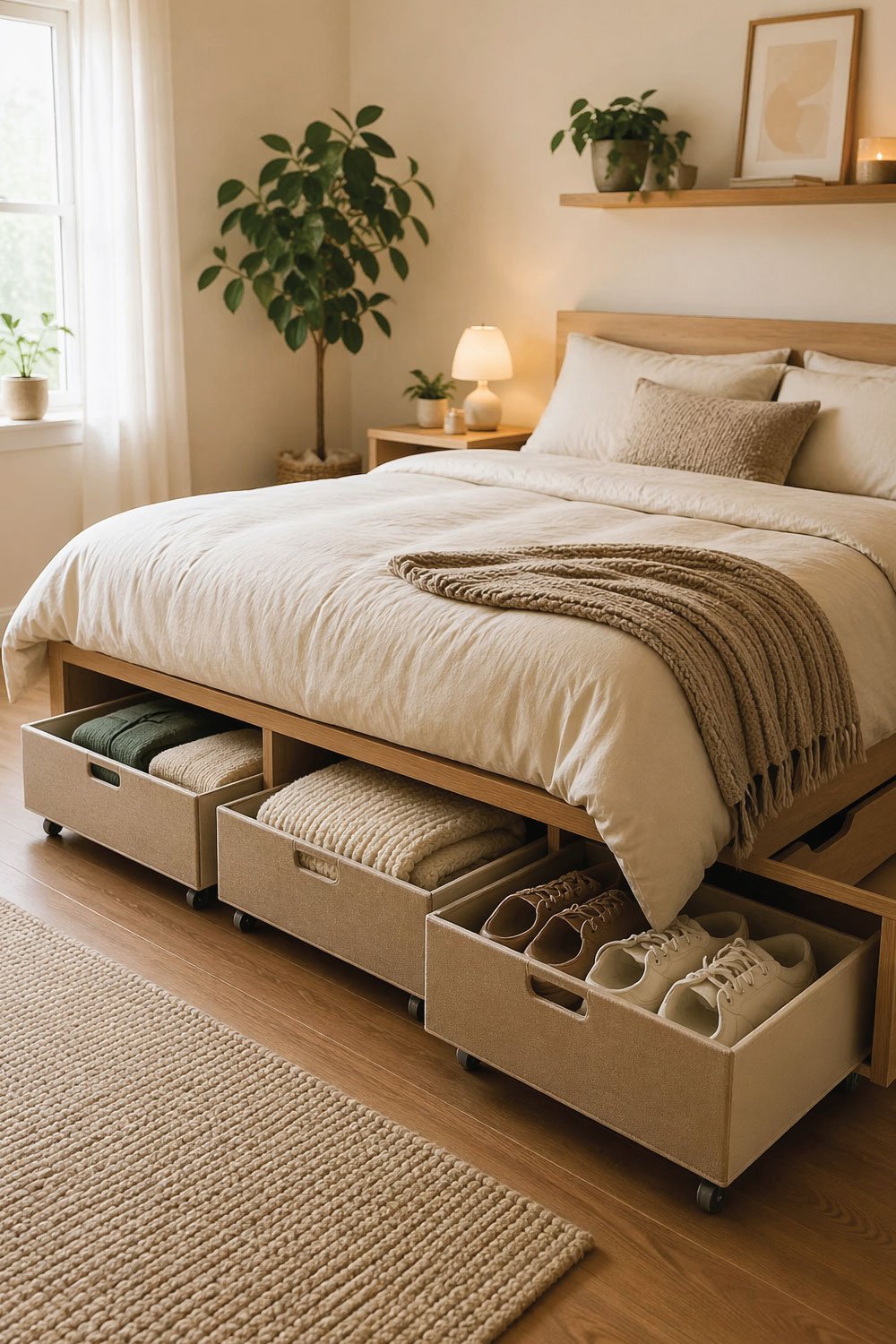
I personally started using under bed boxes for off-season clothing, and it immediately reduced clutter in my closet. This simple change helped free up hanging space and made daily organization much easier, while keeping everything accessible without adding extra furniture to the room.
- Ideal for seasonal clothing and extra bedding
- Keeps closet space more organized
- Works with bins, baskets, or drawers
- Uses otherwise unused space efficiently
17. Stick to a Consistent Color Palette
A consistent color palette is essential for maintaining harmony in small bedroom design because too many colors can create visual confusion. Limiting yourself to two or three coordinated shades helps the room feel more unified, calm, and intentionally styled.
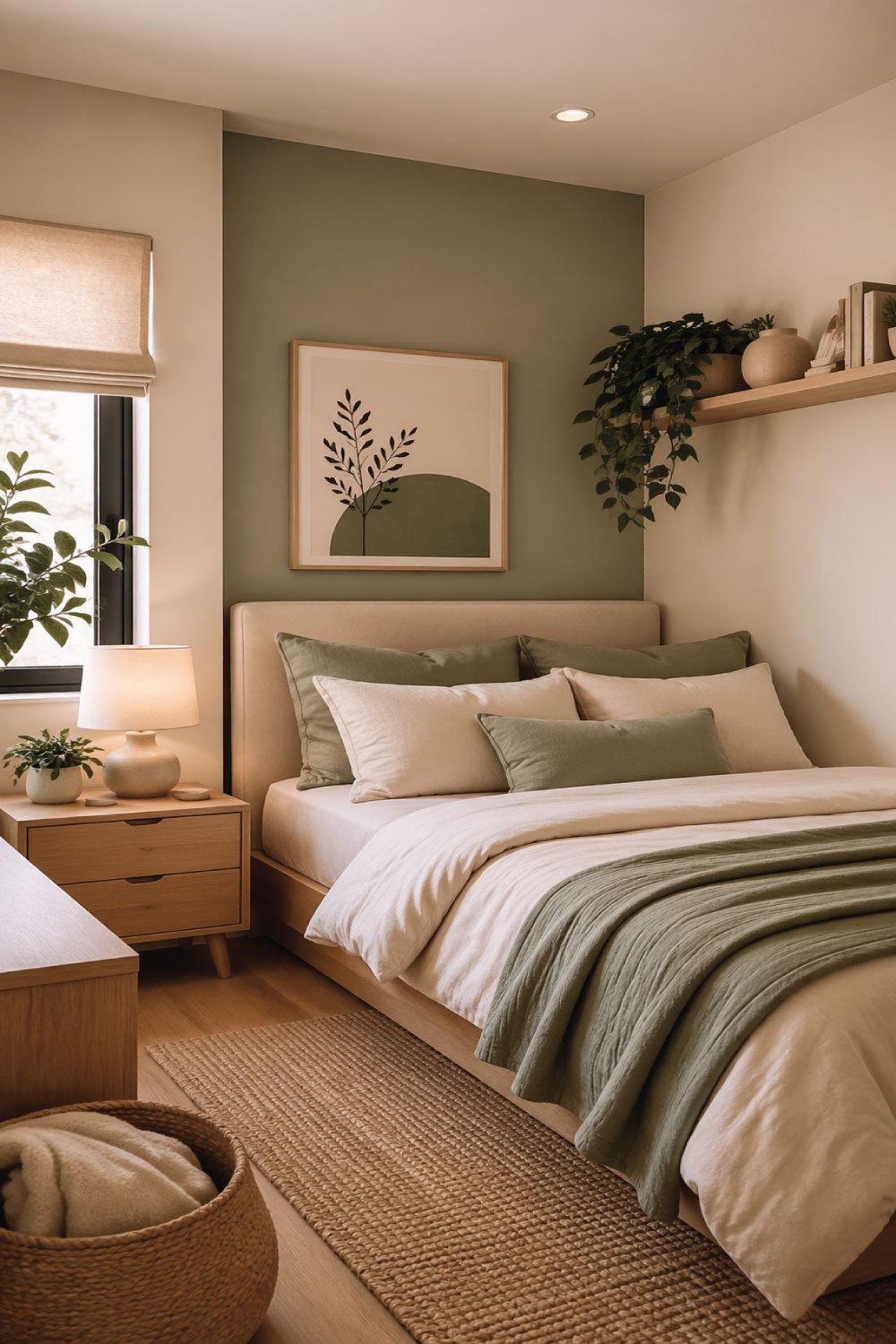
In my experience, choosing a soft neutral base with one accent color made everything look more cohesive. Furniture, bedding, and decor suddenly felt connected, which reduced visual clutter and created a smoother, more relaxing atmosphere in the room overall.
- Use 2 3 main colors throughout the room
- Match decor, bedding, and furniture tones
- Avoid conflicting bright shades
- Creates a clean, unified aesthetic
18. Opt for Sheer Curtains
Sheer curtains are a great alternative to heavy drapes in small bedrooms because they allow natural light to flow freely. This soft lighting effect makes the room feel brighter, lighter, and more open while still maintaining a level of privacy during the day.
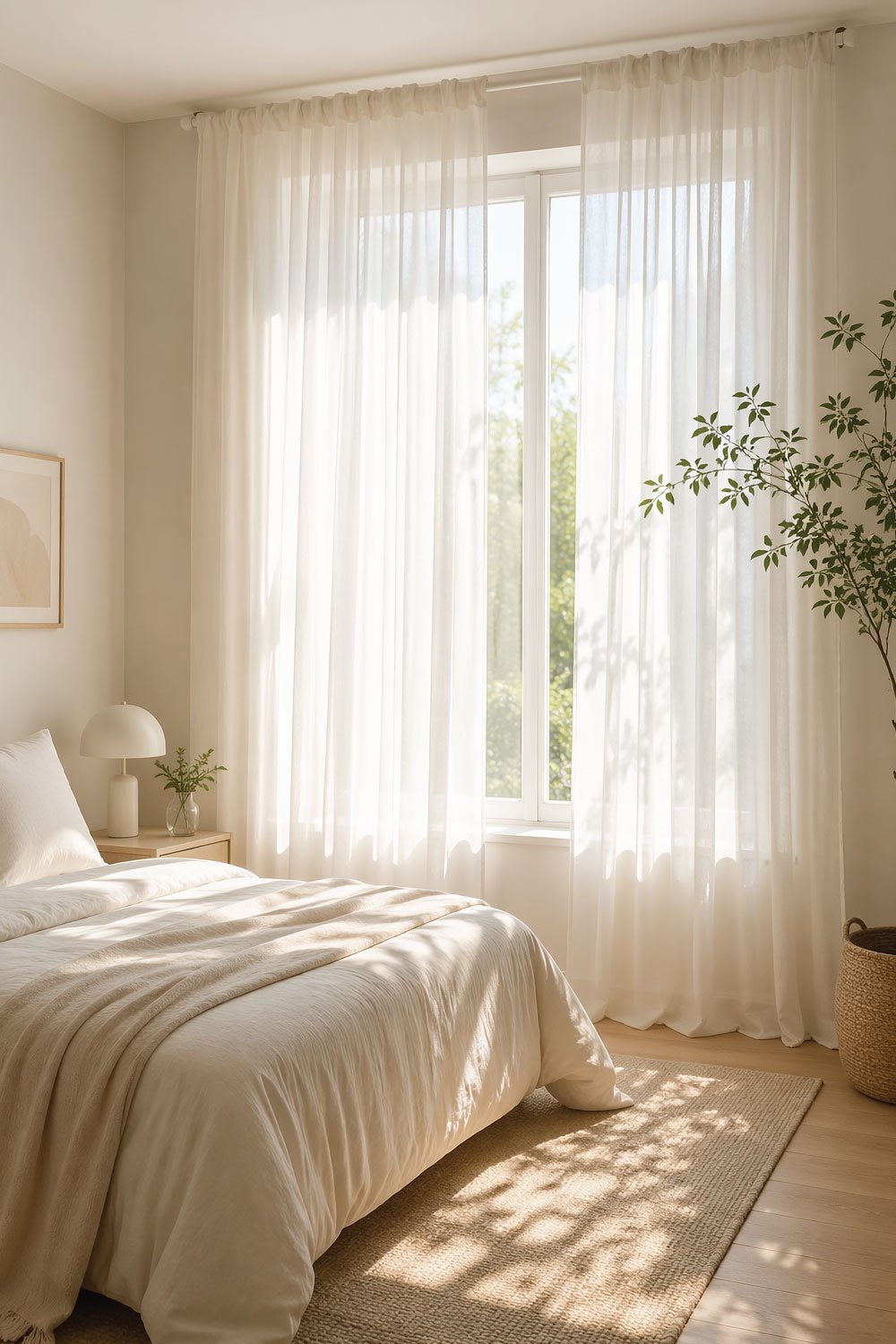
When I switched to sheer curtains, the difference in brightness was immediate. The room no longer felt closed off, and the soft sunlight created a calming, airy atmosphere that made the space feel significantly larger and more welcoming throughout the day.
- Maximizes natural light in small rooms
- Maintains privacy without blocking brightness
- Creates a soft, airy aesthetic
- Works well with minimalist interiors
19. Create Zones (Even in Tiny Rooms)
Creating zones in a small bedroom helps organize space based on function, even when square footage is limited. By separating sleeping, working, or reading areas, the room feels more structured and purposeful without the need for physical walls or partitions.
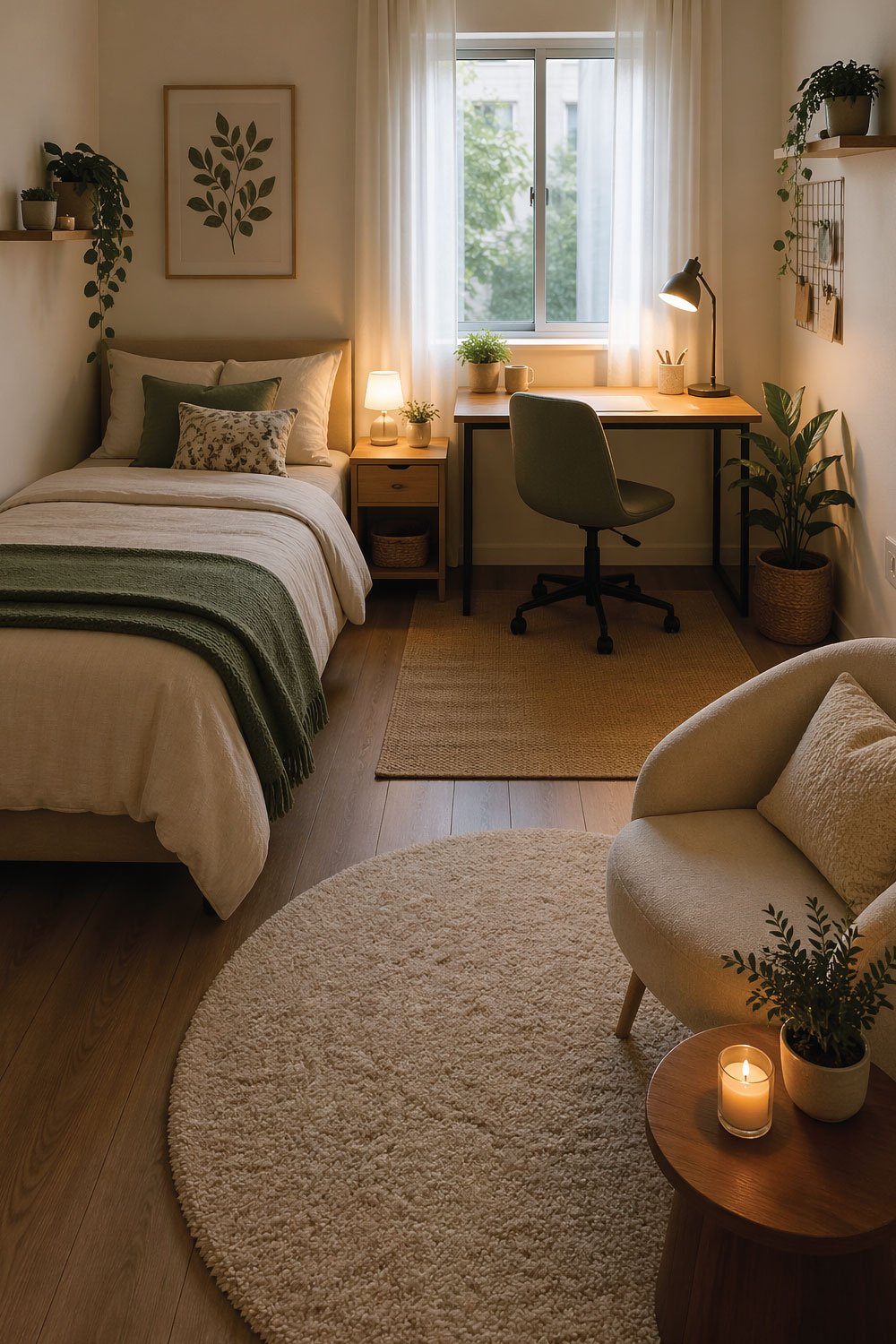
I found that placing a small desk near the window instantly created a productive corner, while the bed remained the main relaxation zone. This subtle separation made the room feel more organized and easier to use throughout the day without feeling crowded or chaotic.
- Define areas for sleep, work, and relaxation
- Use rugs or lighting to separate zones
- Place furniture based on function
- Improves organization in small layouts
20. Use Floating Nightstands
Floating nightstands are a smart choice for small bedrooms because they free up floor space and create a more open visual feel. Mounted directly on the wall, they provide essential storage while maintaining a sleek, modern, and uncluttered appearance.
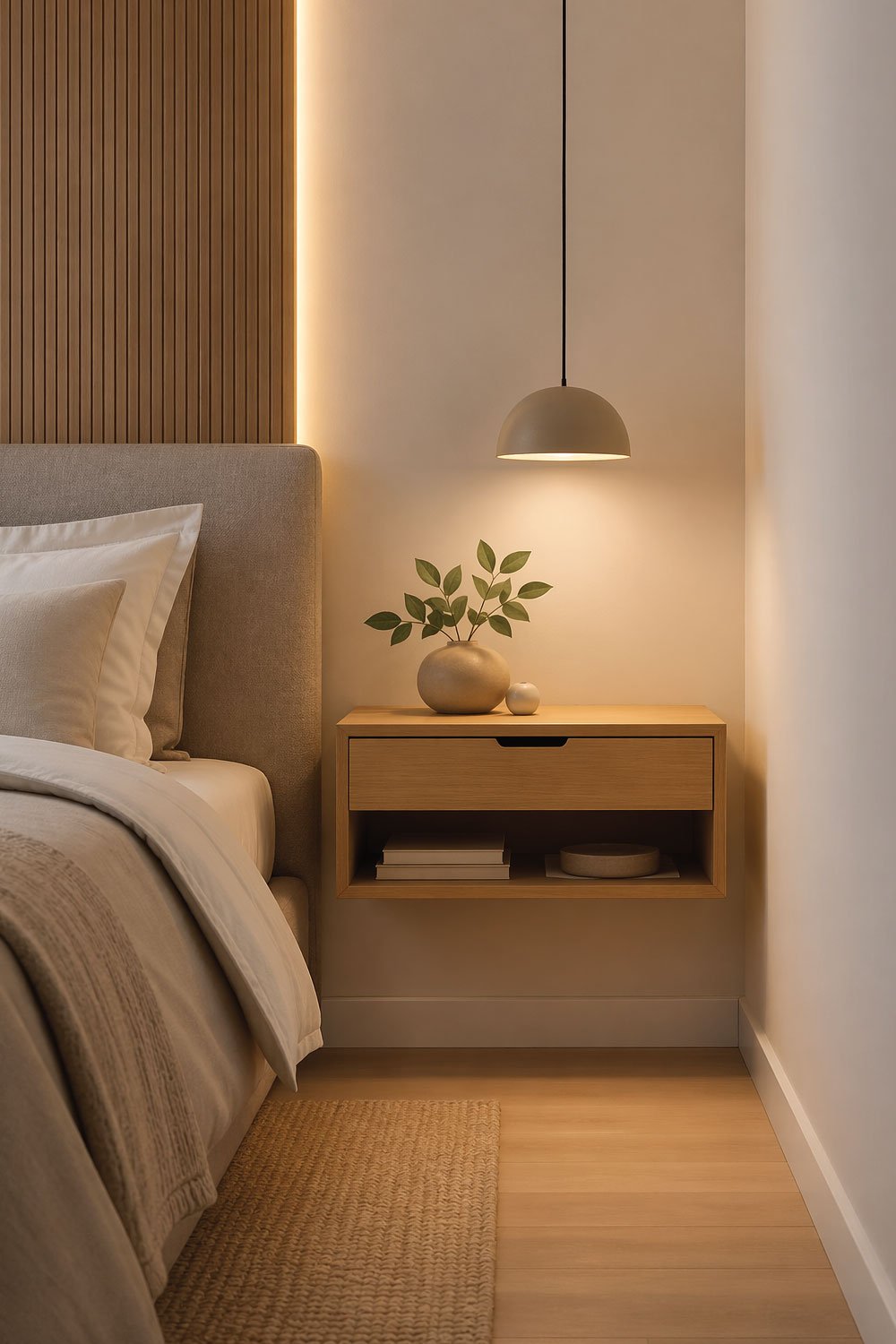
I replaced my traditional nightstand with a floating shelf, and the change made the room feel instantly lighter. The visible floor space increased, and the overall layout looked cleaner and more spacious, proving how even small furniture changes can significantly improve compact bedroom design.
- Keeps floor space open and visible
- Adds a modern, minimalist touch
- Ideal for compact bedroom layouts
- Can include small shelves or drawers
21. Personalize With Purpose
Personalizing a small bedroom is important because it adds character and makes the space feel truly yours. However, in compact rooms, every item should be chosen carefully so that it enhances the atmosphere without creating visual clutter or making the space feel crowded.
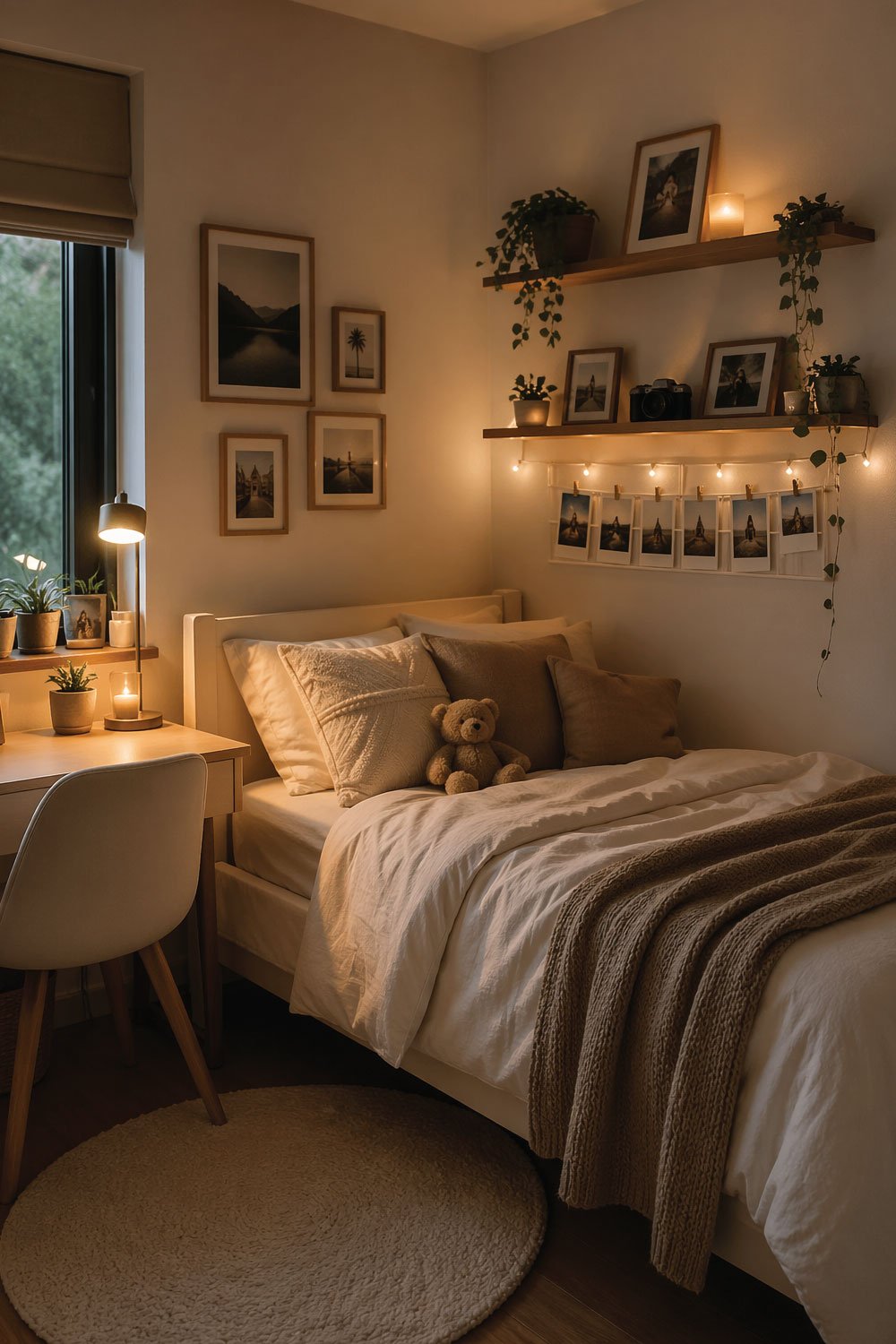
In my own room, I started being more selective with decor and kept only a few meaningful items like framed photos and small souvenirs. This made the space feel warmer and more personal, while still maintaining a clean, balanced look that didn’t overwhelm the limited area.
- Choose meaningful decor instead of random items
- Limit personal objects to a few key pieces
- Display items on shelves or walls neatly
- Avoid overcrowding surfaces with memories
22. Edit Often and Be Flexible
Small bedrooms require regular adjustment because needs and lifestyles change over time. What works perfectly today might feel inconvenient later, so it’s important to stay flexible and revisit your layout, storage, and decor choices periodically to maintain comfort and functionality.
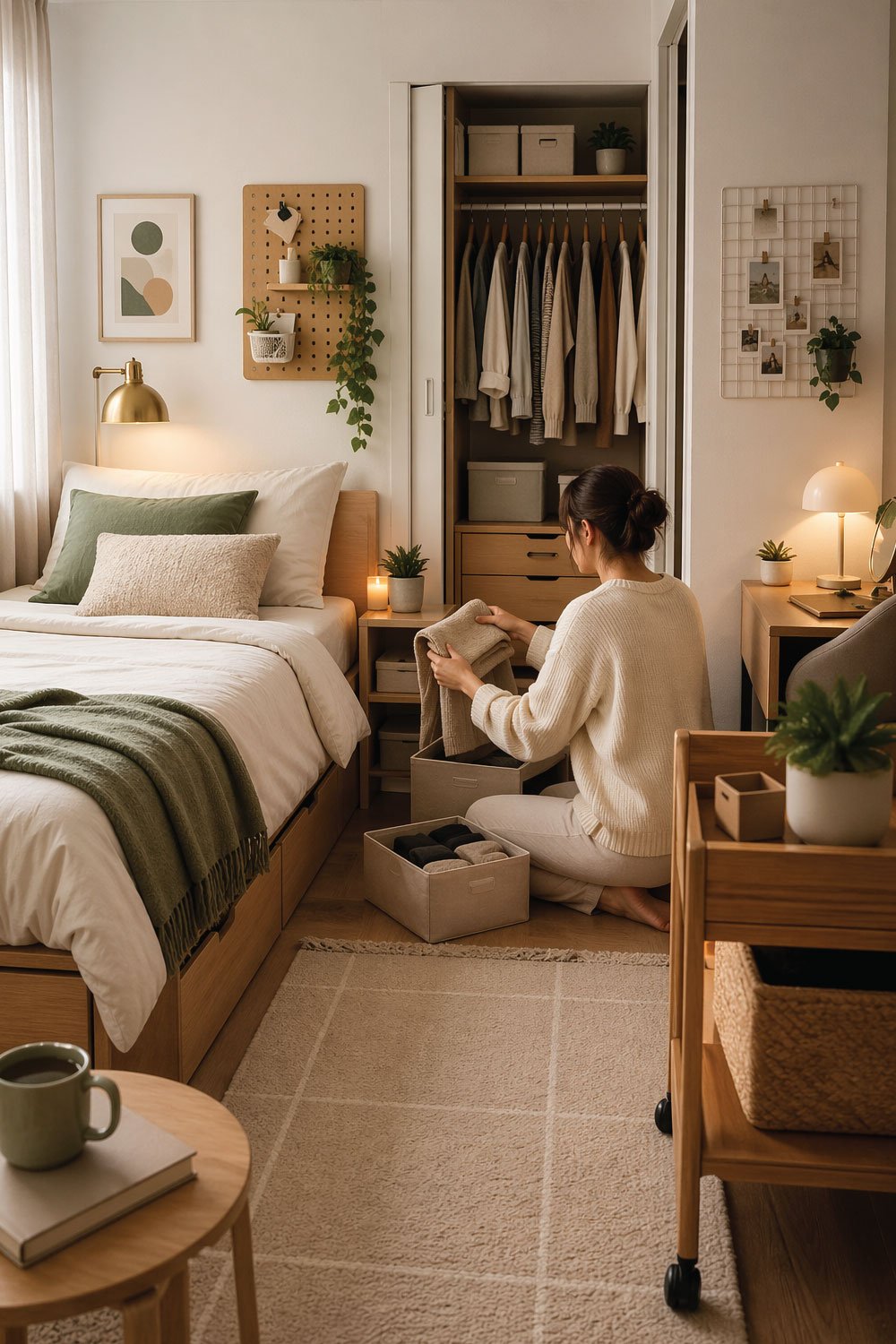
From my experience, occasionally removing unused items and rearranging furniture helped keep the room feeling fresh and practical. This habit of continuous editing made the space easier to live in and ensured it never became cluttered or outdated, even as my needs evolved over time.
- Reassess layout every few months
- Remove items you no longer use
- Rearrange furniture for better flow
- Keep only what adds value or function
Final Thoughts:
Designing a small bedroom taught me an important lesson: limitations often spark the best creativity. By focusing on smart layouts, multifunctional furniture, and thoughtful decor, you can transform even the tiniest room into a personal sanctuary.
These bedroom ideas for small spaces are not just about aesthetics they are about creating a space that supports rest, comfort, and everyday living. Whether you’re working with a studio apartment or a compact guest room, the right approach can make your small bedroom feel big on style.
If I could make my once cramped bedroom feel like home, I truly believe you can too.
