

Lighting is one of those things I did not truly appreciate until I got it wrong, multiple times. I used to think a single ceiling light in the living room was enough. You flip the switch, the room lights up, job done… right?
It was not until I started experimenting layering lights, changing bulb tones, and adding a few intentional fixtures, that my living room finally started to feel like a place I actually wanted to spend time in.
Now, whenever friends visit, the first thing they comment on is not my furniture or décor, it’s the lighting. So I am sharing the 10 living room lighting ideas that made the biggest difference in my home.
These are practical, affordable, and easy to adapt whether you live in a small apartment or a larger house.
1. Layer Your Lighting (The Game-Changer)
Lighting can completely change how a living room feels, yet it’s one of the most overlooked design elements. For a long time, I relied on a single ceiling light and couldn’t understand why the space felt flat and uninviting.
Once I discovered layered lighting, everything shifted. Combining ambient, task, and accent lighting creates depth and flexibility. Instead of one harsh source, the room now adapts to different moods and moments throughout the day.
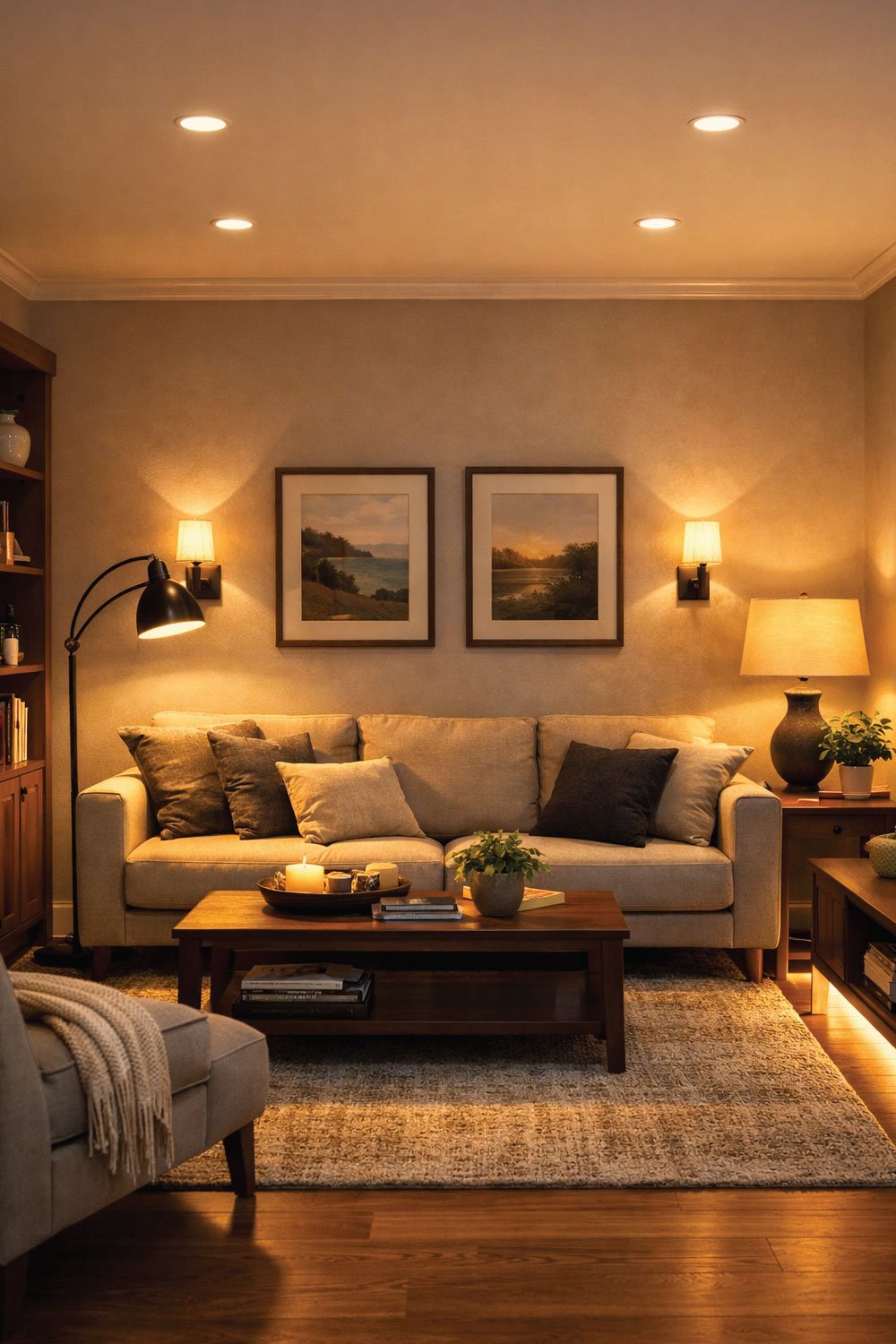
Ambient lighting: general illumination (ceiling lights, recessed lights)
Task lighting: reading or focused light (floor lamps, table lamps)
Accent lighting: mood or decorative lighting (LED strips, wall sconces)
Now I mix all three, and the room feels warm, balanced, and flexible depending on the time of day.
2. Add Warm White Bulbs Instead of Cool White
Choosing the right light bulb temperature might seem insignificant, but it has a powerful impact on atmosphere. I learned this the hard way after filling my living room with bright, cool white bulbs that made it feel sterile.
Switching to warm white lighting instantly softened the space. The room felt calmer, cozier, and more welcoming—especially in the evenings. It’s one of the simplest and most affordable changes you can make, yet the results are surprisingly dramatic.
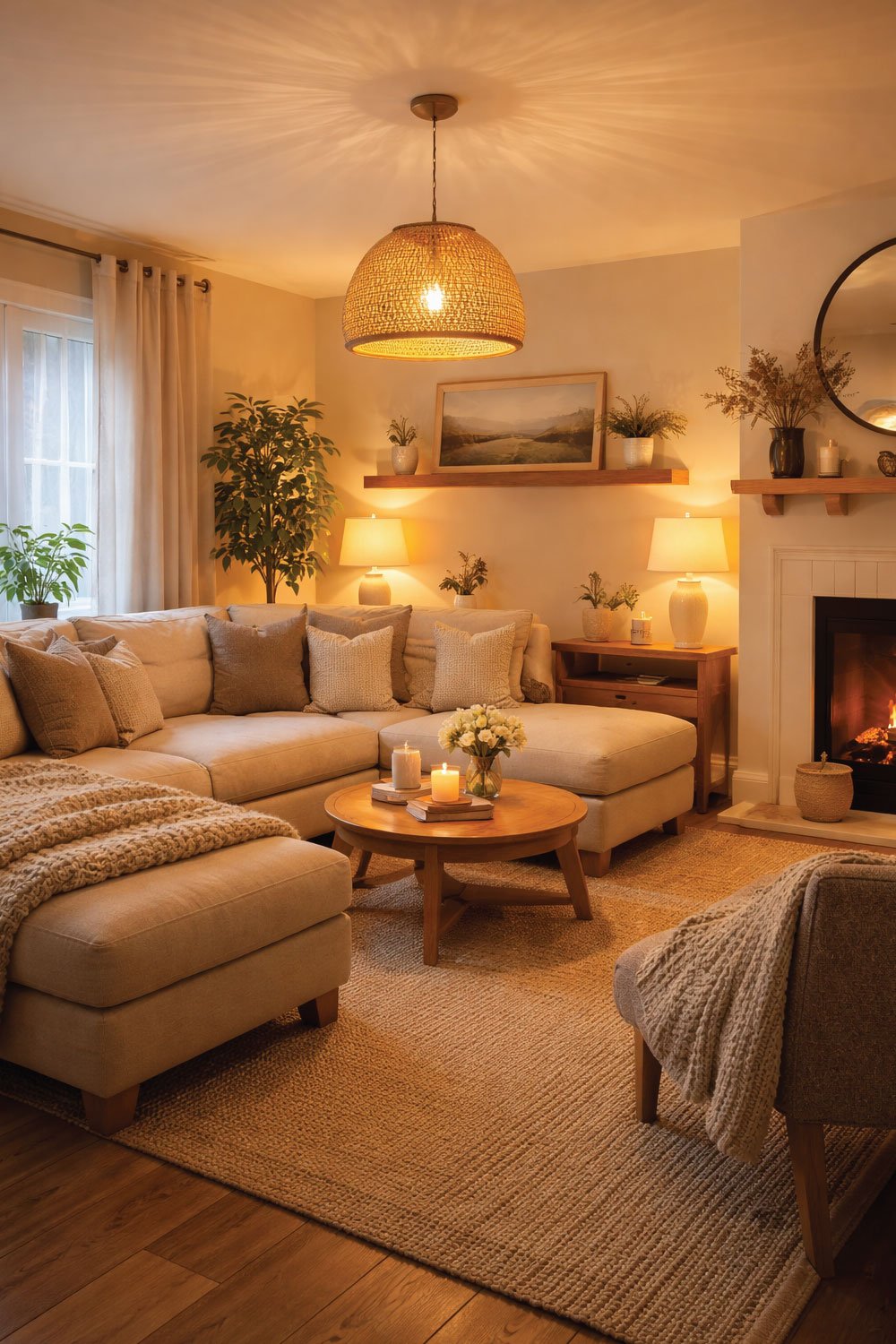
The space now feels:
Cozier at night
More inviting for guests
Less harsh on the eyes
If your living room feels “cold,” this is the easiest fix you can make today.
3. Use Floor Lamps to Fill Empty Corners
Every living room has at least one corner that feels forgotten. Mine stayed dark and empty for years until I realized how much it affected the balance of the space.
Adding a floor lamp completely changed that. Not only did it brighten the room, but it also added height and visual interest. Floor lamps are incredibly versatile, making them perfect for filling gaps without committing to permanent fixtures or renovations.
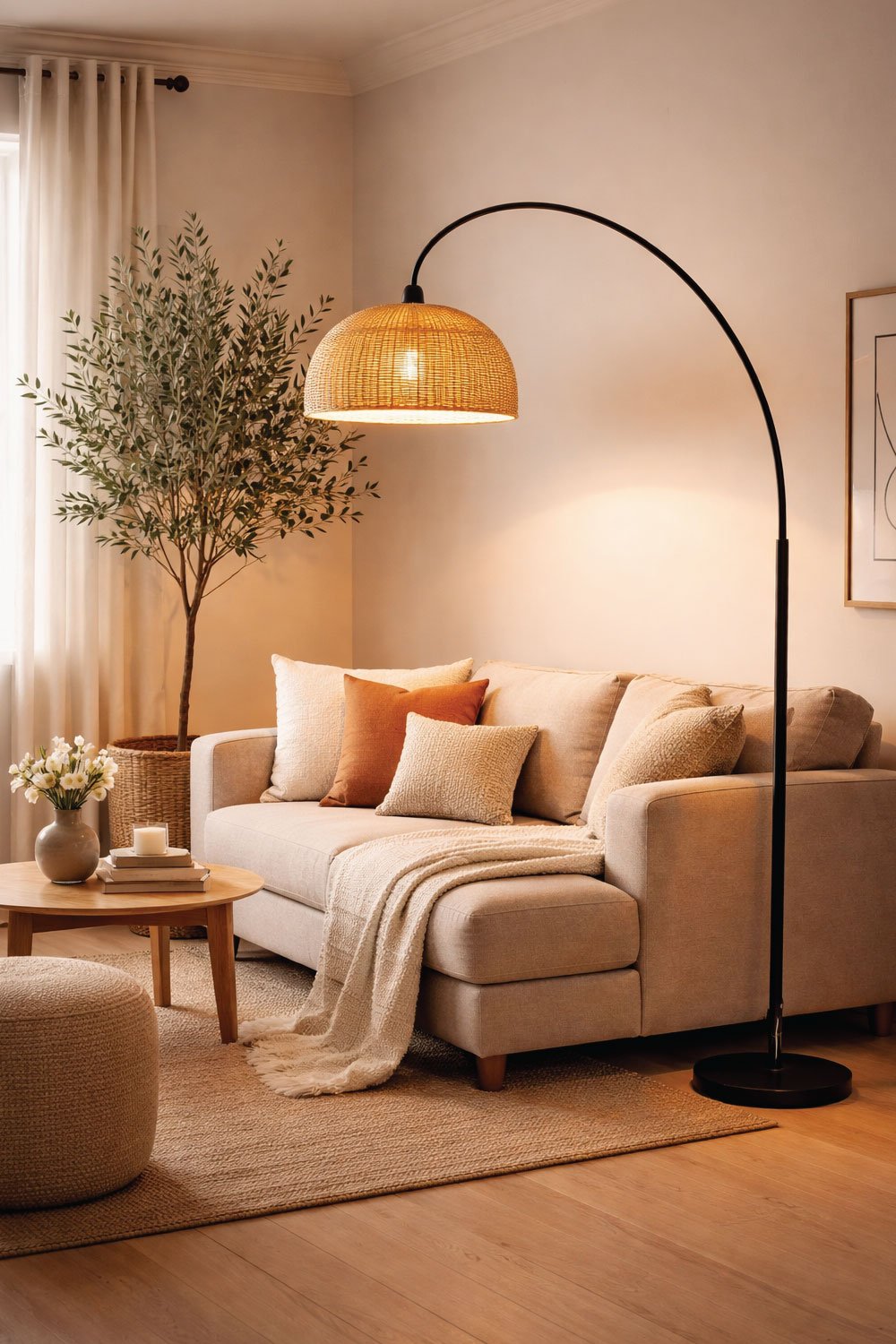
Floor lamps are great because:
They don’t take up table space
They’re easy to move around
They add vertical balance to a room
I personally prefer arc floor lamps because they stretch light over seating areas without needing ceiling wiring.
4. Table Lamps for Cozy Conversation Areas
A living room should invite people to sit, relax, and connect. I noticed that harsh overhead lighting made conversations feel rushed and uncomfortable, especially in the evenings.
Introducing table lamps changed the dynamic instantly. Soft, localized lighting around seating areas created a more intimate and welcoming environment. These small pools of light help define conversation zones and make the room feel thoughtfully designed rather than overly illuminated.
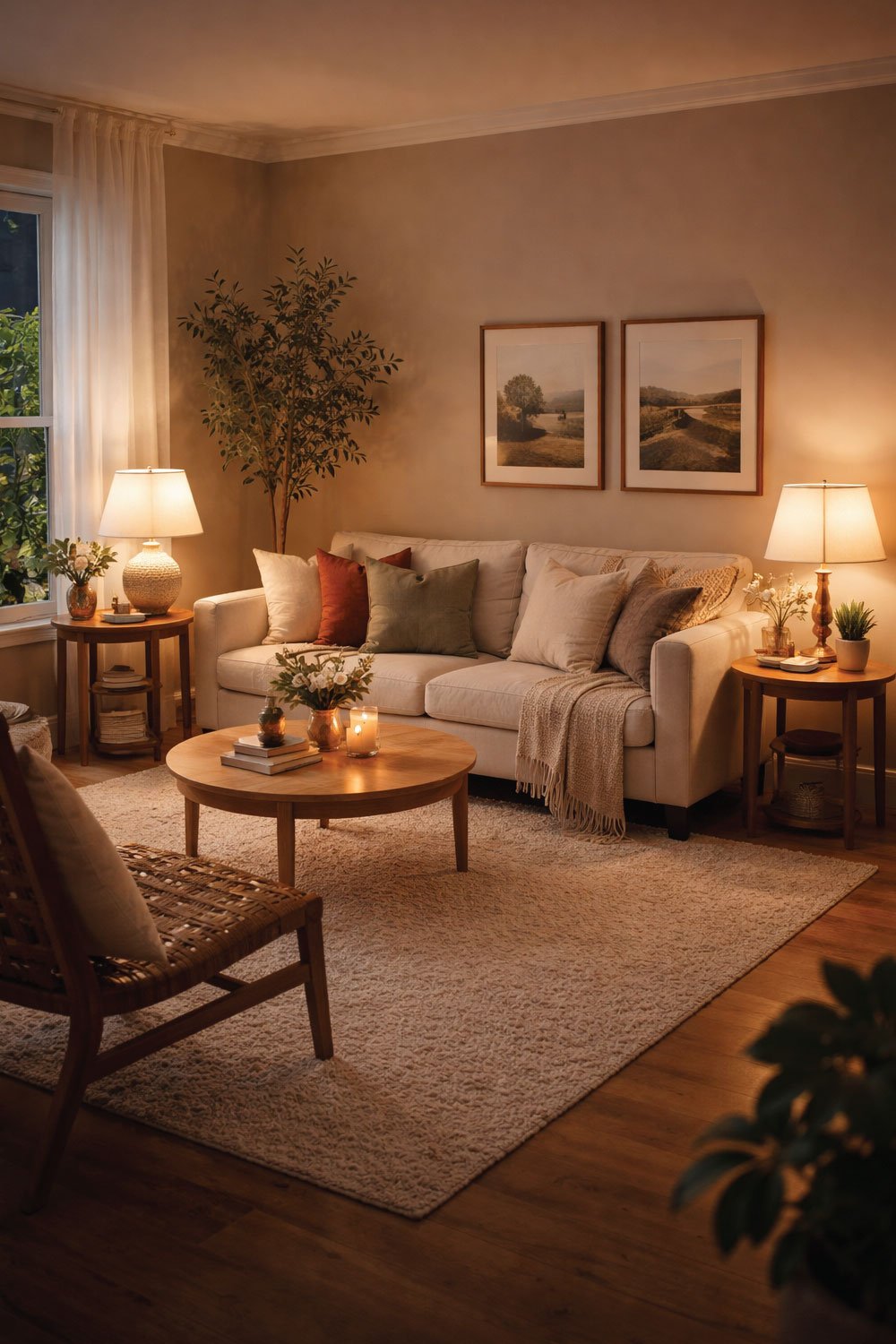
It instantly made the space feel more “designed,” but more importantly, it created softer pools of light where people naturally sit and talk.
Now, instead of one bright overhead glare, I get these warm little zones of light that make evening conversations feel more intimate.
If you’re in the USA and shopping for lamps, you’ll find tons of affordable options at stores like Target, IKEA, or even online marketplaces.
5. Install Dimmer Switches (Worth Every Penny)
One of the most practical lighting upgrades you can make is adding dimmer switches. Before installing them, my living room lighting felt limited—either too bright or too dark.
With dimmers, the space became far more flexible. I could adjust the brightness based on the activity or mood, from daytime tasks to relaxed evenings. It’s a small upgrade that adds everyday comfort and makes your lighting work harder for you.
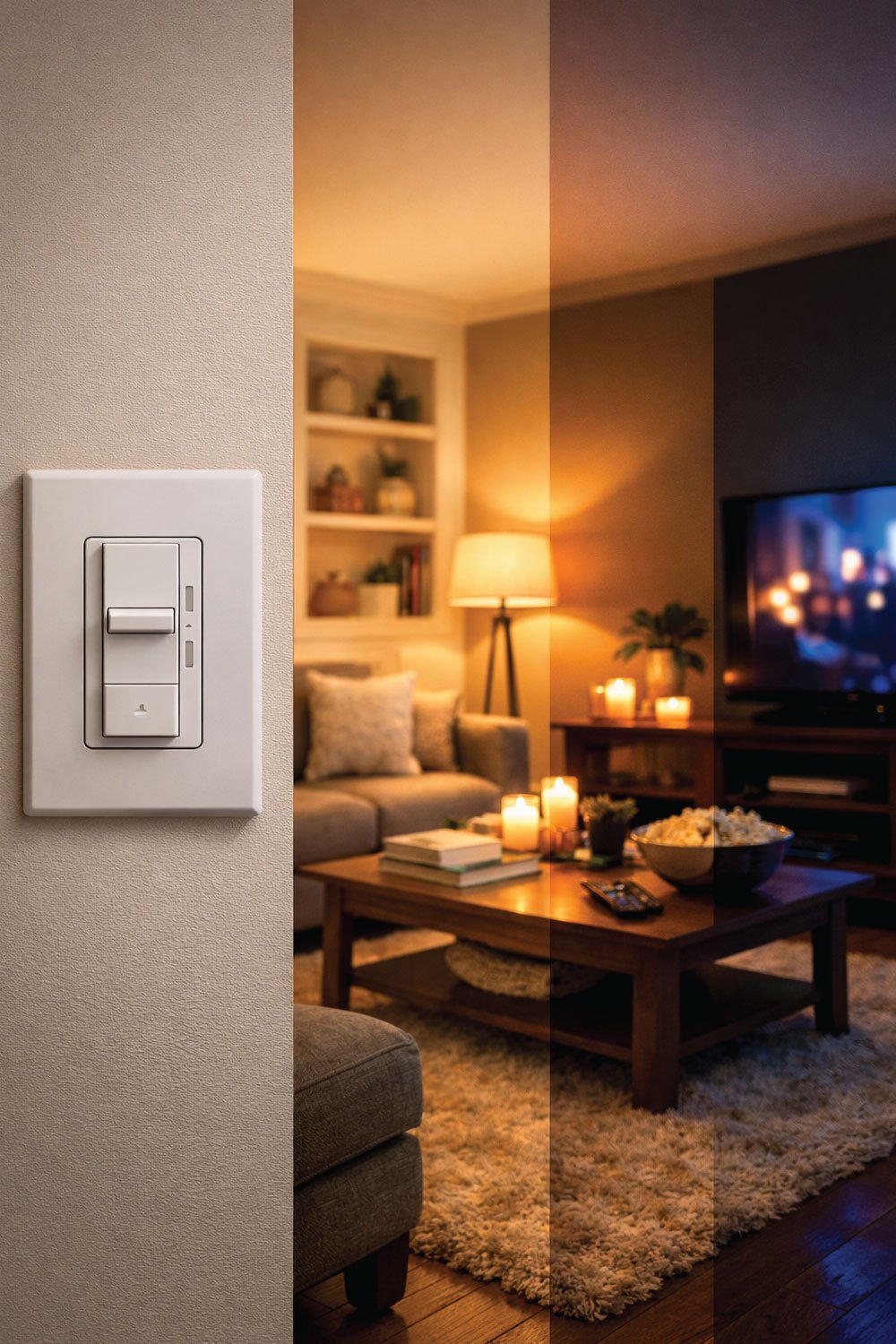
A dimmer switch lets you control the mood instantly. Bright light for cleaning, soft glow for movie nights—it’s all in one switch.
I installed mine in under an hour (with a bit of help from a YouTube tutorial), and it completely transformed how I use my living room at night.
If you are renting, there are even plug-in dimmer solutions for lamps that don’t require rewiring.
Also Read:
6. Add LED Strip Lighting for Subtle Ambience
LED strip lighting often gets a bad reputation for being too bold or overly modern. I felt the same way until I experimented with subtle placement.
When hidden behind furniture or shelves, LED strips add a soft glow that enhances the room without drawing attention to the source. The result is gentle, atmospheric lighting that feels modern yet cozy—perfect for evenings when you want warmth without brightness.
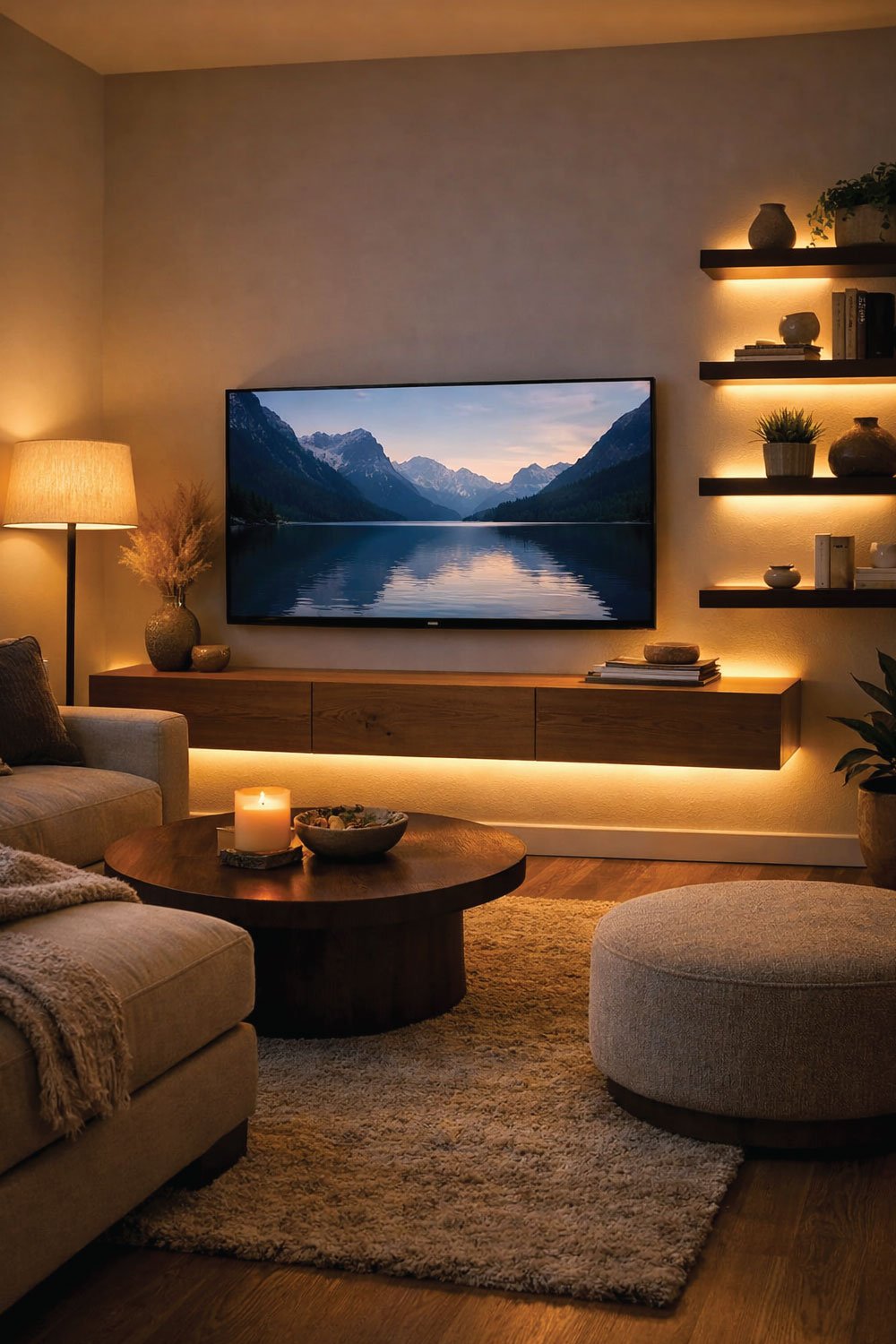
The effect is subtle but powerful:
Soft glow behind furniture
Reduced eye strain while watching TV
A modern, cozy vibe without harsh lighting
The key is to keep it hidden so the glow feels natural rather than obvious.
Also Read:
7. Highlight Artwork or Décor with Accent Lighting
Great décor can easily fade into the background if it is not properly lit. I learned this after realizing that a favorite framed print on my wall barely got noticed because it sat in a shadowy corner.
Accent lighting changed that instantly. By directing light toward artwork or decorative pieces, those elements suddenly felt purposeful. Even subtle lighting adds depth to walls and helps showcase personality, making the room feel more curated and thoughtfully designed.
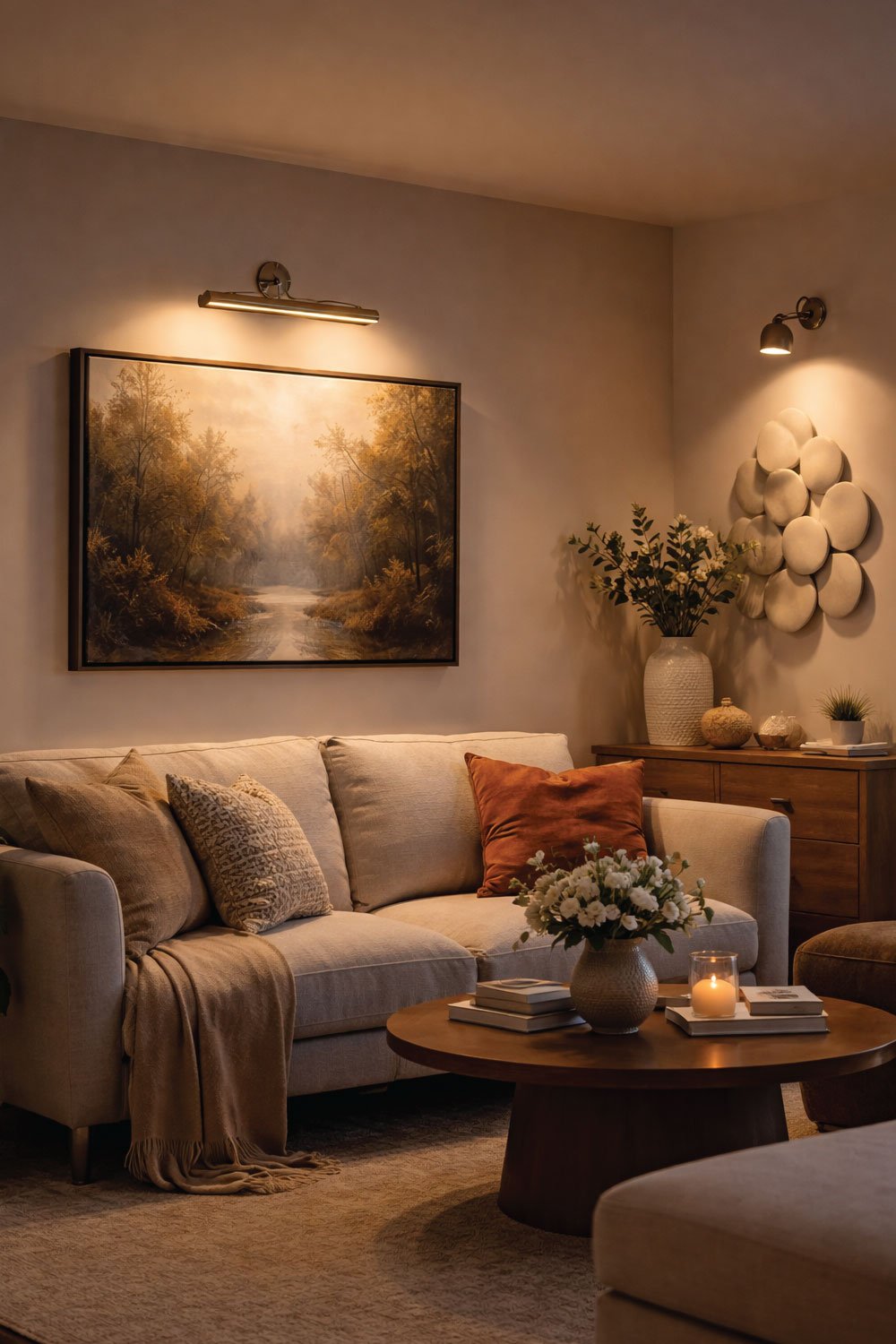
Once I added a small picture light above it, everything changed.
Accent lighting helps:
Draw attention to décor pieces
Add depth to plain walls
Make the room feel more intentional
Even a simple clip-on spotlight can make your living room feel like a mini gallery.
8. Use Smart Bulbs for Full Control
Lighting doesn’t have to be static anymore. Adding smart bulbs was one of the most convenient upgrades I made, and it completely changed how I use my living room.
With just a phone or voice command, I can adjust brightness and warmth depending on the moment. Creating preset scenes made the space feel adaptable and modern. Instead of one lighting setup, the room now effortlessly shifts with my routine and mood.
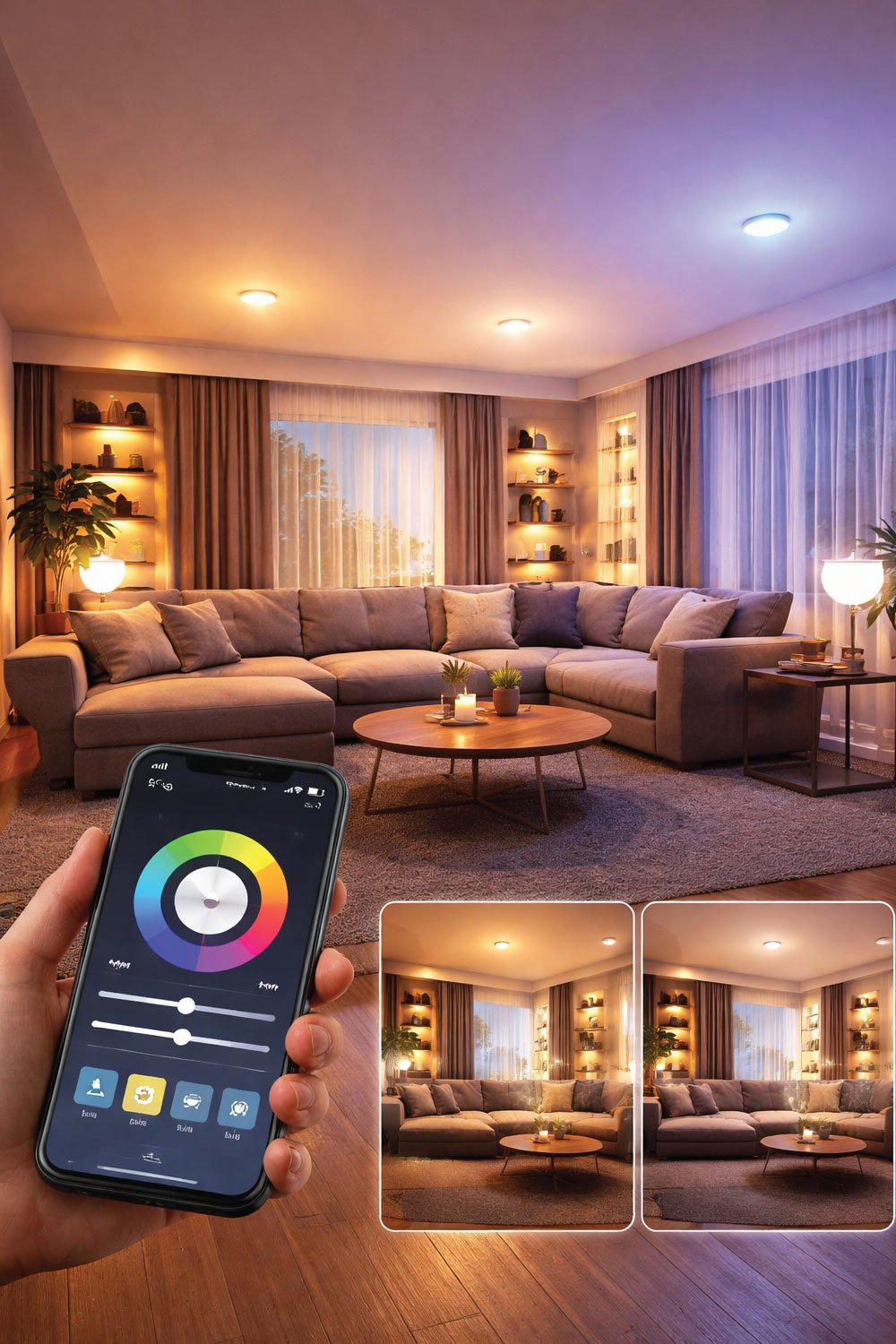
Smart bulbs let me adjust brightness and color temperature right from my phone or voice assistant. Some evenings I want warm candle-like lighting; other times I prefer something brighter for reading.
What I love most is setting “scenes”:
Movie night: dim and warm
Morning: bright and energizing
Dinner with friends: soft, balanced glow
It feels like having multiple lighting setups in one room.
Also Read:
9. Bring in Natural Light (And Maximize It)
Artificial lighting is important, but natural light brings a different kind of energy into a space. I did not realize how much I was blocking until I made a few simple changes.
By letting daylight flow in, the living room felt instantly brighter and more open. The space became more uplifting during the day, especially in darker seasons. Maximizing natural light not only improves the look of a room but also how it feels to live in it.
One of the biggest changes I made was simply letting more natural light in during the day. I swapped heavy curtains for light-filtering sheer drapes, and the difference was immediate.
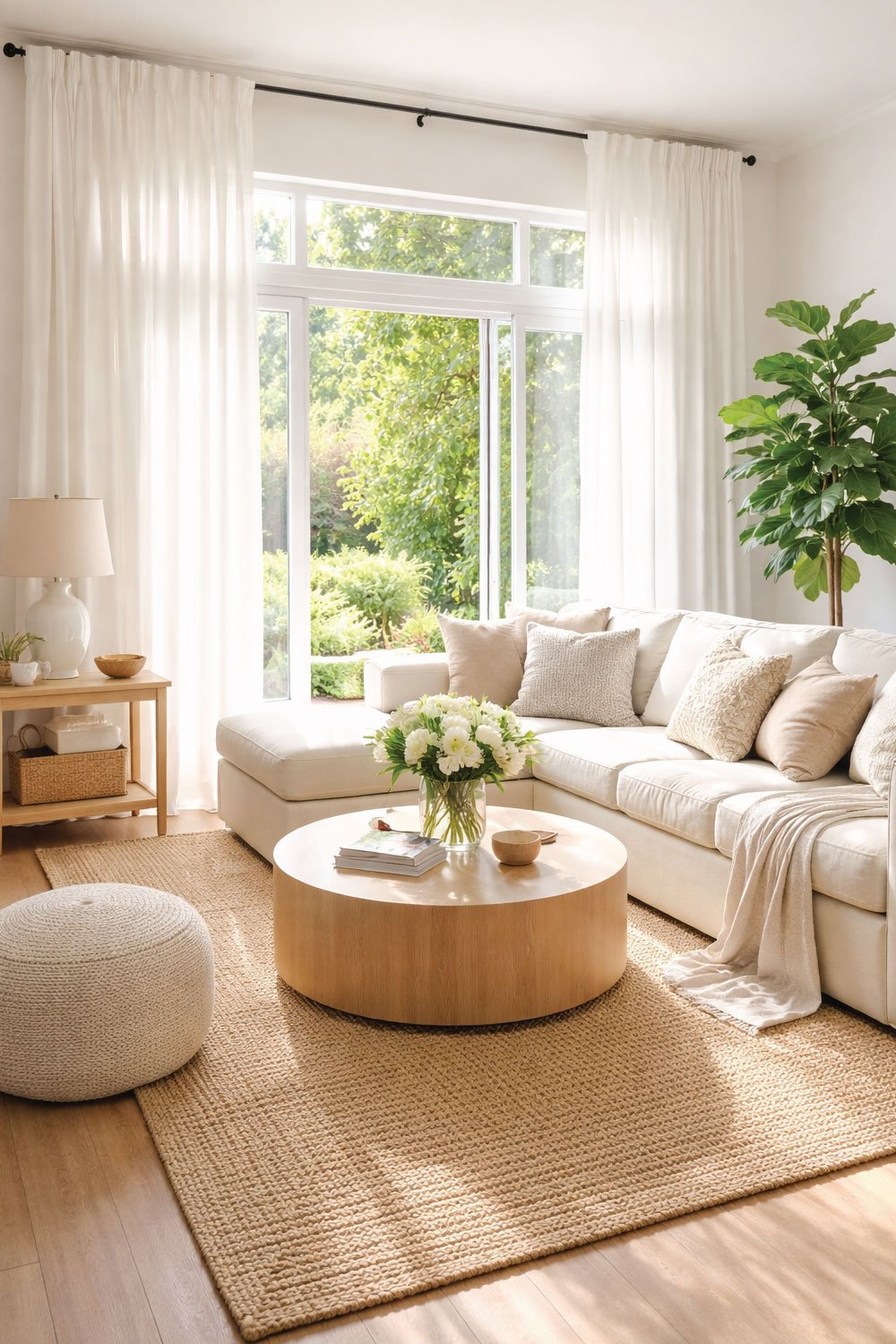
My living room now feels:
Airier
Larger
More uplifting during daytime
If you live somewhere with strong seasonal changes in the USA, maximizing daylight can also help with mood during winter months.
10. Mix Decorative Lighting for Personality
Lighting is not just about visibility, it’s also a chance to express personality. I did not fully appreciate this until I stopped thinking of lights as purely functional pieces.
By adding decorative lighting, the room started to feel more personal and lived-in. Small elements like sculptural lamps, lanterns, or subtle string lights introduce character without overwhelming the space. These touches soften the overall look and help the living room feel warm, unique, and reflective of real life rather than a staged showroom.
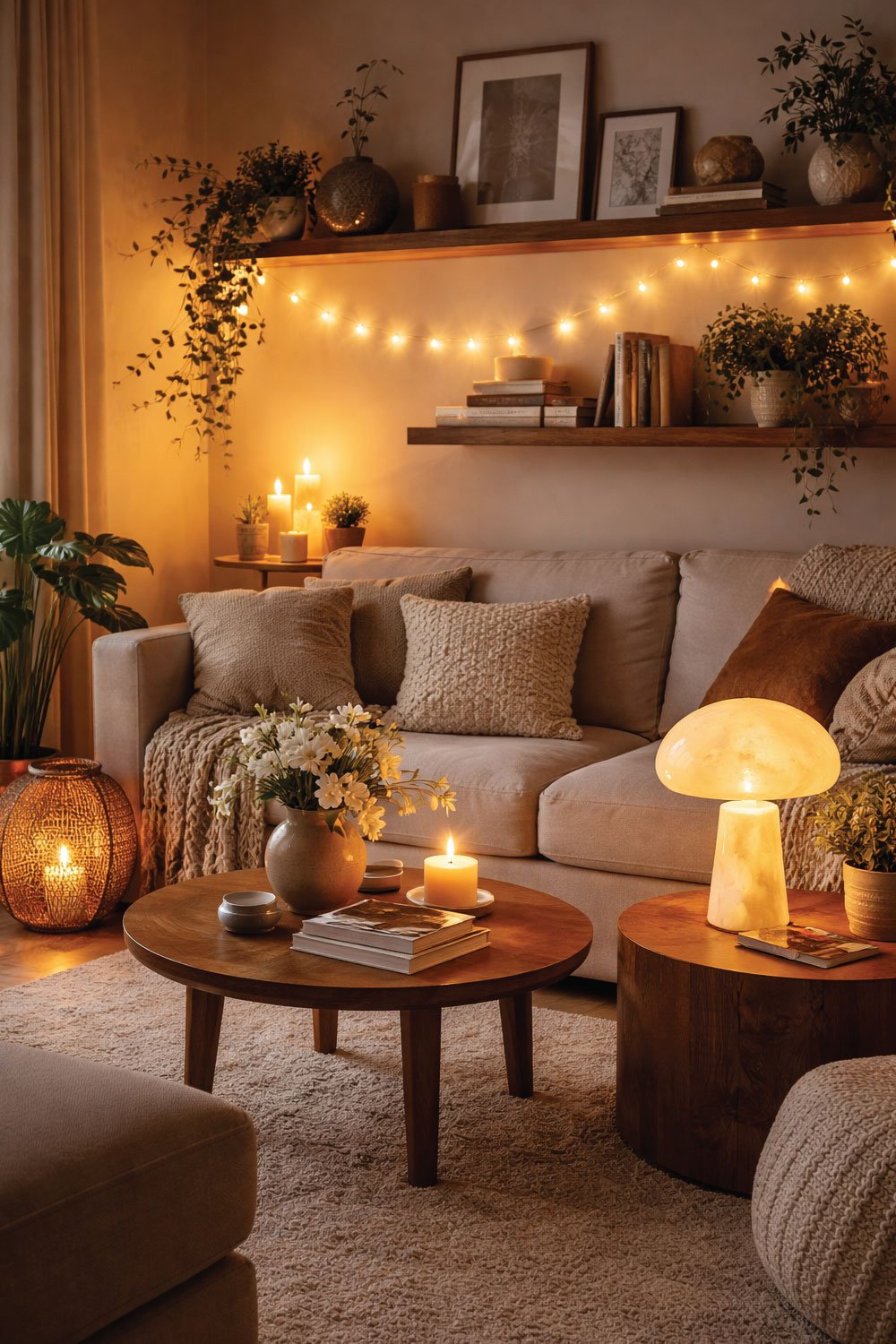
I added a few small touches:
A decorative lantern in the corner
A string of warm fairy lights along a shelf
A sculptural lamp that doubles as art
These small additions give the room personality and make it feel less like a showroom and more like my home.
Also Read:
Final Thoughts
Looking back, I can confidently say lighting was the most underrated part of my living room design. I spent way more time worrying about sofas, rugs, and wall colors—but lighting is what actually shapes how the space feels.
If you’re just starting out, don’t feel like you need to do everything at once. Even small changes—like swapping bulbs or adding one floor lamp—can make a noticeable difference.
What surprised me most is how lighting affects daily habits. I read more in my living room now. I host friends more often. I even just relax there instead of automatically heading to my bedroom.
So if your living room doesn’t feel quite right, don’t rush to redecorate everything. Start with light. It might just be the missing piece you have been looking for.

I am Engineer Hassan, a professional engineer with over 15 years of experience in measurements, design accuracy, and furniture, appliance, and home product sizing. Through Size Helper, I provide research-based guides and trending 2026 home design ideas for living rooms, bedrooms, sofas, wall décor, fashion, and sports—helping users make confident, informed decisions. Every guide is written with real expertise, verified data, and a commitment to quality, usability, and style.