
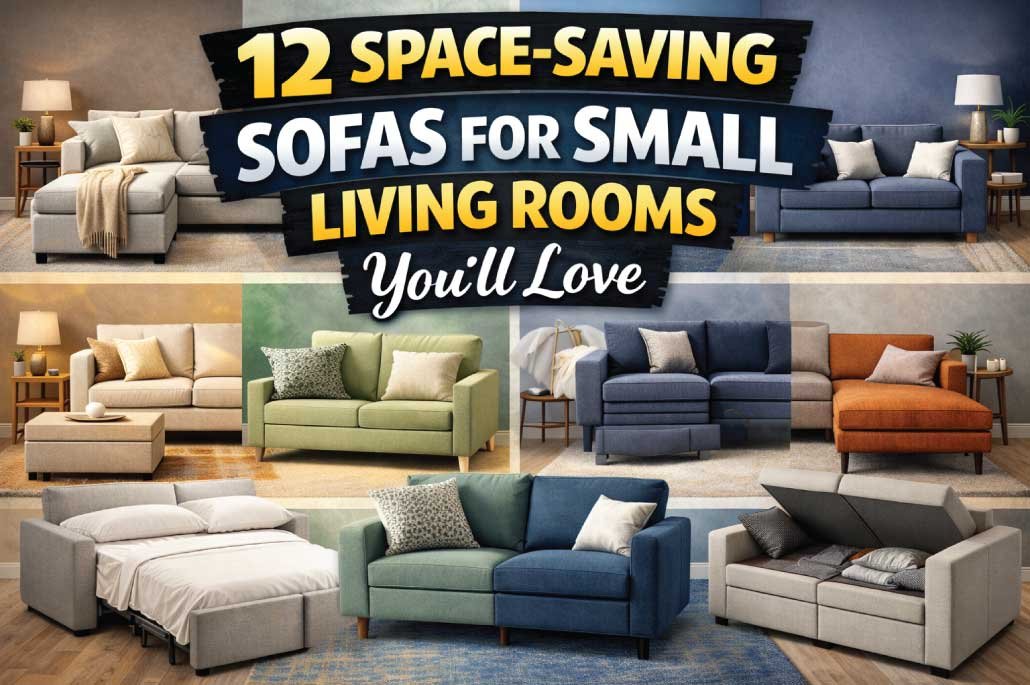
When I first moved into a small apartment in the, I made the classic mistake—buying a sofa that looked amazing in the store but completely swallowed my living room. I could barely walk around it, and the space felt even smaller than it actually was.
That experience taught me something important: choosing the right sofa for a small living room is less about style alone and more about proportion, function, and flow.
So today, I am sharing what I have learned (plus research-backed ideas) on the 12 best sofas for small living rooms—perfect for apartments, condos, and compact homes.
Table of Contents
ToggleWhat Makes a Sofa “Perfect” for a Small Living Room?
Choosing the perfect sofa for a small living room is less about trends and more about proportion.
The right design supports movement, preserves sightlines, and avoids visual heaviness even in tight layouts.
Details like slim arms, raised legs, shallow depth, and light colors help compact spaces feel open, functional, and comfortable without sacrificing style or seating needs.
Slim arms & raised legs (creates visual space)
Compact width (around 60–80 inches)
Shallow depth so it doesn’t overwhelm the room
Light or neutral colors to reflect light
Multi-functionality like storage or sleeper options
Design experts consistently recommend these features because they make a room feel open instead of cramped .
1. Apartment-Size Loveseat Sofa
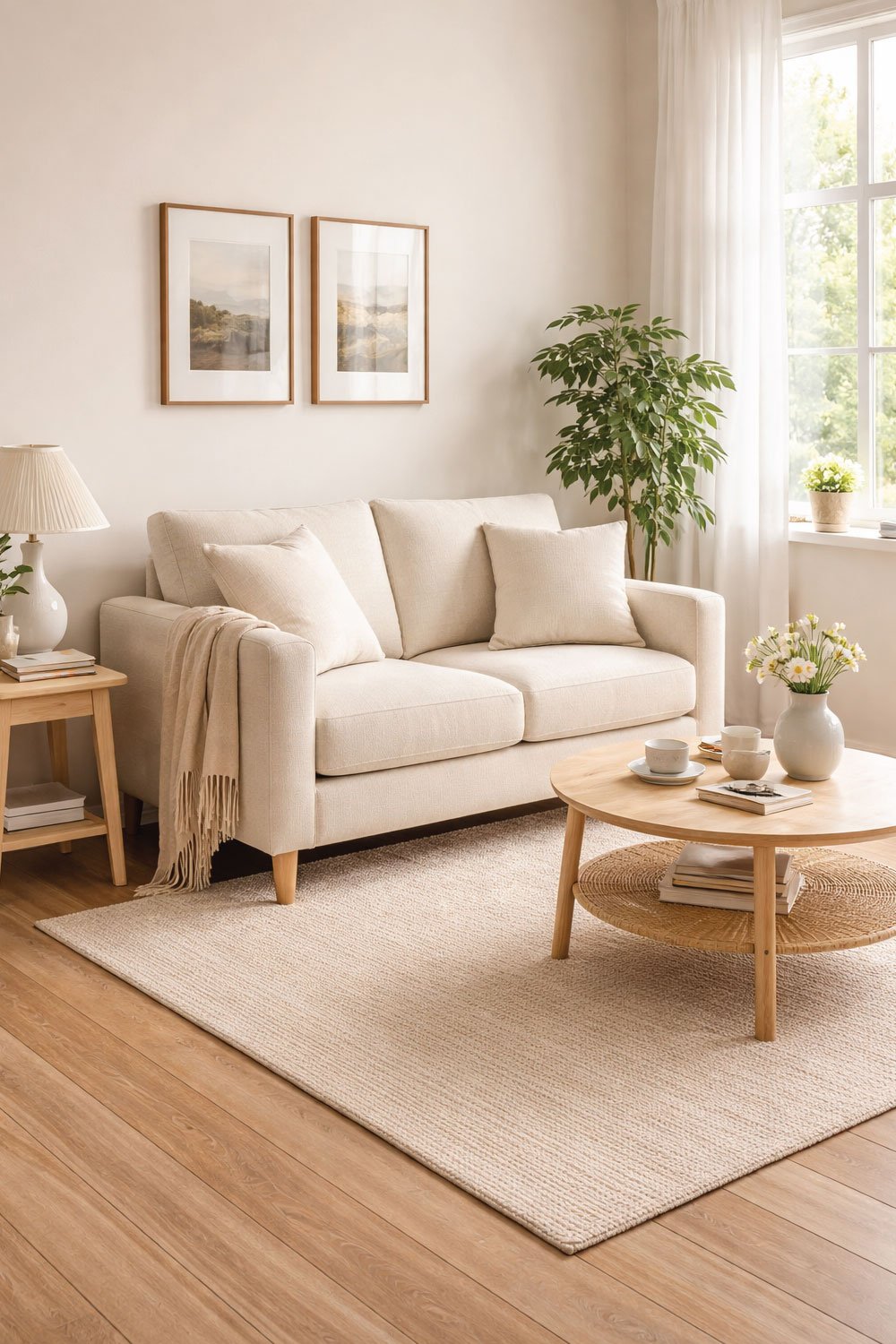
If you’re furnishing a small living room, an apartment-size loveseat is often the smartest place to begin. It offers the comfort of a full sofa while keeping proportions in check, making it ideal for tight layouts and smaller floor plans where every inch matters.
Typically measuring between 50 and 65 inches wide, loveseats fit neatly against walls or under windows. They’re easy to move, visually lightweight, and provide comfortable seating for one or two people without overwhelming the room.
Why it works:
Perfect for 1–2 people
Easy to move and reposition
Doesn’t visually crowd the room
2. Armless Minimalist Sofa
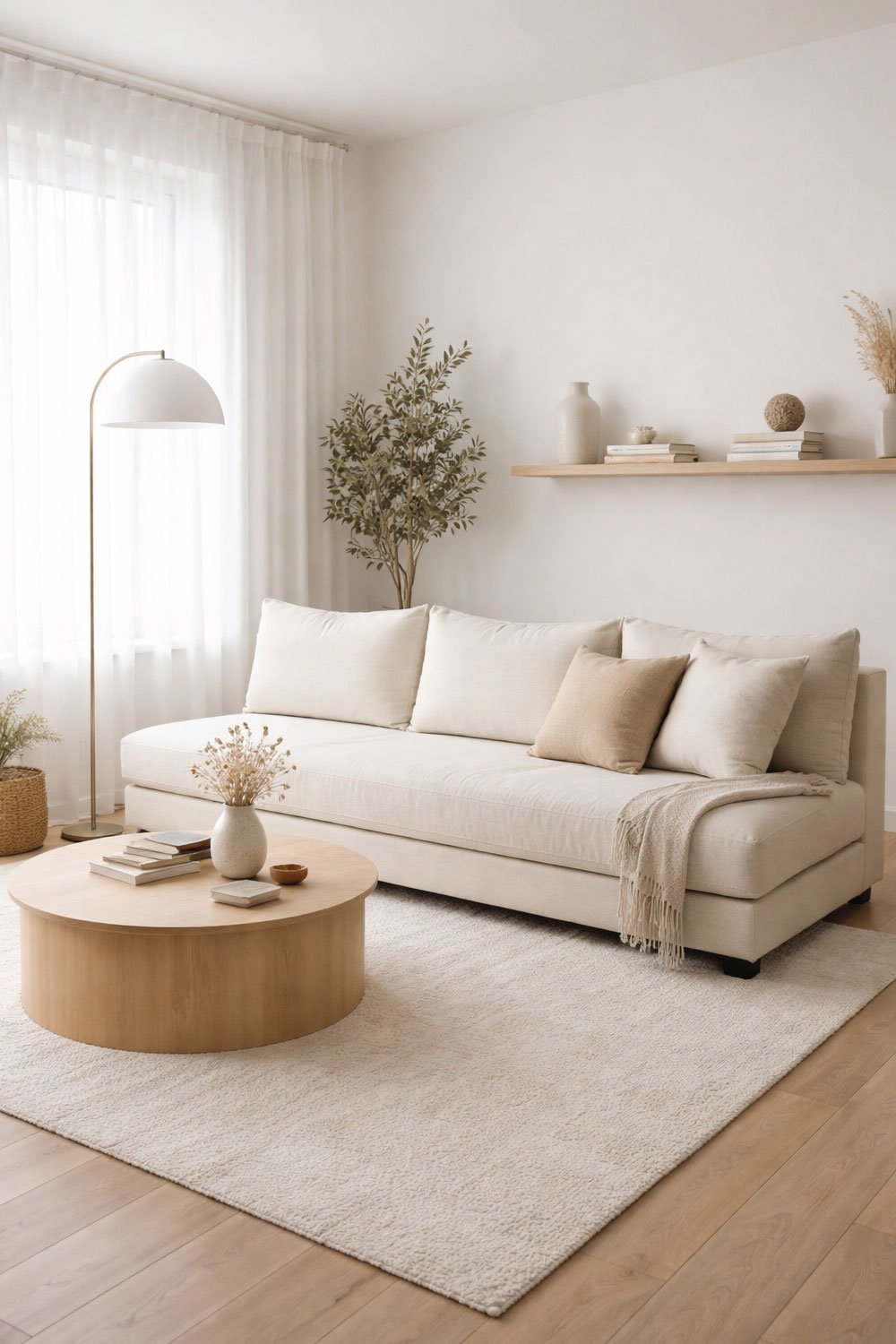
An armless minimalist sofa can completely change how a small living room feels. By removing bulky arms, the design creates a cleaner silhouette that visually opens up the space while still offering generous seating capacity.
This style works especially well in studio apartments or narrow rooms where traditional sofas feel cramped. With fewer visual breaks, the eye travels more freely across the room, making the entire space appear larger and more cohesive.
Best for:
Studio apartments
Minimalist interiors
Narrow living rooms
3. Slim-Arm Apartment Sofa
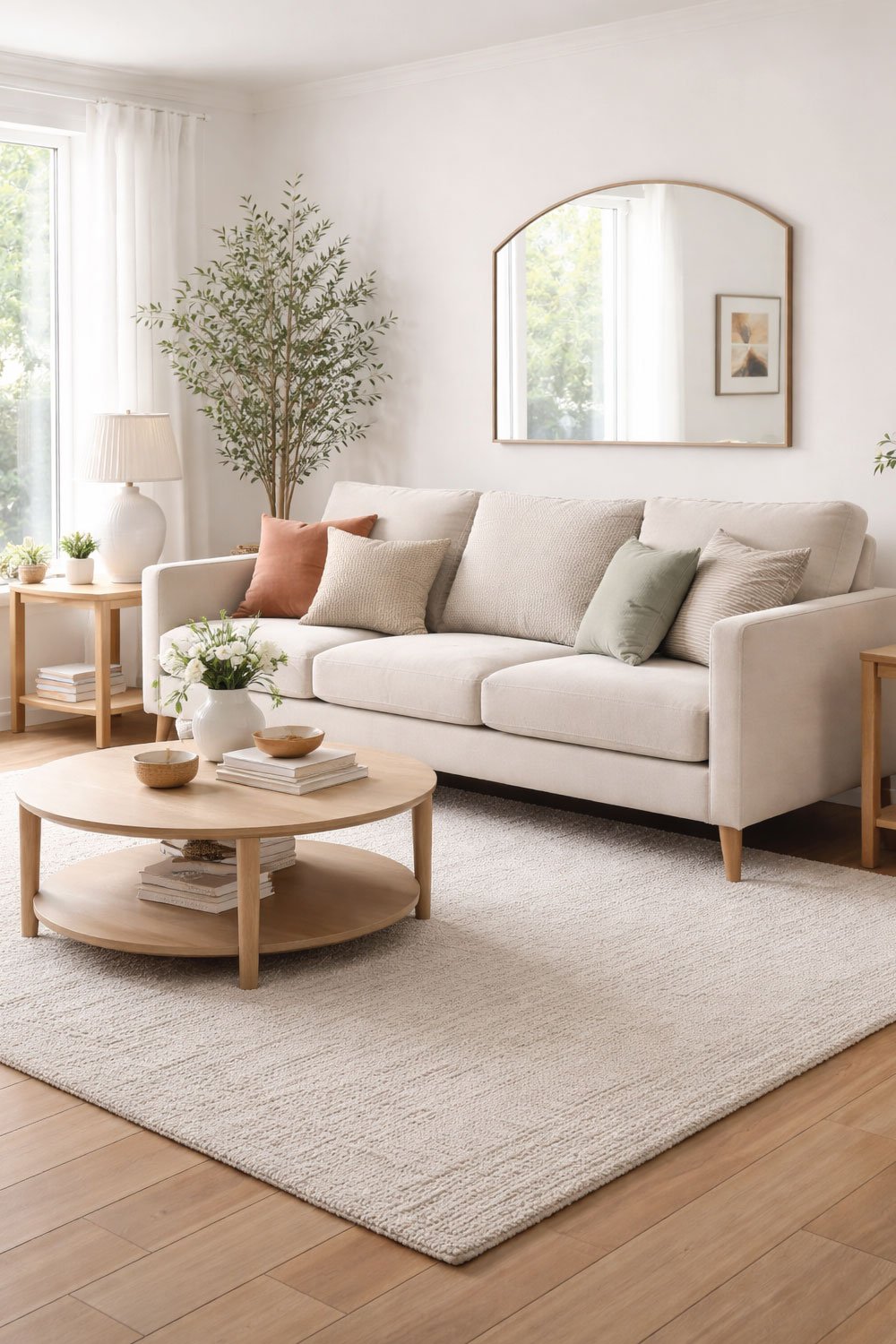
Slim-arm sofas strike a perfect balance between comfort and practicality for small living rooms. They maintain the familiar look of a traditional sofa while reducing unnecessary bulk through narrower arms and elevated legs.
This design leaves more usable seating space and improves flow around the room. It’s a versatile option that blends easily with modern, transitional, or classic décor without dominating the overall layout.
Why I like it:
Looks stylish without overpowering the room
Leaves more walking space
Works with almost any décor
4. Compact Modular Sofa
Compact modular sofas are ideal for people who value flexibility in small spaces. Their sectional pieces can be rearranged to suit different needs, whether you’re hosting guests, relaxing solo, or adapting to a new apartment layout.
Because each module is lighter and smaller, modular sofas are easier to transport and reconfigure. This makes them especially practical for renters or anyone who expects their living space to change over time.
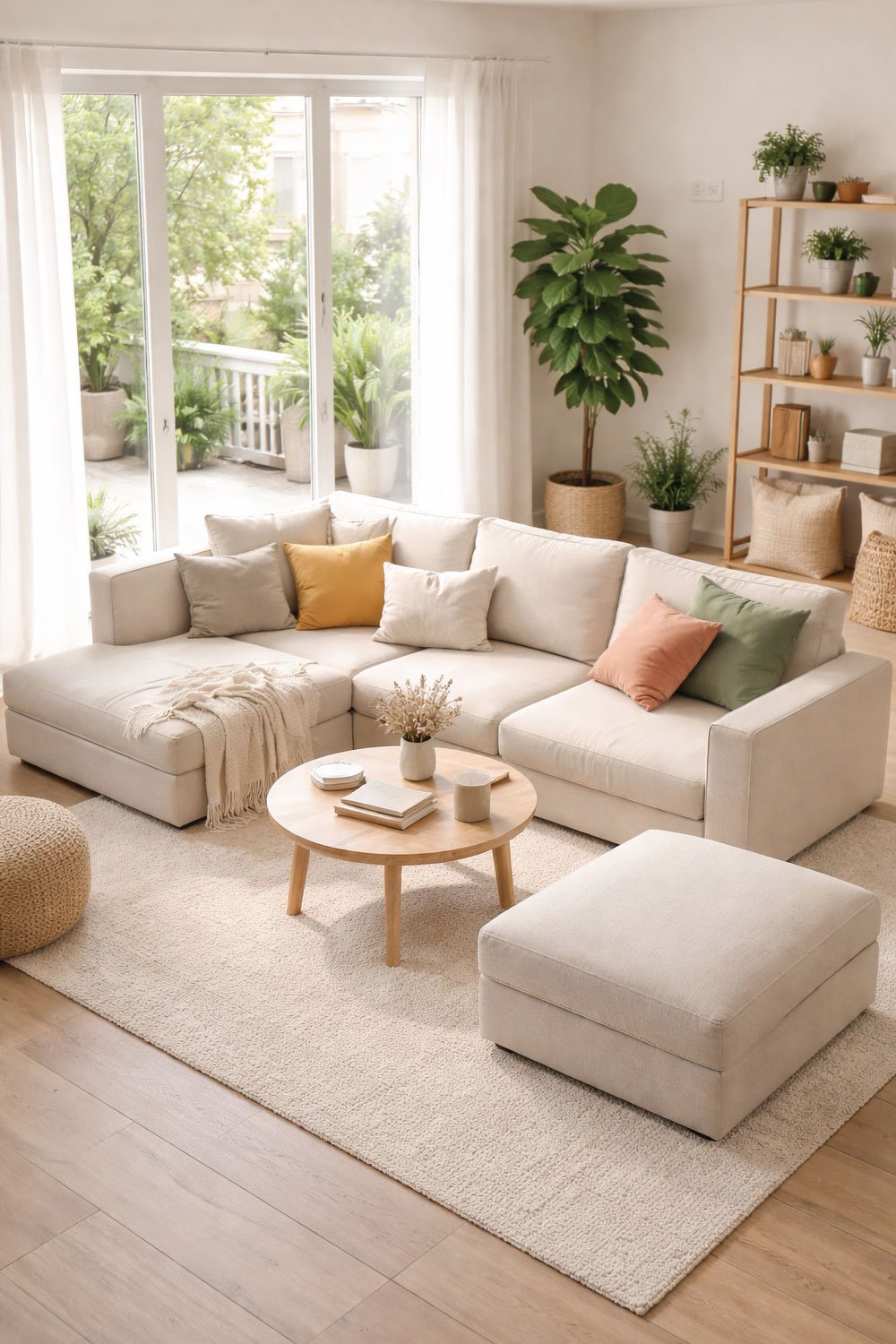
Perfect for:
Renters
Flexible layouts
People who move often
5. Small Sectional with Chaise
At first, I thought sectionals were too big—but I was wrong. A compact L-shaped sectional can actually save space by replacing multiple chairs.
A small sectional with a chaise can be surprisingly efficient in a compact living room. Instead of adding multiple chairs, a well-proportioned L-shaped sofa consolidates seating into one cohesive piece.
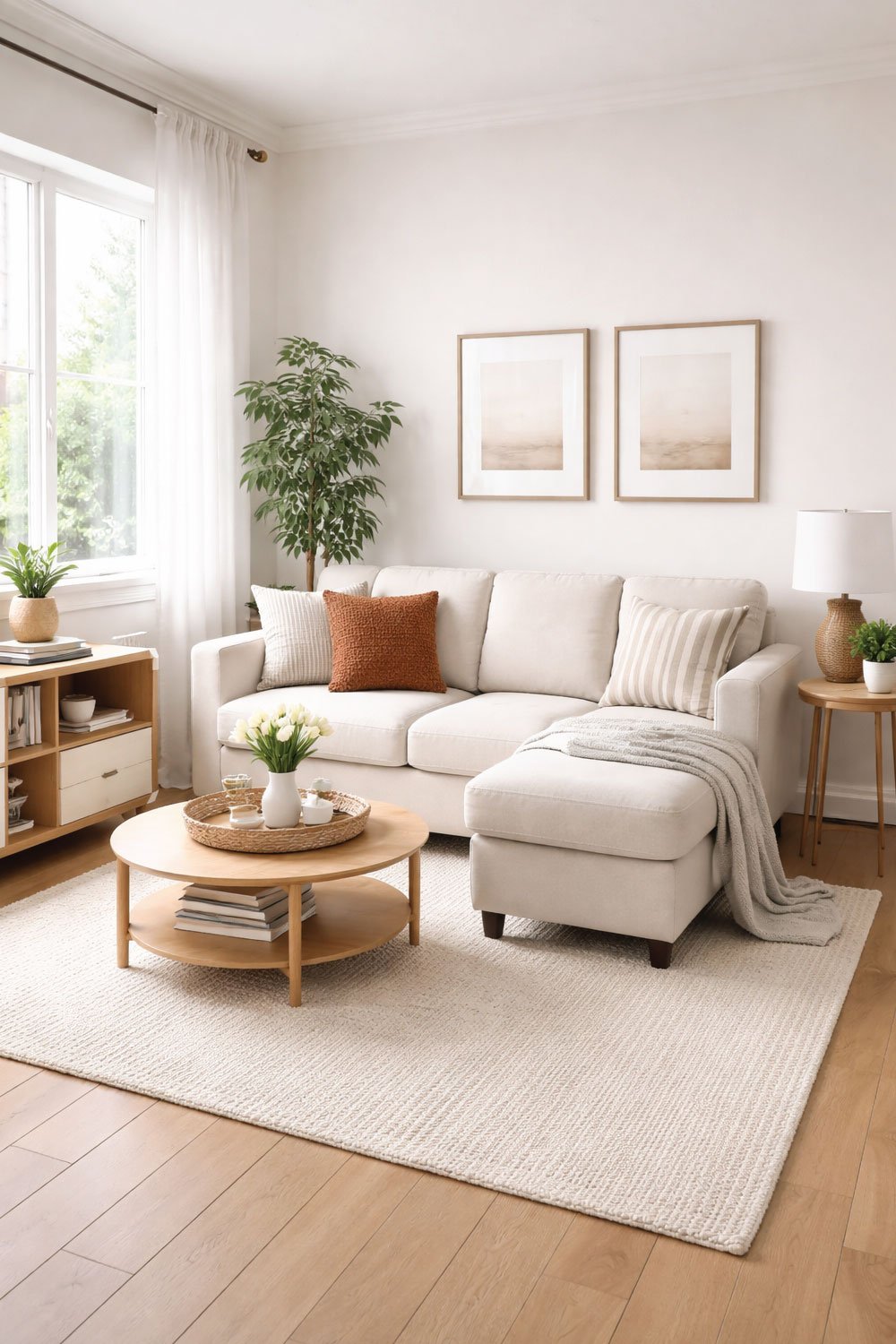
Choosing a sectional with a reversible chaise adds even more flexibility. It allows you to adapt the layout as your room changes, maximizing comfort while still keeping the space organized and uncluttered.
Design tip:
choose a reversible chaise so you can adjust it later.
6. Sofa with Storage Underneath
A sofa with built-in storage is one of the smartest choices you can make for a small living room. It turns unused space into a practical solution for everyday clutter without adding extra furniture.
Hidden compartments are perfect for blankets, pillows, or seasonal items. This type of sofa helps maintain a clean, minimalist look while keeping essentials close and the room feeling organized and calm.
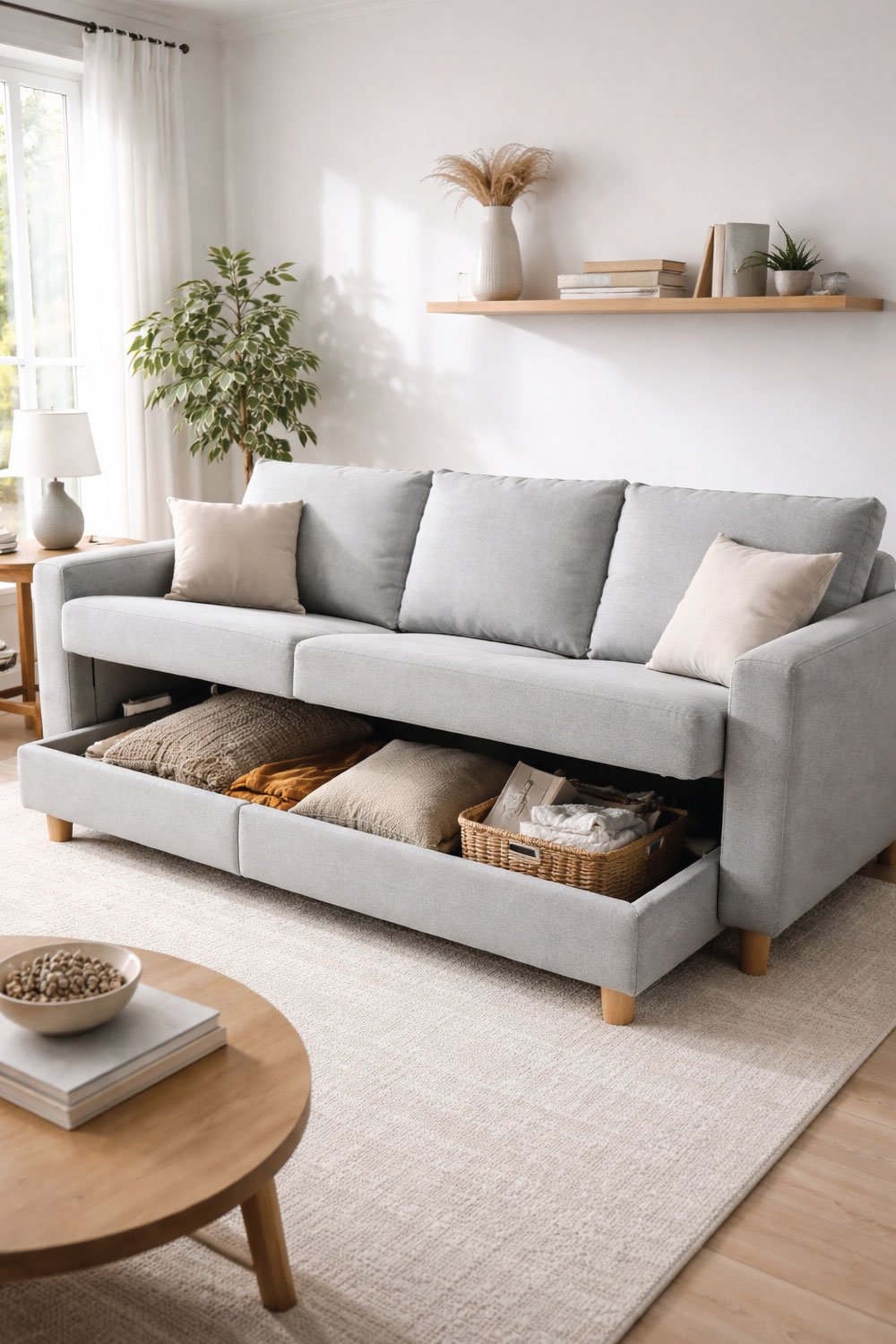
I once used mine to store blankets, and it completely reduced clutter in my living room.
Great for:
Small apartments
Seasonal storage
Minimalist living
Also Read:
7. Sleeper Sofa (Sofa Bed)
A sleeper sofa is ideal when space is limited but functionality matters. Modern designs have come a long way, offering comfort and style without the bulky frames older sofa beds were known for.
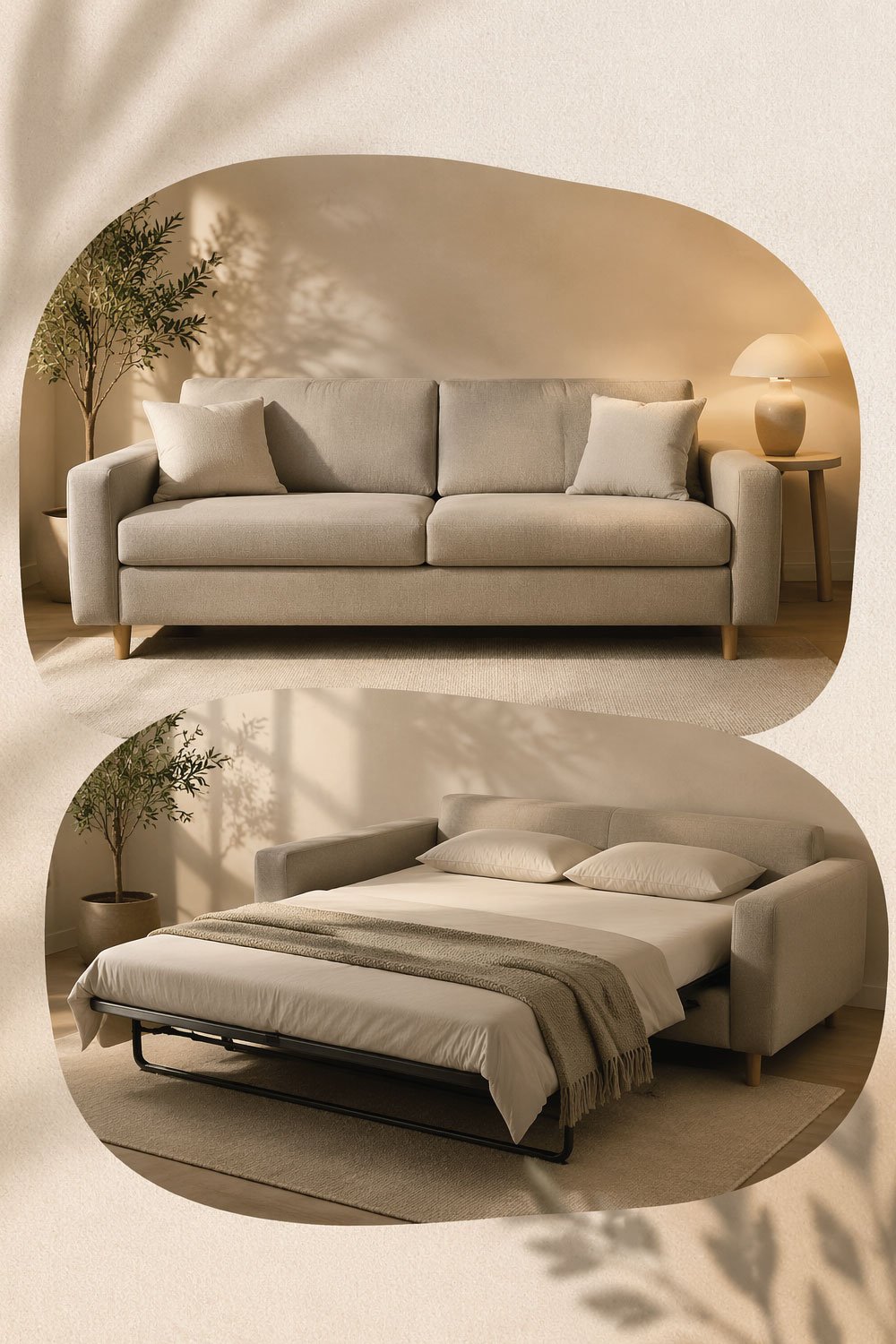
By serving as both seating and a guest bed, it eliminates the need for extra furniture. This makes it especially useful in studio apartments or homes that regularly host overnight visitors.
Modern sofa beds don’t feel bulky anymore—they’re sleek, stylish, and practical.
Bonus:
Works as guest bed
Saves money on extra furniture
Ideal for studio apartments
8. Mid-Century Modern Sofa
Mid-century modern sofas are a favorite for small spaces because of their clean lines and elevated legs. These features create a light, airy look that prevents the room from feeling weighed down.
The timeless design works across many interior styles, from minimalist to eclectic. Its slim profile and visual openness make it suitable for both small and medium-sized living rooms.
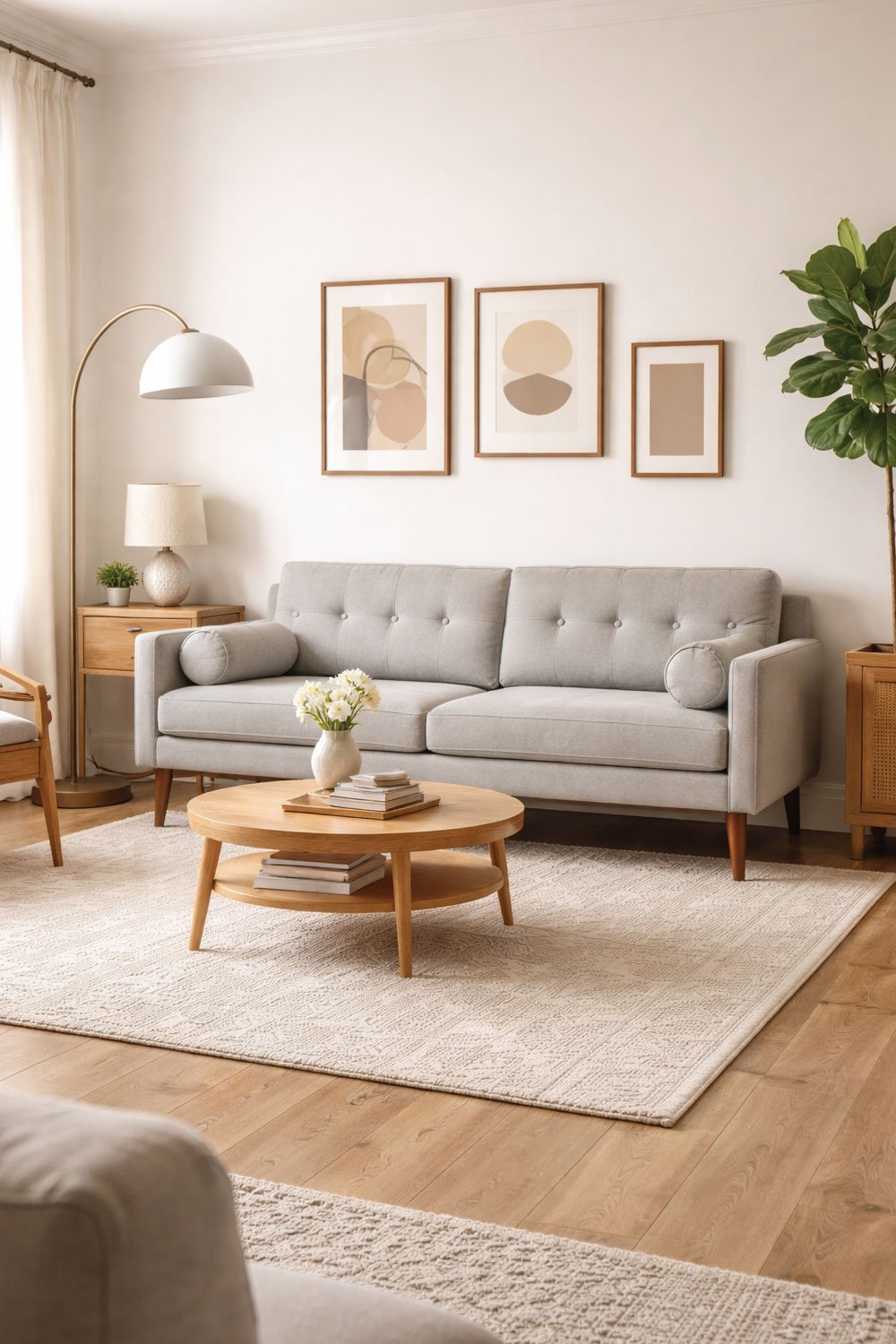
The raised wooden legs and clean lines make the room feel airy and expensive.
Why it’s great:
Timeless design
Light visual footprint
Works in small and medium rooms
Also Read:
9. Low-Back Modern Sofa
Low-back sofas are excellent for maintaining open sightlines in compact rooms. Without a tall backrest blocking the view, the space feels more expansive and visually connected.
This style works particularly well in open floor plans or combined living and dining areas. It keeps the room feeling cohesive, modern, and less visually cluttered.
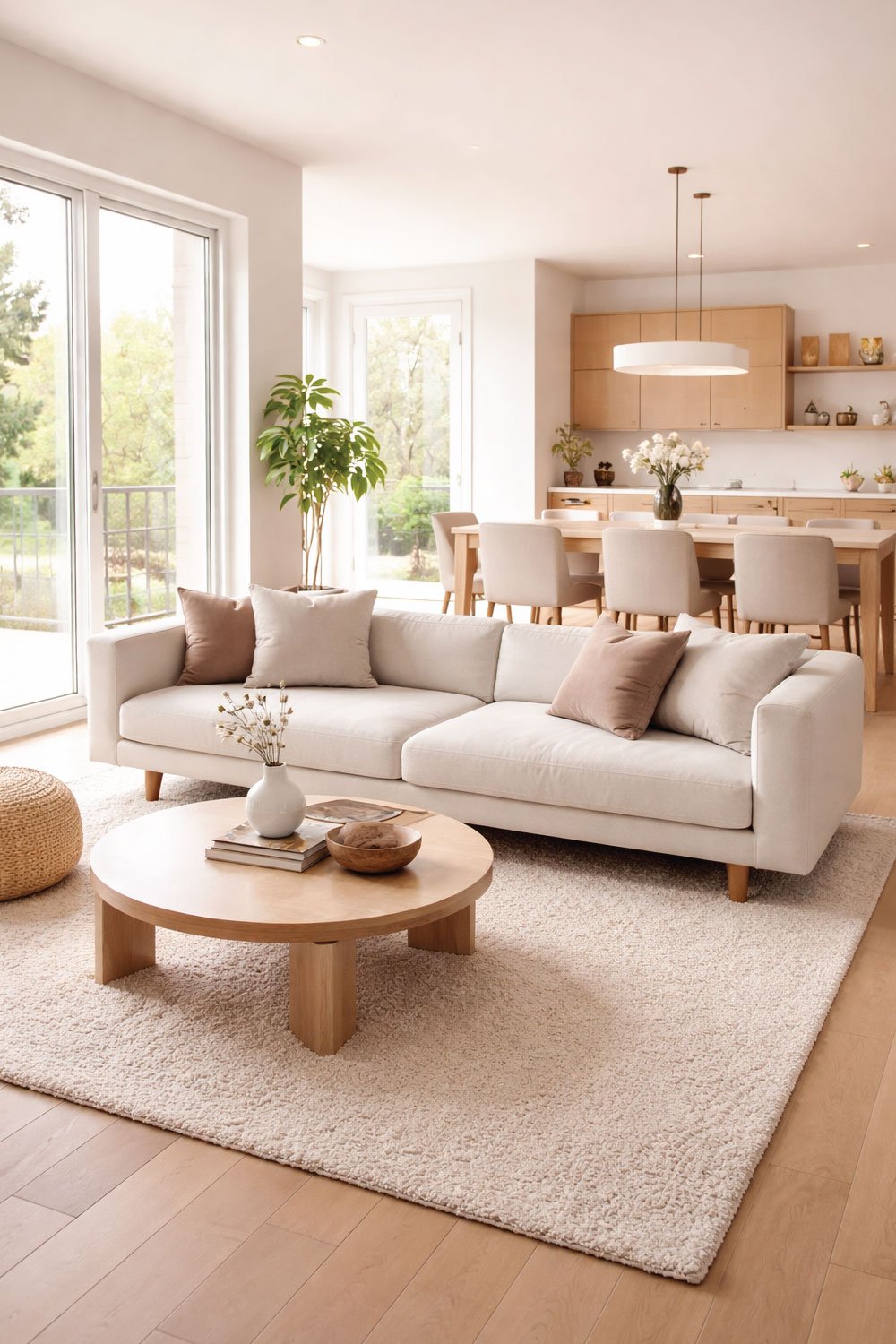
This means your eye travels across the space instead of stopping at a tall backrest.
Best for:
Open floor plans
Small living + dining combos
10. Convertible Chaise Sofa
A convertible chaise sofa offers the comfort of lounging without the footprint of a full sectional. It’s a flexible option that adapts easily to smaller living rooms.
This design is perfect for stretching out, relaxing, or casual seating. It provides versatility and comfort while preserving valuable floor space, making it ideal for solo living or compact layouts.
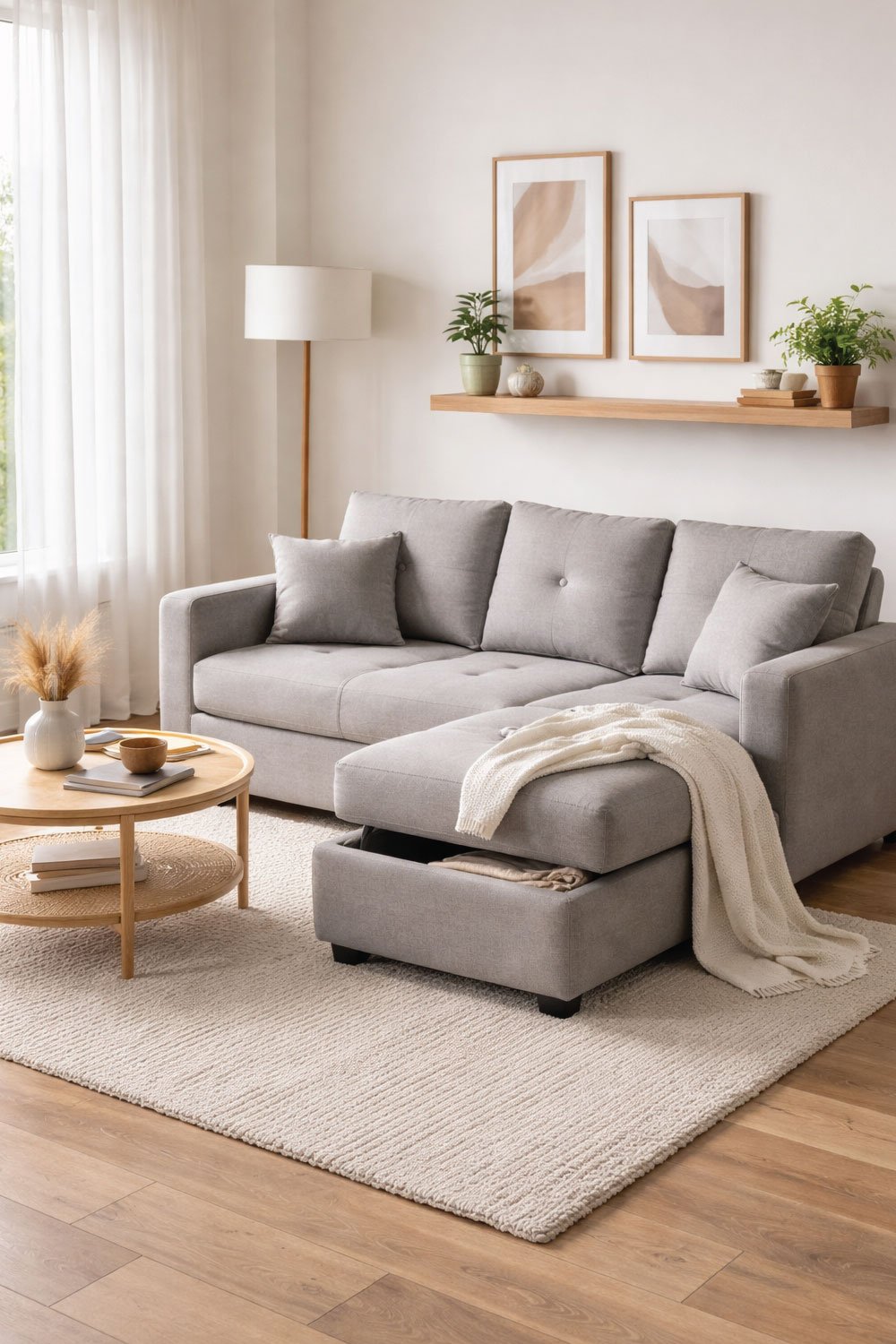
It’s perfect if you like stretching out but don’t want a full sectional.
Why I recommend it:
Comfortable for lounging
Doesn’t take up full sectional space
Great for solo relaxation
Also Read:
11. Compact Fabric Sectional
A compact fabric sectional is an excellent option when you want comfort without visual heaviness. Lighter fabrics naturally reflect light, helping small living rooms feel more open and inviting rather than crowded.
Soft tones like beige, cream, or light grey visually expand the space and add warmth. Avoid dark, bulky upholstery in tight rooms, as it tends to absorb light and make the area feel smaller and heavier.
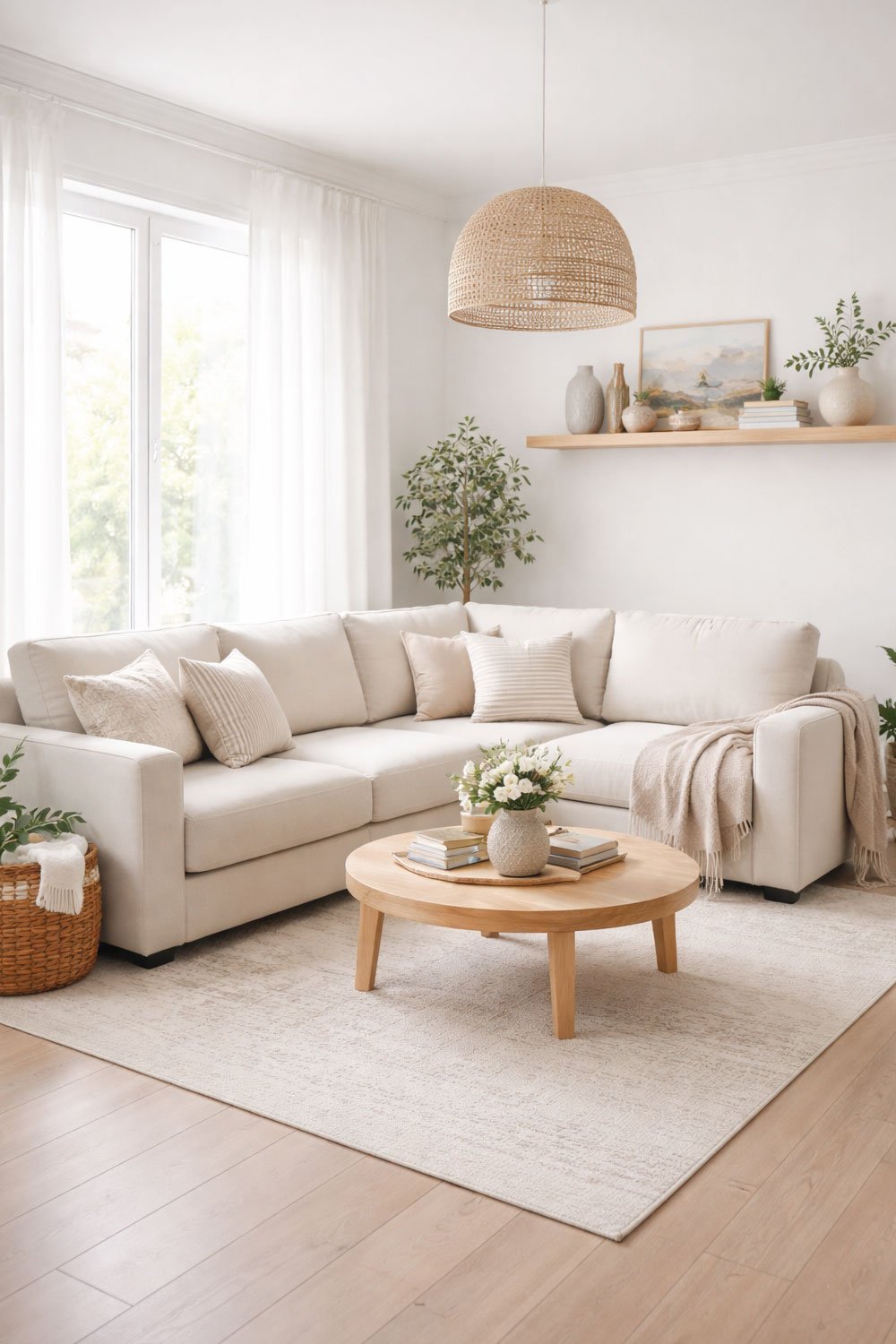
They soften the room visually and make it feel bigger.
Tip:
Avoid dark bulky fabrics in tight spaces—they make rooms feel smaller.
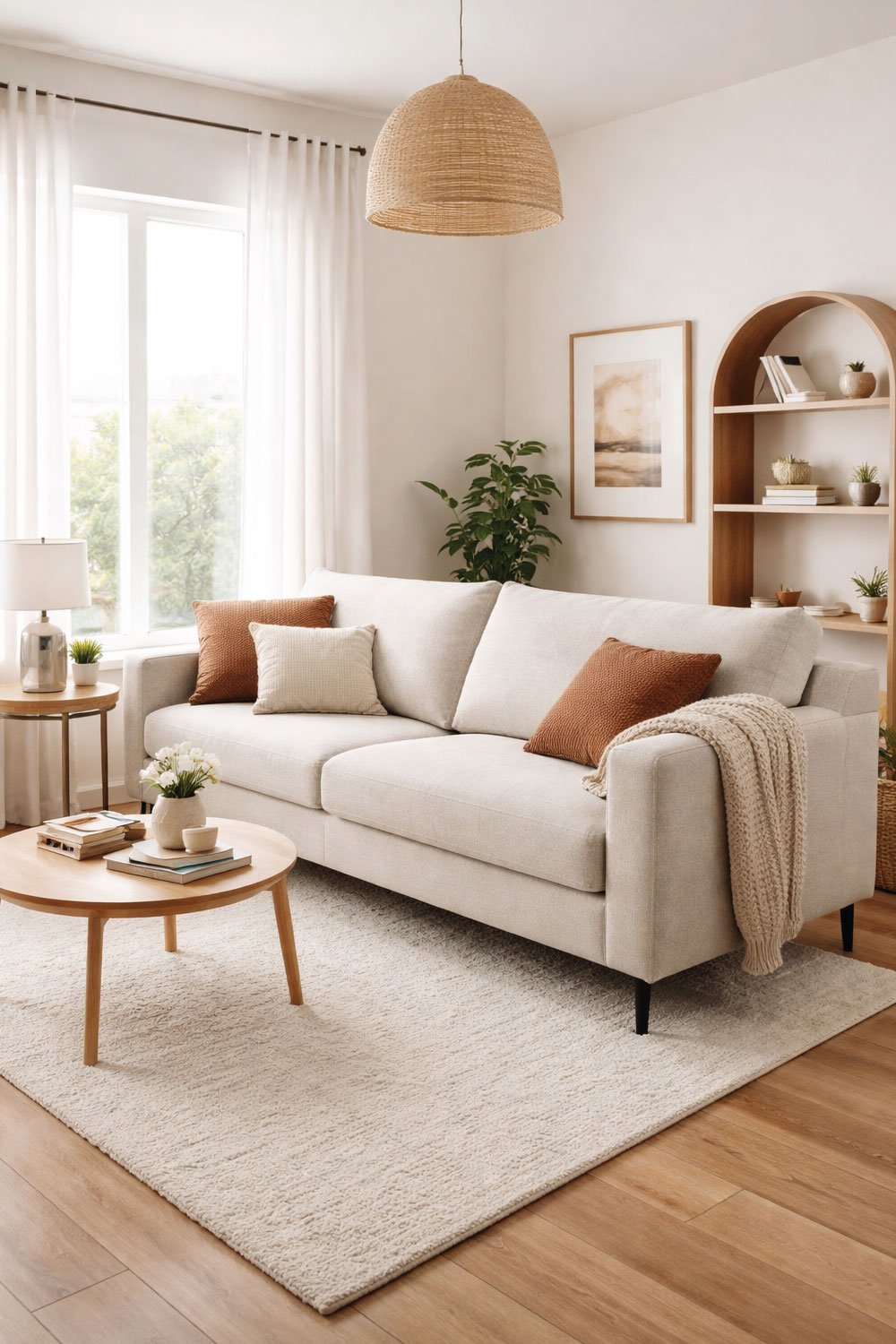
12. Wall-Hugger Sofa
Wall-hugger sofas are an underrated solution for very small living rooms. They’re specifically designed to sit close to the wall while still offering proper support and comfort.
By minimizing the gap behind the sofa, they improve circulation and floor flow. This makes them ideal for tight apartment layouts, urban homes, or any space where every inch truly counts.
Perfect for:
Very small living rooms
Tight apartment layouts
Urban homes
Also Read:
My Personal Tips After Living With Small Spaces
After going through trial and error, here’s what actually worked for me:
1. Measure everything twice
I now always tape out the sofa size on the floor before buying.
2. Don’t ignore walking space
Leave at least 18–24 inches of space around your sofa.
3. Go lighter in color
Light grey, beige, and cream genuinely make a room feel bigger.
4. Avoid bulky arms
Thick arms eat up usable seating space.
5. Think multifunctional
Storage + seating + sleeping = maximum efficiency.
These tips align with what designers also recommend for small living rooms—especially prioritizing flow and function over size alone .
Final Thoughts
Finding the best sofa for a small living room in the USA isn’t about picking the smallest couch—it’s about choosing the smartest one.
If I had to simplify it:
Go for loveseats or slim sofas for tight spaces
Choose modular or sectional designs for flexibility
Add storage or sleeper features if you need functionality
Honestly, once I stopped focusing on “big furniture showroom sofas” and started thinking about how I actually live in my space, everything changed.
My living room finally felt open, comfortable, and usable—not cramped.
And that’s exactly what a good small-space sofa should do.

I am Engineer Hassan, a professional engineer with over 15 years of experience in measurements, design accuracy, and furniture, appliance, and home product sizing. Through Size Helper, I provide research-based guides and trending 2026 home design ideas for living rooms, bedrooms, sofas, wall décor, fashion, and sports—helping users make confident, informed decisions. Every guide is written with real expertise, verified data, and a commitment to quality, usability, and style.