
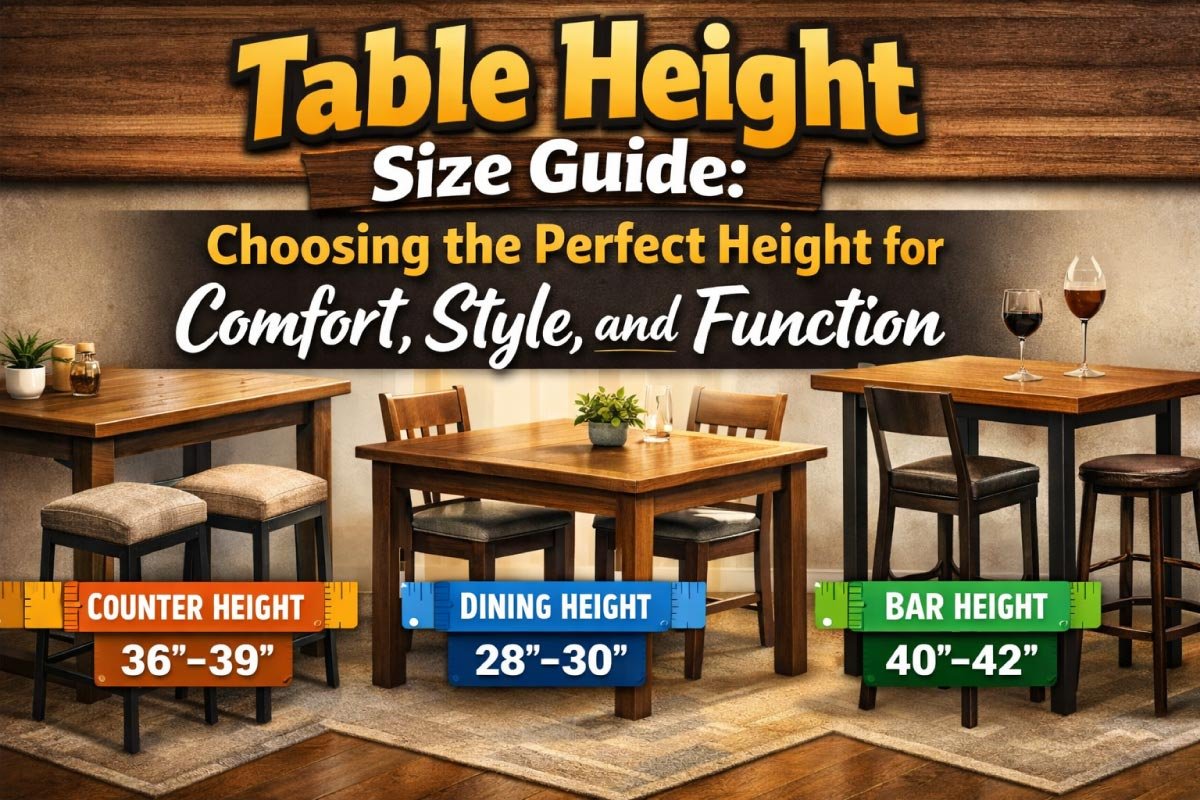
Choosing the right table height is just as important as selecting the table’s shape, material, or style. While width and length determine how many people you can seat, table height directly affects comfort, posture, usability, and the overall feel of a space. A table that is too high or too low can quickly turn meals, work, or gatherings into uncomfortable experiences.
This comprehensive Table Height Size Guide explains standard table heights, how to match them with chairs and stools, and how to select the ideal height for dining rooms, kitchens, living rooms, offices, and outdoor spaces. Whether you are furnishing a small apartment or designing a large open-plan home, this guide will help you make confident, informed decisions.
Why Table Height Matters More Than You Think
Table height is more than a technical measurement—it directly impacts comfort, posture, and how effortlessly a space is used. Choosing the correct height helps furniture work together visually and functionally, creating a setting that feels natural, supportive, and well-designed for everyday living.
-
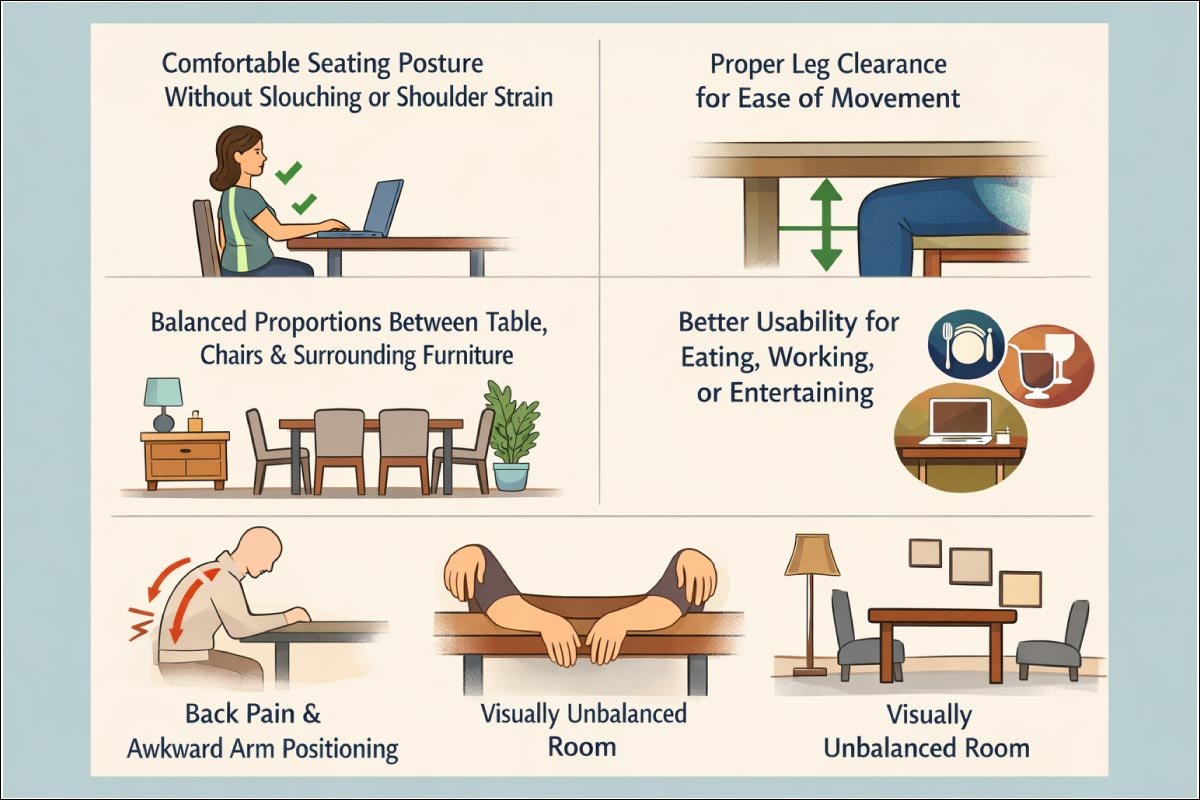
Comfortable seating posture without slouching or shoulder strain
-
Proper leg clearance for ease of movement
-
Balanced proportions between table, chairs, and surrounding furniture
-
Better usability for eating, working, or entertaining
Incorrect table height can lead to back pain, awkward arm positioning, and a visually unbalanced room. That’s why understanding standard measurements and their uses is essential.
Standard Table Heights Explained
Standard table heights are designed to suit the average adult, balancing comfort and functionality across everyday activities. These measurements are rooted in ergonomics and long-standing design principles, helping ensure tables feel natural to use, visually balanced, and compatible with standard seating options.
1- Dining Table Height
Dining table height is carefully designed to support comfortable, relaxed seating during meals. The correct height ensures proper posture, smooth interaction between table and chairs, and an enjoyable dining experience—whether for daily family use or more formal gatherings.
-
Standard height: 28–30 inches (71–76 cm)
-
Best for: Formal dining rooms, everyday family meals
-
Chair seat height: 17–19 inches
This height allows diners to sit comfortably with elbows resting naturally on the tabletop.
2- Counter Height Tables
Counter-height tables are a popular choice for relaxed dining and social spaces, offering a slightly elevated surface that feels modern and informal. They’re especially useful in areas where you want a seamless connection between dining and kitchen functions.
-
Standard height: 34–36 inches (86–91 cm)
-
Best for: Kitchens, casual dining, open-plan spaces
-
Stool seat height: 24–26 inches
They align with standard kitchen counters, making them ideal for multifunctional spaces.
3- Bar Height Tables
Bar-height tables are designed to create an energetic, social atmosphere. Their taller profile encourages casual interaction, making them ideal for entertaining, quick meals, or spaces where standing and movement are part of the experience.
-
Standard height: 40–42 inches (102–107 cm)
-
Best for: Home bars, entertainment areas, patios
-
Stool seat height: 28–30 inches
These tables encourage standing, mingling, and informal interaction.
4- Coffee & Accent Tables
Coffee and accent tables are intentionally lower to complement relaxed seating and lounging positions. Their height supports easy reach from sofas or lounge chairs while maintaining visual balance within the living space.
-
Standard height: 16–18 inches (41–46 cm)
-
Best for: Living rooms, lounges
-
Tip: Match or stay slightly below sofa seat height
Standard Table Height Sizes
Table height isn’t just a number—it shapes how comfortable and functional your space feels every day. This quick chart breaks down the most common standard table heights in both inches and centimeters, along with where each type works best. Use it to match the right table to your seating and room style.
| Table Type | Height (Inches) | Height (cm) | Typical Use |
|---|---|---|---|
| Coffee Table | 16–18 | 41–46 | Living rooms, seating areas |
| Dining Table | 28–30 | 71–76 | Formal & casual dining |
| Counter Table | 34–36 | 86–91 | Kitchens, breakfast areas |
| Bar Table | 40–42 | 102–107 | Bars, entertaining spaces |
Matching Table Height with Chairs and Stools
Choosing the right chair or stool height is just as important as selecting the table itself. Proper height matching ensures comfortable seating, correct posture, and effortless movement, preventing strain and making the furniture combination feel intentional rather than awkward.
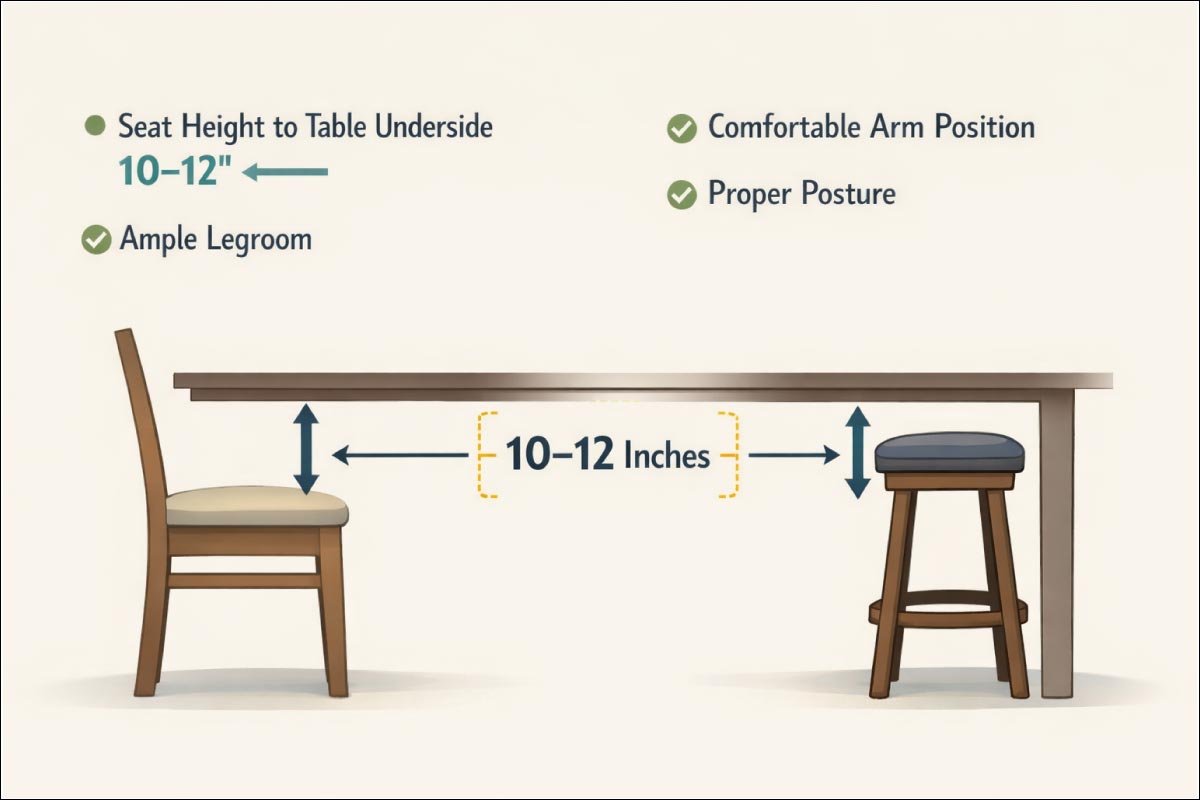
Ideal Clearance Rule
Clearance is the small detail that makes a big difference in comfort. Getting this measurement right ensures seating feels natural, supports proper posture, and prevents cramped or awkward dining and seating experiences.
-
Allow 10–12 inches between the seat height and the tabletop underside.
This spacing ensures enough legroom while allowing arms to rest comfortably.
Table Height vs. Chair & Stool Height
Choosing the right table isn’t complete without considering the height of your chairs or stools. This chart pairs standard table heights with their ideal seating heights, ensuring comfort and proper posture. Match your table and seating correctly for a harmonious, functional setup in any living, dining, or entertaining space.
| Table Height Type | Table Height | Ideal Seat Height | Seating Type |
|---|---|---|---|
| Coffee Table | 16–18″ | 14–16″ | Lounge seating |
| Dining Table | 28–30″ | 17–19″ | Dining chairs |
| Counter Table | 34–36″ | 24–26″ | Counter stools |
| Bar Table | 40–42″ | 28–30″ | Bar stools |
Choosing the Right Table Height for Each Room
1- Dining Room
Selecting the correct table height transforms how a room feels and functions. In dining spaces, the right height supports comfort, conversation, and proper posture, making every meal more enjoyable and effortless.
Pro Tip: If you entertain often, stick to standard height—it accommodates the widest range of guests.
2- Kitchen & Breakfast Nooks
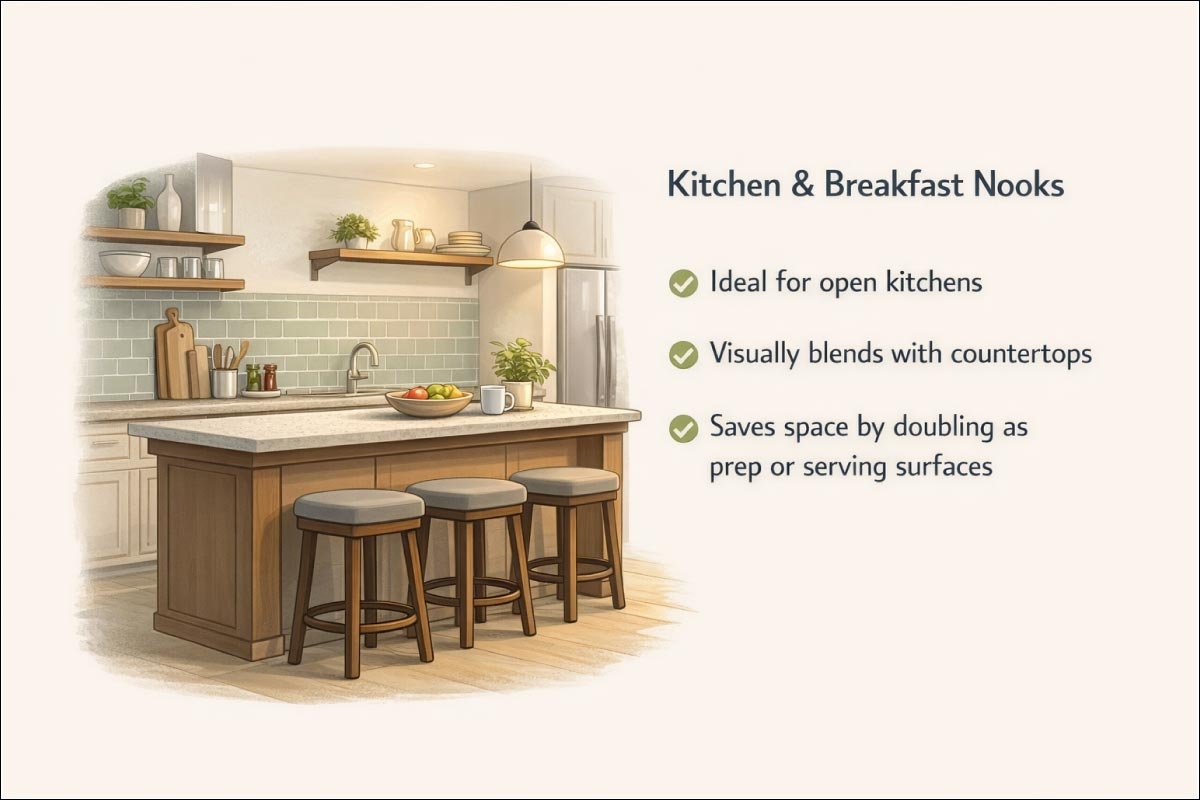
The right table height makes kitchens and breakfast nooks more functional and inviting. Counter-height tables create a casual, versatile setting that encourages quick meals, socializing, and multitasking without compromising comfort.
-
Ideal for open kitchens
-
Visually blends with countertops
-
Saves space by doubling as prep or serving surfaces
3- Living Room
Table height in living rooms affects both comfort and style. Choosing the right height ensures effortless access from sofas or lounge chairs while maintaining a balanced, inviting layout.
-
Too tall feels intrusive
-
Too low becomes impractical
For modern spaces, nesting tables with varying heights offer flexibility.
4- Home Office
Table height in a home office directly impacts comfort, focus, and long-term health. The right height supports proper posture, reduces strain, and creates a workspace that feels efficient and inviting.
-
Standard desk height: 28–30 inches
-
Pair with adjustable chairs for ergonomic alignment
-
Consider sit-stand desks for flexibility
5- Outdoor Spaces
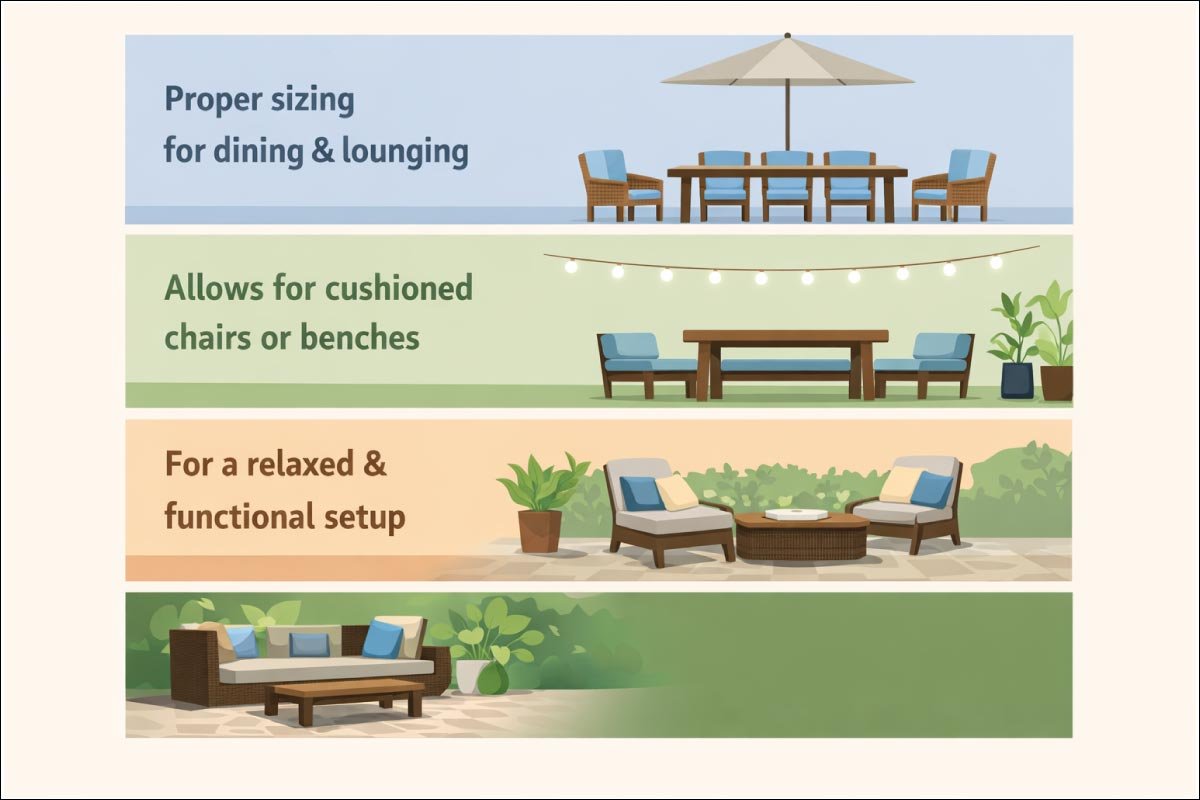
Table height is just as important outside as it is indoors. Proper sizing ensures comfort for dining and lounging while accommodating outdoor furniture variations, like cushioned chairs or benches, for a relaxed and functional setup.
Also Read:
Recommended Table Heights by Room Type
Choosing the right table height for each room type ensures comfort, style, and functionality. Different activities and furniture arrangements demand varying heights, whether it’s dining, working, or casual lounging. Matching table height to purpose enhances ergonomics, improves posture, and creates a balanced visual flow in any space. Below are seven recommended table types with ideal heights.
1. Standard Dining Table
A standard dining table height typically ranges from 28 to 30 inches. This height accommodates most chairs comfortably, allowing diners to sit with relaxed shoulders and proper posture. Ideal for family meals or formal dining spaces, it balances accessibility with functionality, creating a comfortable dining experience for adults and older children.
2. Counter-Height Table
Counter-height tables are slightly taller, usually between 34 and 36 inches. They pair well with bar stools or higher chairs and are perfect for kitchen islands, breakfast nooks, or casual dining areas. Their elevated height encourages a relaxed, social dining style while maintaining comfort for short meals or quick snacks.
3. Bar-Height Table
Bar-height tables range from 40 to 42 inches, designed primarily for entertainment spaces, pubs, or home bars. They require taller seating like bar stools and create a casual, standing-friendly atmosphere. This height is ideal for cocktails, appetizers, or social gatherings where people may alternate between sitting and standing.
4. Coffee Table
Coffee tables are much lower, usually between 16 and 18 inches. Placed in front of sofas or lounge chairs, they allow easy access to drinks, books, and décor items. Their lower height ensures that the line of sight in living rooms remains open, promoting an inviting and relaxed social space.
5. Console Table
Console tables typically measure 28 to 32 inches in height, making them versatile for entryways, hallways, or behind sofas. They are perfect for decorative displays, lighting, or storage. Their moderate height complements surrounding furniture without obstructing views, creating functional surfaces for everyday use.
6. Desk / Work Table
Desks and work tables usually have a height of 28 to 30 inches, ideal for writing, studying, or computer work. This height promotes ergonomic seating, helping prevent slouching or shoulder strain during prolonged use. Pairing with an adjustable chair enhances comfort and productivity in home offices or study areas.
7. Side Table / End Table
Side or end tables typically range from 22 to 30 inches in height, depending on sofa or chair height. Positioned next to seating, they provide a convenient surface for lamps, drinks, or personal items. Their size and placement ensure easy reach without interfering with movement, enhancing comfort and functionality in living spaces.
| Room Type | Recommended Height | Why It Works |
|---|---|---|
| Dining Room | 28–30″ | Comfortable for long meals |
| Kitchen / Nook | 34–36″ | Casual, counter alignment |
| Living Room | 16–18″ | Easy reach from sofas |
| Home Office | 28–30″ | Ergonomic working posture |
| Patio / Balcony | 28–30″ or 34–36″ | Depends on seating style |
Also Read:
How Table Height Affects Visual Balance
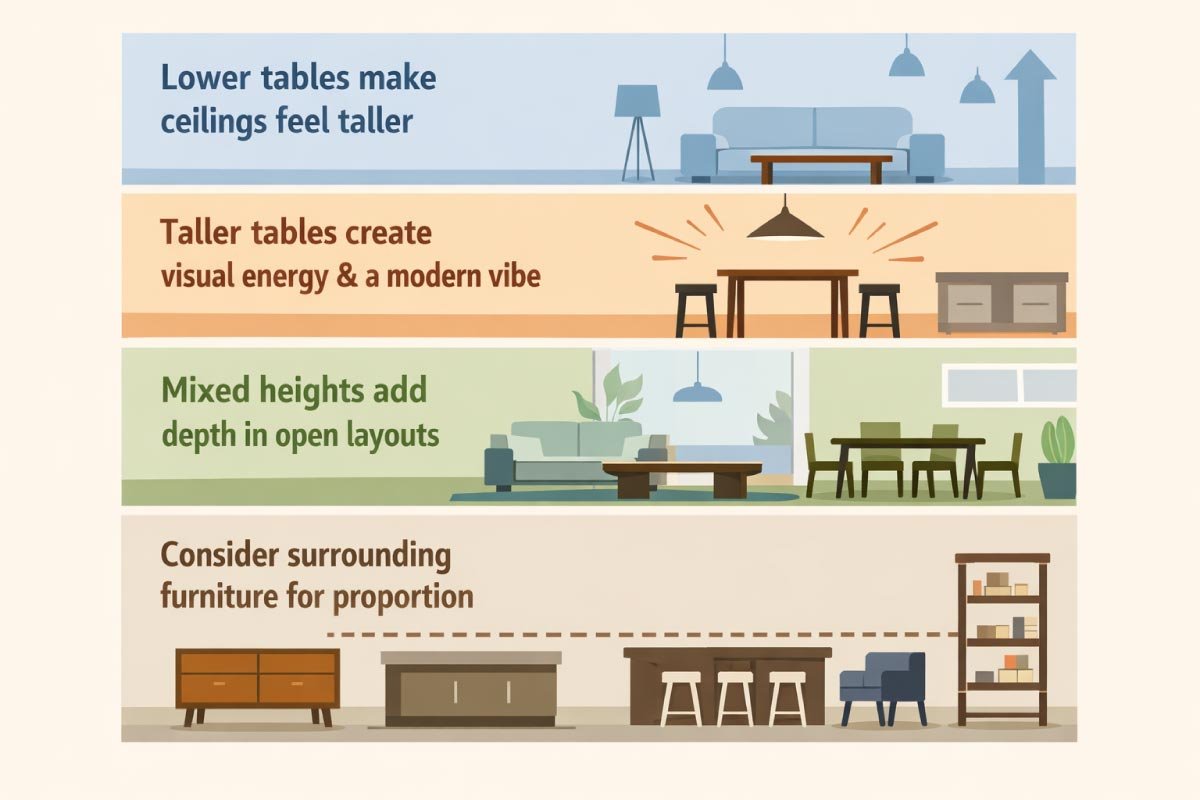
Beyond comfort, table height shapes the overall look and feel of a room. The right proportions create harmony, enhance flow, and contribute to a space that feels thoughtfully designed.
-
Lower tables make ceilings feel taller
-
Taller tables create visual energy and a modern vibe
-
Mixed heights add depth in open-plan layouts
When choosing height, consider surrounding furniture such as sideboards, islands, and shelving to maintain proportion.
Also Read:
Special Considerations: Custom & Family Needs
Choosing the right table height goes beyond standard measurements. Families often have unique requirements based on age, mobility, and room usage. From child-friendly designs to senior-safe ergonomics and flexible solutions for multi-purpose spaces, selecting the right height ensures comfort, safety, and everyday practicality for everyone in the home.
1- For Children
Table height should adapt to the needs of every family member. For children, choosing lower or adjustable tables ensures safety, comfort, and usability, making mealtimes, homework, or playtime more enjoyable and accessible.
2- For Seniors
Ergonomics and ease of use are key when selecting table height for older adults. Standard dining heights paired with supportive chairs help reduce strain, making sitting, standing, and daily activities safer and more comfortable.
3- For Multi-Purpose Spaces
Versatile table height is essential in rooms serving multiple functions. Expandable or adjustable tables adapt to different activities, ensuring comfort and functionality whether you’re dining, working, or hosting guests.
Also Read:
Clearance & Comfort Guidelines
Proper clearance around tables is essential for comfort, movement, and usability. This chart provides key guidelines for seat-to-table distance, legroom, spacing between diners, and table-to-wall clearance, helping you design a dining or seating area that feels spacious, functional, and effortless to navigate.
| Measurement Area | Recommended Space |
|---|---|
| Seat to Table Clearance | 10–12 inches |
| Legroom Depth | 18–24 inches |
| Space Between Diners | 24 inches per person |
| Table to Wall Clearance | 36–48 inches |
Also Read:
Common Table Height Mistakes to Avoid
Selecting the wrong table height can compromise comfort, posture, and the overall look of a room. Being mindful of these common pitfalls helps ensure your furniture is both functional and visually balanced.
-
Choosing style over comfort
-
Ignoring chair or stool height
-
Forgetting leg clearance under aprons
-
Not accounting for cushions or thick tabletops
Always test seating whenever possible before purchasing.
Final Thoughts: Finding Your Perfect Table Height
The perfect table height blends comfort, function, and style. While standard sizes work for most homes, your lifestyle, room layout, and seating preferences should guide the final choice.
Always consider how the table will be used—dining, working, or entertaining—and who will use it most often. Proper height improves posture, legroom, and overall comfort.
Measuring your space and pairing the table with the right chairs ensures a balanced, practical setup that looks great and feels right every day.
Also Read:
Buffet Cabinet Size Guide with Chart for Small and Large Spaces
