
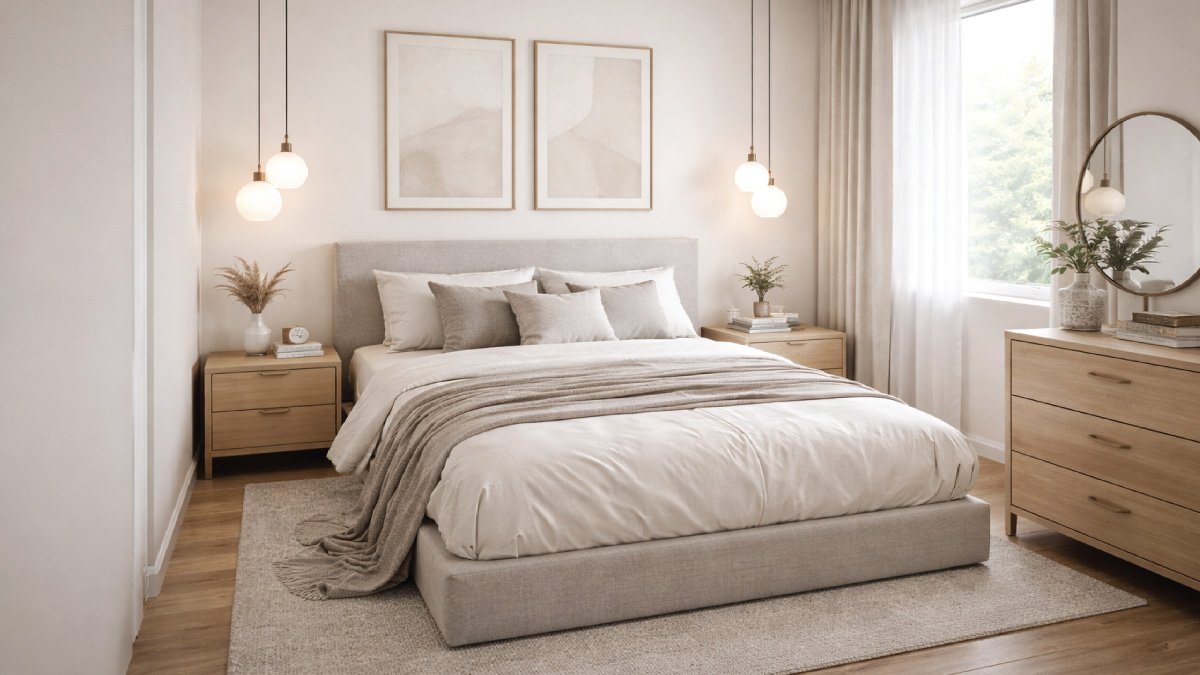
Designing a small bedroom for couples can feel challenging. You need to balance comfort, storage, romance, and personal style all within limited square footage. The good news? A small bedroom doesn’t have to feel cramped or boring.
With the right ideas, it can become a cozy retreat that reflects both partners’ personalities. Whether you live in an apartment, condo, or compact home,
These 20 small bedroom ideas for couples will help you maximize space, improve functionality, and create a relaxing atmosphere you’ll both love.
1. Choose a Neutral Color Palette
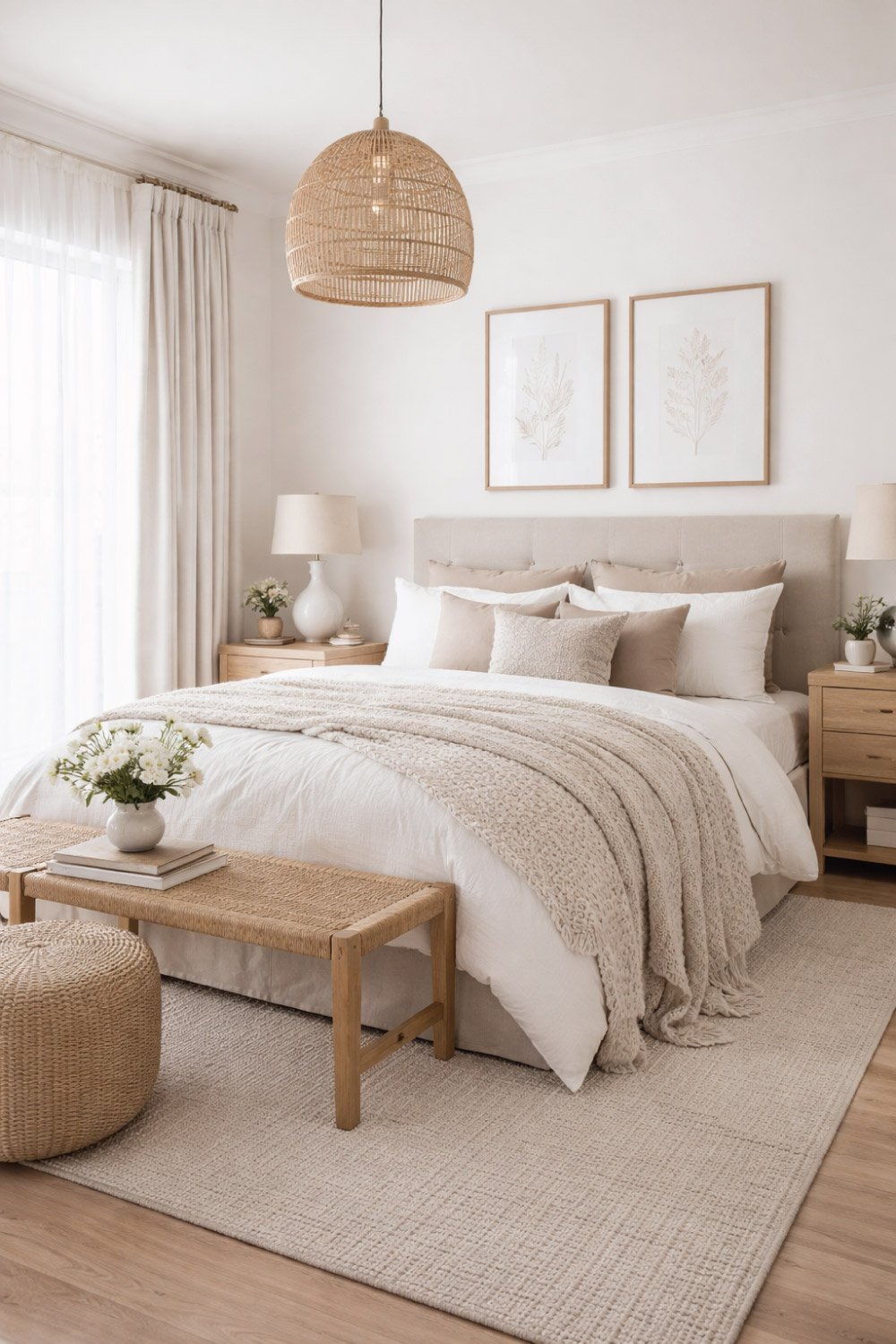
A neutral color palette is one of the most effective ways to make a small bedroom feel open, airy, and visually balanced. Shades like white, beige, soft gray, and taupe reflect natural and artificial light, helping the room appear brighter and more spacious.
These colors also provide a calm, soothing backdrop that supports relaxation and better sleep. For couples, neutral tones work especially well because they blend easily with different tastes and décor preferences.
You can layer textures—such as linens, rugs, or cushions—to keep the room from feeling flat or monotonous.
Benefits of neutral colors:
Makes the bedroom feel larger and less crowded
Enhances natural and artificial lighting
Creates a peaceful, sleep-friendly environment
Easy to mix with different décor styles
Allows accent colors to stand out
Timeless look that doesn’t go out of style
| Element | Recommendation |
|---|---|
| Wall Color | White, cream, light gray |
| Best For | Creating openness |
| Style Impact | Calm & timeless |
| Space Benefit | Makes room look bigger |
2. Use a Space-Saving Bed Frame
In a small bedroom, the bed is usually the largest piece of furniture, so choosing the right frame makes a huge difference. Bulky beds with oversized headboards or footboards can overwhelm the space and restrict movement.
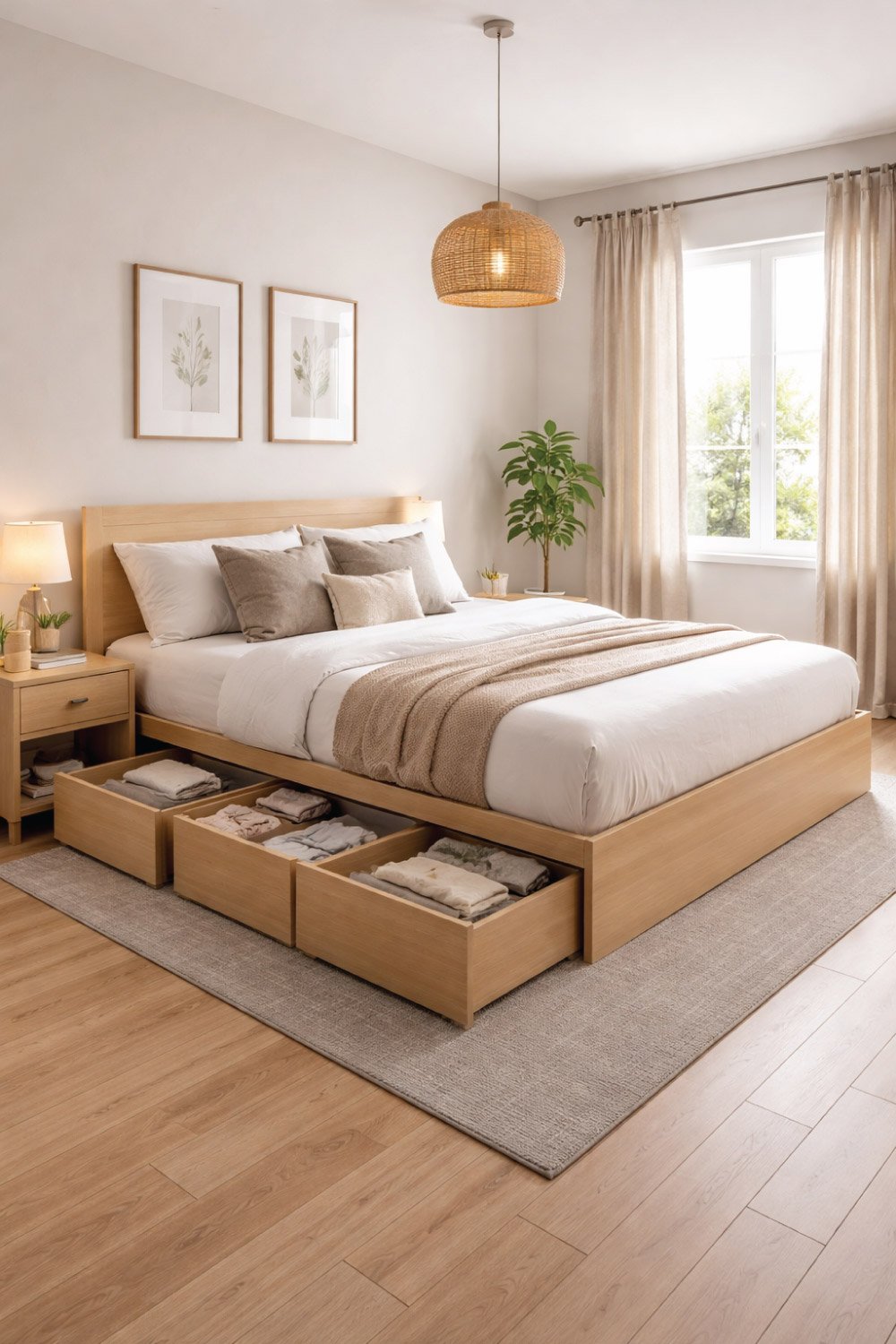
A platform bed or a bed with built-in storage drawers offers a sleek appearance while maximizing functionality. Storage beds eliminate the need for extra cabinets, helping couples keep the room tidy and organized.
A low-profile frame also improves visual flow, making the ceiling appear higher and the room more spacious.
Why space-saving beds work well:
Reduces visual and physical clutter
Provides hidden storage for essentials
Improves room circulation
Ideal for compact bedrooms
Offers a modern, streamlined look
Helps keep belongings organized
Eliminates need for extra furniture
| Element | Recommendation |
|---|---|
| Bed Type | Platform or storage bed |
| Best For | Small bedrooms |
| Storage | Under-bed drawers |
| Visual Effect | Clean & modern |
3. Install Wall-Mounted Nightstands
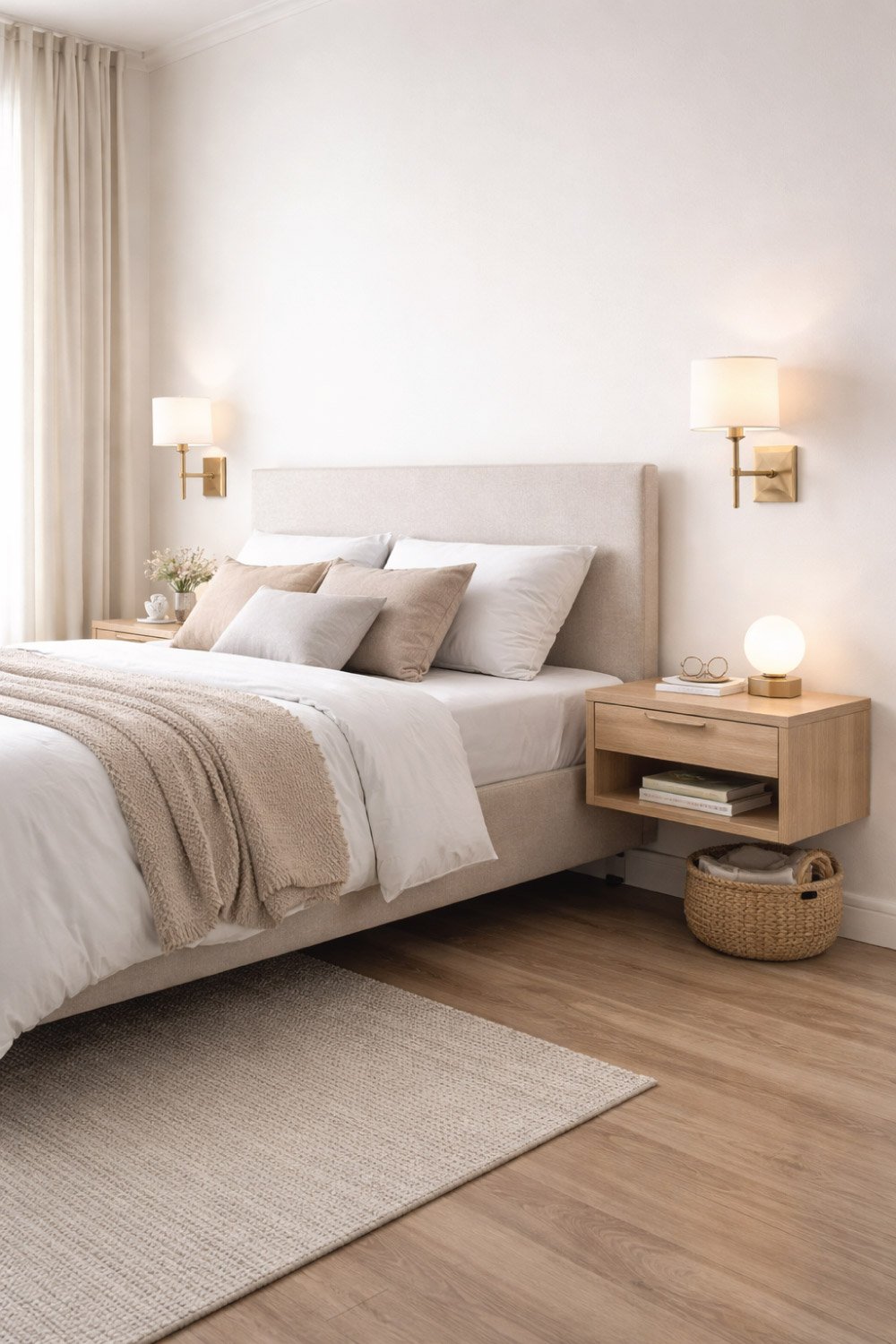
Wall-mounted nightstands are a smart solution for couples dealing with limited bedroom space. Unlike traditional bedside tables, floating nightstands free up floor area, making the room feel lighter and less cramped.
They also help maintain a clean, minimalist aesthetic while still providing essential storage for nighttime items like books, phones, or glasses. Installing them at a customized height adds comfort and convenience for both partners.
With fewer furniture legs on the floor, cleaning becomes easier and the overall layout appears more organized and visually open.
Advantages of wall-mounted nightstands:
Saves valuable floor space
Creates a clutter-free look
Ideal for minimalist interiors
Easy to customize height
Improves room flow
Makes cleaning simpler
Can include hidden storage
| Element | Recommendation |
|---|---|
| Nightstand Type | Floating shelves |
| Space Saved | High |
| Ideal For | Minimalist couples |
| Extra Tip | Add small drawer |
4. Maximize Vertical Storage
When floor space is limited, vertical storage becomes essential in a small bedroom. Using tall wardrobes, wall-mounted shelves, or floor-to-ceiling cabinets helps couples store more without overcrowding the room.
Vertical storage draws the eye upward, making the ceiling feel higher and the room more spacious. It also allows better organization by separating clothing, accessories, and décor.
Strategic placement near the bed or door ensures convenience without disrupting movement. This approach keeps the bedroom functional, tidy, and visually balanced.
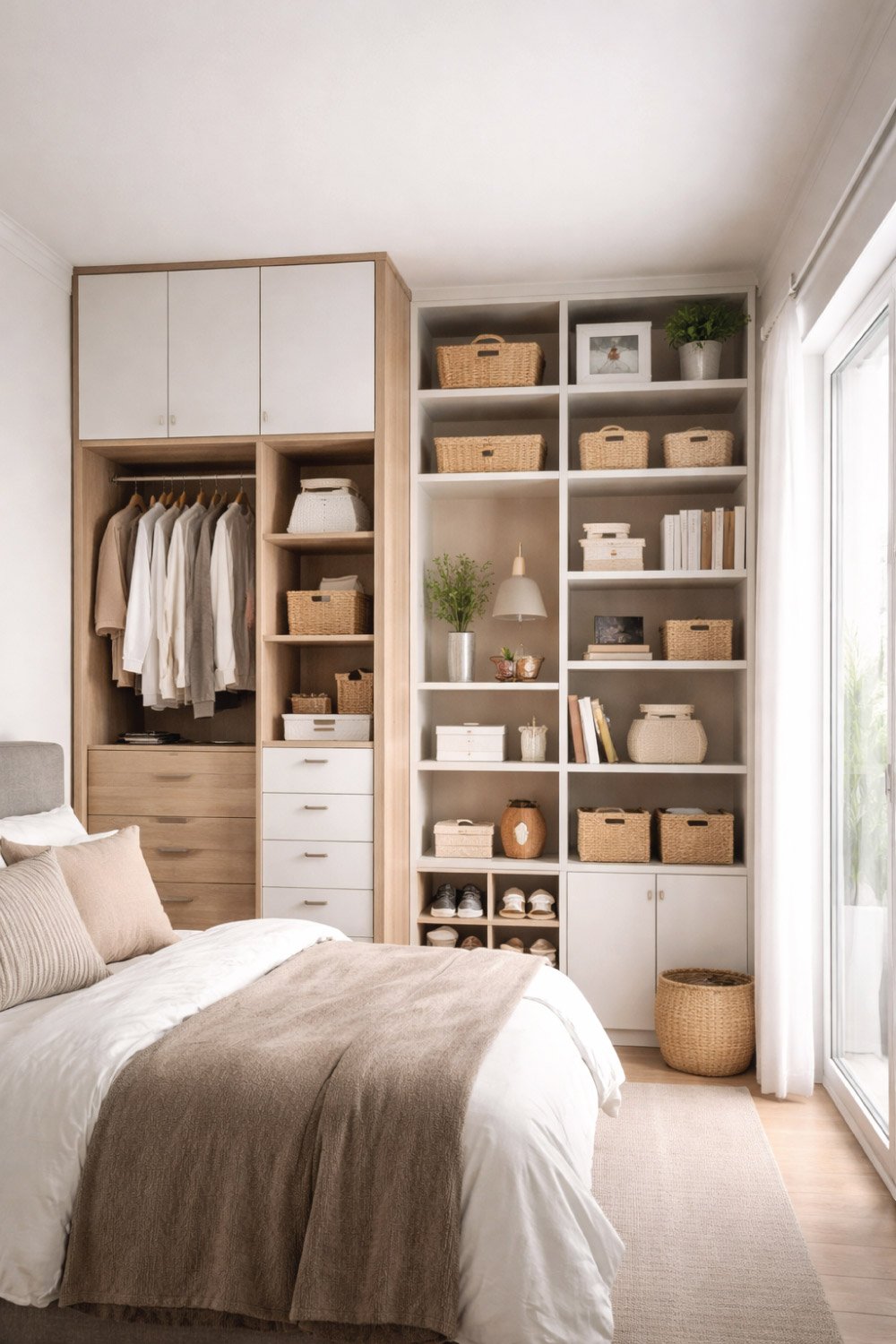
Ways vertical storage helps:
Uses unused wall height efficiently
Keeps floor area clear
Improves organization
Makes the room feel taller
Reduces need for bulky furniture
Ideal for shared storage needs
Supports a clean layout
| Element | Recommendation |
|---|---|
| Storage Type | Tall shelves |
| Placement | Near bed or door |
| Function | Clothing & décor |
| Benefit | Frees floor area |
5. Use Mirrors to Create Illusion of Space
Mirrors are a powerful design tool for making small bedrooms appear larger and brighter. By reflecting light and surroundings, mirrors visually expand the space and reduce any closed-in feeling.
A full-length mirror or mirrored wardrobe door can double the perceived size of the room while adding elegance. Placing mirrors opposite windows enhances natural light, creating a brighter and more inviting atmosphere.
For couples, mirrors also add functionality for dressing while contributing to a modern, stylish look without occupying extra space.
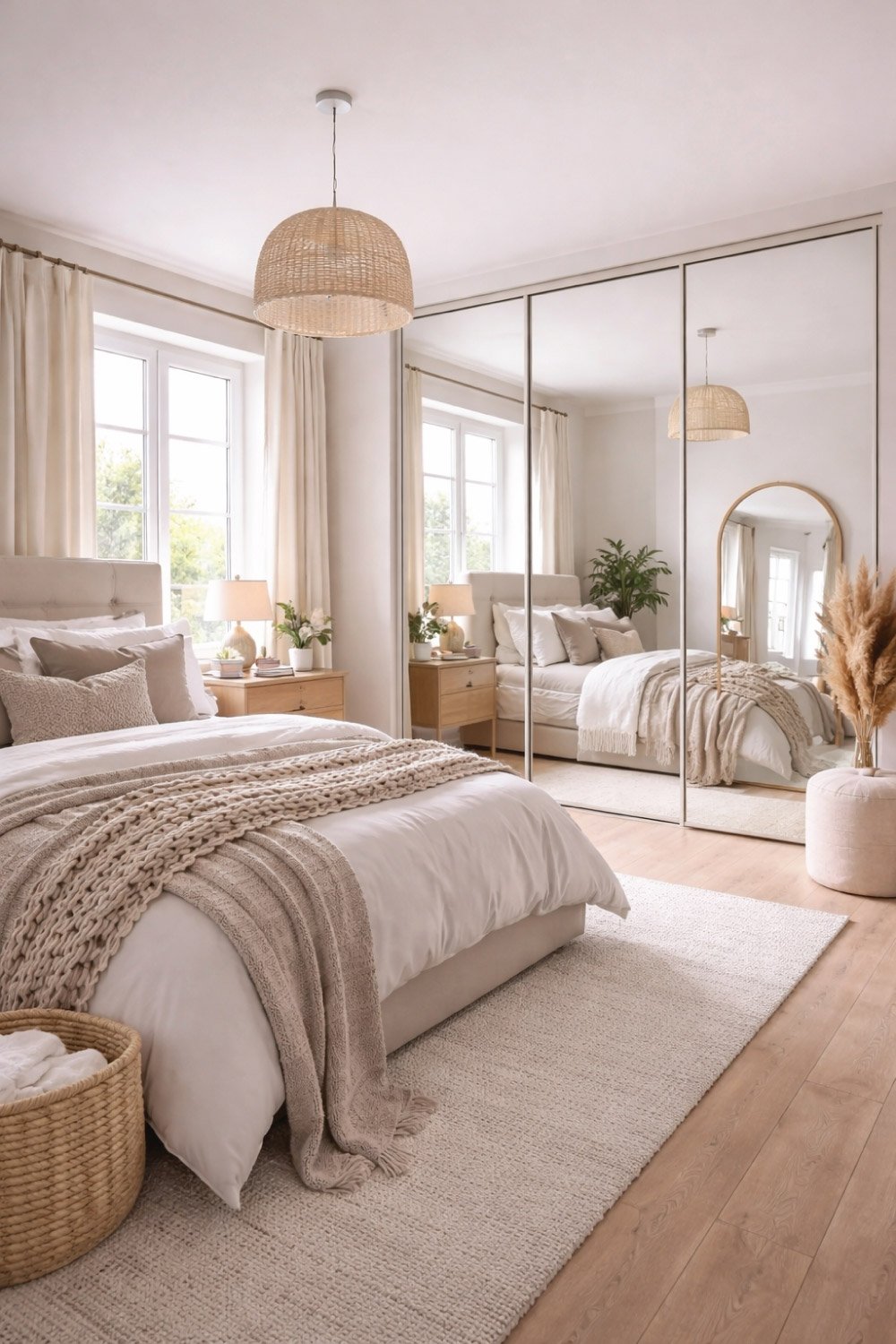
Benefits of using mirrors:
Makes the room look bigger
Reflects natural and artificial light
Brightens dark corners
Adds decorative appeal
Enhances modern design
Improves dressing convenience
Creates visual depth
| Element | Recommendation |
|---|---|
| Mirror Type | Full-length or wardrobe |
| Placement | Opposite window |
| Effect | Spacious look |
| Bonus | Better lighting |
6. Opt for Soft Lighting
Soft lighting plays a crucial role in shaping the overall ambiance of a bedroom, especially for couples sharing a small space. Instead of relying on a single harsh overhead light, layering multiple light sources creates warmth and visual depth.
Bedside lamps, wall sconces, and fairy lights help establish a relaxing, romantic mood while also being functional. Warm-toned LEDs are ideal because they reduce eye strain and enhance comfort.
Thoughtful lighting placement can make a compact bedroom feel more spacious, inviting, and emotionally soothing.
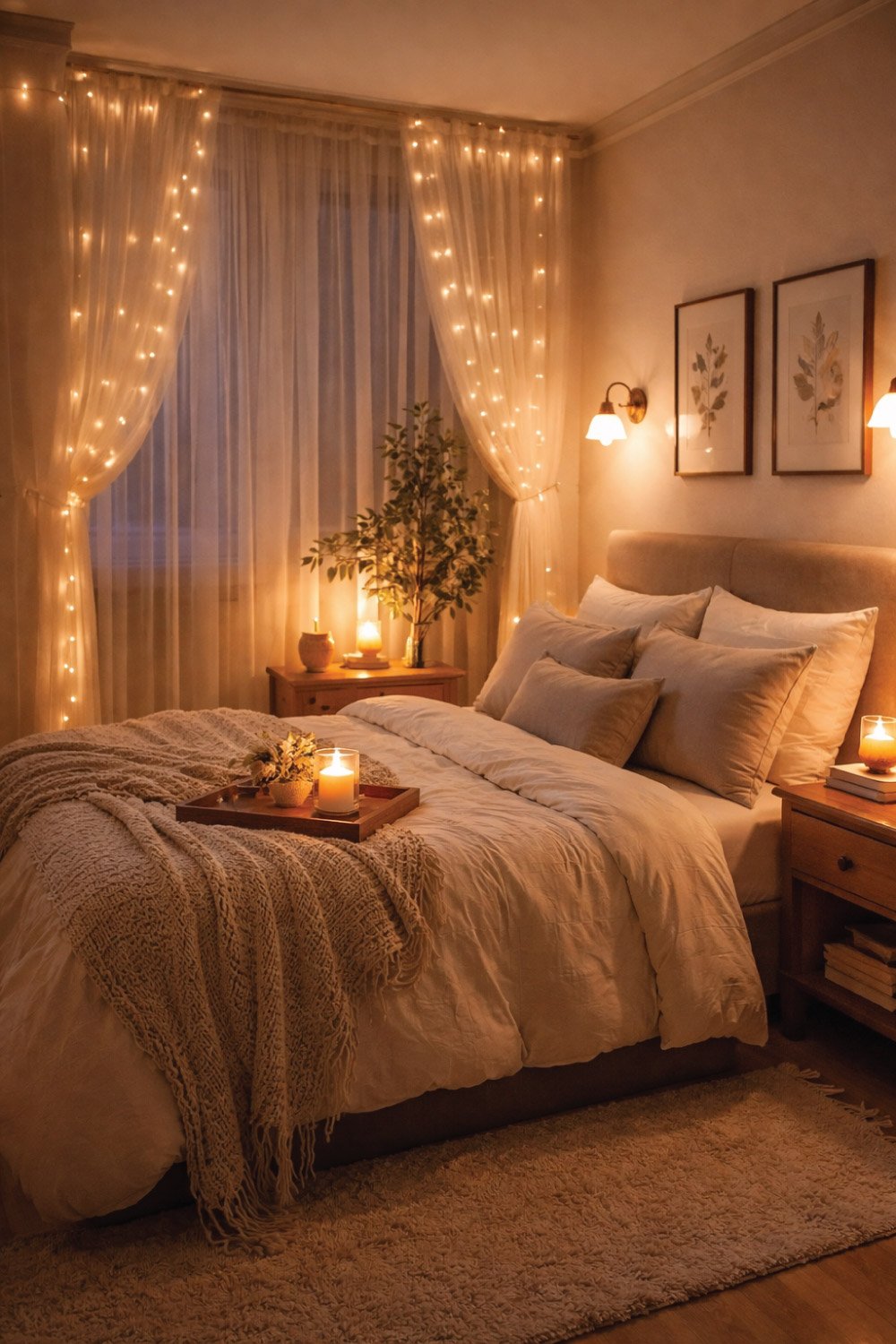
Creates a calm and intimate atmosphere
Reduces glare and harsh shadows
Enhances relaxation before sleep
Adds visual layers to a small room
Improves overall comfort and mood
| Element | Recommendation |
|---|---|
| Light Type | Warm LED |
| Mood | Romantic & cozy |
| Best Spot | Bedside |
| Energy Efficient | Yes |
7. Choose Multifunctional Furniture
Multifunctional furniture is essential when designing a small bedroom for couples, as it maximizes space without sacrificing comfort or style.
Pieces like beds with built-in storage, foldable desks, or ottomans with hidden compartments help reduce clutter and improve organization.
This approach allows the room to remain practical while still feeling open and modern. By selecting furniture that serves multiple purposes, couples can enjoy a more efficient layout that supports daily routines while maintaining a clean and stylish aesthetic.
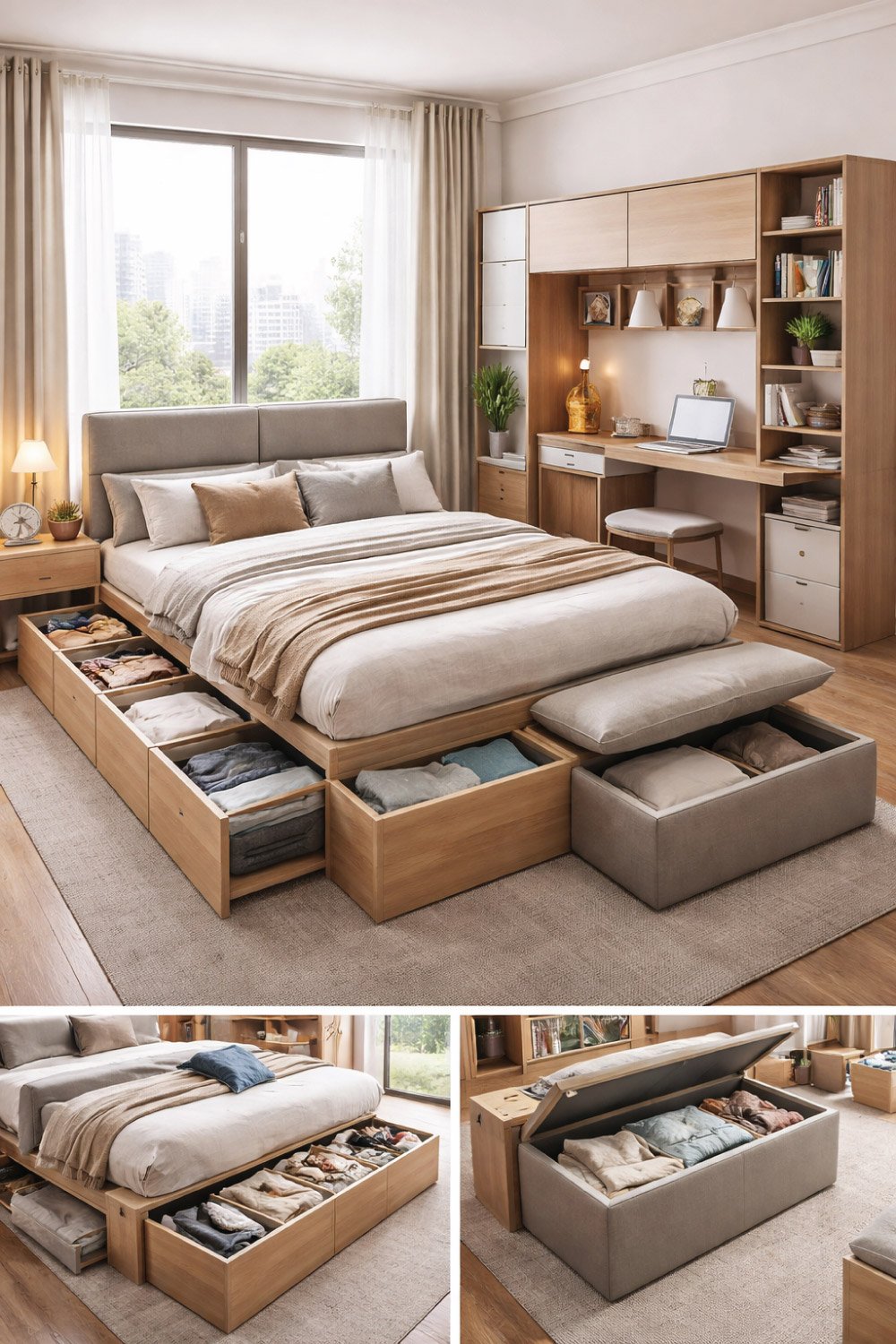
Saves valuable floor space
Reduces the need for extra furniture
Enhances storage capacity
Improves room organization
Ideal for compact urban homes
| Element | Recommendation |
|---|---|
| Furniture | Bed + storage |
| Best Use | Space optimization |
| Ideal For | Apartments |
| Style | Smart & modern |
8. Keep Décor Minimal
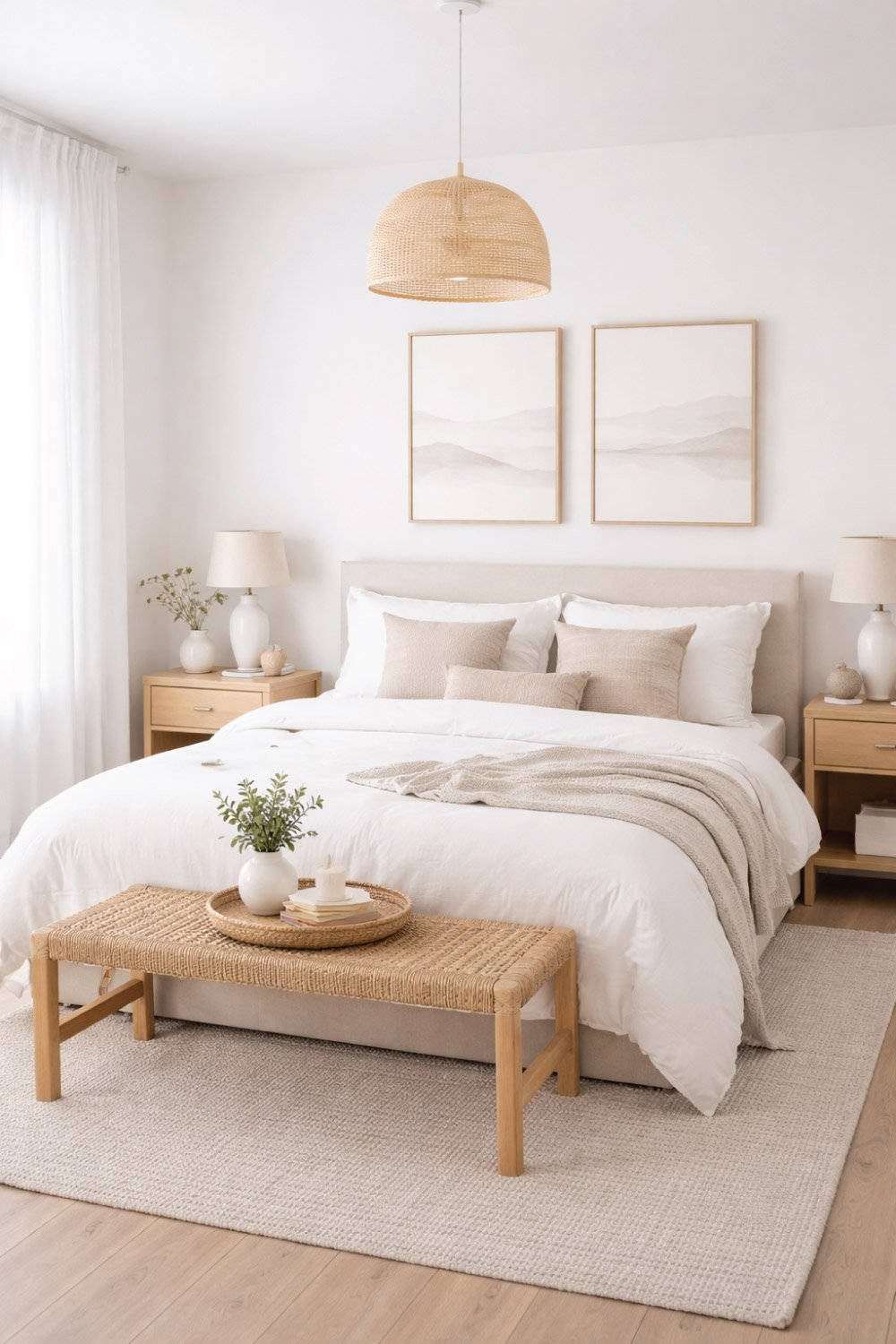
Minimal décor is key to making a small bedroom feel open, calm, and balanced. Overcrowding the room with decorative objects can quickly make the space feel cramped and chaotic. Instead, focusing on a few meaningful and high-quality décor pieces creates visual clarity and elegance.
Neutral colors, simple artwork, and functional accents work together to maintain harmony. A minimalist approach not only enhances aesthetics but also promotes relaxation, making the bedroom a peaceful retreat for couples.
Prevents visual clutter
Makes the room feel more spacious
Encourages a calm environment
Highlights meaningful décor pieces
Simplifies cleaning and maintenance
| Element | Recommendation |
|---|---|
| Décor Style | Minimal |
| Number of Items | Limited |
| Focus | Quality over quantity |
| Result | Clean look |
9. Add Romantic Textiles
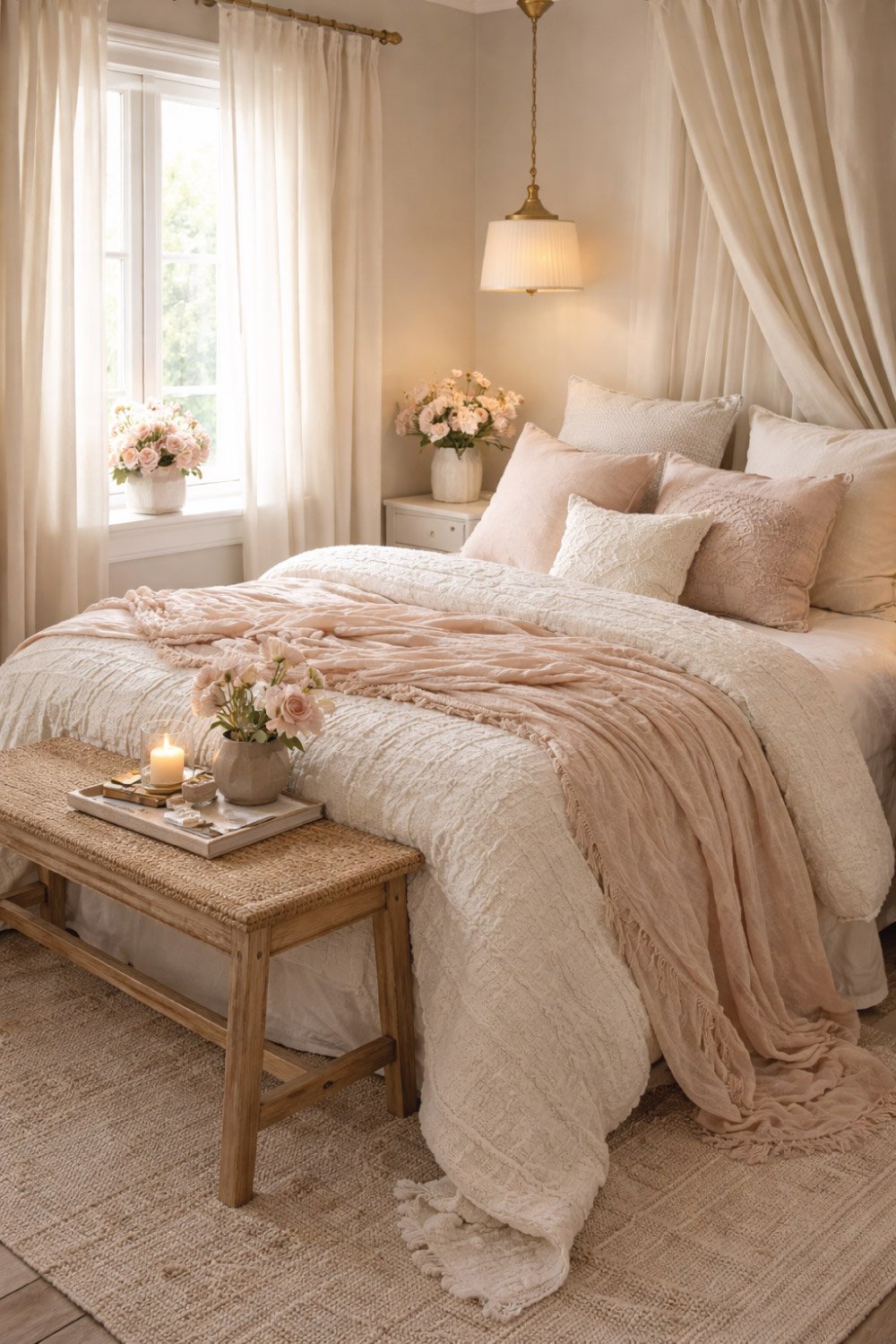
Romantic textiles bring warmth, softness, and intimacy into a small bedroom, making it feel more inviting for couples. Layering bedding with cushions, throws, and textured fabrics adds depth without taking up extra space.
Materials like cotton and linen are breathable, comfortable, and visually appealing. Soft neutral tones help maintain a soothing color palette while enhancing the romantic mood.
Thoughtfully chosen textiles can easily transform a simple bedroom into a cozy and emotionally comforting space.
Increases comfort and coziness
Adds visual texture and depth
Enhances romantic ambiance
Softens the overall room look
Easy to update seasonally
| Element | Recommendation |
|---|---|
| Fabrics | Cotton, linen |
| Colors | Soft neutrals |
| Best For | Comfort |
| Style Impact | Romantic |
10. Use Sliding Closet Doors
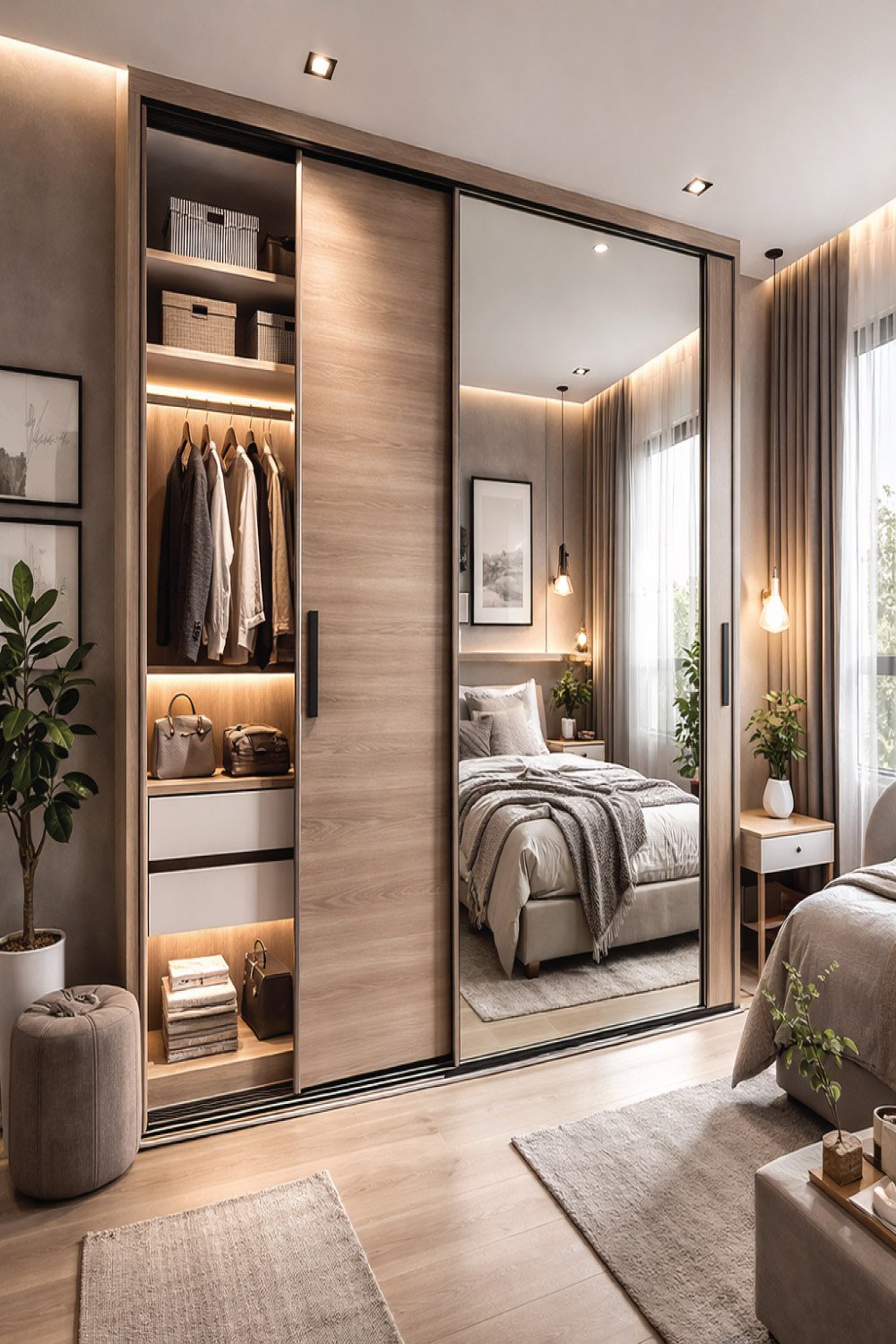
Sliding closet doors are a smart solution for small bedrooms where every inch of space matters. Unlike traditional swing doors, sliding doors do not require clearance space, making movement around the room easier.
They also contribute to a clean, modern aesthetic that complements contemporary interiors. Mirrored sliding doors offer an added advantage by reflecting light and visually expanding the room.
This functional design choice improves accessibility while enhancing both style and spatial efficiency.
Saves space compared to hinged doors
Improves room flow and accessibility
Adds a modern visual appeal
Can make the room look larger
Ideal for compact layouts
| Element | Recommendation |
|---|---|
| Door Type | Sliding |
| Best For | Tight spaces |
| Style | Contemporary |
| Extra | Mirrored option |
Discover More:
11. Create a Feature Wall
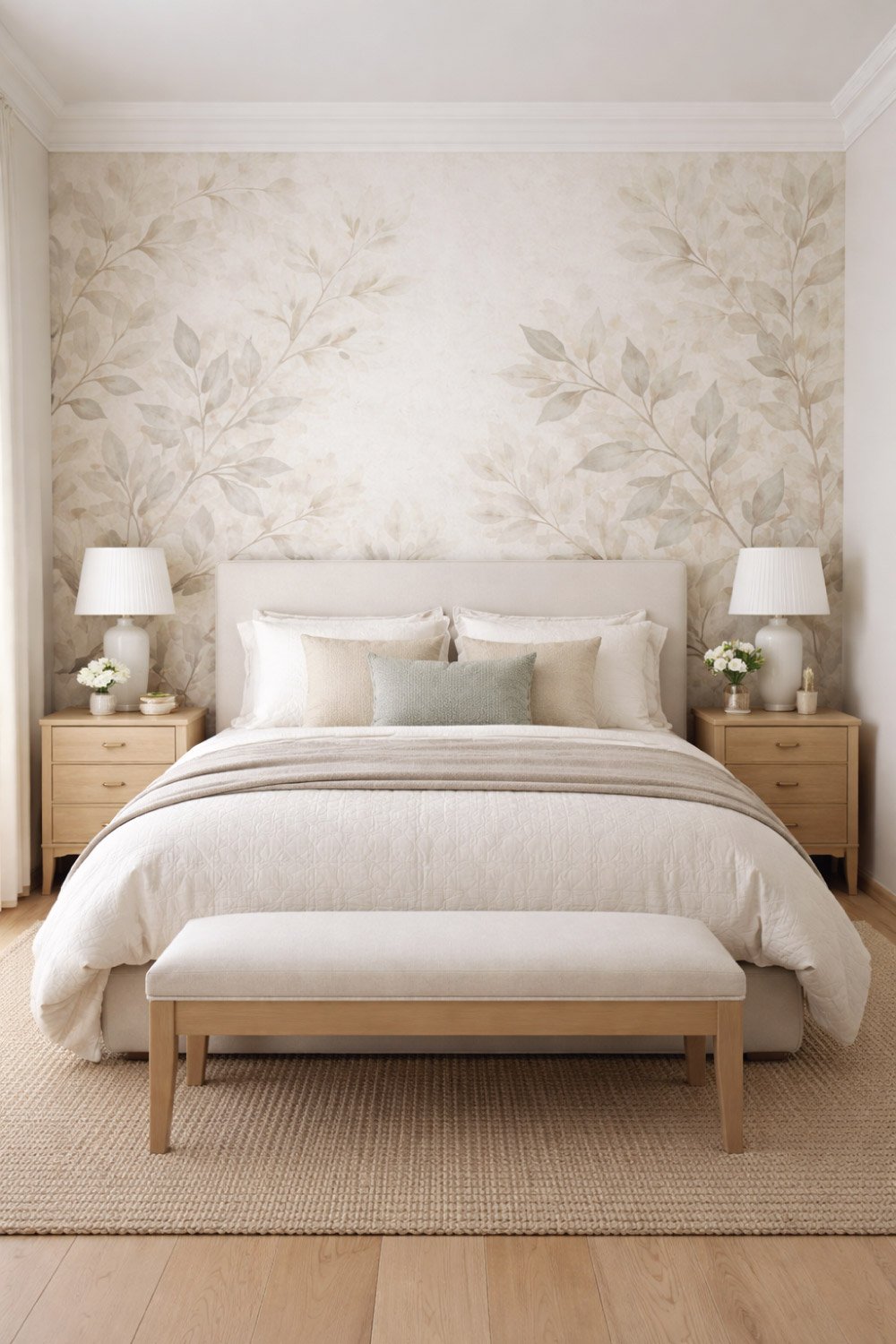
A thoughtfully designed feature wall instantly elevates a bedroom by adding character, depth, and a clear focal point. Instead of decorating every wall, concentrating visual interest on one surface prevents the space from feeling busy or overwhelming.
Placing the accent wall behind the bed naturally draws attention to the room’s centerpiece and enhances symmetry. Materials like wallpaper, textured paint, or wood paneling introduce subtle contrast while maintaining a calm atmosphere.
When chosen carefully, patterns and tones can complement existing décor, improve visual balance, and make the room feel more curated and intentional.
Benefits of a feature wall:
Defines a clear focal point
Adds depth and visual interest
Enhances bedroom personality
Supports cohesive design
Works well in small spaces
Allows creative expression
| Element | Recommendation |
|---|---|
| Wall Type | Accent |
| Placement | Behind bed |
| Design | Subtle patterns |
| Visual Impact | High |
12. Choose Compact Seating
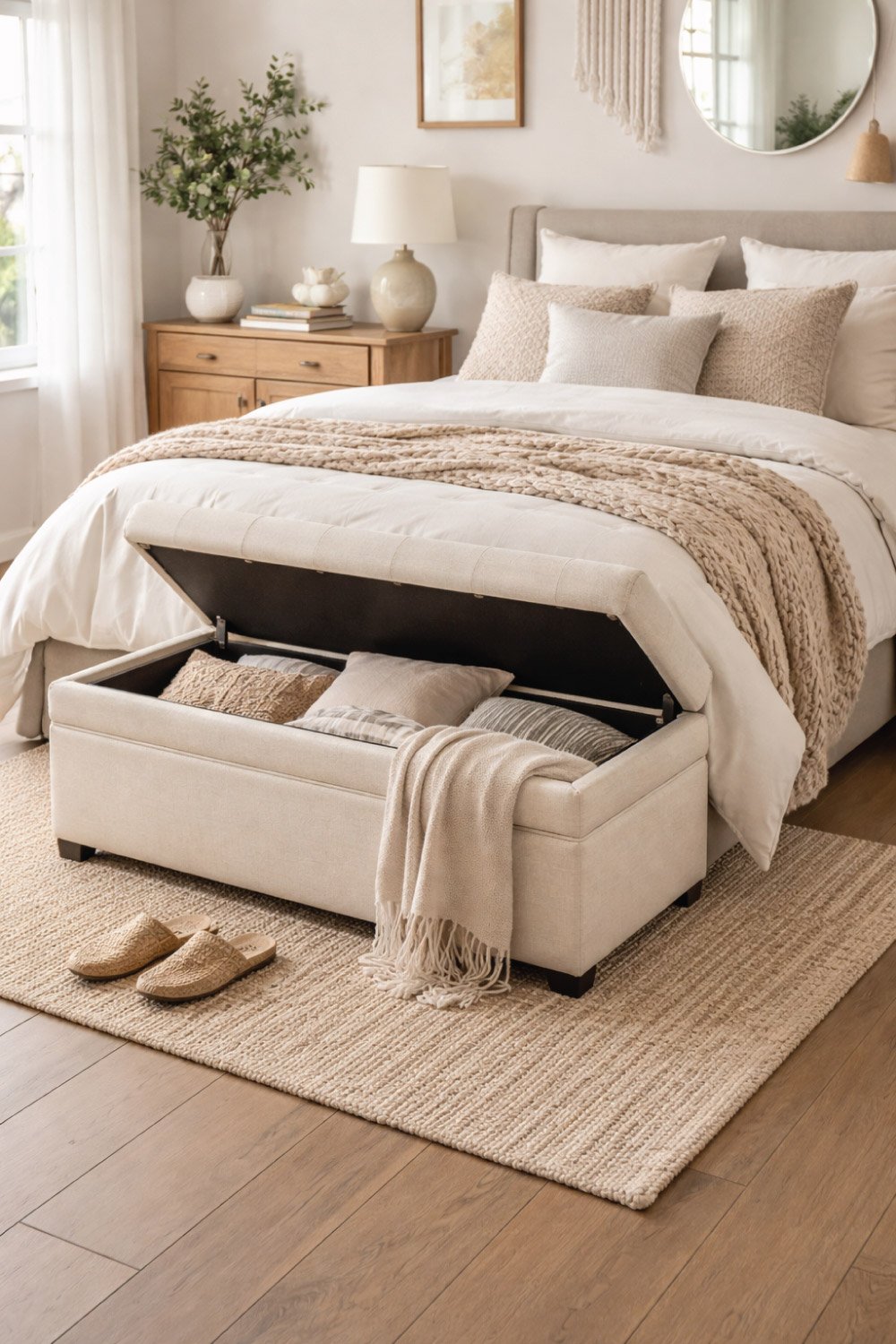
Compact seating is a practical yet stylish addition that improves bedroom functionality without consuming valuable floor space. A small ottoman or bench placed at the foot of the bed provides a convenient spot for sitting, dressing, or laying out clothes.
When designed with hidden storage, it serves dual purposes—offering seating while discreetly storing extra pillows, blankets, or seasonal items.
Compact seating helps keep the bedroom organized and clutter-free, making it especially useful in smaller rooms where every piece of furniture must earn its place.
Why compact seating works well:
Adds seating without crowding
Offers hidden storage options
Enhances room functionality
Complements bed placement
Ideal for smaller bedrooms
Improves daily convenience
| Element | Recommendation |
|---|---|
| Seating | Ottoman |
| Storage | Hidden |
| Size | Compact |
| Function | Seating + storage |
13. Declutter Regularly
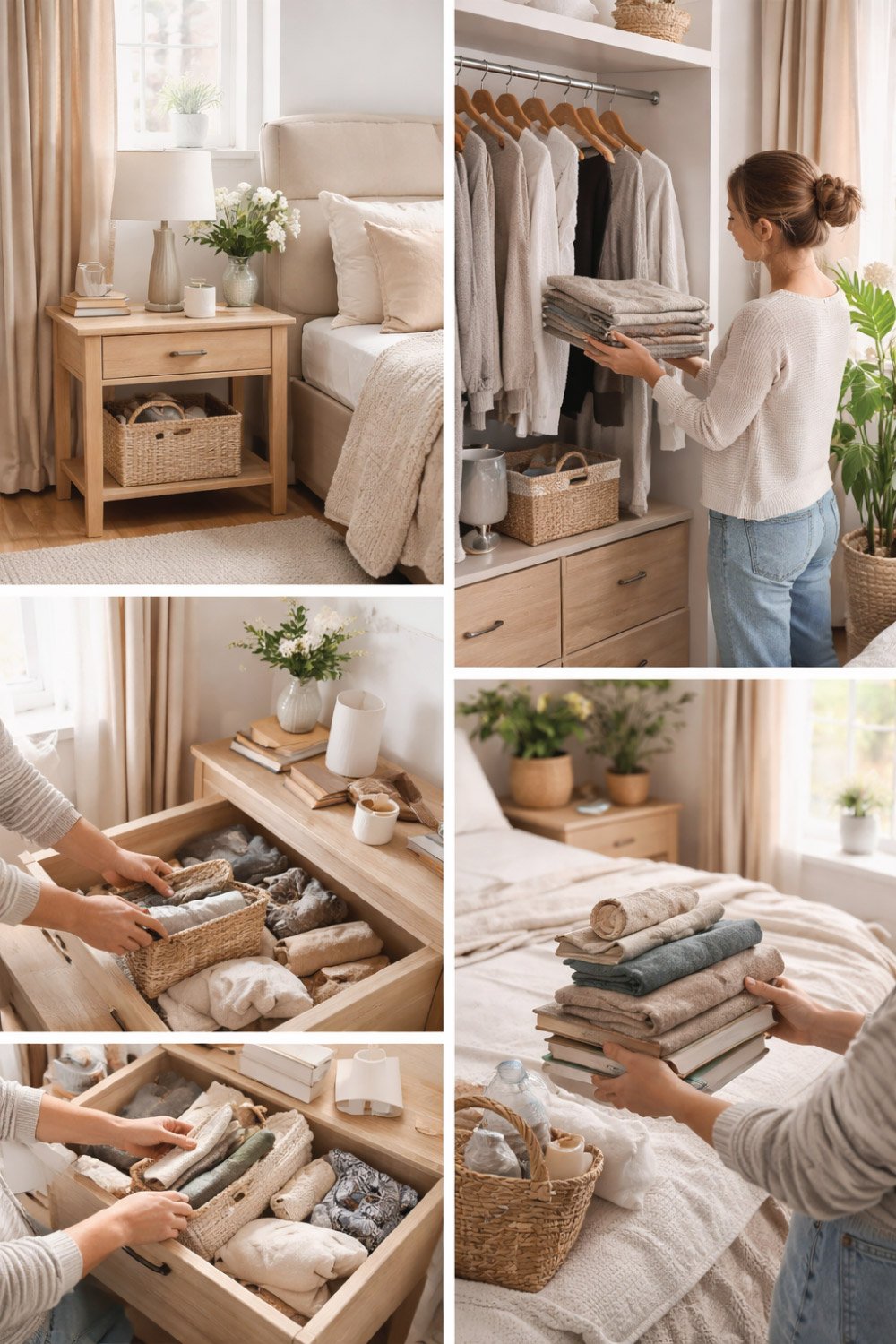
Regular decluttering plays a crucial role in maintaining a calm, restful bedroom environment. Over time, items naturally accumulate on bedside tables, in wardrobes, and on unused surfaces, making the room feel cramped and stressful.
Setting aside time weekly to reset the space helps maintain order and prevents clutter from becoming overwhelming. For couples, this habit supports harmony by ensuring shared areas remain functional and visually balanced.
A consistent decluttering routine encourages mindful organization and contributes to better sleep, relaxation, and overall well-being.
Decluttering best practices:
Schedule weekly clean-ups
Focus on shared surfaces
Organize wardrobes regularly
Remove unused items
Maintain clear bedside areas
Build a long-term habit
| Element | Recommendation |
|---|---|
| Declutter Frequency | Weekly |
| Focus Areas | Bedside, wardrobe |
| Result | Calm space |
| Habit | Sustainable |
Discover More:
14. Use Under-Bed Storage
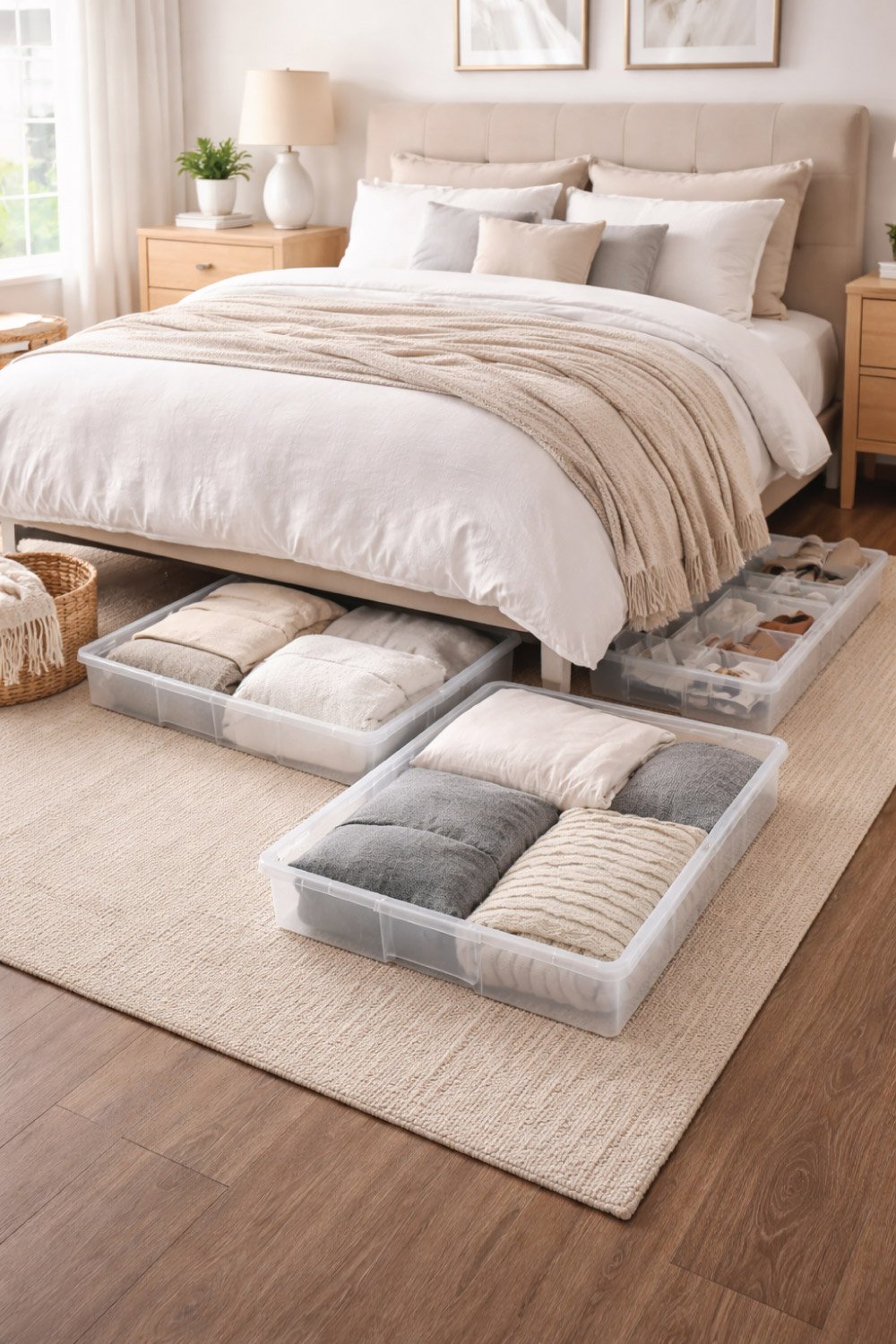
Under-bed storage is an efficient solution for maximizing space while keeping the bedroom visually tidy. This often-overlooked area is ideal for storing seasonal clothing, spare bedding, or shoes that are not used daily.
Using low-profile bins or drawers ensures items remain hidden, preserving a clean and uncluttered appearance. Under-bed storage is especially helpful in smaller bedrooms or shared spaces,
As it significantly increases storage capacity without adding bulky furniture, allowing the room to feel more open and organized.
Advantages of under-bed storage:
Utilizes unused space
Keeps items out of sight
Ideal for seasonal storage
Reduces need for extra furniture
Maintains a clean look
Improves overall organization
| Element | Recommendation |
|---|---|
| Storage Type | Under-bed bins |
| Items Stored | Seasonal |
| Visibility | Hidden |
| Space Saved | Significant |
15. Keep the Bed Centered
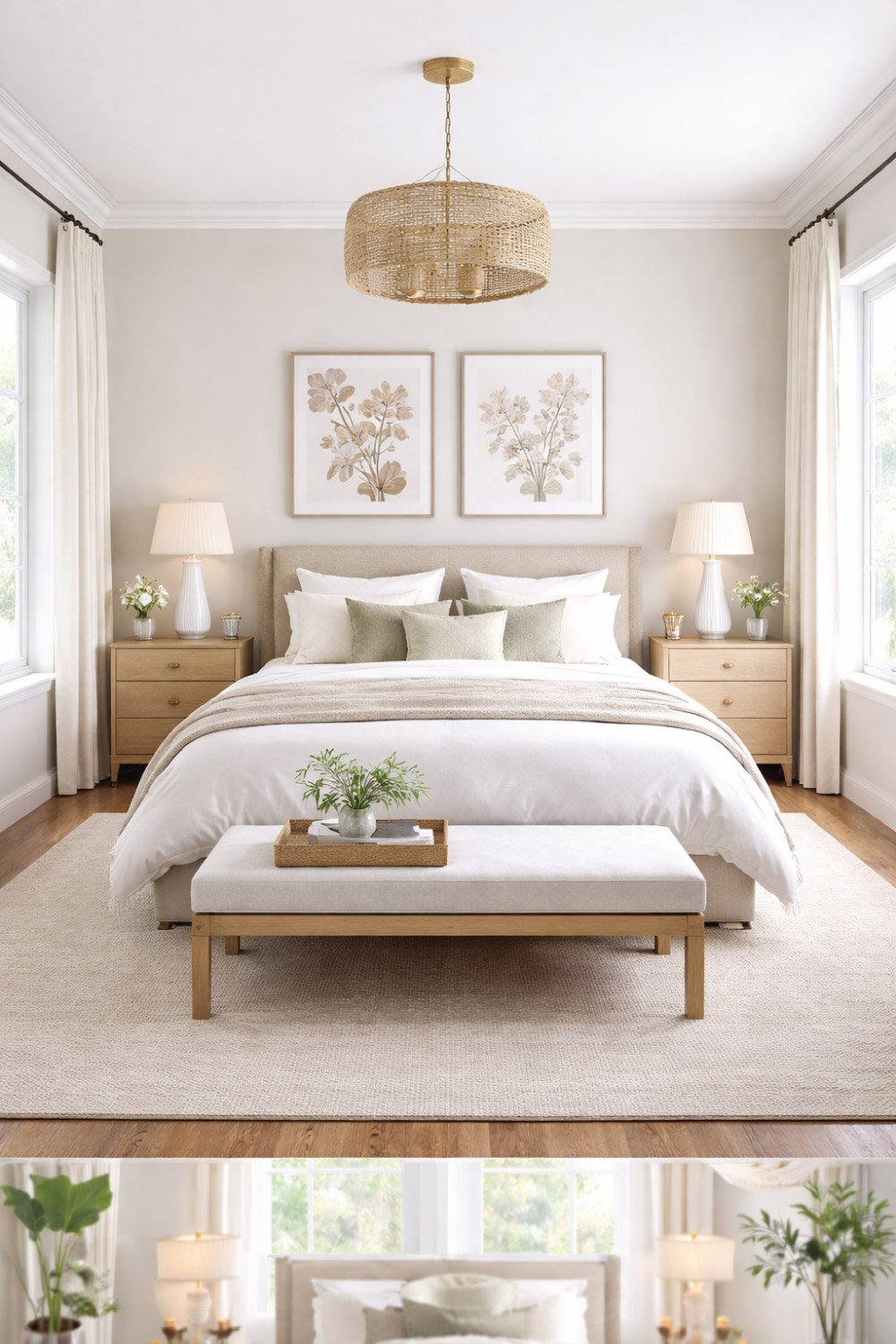
Centering the bed is a simple yet powerful design choice that brings balance and symmetry to a bedroom. Placing the bed in the center of the main wall allows equal access for both partners, making it especially practical for couples.
This layout also creates a harmonious visual flow and makes arranging other furniture easier. Nightstands, lighting, and décor elements naturally align when the bed is centered, resulting in a more polished and intentional look that enhances comfort and usability.
Reasons to center the bed:
Promotes visual symmetry
Ensures equal partner access
Simplifies furniture layout
Enhances room balance
Creates a harmonious feel
Improves daily comfort
| Element | Recommendation |
|---|---|
| Bed Placement | Center |
| Benefit | Balance |
| Ideal For | Couples |
| Look | Harmonious |
Discover More:
16. Choose Light Curtains
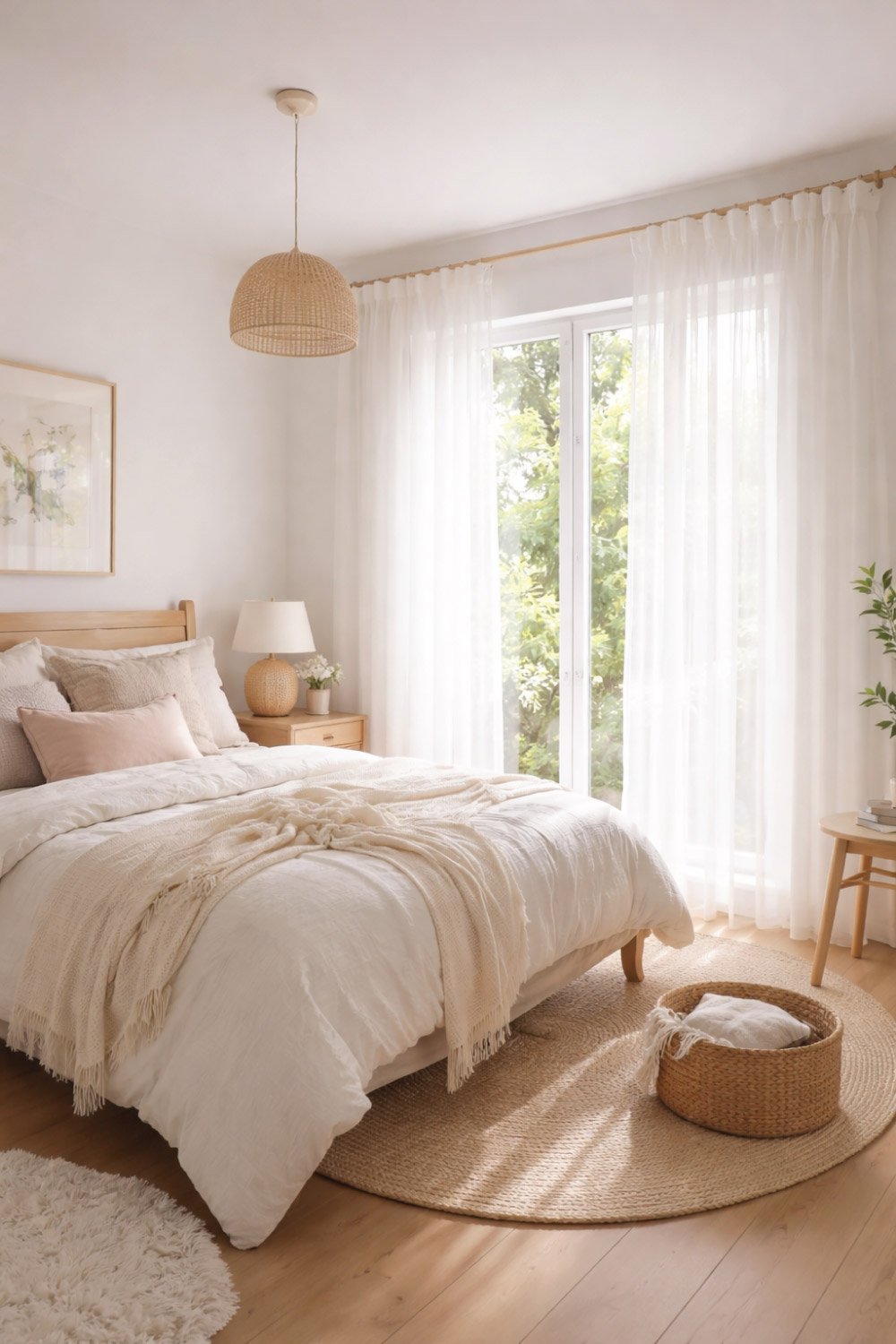
In a small bedroom, heavy or dark curtains can make the space feel closed-in and gloomy. Light or sheer curtains are a smarter choice because they allow natural sunlight to filter through while still offering basic privacy.
They visually soften the room, making it feel larger, brighter, and more breathable. Light curtains also pair well with most décor styles, from minimalist to Scandinavian.
By maximizing daylight and reducing visual weight, they help create a calm, romantic, and airy atmosphere that feels inviting rather than cramped.
Benefits of light curtains:
Make the room appear more spacious
Allow maximum natural light
Create a soft, romantic feel
Blend easily with most color palettes
Reduce visual clutter
Enhance daytime brightness
| Element | Recommendation |
|---|---|
| Curtain Fabric | Sheer |
| Color | Light tones |
| Effect | Airy |
| Privacy | Moderate |
17. Personalize with Artwork
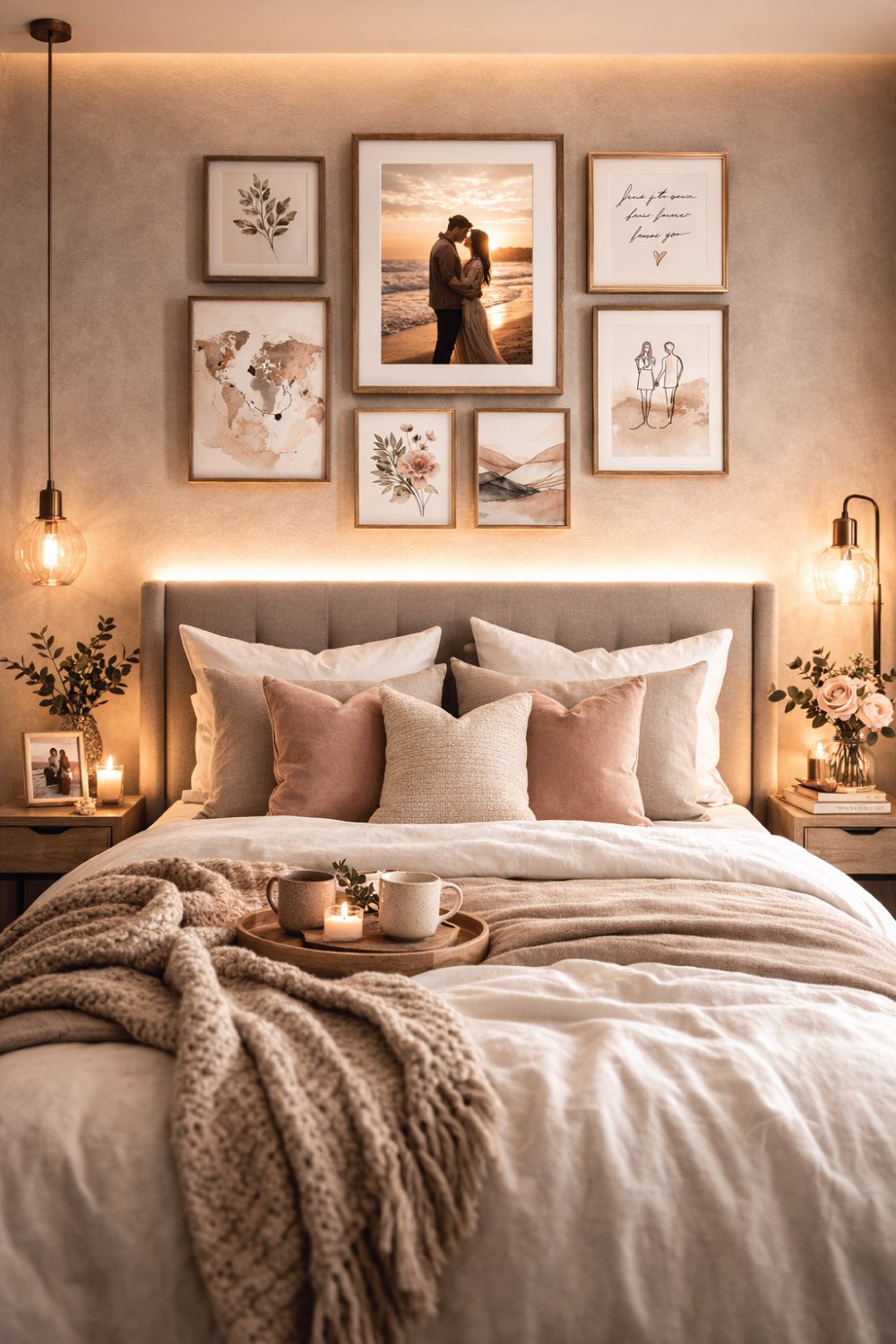
Artwork adds emotional depth and personality to a shared bedroom, making it feel truly yours as a couple. Choosing pieces that reflect your relationship—such as framed photos, meaningful quotes, or art from shared experiences—helps strengthen the emotional connection to the space.
Personal artwork doesn’t need to be large or expensive; even small, thoughtfully placed pieces can have a big impact. Keeping artwork above the bed or on a feature wall creates a focal point while maintaining intimacy and warmth without overwhelming the room.
Ideas for personal artwork:
Framed couple photographs
Meaningful quotes or vows
Travel or memory-based art
Minimalist illustrations
Coordinated frames for unity
Soft, romantic color themes
| Element | Recommendation |
|---|---|
| Artwork Type | Personal |
| Size | Small to medium |
| Placement | Above bed |
| Emotional Value | High |
Discover More:
18. Use Corner Spaces Wisely
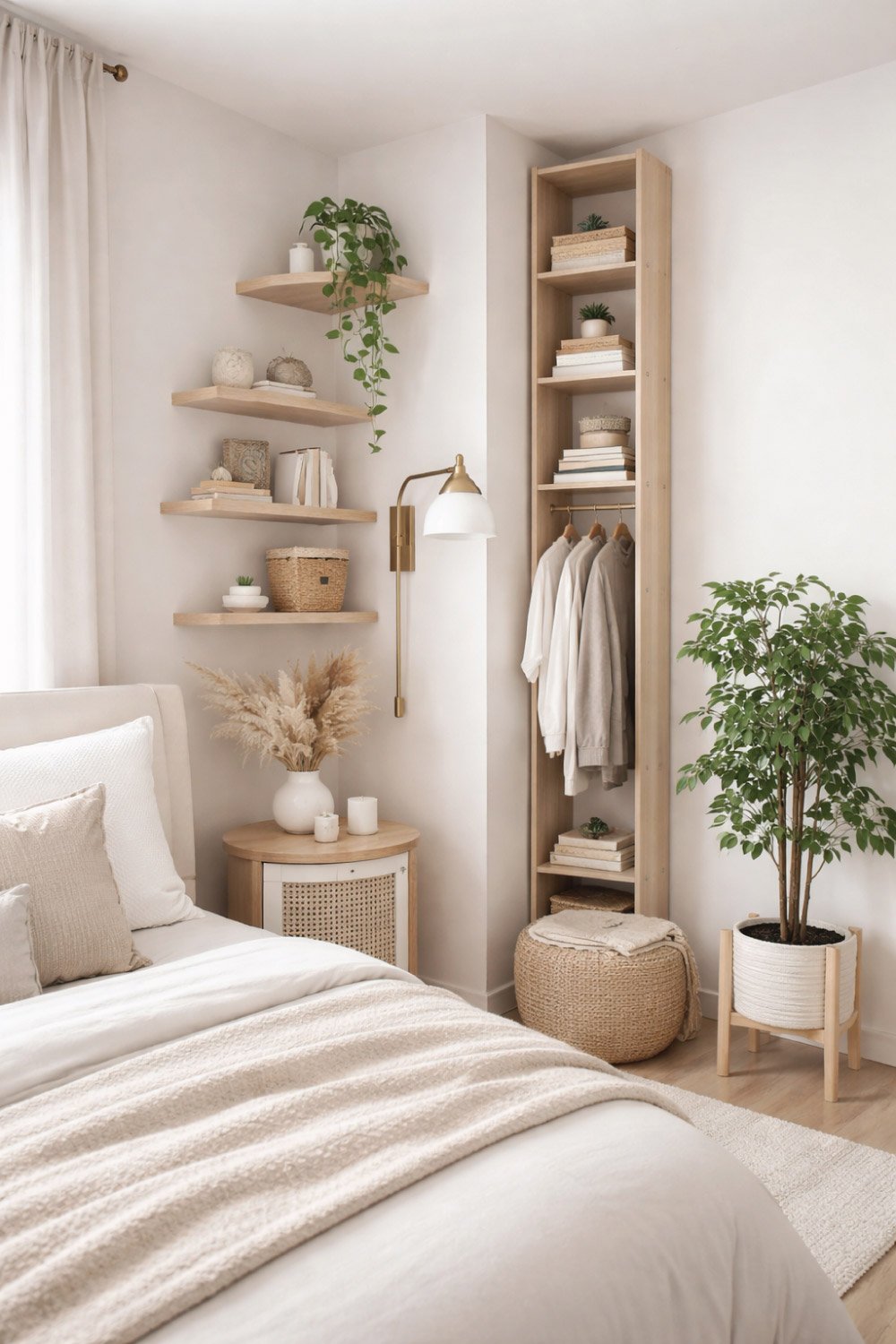
Corners are often underutilized, especially in smaller bedrooms where every inch matters. Making smart use of corner spaces can significantly improve both storage and functionality without taking up valuable floor area.
Corner shelves, vertical storage units, or slim lamps can add practicality while keeping the room visually balanced. Vertical designs draw the eye upward, creating the illusion of height and openness.
When styled thoughtfully, corner solutions enhance organization and aesthetics, helping the room feel efficient, intentional, and uncluttered.
Smart corner solutions:
Floating corner shelves
Vertical storage racks
Corner-mounted lamps
Decorative display shelves
Plant stands for greenery
Minimal furniture to save space
| Element | Recommendation |
|---|---|
| Corner Use | Shelves |
| Function | Storage |
| Design | Vertical |
| Benefit | Efficient |
19. Stick to a Unified Style
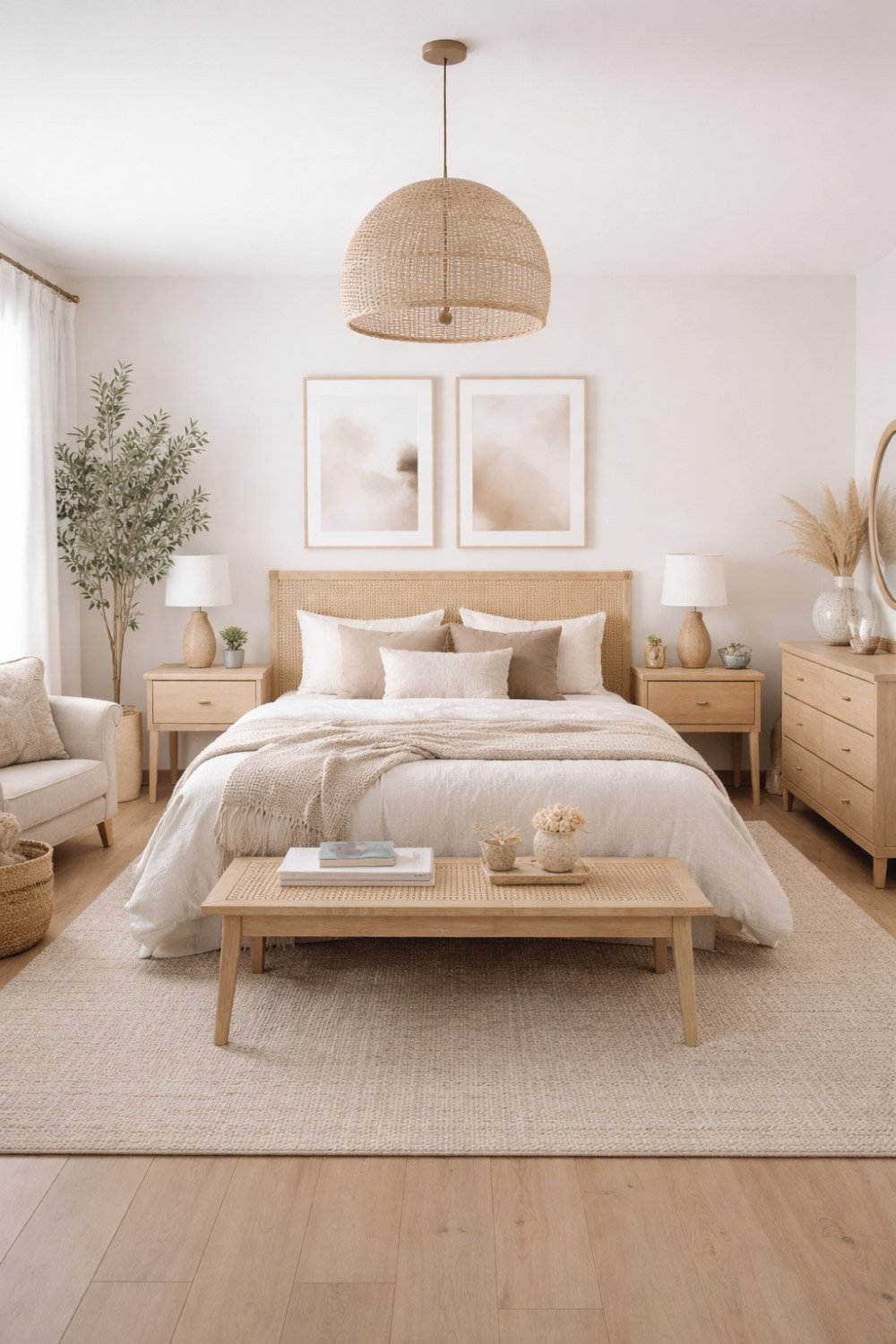
A unified design style is essential when decorating a bedroom shared by two people. Mixing too many styles can lead to visual chaos and make the space feel disorganized.
Agreeing on a single aesthetic—such as modern, boho, minimalist, or Scandinavian—creates harmony and balance. A cohesive style simplifies decision-making, from furniture to colors and accessories.
When both partners contribute and compromise, the result is a bedroom that feels calm, intentional, and stress-free while reflecting both personalities equally.
Advantages of a unified style:
Creates visual harmony
Simplifies décor decisions
Reduces design conflicts
Makes the room feel cohesive
Enhances overall comfort
Supports long-term satisfaction
| Element | Recommendation |
|---|---|
| Style Choice | Unified |
| Decision | Mutual |
| Result | Cohesive look |
| Ease | Stress-free |
Discover More:
20. Add Greenery (But Keep It Small)
Greenery instantly brings life, freshness, and warmth into a bedroom, but in small spaces, moderation is key. Choosing compact, low-maintenance plants ensures the room stays uncluttered while still benefiting from a natural touch.
Small plants placed on shelves, windowsills, or nightstands improve air quality and add subtle color. They also promote relaxation and calmness, which is ideal for a shared sleeping space.
Keeping plant sizes minimal prevents overcrowding and maintains a clean, balanced aesthetic.
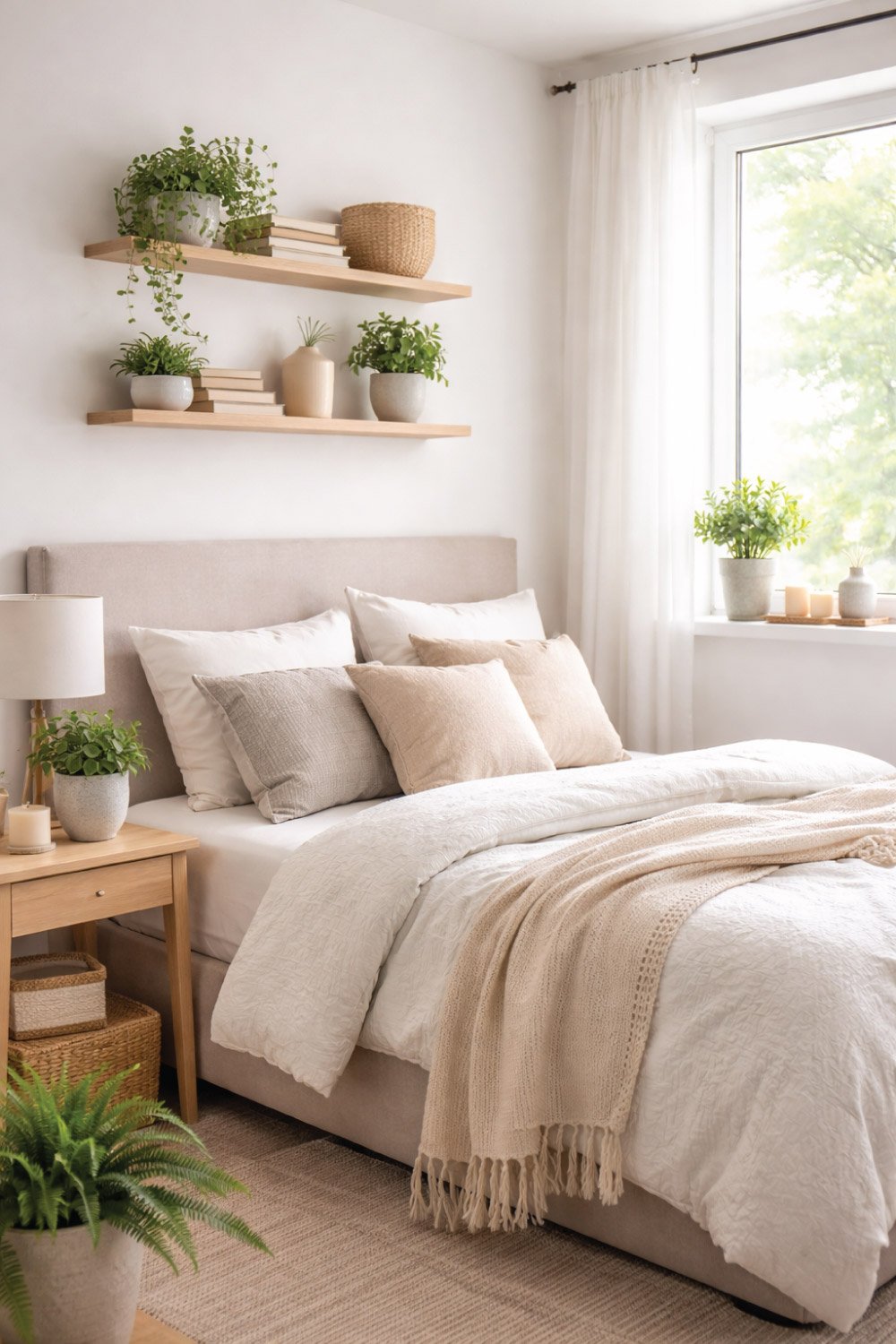
Best practices for small greenery:
Choose low-maintenance plants
Keep plant sizes compact
Place on shelves or windows
Use neutral or simple pots
Avoid overcrowding surfaces
Match plants to room lighting
| Element | Recommendation |
|---|---|
| Plant Type | Low-maintenance |
| Size | Small |
| Placement | Shelf or window |
| Mood | Fresh & calm |
Final Tips for Designing a Small Bedroom for Couples
Here are some practical tips to tie everything together:
Communicate openly about design preferences before decorating.
Prioritize comfort over trends—especially bedding and lighting.
Measure everything before buying furniture.
Avoid overcrowding—less furniture means more space.
Use storage creatively to keep the room tidy.
Stick to light colors for walls and large furniture.
Update seasonally with small changes like cushions or throws.
Balance both personalities so the space feels shared, not one-sided.
Final Thoughts
A small bedroom can still be romantic, functional, and stylish when designed thoughtfully. By using smart storage, soft lighting, and coordinated décor, couples can transform even the smallest bedroom into a peaceful sanctuary.

I am Engineer Hassan, a professional engineer with over 15 years of experience in measurements, design accuracy, and furniture, appliance, and home product sizing. Through Size Helper, I provide research-based guides and trending 2026 home design ideas for living rooms, bedrooms, sofas, wall décor, fashion, and sports—helping users make confident, informed decisions. Every guide is written with real expertise, verified data, and a commitment to quality, usability, and style.