
Designing a compact living room can feel challenging, but small spaces often present the best opportunities for creativity.
With the right layout, colors, furniture choices, and lighting, even the smallest living room can feel open, functional, and stylish.
The key is to focus on smart design strategies that maximize every inch without sacrificing comfort or personality.
Below are 16 compact living room ideas that help you make the most of limited square footage while maintaining a polished, inviting look.
1. Use Light Colors to Open the Space
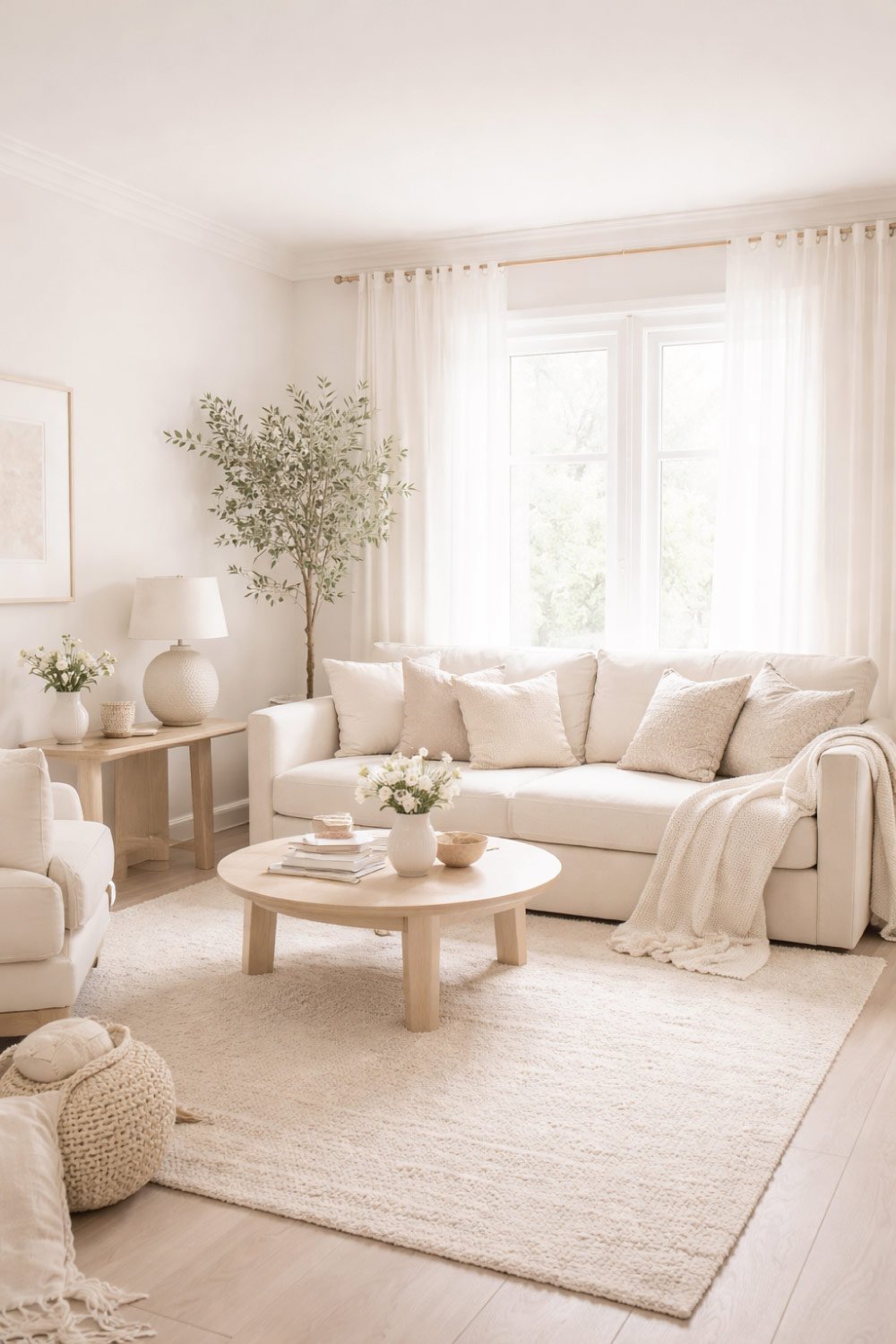
Light colors are one of the most effective ways to make a small living room feel larger.
Whites, creams, and soft neutrals reflect both natural and artificial light, brightening corners and creating an airy atmosphere.
Painting walls, ceilings, and even large furniture pieces in light tones reduces visual boundaries and allows the eye to flow seamlessly across the space.
Layering subtle shades and textures—like soft rugs, linen cushions, or sheer curtains—adds depth while maintaining openness. Light palettes also provide a versatile backdrop for accent colors or décor pieces.
Key highlights:
Reflects natural and artificial light
Makes small spaces feel airy and open
Creates a seamless visual flow
Supports layering of textures
Provides versatile backdrop for décor
Enhances brightness even in low-light rooms
Complements minimalist or modern styles
| Element | Description |
|---|---|
| Wall color | White or off-white |
| Furniture | Light neutral tones |
| Effect | Airy and open |
| Style | Minimal, modern |
2. Choose Space-Saving Furniture
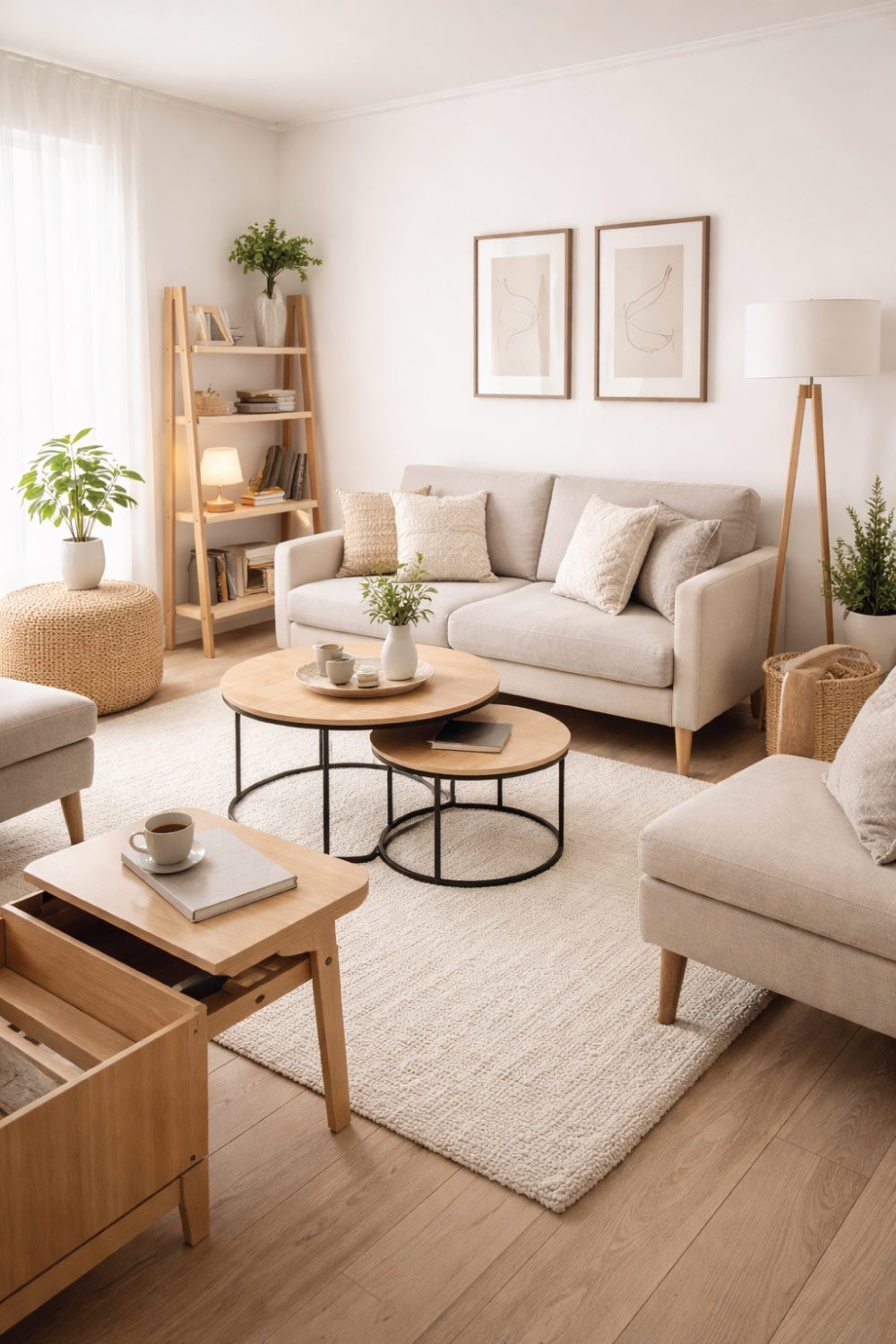
Selecting furniture designed for compact spaces is crucial for apartment living. Slim-profile sofas, armless chairs, and nesting tables maintain a sense of openness while providing functionality.
Avoid oversized pieces with wide arms or deep seating that dominate the room. Modular or lightweight furniture can be moved easily for cleaning or rearrangement.
Prioritizing multi-purpose and small-scale pieces keeps circulation clear and allows the room to breathe.
By carefully choosing the right proportions, even a small living room can feel spacious, stylish, and uncluttered without compromising comfort or usability.
Key highlights:
Slim-profile sofas and chairs
Nesting or compact tables
Maintains open floor flow
Avoids bulky, space-consuming pieces
Supports flexible layouts
Makes cleaning and rearranging easier
Enhances sense of openness
| Element | Description |
|---|---|
| Sofa | Compact or apartment-size |
| Tables | Nesting or slim |
| Layout | Open floor flow |
| Style | Functional modern |
3. Opt for Multifunctional Pieces
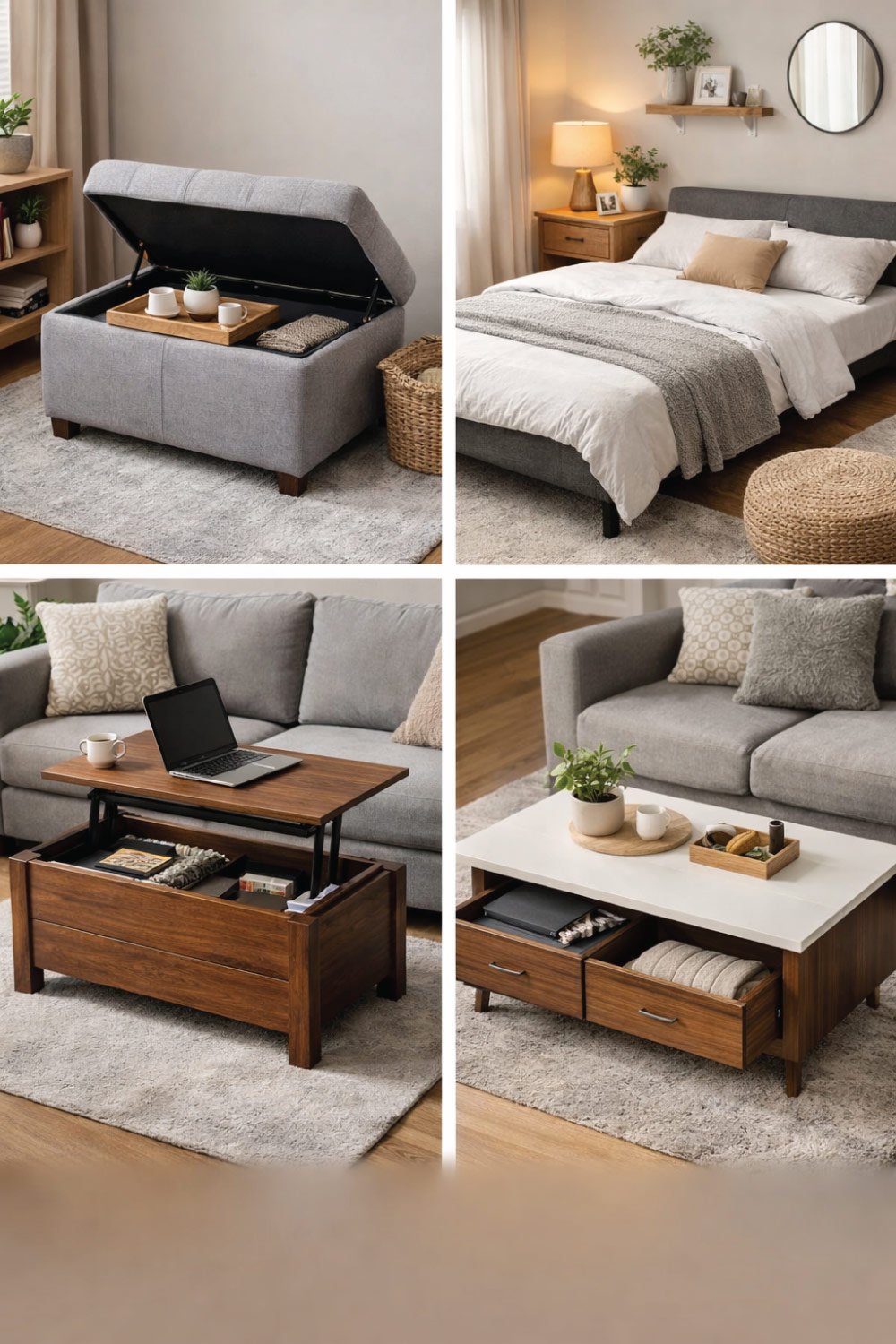
In small living rooms, furniture should do more than one job. Storage ottomans, sofa beds, and coffee tables with drawers or hidden compartments reduce clutter and increase functionality.
A single piece can provide seating, sleeping, or storage, eliminating the need for multiple items and freeing floor space.
Multifunctional furniture works especially well in studio apartments or rooms with limited square footage.
Carefully chosen designs can be stylish while remaining practical, maintaining a balanced and uncluttered environment without compromising comfort, aesthetic appeal, or usability.
Key highlights:
Combines storage, seating, and functionality
Reduces need for extra furniture
Keeps floor space open
Supports studio or compact living
Stylish designs can double as décor
Enhances organization and tidiness
Works with minimalist aesthetics
| Element | Description |
|---|---|
| Ottoman | Storage + seating |
| Sofa | Sleeper option |
| Tables | Hidden storage |
| Style | Practical |
4. Mount the TV on the Wall
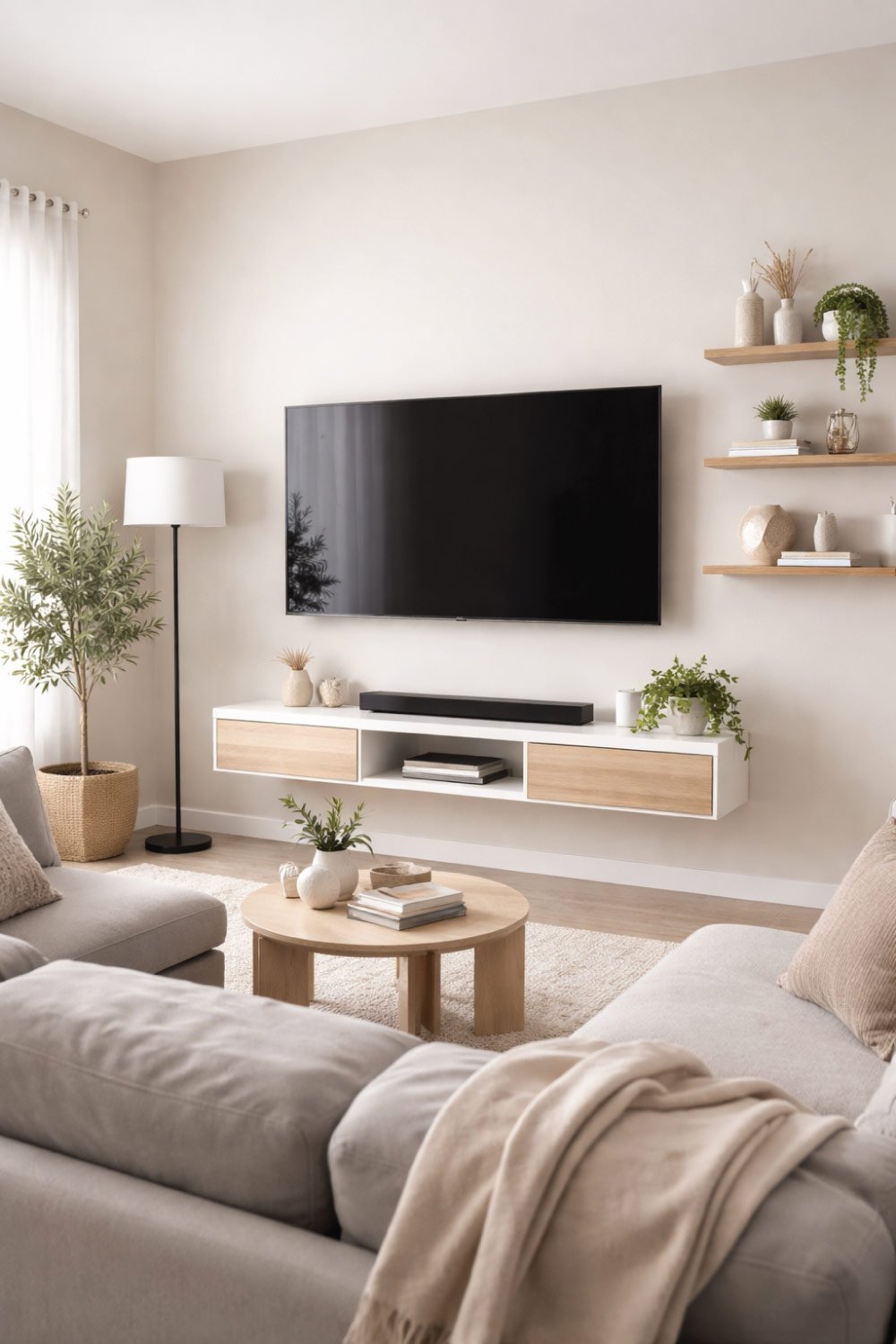
Wall-mounted TVs free up floor space, eliminating the need for bulky media consoles.
This creates a cleaner, less cluttered living area, especially in apartments where every square foot counts.
Floating shelves or narrow wall units beneath the TV can provide discreet storage for remotes, gaming consoles, or decorative items without overwhelming the space.
Mounting the TV also allows for flexible furniture arrangements, as seating can be positioned anywhere while maintaining optimal viewing angles.
This approach keeps the room visually open and emphasizes vertical lines for a streamlined, contemporary look.
Key highlights:
Frees up valuable floor space
Reduces visual clutter
Supports flexible furniture layouts
Provides vertical storage options
Works in compact or open-plan apartments
Enhances modern, clean aesthetic
Easy to integrate with décor
| Element | Description |
|---|---|
| TV | Wall-mounted |
| Storage | Floating shelves |
| Space use | Vertical |
| Style | Clean |
5. Use Mirrors Strategically
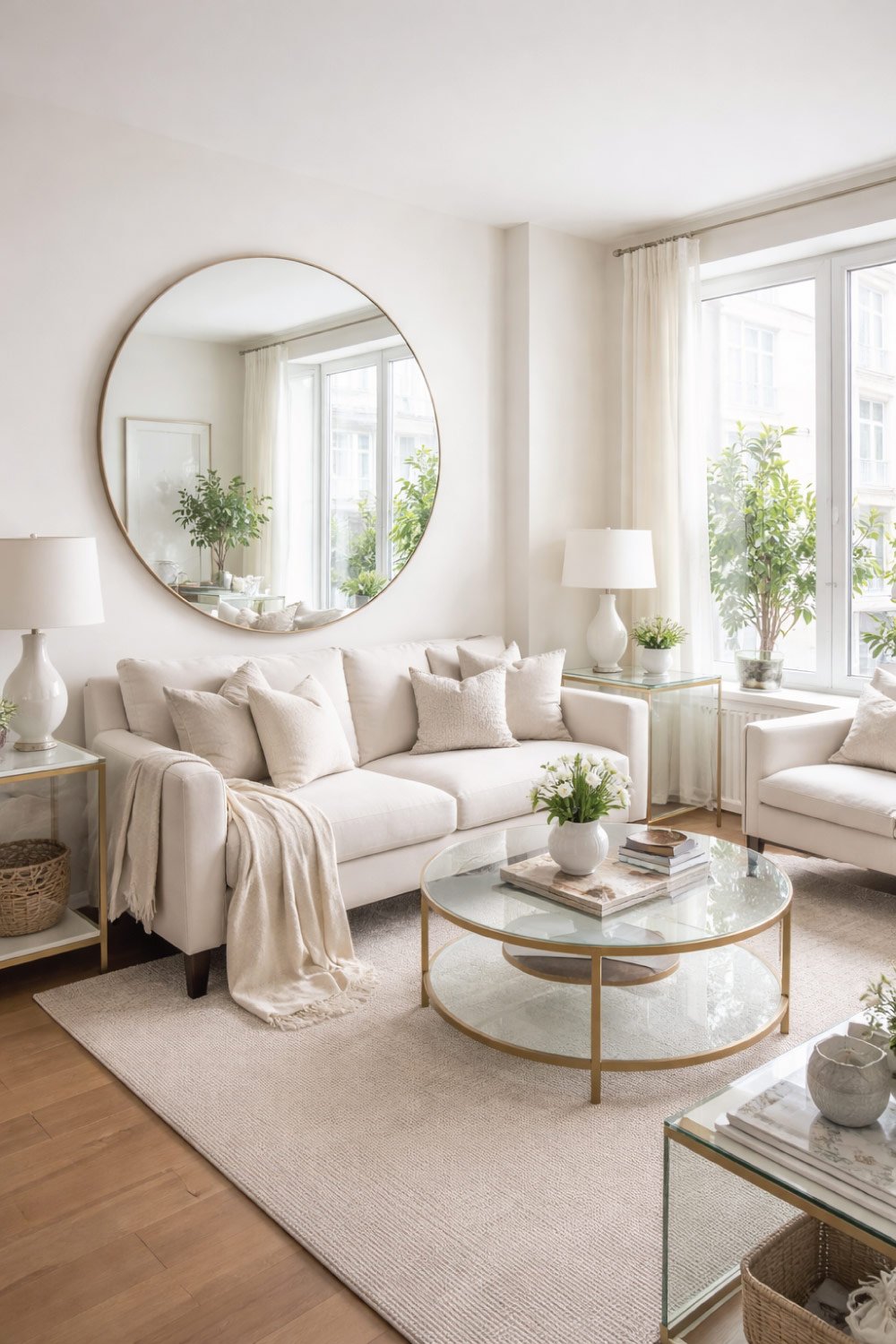
Mirrors are an excellent tool for visually expanding small living rooms. By reflecting light and creating the illusion of depth, a strategically placed mirror can make a compact space feel larger and brighter.
Positioning a large mirror opposite a window doubles the effect of natural light, while smaller mirrors can reflect light from lamps and pendant fixtures.
Mirrored furniture, such as side tables or wall panels, further enhances spatial perception.
Combining mirrors with light-colored walls and minimal décor amplifies openness and adds a sophisticated, contemporary touch to apartment interiors.
Key highlights:
Reflects natural and artificial light
Creates depth and openness
Works with small or narrow rooms
Complements light-colored walls
Enhances brightness in low-light areas
Can be combined with mirrored furniture
Adds contemporary style without clutter
| Element | Description |
|---|---|
| Mirror size | Large or full-length |
| Placement | Across from light |
| Effect | Depth illusion |
| Style | Contemporary |
6. Stick to a Simple Color Palette
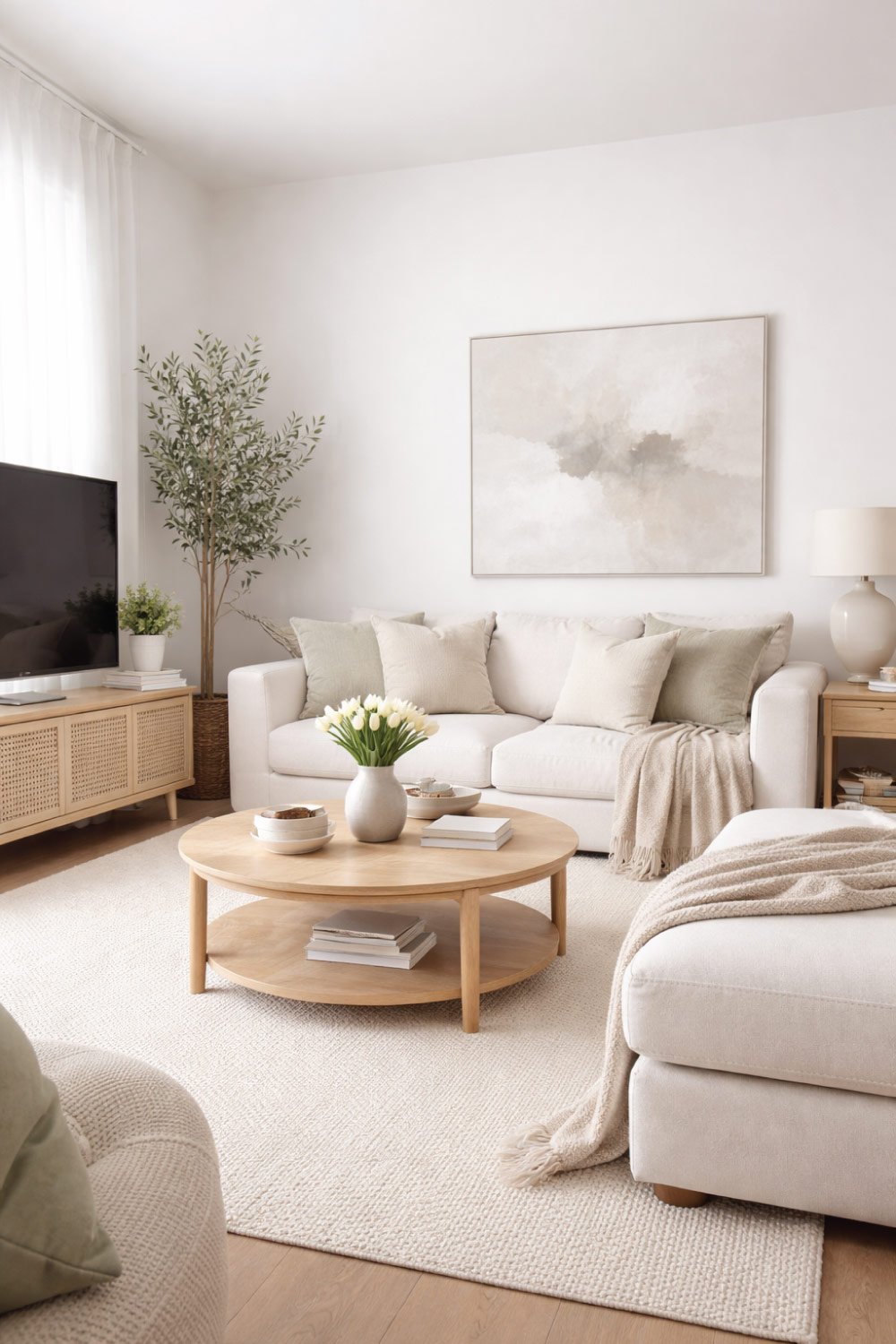
Limiting your color palette is essential in small living rooms. Too many hues can make the space feel chaotic and cramped. Instead, choose two or three complementary tones to create cohesion.
Neutral bases such as whites, creams, or soft grays can be accented with subtle pops of color like muted pastels, metallics, or natural wood.
Keeping the palette simple allows the eye to move easily across the room, making it appear larger and more harmonious. Layering textures instead of colors adds interest while maintaining visual calm.
Key highlights:
Reduces visual clutter
Creates a cohesive, harmonious look
Makes small spaces feel larger
Allows accent décor to shine
Easy to update seasonally
Works with layered textures
Supports minimalist or modern aesthetics
| Element | Description |
|---|---|
| Colors | Neutral base |
| Accents | Subtle contrast |
| Mood | Calm |
| Style | Cohesive |
7. Go Vertical with Storage
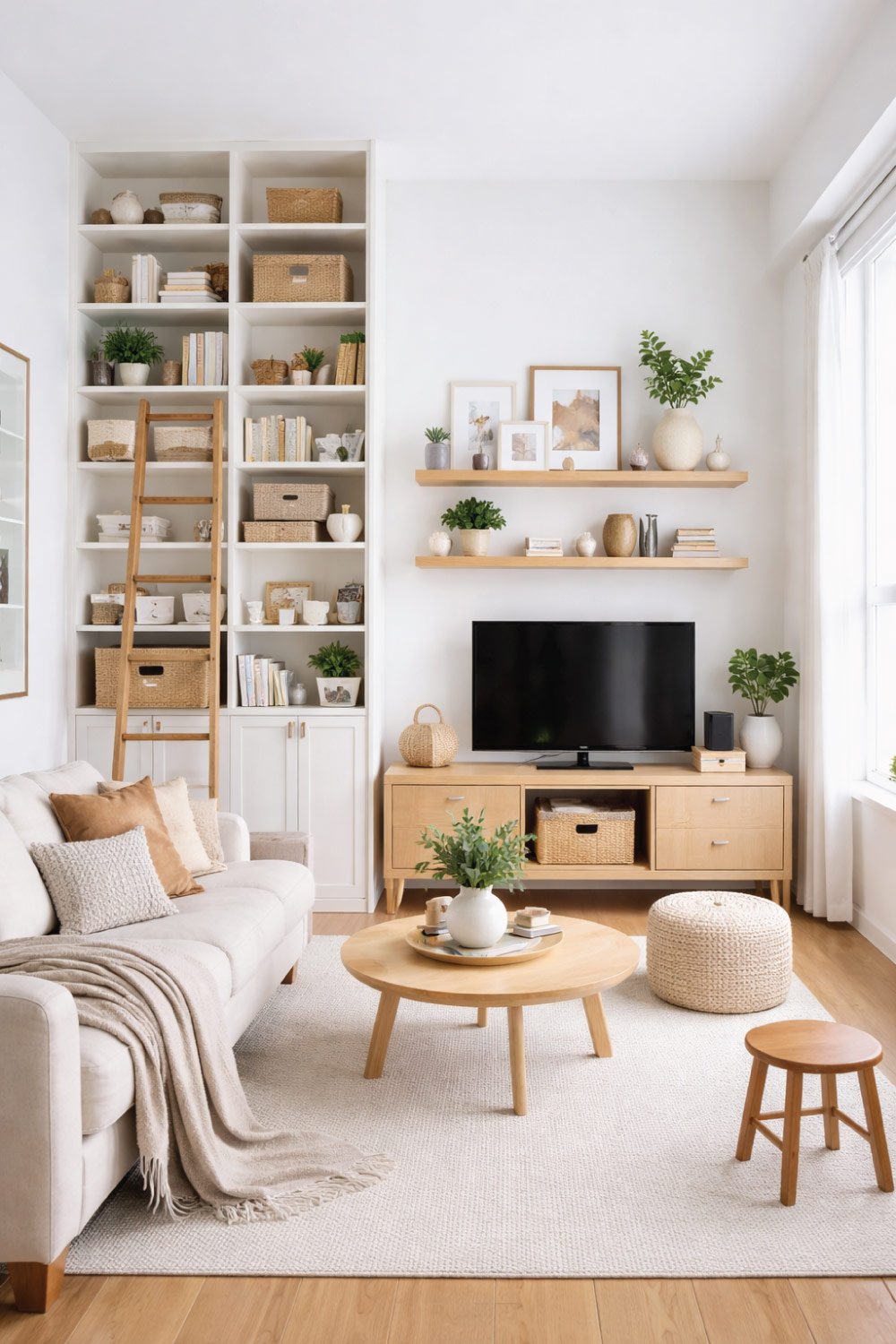
When floor space is limited, vertical storage becomes invaluable. Tall shelving units, wall-mounted cabinets, or built-in bookcases draw the eye upward, making ceilings feel higher.
Using vertical space efficiently frees the floor for walking and seating areas, preventing clutter. Floating shelves, stacked storage cubes, or wall hooks can store books, décor, or electronics without occupying precious apartment square footage.
Vertical storage also provides a stylish focal point, allowing apartments to remain functional and visually organized. Combining height with light colors maintains an airy, open feel.
Key highlights:
Maximizes wall space efficiently
Keeps floor area open
Draws attention upward
Reduces visual clutter
Adds style and function
Works in studios or compact apartments
Supports organized, clean layouts
| Element | Description |
|---|---|
| Shelves | Tall or wall-mounted |
| Walls | Utilized fully |
| Storage | Vertical |
| Style | Smart storage |
8. Keep Window Treatments Light
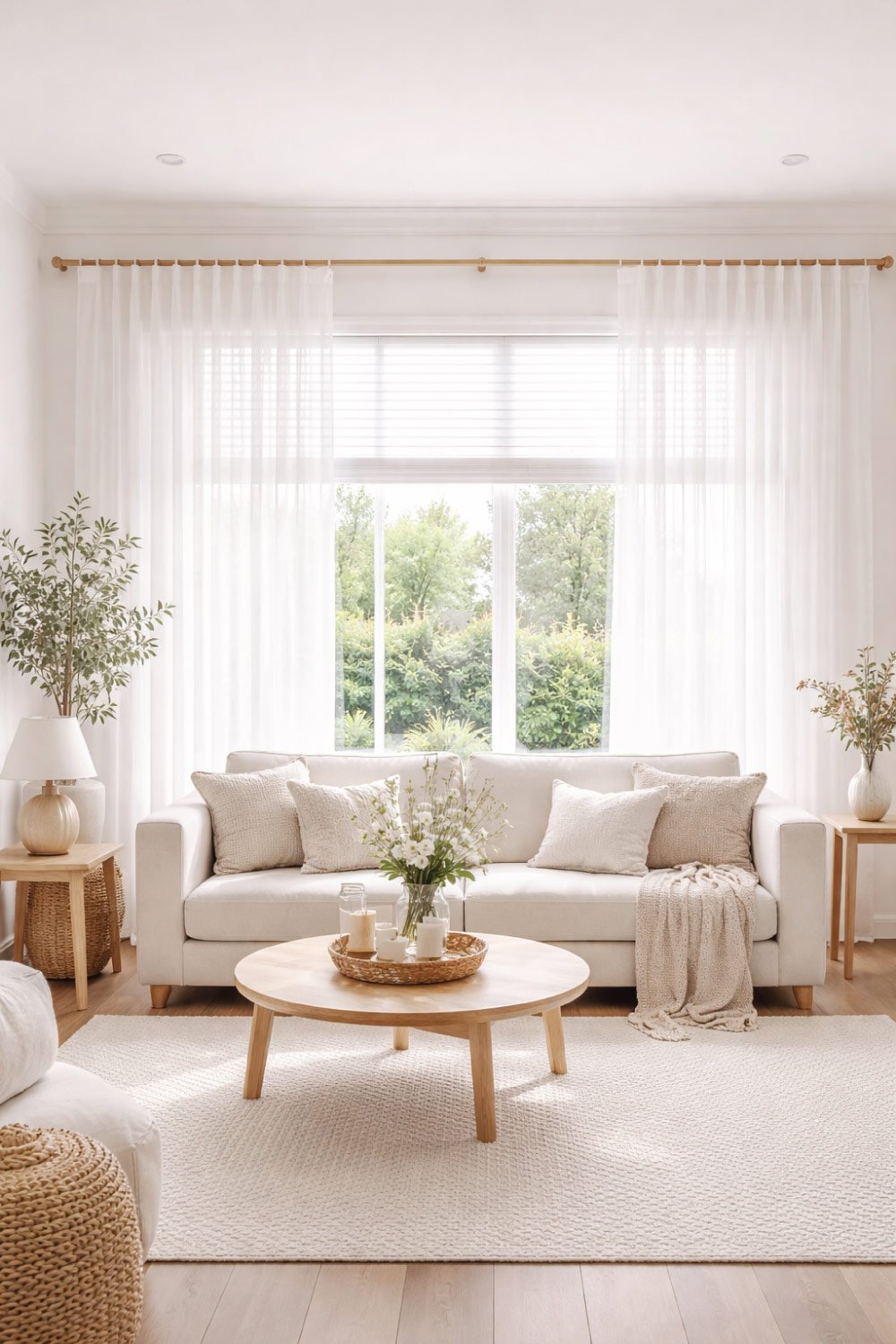
Heavy drapes can make compact living rooms feel boxed in. Instead, use sheer curtains, light linen panels, or simple blinds to allow maximum natural light.
Light fabrics let sunlight filter through, brightening corners and creating an airy, open feel. Light-colored window treatments also blend seamlessly with walls and décor, maintaining a cohesive palette.
Layering blinds with thin curtains can provide privacy without sacrificing light. This approach ensures the living room feels larger, fresher, and more inviting, while complementing minimalist, modern, or Scandinavian design styles.
Key highlights:
Maximizes daylight entry
Keeps space airy and bright
Works with neutral or light palettes
Avoids visual heaviness from thick drapes
Supports minimalist aesthetics
Easy to maintain and clean
Adds subtle texture without overpowering
| Element | Description |
|---|---|
| Curtains | Sheer or light |
| Windows | Unblocked |
| Light | Maximized |
| Style | Airy |
9. Choose Leggy Furniture
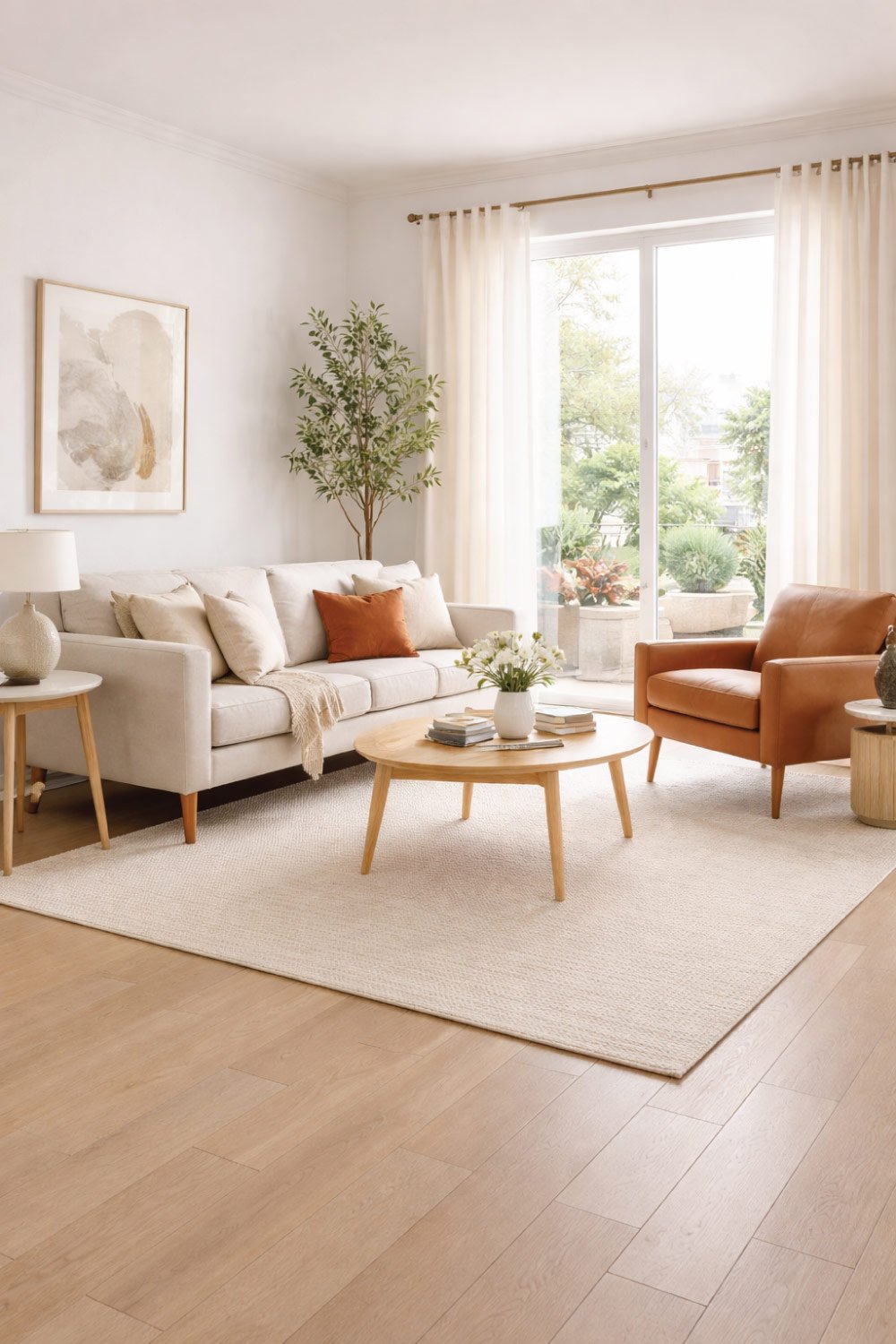
Furniture with visible legs improves visual flow in small living rooms. Raised sofas, chairs, and tables allow light to pass underneath, reducing the sense of heaviness and making the space feel more open.
Leggy furniture is especially effective when paired with light-colored rugs or flooring, emphasizing airiness. In addition to functionality, exposed legs create a mid-century modern or contemporary aesthetic.
Choosing raised pieces also makes cleaning easier and prevents the room from feeling cluttered, balancing style and practicality.
Key highlights:
Furniture appears lighter and less bulky
Light passes underneath, improving airiness
Complements small or compact spaces
Works with rugs and flooring for visual flow
Enhances mid-century modern or modern styles
Easier to clean under furniture
Maintains spacious feeling
| Element | Description |
|---|---|
| Furniture | Raised legs |
| Floor | Visible |
| Look | Lighter |
| Style | Mid-century, modern |
10. Define Zones with Rugs
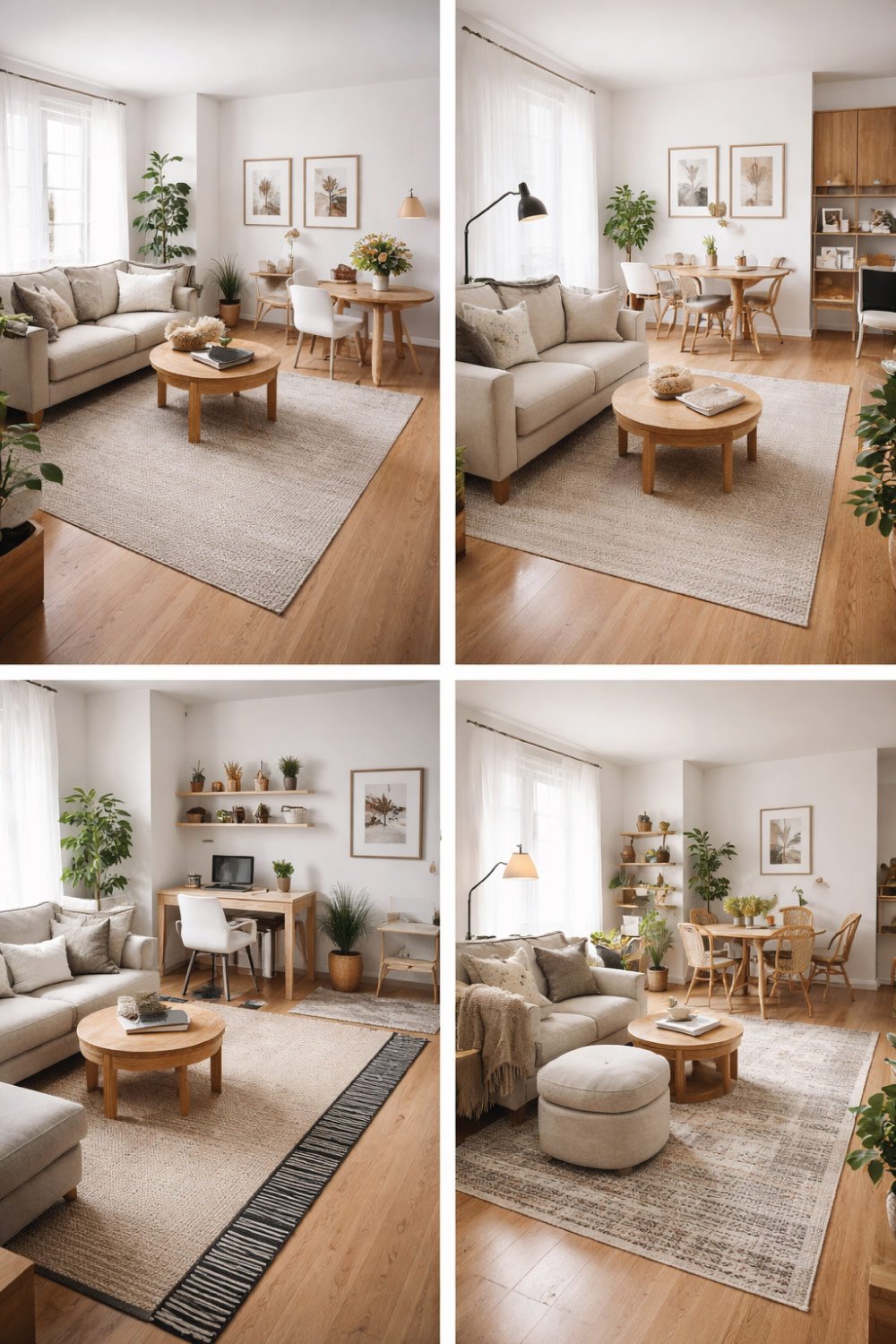
Rugs are a simple yet effective way to visually define zones in small living rooms.
A well-sized rug anchors seating areas, delineates dining or reading spaces, and adds warmth and texture. Ensure that the rug fits under the front legs of furniture for cohesion.
Layering rugs or using subtle patterns adds depth without overwhelming a compact apartment. Rugs also reduce noise and protect flooring, combining functionality with style.
In open-plan apartments, strategically placed rugs create boundaries while maintaining flow, making the living area feel organized and intentional.
Key highlights:
Defines seating and functional zones
Adds texture and warmth
Works in open-plan or compact layouts
Anchors furniture arrangement
Supports layered décor
Prevents floor from looking bare
Enhances visual organization
| Element | Description |
|---|---|
| Rug size | Proportional |
| Placement | Seating zone |
| Function | Definition |
| Style | Structured |
11. Minimize Decor and Accessories
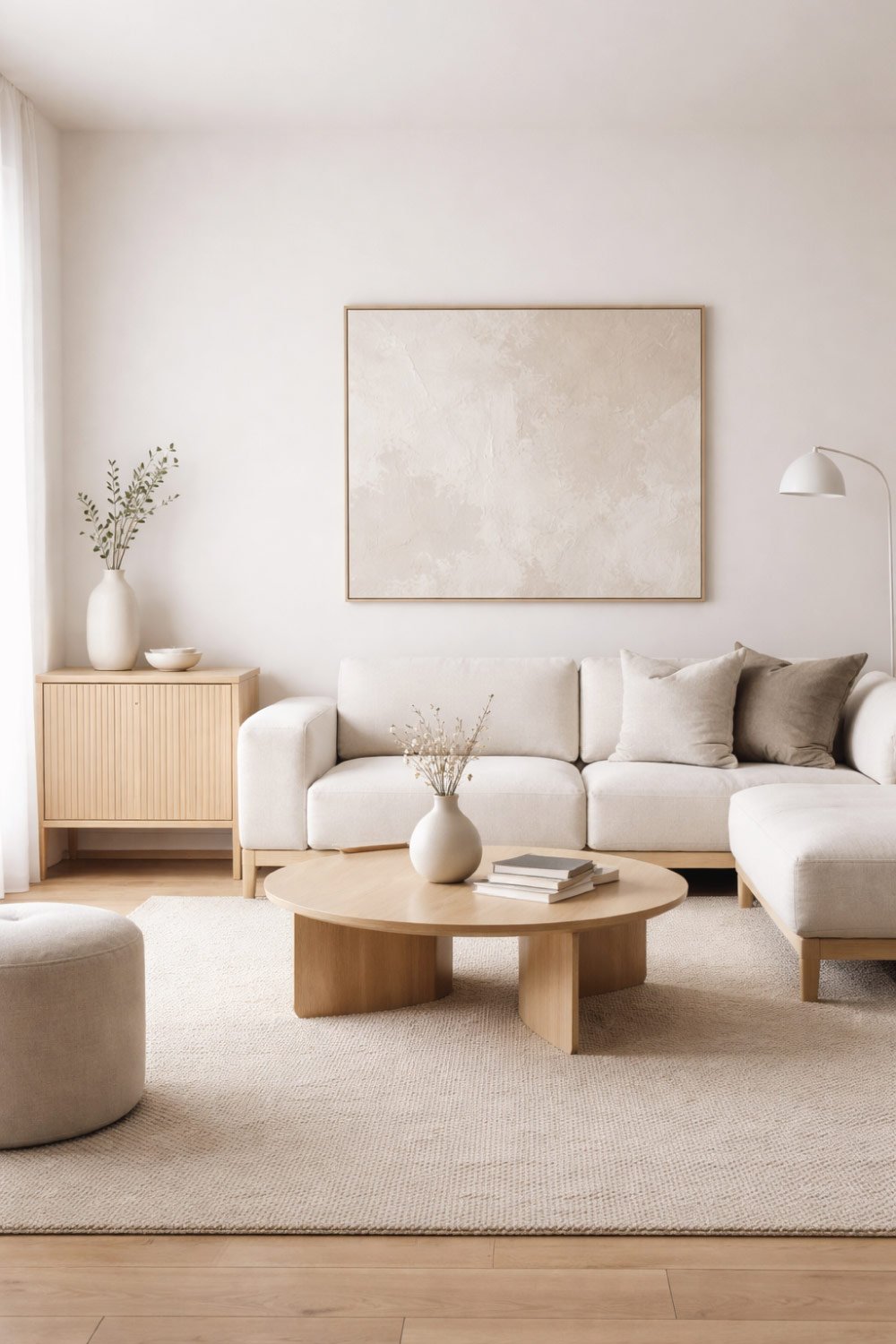
In compact living rooms, less is truly more. Overloading surfaces with small décor items or trinkets can make a space feel cramped and cluttered.
Instead, select a few impactful pieces—such as a single statement vase, artwork, or decorative object—to add personality without overcrowding.
Curated décor draws the eye to intentional focal points, maintaining openness and visual clarity. Keeping shelves, coffee tables, and sideboards mostly clear ensures a clean, airy look.
Minimalism in accessories enhances the sense of spaciousness while emphasizing quality over quantity.
Key highlights:
Focus on impactful, curated pieces
Reduces visual clutter
Surfaces remain clear and functional
Highlights statement décor
Enhances open, airy feel
Complements minimalist aesthetics
Easy to maintain
| Element | Description |
|---|---|
| Decor | Curated |
| Surfaces | Clear |
| Effect | Open look |
| Style | Minimal |
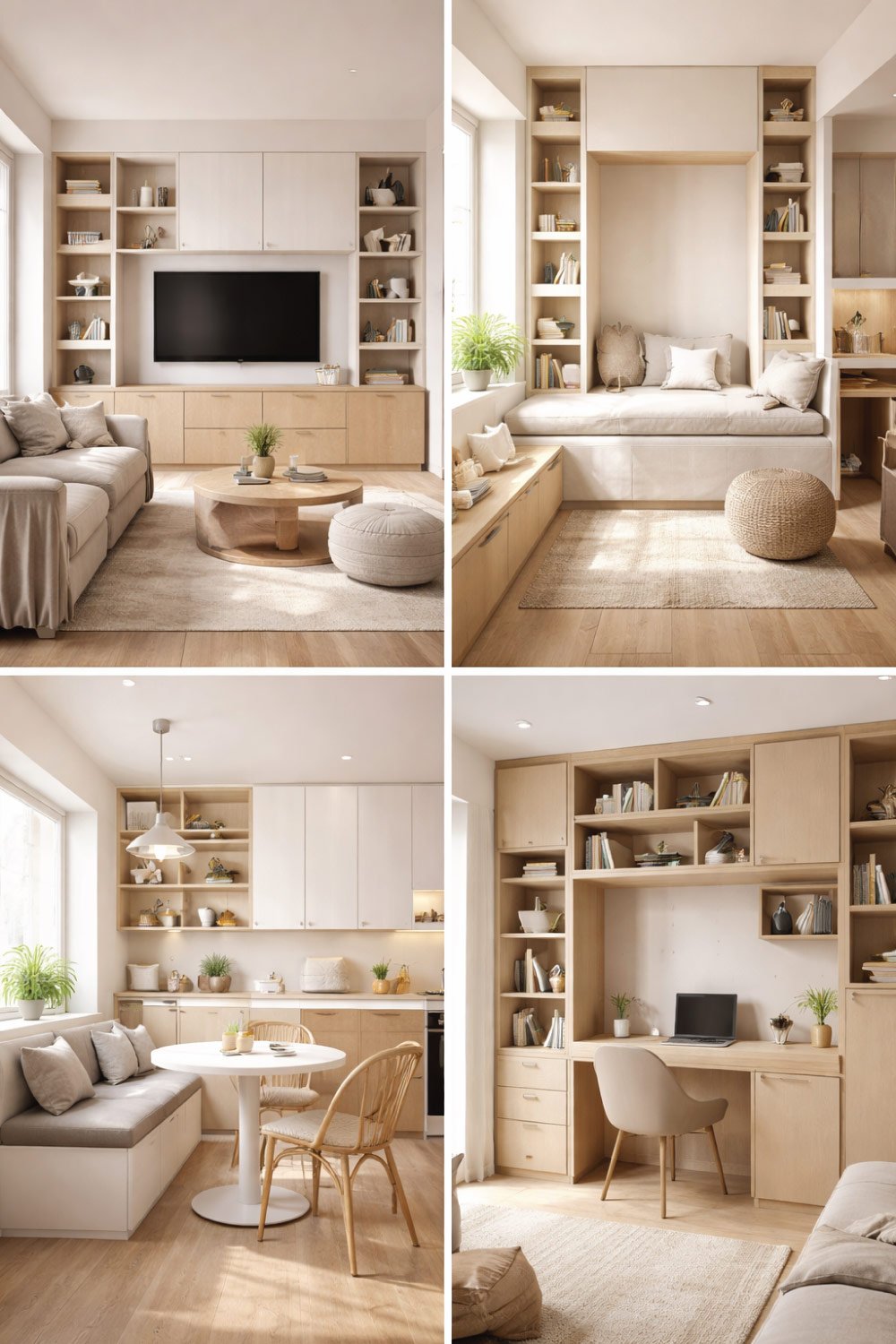
12. Use Built-In Furniture
Built-in furniture maximizes awkward corners, wall recesses, and vertical space.
Custom shelving, cabinets, or benches integrate seamlessly into the architecture, reducing visual noise and creating a cohesive look.
Built-ins provide hidden storage, allowing compact apartments to remain organized and uncluttered.
By blending with walls or matching the room’s color palette, built-ins create a streamlined, cohesive environment while increasing functionality.
This approach is particularly effective in studios or open-plan spaces, where every square foot counts. Thoughtful built-ins combine design and practicality, ensuring the room feels larger and more intentional.
Key highlights:
Utilizes awkward corners efficiently
Provides hidden or integrated storage
Blends seamlessly with walls
Reduces visual clutter
Enhances room cohesion
Ideal for small apartments
Supports multifunctional use
| Element | Description |
|---|---|
| Furniture | Built-in |
| Storage | Integrated |
| Walls | Seamless |
| Style | Functional |
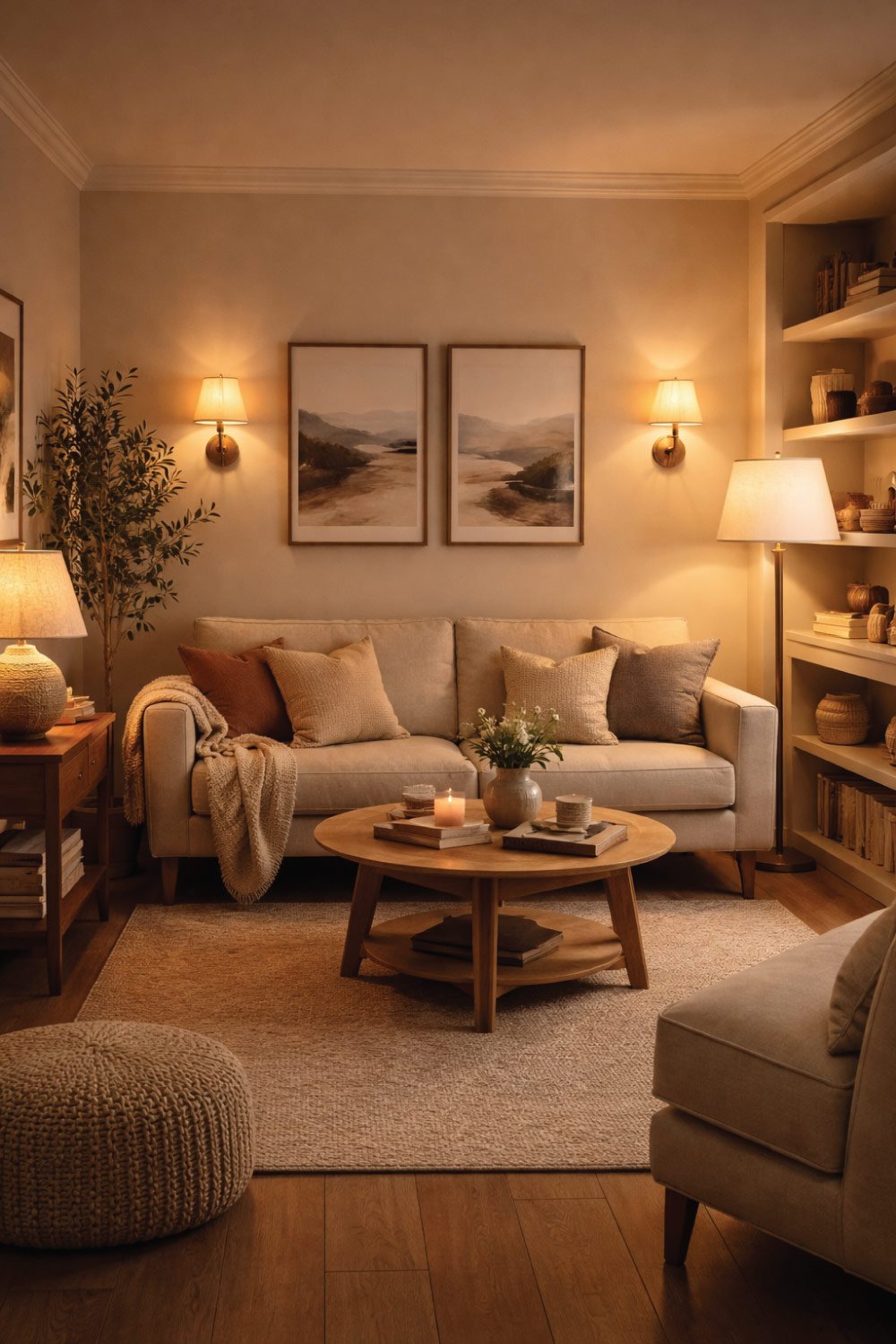
13. Add Soft, Layered Lighting
Layered lighting transforms small living rooms into cozy, inviting spaces. Instead of relying solely on a central ceiling fixture, combine table lamps, wall sconces, and floor lamps to create depth and warmth.
Soft, warm bulbs prevent harsh shadows and highlight textures, while adjustable lighting allows for versatile moods. Layering light sources adds dimension, making the room feel larger and more comfortable.
Strategic placement of lamps and accent lights can draw attention to focal points like artwork, rugs, or shelving. Layered lighting ensures functionality while enhancing style in compact apartments.
Key highlights:
Combines multiple light sources
Highlights textures and décor
Creates warmth and depth
Adjustable for different moods
Makes small rooms feel larger
Supports cozy ambiance
Complements minimal or layered interiors
| Element | Description |
|---|---|
| Lighting | Layered |
| Bulbs | Warm |
| Mood | Cozy |
| Style | Inviting |
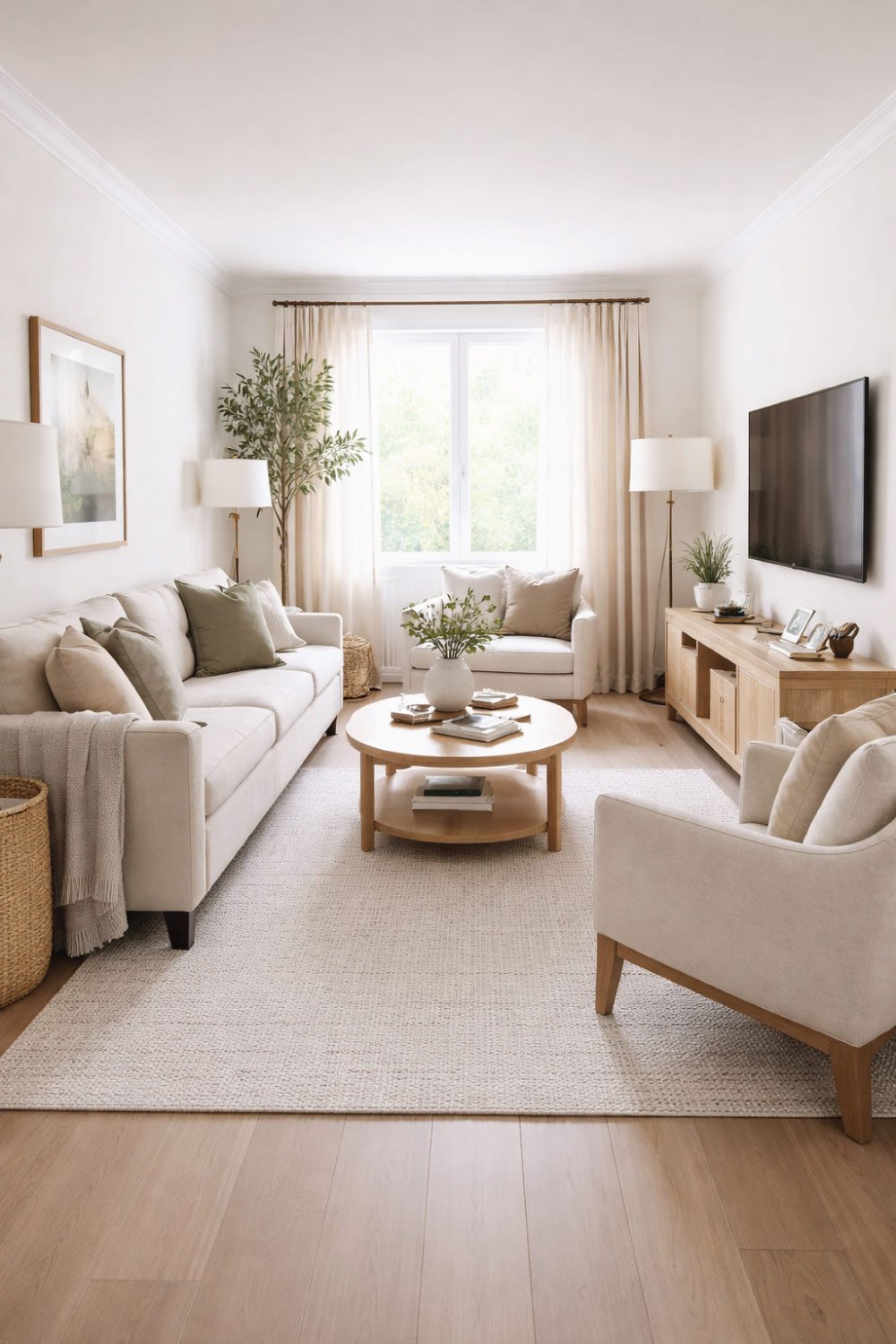
14. Keep Furniture Close to Walls
Positioning furniture closer to walls opens up the center of a small living room, improving circulation and visual spaciousness.
Sofas, chairs, and tables pushed slightly outward from their natural placement can make pathways feel clear and unobstructed. This layout is particularly effective in narrow or studio apartments.
Combined with area rugs or visual cues, wall-aligned furniture organizes the space without compromising seating or function.
Maintaining clear sightlines enhances the perception of size, making compact rooms feel airy, practical, and easy to navigate.
Key highlights:
Opens up center of the room
Improves traffic flow
Supports compact or narrow layouts
Organizes space visually
Enhances perception of size
Works with area rugs or zones
Keeps room functional and comfortable
| Element | Description |
|---|---|
| Layout | Wall-aligned |
| Center | Open |
| Movement | Easy |
| Style | Practical |
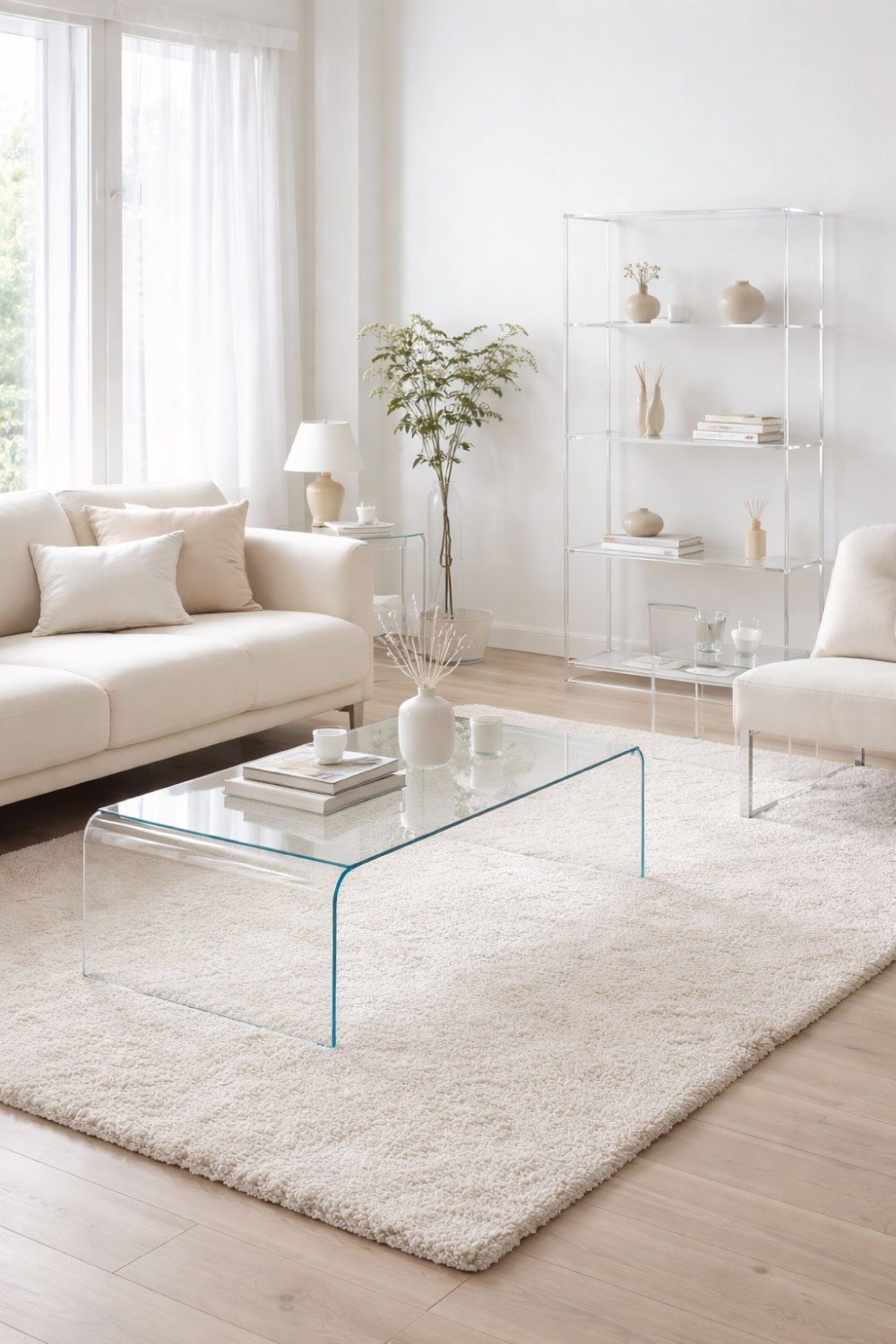
15. Use Glass or Acrylic Furniture
Glass and acrylic furniture “disappears” visually, reducing visual clutter while maintaining function.
Coffee tables, side tables, or shelving made from transparent materials allow light to pass through, creating an airy, open feel.
These materials are ideal for compact apartments because they do not obstruct sightlines or dominate the room. Despite their light appearance, glass and acrylic pieces remain sturdy and practical.
Combined with light-colored rugs, walls, or textiles, transparent furniture contributes to a modern, minimalist aesthetic while enhancing the perception of space and openness.
Key highlights:
Visually light and unobtrusive
Maintains functional surface area
Passes light to keep space airy
Complements minimal or modern décor
Works in small apartments
Easy to style with textures and colors
Reduces visual clutter
| Element | Description |
|---|---|
| Material | Glass or acrylic |
| Weight | Visually light |
| Space | Open feel |
| Style | Modern |
Discover More:
16. Add Plants Without Overcrowding
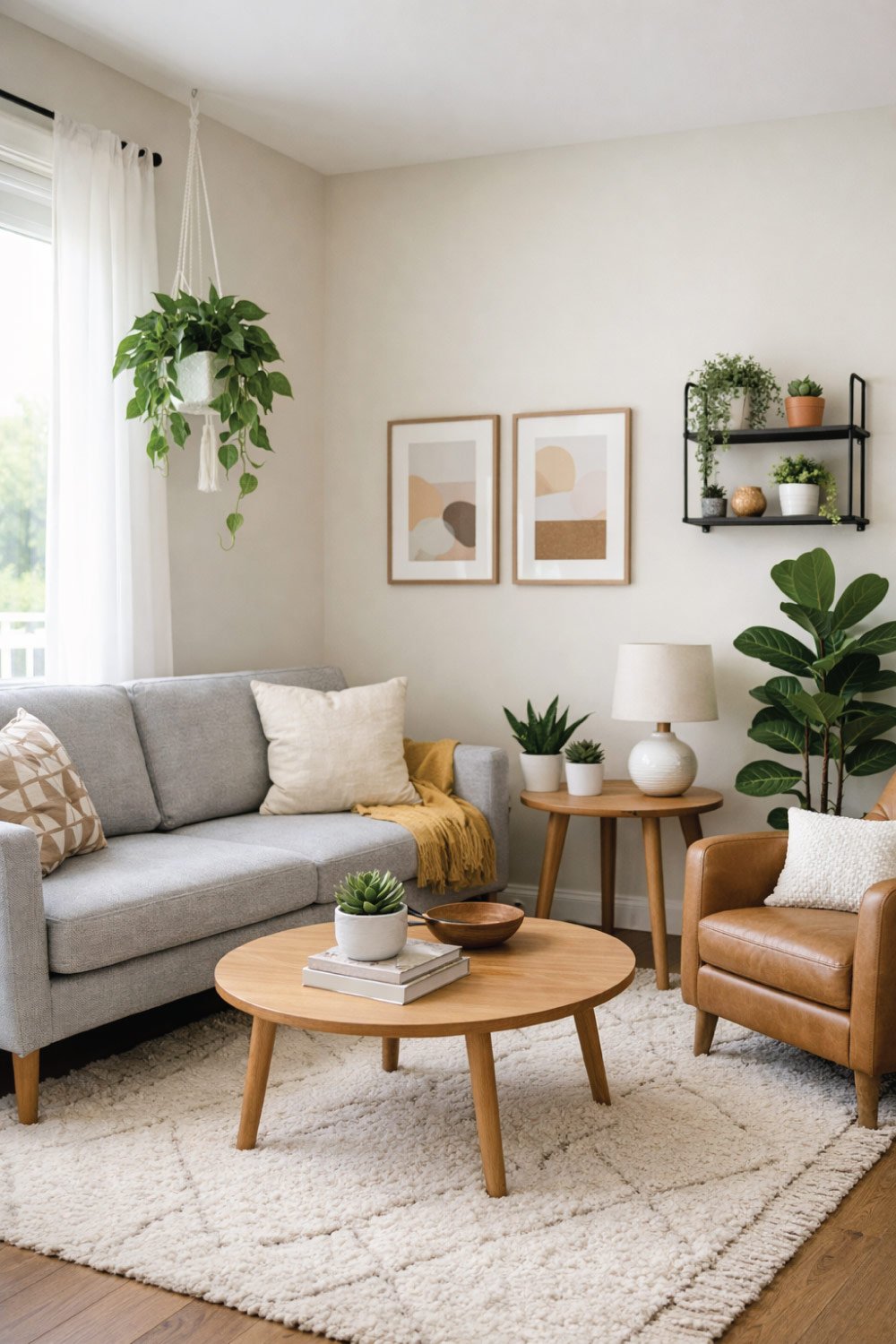
Plants bring life, color, and natural freshness to small living rooms. Choose a few well-placed pots or vertical planters to avoid overcrowding limited floor space.
Hanging plants, tall narrow plants, or small tabletop greenery work best in compact apartments. Plants not only enhance aesthetics but also improve air quality and mood.
Strategically positioned greenery complements other design elements, like light walls, rugs, or seating, without creating visual clutter.
Even a single statement plant can add a focal point, enhancing both style and livability in small urban living spaces.
Key highlights:
Adds natural color and life
Works with limited floor space
Vertical or hanging plants maximize space
Complements neutral or light palettes
Enhances mood and air quality
Provides visual focal points
Avoids overcrowding small apartments
| Element | Description |
|---|---|
| Plants | Small or vertical |
| Placement | Corners, shelves |
| Effect | Fresh |
| Style | Natural |
Final Thought
Designing a compact living room is not about limitations—it’s about making intentional choices.
When space is limited, every color, piece of furniture, and layout decision matters more.
By using light tones, multifunctional furniture, smart storage, and thoughtful lighting, even the smallest living room can feel comfortable, stylish, and efficient.
The goal is to create a space that supports your lifestyle while remaining visually open and uncluttered.
With the right balance of function and aesthetics, a compact living room can be just as inviting and impressive as a larger one. Small spaces, when designed well, often feel the most personal and thoughtfully curated.
Discover More:

I am Engineer Hassan, a professional engineer with over 15 years of experience in measurements, design accuracy, and furniture, appliance, and home product sizing. Through Size Helper, I provide research-based guides and trending 2026 home design ideas for living rooms, bedrooms, sofas, wall décor, fashion, and sports—helping users make confident, informed decisions. Every guide is written with real expertise, verified data, and a commitment to quality, usability, and style.